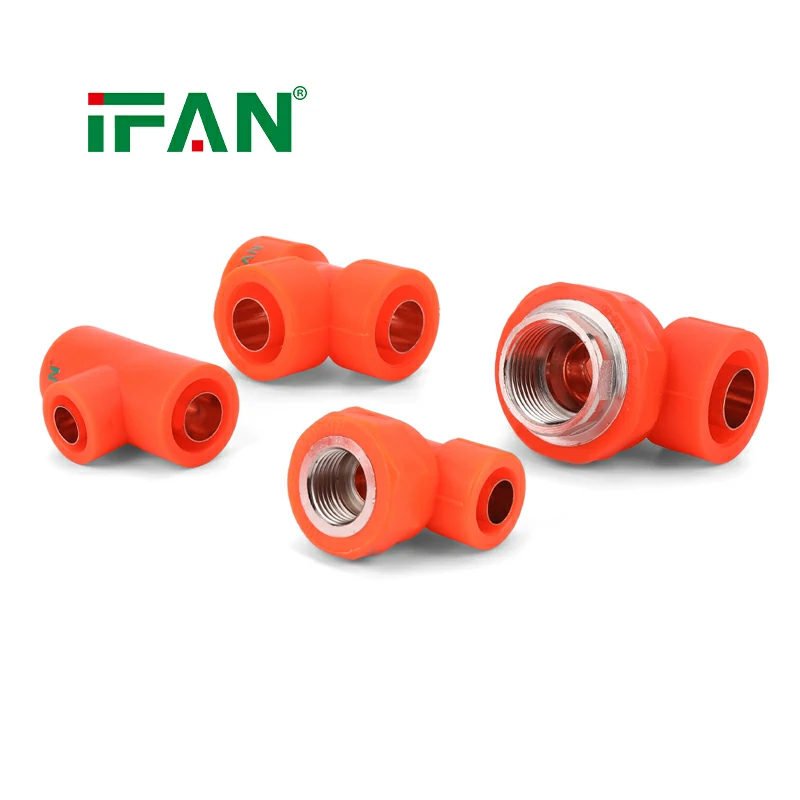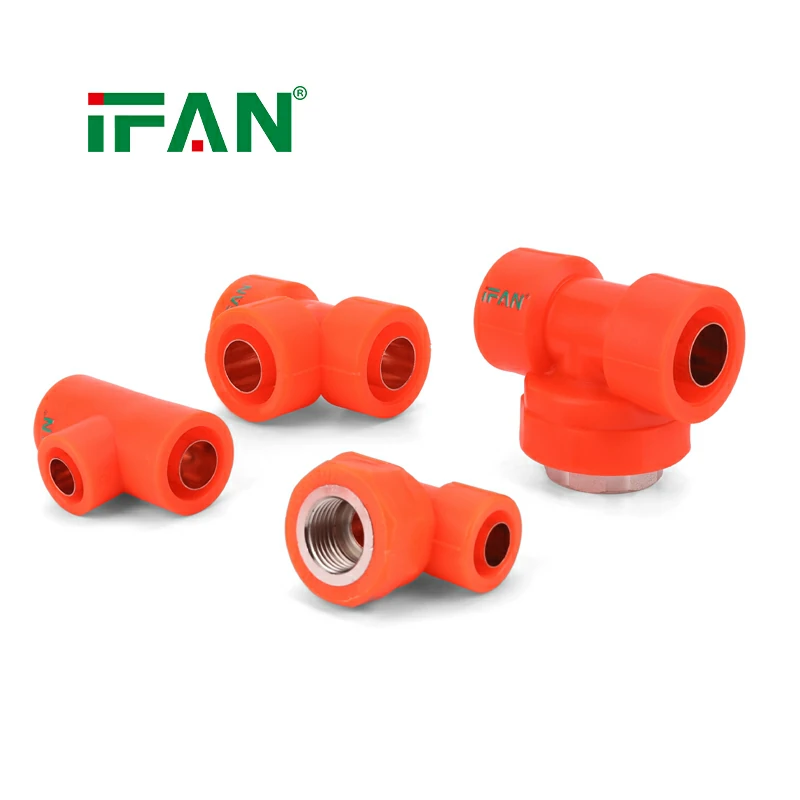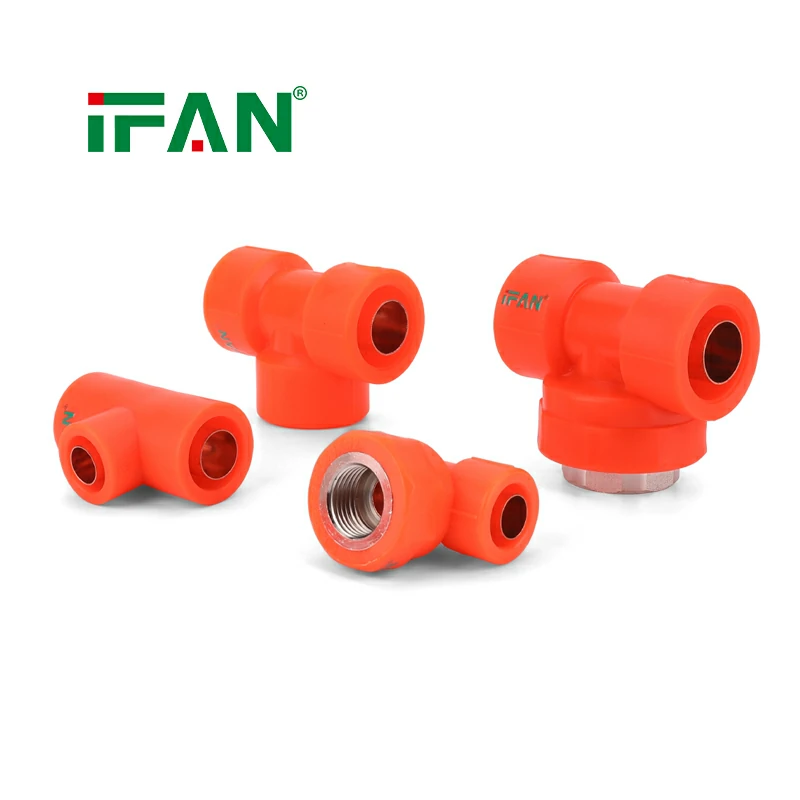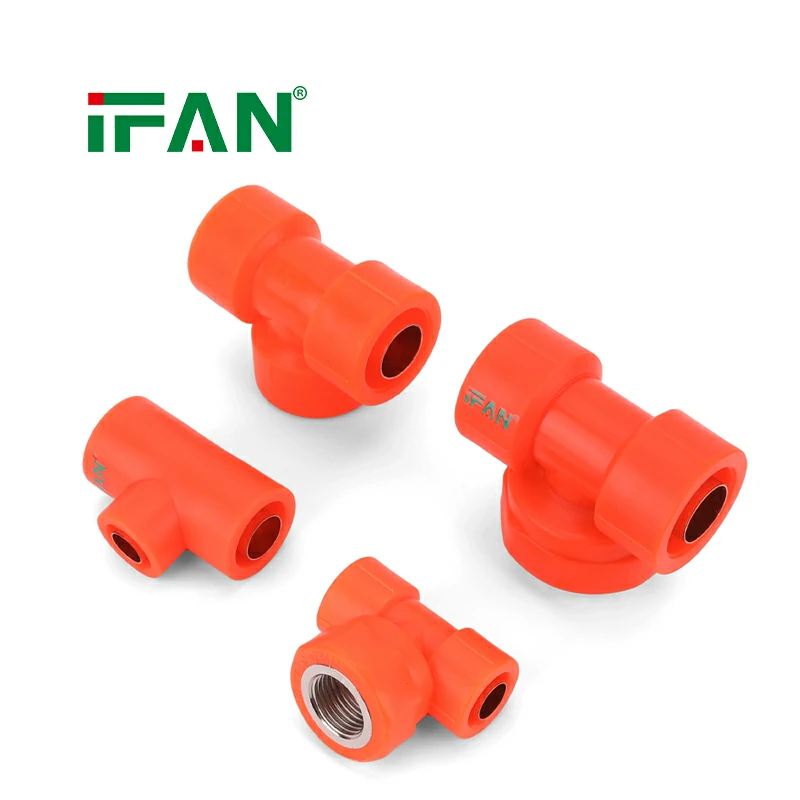


PPR Fittings
Modern plumbing systems require components that maintain stable performance under pressure, temperature changes, and long-term water exposure. PPR fittings (Polypropylene Random Copolymer fittings) are widely used in these systems because they provide corrosion resistance, hygienic water transport, and strong fusion-welded connections. However, achieving reliable performance depends on understanding their uses, choosing the correct type, and applying proper selection criteria. This guide explains these three aspects in a clear and practical way.
Uses of PPR Fittings in Plumbing Systems
Residential Water Supply
PPR fittings are commonly used in homes for:
- Cold and hot water distribution lines
- Bathroom and kitchen piping systems
- Water heater connections
Their non-toxic material ensures safe transport of drinking water.
Commercial Buildings
In offices, hotels, and public facilities, PPR systems support:
- Centralized water distribution networks
- Multi-floor hot water circulation
- Sanitary piping infrastructure
These systems benefit from long service life and reduced maintenance needs.
Heating Systems
PPR fittings are widely applied in:
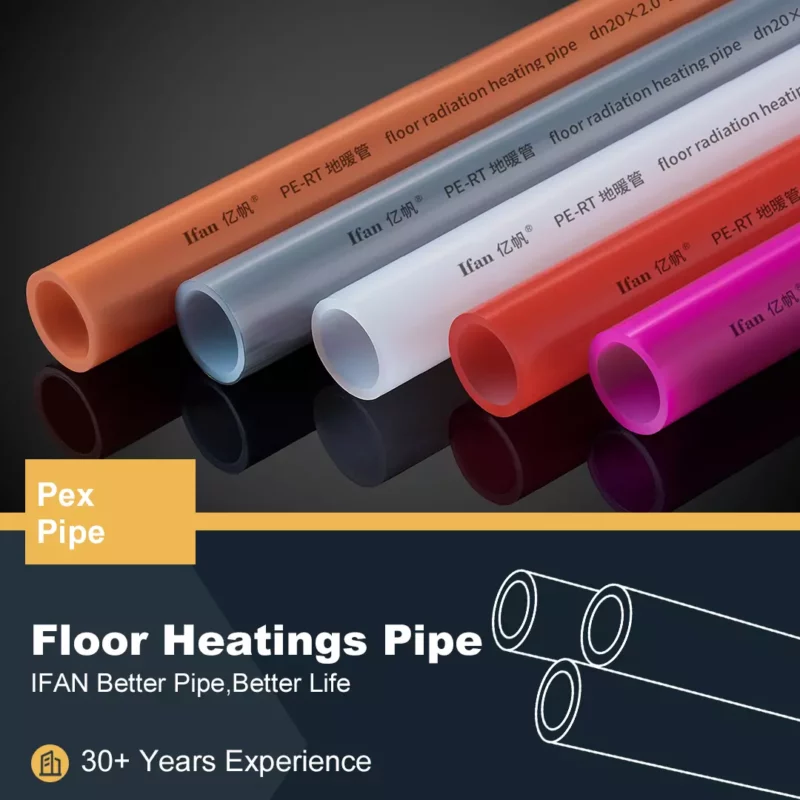
- Underfloor heating installations
- Radiator piping networks
- Low-temperature hydronic systems
They maintain stability under repeated thermal expansion cycles.
Light Industrial Applications
In controlled environments, PPR fittings handle:
- Process water pipelines
- Non-corrosive fluid transport
- Utility and auxiliary piping systems
Their resistance to scaling and corrosion improves operational reliability.
Types of PPR Fittings
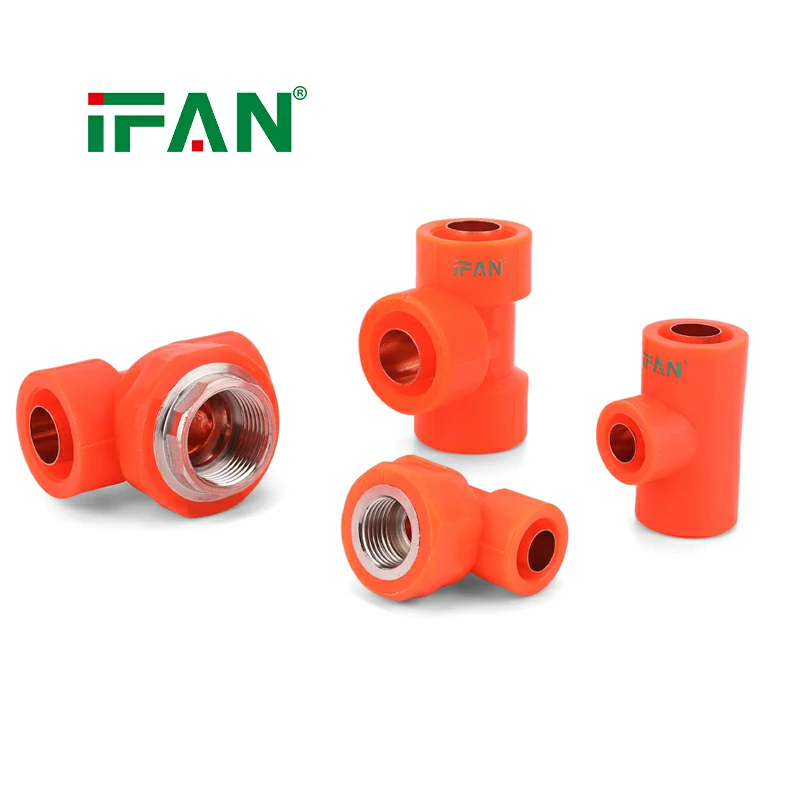
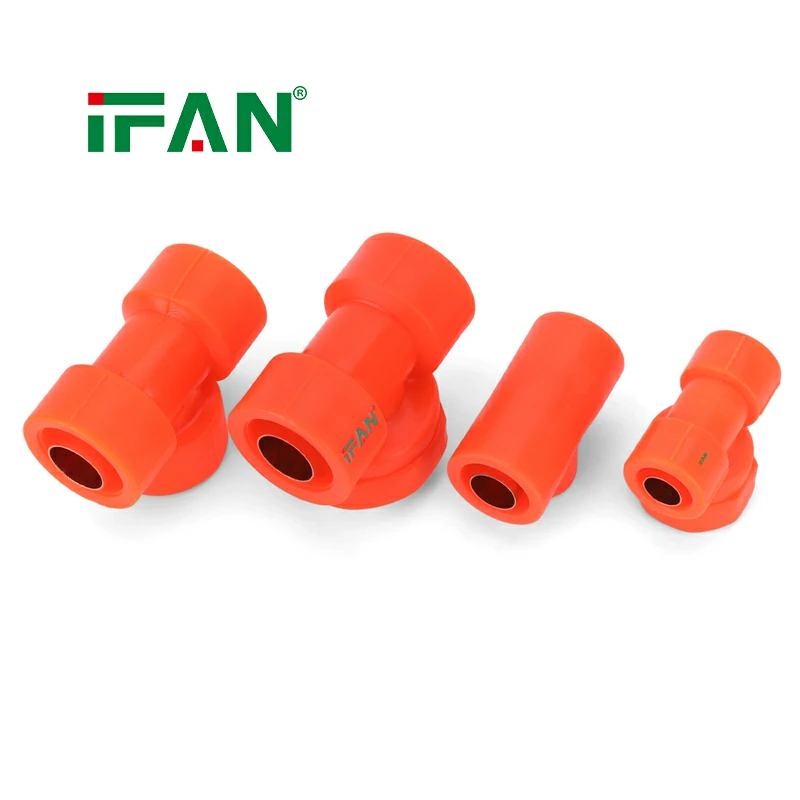
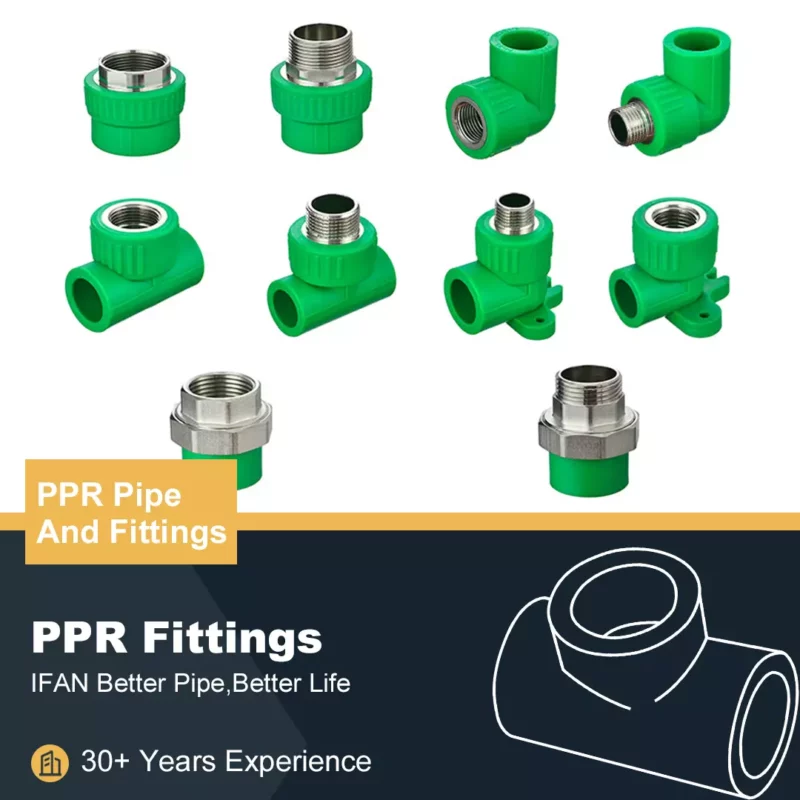
1. Elbow Fittings
Used to change the direction of water flow.
Common angles include 45° and 90°, suitable for tight or standard routing layouts.
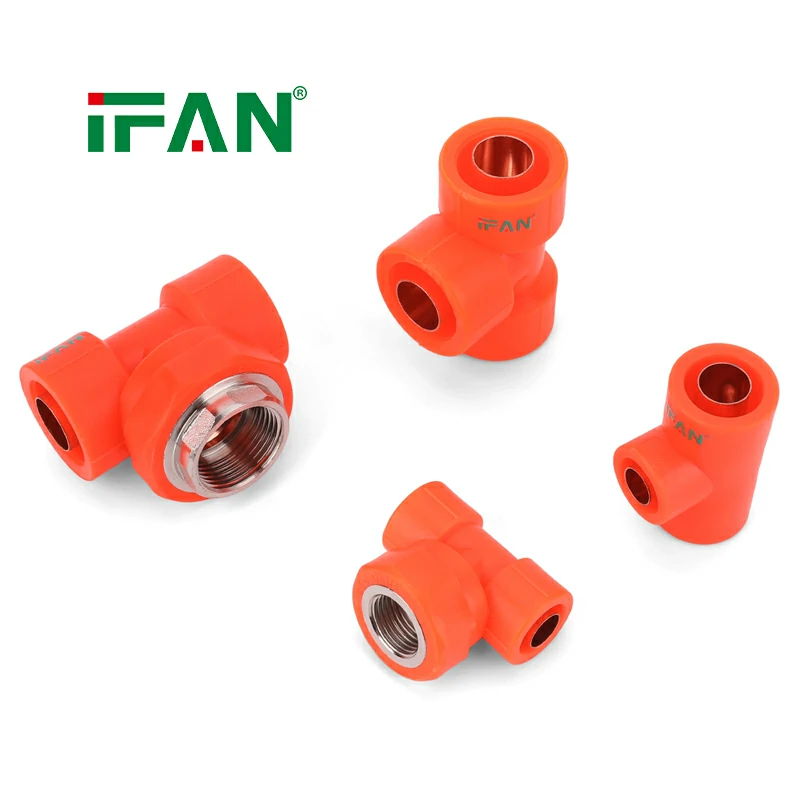
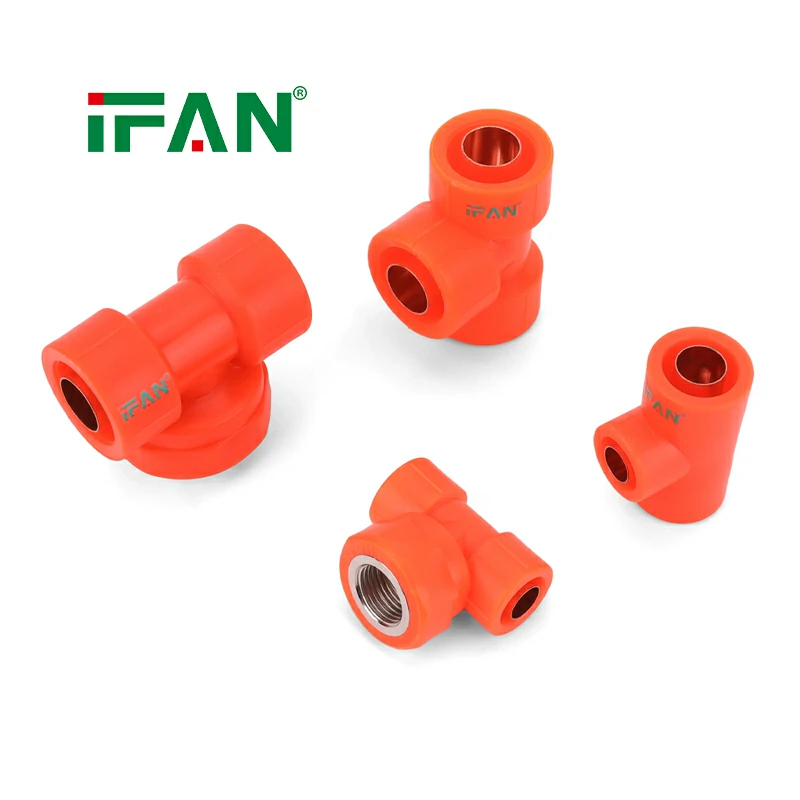
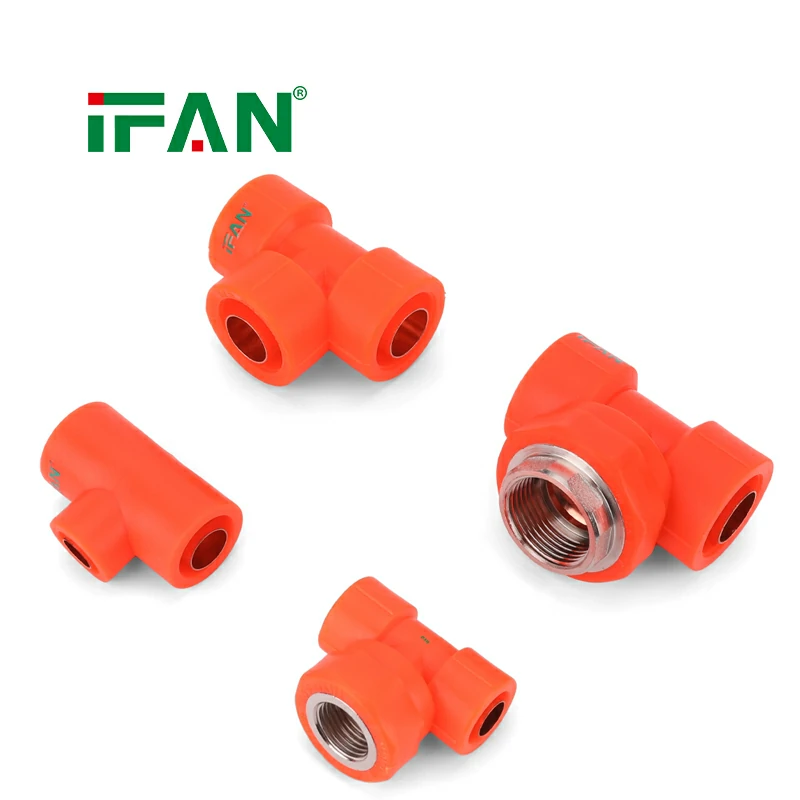
2. Tee Fittings
Used to divide or combine water flow in a pipeline.
They are essential for branching systems in residential and commercial plumbing.
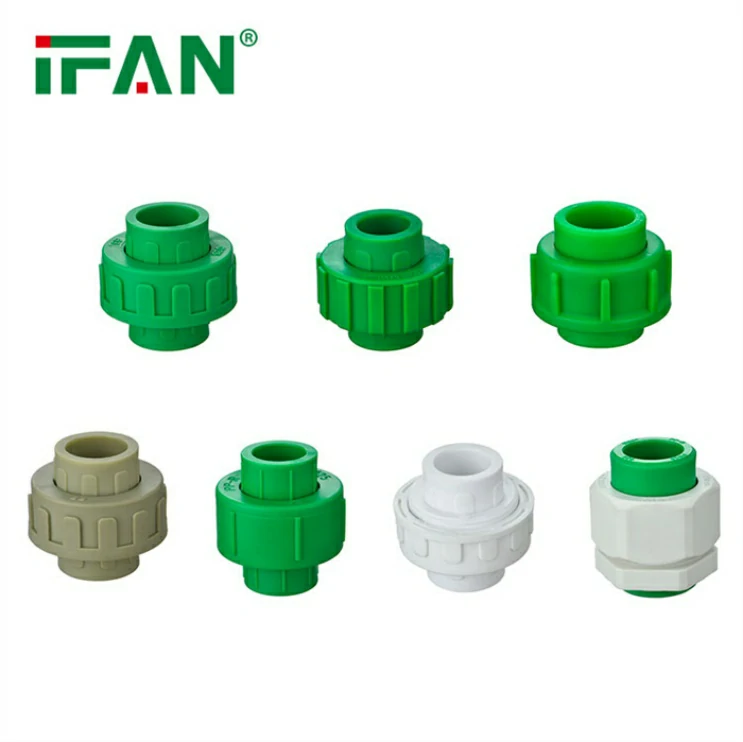
3. Coupling Fittings
Used to connect two straight pipe sections.
They ensure continuous flow without pressure loss when properly installed.
4. Reducer Fittings
Used to connect pipes of different diameters.
They help balance flow and adapt system size requirements.
5. Threaded Adapters
Used to connect PPR systems with metal components such as:
- Faucets
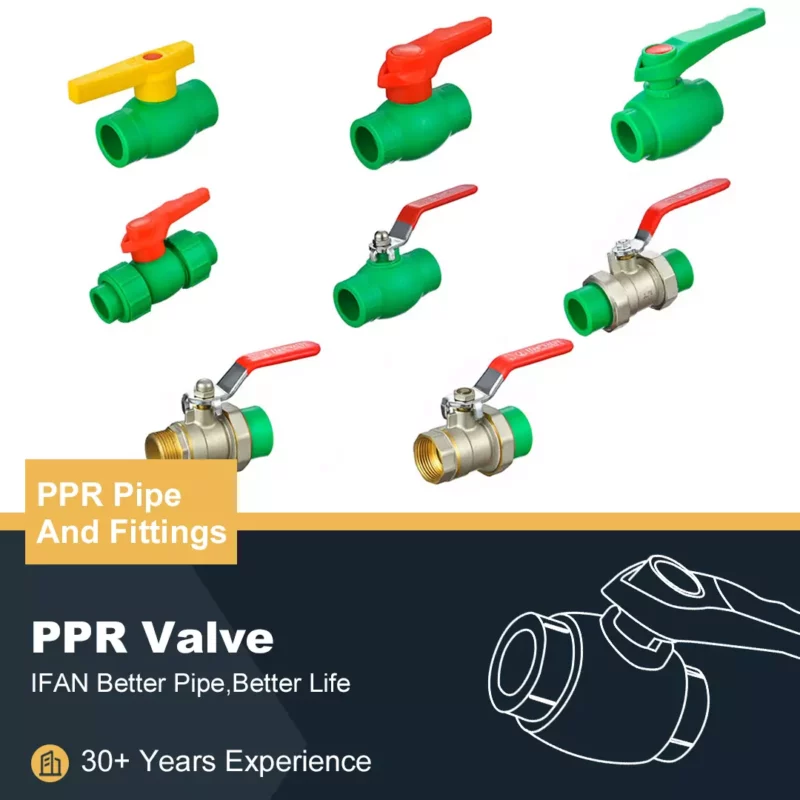
- Valves
- Pumps
They enable cross-material integration in plumbing systems.
6. End Caps
Used to seal the end of a pipeline.
They are commonly used during system testing or future expansion planning.
Key Selection Considerations for PPR Fittings
1. Application Requirements
Before selecting fittings, define the system purpose:
- Residential plumbing
- Commercial water distribution
- Heating systems
- Industrial fluid transport
Each application requires different pressure and temperature resistance levels.
2. Pressure Rating (PN Class)
PPR fittings are categorized by pressure capacity:
- PN10: low-pressure systems
- PN16: standard residential and commercial use
- PN20: high-pressure or hot water systems
Always select a rating equal to or higher than system demand.
3. Size and Dimensional Compatibility
Correct sizing ensures system stability:
- Pipe diameter must match fitting size exactly
- Wall thickness (SDR) must be compatible
- Avoid mixing inconsistent specifications
Improper sizing leads to weak joints and reduced flow efficiency.
4. Material Quality
High-quality fittings should:
- Use virgin polypropylene material
- Maintain uniform wall thickness
- Meet ISO or DIN standards
- Show no visible defects or impurities
Material quality directly affects durability and safety.
5. Temperature Resistance
Different systems require different thermal performance:
- Cold water systems: standard PPR fittings
- Hot water systems: heat-resistant grades (up to 70–95°C)
- Heating systems: stable under thermal cycling
Selecting incorrect temperature ratings can cause deformation.
6. Installation Method Compatibility
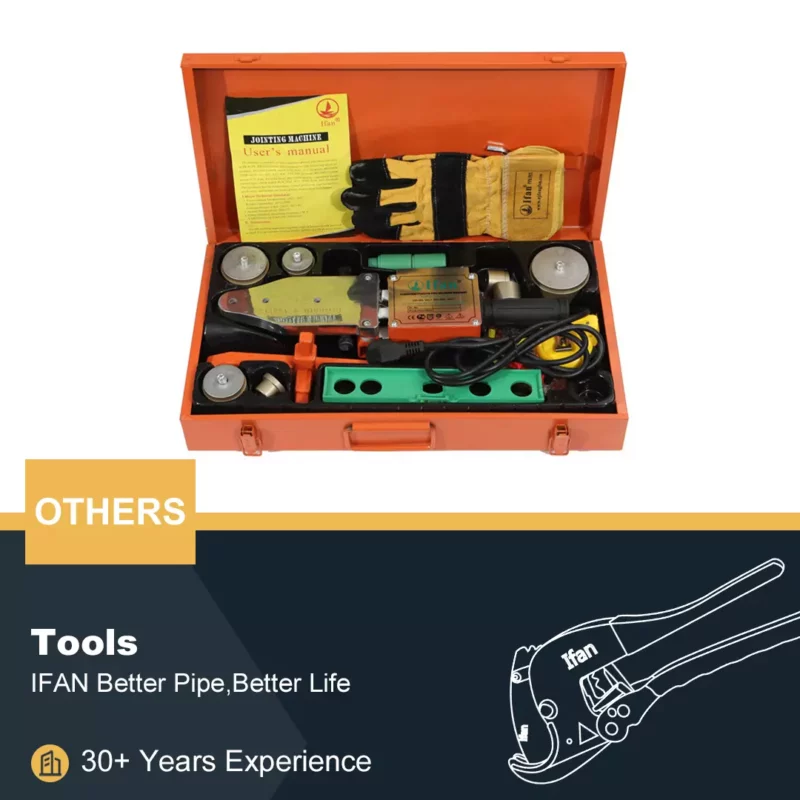
PPR systems rely on heat fusion, so ensure:
- Proper welding tools are available
- Temperature and timing are controlled
- Installation is performed by trained personnel
Poor installation reduces even high-quality system performance.
Common Selection Mistakes
- Choosing fittings only based on price
- Ignoring pressure and temperature limits
- Mixing incompatible piping systems
- Using uncertified or low-quality materials
- Improper fusion welding techniques
Avoiding these mistakes ensures long-term system reliability.
Conclusion
PPR fittings play a critical role in modern plumbing systems by providing durable, corrosion-resistant, and hygienic water transport solutions. Understanding their uses, selecting the correct type, and applying proper technical considerations such as pressure rating, size compatibility, and material quality ensures long-term system performance. With the right selection strategy, PPR fittings deliver stable and efficient operation across residential, commercial, and industrial applications.
Contact:
We will reply your email or fax within 24 hours.
You can call us at any time if there is any question on our production.
For more information,pls visit our webside.
Pls Mail to: [email protected]