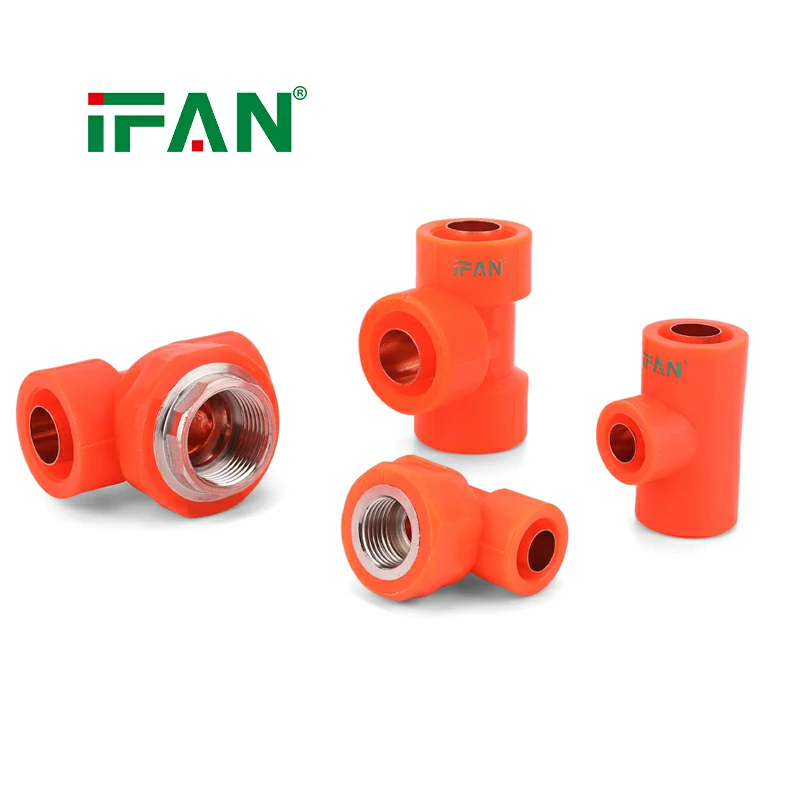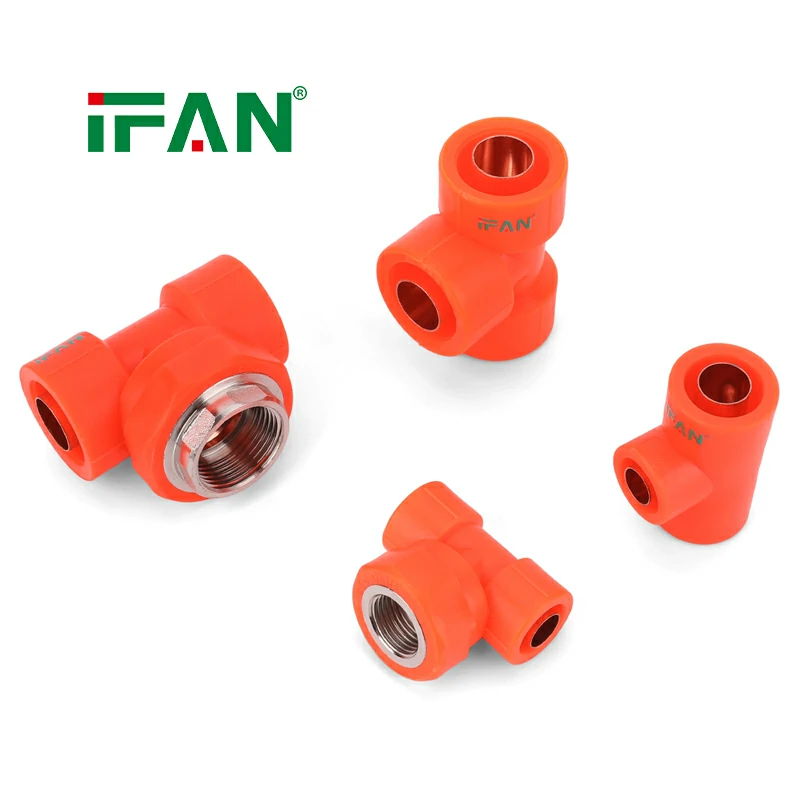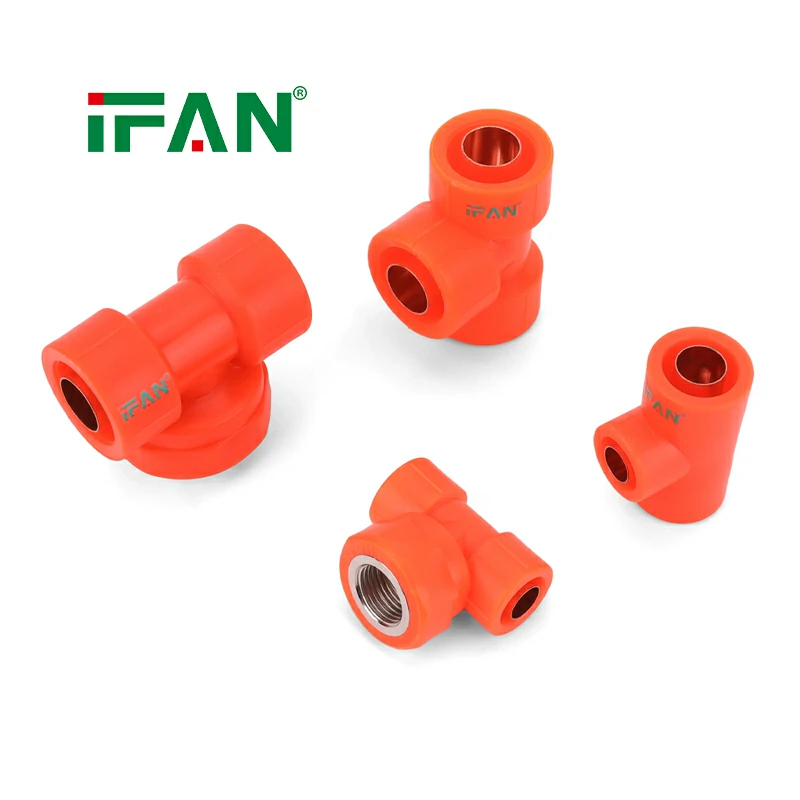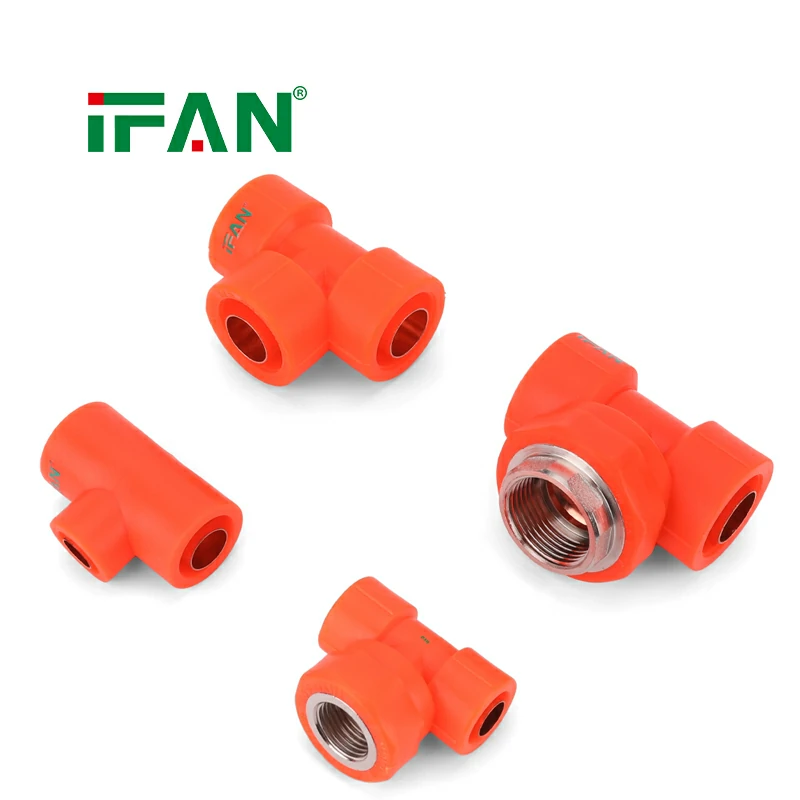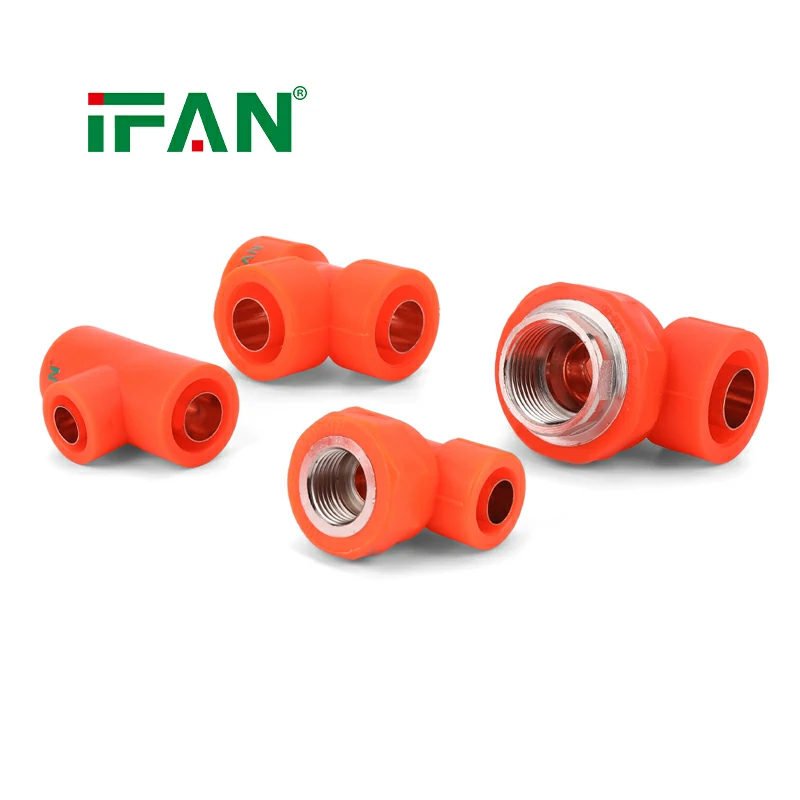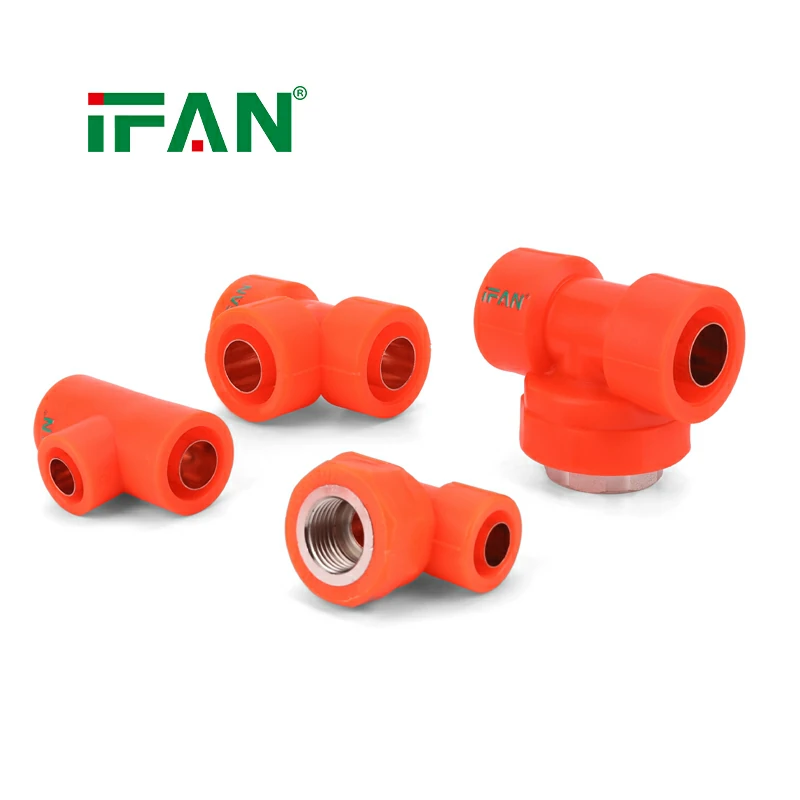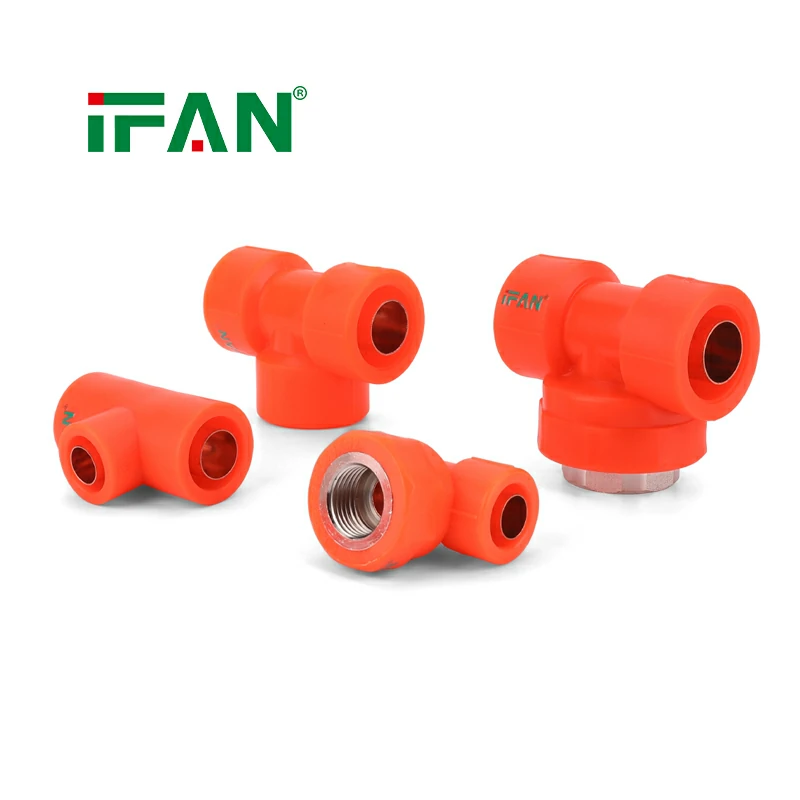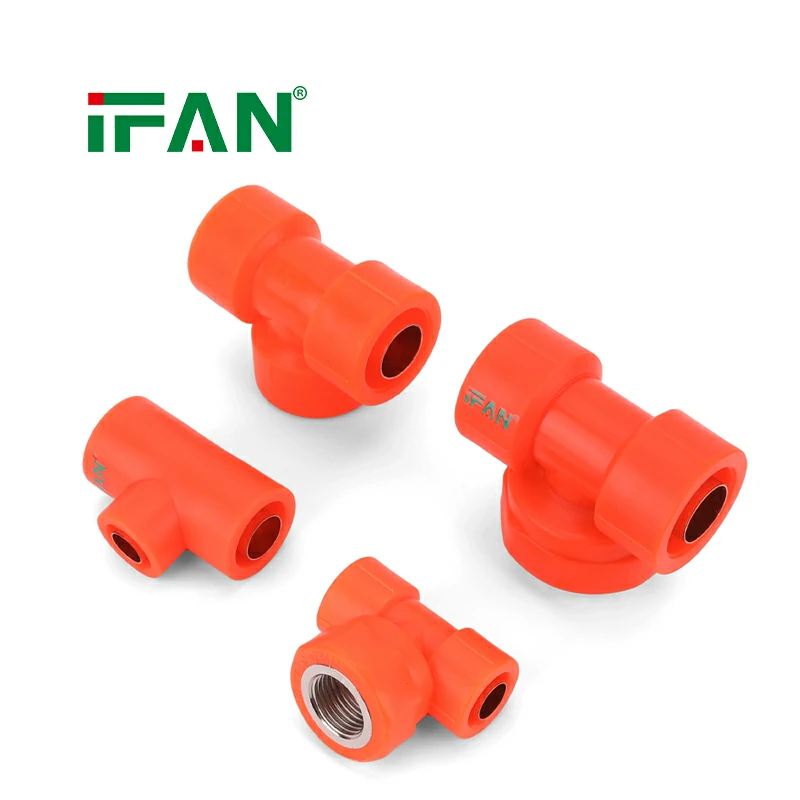


PPR Fittings
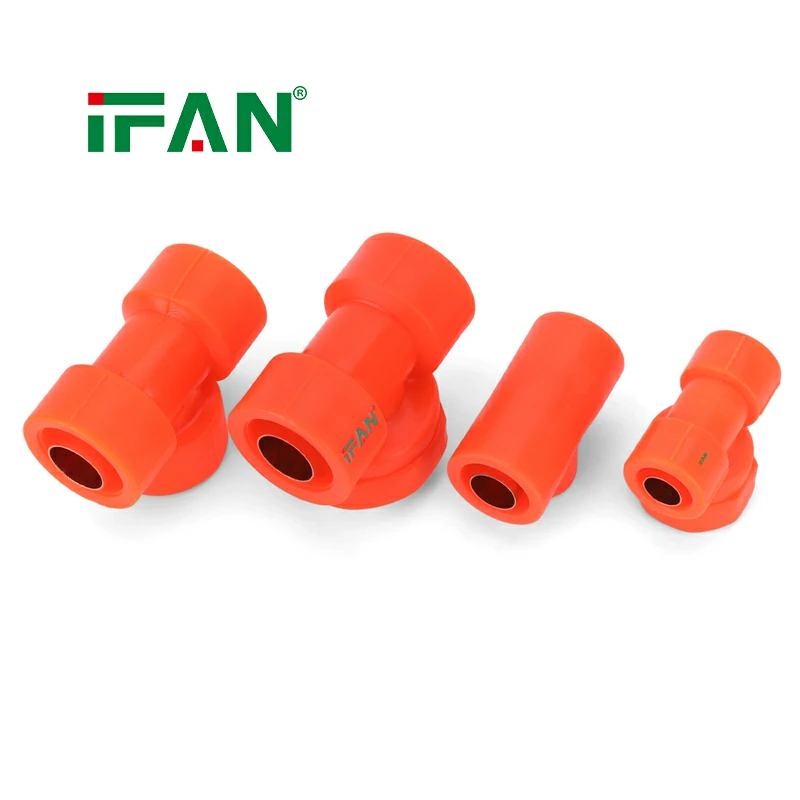
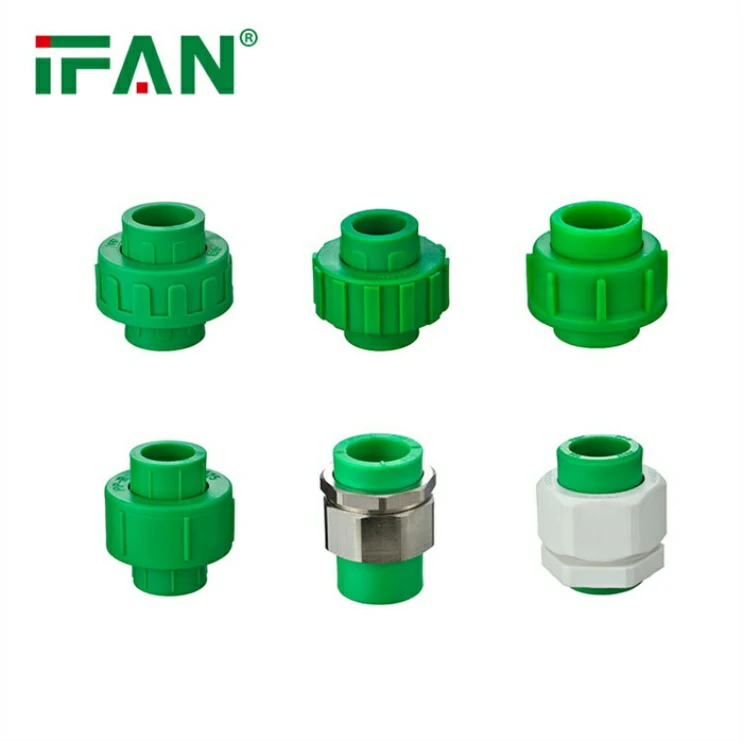
Efficient plumbing installation depends on more than pipe layout and workmanship. The performance of the entire system is strongly influenced by the quality and suitability of PPR fittings (Polypropylene Random Copolymer fittings). These components determine flow stability, leak resistance, and long-term durability. Because PPR systems rely on heat fusion connections, incorrect selection can compromise even a well-designed installation. This guide outlines practical selection tips to help ensure efficient, reliable, and long-lasting plumbing performance.
1. Start with System Requirements
Before selecting any fitting, define the system conditions clearly:
- Type of installation (residential, commercial, or industrial)
- Hot or cold water usage
- Expected water pressure levels
- Flow demand and pipe routing complexity
This step ensures you select fittings that match real operating conditions instead of relying on generic choices.
2. Match Pipe Size and Fitting Dimensions Accurately
Dimensional accuracy is essential in PPR systems:
- Pipe diameter must match fitting size exactly (e.g., 20mm, 25mm, 32mm)
- SDR (Standard Dimension Ratio) must remain consistent
- Wall thickness compatibility must align across all components
Even small mismatches can weaken fusion joints and reduce system efficiency.
3. Select the Correct Pressure Rating (PN Class)
Pressure class determines how much internal force the system can safely handle:
- PN10: low-pressure applications
- PN16: standard residential and commercial plumbing
- PN20: high-pressure or hot water systems
Always choose a pressure rating higher than the maximum expected working pressure to ensure safety margin.
4. Choose the Right Fitting Type for Each Function
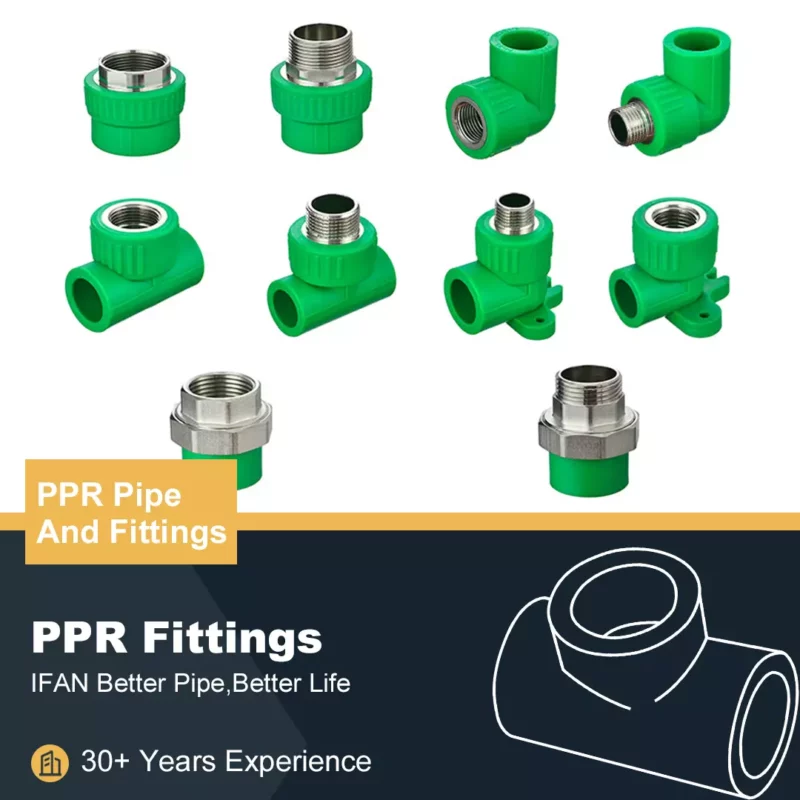
Each PPR fitting serves a specific purpose:
- Elbows for directional changes
- Tees for branch distribution
- Couplings for straight-line connection
- Reducers for diameter transitions
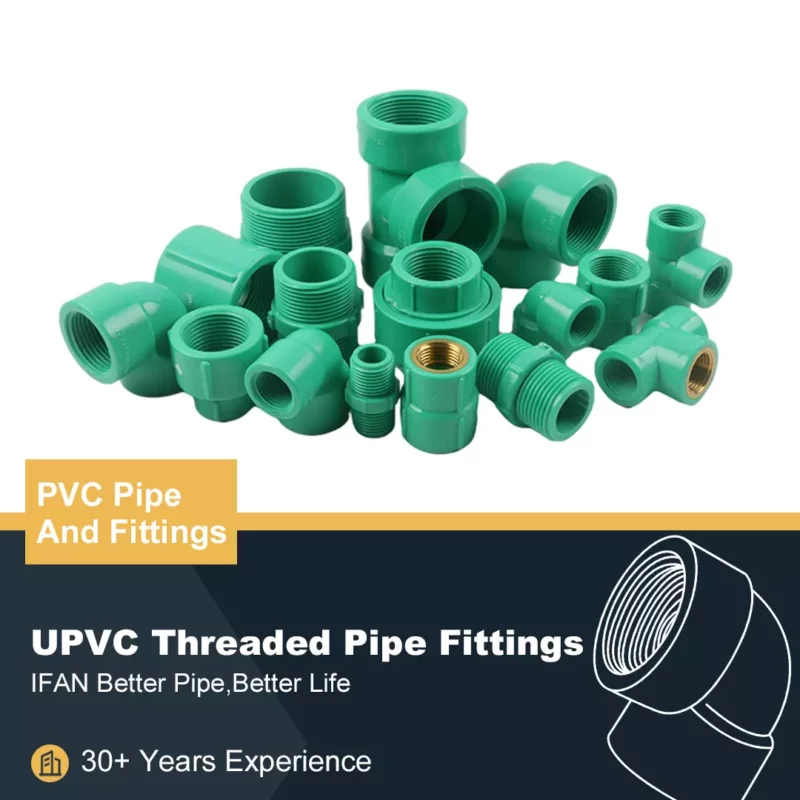
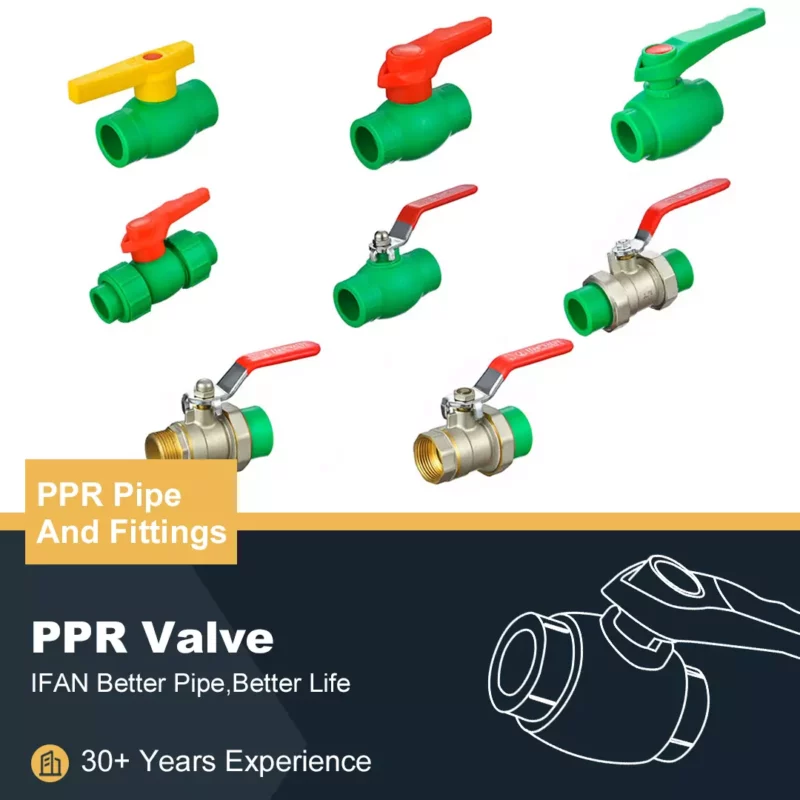
- Threaded adapters for connecting valves and metal fixtures
Using the correct type improves flow efficiency and reduces unnecessary stress on the system.
5. Prioritize Material Quality
High-quality PPR fittings should:
- Be made from virgin polypropylene
- Have uniform wall thickness
- Comply with ISO or DIN standards
- Show no visible impurities or recycled material defects
Material quality directly affects durability, heat resistance, and joint strength.
6. Ensure Temperature Compatibility
PPR fittings must match operating temperature conditions:
- Cold water systems: standard PPR fittings
- Hot water systems: heat-resistant grades (typically up to 70–95°C)
- Heating systems: stable under continuous thermal cycling
Incorrect temperature matching can cause deformation or reduced service life.
7. Consider Installation Method Requirements
Since PPR systems rely on heat fusion:
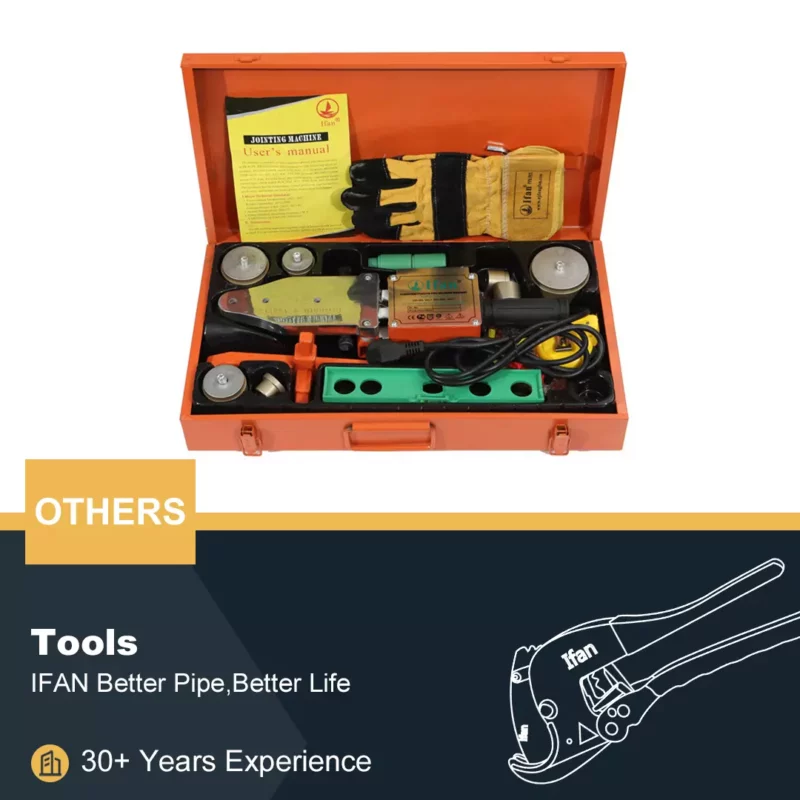
- Use calibrated welding machines
- Maintain correct heating time and temperature
- Ensure clean pipe ends before welding
- Avoid movement during cooling phase
Poor installation technique can reduce system performance even if fittings are high quality.
8. Plan for System Expansion and Maintenance
Efficient installations also consider future needs:
- Choose standard sizes widely available in the market
- Ensure fittings are compatible with different suppliers
- Design layouts that allow future expansion or repair
This reduces long-term maintenance cost and system downtime.
9. Check Compatibility with Other Materials
Many plumbing systems connect PPR with other materials:
- Use brass insert fittings for metal connections
- Use threaded adapters for valves and fixtures
- Use certified transition fittings for PVC or copper systems
Proper transition design prevents leakage at connection points.
10. Avoid Cost-Driven Selection Errors
One of the most common mistakes is choosing fittings based only on price. Low-cost products often:
- Use inferior raw materials
- Fail under pressure or heat
- Lack proper certification
Prioritizing quality over cost ensures long-term system efficiency.
Common Installation Selection Mistakes
- Mixing incompatible pipe standards
- Ignoring pressure and temperature ratings
- Using non-certified fittings
- Incorrect fitting type selection
- Poor welding preparation or execution
Avoiding these mistakes significantly improves system reliability.
Conclusion
Selecting PPR fittings for efficient plumbing installation requires a balance of technical accuracy and practical planning. Proper attention to size matching, pressure rating, material quality, and installation conditions ensures stable water flow and long service life. When fittings are chosen correctly and installed properly, PPR systems deliver high efficiency, strong durability, and low maintenance across residential, commercial, and industrial applications.
Contact:
We will reply your email or fax within 24 hours.
You can call us at any time if there is any question on our production.
For more information,pls visit our webside.
Pls Mail to: [email protected]