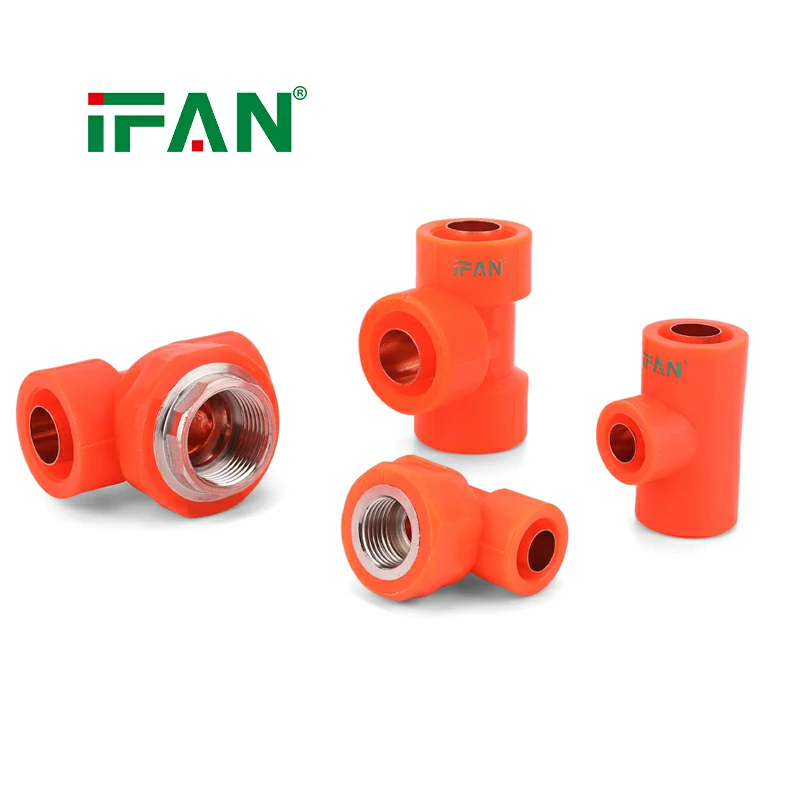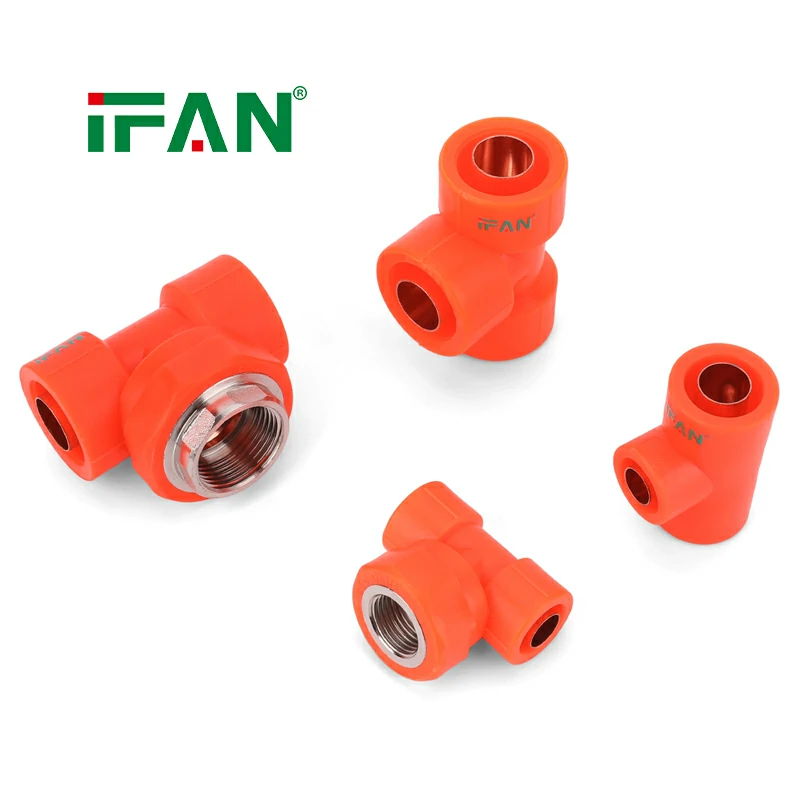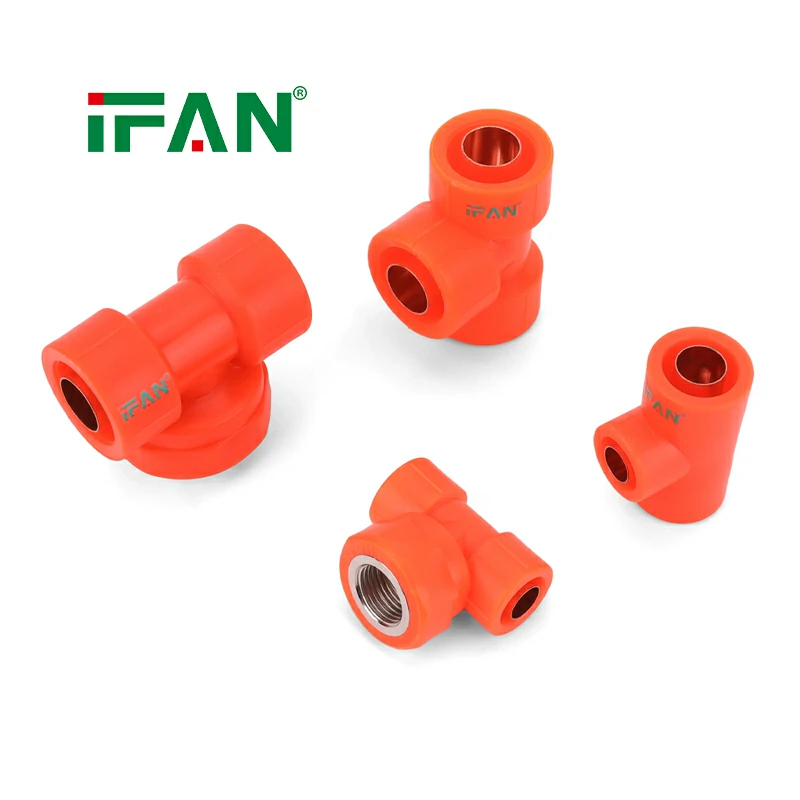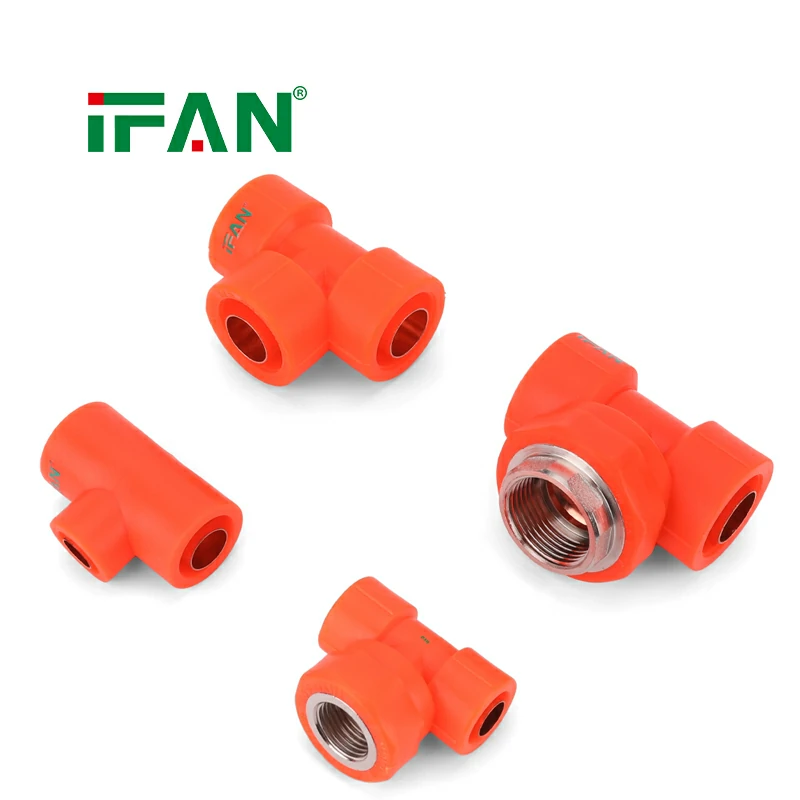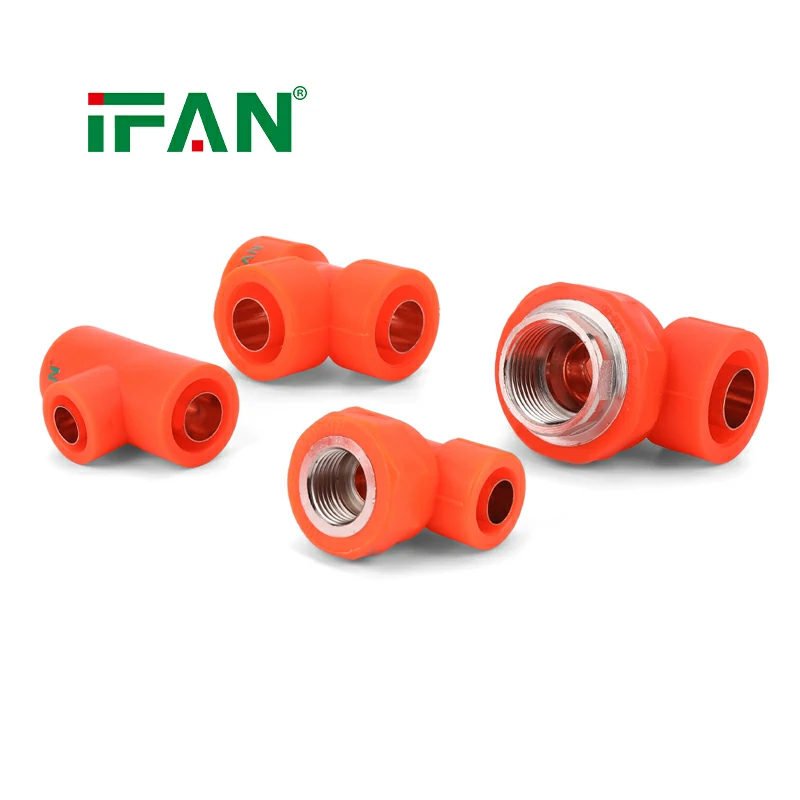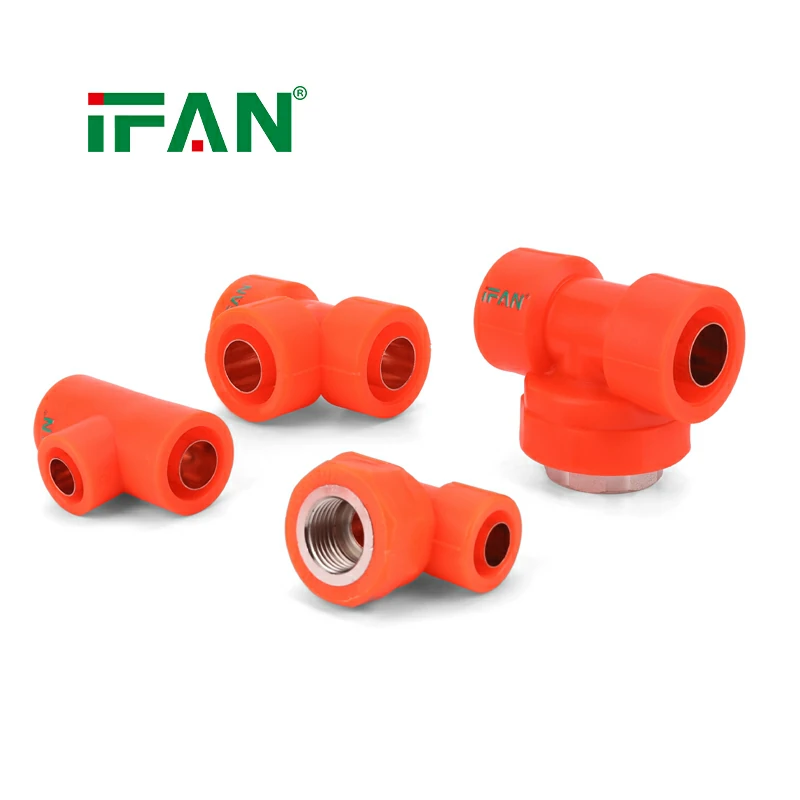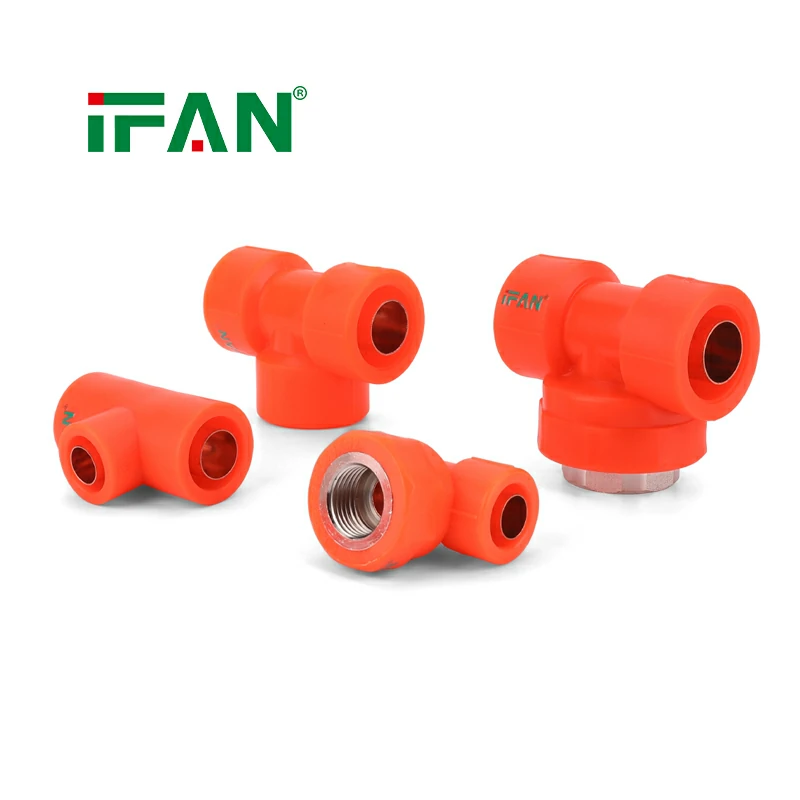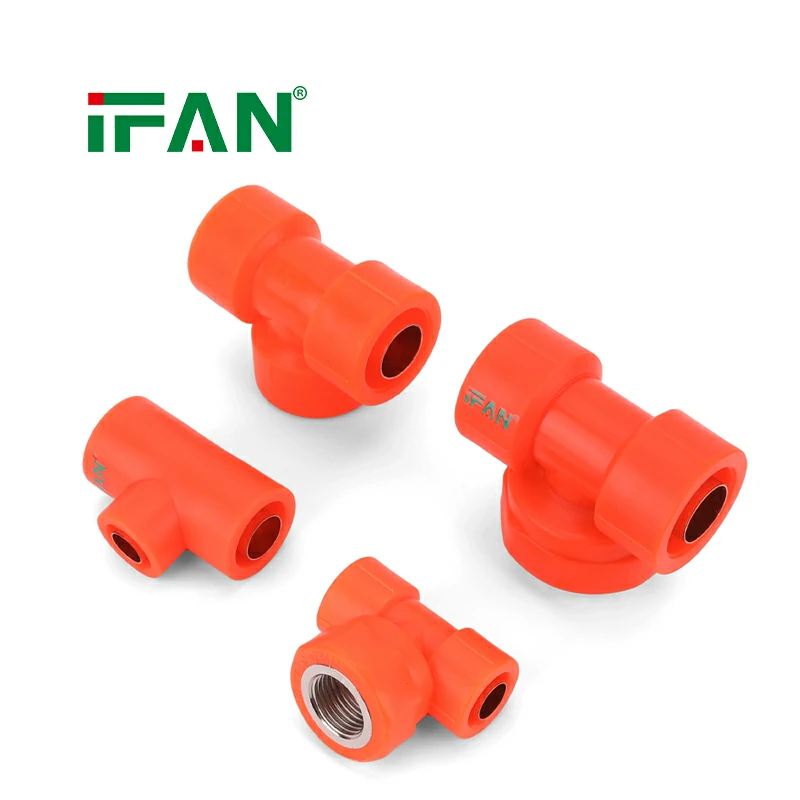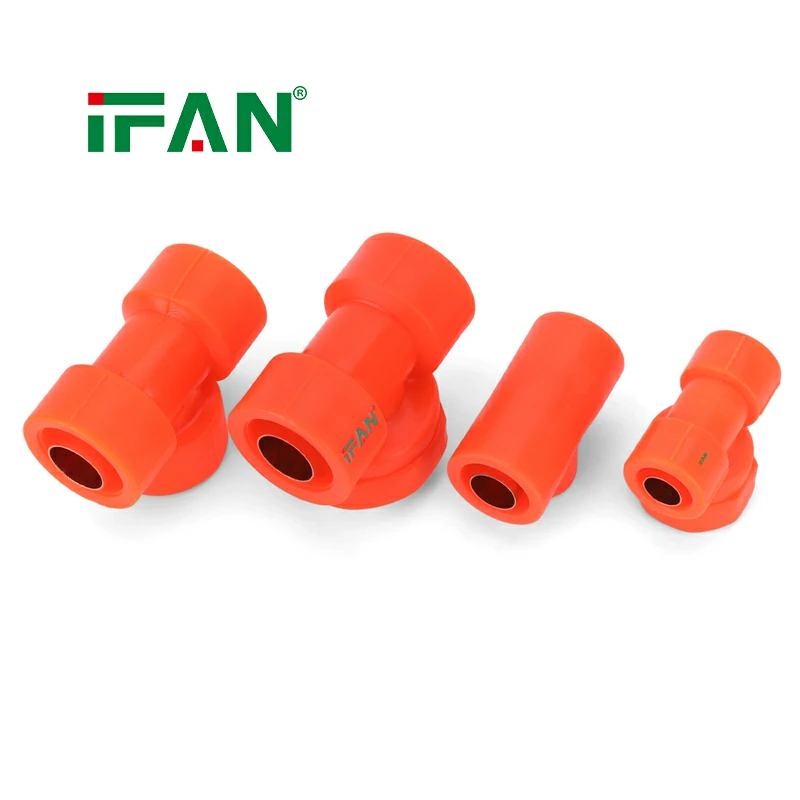
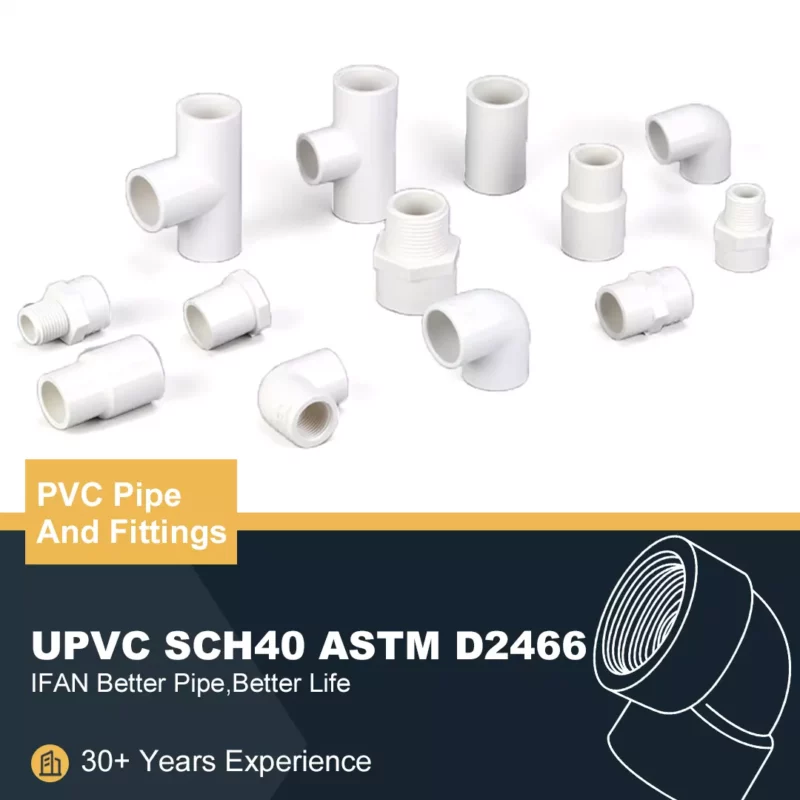
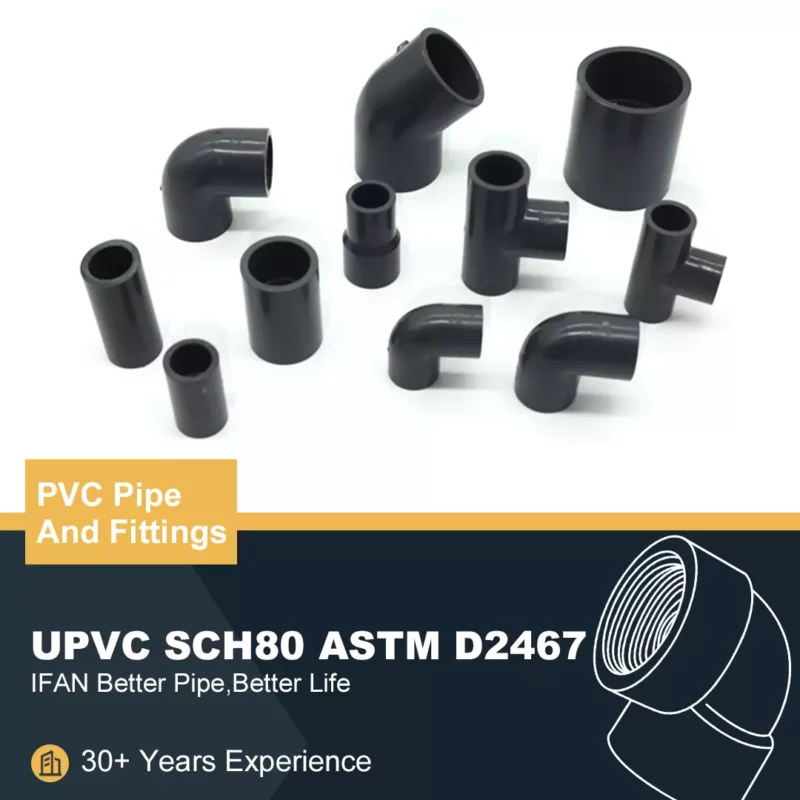
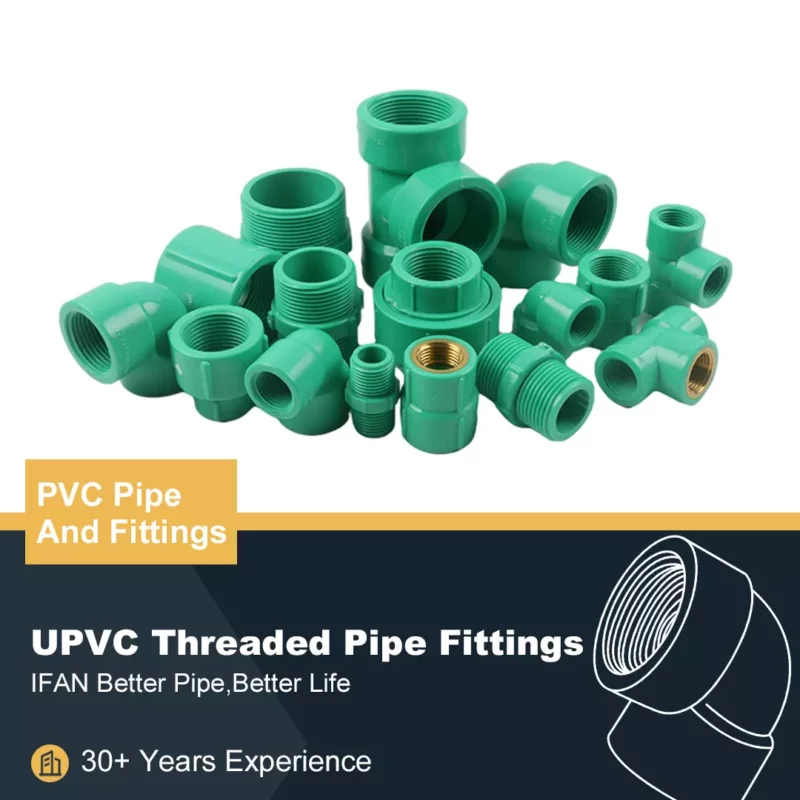
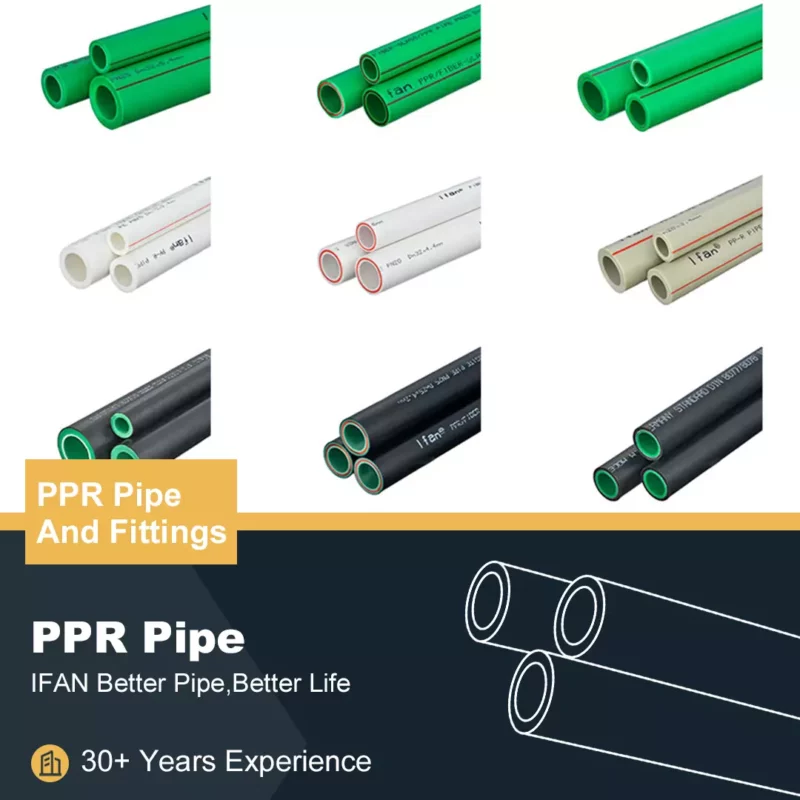
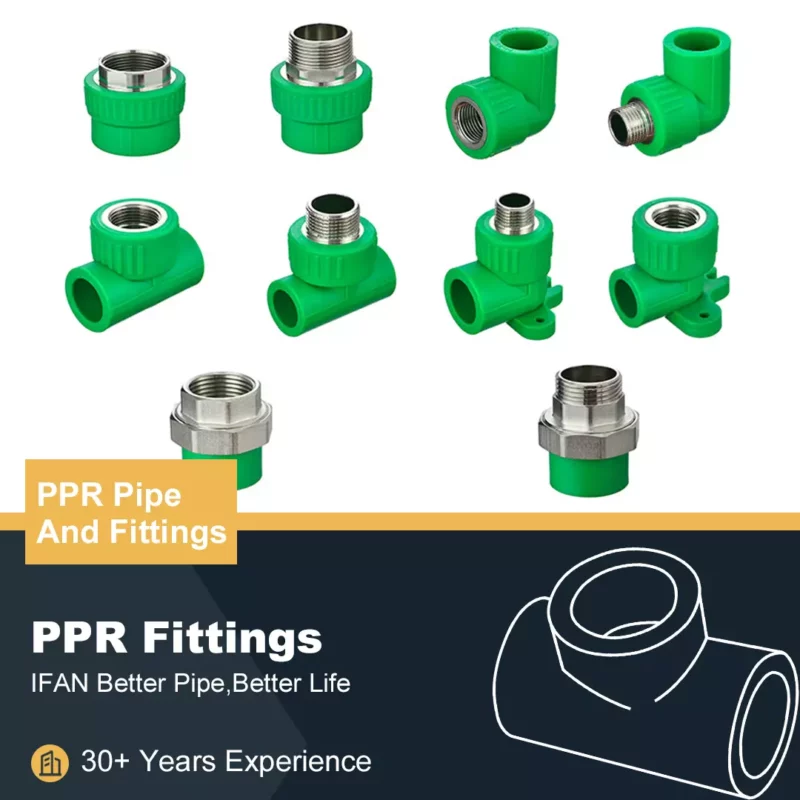
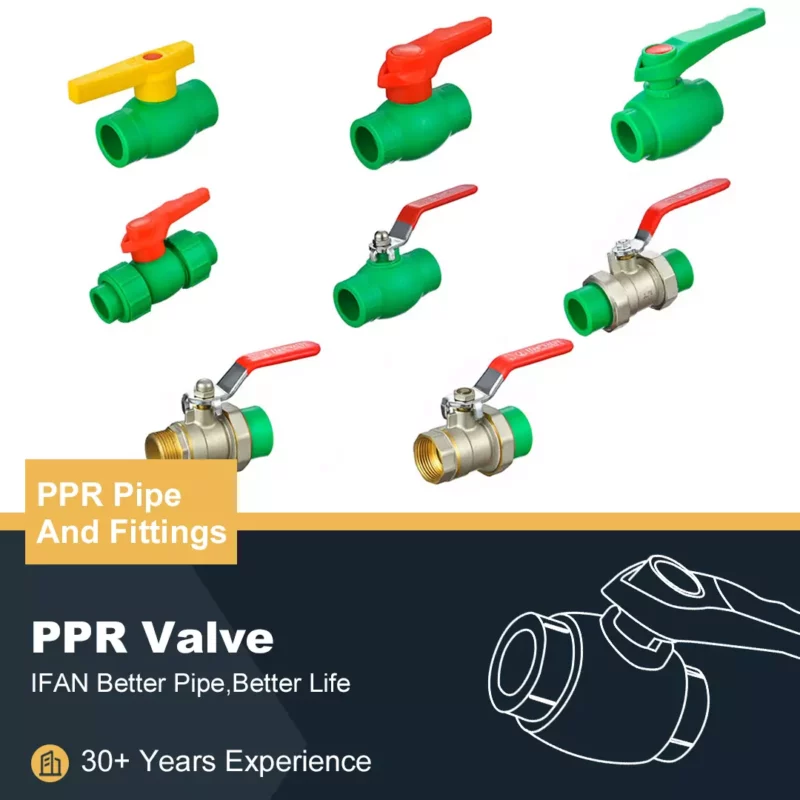


PPR Fittings
Modern plumbing systems rely on precise coordination between pipes, fittings, pressure ratings, and installation methods. PPR fittings (Polypropylene Random Copolymer fittings) are widely used because they form strong, leak-resistant joints through heat fusion and support both hot and cold water distribution. However, system reliability depends heavily on compatibility. If components do not match correctly, even high-quality materials can fail. This guide explains how compatibility works in modern plumbing systems and how to ensure every connection performs as intended.
Understanding Compatibility in PPR Systems
Compatibility in PPR plumbing refers to how well pipes, fittings, and operating conditions work together as a unified system. It is not only about fitting size, but also about material behavior, pressure tolerance, and installation method.
A fully compatible system ensures:
- Strong fusion joints without leakage
- Stable water flow and pressure
- Long-term resistance to heat and stress
- Reduced maintenance and failure risk
1. Dimensional Compatibility (Pipe Fit Accuracy)
The most basic level of compatibility is physical sizing.
Key factors include:
- Pipe diameter (e.g., 20mm, 25mm, 32mm, 40mm, etc.)
- Fitting socket size must match pipe exactly
- SDR (Standard Dimension Ratio) consistency
- Wall thickness alignment
Even a slight mismatch can lead to:
- Weak fusion bonding
- Reduced flow efficiency
- Long-term joint failure
Precision in sizing is essential for system integrity.
2. Material Compatibility in PPR Systems
PPR systems perform best when all components share the same material characteristics.
Important points:
- Use virgin polypropylene random copolymer
- Avoid mixing different plastic pipe systems
- Ensure fittings and pipes come from compatible material grades
- Use certified products for consistent fusion behavior
Material inconsistency can cause uneven melting during welding and weaken the joint structure.
3. Pressure Compatibility (PN Classification)
Pressure rating determines how much internal force a system can safely handle.
Common classes:
- PN10: low-pressure applications
- PN16: standard residential and commercial plumbing
- PN20: high-pressure or hot water systems
Compatibility rule:
- Fitting PN rating must match or exceed pipe system requirement
Incorrect pressure matching can lead to deformation, leakage, or burst failure under load.
4. Temperature Compatibility
PPR systems are widely used because they handle both cold and hot water, but temperature limits must be respected.
Typical performance range:
- Cold water systems: stable long-term operation
- Hot water systems: usually up to 70–95°C depending on grade
- Heating systems: controlled thermal cycling applications
If temperature exceeds material limits:
- Fittings may soften or deform
- Fusion joints may weaken over time
5. Cross-Material Compatibility (System Integration)
Modern plumbing systems often combine different materials, requiring transition compatibility.
Common integration methods:
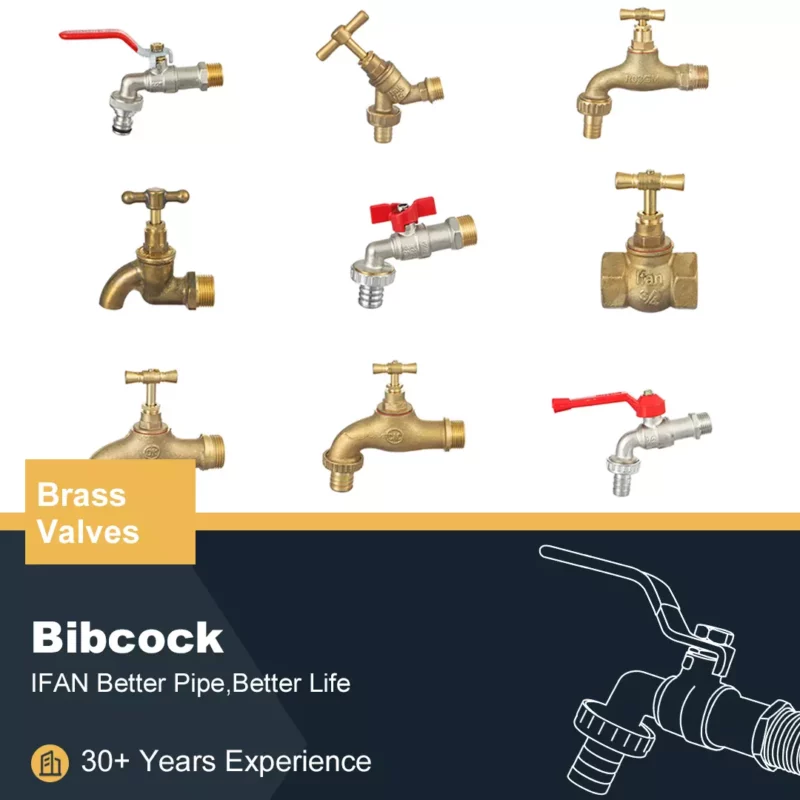
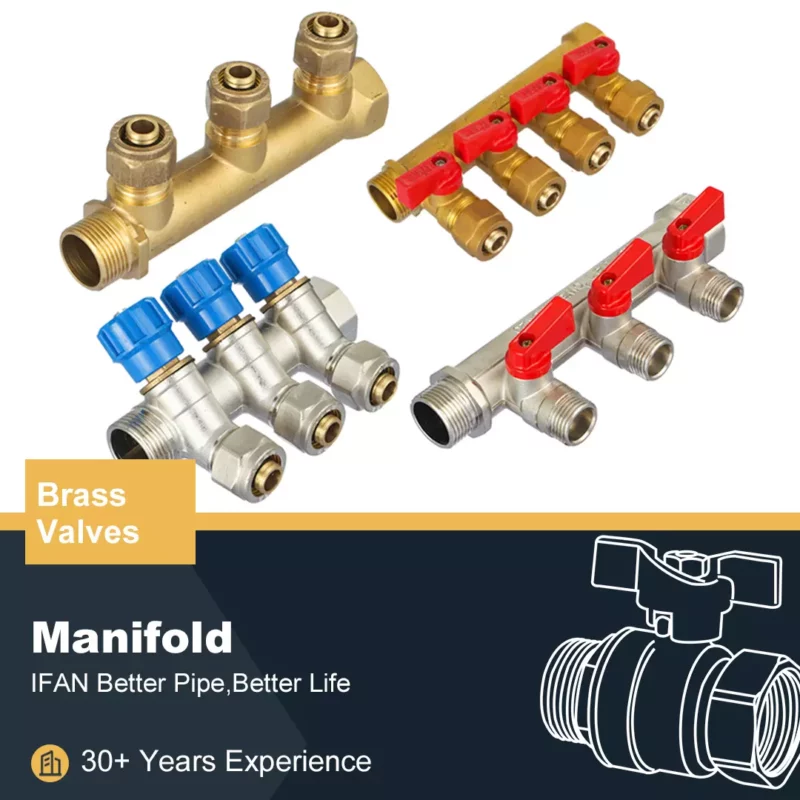
- Brass insert fittings for metal valves and faucets
- Threaded adapters for sanitary equipment
- Transition couplings for PVC or copper pipes
Critical requirement:
- Every transition point must be properly sealed and pressure-tested
Failure in transition areas is one of the most common leakage sources.
6. Compatibility with Installation Method
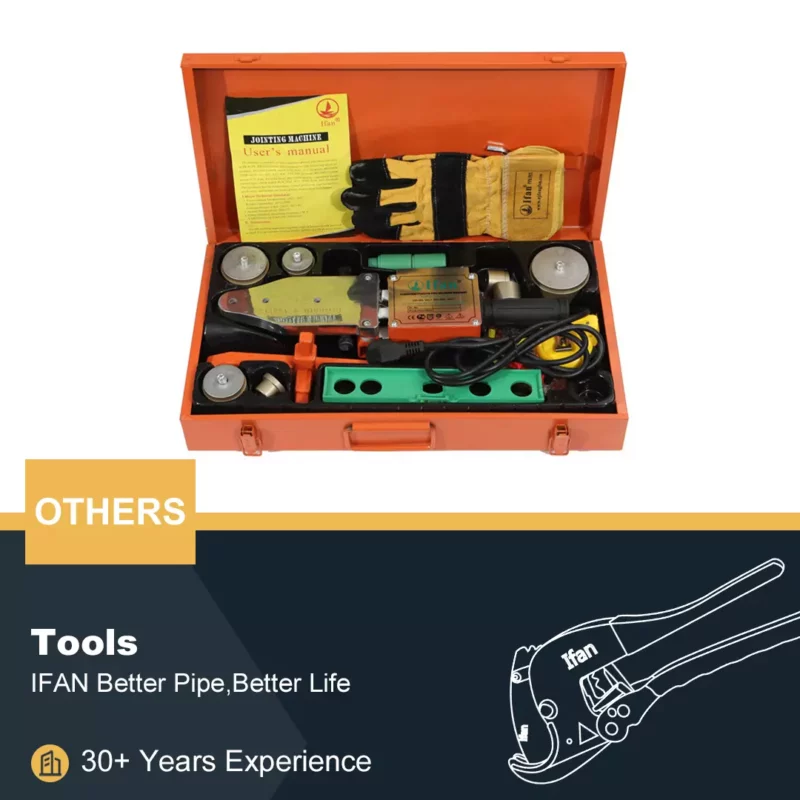
PPR systems rely on heat fusion welding, so compatibility also depends on installation conditions.
Key requirements:
- Correct fusion temperature control
- Proper heating and insertion time
- Clean, dry pipe surfaces before welding
- Skilled installation practices
Poor welding technique can break compatibility even if components are correctly matched.
7. System Design Compatibility
Beyond individual parts, the entire system layout must be compatible.
Consider:
- Flow direction and pressure balance
- Number of branches and load distribution
- Pipe routing and expansion space
- Maintenance accessibility
Good design prevents stress concentration and improves long-term performance.
Practical Compatibility Checklist
Before installation, verify:
- Pipe and fitting diameters match exactly
- PN rating meets system requirement
- Material grade is consistent across components
- Temperature limits are suitable for application
- Transition fittings are correctly selected
- Fusion tools are calibrated and ready
This checklist reduces installation errors and system failure risk.
Common Compatibility Mistakes
- Mixing different plastic piping systems
- Using incorrect pressure ratings
- Ignoring SDR and wall thickness differences
- Poor-quality or uncertified fittings
- Incorrect fusion welding parameters
- Neglecting transition sealing quality
Avoiding these mistakes significantly improves system reliability.
Conclusion
A reliable plumbing system depends on more than just high-quality materials—it depends on full compatibility across all components. In PPR systems, this includes dimensional matching, pressure and temperature alignment, material consistency, and correct installation practices. By following a structured compatibility approach, installers and buyers can ensure long-lasting, leak-free performance in residential, commercial, and industrial plumbing systems.
Contact:
We will reply your email or fax within 24 hours.
You can call us at any time if there is any question on our production.
For more information,pls visit our webside.
Pls Mail to: [email protected]