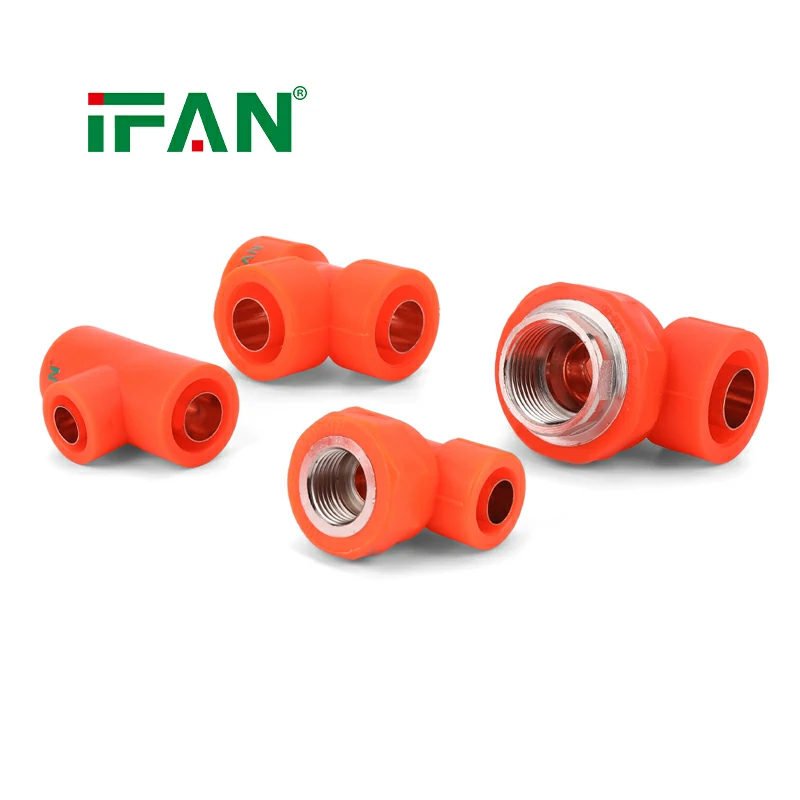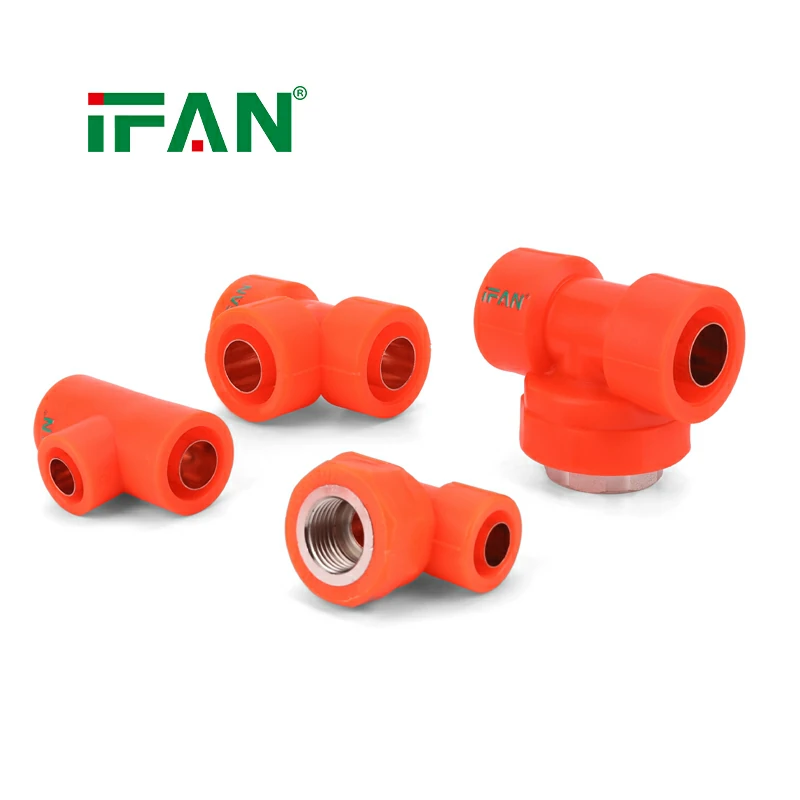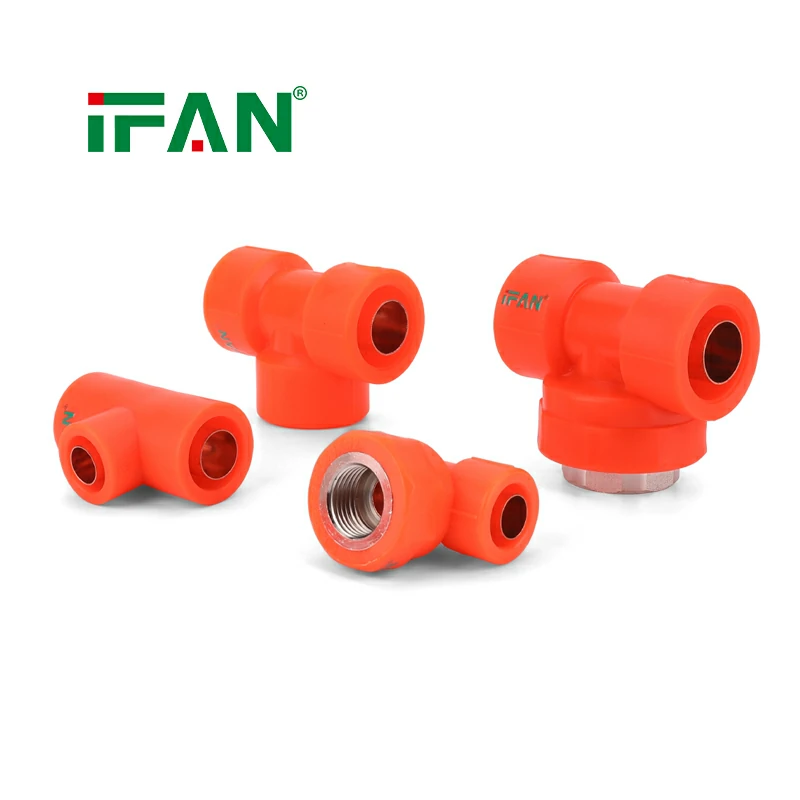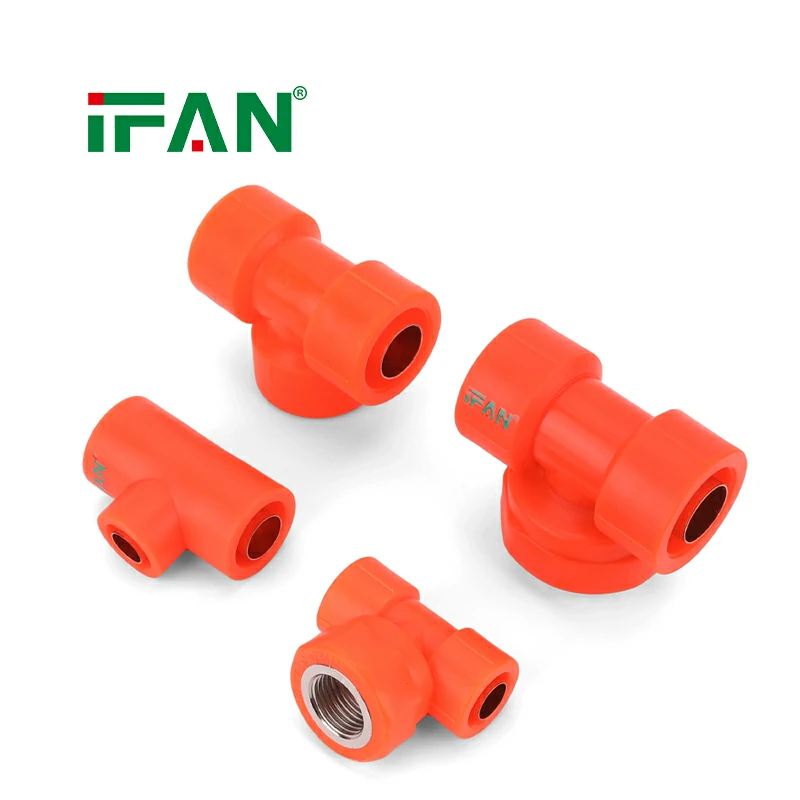


PPR Fittings
Selecting the correct plumbing components is critical for ensuring system reliability, water safety, and long-term performance. PPR fittings (Polypropylene Random Copolymer fittings) are widely used in modern piping systems because they combine corrosion resistance with a strong heat-fusion connection method. However, different plumbing applications require different fitting types and specifications. Choosing the wrong type can reduce system efficiency or even cause failure. This guide explains how to match PPR fittings with specific plumbing uses and how to make the right selection in practice.
Understanding PPR Fitting Types
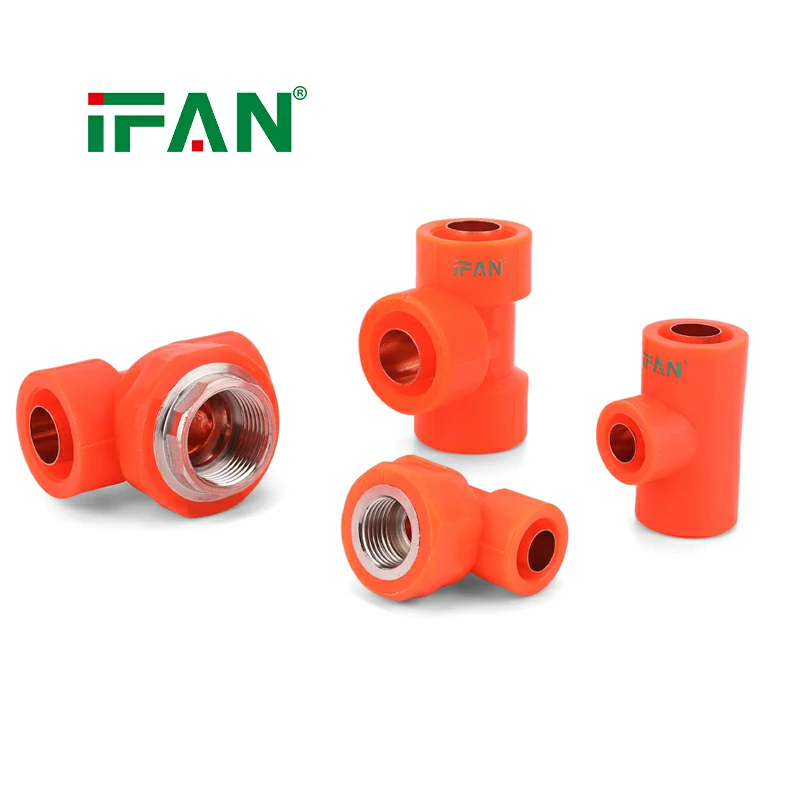
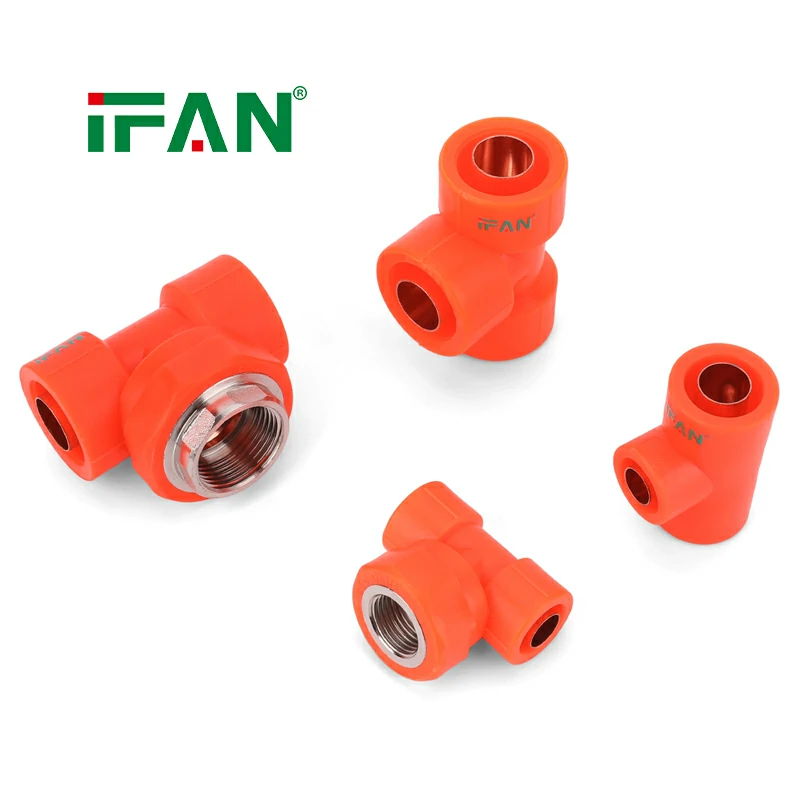
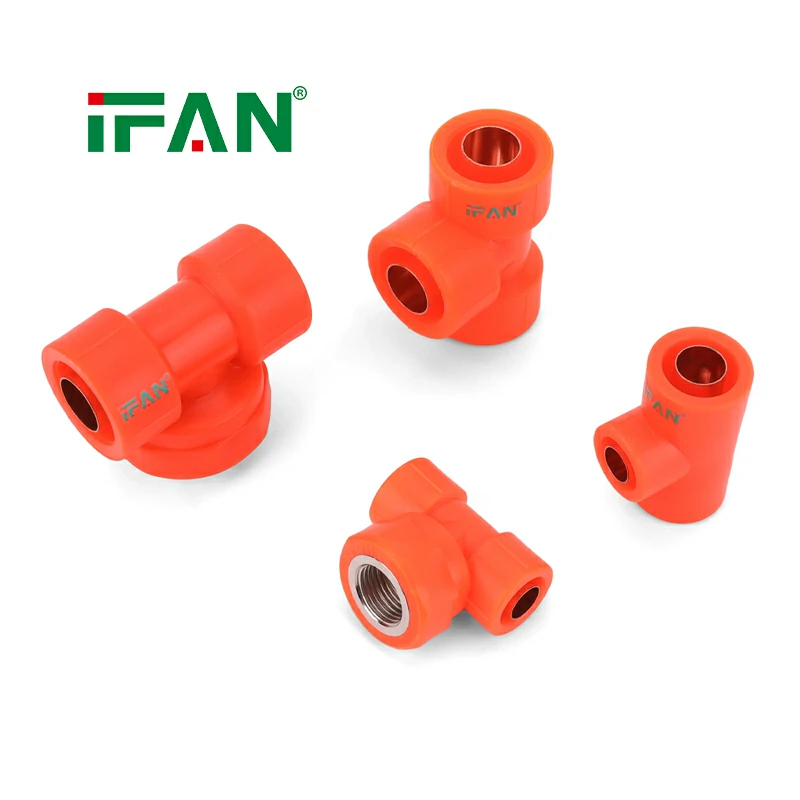
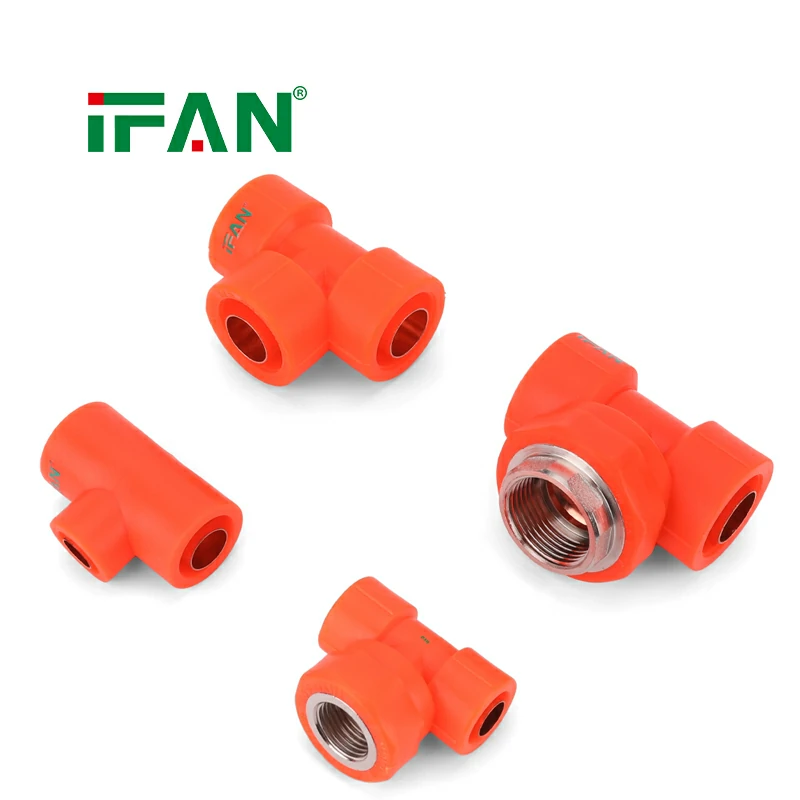
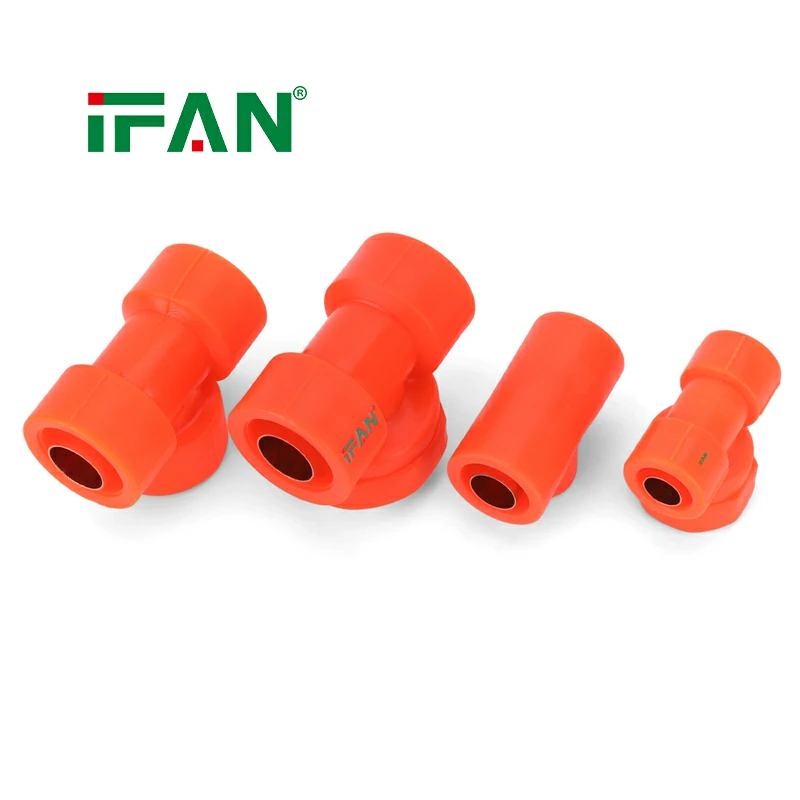
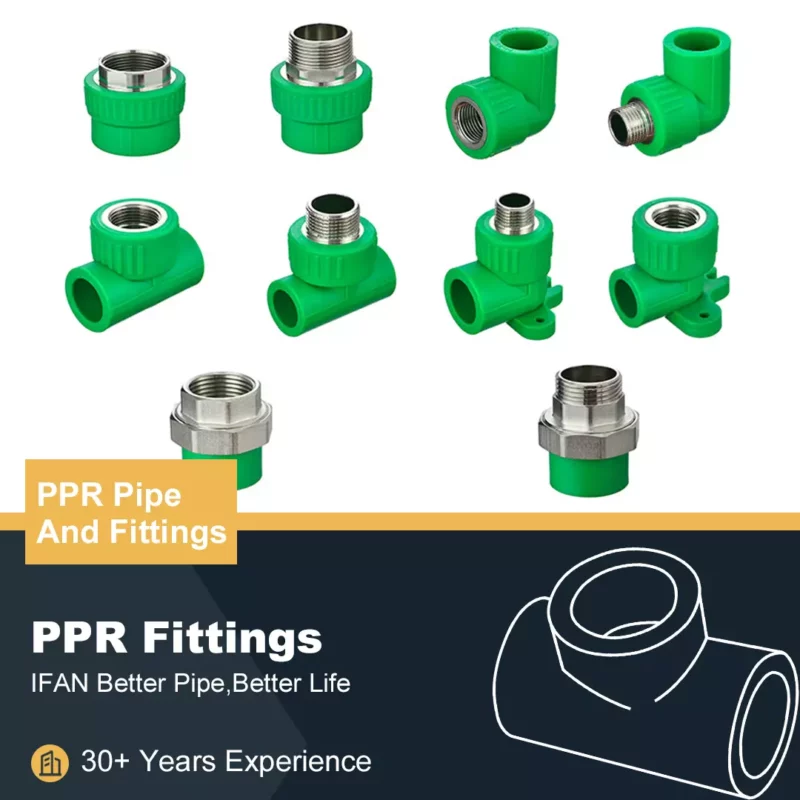
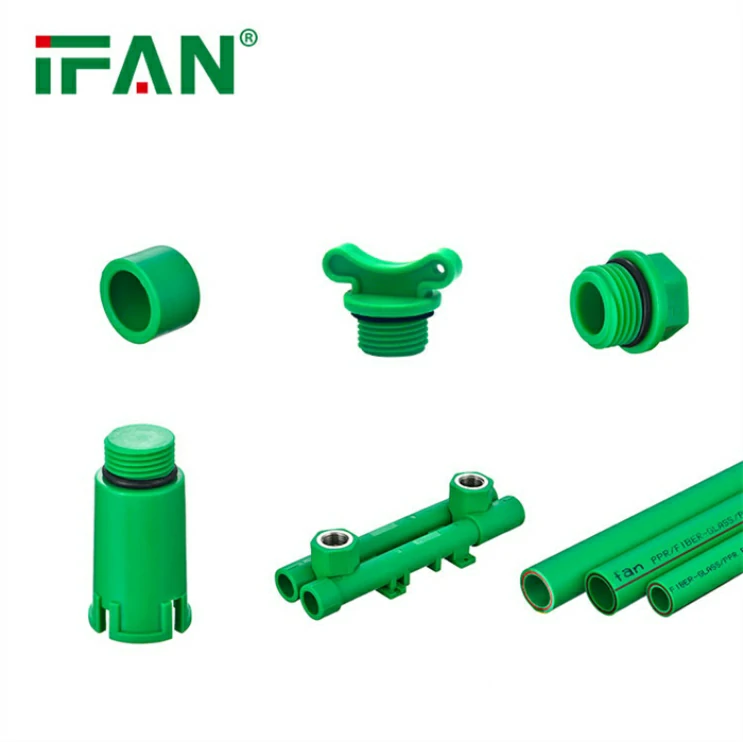
PPR fittings are designed to connect pipes and control water flow direction in a system. Each type serves a specific function:
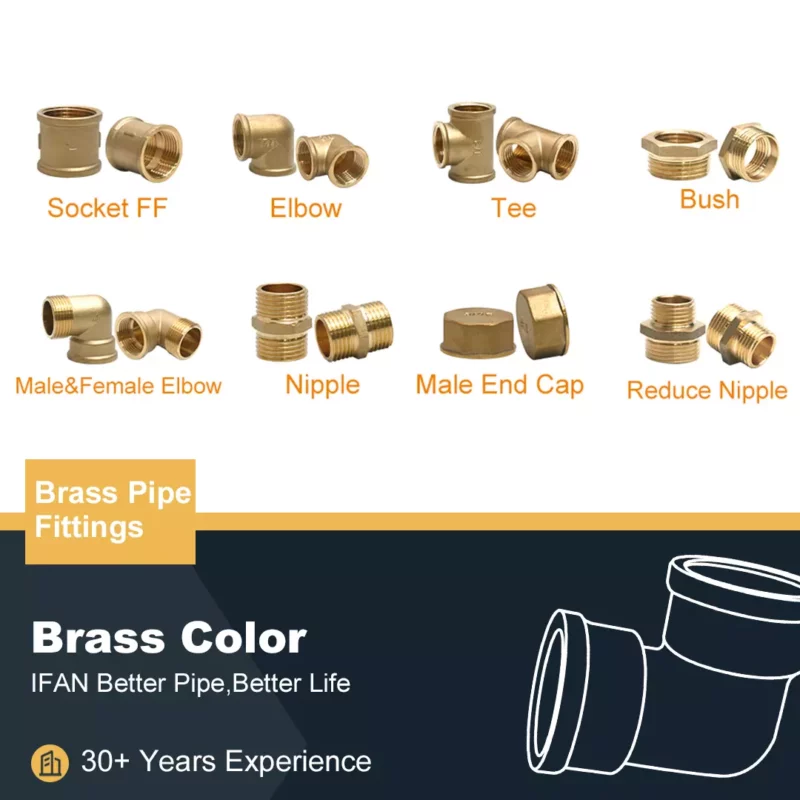
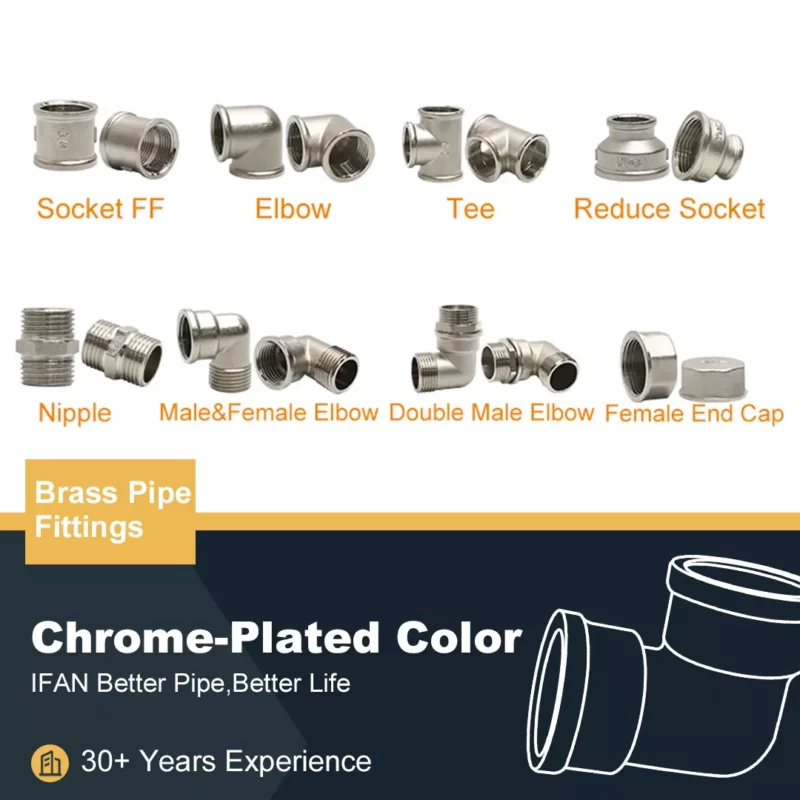
- Elbow fittings (45° / 90°): Used to change pipeline direction
- Tee fittings: Used to split or distribute water flow
- Couplings: Used to extend straight pipelines
- Reducers: Used to connect different pipe diameters
- End caps: Used to close pipe ends
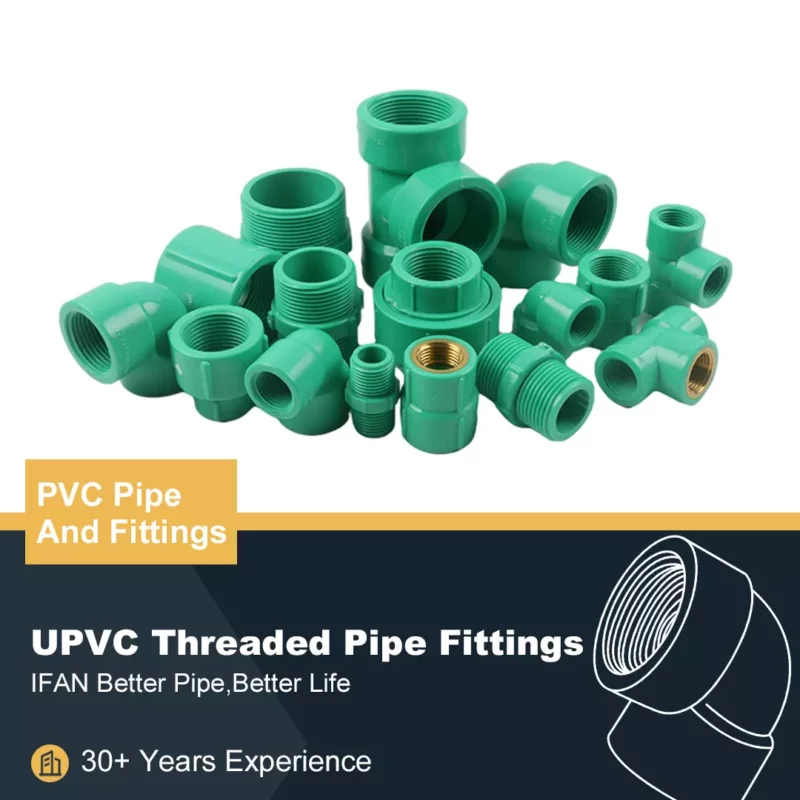
- Threaded adapters: Used to connect valves, faucets, or metal components
Each type plays a role in shaping a complete and functional plumbing system.
Choosing PPR Fittings by Plumbing Application
1. Residential Water Supply Systems
In household plumbing, system simplicity and safety matter most. Common choices include:
- Straight couplings for water line extension
- Elbows for bathroom and kitchen routing
- Threaded adapters for faucets and fixtures
These fittings support clean water distribution for daily use, including drinking water systems.
2. Hot Water Systems
Hot water lines require fittings that can handle thermal stress:
- PN16 or PN20 rated fittings for higher temperature resistance
- Reinforced elbows and couplings for boiler connections
- High-quality threaded adapters for heaters
Proper selection prevents deformation under continuous heat exposure.
3. Bathroom and Kitchen Installations
These areas require compact and flexible piping layouts:
- Small-diameter elbows for tight spaces
- Tee fittings for multiple outlet connections
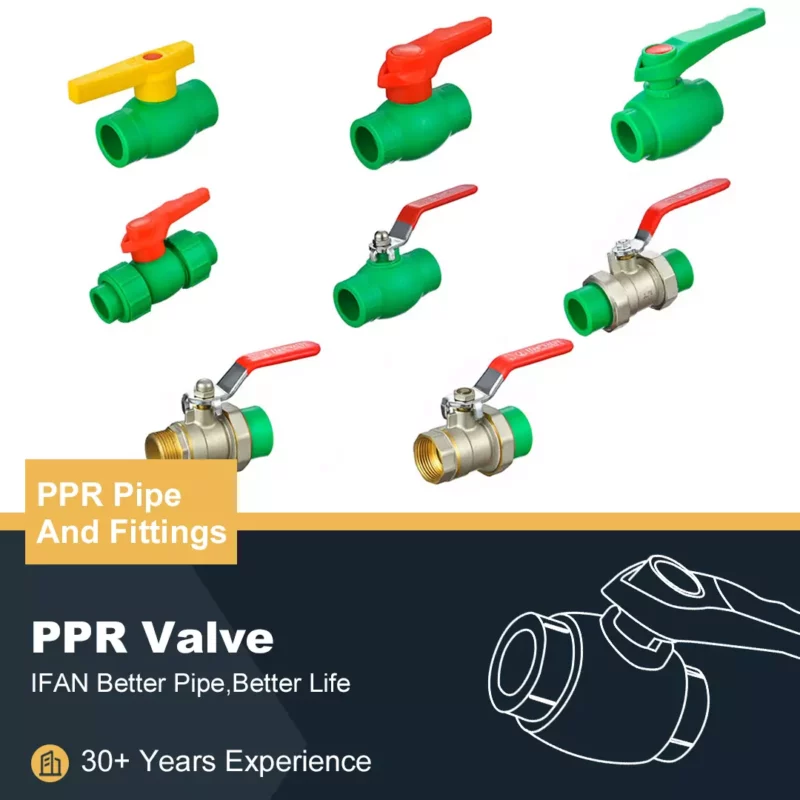
- Shut-off valve adapters for maintenance control
Design flexibility is important to ensure efficient installation in limited space.
4. Commercial Plumbing Systems
Commercial environments require durability and consistent pressure handling:
- Heavy-duty couplings for long pipeline runs
- Reinforced tees for multi-floor water distribution
- High-grade reducers for pressure balancing
These systems prioritize stability and reduced maintenance downtime.
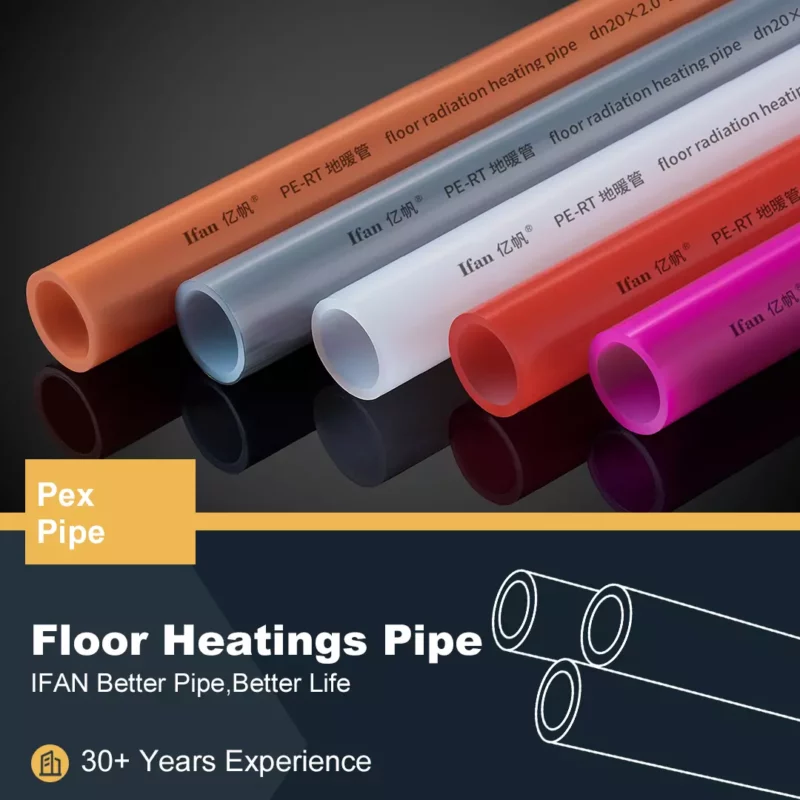
5. Heating and Radiator Systems
Heating applications require fittings that withstand continuous thermal cycles:
- High-temperature rated elbows and couplings
- Strong reducers for loop balancing
- Secure threaded adapters for radiators
Material stability under heat expansion is essential in these systems.
6. Industrial and Utility Systems
In controlled industrial use, fittings must handle demanding conditions:
- High-pressure rated couplings (PN20)
- Chemical-resistant PPR fittings for non-corrosive fluids
- Reinforced tees for process distribution systems
Correct specification ensures safe and stable operation.
Key Compatibility Considerations
1. Size Matching
Always match:
- Pipe diameter (e.g., 20mm, 25mm, 32mm, etc.)
- Fitting size exactly to avoid flow restrictions
- SDR wall thickness compatibility
Incorrect sizing leads to weak joints and reduced efficiency.
2. Pressure Rating Selection
PPR fittings come in different pressure classes:
- PN10: low-pressure systems
- PN16: standard residential and commercial systems
- PN20: high-pressure or hot water systems
Choosing the correct class ensures system safety and durability.
3. Material Compatibility
Ensure all components follow the same material standard:
- Use virgin PPR material for consistency
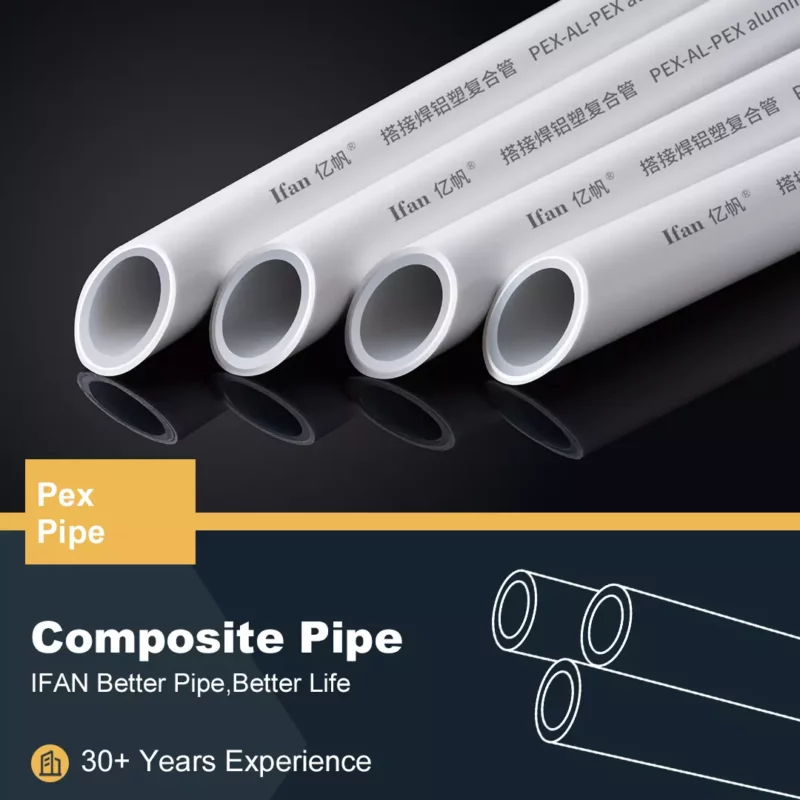
- Avoid mixing incompatible plastic systems
- Use certified transition fittings for mixed materials
Material consistency directly affects fusion strength.
4. Temperature Resistance
Different applications require different thermal performance:
- Cold water systems: standard PPR fittings
- Hot water systems: reinforced high-temperature grades
- Heating systems: thermally stable fittings designed for cycling
Matching temperature range prevents deformation.
Practical Selection Tips
1. Start with System Design
Understand:
- Water flow direction
- Number of outlets
- Pressure requirements
This determines fitting types and layout.
2. Choose Function Before Price
Do not select fittings based only on cost. Prioritize:
- Application suitability
- Pressure and temperature rating
- Long-term durability
3. Check Installation Method
Since PPR uses heat fusion:
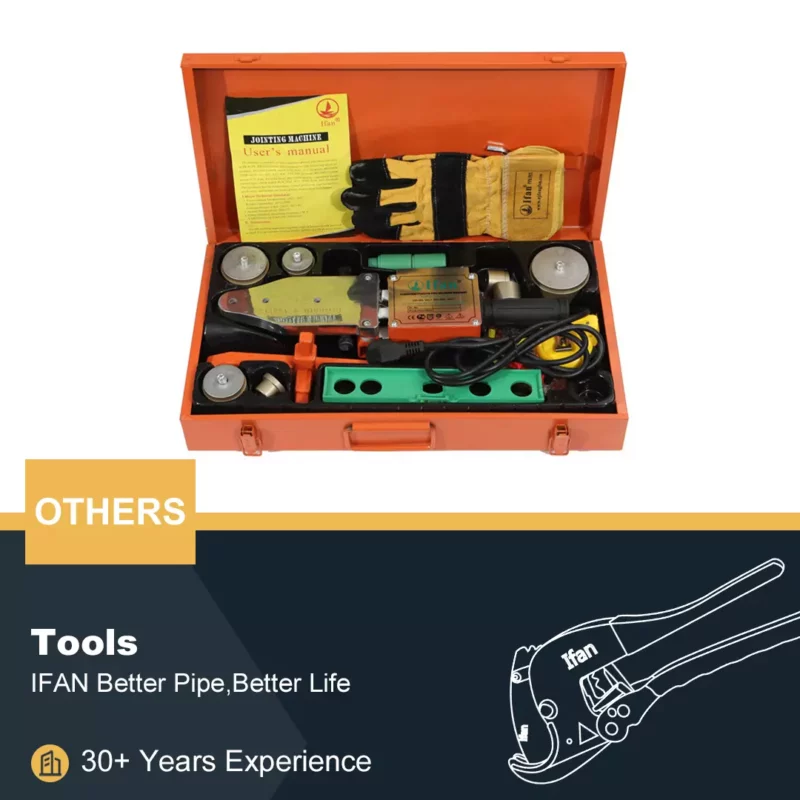
- Ensure proper welding tools are available
- Confirm installation skill level
- Follow correct fusion parameters
Poor installation reduces system lifespan.
4. Use Standardized Components
Standard fittings:
- Improve compatibility
- Simplify maintenance
- Reduce replacement difficulty
This is especially important in large systems.
Common Selection Mistakes
- Using the wrong fitting type for the application
- Ignoring pressure and temperature limits
- Mixing incompatible pipe systems
- Choosing low-quality or uncertified products
- Improper fusion welding during installation
Avoiding these mistakes significantly improves system reliability.
Conclusion
Choosing the right PPR fittings for different plumbing uses requires understanding both function and system requirements. Each fitting type serves a specific role, and correct selection ensures stable flow, safe operation, and long service life. By matching fittings to application needs, respecting compatibility rules, and following proper installation practices, users can build efficient and durable plumbing systems for residential, commercial, and industrial environments.
Contact:
We will reply your email or fax within 24 hours.
You can call us at any time if there is any question on our production.
For more information,pls visit our webside.
Pls Mail to: [email protected]