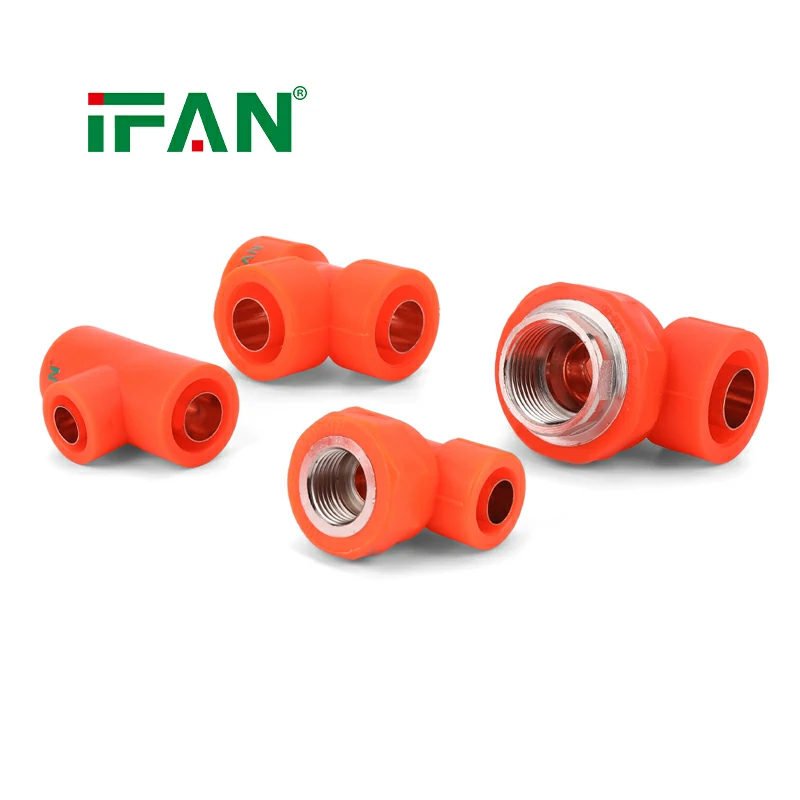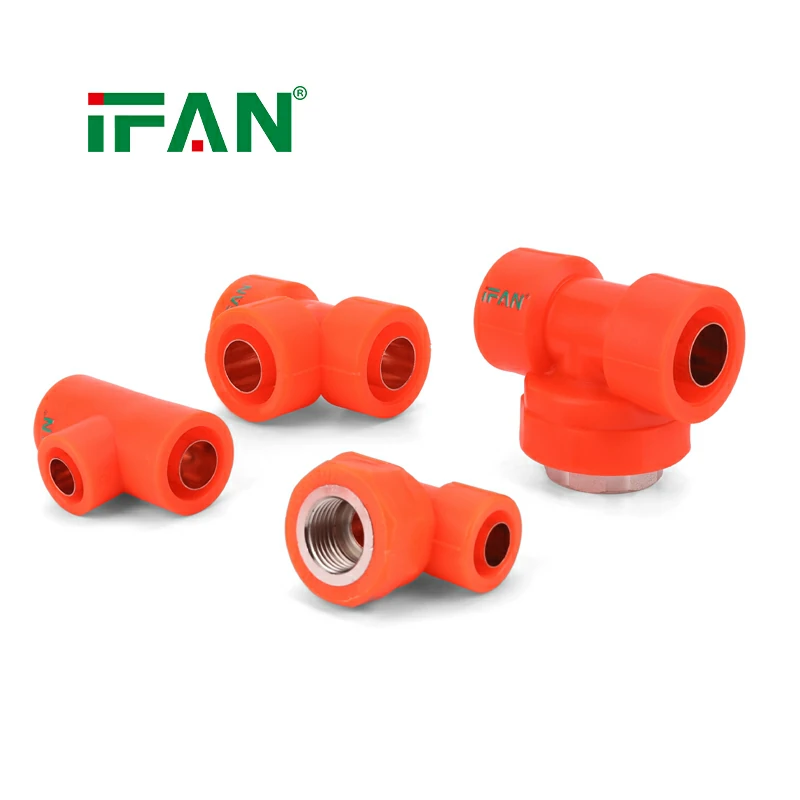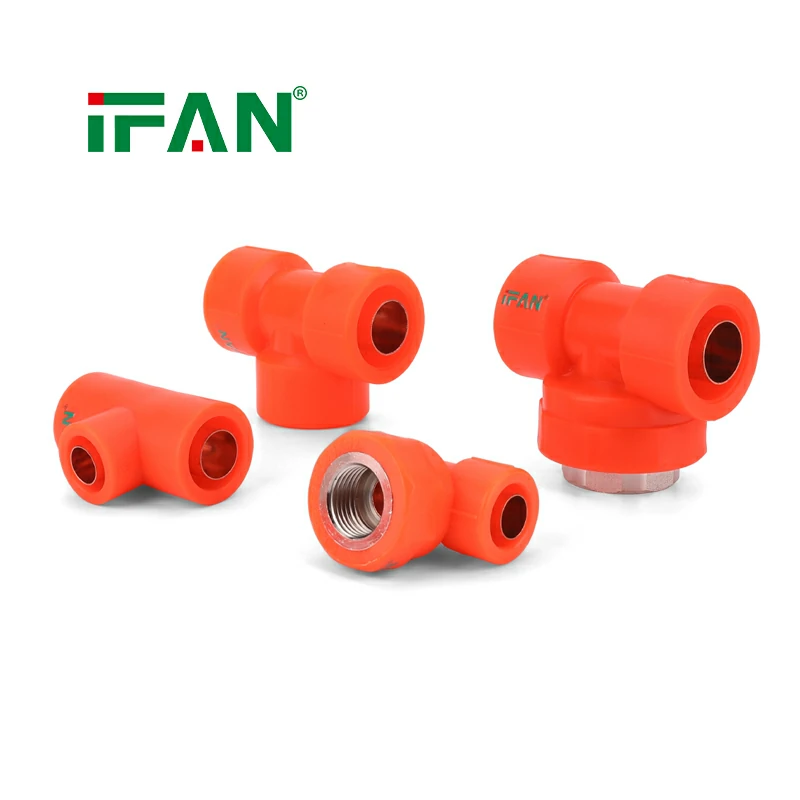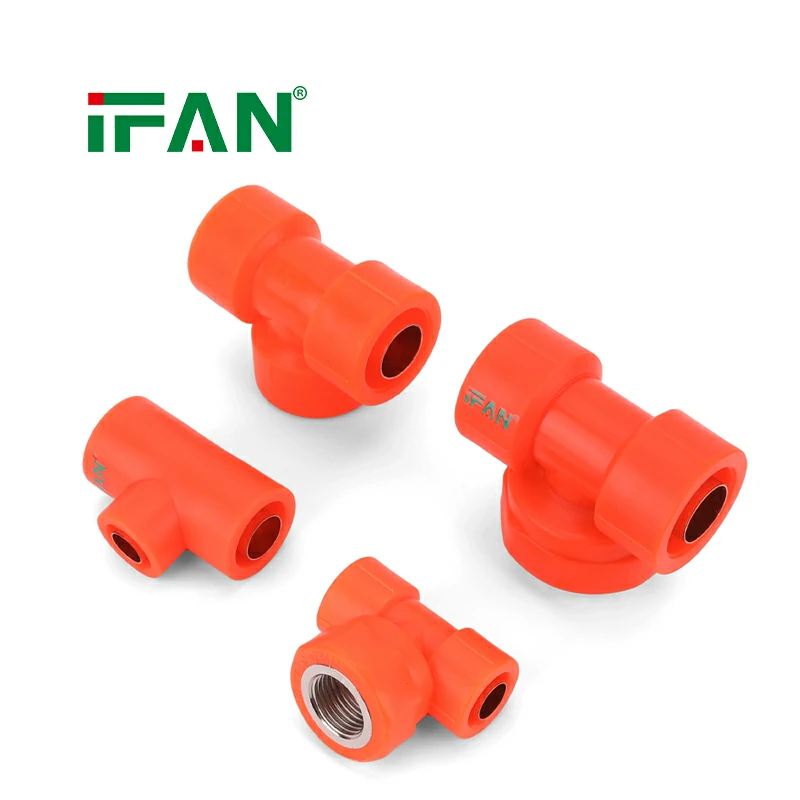


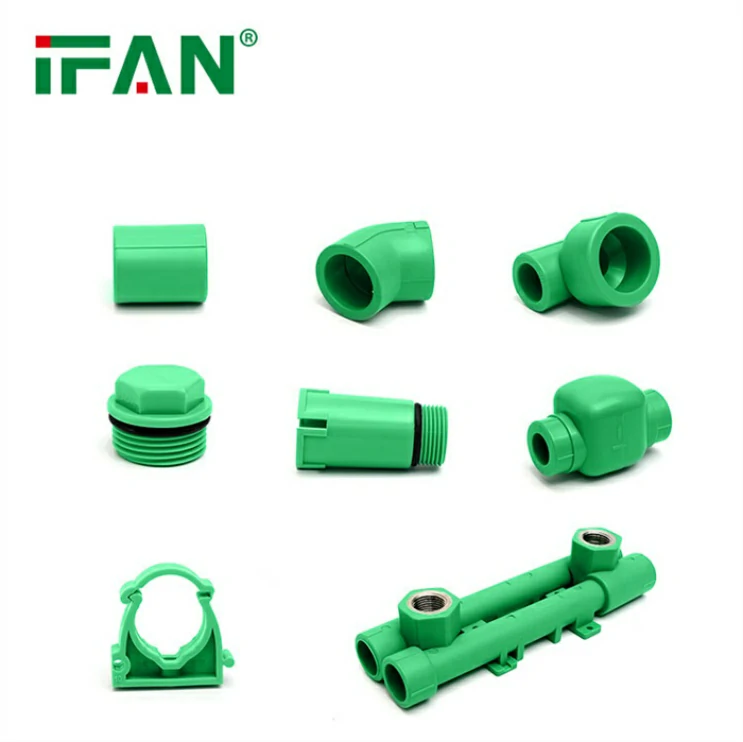
PPR Fittings
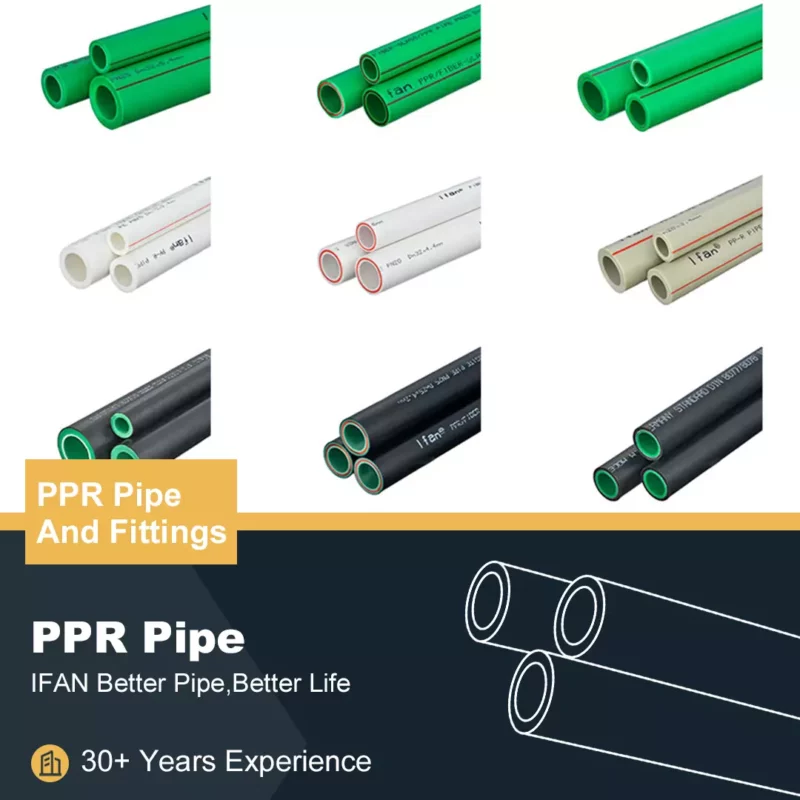
Reliable plumbing depends on components that can handle pressure, temperature variation, and long service cycles without degradation. PPR fittings (Polypropylene Random Copolymer fittings) have emerged as a preferred solution in both residential and commercial piping systems. Their resistance to corrosion, smooth internal surface, and heat-fusion joining method make them especially suitable for modern water distribution networks. This guide explains how PPR fittings work, where they are used, how compatibility affects performance, and how to select the right products for different applications.
What Are PPR Fittings and How Do They Work?
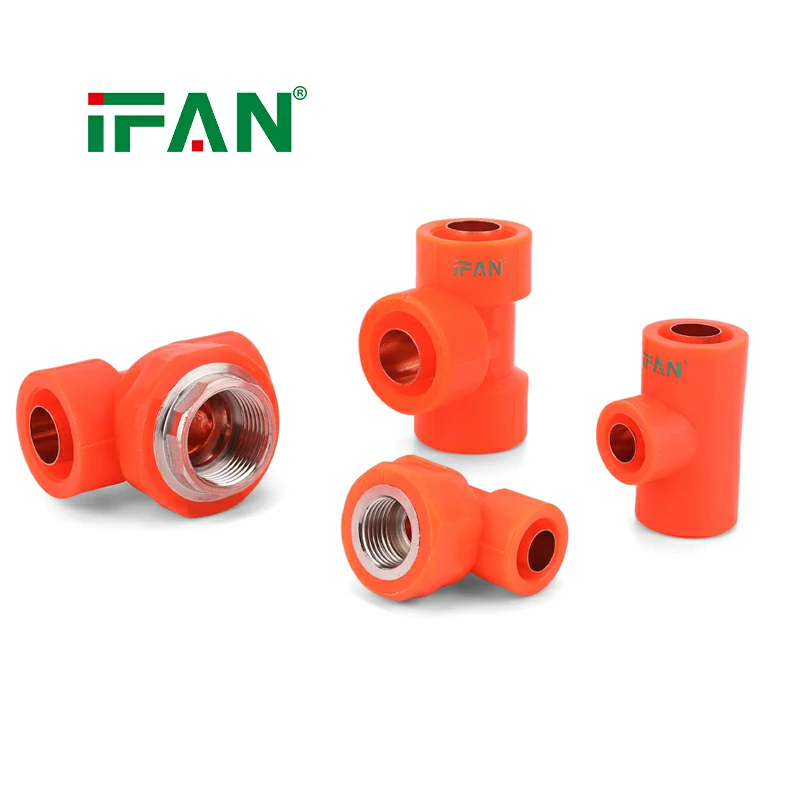
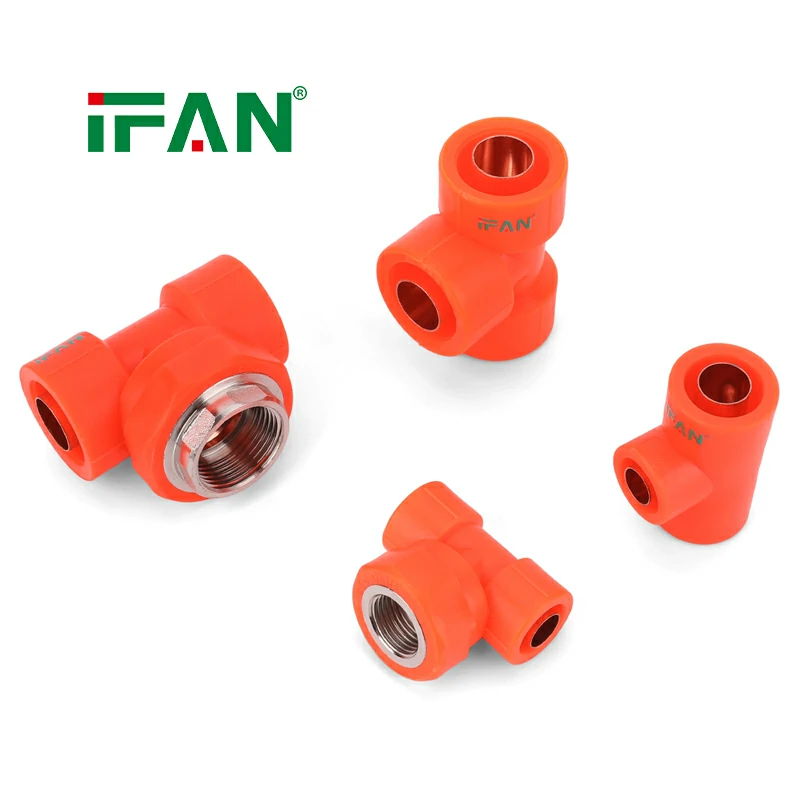
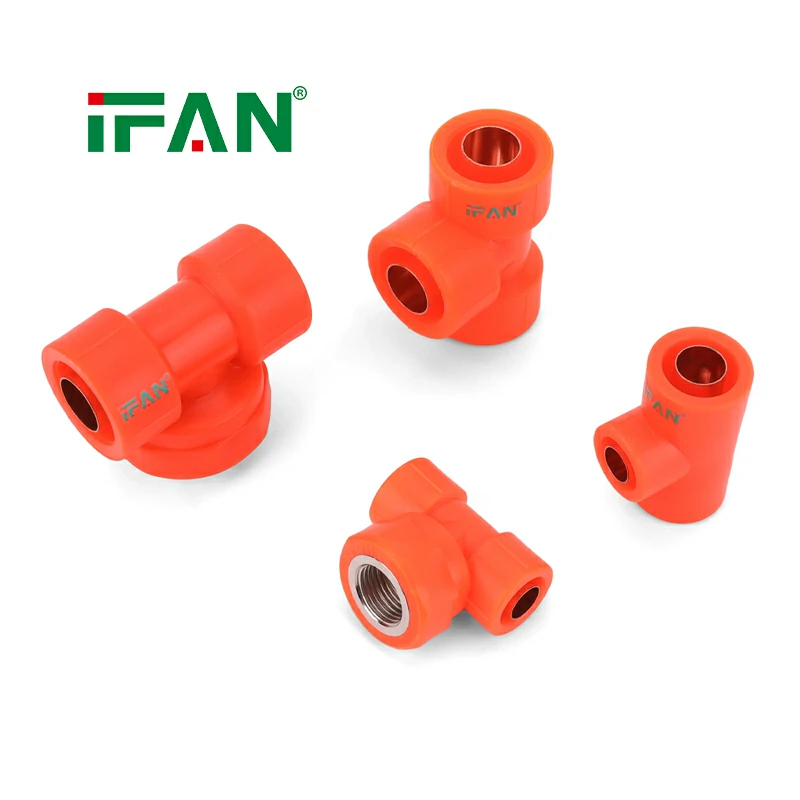
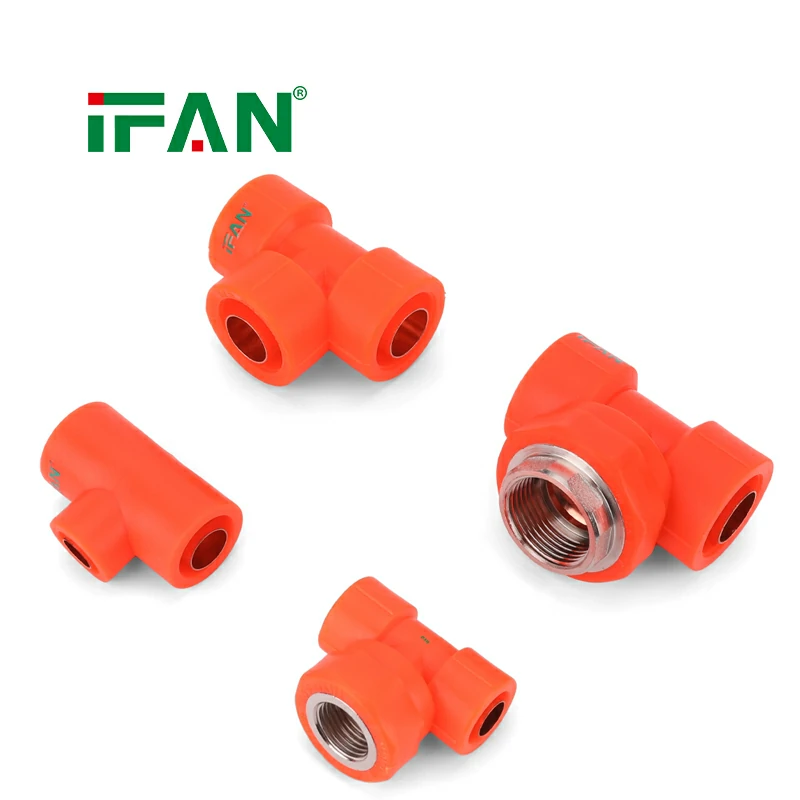
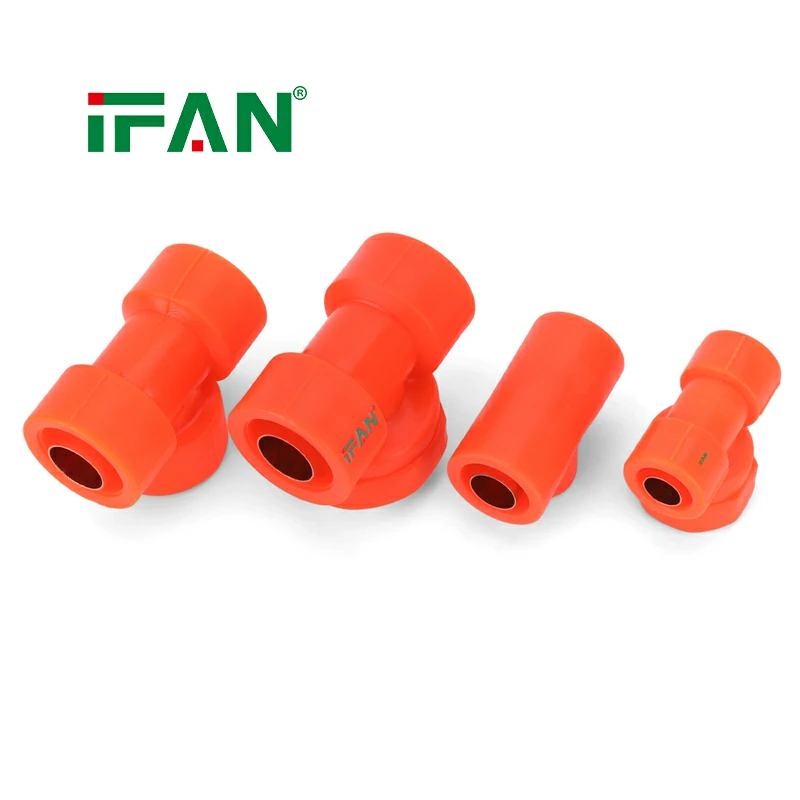
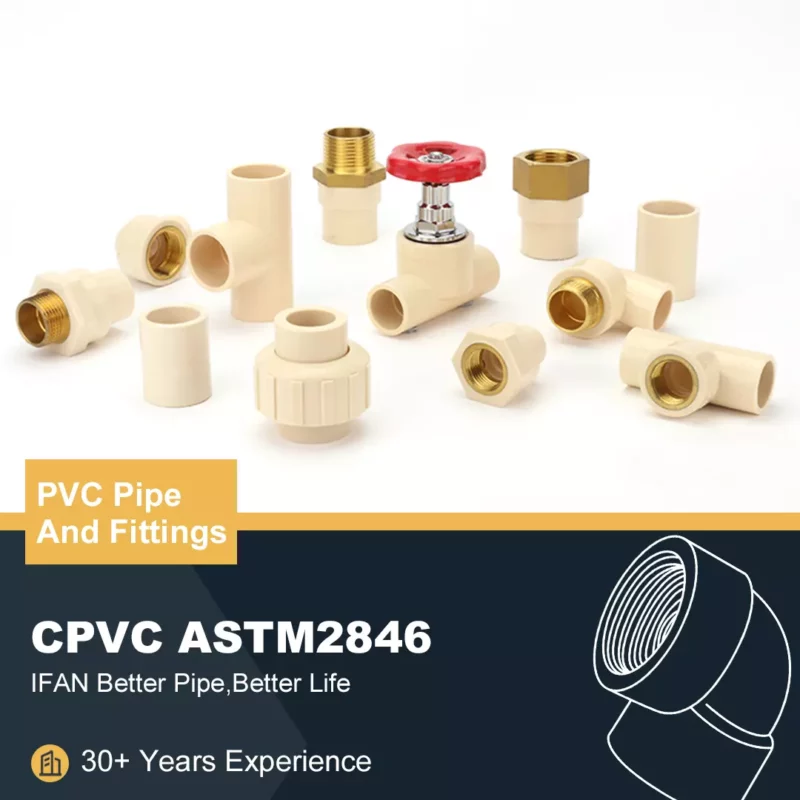
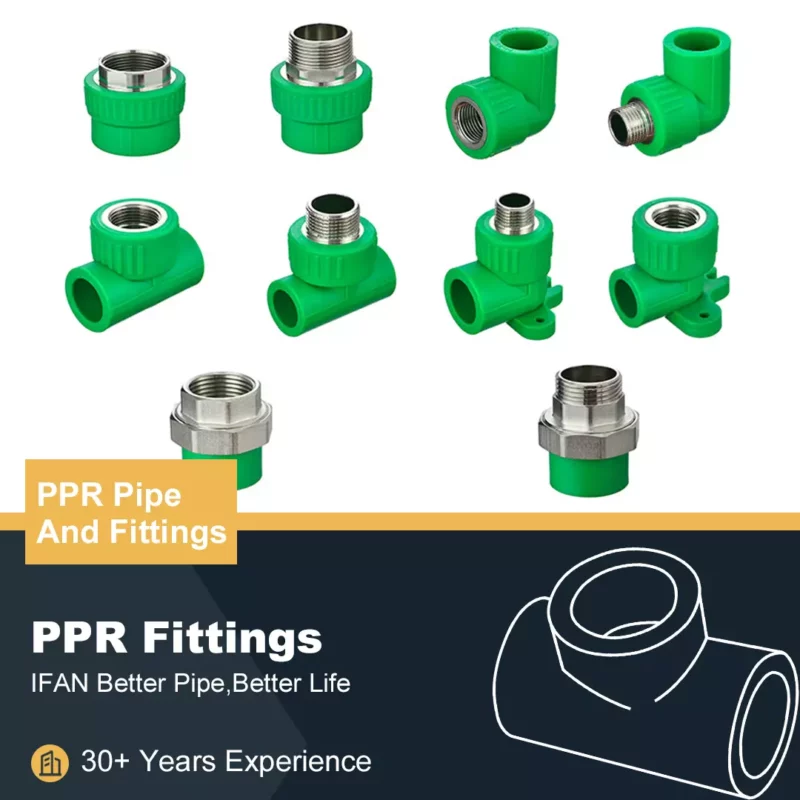
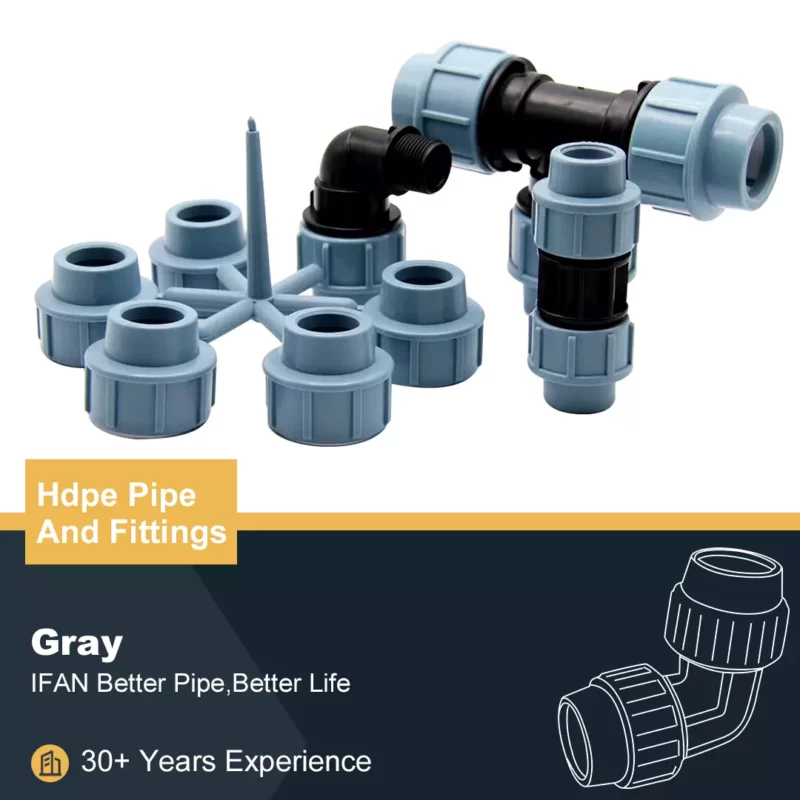
PPR fittings are connectors designed to join PPR pipes into a complete piping system. Installers typically use heat fusion welding, which softens both the pipe and fitting surfaces before joining them into a single, homogeneous structure. Once cooled, the joint becomes as strong as—or stronger than—the pipe itself.
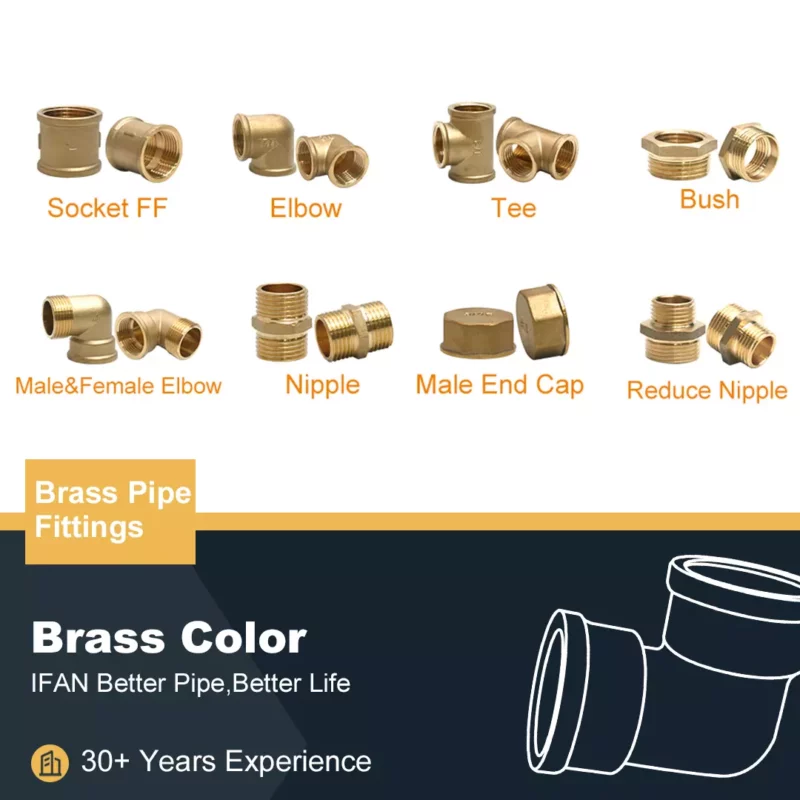
Common types include:
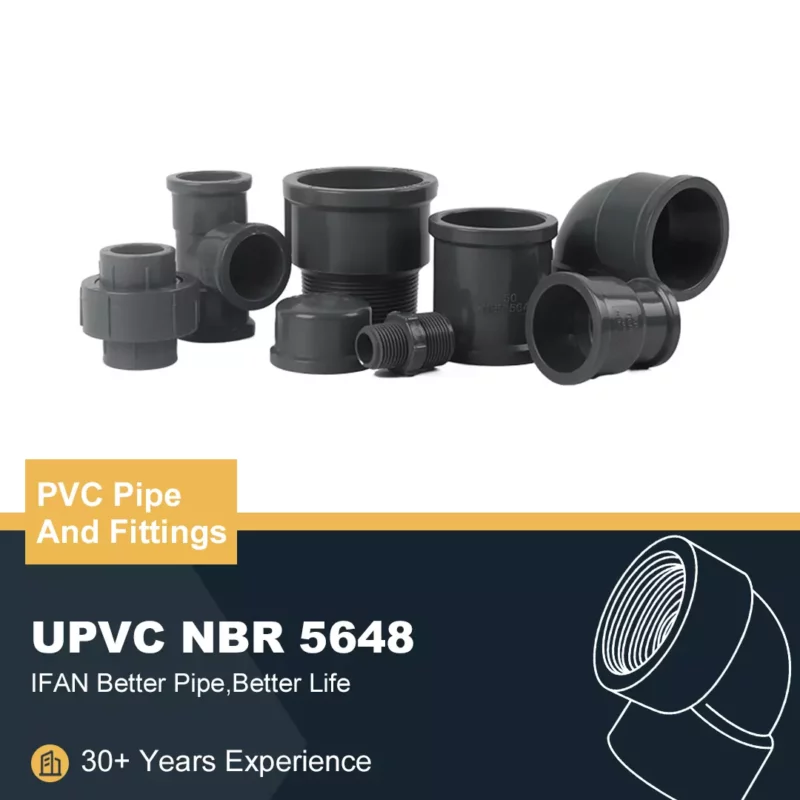
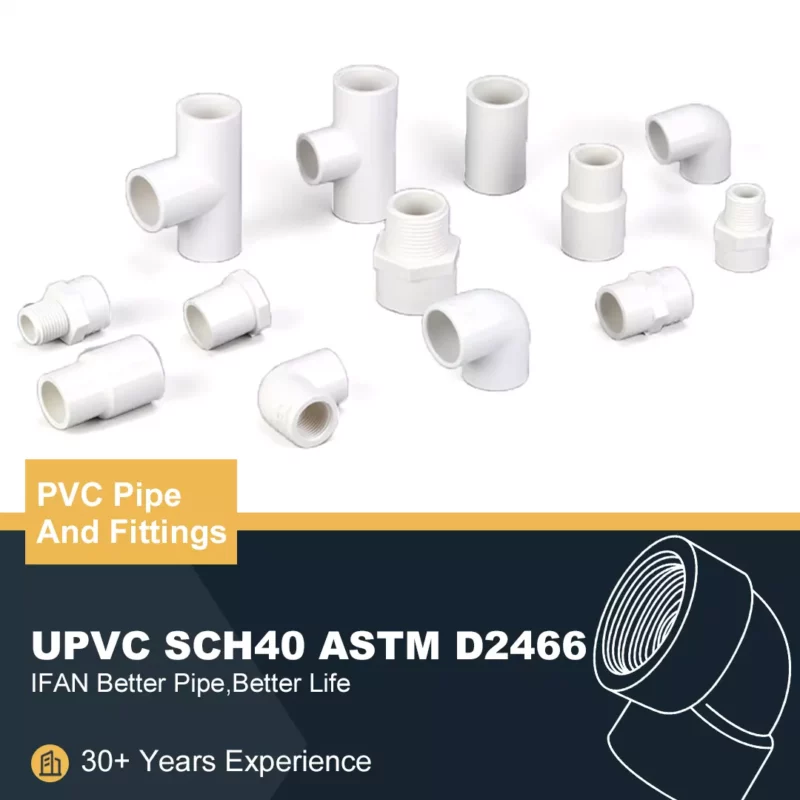
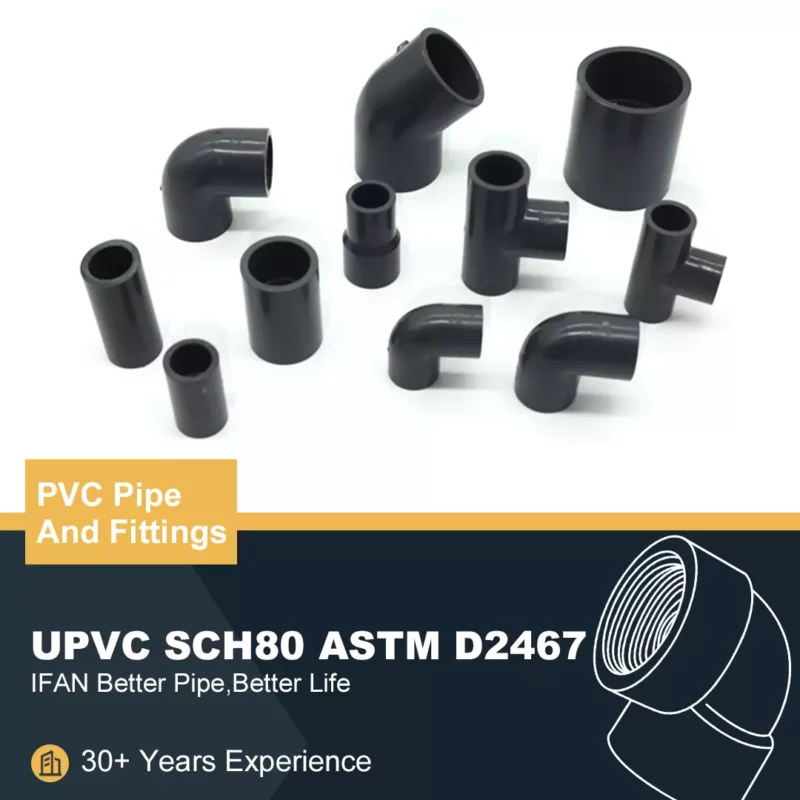
- Elbows for directional changes
- Tees for branching connections
- Couplings for extending pipelines
- Unions for detachable joints
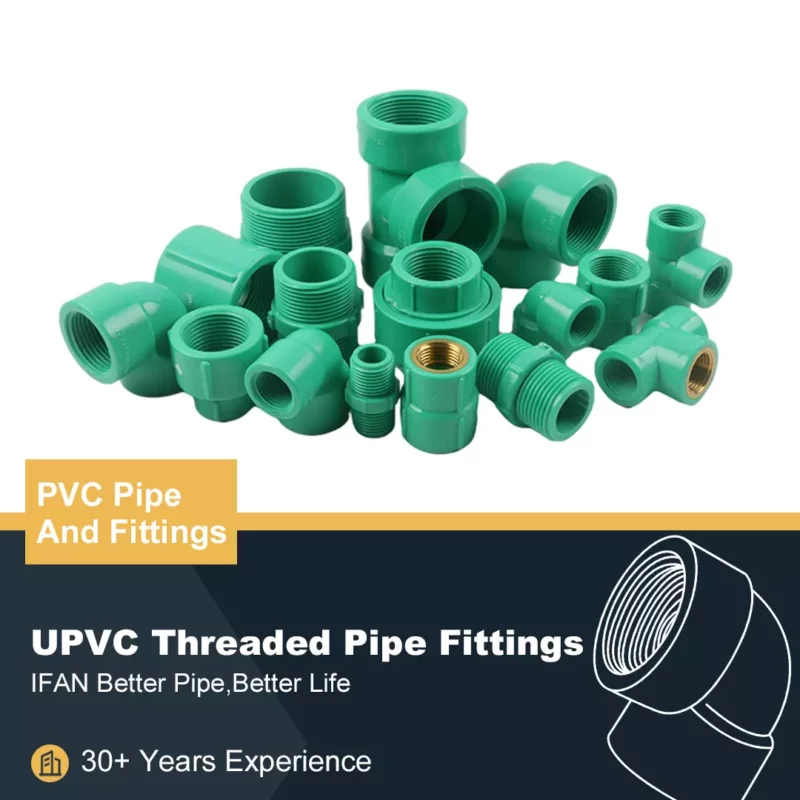
- Threaded fittings for transitions to metal components
This fusion-based system eliminates the need for adhesives or mechanical seals, reducing the risk of leakage.
Key Uses of PPR Fittings
1. Domestic Water Supply
PPR fittings are widely used in residential plumbing systems. They support both hot and cold water distribution, including:
- Kitchen and bathroom pipelines
- Shower and sink connections
- Water heater supply lines
Their non-toxic composition ensures safety for potable water.
2. Commercial Building Systems
In offices, hotels, and hospitals, PPR systems provide reliable infrastructure for:
- Centralized water supply
- Circulating hot water systems
- Sanitary installations
Their long lifespan helps reduce maintenance interruptions in high-usage environments.
3. Heating Systems
PPR fittings perform well in controlled heating applications such as:
- Radiator connections
- Underfloor heating loops
- Low-temperature hydronic systems
They maintain structural stability under consistent thermal exposure.
4. Industrial Fluid Transport
Certain industrial environments use PPR fittings for:
- Chemical fluid transfer (non-aggressive media)
- Process water systems
- Compressed air networks under regulated conditions
Their resistance to scaling and corrosion provides a clear advantage over metal alternatives.
Understanding Compatibility in PPR Systems
Compatibility determines whether a piping system will perform reliably over time. With PPR fittings, several factors must align.
1. Pipe and Fitting Standards
PPR fittings must match the pipe in:
- Diameter (e.g., 20mm, 25mm, 32mm)
- Pressure rating (PN10, PN16, PN20)
- SDR (Standard Dimension Ratio)
Using mismatched components can weaken joints and lead to system failure.
2. Connection with Other Materials
Although PPR systems are primarily homogeneous, they often need to connect with other materials. This is achieved through:
- Brass or metal insert fittings
- Threaded adapters
- Hybrid connectors for multi-material systems
Careful sealing and correct thread standards are essential in these transitions.
3. Temperature and Pressure Conditions
PPR fittings operate efficiently within defined limits:
- Cold water systems: stable long-term performance
- Hot water systems: typically up to 70–95°C
- Pressure resistance: varies by PN classification
Selecting fittings that match real operating conditions prevents deformation or premature wear.
Advantages of PPR Fittings
- Corrosion-Free Performance
Unlike metal fittings, PPR does not rust or scale. - Long Service Life
Properly installed systems can last over 50 years. - Smooth Flow Characteristics
The inner surface reduces friction and maintains water pressure. - Thermal Efficiency
Low thermal conductivity minimizes heat loss. - Leak-Free Joints
Heat fusion creates a permanent, secure connection.
These benefits contribute to the growing preference for PPR systems in modern construction.
How to Choose the Right PPR Fittings
Selecting suitable PPR fittings requires a practical evaluation of system needs rather than a one-size-fits-all approach.
1. Define the Application
Start by identifying the purpose:
- Drinking water
- Heating systems
- Industrial use
Each application has different performance requirements.
2. Match Size and Pressure Rating
Always ensure:
- The fitting size matches the pipe diameter
- The pressure rating (PN) meets or exceeds system demand
Incorrect sizing can lead to flow inefficiency or structural stress.
3. Check Material Quality
High-quality fittings should:
- Use virgin polypropylene material
- Have consistent wall thickness
- Meet international standards (ISO, DIN)
Avoid recycled or low-grade materials in critical systems.
4. Evaluate Installation Conditions
Consider:
- Accessibility for fusion welding
- Space constraints
- Required joint types (fixed or detachable)
Planning ahead simplifies installation and reduces errors.
5. Choose a Reliable Supplier
A dependable manufacturer ensures:
- Product consistency
- Technical documentation
- Certification compliance
This reduces the risk of failure and improves long-term reliability.
Installation Best Practices
To maximize performance, follow these guidelines:
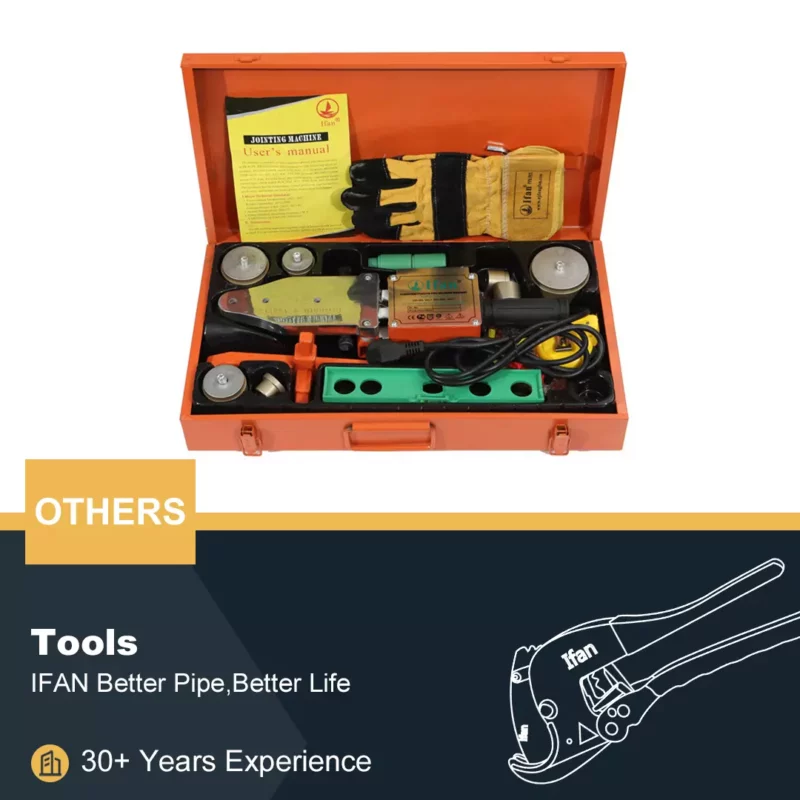
- Use calibrated fusion tools with correct temperature settings
- Clean pipe ends before welding
- Follow precise heating and cooling times
- Avoid twisting joints after fusion
- Conduct pressure testing before system operation
Proper installation is just as important as product quality.
Common Issues and How to Avoid Them
- Overheating joints can deform fittings
- Underheating leads to weak connections
- Mismatched standards cause leakage
- Skipping pressure tests increases risk of hidden faults
Attention to detail during installation prevents costly repairs later.
Conclusion
PPR fittings provide a durable, efficient, and reliable solution for modern piping systems. Their versatility across residential, commercial, and light industrial applications makes them a practical choice for a wide range of projects. By understanding compatibility requirements, evaluating system conditions, and selecting high-quality components, users can build plumbing systems that deliver long-term performance with minimal maintenance..
Contact:
We will reply your email or fax within 24 hours.
You can call us at any time if there is any question on our production.
For more information,pls visit our webside.
Pls Mail to: [email protected]