

.webp)
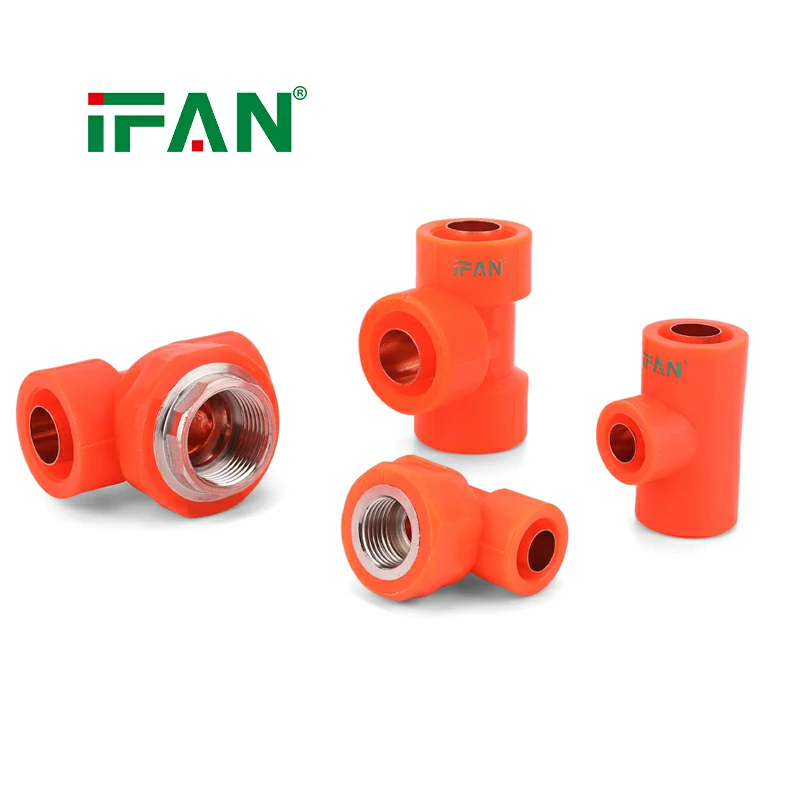
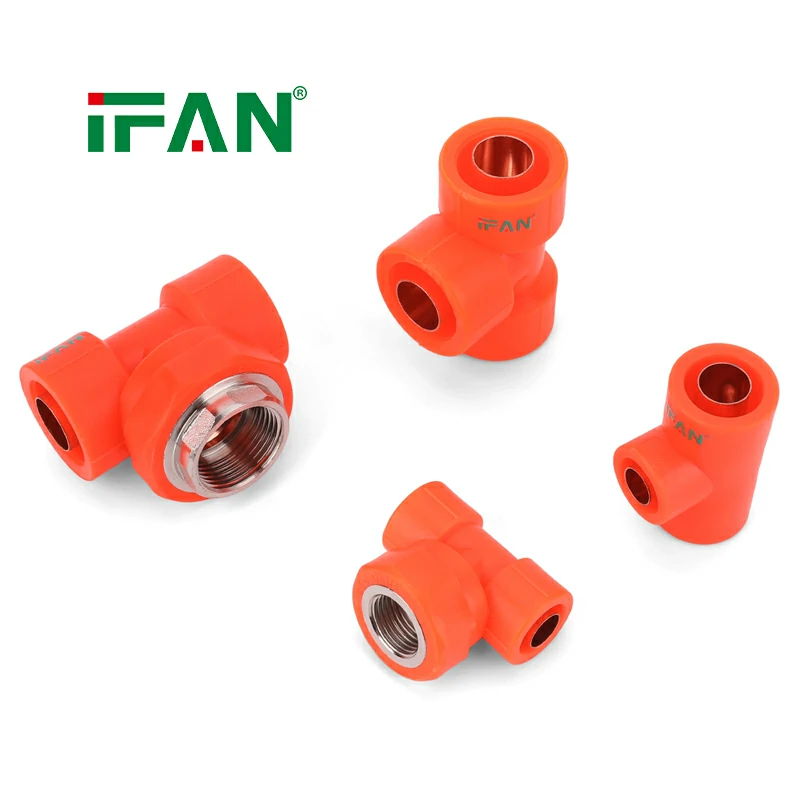
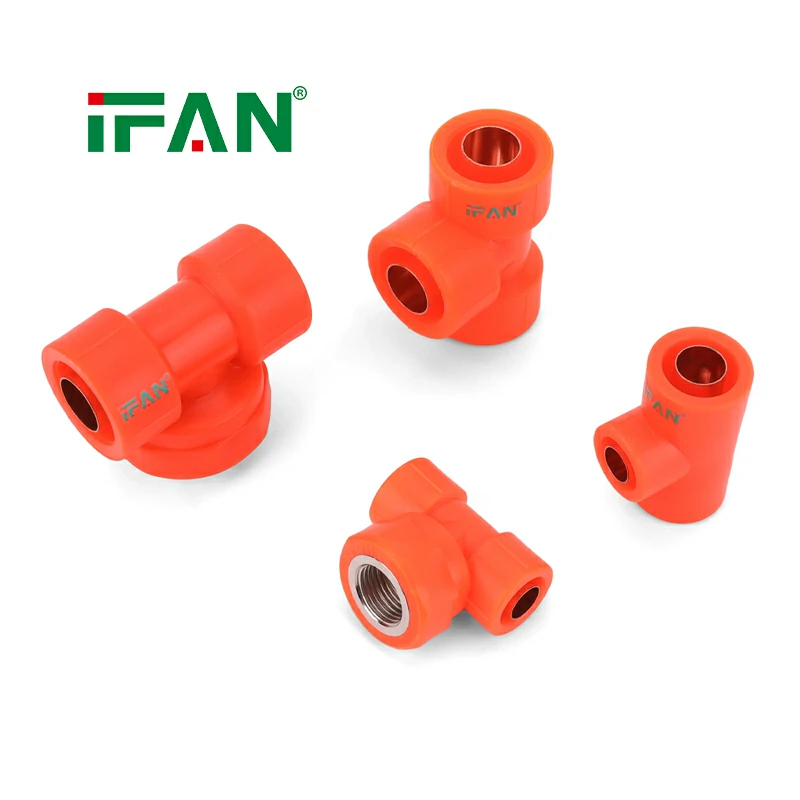
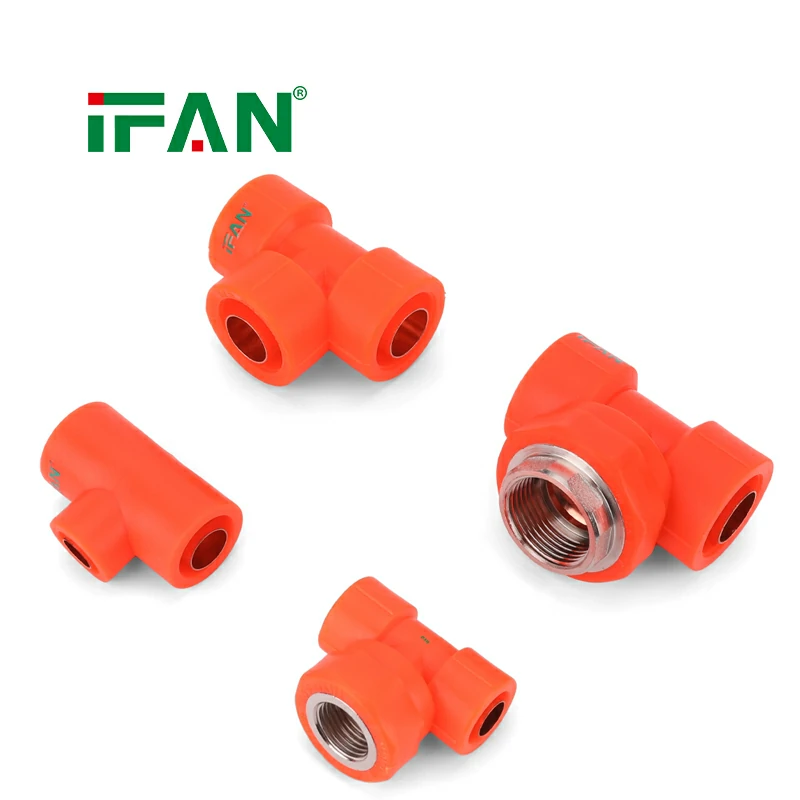
PPR Fittings
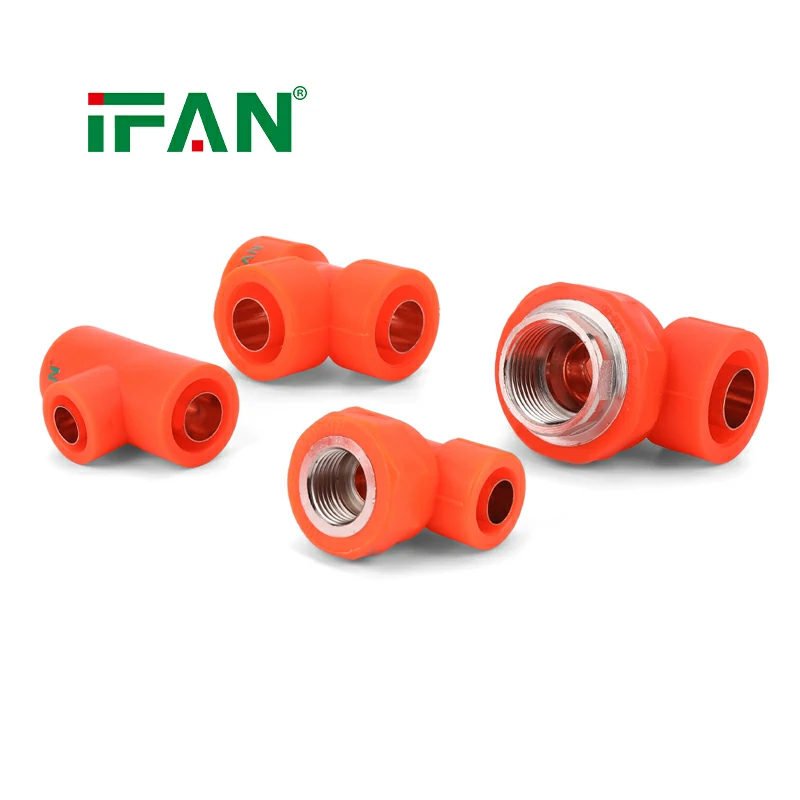
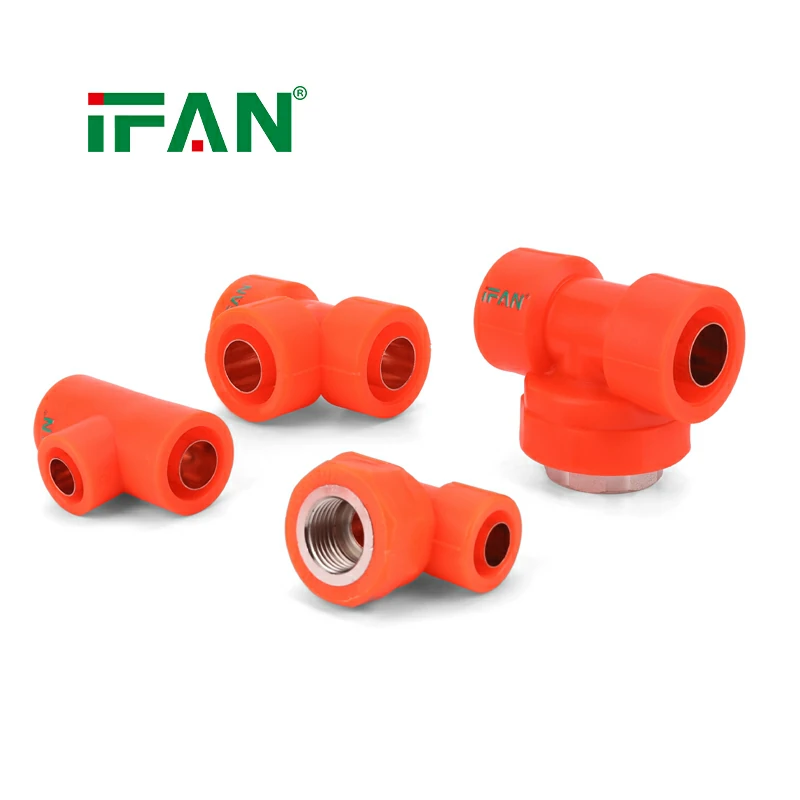
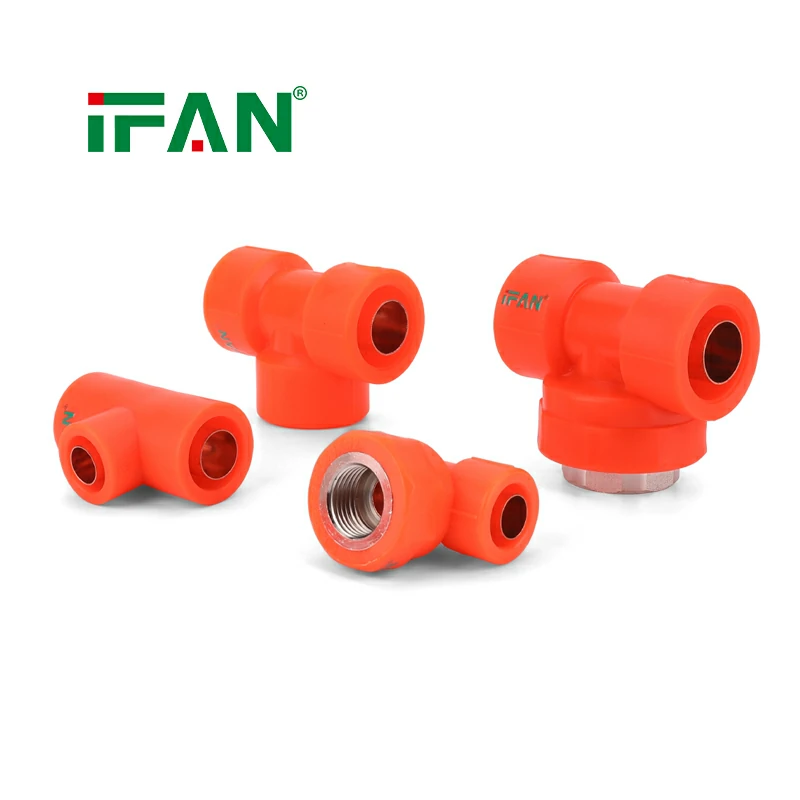
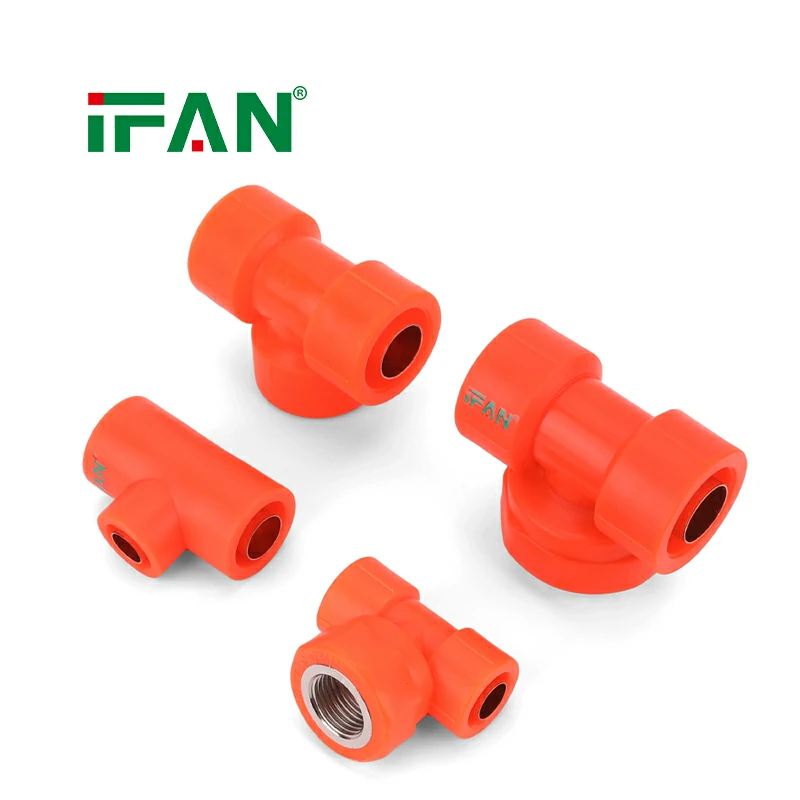
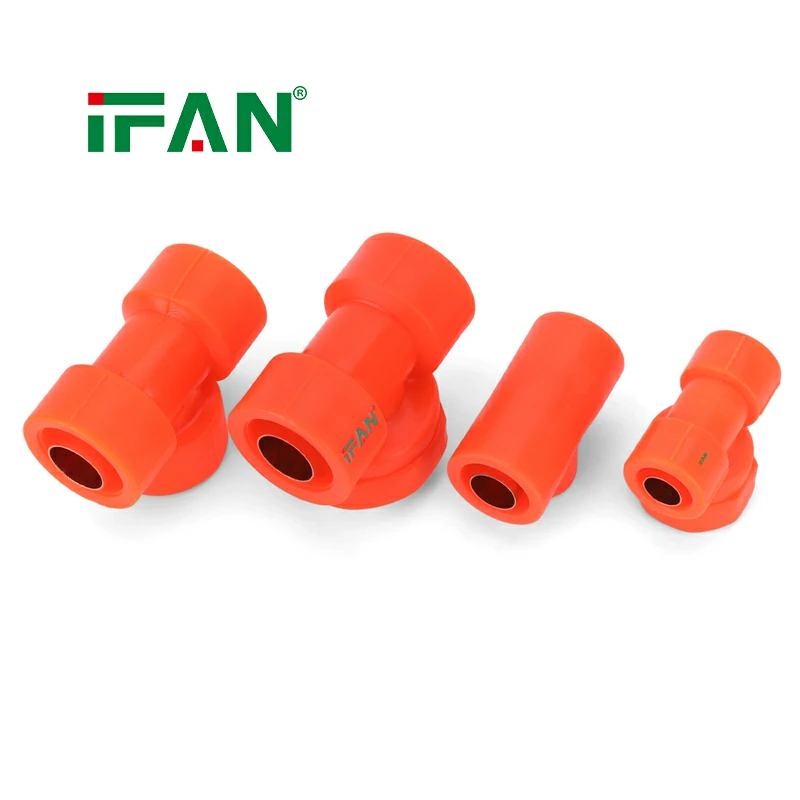
PPR fittings are a kind of piping connection material commonly used in household and industrial buildings. It has the advantages of heat resistance, corrosion resistance and good sealing, so it is widely used in the fields of water supply, heating, air conditioning and chemical industry.
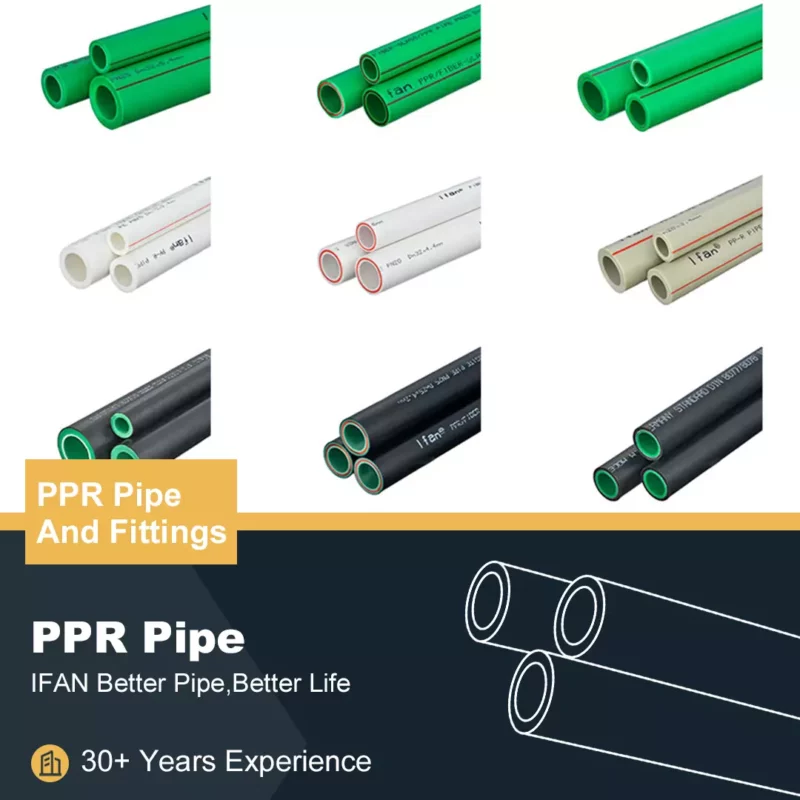
You may find that different brands or models of PPR fittings differ in color, from white to green or gray. So why are they different colors?
The reason for the different colors of PPR fittings
PPR fittings have become a standard choice in modern plumbing systems thanks to their durability, chemical stability, and ease of installation. Whether used in residential water supply lines or large-scale commercial piping networks, PPR fittings deliver consistent performance under varying temperature and pressure conditions. This guide explores compatibility, real-world applications, and practical selection strategies to help engineers, installers, and buyers make informed decisions.
What Are PPR Fittings?
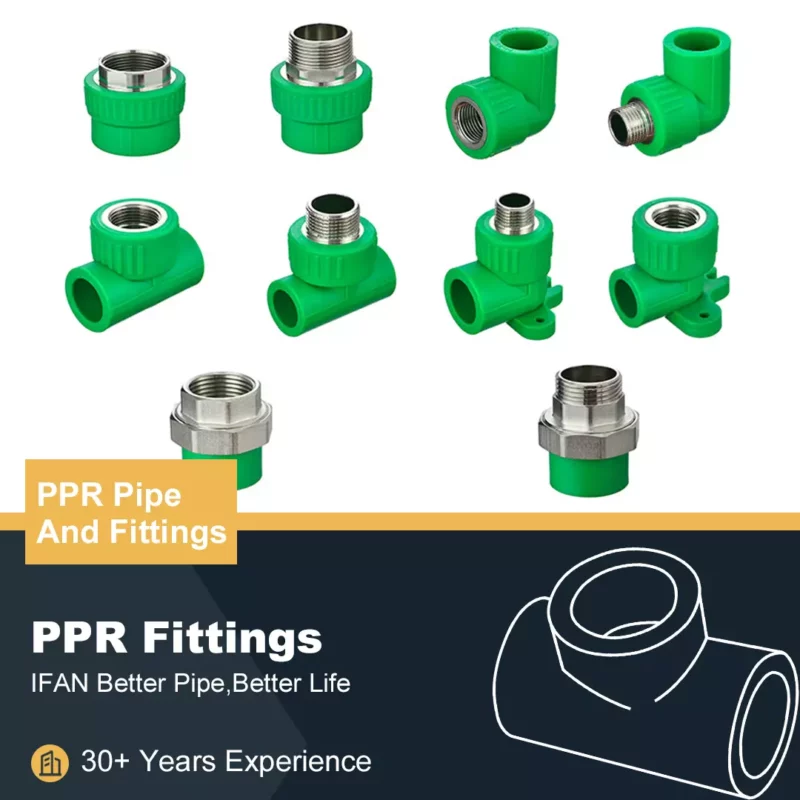
PPR (Polypropylene Random Copolymer) fittings are components used to connect PPR pipes in fluid distribution systems. Manufacturers design them for hot and cold water transport, heating systems, and industrial fluids. Unlike traditional metal fittings, PPR fittings resist corrosion, scaling, and chemical degradation.
Common types include:
- Elbows (90° and 45°)
- Tees (equal and reducing)
- Couplings and unions
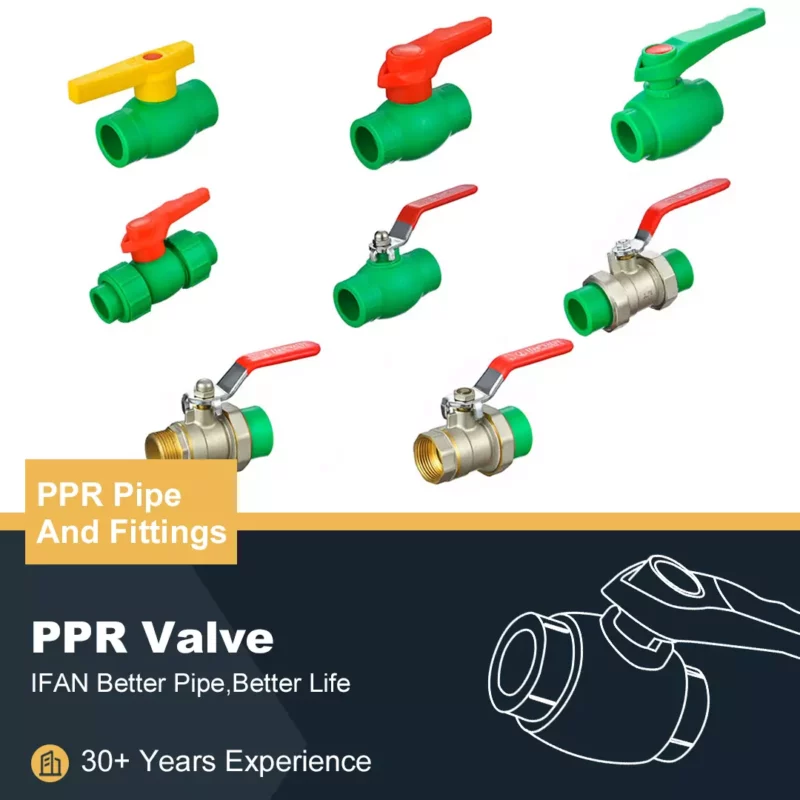
- Valves and threaded adapters
These fittings rely on heat fusion welding, which creates a homogeneous joint stronger than many mechanical connections.
Compatibility of PPR Fittings
1. Compatibility with PPR Pipes
PPR fittings work seamlessly with PPR pipes of the same standard. Installers must match:
- Pipe diameter (e.g., 20mm, 25mm, 32mm)
- Pressure rating (PN10, PN16, PN20)
- SDR values (wall thickness ratio)
Using mismatched specifications can compromise joint integrity and reduce system lifespan.
2. Compatibility with Other Systems
Although PPR fittings primarily connect with PPR pipes, they can integrate with other systems using threaded or metal transition fittings. For example:
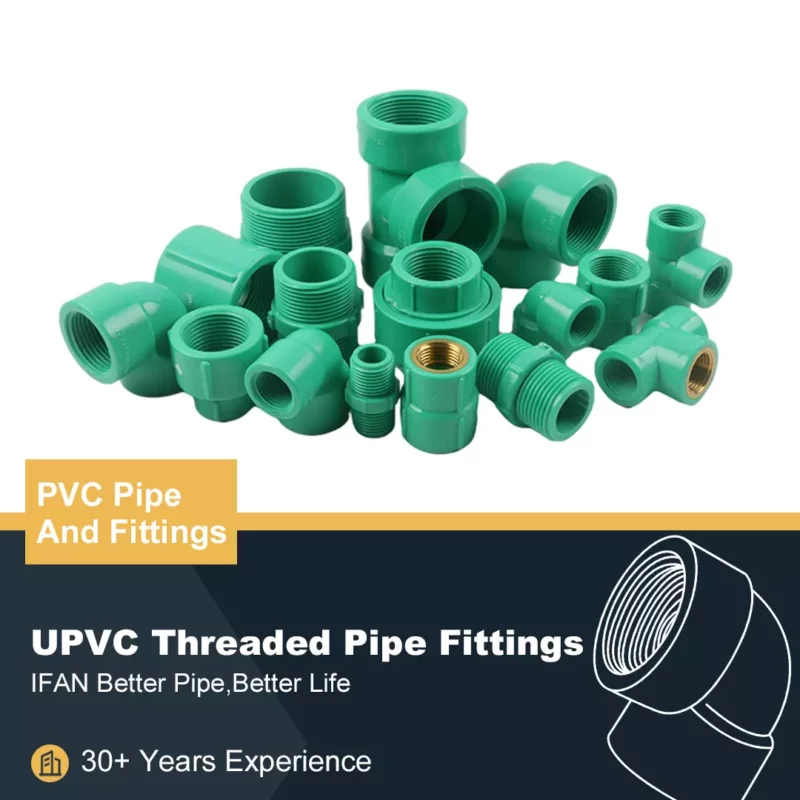
- Brass inserts allow connection to metal valves or faucets
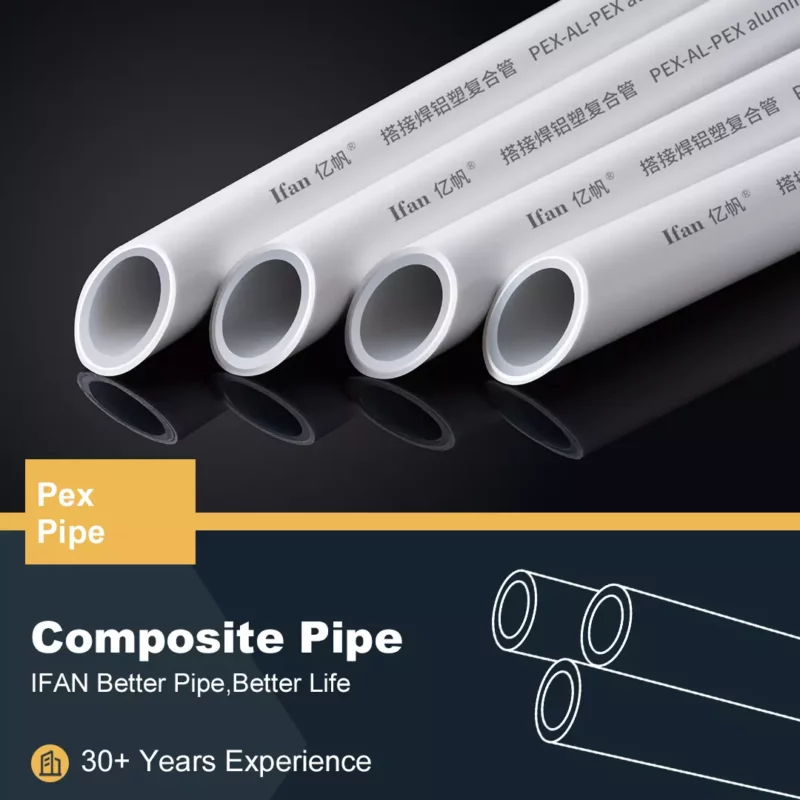
- Transition fittings connect to PVC, copper, or PEX systems
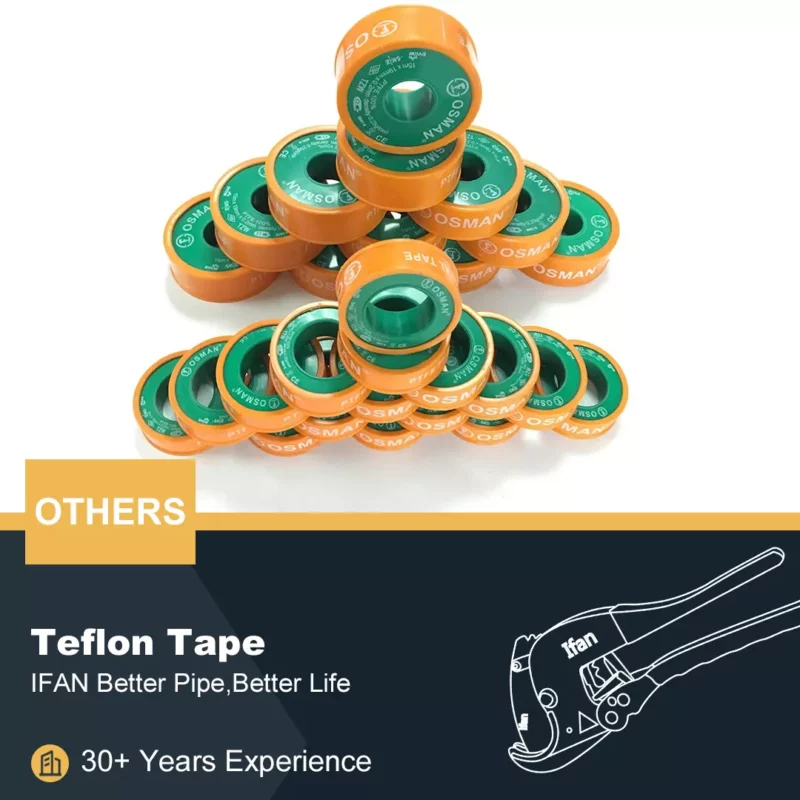
However, proper sealing materials and standards must be followed to avoid leakage.
3. Temperature and Pressure Compatibility
PPR fittings perform reliably in:
- Cold water systems
- Hot water systems up to 70–95°C
- Heating systems with controlled pressure
Choosing the correct pressure class ensures long-term stability under operational conditions.
Applications of PPR Fittings
Residential Plumbing
In homes, PPR fittings are widely used for:
- Drinking water distribution
- Bathroom and kitchen supply lines
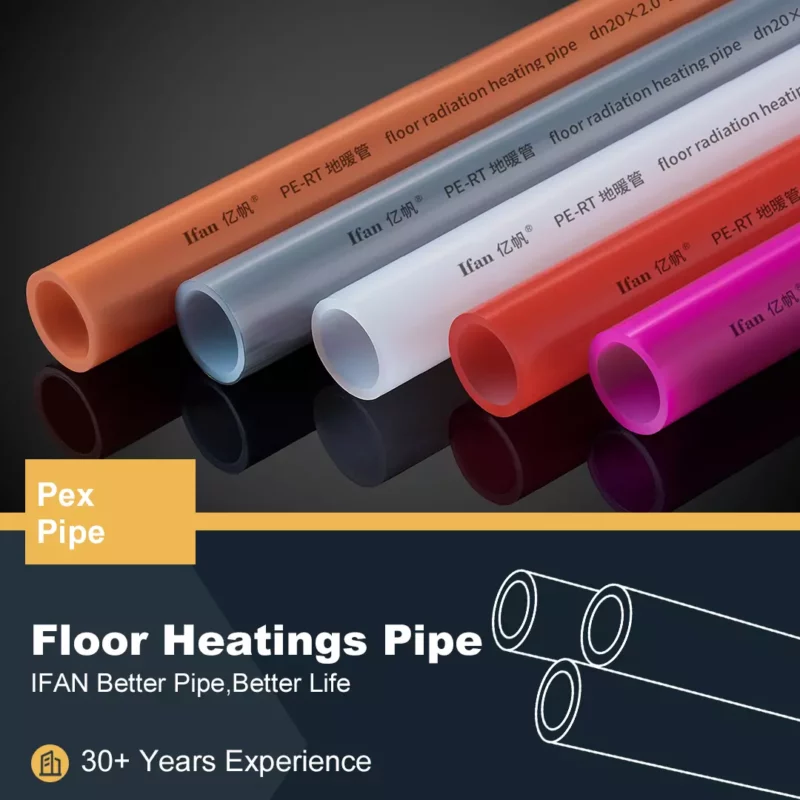
- Underfloor heating systems
Their non-toxic properties make them suitable for potable water.
Commercial and Public Buildings
In offices, hotels, and hospitals, PPR systems provide:
- Centralized water distribution
- Reliable hot water circulation
- Low maintenance infrastructure
Their long service life reduces operational costs.
Industrial Applications
Industries use PPR fittings for:
- Chemical fluid transport
- Compressed air systems (in controlled conditions)
- Process water pipelines
Their resistance to corrosion and scaling offers a major advantage over metal systems.
Agricultural and Irrigation Systems
PPR fittings support:
- Irrigation pipelines
- Water supply networks in farms
- Greenhouse water distribution
Their durability ensures performance in outdoor environments.
Advantages of Using PPR Fittings
- Corrosion Resistance: No rust or scaling over time
- Long Lifespan: Often exceeds 50 years under normal conditions
- Thermal Insulation: Reduces heat loss in hot water systems
- Smooth Inner Surface: Minimizes pressure drop and prevents buildup
- Leak-Free Connections: Heat fusion creates strong, permanent joints
These advantages make PPR fittings a preferred choice for modern plumbing systems.
How to Select the Right PPR Fittings
1. Determine System Requirements
Start by identifying:
- Application type (residential, commercial, industrial)
- Fluid type (drinking water, heating, chemicals)
- Operating temperature and pressure
This helps narrow down suitable specifications.
2. Choose the Correct Size and Rating
Match the fitting size with the pipe diameter and ensure the pressure rating meets system demands. Oversized or undersized fittings can affect flow efficiency.
3. Check Material Quality
High-quality PPR fittings should:
- Meet international standards (ISO, DIN, ASTM)
- Use virgin polypropylene material
- Have uniform wall thickness
Avoid low-grade products that may fail prematurely.
4. Consider Installation Method
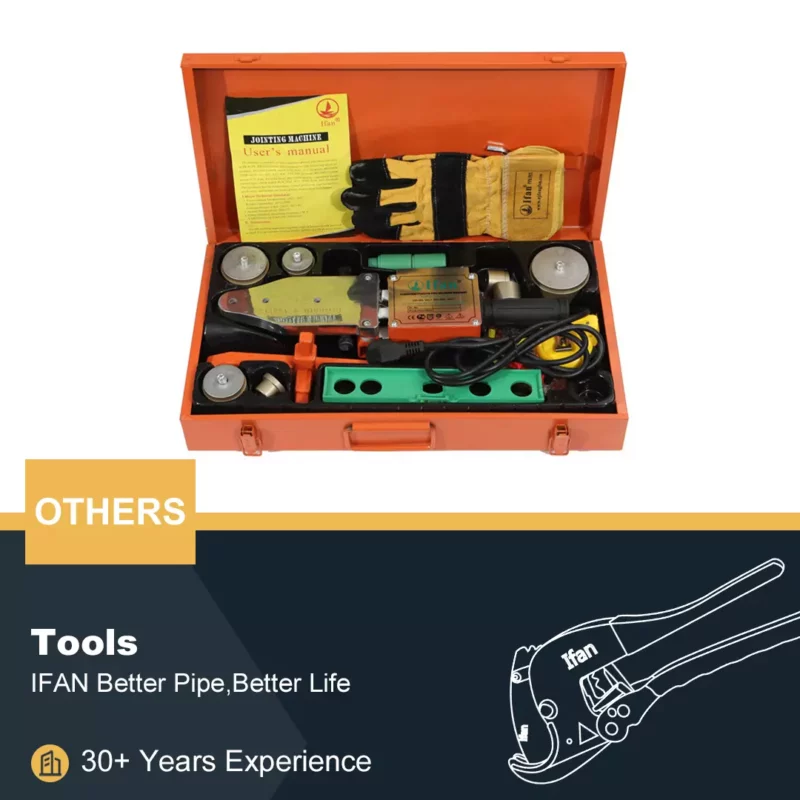
Ensure compatibility with heat fusion tools. Proper welding technique is essential for leak-free performance.
5. Evaluate Brand and Manufacturer
Reliable manufacturers provide:
- Consistent product quality
- Technical support
- Certification and testing reports
Choosing a trusted supplier reduces long-term risks.
Installation Tips for Optimal Performance
- Use calibrated fusion machines for accurate temperature control
- Clean pipe ends before welding
- Follow recommended heating and cooling times
- Avoid rotating joints after fusion
- Test the system under pressure before full operation
Proper installation ensures durability and prevents future issues.
Common Mistakes to Avoid
- Mixing incompatible pipe standards
- Using incorrect fusion temperatures
- Overheating or underheating joints
- Ignoring pressure ratings
- Skipping pressure testing
Avoiding these mistakes significantly improves system reliability.
Conclusion
PPR fittings offer a reliable, durable, and efficient solution for modern piping systems. Their compatibility with various applications, combined with strong resistance to corrosion and temperature variations, makes them a preferred choice across residential, commercial, and industrial sectors. By understanding compatibility requirements, selecting the right specifications, and following proper installation practices, users can ensure a long-lasting and high-performance plumbing system.
Contact:
We will reply your email or fax within 24 hours.
You can call us at any time if there is any question on our production.
For more information,pls visit our webside.
Pls Mail to: [email protected]