

PPR Fittings
Plumbing systems today require materials that balance performance, safety, and long-term value. Among the available options, PPR fittings (Polypropylene Random Copolymer fittings) stand out for their reliability and adaptability across a wide range of applications. From residential water supply to commercial infrastructure, these fittings deliver consistent results when properly selected and installed. This article provides a clear understanding of PPR fittings, focusing on compatibility, real-world uses, and practical buying tips to help you make informed decisions.
What Makes PPR Fittings Different?
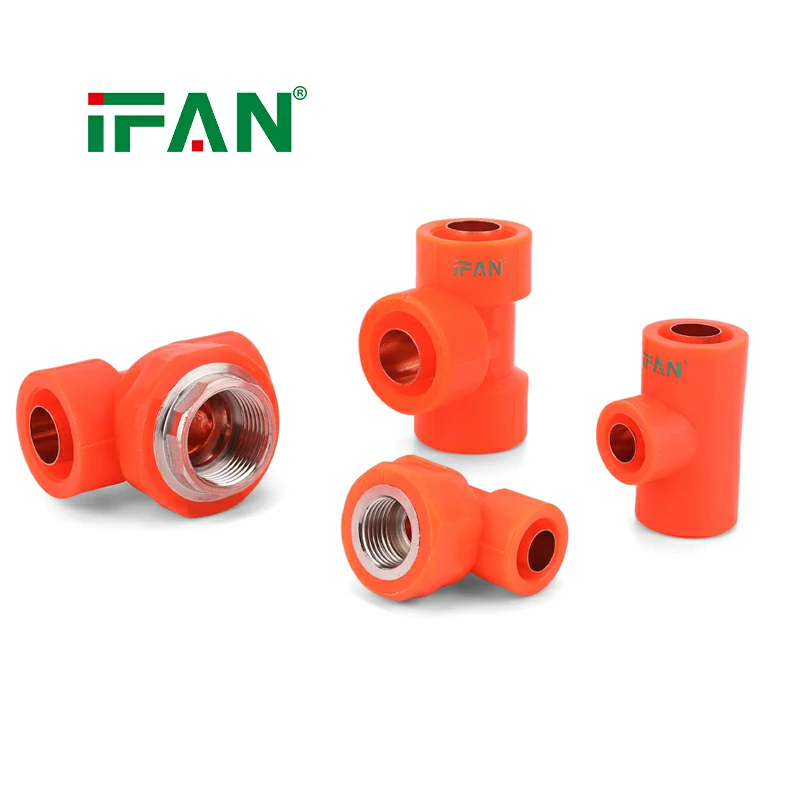
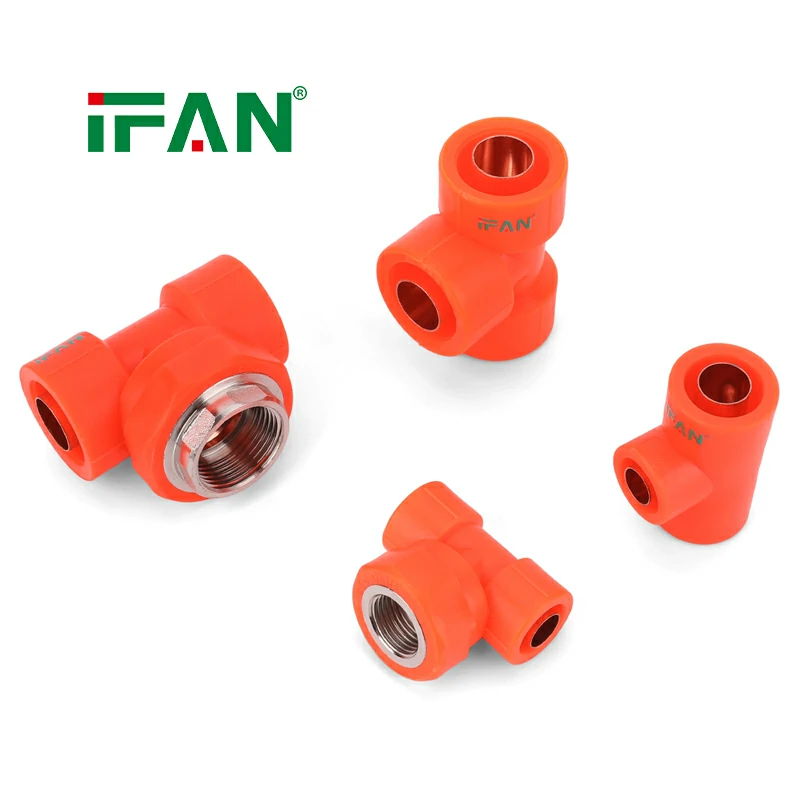
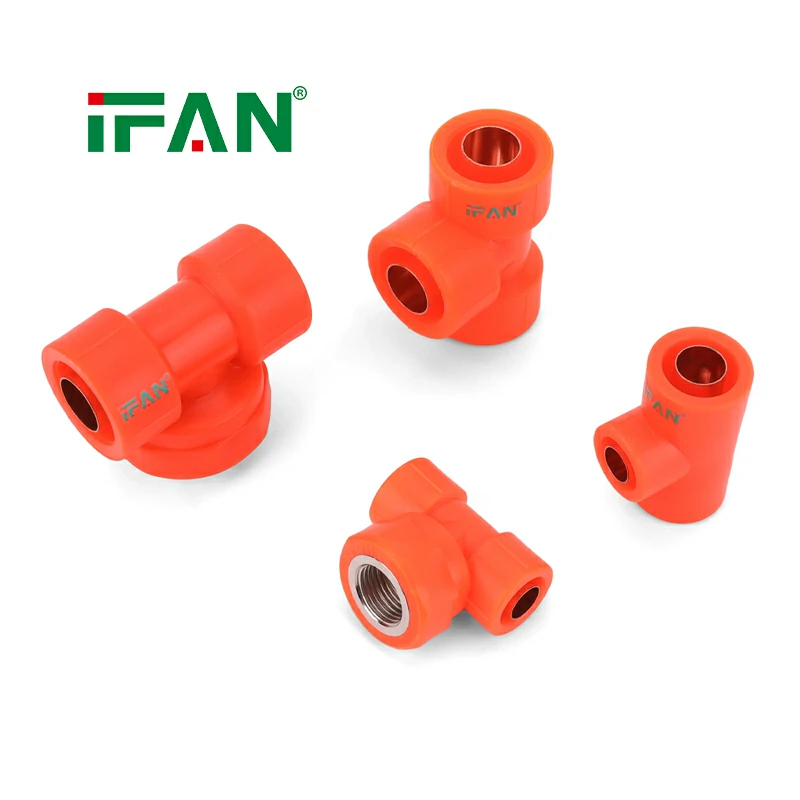
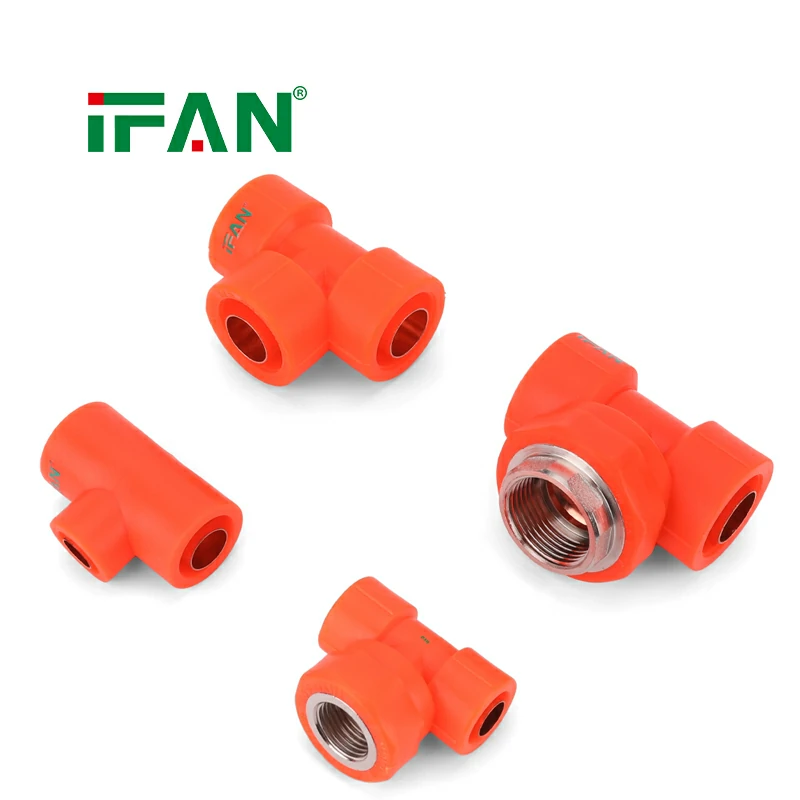
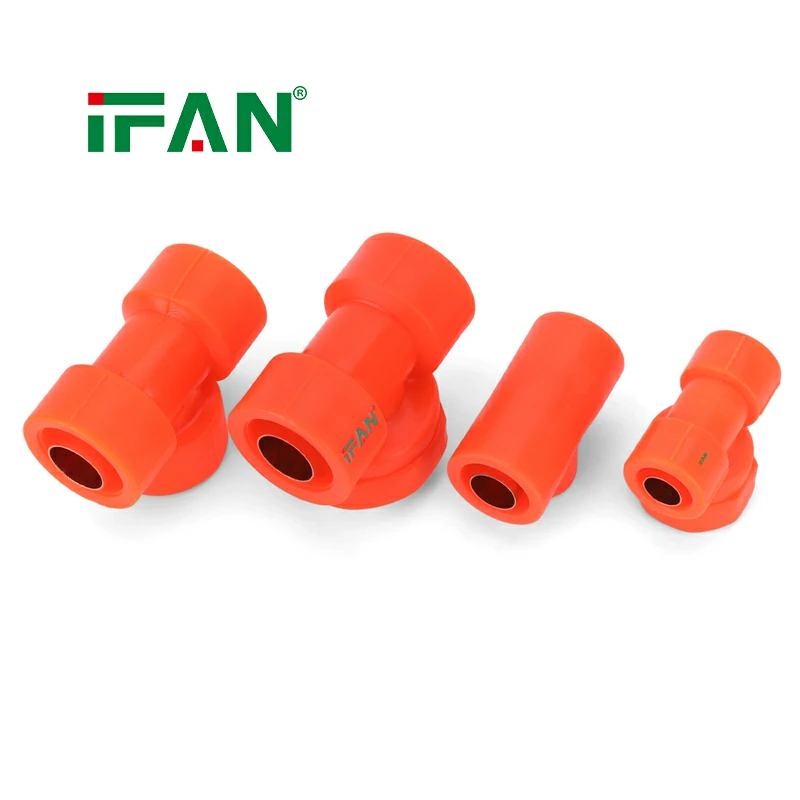
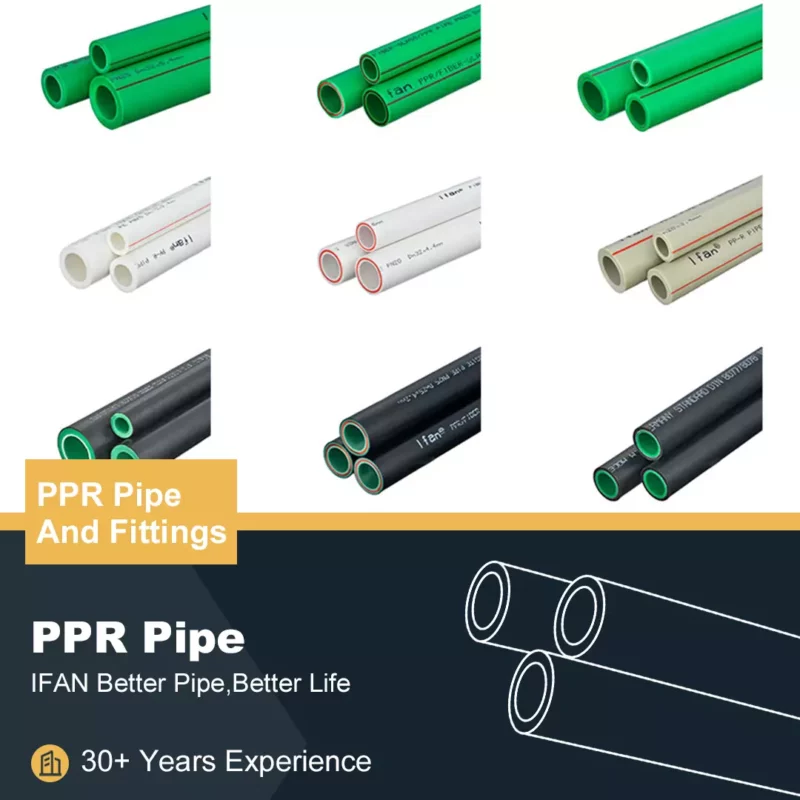
PPR fittings connect PPR pipes using a heat fusion method. Instead of relying on threads or adhesives, installers heat both the pipe and fitting, then join them to create a seamless bond. This process forms a unified structure that eliminates weak points commonly found in mechanical connections.
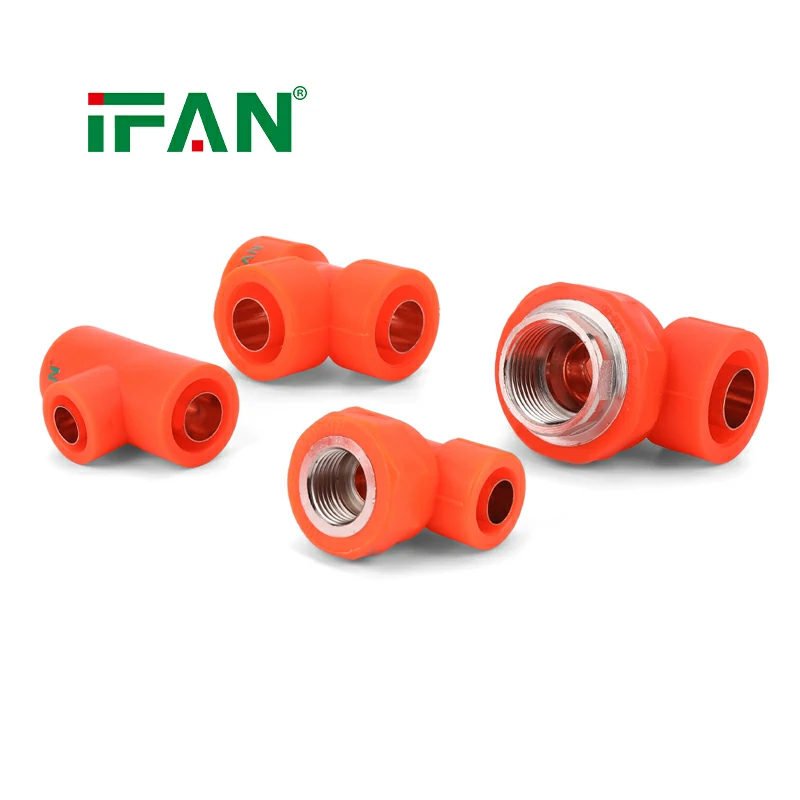
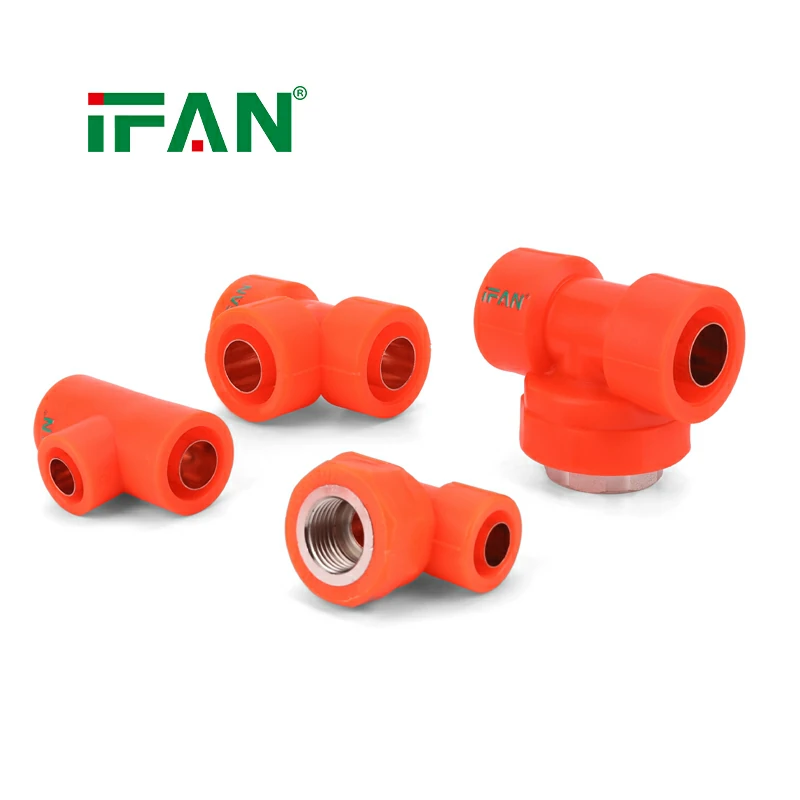
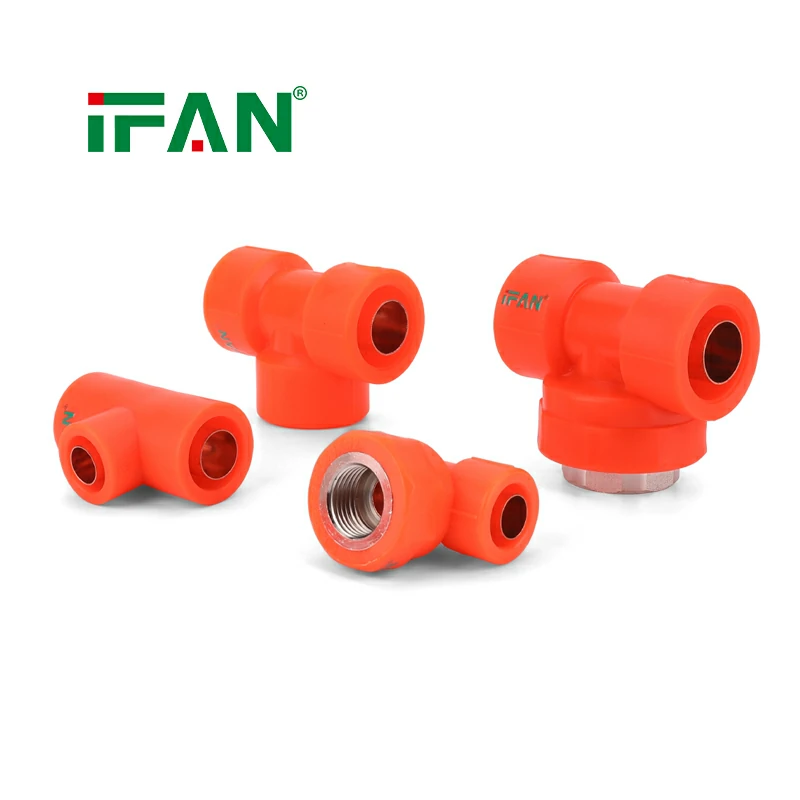
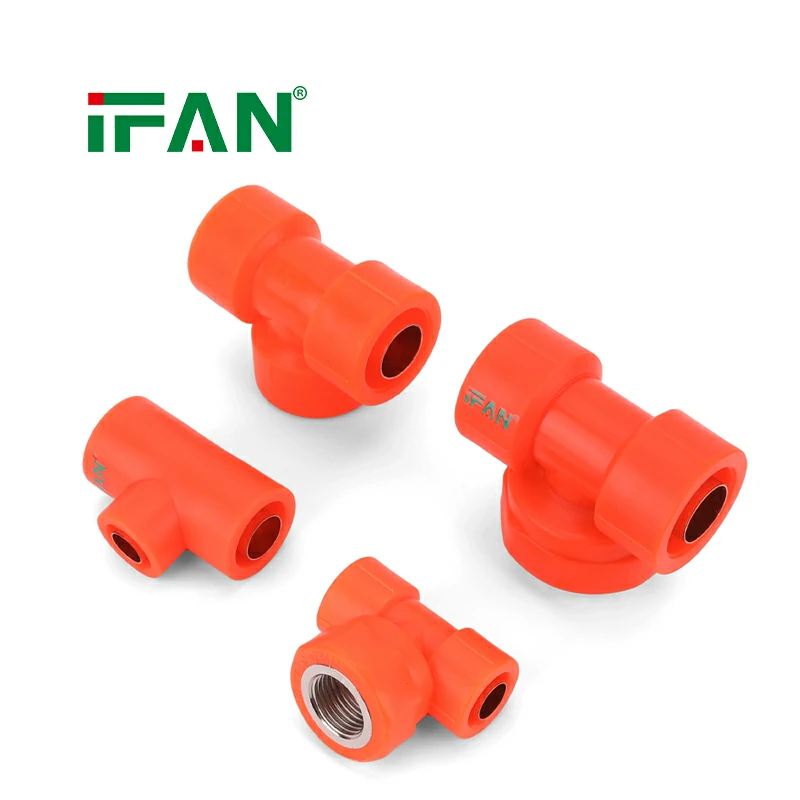
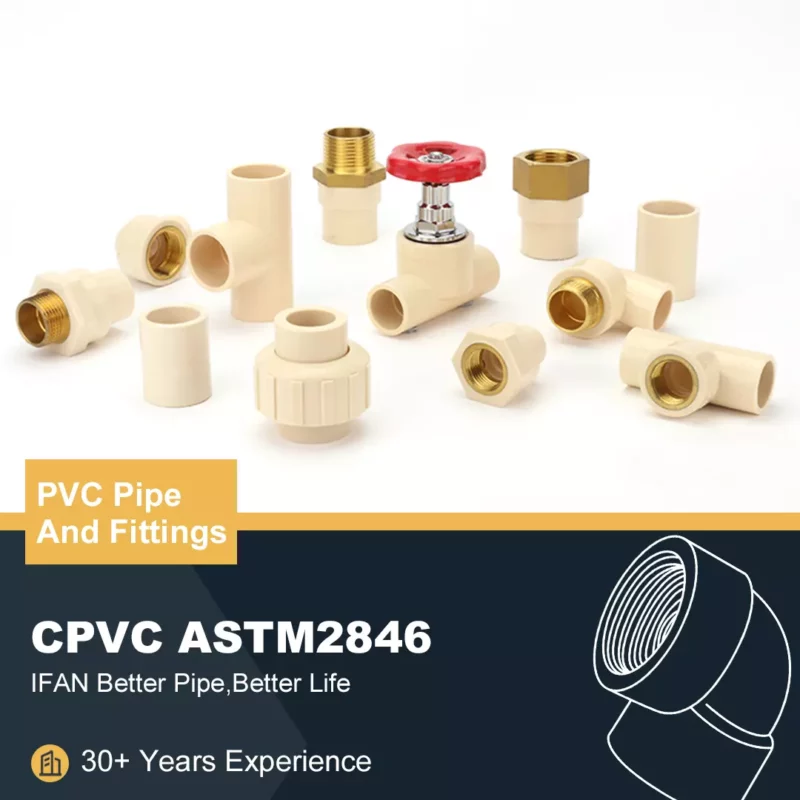
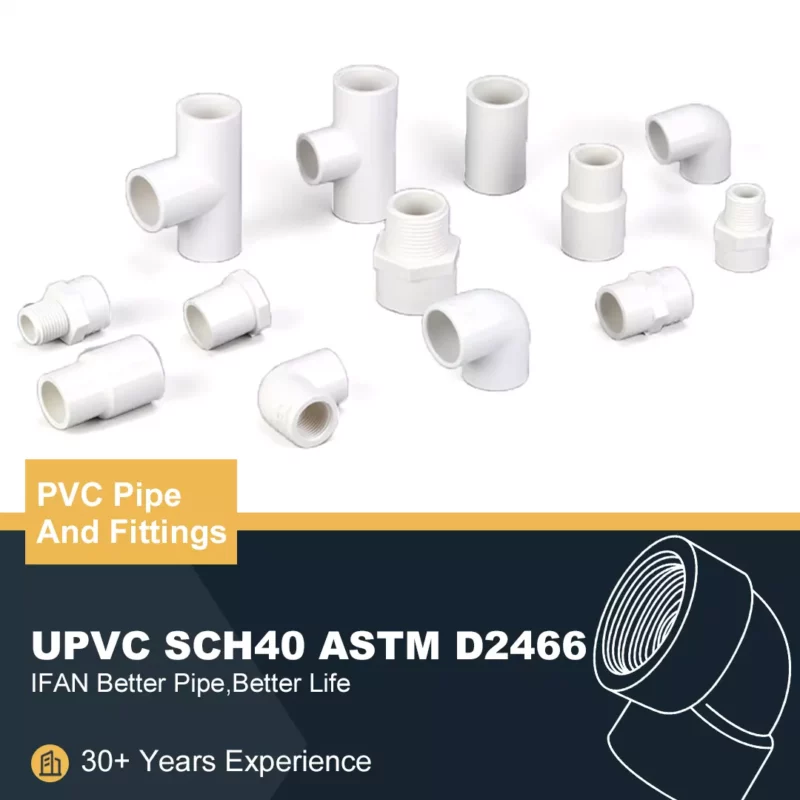
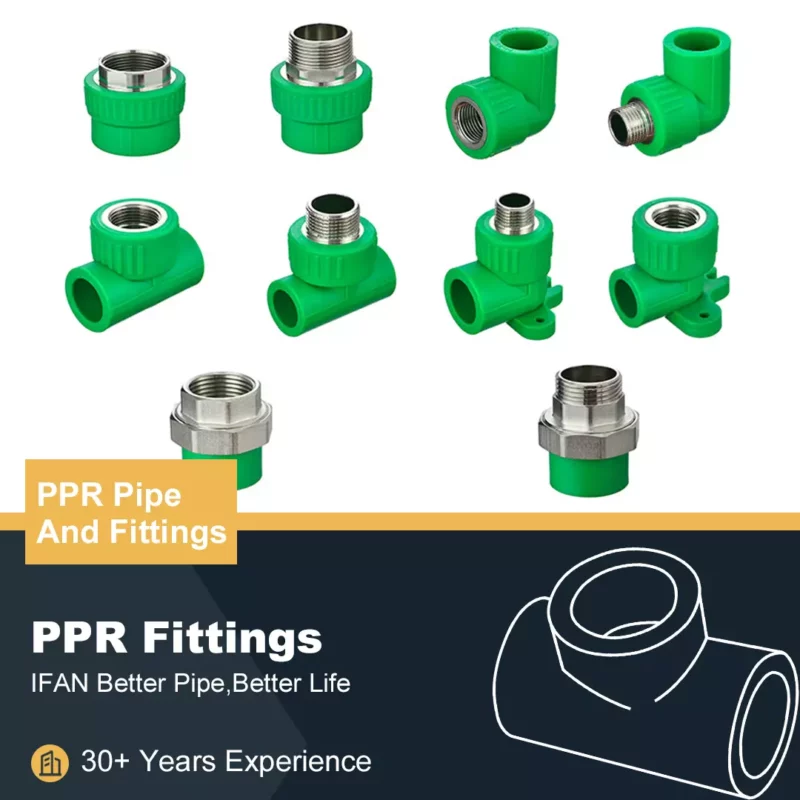
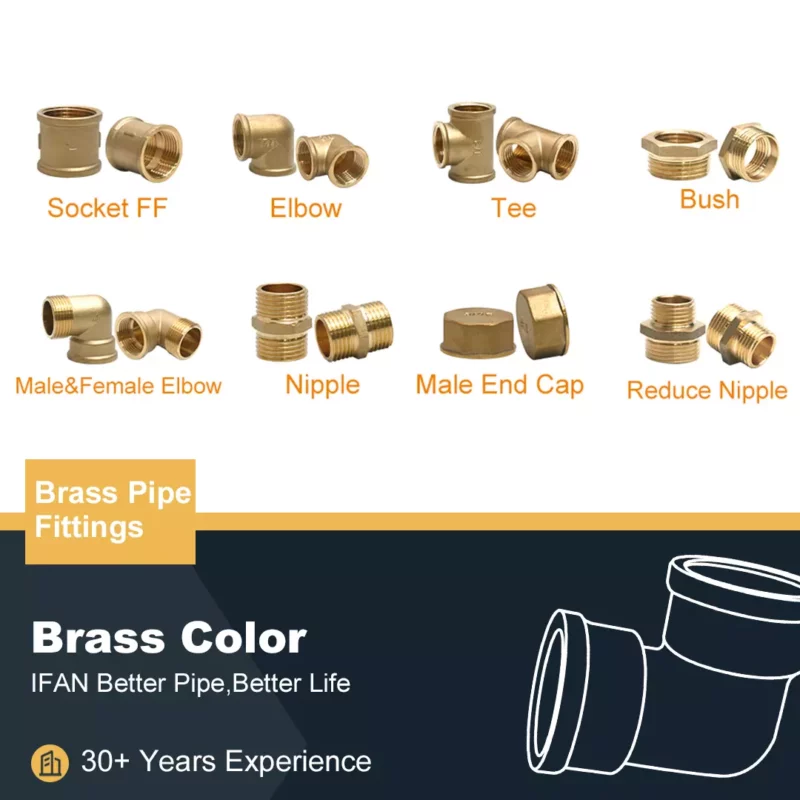
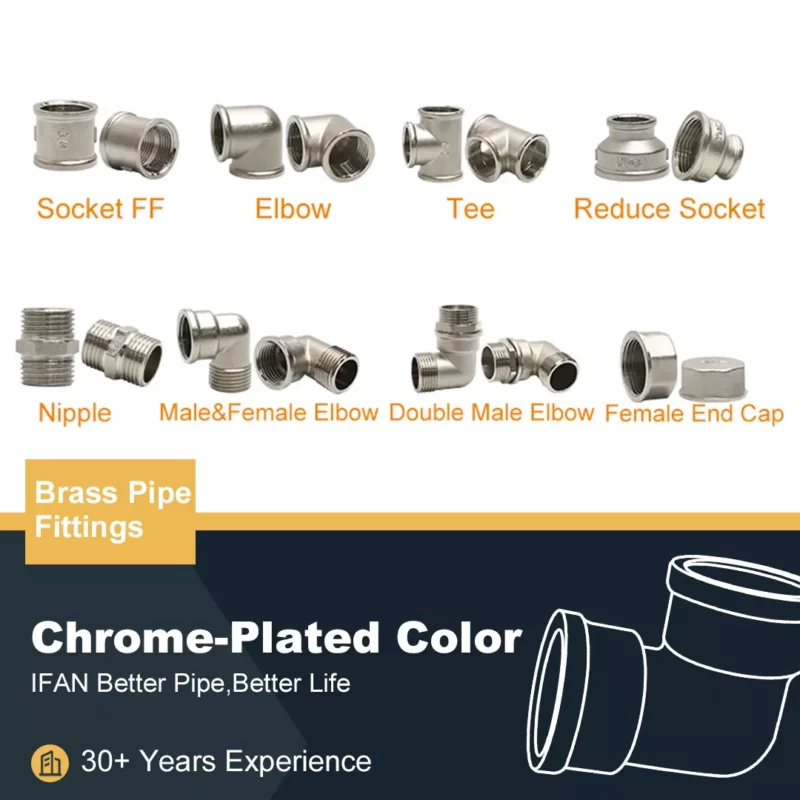
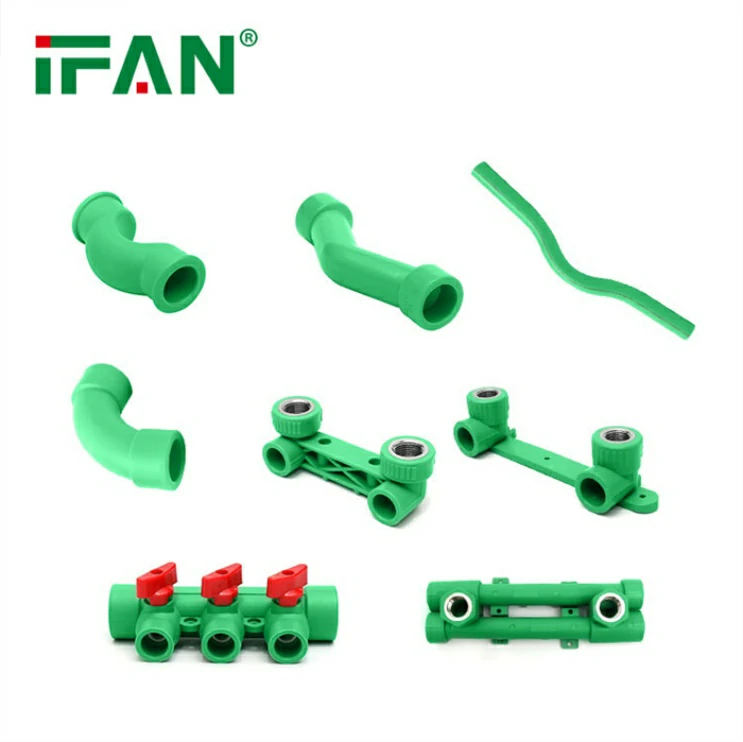
Typical fitting types include:
- Elbows for directional flow changes
- Tees for branching pipelines
- Couplings for straight extensions
- Unions for detachable sections
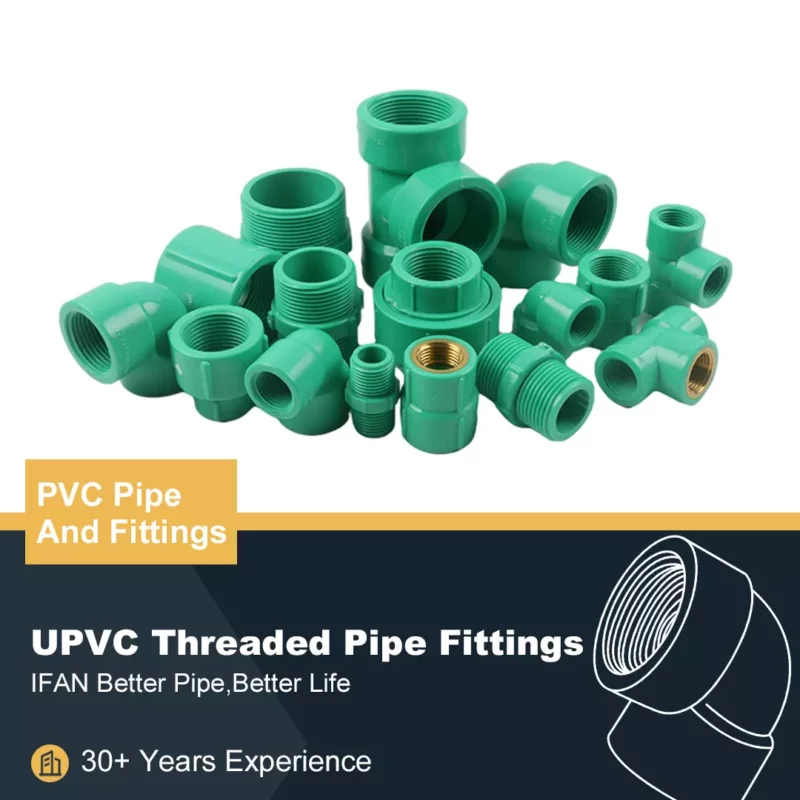
- Threaded adapters for mixed-material connections
This design approach improves durability while reducing the risk of leaks over time.
Compatibility Factors You Need to Know
1. Pipe and Fitting Matching
Compatibility starts with correct sizing and classification. PPR fittings must align with:
- Pipe diameter (e.g., 20mm, 25mm, 32mm)
- Pressure class (PN10, PN16, PN20)
- Wall thickness (SDR values)
Even small mismatches can affect joint strength and system performance.
2. Integration with Other Materials
In real projects, PPR systems often connect to metal or other plastic pipes. This requires:
- Brass insert fittings
- Threaded connectors
- Transition adapters
Proper sealing methods and standard alignment are critical to ensure leak-free operation.
3. Temperature and Pressure Conditions
PPR fittings perform reliably under:
- Cold water distribution
- Hot water systems up to around 70–95°C
- Controlled pressure environments based on PN rating
Choosing fittings without considering these conditions can lead to deformation or early failure.
Common Uses of PPR Fittings
Residential Plumbing
In homes, PPR fittings support:
- Drinking water pipelines
- Kitchen and bathroom supply lines
- Water heater connections
Their non-toxic material ensures safe water delivery.
Commercial Installations
In larger buildings such as offices and hotels, PPR systems are used for:
- Centralized water distribution
- Hot water circulation systems
- Sanitary infrastructure
Their durability reduces long-term maintenance needs.
Heating Systems
PPR fittings are widely used in:
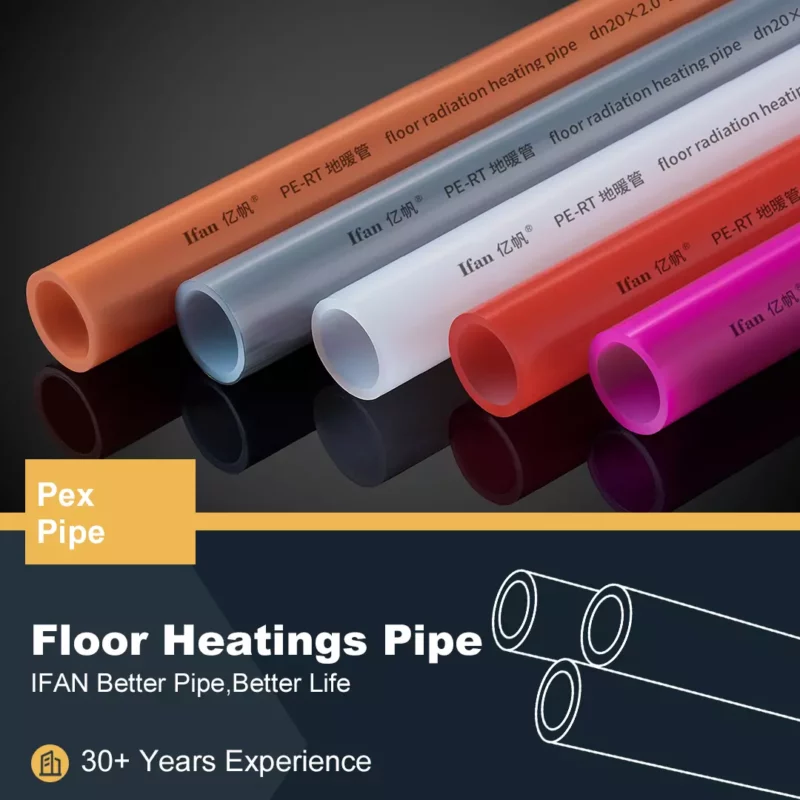
- Underfloor heating
- Radiator connections
- Low-temperature heating networks
They maintain stability under repeated thermal cycles.
Industrial Applications
In light industrial settings, PPR fittings handle:
- Process water pipelines
- Non-aggressive chemical transport
- Utility water systems
Their resistance to corrosion offers a clear advantage over traditional metal fittings.
Key Benefits of PPR Fittings
- Corrosion Resistance
No rust or scaling, even after years of use - Long Lifespan
Can exceed 50 years under proper conditions - Smooth Inner Surface
Maintains steady flow and reduces pressure loss - Thermal Insulation
Helps retain heat in hot water systems - Secure Connections
Heat fusion minimizes leakage risks
These advantages make PPR fittings a dependable choice across different sectors.
Practical Buying Tips for PPR Fittings
1. Check Material Quality
Always choose fittings made from high-grade virgin polypropylene. Low-quality or recycled materials may look similar but often fail under pressure or temperature stress.
2. Verify Standards and Certifications
Ensure the fittings meet recognized standards such as ISO or DIN. Certification indicates consistent manufacturing quality and performance reliability.
3. Match Specifications with Your System
Before purchasing, confirm:
- Pipe size compatibility
- Pressure rating (PN classification)
- Temperature tolerance
Selecting incorrect specifications can compromise the entire system.
4. Evaluate Manufacturer Reputation
Reliable suppliers provide:
- Detailed technical documentation
- Consistent product quality
- Customer support for installation and usage
Working with established brands reduces risk.
5. Consider Installation Requirements
Choose fittings that align with your installation setup:
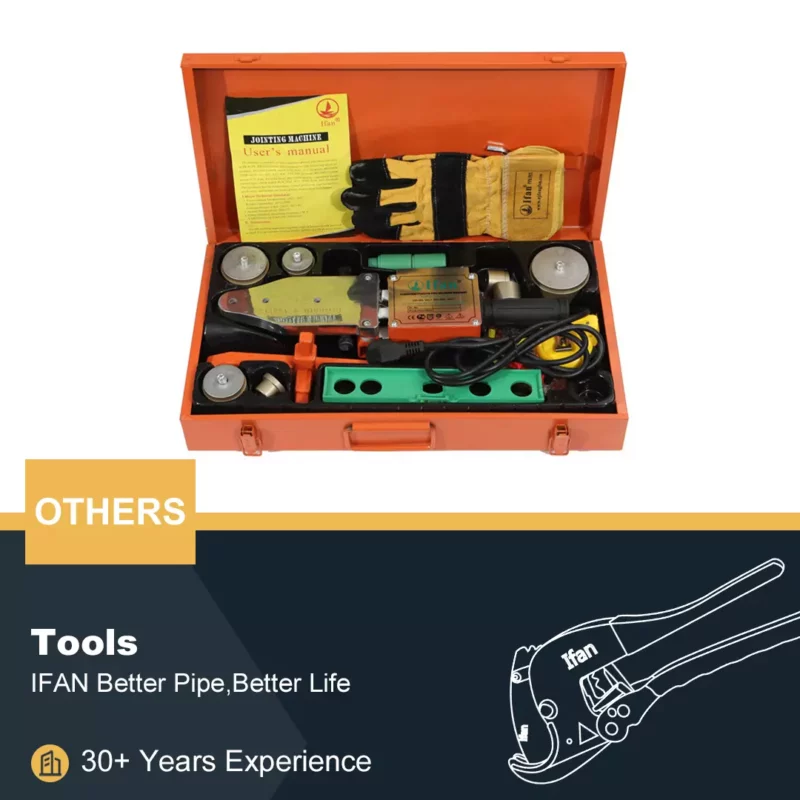
- Availability of fusion tools
- Accessibility of installation space
- Need for detachable or fixed joints
Planning ahead prevents complications during installation.
Installation Insights for Better Performance
Even high-quality PPR fittings require proper handling. For optimal results:
- Use calibrated fusion equipment
- Maintain correct heating time
- Avoid contamination on pipe surfaces
- Allow joints to cool without disturbance
- Conduct pressure testing before use
Attention to these details ensures long-term reliability.
Common Buying Mistakes to Avoid
- Choosing based on price alone instead of quality
- Ignoring compatibility with existing pipes
- Overlooking pressure and temperature ratings
- Buying uncertified or inconsistent products
- Failing to plan installation requirements
Avoiding these mistakes can significantly improve system performance.
Conclusion
Understanding PPR fittings goes beyond knowing their basic function. Compatibility, application requirements, and informed purchasing decisions all play a crucial role in building a reliable piping system. By selecting high-quality fittings, ensuring proper matching with pipes, and following correct installation practices, users can achieve a durable, efficient, and low-maintenance plumbing solution.
Contact:
We will reply your email or fax within 24 hours.
You can call us at any time if there is any question on our production.
For more information,pls visit our webside.
Pls Mail to: [email protected]