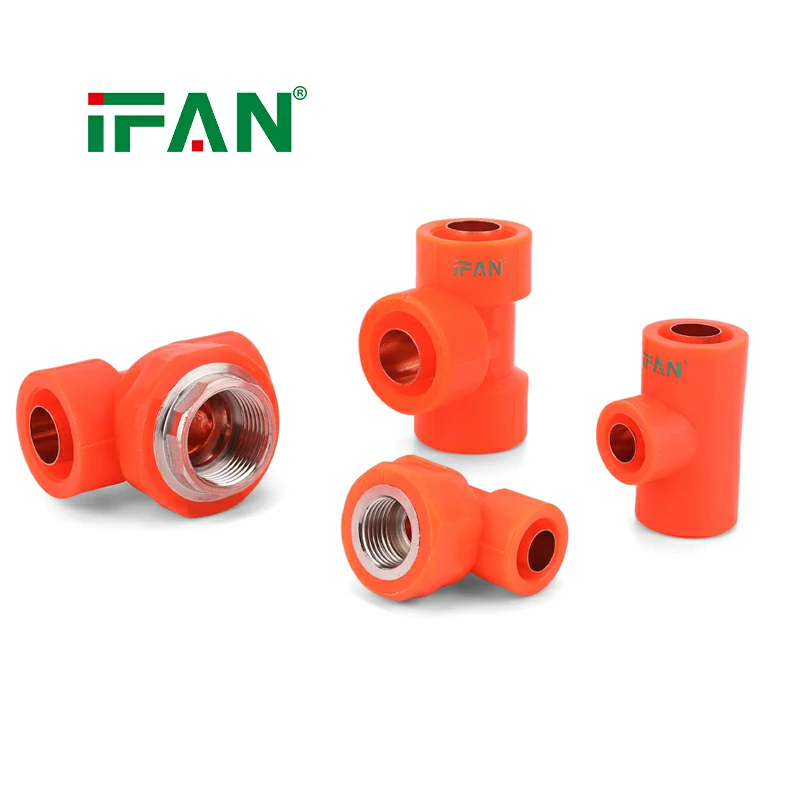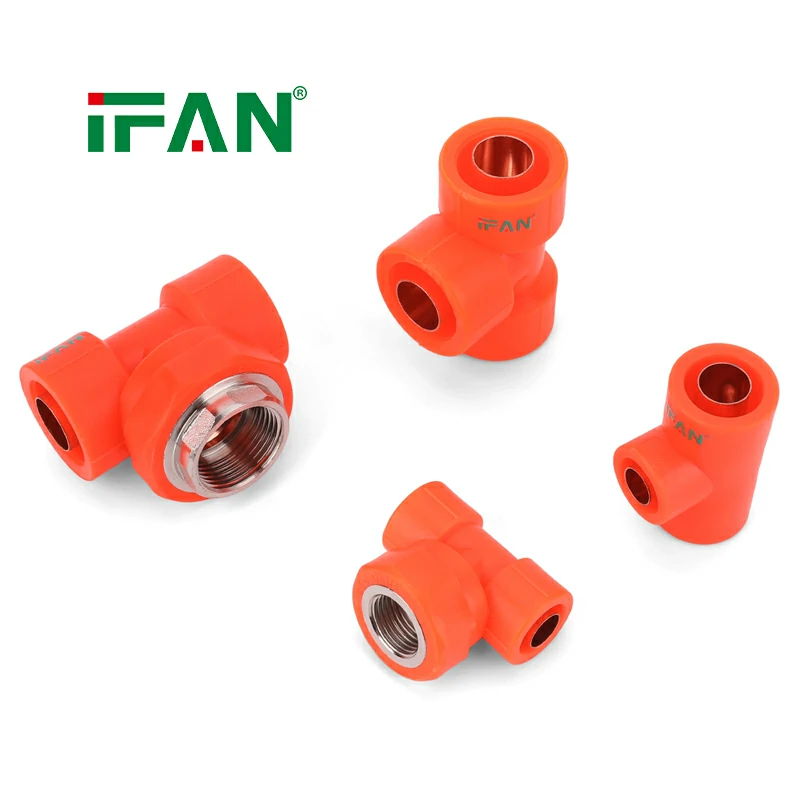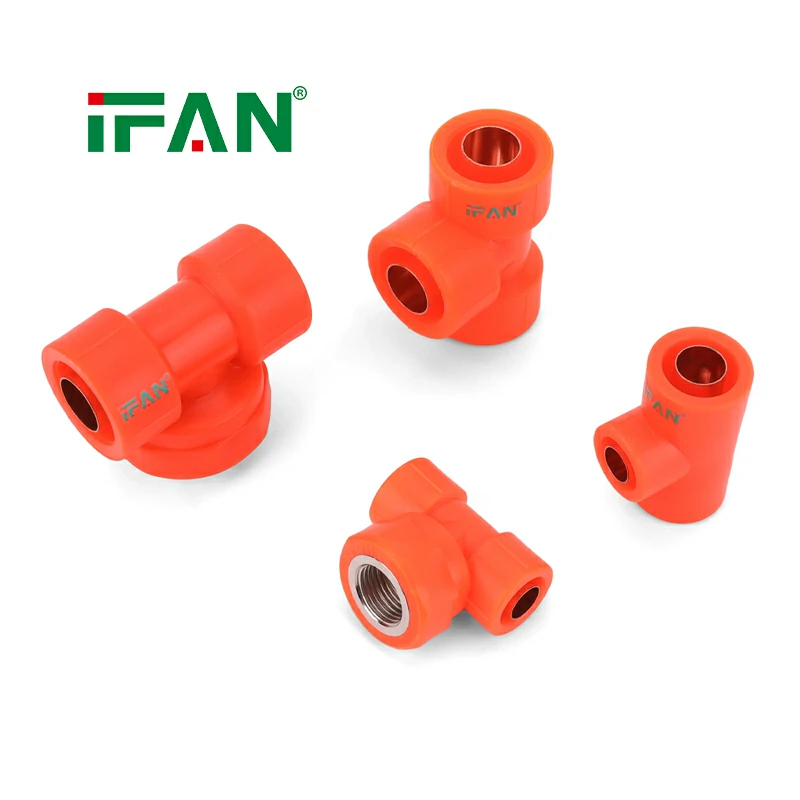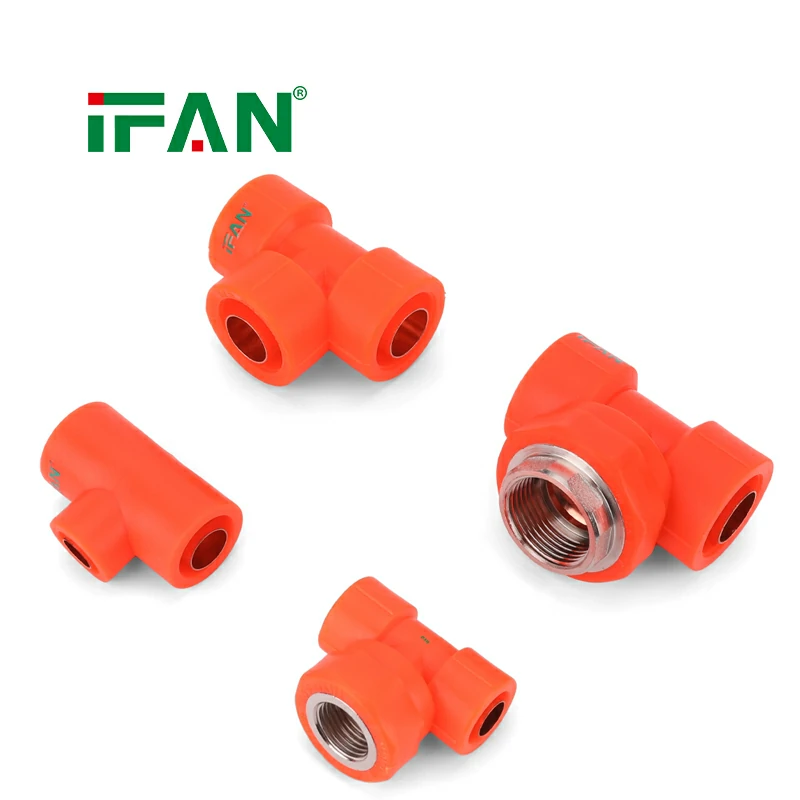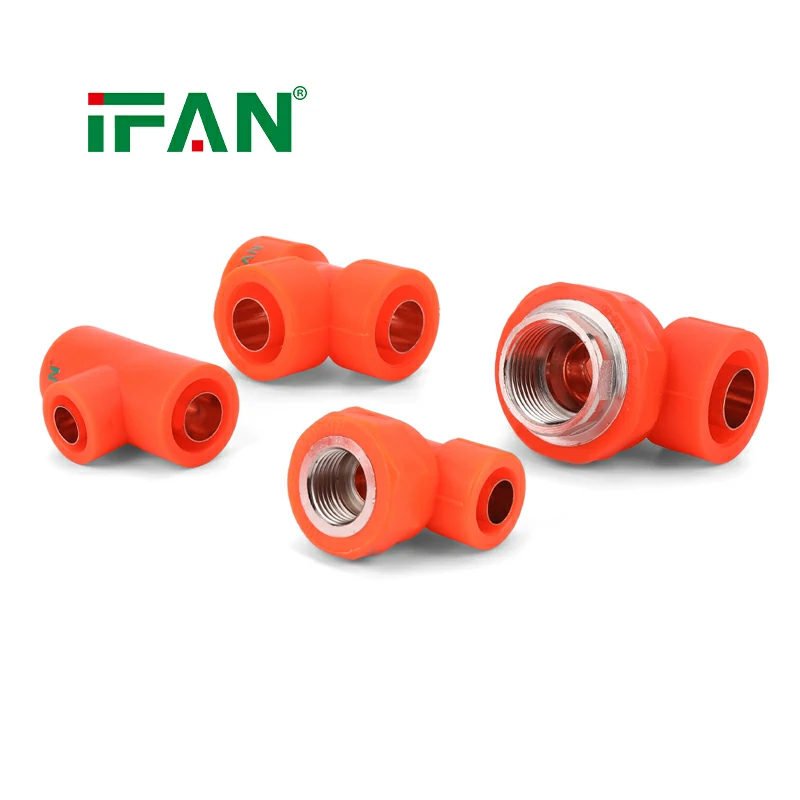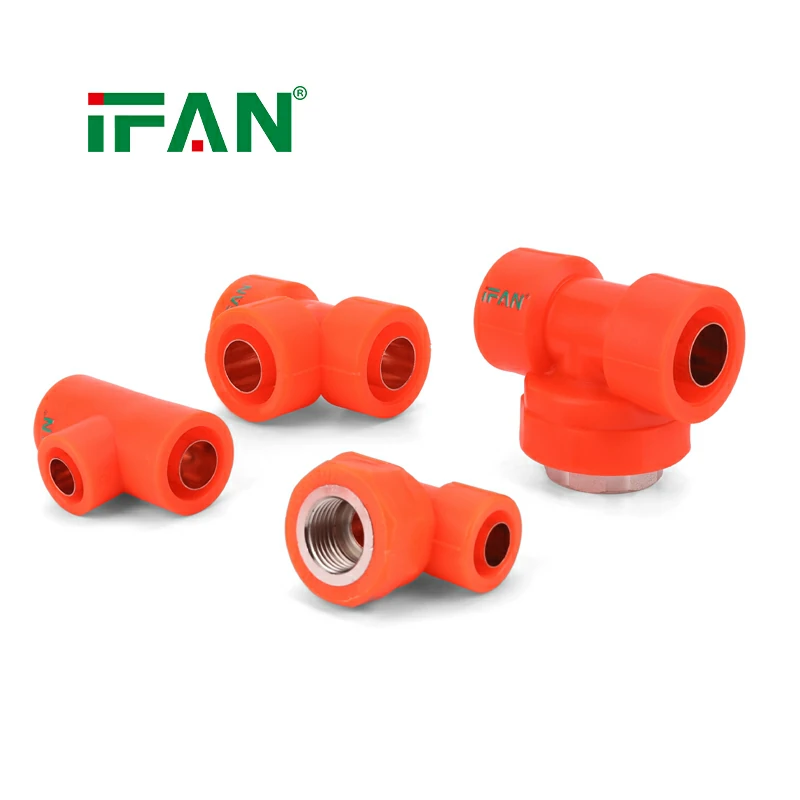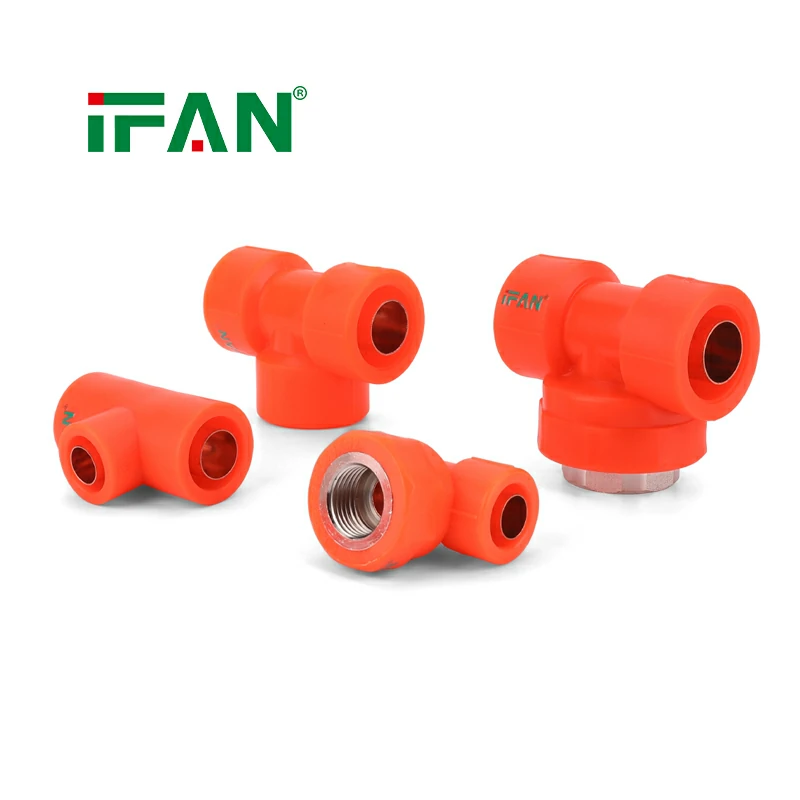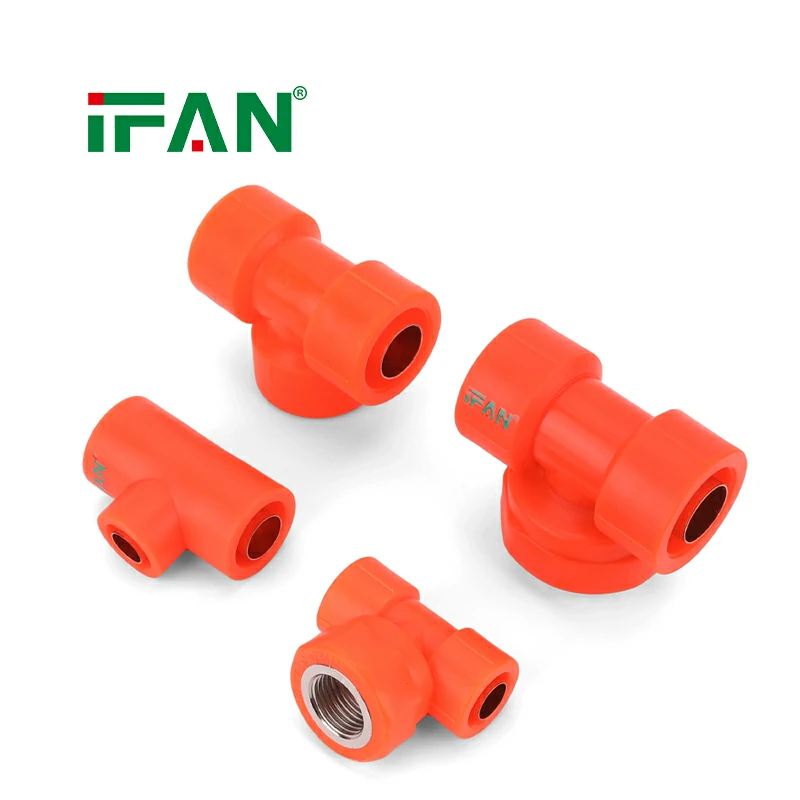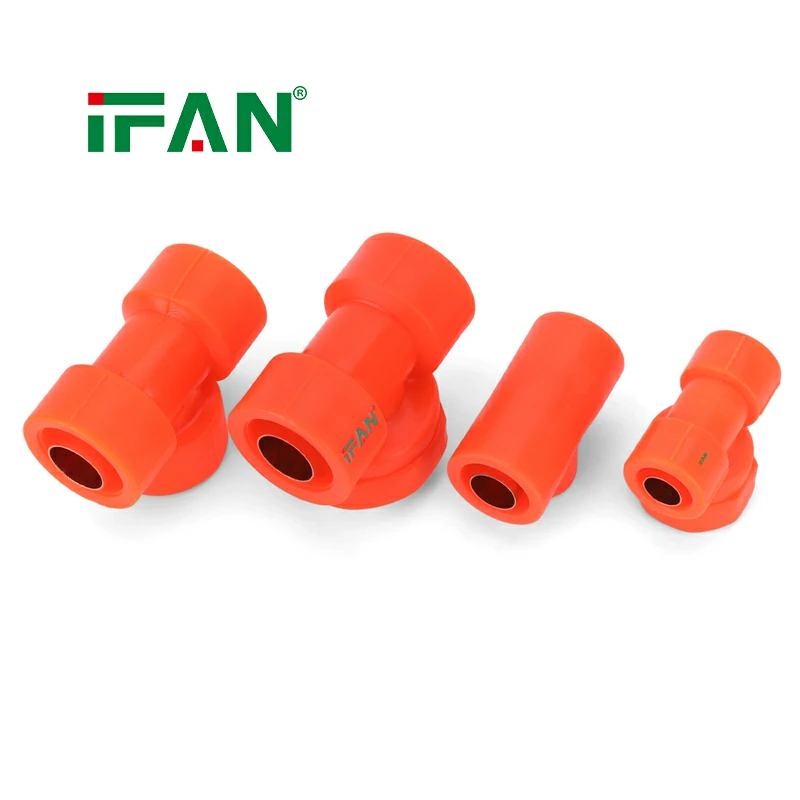
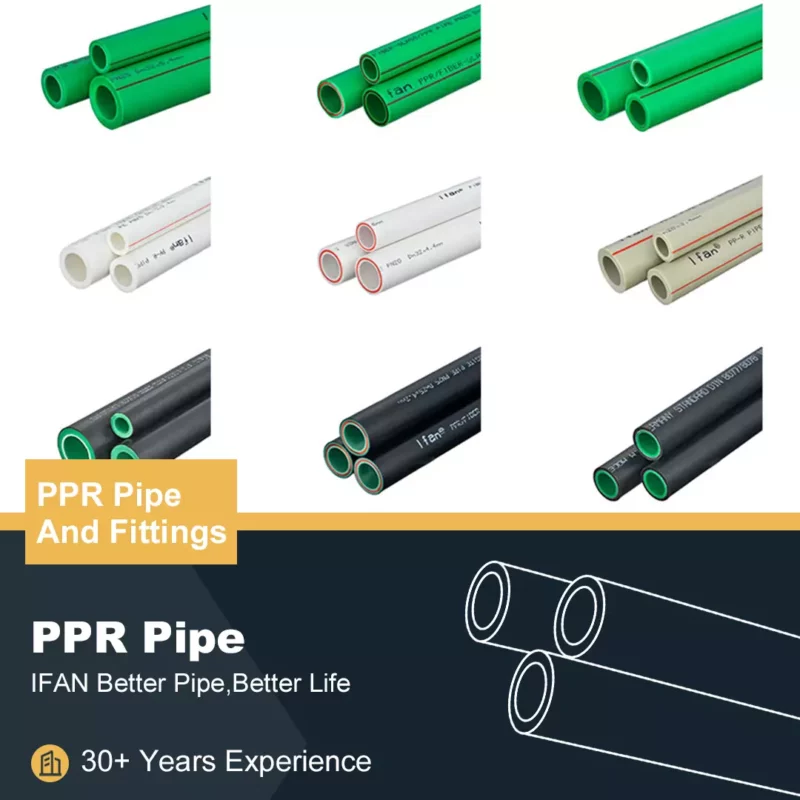
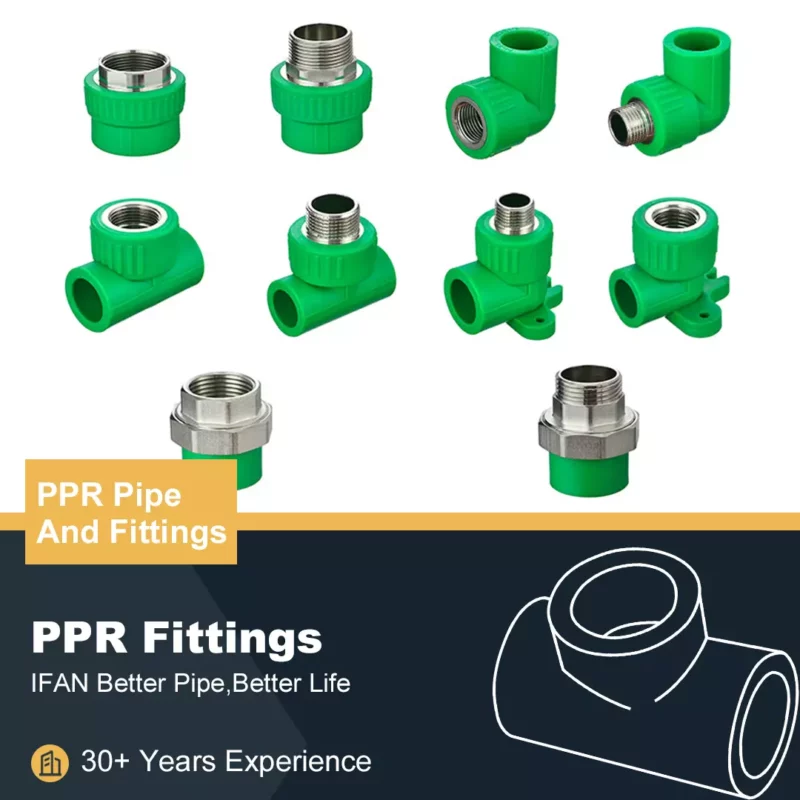
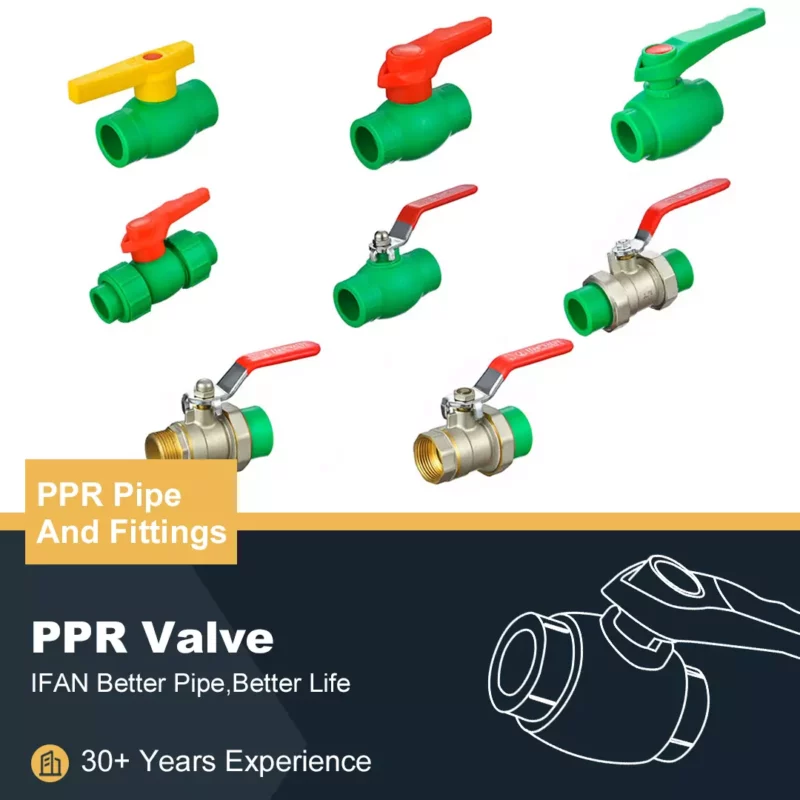
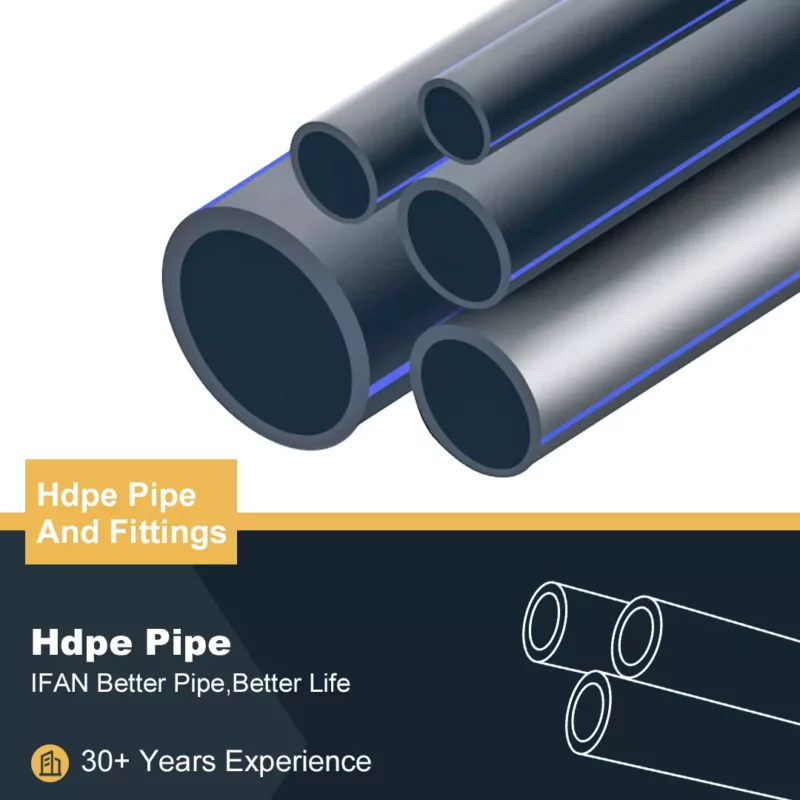
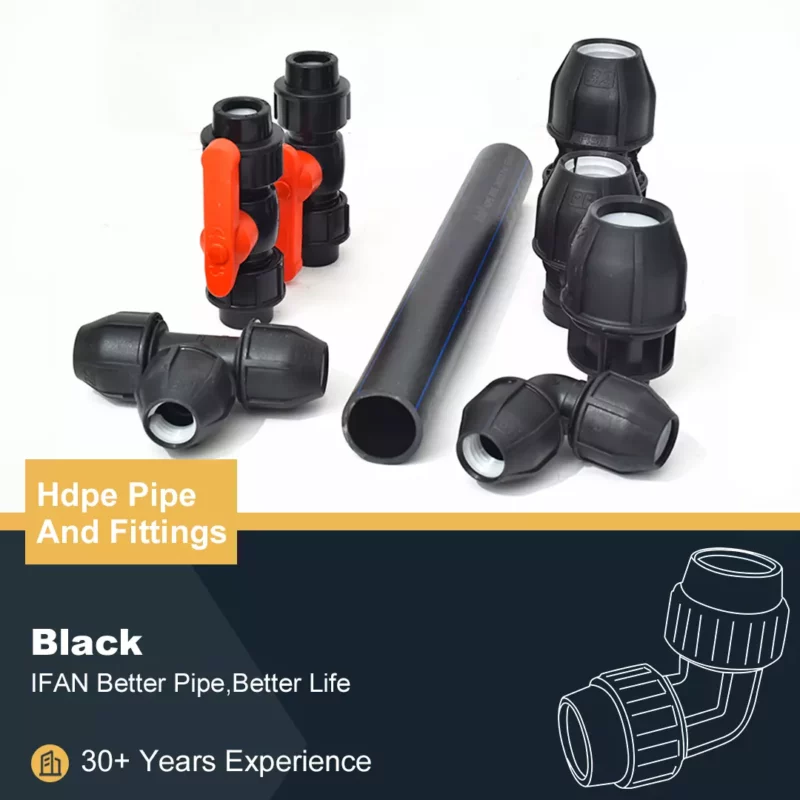
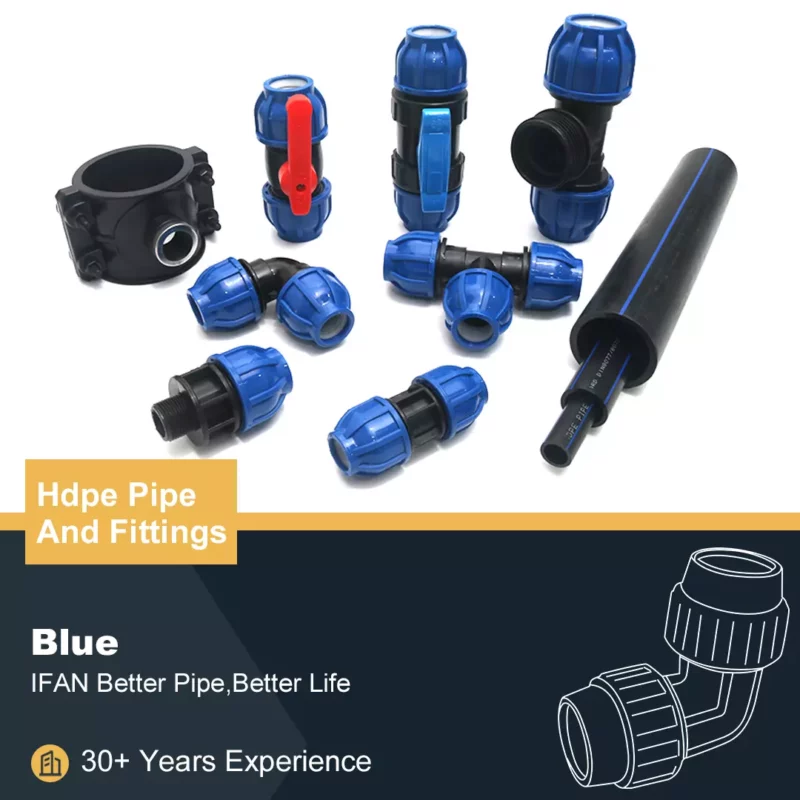
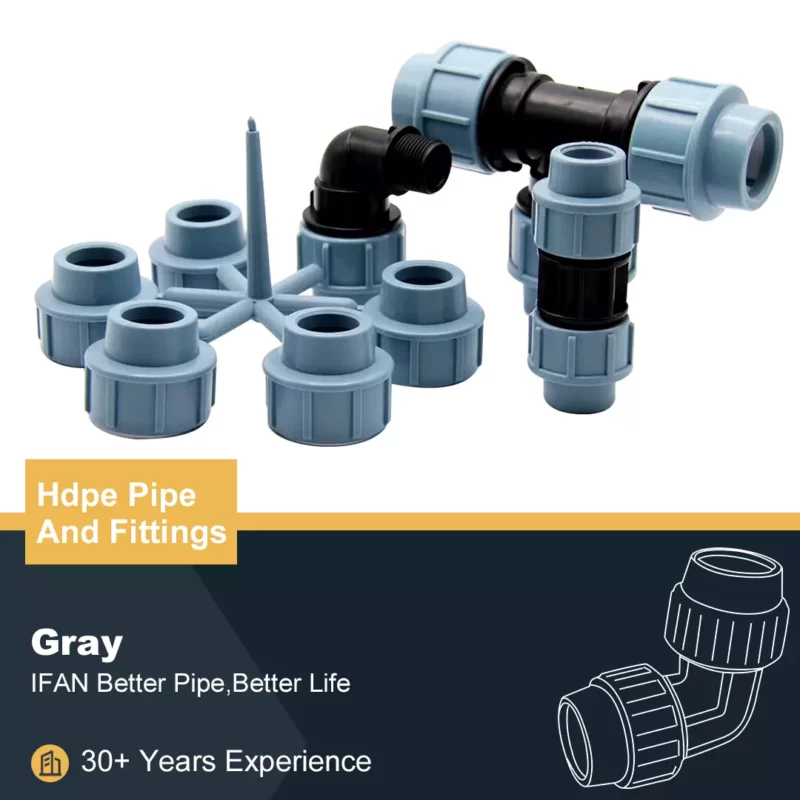



PPR pipe has emerged as a reliable and efficient solution for hot water systems. It is widely adopted in both residential and commercial settings. Its unique combination of properties addresses key challenges in hot water transportation. This article explores its core advantages, installation essentials, maintenance tips, and practical applications.
1. Core Properties of PPR Pipe for Hot Water Use
Heat resistance is the most critical property of PPR pipe for hot water systems. It can sustain continuous temperatures up to 95°C. This range covers the standard hot water supply needs of most buildings. Unlike fragile materials, it retains shape and strength under repeated heating cycles. It also avoids thermal expansion issues that plague some piping options.
Thermal insulation capability further enhances its suitability. PPR pipe minimizes heat loss during hot water transmission. This reduces energy consumption for water heating systems. Users benefit from consistent water temperature at every tap. It also prevents condensation on pipe surfaces, protecting surrounding structures.
Corrosion resistance is another standout feature. Hot water often carries minerals that corrode metal pipes. PPR material is inert to such substances, avoiding rust and scale buildup. This ensures unobstructed water flow over long periods. It also eliminates the risk of water contamination from corroded metal particles.
2. Installation Guidelines for PPR Hot Water Pipes
Installing PPR pipe for hot water systems is relatively straightforward. The key method is heat fusion bonding. This process creates seamless, leak-proof joints equal in strength to the pipe. No additional sealants or gaskets are required for tightness. Basic tools and moderate training are sufficient for proper installation.
Pipe sizing is crucial for optimal performance. The diameter should match the hot water demand of the system. Undersized pipes cause low water pressure and slow flow rates. Oversized pipes lead to unnecessary material waste and heat loss. Professional assessment helps determine the right size for specific applications.
Routing considerations also impact efficiency. PPR pipes should be installed away from sharp edges. Avoiding direct sunlight exposure prevents material degradation. Proper support brackets reduce stress on joints. For retrofitting projects, its lightweight nature simplifies maneuvering in tight spaces.
3. Maintenance Practices to Extend Service Life
Regular inspection is essential for PPR hot water systems. Check fusion joints periodically for signs of leakage. Early detection of minor issues prevents major failures. Inspect pipe surfaces for cracks or discoloration. Pay special attention to areas near heat sources or high-traffic zones.
Temperature control protects PPR pipe from overheating. Avoid setting water heaters above 95°C for prolonged use. Sudden temperature spikes can damage pipe integrity over time. Using thermostatic valves helps regulate water temperature. This maintains system efficiency while safeguarding the piping.
Cleaning procedures are simple and non-damaging. PPR pipes do not require harsh chemical cleaners. Flushing the system periodically removes accumulated debris. Wiping external surfaces with a damp cloth is sufficient. Avoid abrasive materials that scratch the pipe surface.
4. Comparison with Other Piping Materials
PPR pipe outperforms metal pipes in hot water applications. Metal options like copper are prone to corrosion and scaling. They also conduct heat rapidly, leading to significant heat loss. PPR pipe is lighter, reducing transportation and installation costs. It also eliminates the risk of metal corrosion-related water contamination.
Compared to PVC pipes, PPR offers superior heat resistance. PVC softens and deforms at high temperatures. It is unsuitable for continuous hot water service. PPR maintains structural stability even at maximum hot water temperatures. It also has better impact resistance than PVC in typical installation environments.
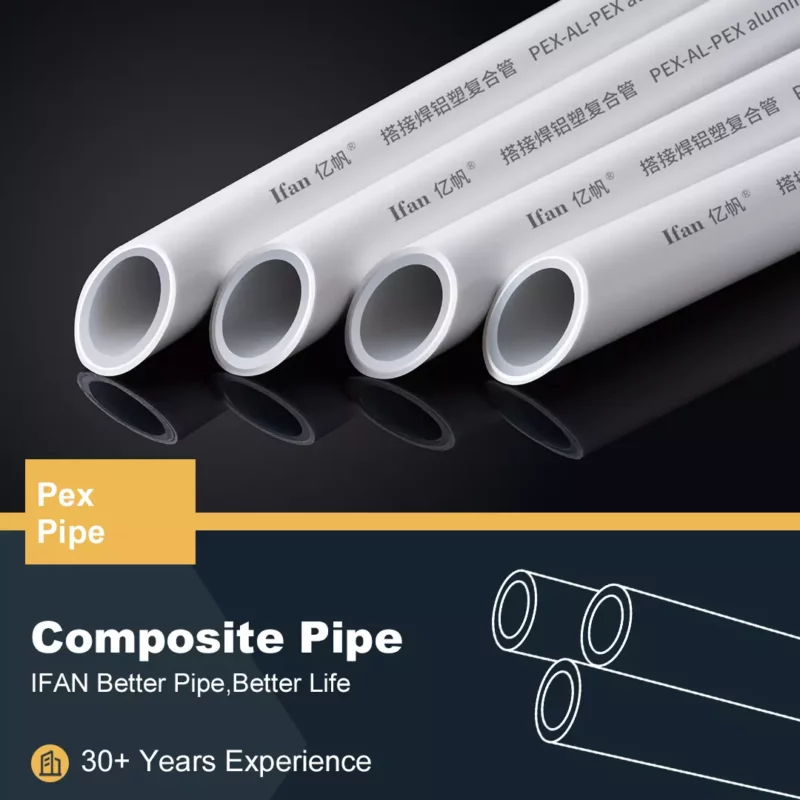
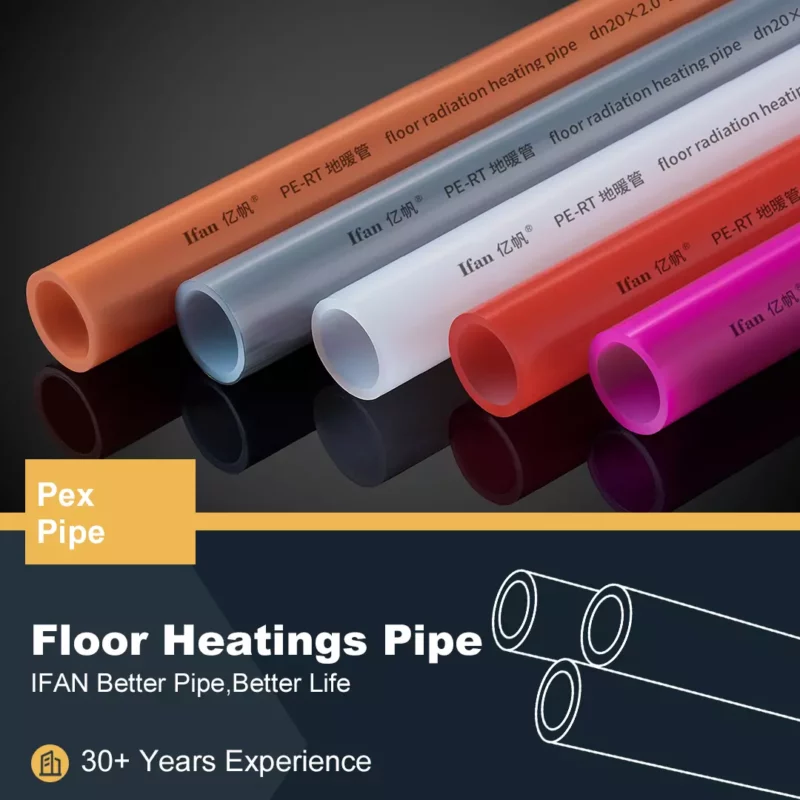
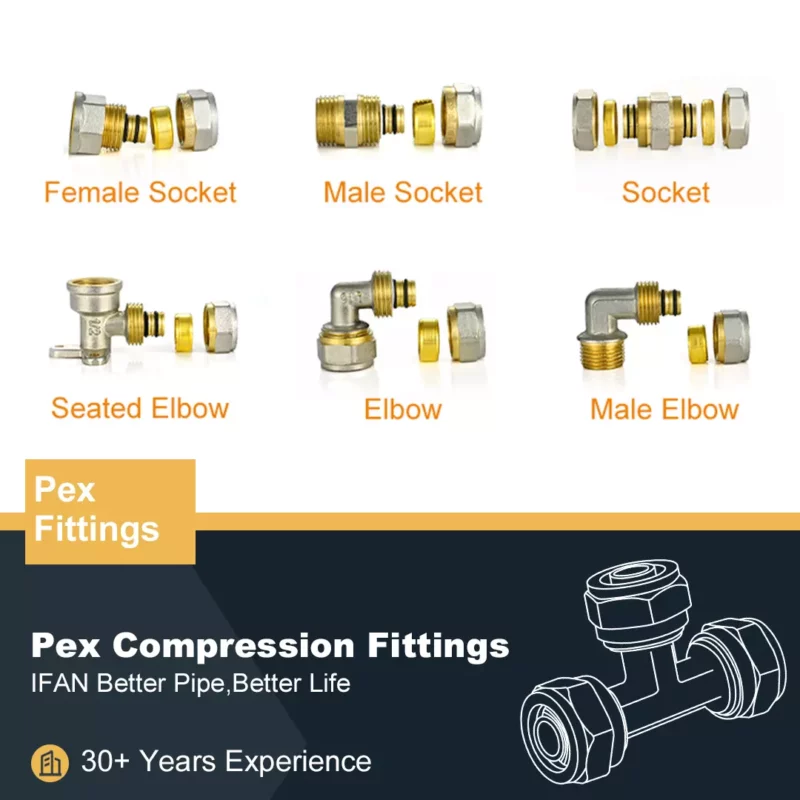
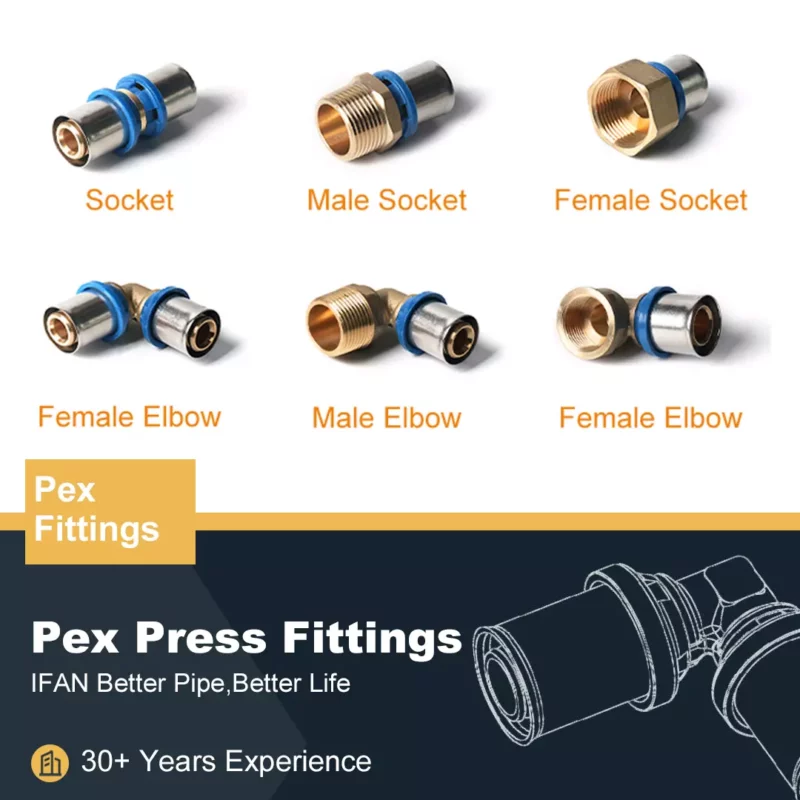
PEX pipes, while flexible, have higher installation costs. PPR pipe’s heat fusion joints are more reliable than PEX crimp fittings. PPR also has better long-term thermal stability. For permanent hot water systems, PPR provides better value and durability.
5. Commercial and Residential Applications
In residential settings, PPR pipe suits various hot water needs. It is ideal for bathroom and kitchen hot water lines. Its compact size fits easily in wall cavities and under floors. Homeowners benefit from its low maintenance and long service life. It also supports consistent hot water supply for multiple fixtures simultaneously.
Commercial applications leverage PPR pipe’s durability and efficiency. Restaurants, hotels, and office buildings rely on it for high-demand systems. It handles large hot water volumes without performance degradation. Its corrosion resistance is vital for commercial water heaters with hard water. Low maintenance requirements reduce operational costs for businesses.
6. Environmental and Economic Advantages
PPR pipe is an environmentally friendly piping option. It is made from non-toxic, recyclable materials. Its production process consumes less energy than metal pipe manufacturing. It does not release harmful substances into water or the environment. At the end of its service life, it can be recycled with minimal environmental impact.
Economically, PPR pipe offers long-term cost savings. Its initial purchase price is competitive with other materials. Lower installation labor costs reduce upfront expenses. A 50-year service life minimizes replacement and repair costs. Reduced energy consumption from better insulation adds to economic benefits.
Conclusion
PPR pipe provides a comprehensive solution for hot water systems. Its heat resistance, corrosion resistance, and insulation properties make it ideal. Proper installation and maintenance ensure optimal performance over decades. It outperforms traditional materials in both residential and commercial applications. For those seeking reliability, efficiency, and value, PPR pipe is a superior choice for hot water transportation.
If you have read this article and have any questions, please feel free to contact IFAN. Below is our contact information:
Whatsapp:+86 13373827623
Email:[email protected]