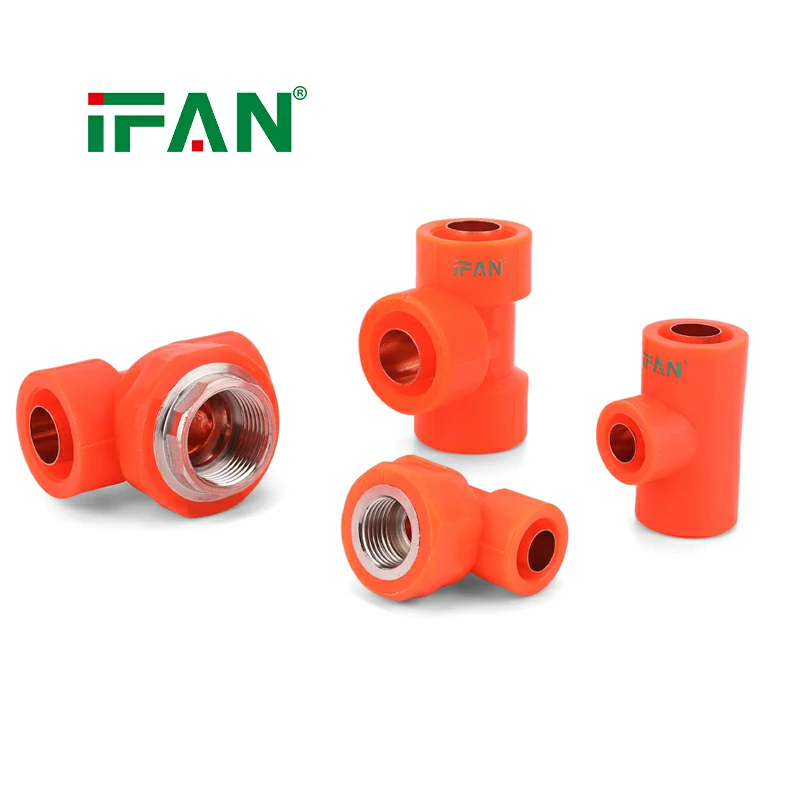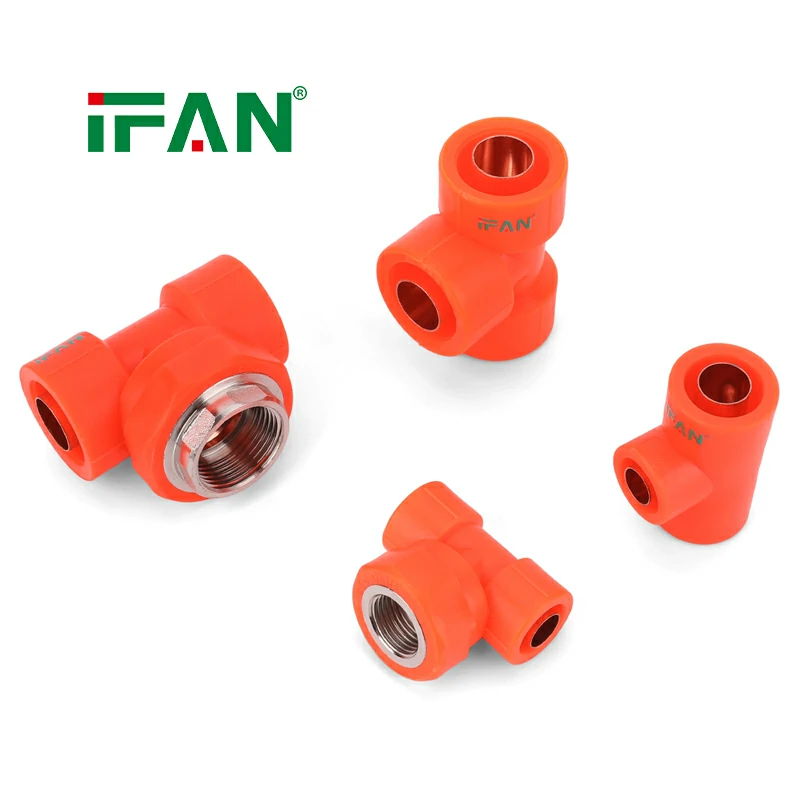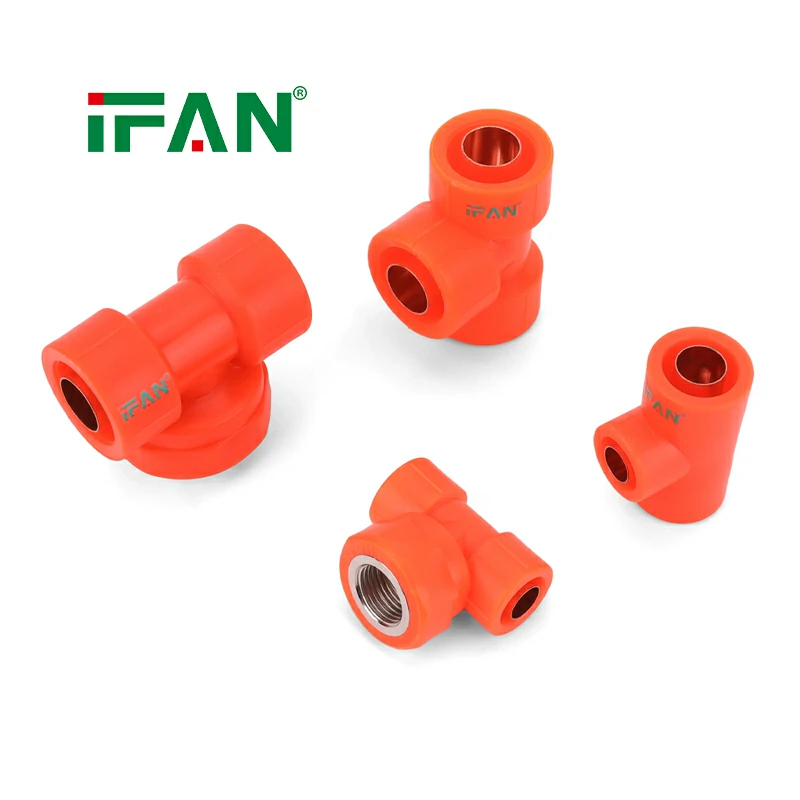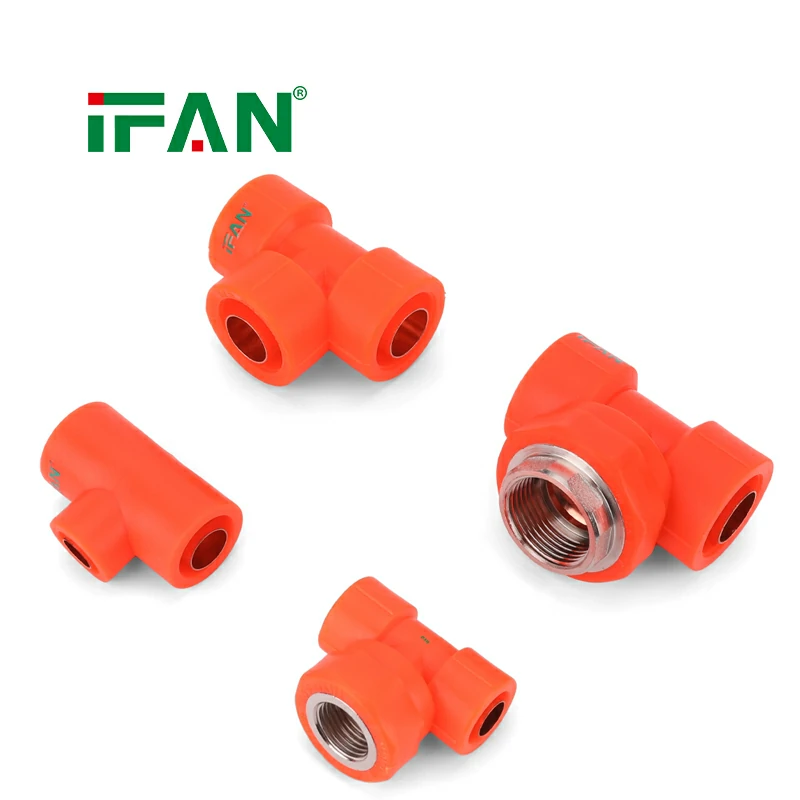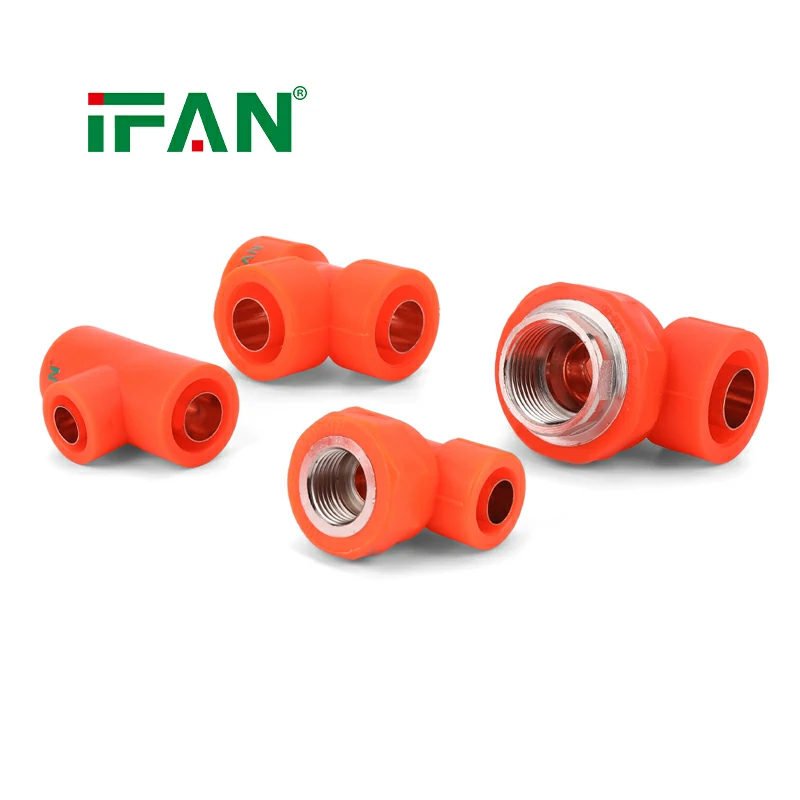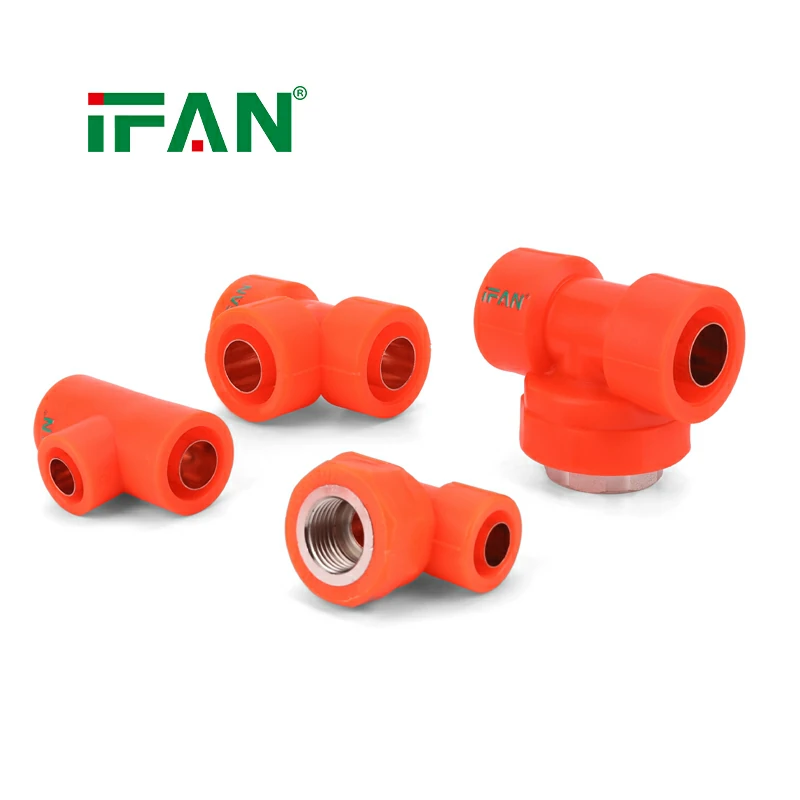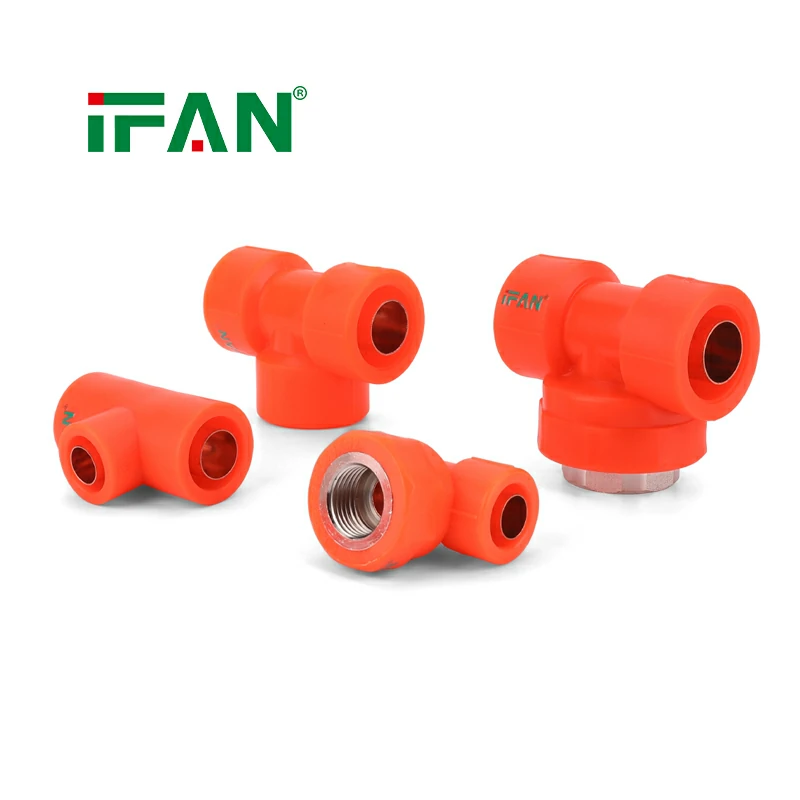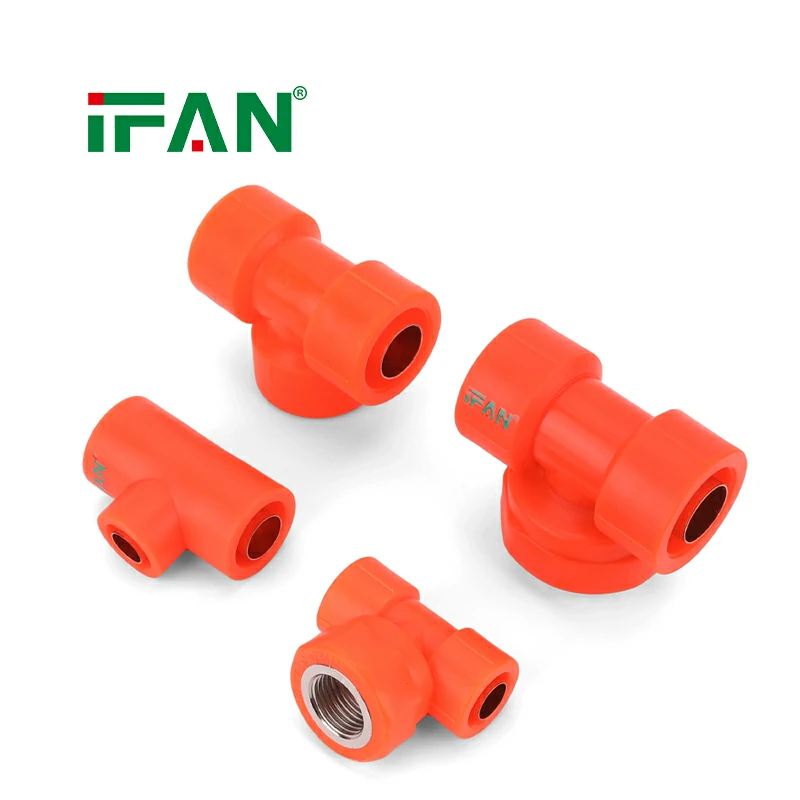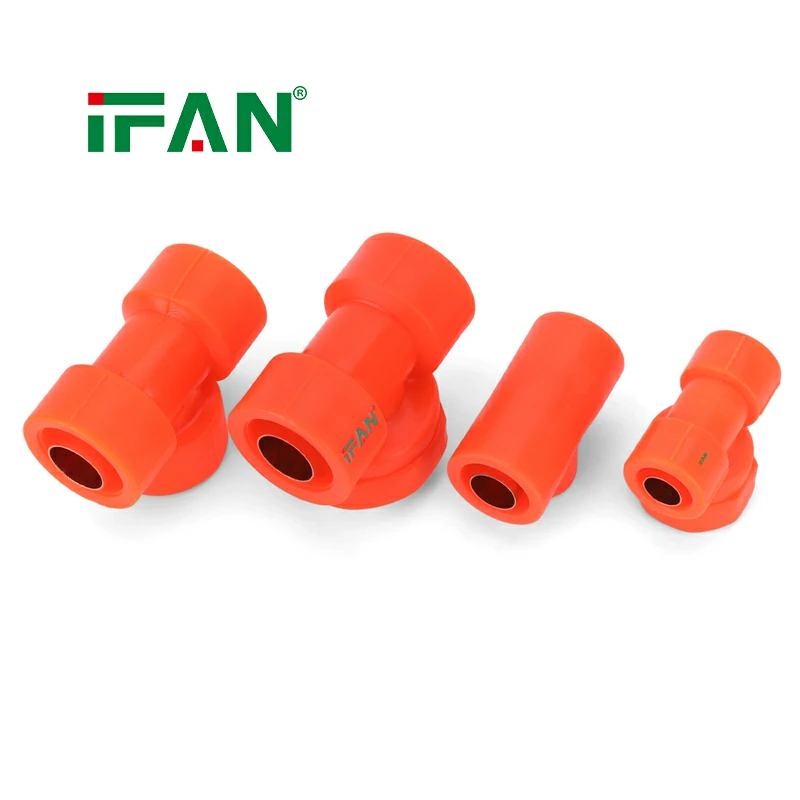
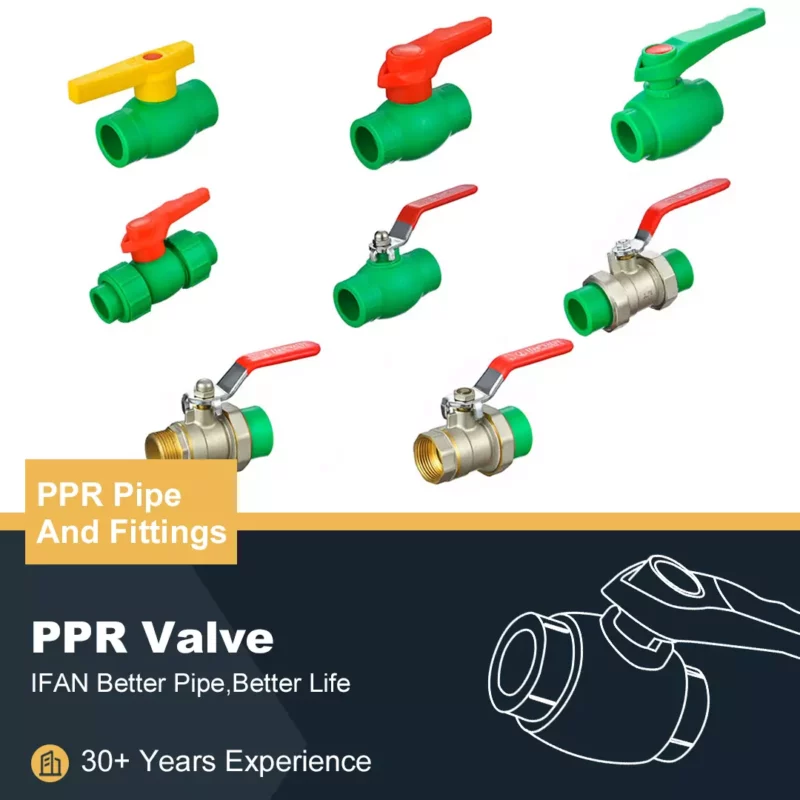
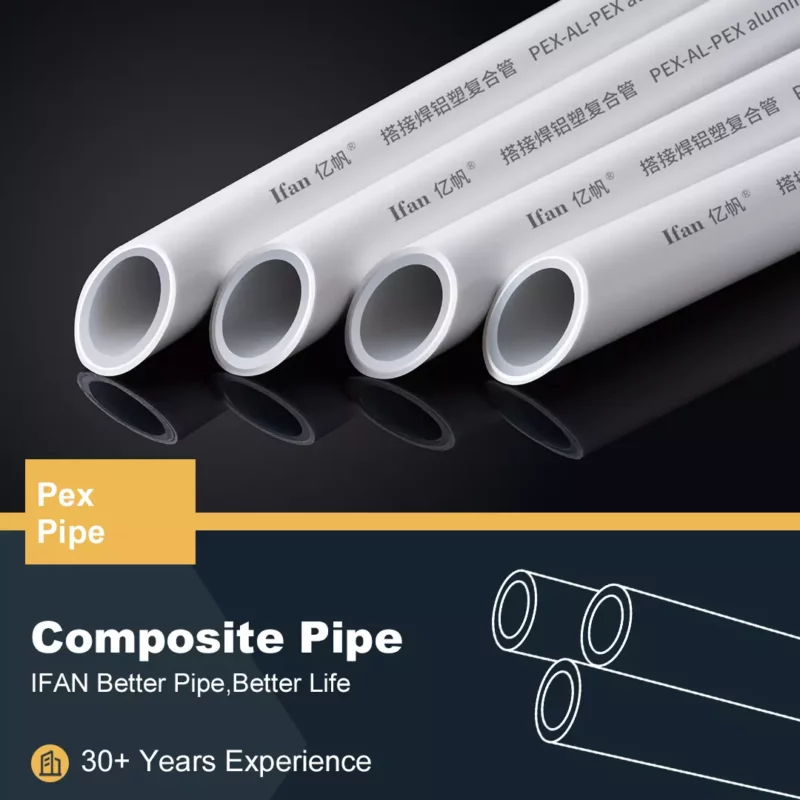
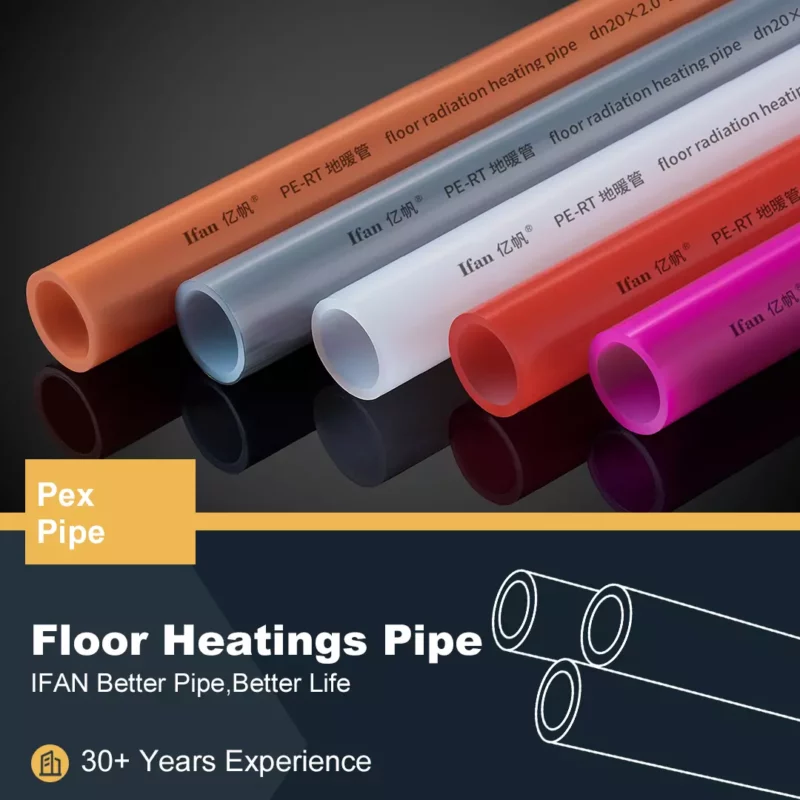
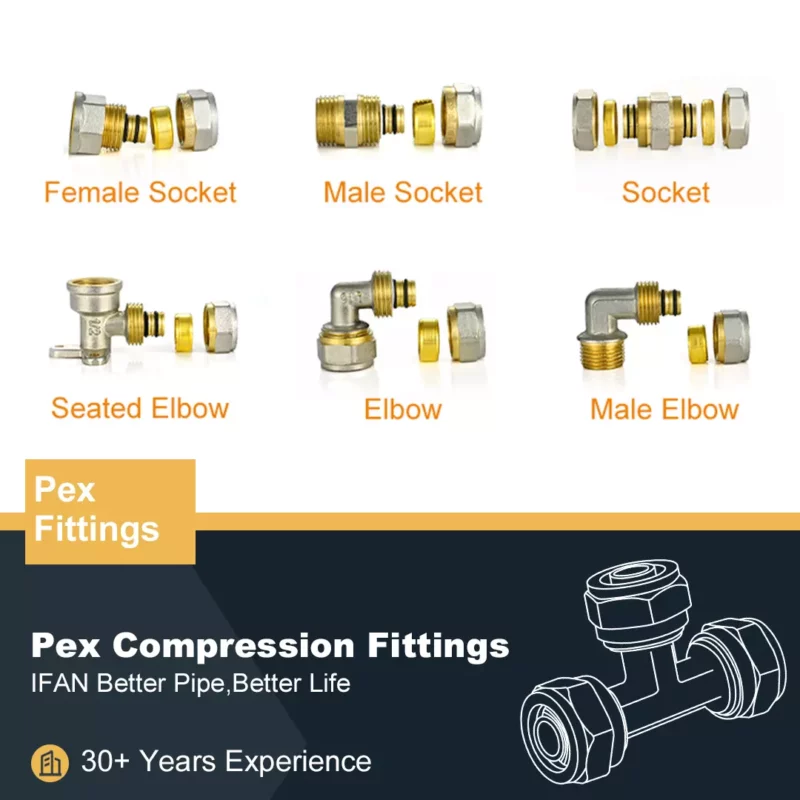





Safe drinking water is a fundamental requirement for human health. The choice of piping material directly impacts water quality. PPR pipe has become a trusted option for drinking water systems globally. Its unique properties effectively prevent water contamination and maintain purity. This article explores how it safeguards drinking water safety through various aspects.
1. The Inherent Safety of PPR Pipe Material
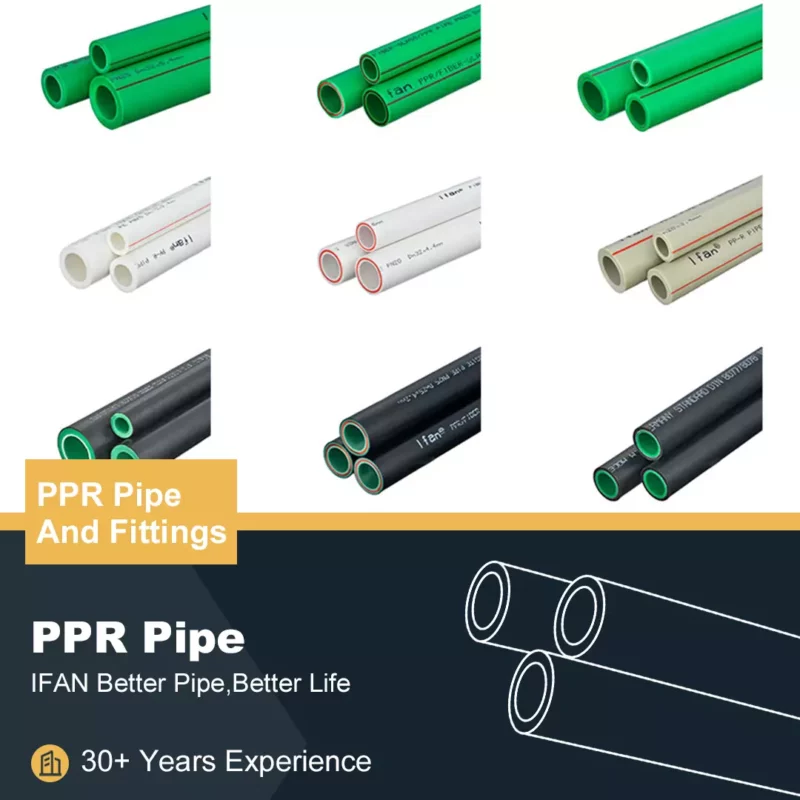
PPR pipe is made from polypropylene random copolymer, a non-toxic material. It contains no harmful substances like heavy metals or plasticizers. During production, it undergoes strict quality control to ensure purity. When in contact with drinking water, it does not leach toxic compounds. This inherent safety makes it suitable for direct drinking water transmission.
The material meets international drinking water safety standards. Certifications from authorities confirm its harmlessness to human health. It resists chemical reactions with water, preserving water’s natural properties. Unlike some plastic pipes, it does not release odors or alter water taste. This stability is crucial for maintaining drinking water quality.
2. Anti-Contamination Advantages for Drinking Water
PPR pipe boasts excellent corrosion resistance, a key anti-contamination feature. Drinking water often contains minerals that corrode metal pipes. Corroded metal can release iron, lead, or other harmful substances. PPR pipe avoids rusting and scaling, preventing such contamination. It keeps the water free from metal particle impurities.
The smooth inner surface of PPR pipe inhibits bacterial growth. Rough pipe walls easily trap organic matter and bacteria. PPR’s smooth texture reduces sediment accumulation. It minimizes the risk of microbial contamination in drinking water. Regular water flow can effectively flush out any minor residues.
3. Reliable Joints Prevent Water Pollution
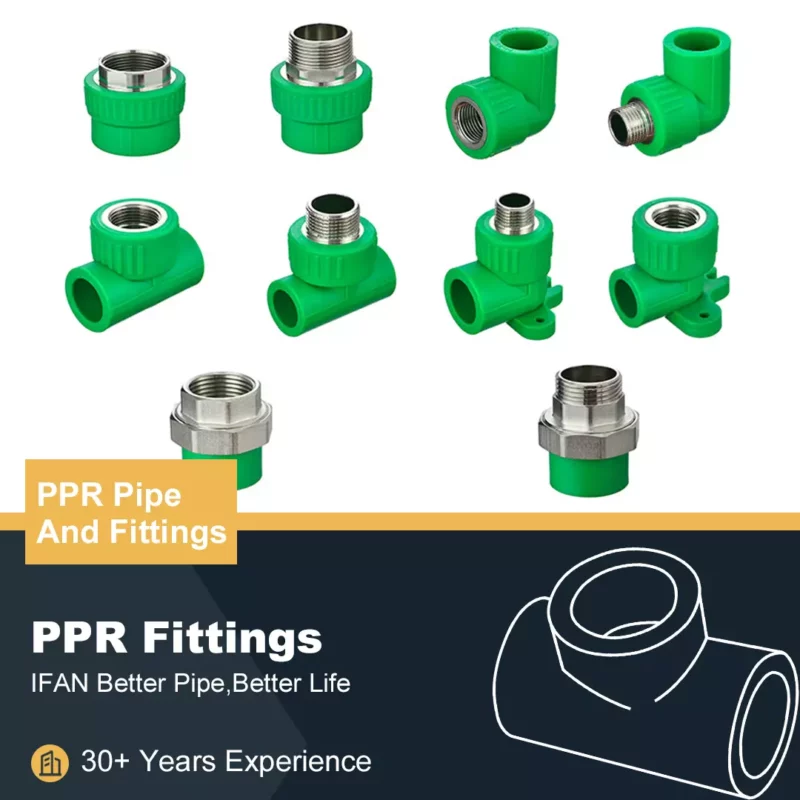
Leakage at pipe joints is a major source of drinking water pollution. PPR pipe uses heat fusion technology for connections. This creates seamless, airtight joints as strong as the pipe itself. No gaps exist for external contaminants to enter. The fusion process eliminates the need for adhesive sealants.
Adhesive sealants in other pipe systems may contain toxic components. They can seep into drinking water over time. PPR’s fusion joints avoid this potential hazard. Properly fused joints maintain integrity for decades. They ensure the entire water transmission process remains contamination-free.
4. Comparison with Other Piping Materials
Metal pipes like galvanized steel pose higher contamination risks. They corrode easily and release heavy metals into water. Copper pipes, while durable, may leach copper ions in acidic water. PPR pipe outperforms both in terms of safety and stability. It does not react with water under any pH conditions.
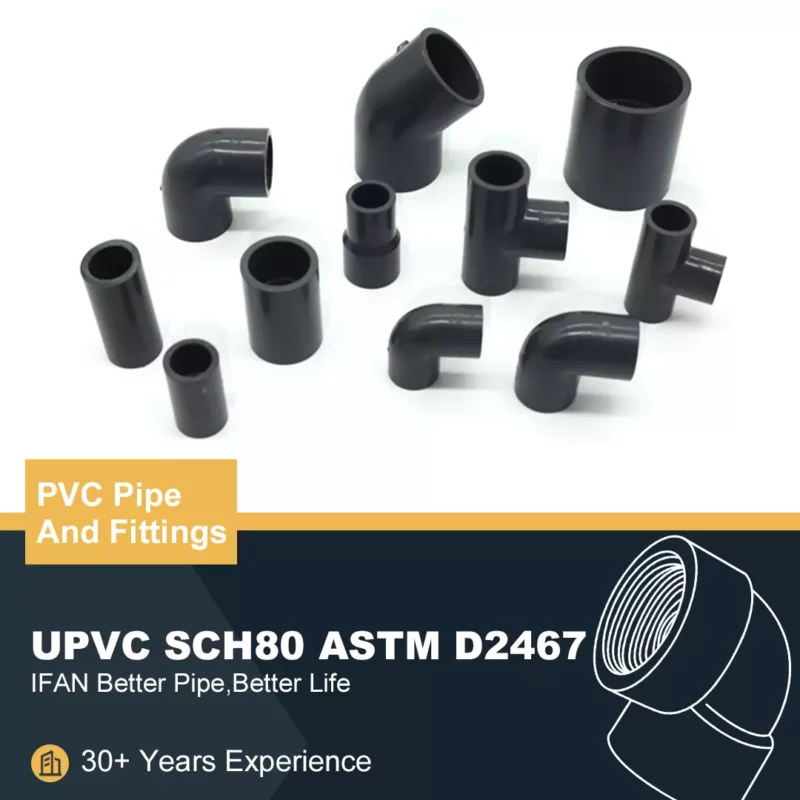
PVC pipes, another common plastic option, have limitations. Some PVC pipes contain phthalates, which are harmful to health. They are also less heat-resistant, affecting water quality at high temperatures. PPR pipe is free from such harmful additives. It maintains safety even when transporting warm drinking water.
5. Applications in Residential and Commercial Settings
In residential buildings, PPR pipe is widely used for drinking water lines. It supplies safe water to kitchens, bathrooms, and drinking fountains. Its compact size fits easily in wall cavities and under floors. Homeowners trust it for providing clean water to their families. It adapts to various home water system designs.
Commercial facilities like schools, hospitals, and restaurants rely on it. These places have high demands for drinking water safety. PPR pipe can handle large water flow rates without compromising quality. It is easy to install and maintain, reducing operational costs. Its long service life ensures consistent safety for years.
6. Maintenance Tips to Sustain Water Safety
Proper installation is the first step to ensure safety. Hire professional installers familiar with PPR heat fusion techniques. Avoid damaging the pipe surface during installation. Scratches or cracks can harbor bacteria over time. Ensure all joints are fully fused to prevent leakage.
Regular inspection and maintenance are essential. Check pipes and joints periodically for signs of damage. Flush the water system regularly to remove sediment. Avoid exposing PPR pipes to direct sunlight for long periods. UV radiation can degrade the material and affect safety.
Conclusion
PPR pipe plays a vital role in ensuring drinking water safety. Its non-toxic material, anti-contamination properties, and reliable joints are key strengths. It outperforms traditional piping materials in terms of safety and stability. It is suitable for both residential and commercial drinking water systems. With proper installation and maintenance, it provides long-term safe drinking water supply. For those prioritizing water quality and health, PPR pipe is an optimal choice.
If you have read this article and have any questions, please feel free to contact IFAN. Below is our contact information:
Whatsapp:+86 13373827623
Email:[email protected]