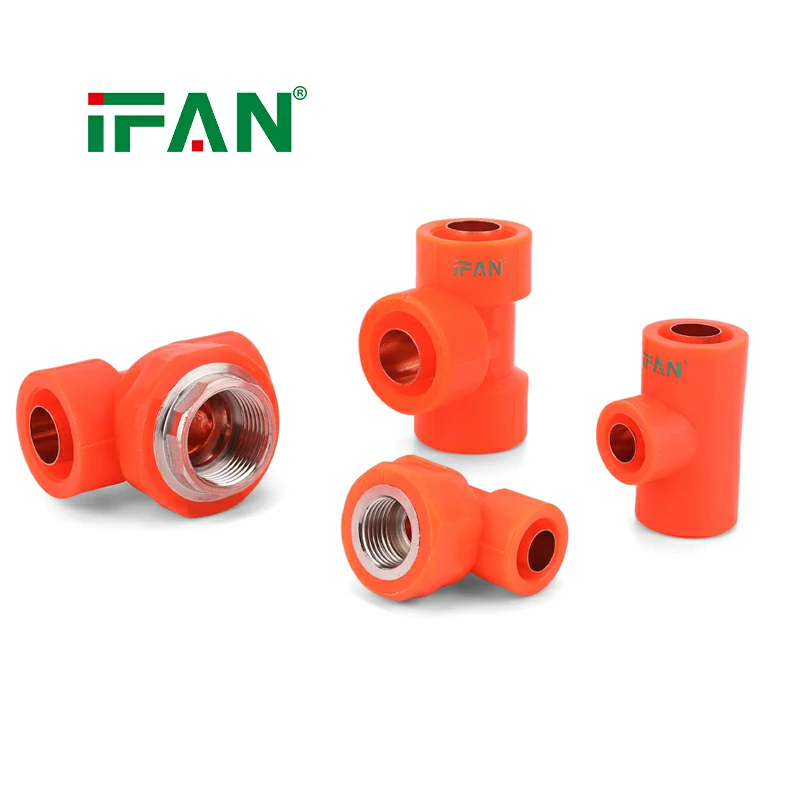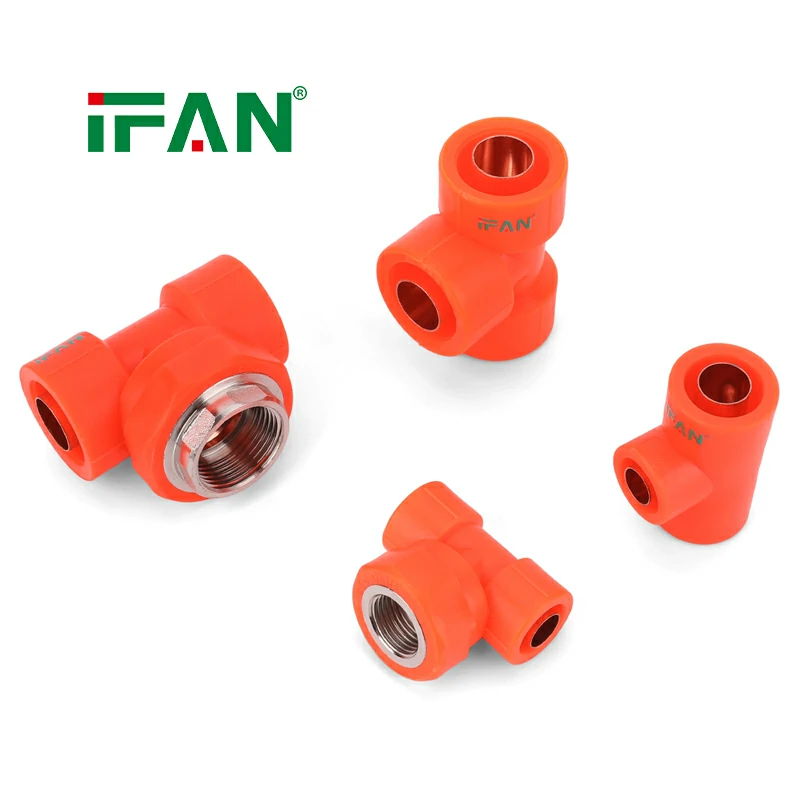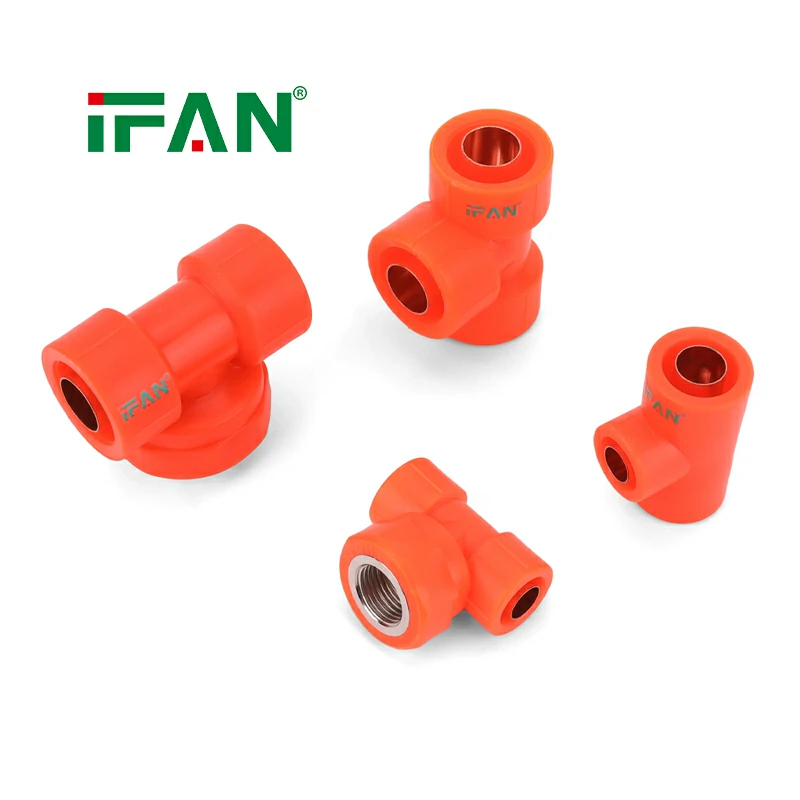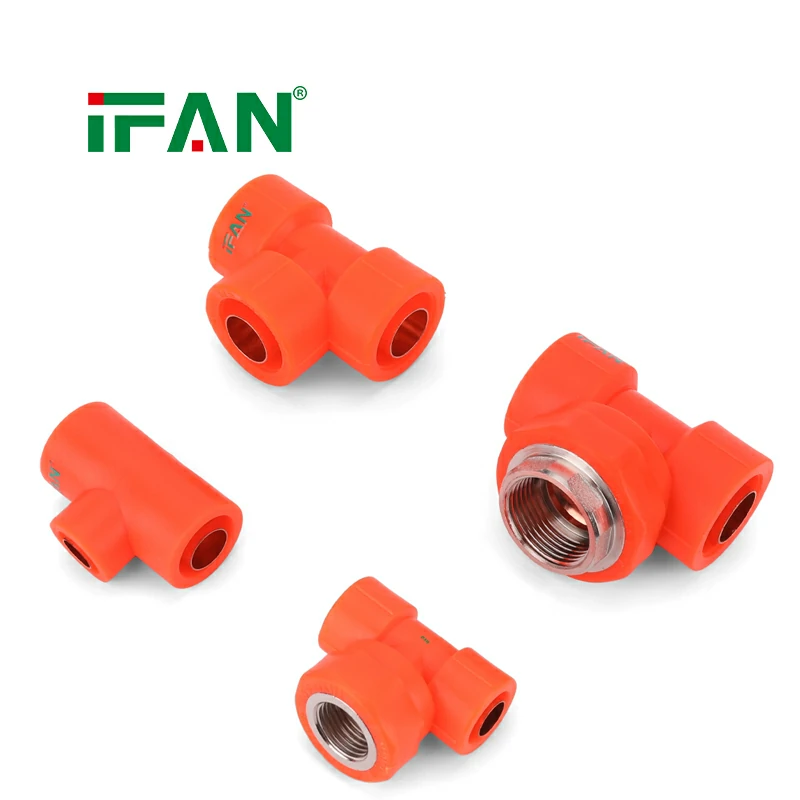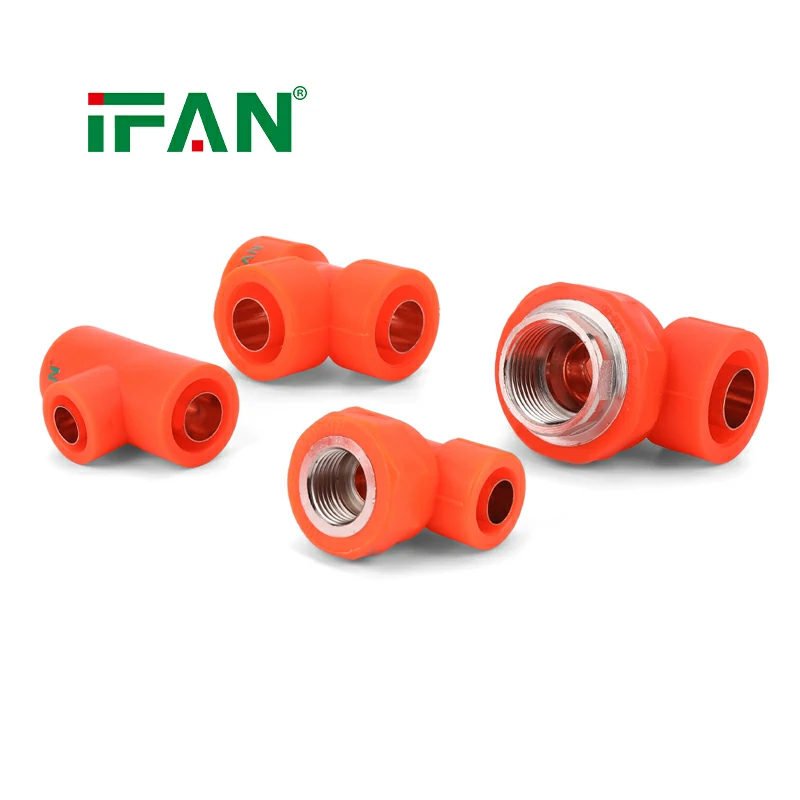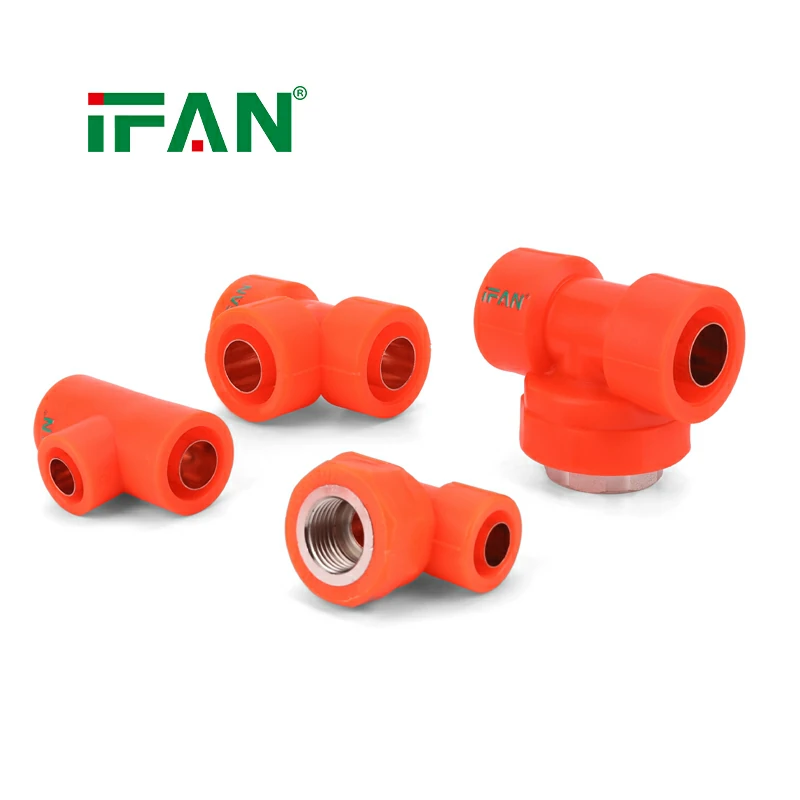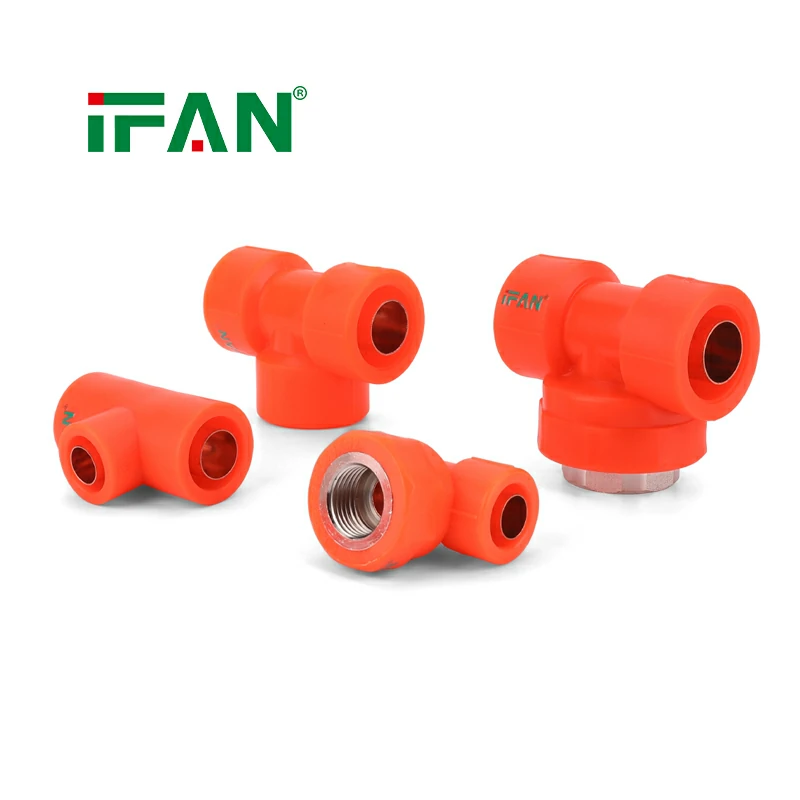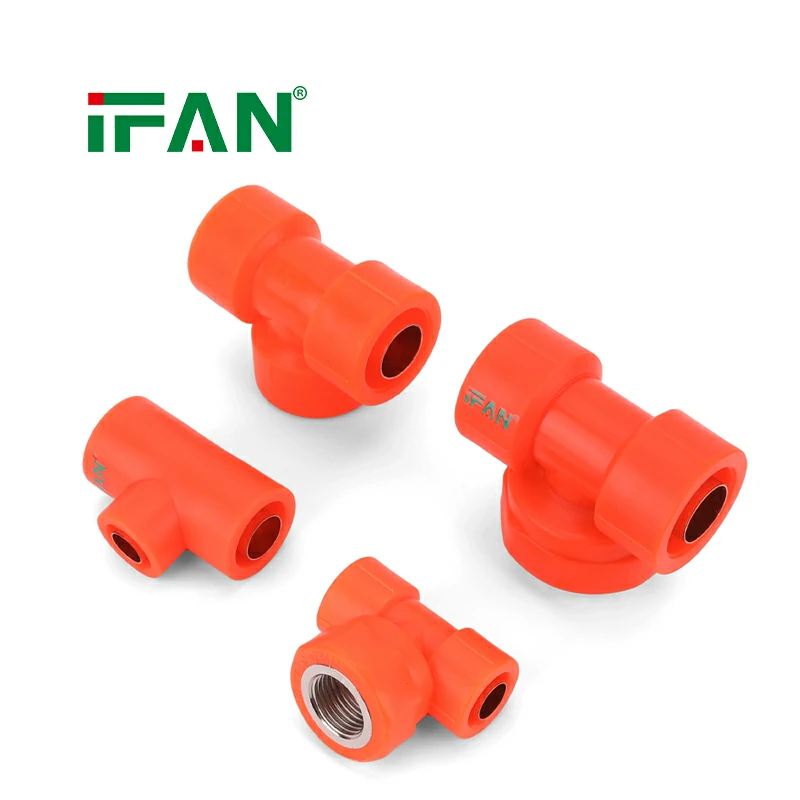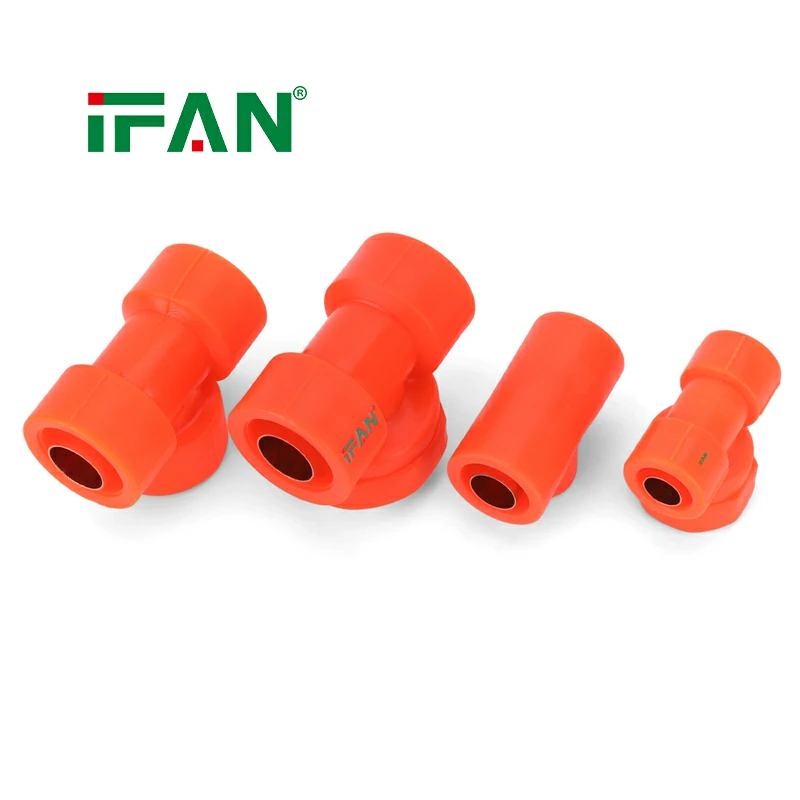
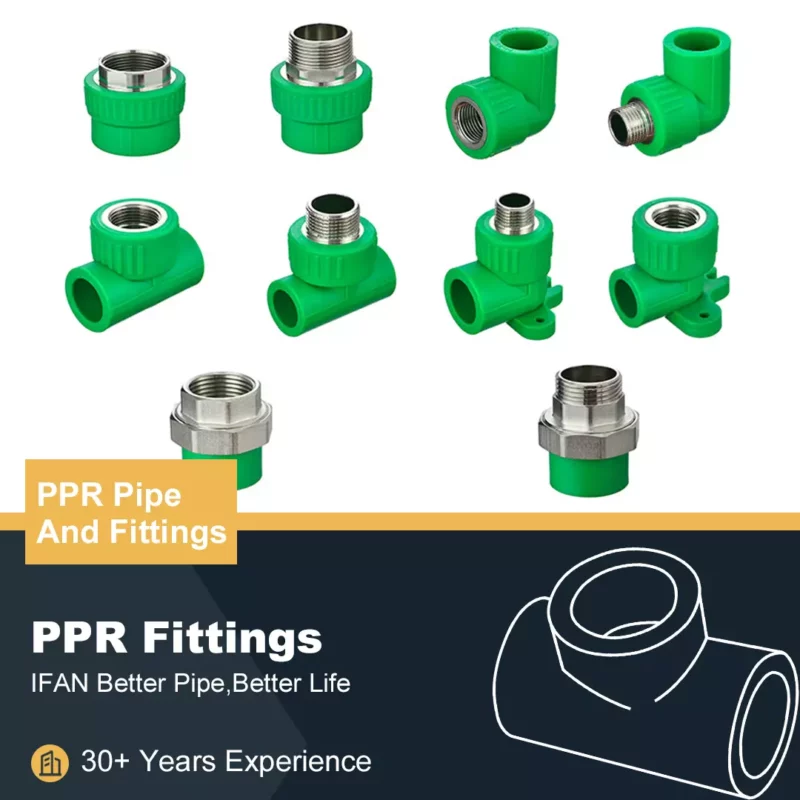
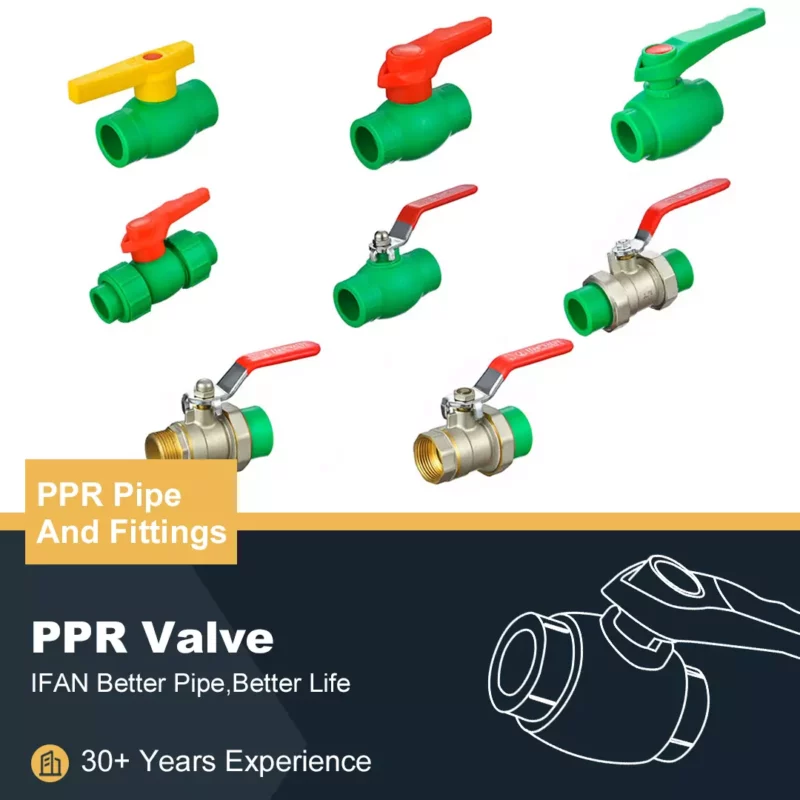
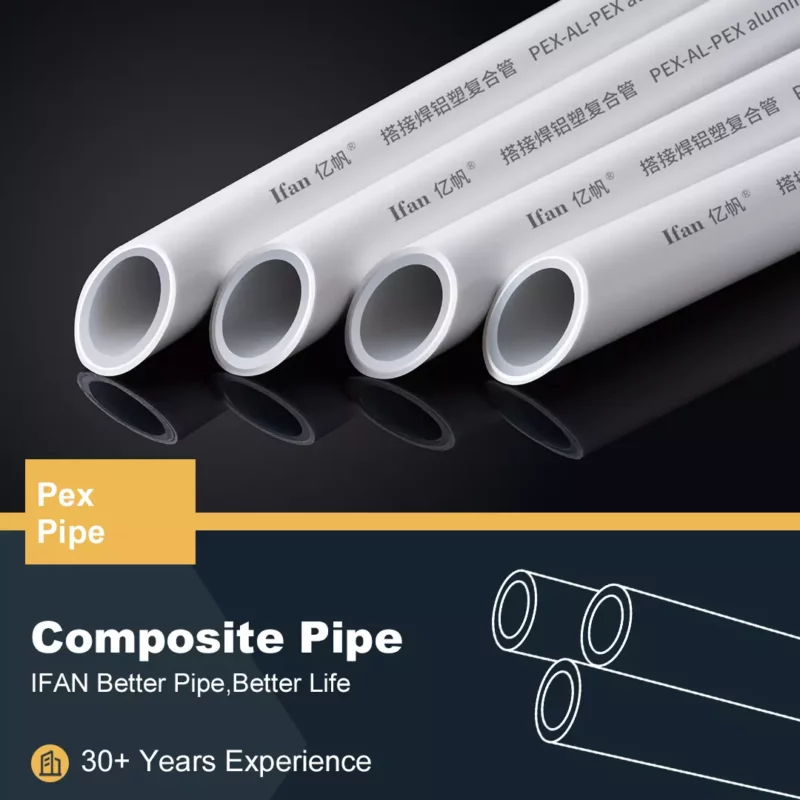
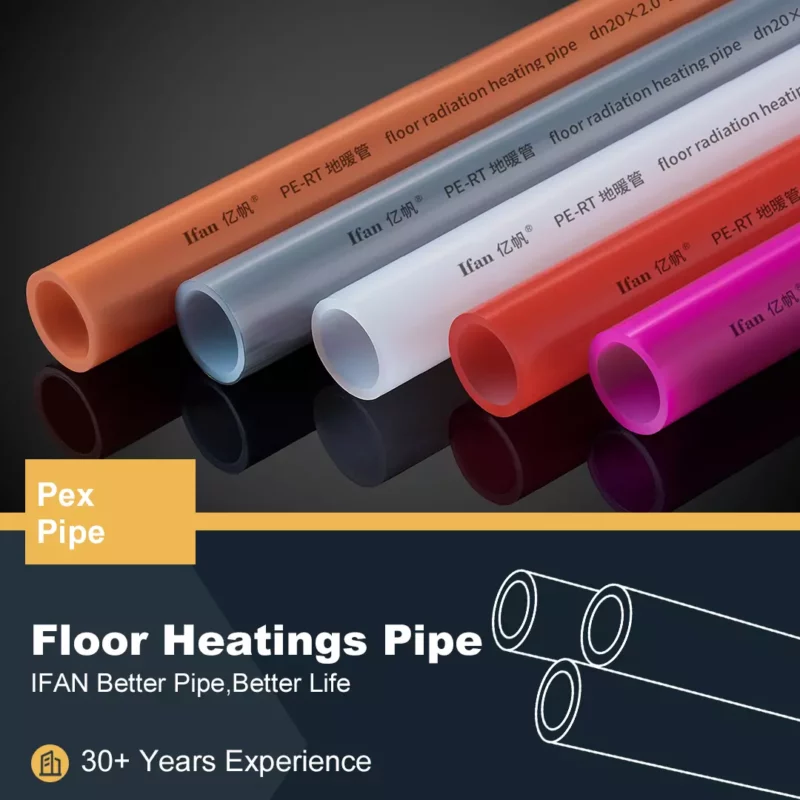



Corrosion and chemical damage pose major threats to piping systems. They reduce service life and cause costly leaks or contamination. PPR pipe stands out for its exceptional resistance to both. This property makes it a preferred choice across diverse industries. This article explores the science behind its resistance and practical applications.
1. The Material Basis of PPR Pipe’s Resistance
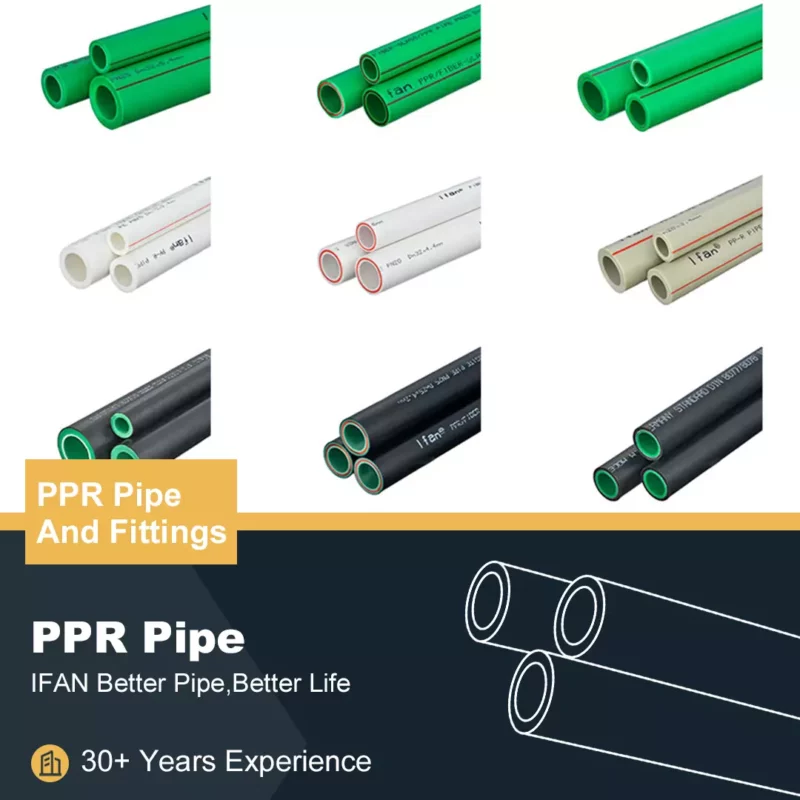
PPR pipe is made from polypropylene random copolymer. Its molecular structure is highly stable and inert. This inertness prevents reactions with most corrosive substances. Unlike metal pipes, it has no reactive components like iron or copper. The uniform structure also resists chemical penetration at a molecular level.
The production process enhances its resistant properties. Strict quality control ensures consistent material composition. No harmful additives are used that could weaken resistance. The pipe’s surface forms a natural barrier against external agents. This inherent stability lays the foundation for its long-term performance.
2. Corrosion Resistance: Defying Rust and Oxidation
PPR pipe exhibits excellent resistance to rust and oxidation. Water, especially hard water, often triggers metal pipe corrosion. Minerals in water react with metal to form rust and scale. PPR pipe avoids such reactions, remaining intact over time. It maintains a smooth inner surface without scale buildup.
It performs well in both cold and hot water environments. High temperatures can accelerate corrosion in metal pipes. PPR pipe withstands continuous hot water exposure up to 95°C. It also resists corrosion from moist air and soil. This makes it suitable for both indoor and underground installations.
3. Chemical Resistance: Withstanding Diverse Substances
PPR pipe resists a wide range of chemical agents. It tolerates acidic and alkaline solutions within a broad pH range. Common household chemicals like detergents do not damage it. Industrial chemicals such as weak acids and bases have little effect. This versatility expands its use in various chemical-related applications.
It avoids chemical leaching even under harsh conditions. Some pipes release harmful substances when exposed to chemicals. PPR pipe’s stable structure prevents such leaching. This ensures the safety of fluids transported through the pipe. It is thus ideal for potable water and food-related systems.
4. Comparison with Traditional Piping Materials
Metal pipes like steel and copper lack similar resistance. Steel pipes rust easily, leading to water contamination. Copper pipes corrode in acidic water, releasing copper ions. Both require regular maintenance to mitigate corrosion. PPR pipe outperforms them in long-term corrosion resistance with minimal upkeep.
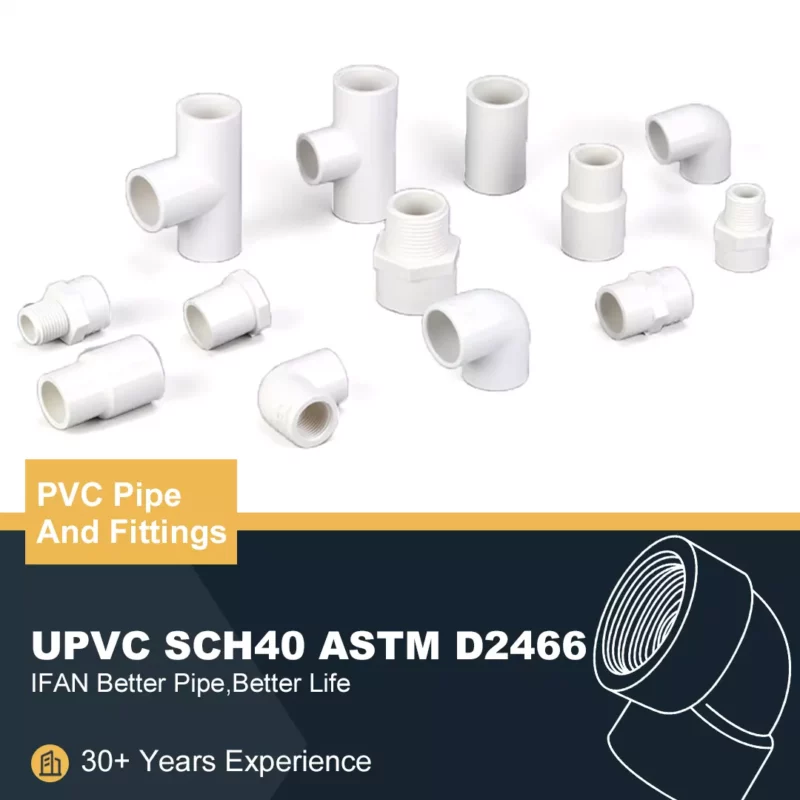
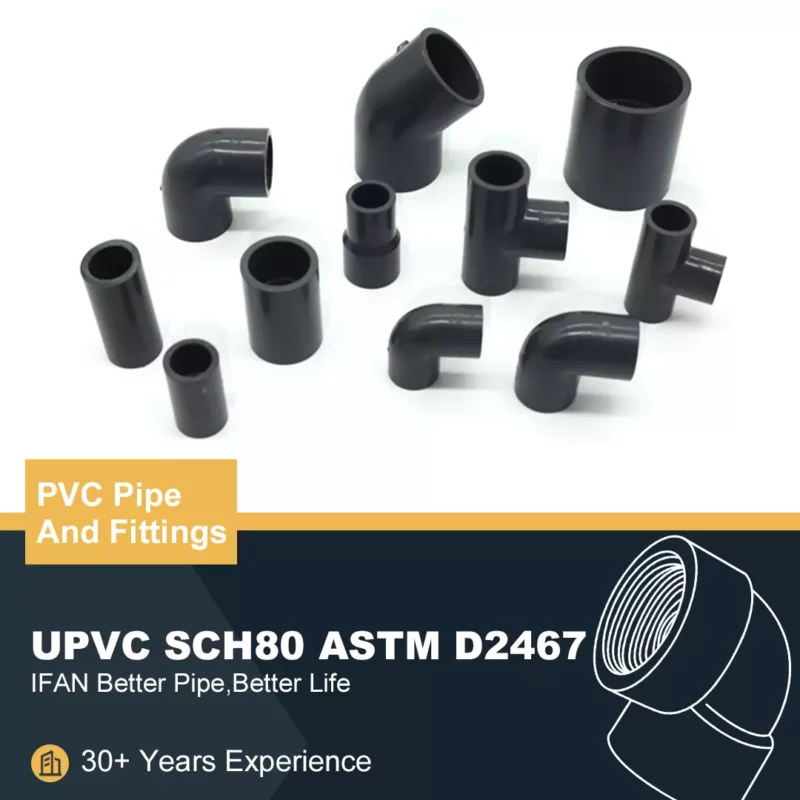
PVC pipes have limited chemical and temperature resistance. They degrade when exposed to strong chemicals or high heat. PPR pipe maintains integrity in harsher conditions. It also has better impact resistance than PVC. For demanding environments, PPR pipe is a more reliable choice.
5. Applications in Corrosive and Chemical Environments
In industrial settings, PPR pipe serves various chemical transport needs. It is used in factories for weak acid and alkali delivery. Wastewater treatment plants rely on it for corrosive fluid transfer. Its resistance ensures safe and efficient industrial operations. It reduces downtime caused by pipe failures and replacements.
Residential and commercial buildings benefit from its properties. It is ideal for plumbing systems in areas with hard water. It safely handles cleaning chemicals in commercial kitchens. Swimming pool facilities use it for chemical-treated water circulation. Its durability lowers long-term maintenance costs for property owners.
6. Installation and Maintenance for Sustained Resistance
Proper installation preserves PPR pipe’s resistant properties. Heat fusion joints create seamless, corrosion-proof connections. Avoid using adhesive sealants that may react with chemicals. Ensure pipes are not scratched during installation. Scratches can become entry points for corrosive agents.
Minimal maintenance is needed to maintain resistance. Regular inspections check for physical damage or joint issues. Avoid exposing pipes to extreme temperatures beyond their limits. Keep chemical spills away from pipe surfaces. Prompt cleaning of accidental spills prevents potential damage.
Conclusion
PPR pipe’s corrosion and chemical resistance are its core advantages. Its stable molecular structure forms the basis of this performance. It outperforms traditional materials in harsh and chemical-rich environments. It is versatile enough for industrial, residential, and commercial use. Proper installation and basic maintenance ensure long-term resistance. For applications demanding durability against corrosion and chemicals, PPR pipe is an optimal solution. It delivers reliability, safety, and cost-effectiveness across diverse sectors.
If you have read this article and have any questions, please feel free to contact IFAN. Below is our contact information:
Whatsapp:+86 13373827623
Email:[email protected]