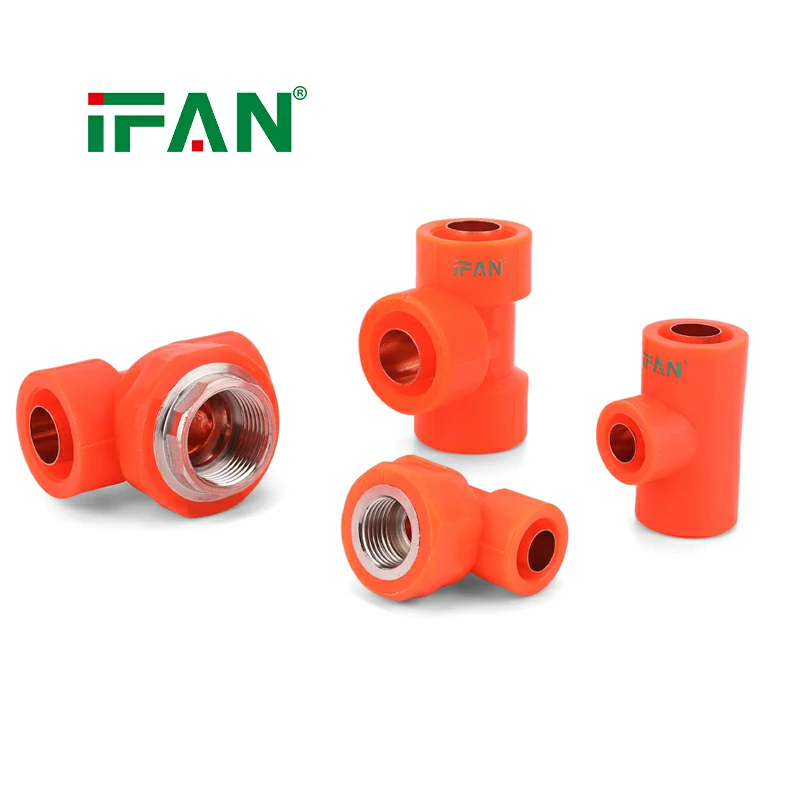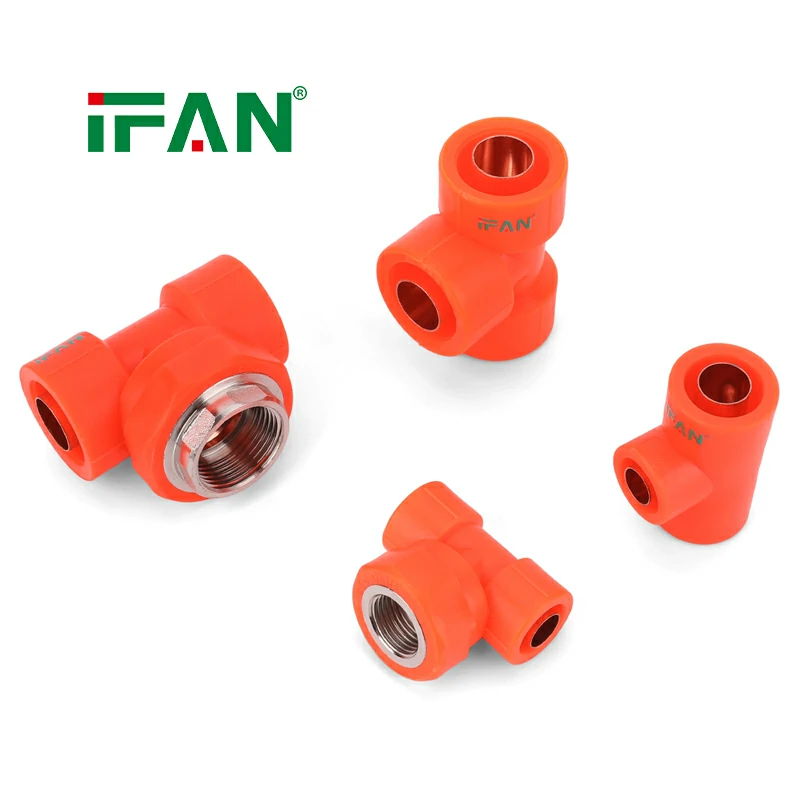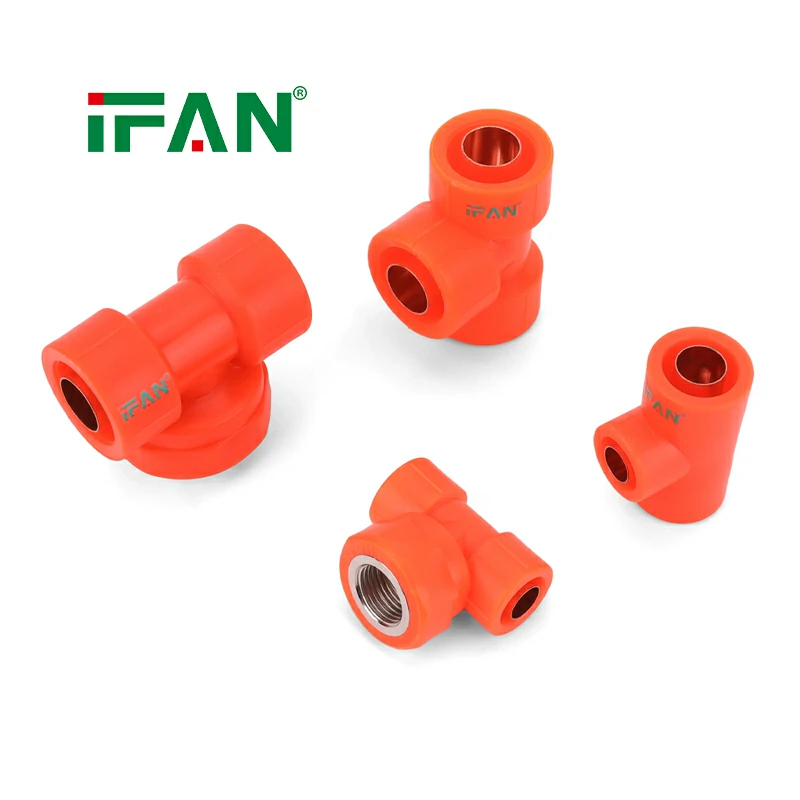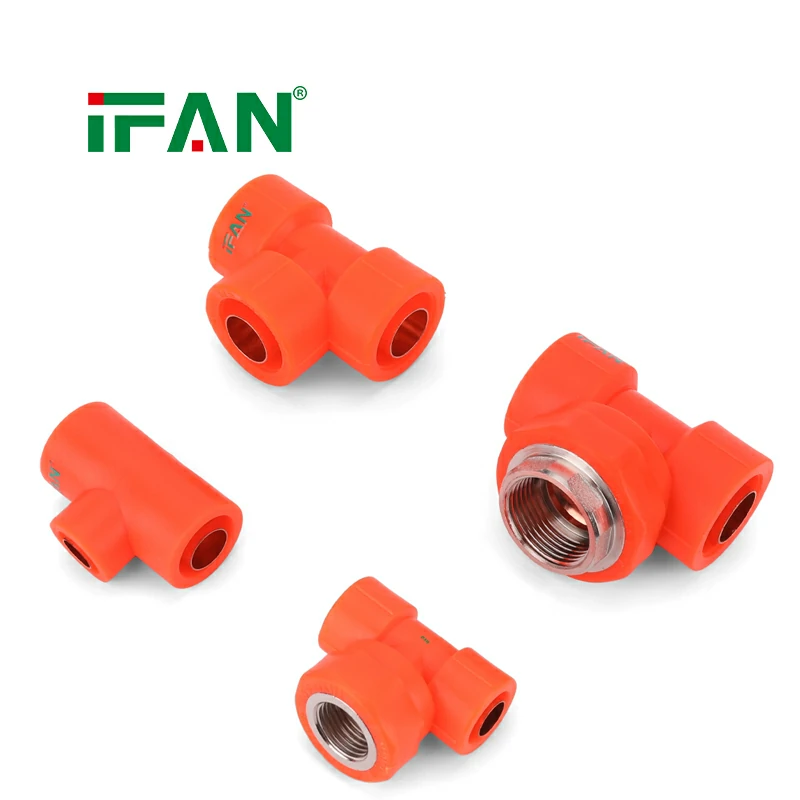
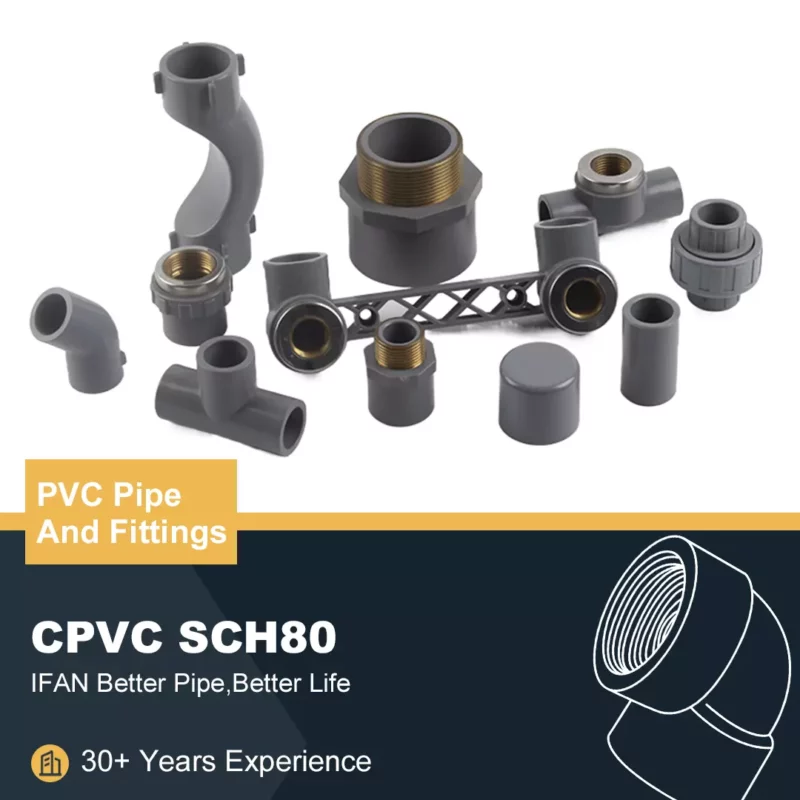
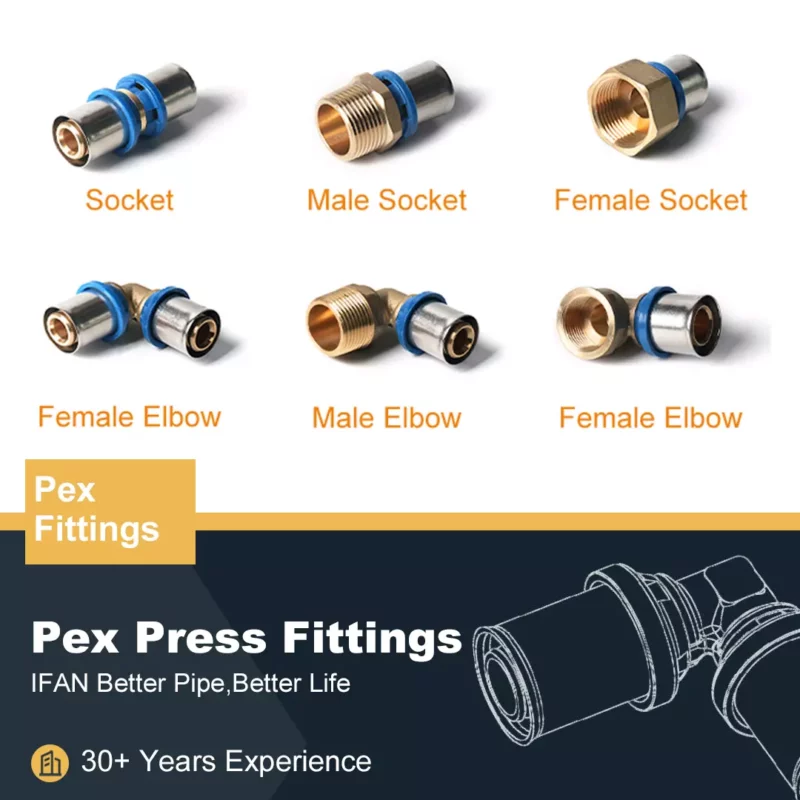
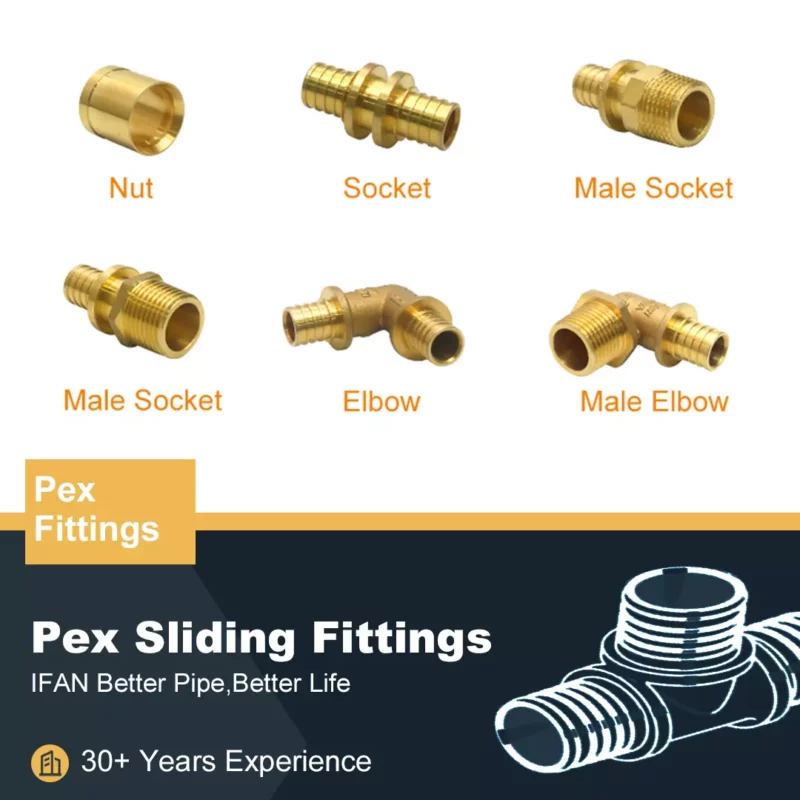
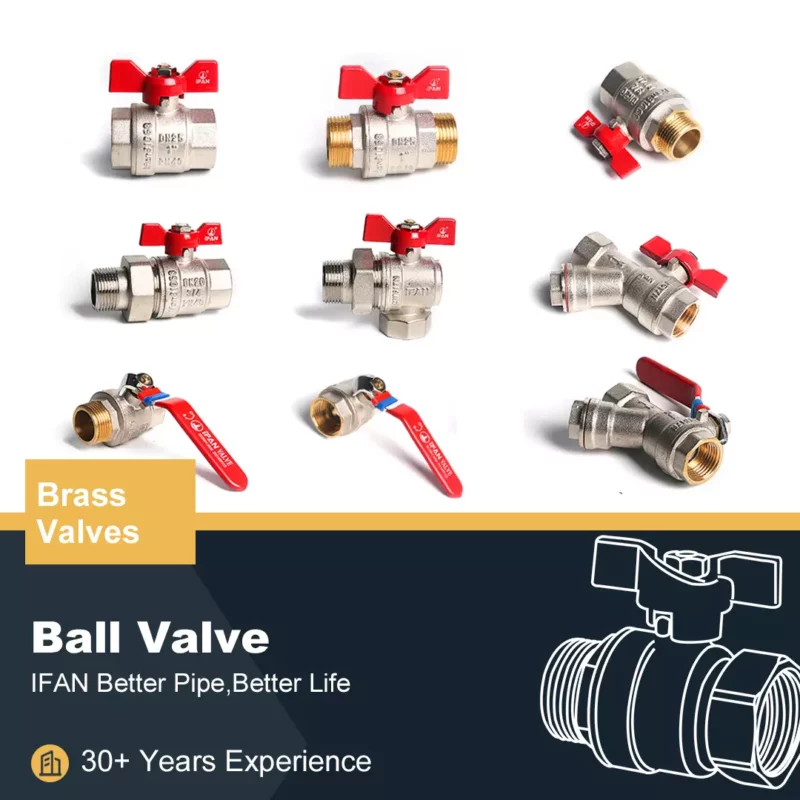

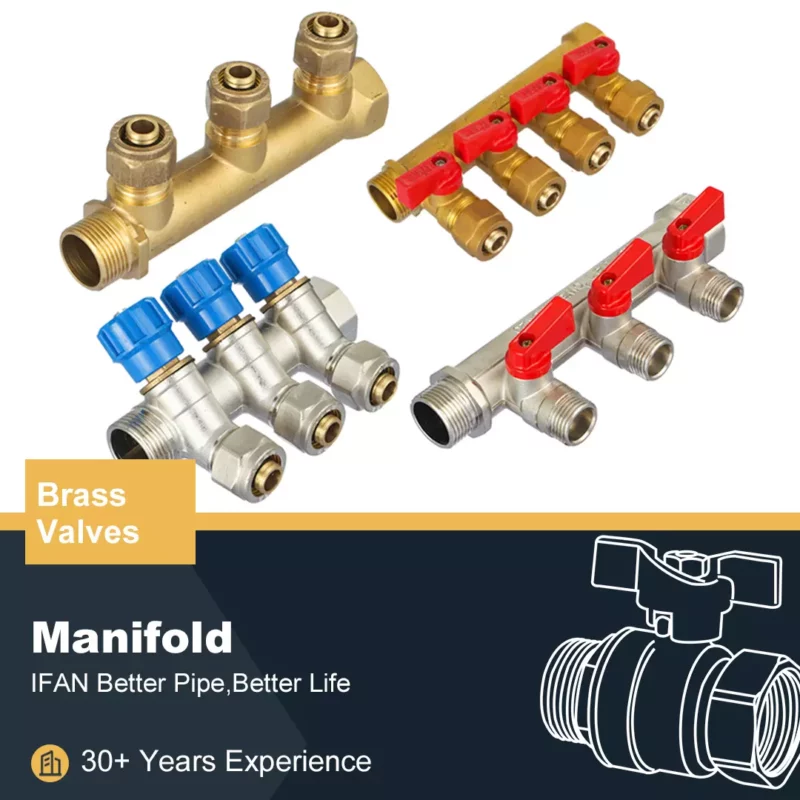
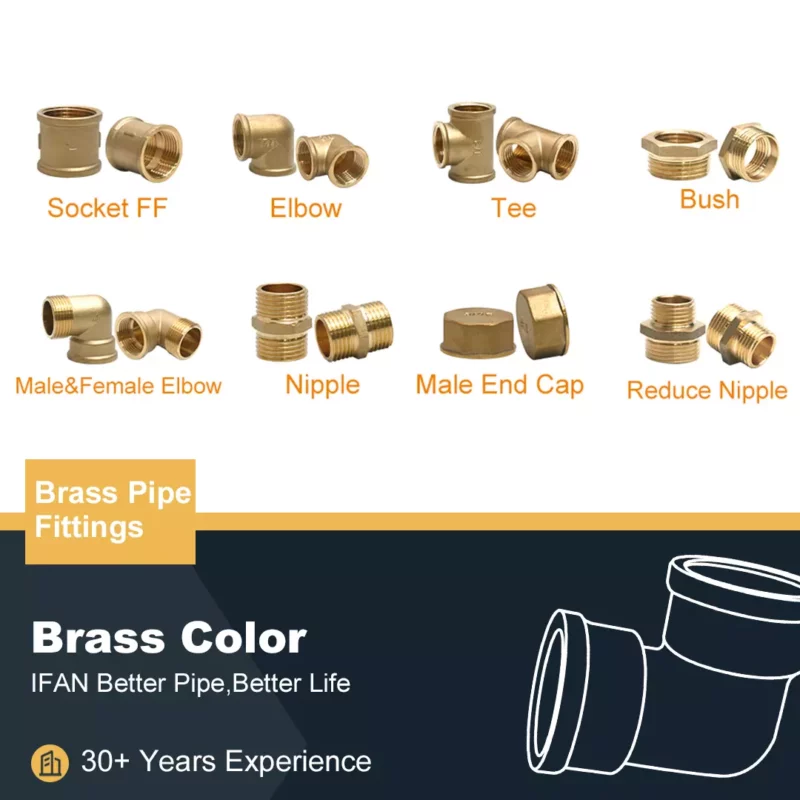
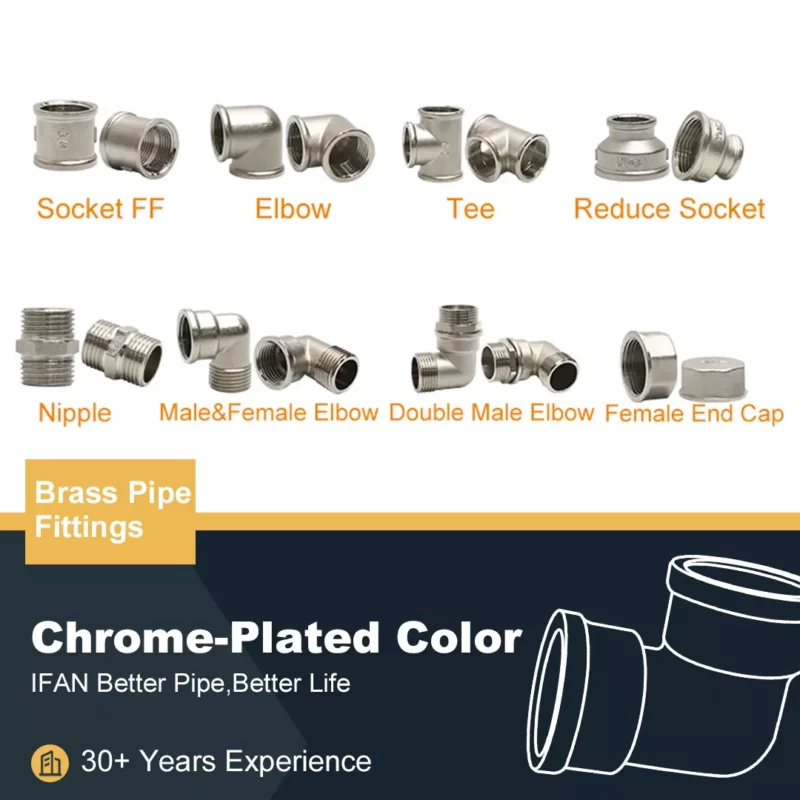


Dezincification is a destructive corrosion form in metal fittings. It weakens components and leads to premature failure. Bronze pipe fittings resist dezincification strongly, standing out in harsh environments. Their unique alloy composition delivers this critical protection. This article explores how these fittings combat dezincification and their practical value.
1. Understanding Dezincification and Bronze Pipe Fittings
Dezincification removes zinc from zinc-containing alloys like brass. It leaves a porous, brittle copper structure behind. This process causes fittings to crack, leak, or collapse. It commonly occurs in water systems, especially with soft or acidic water. Bronze pipe fittings resist dezincification strongly due to their low-zinc alloy makeup.
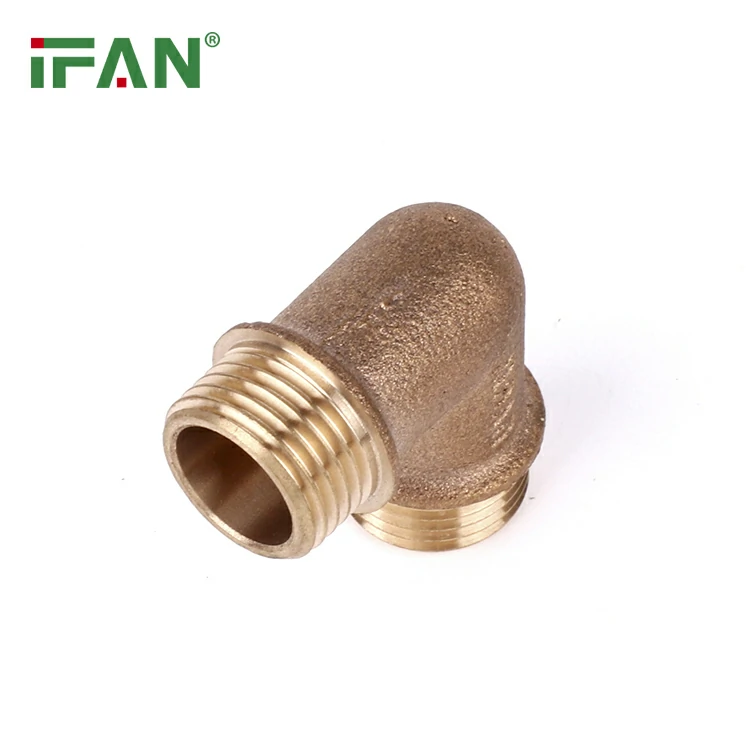
Bronze pipe fittings are primarily composed of copper and tin. Unlike brass, they contain minimal or no zinc. This zinc-free base eliminates the core cause of dezincification. Tin and other additives enhance their structural integrity. They are engineered to maintain performance in corrosive environments.
2. Core Traits Enabling Bronze Pipe Fittings to Resist Dezincification
Low zinc content is the foundation of their resistance. Bronze pipe fittings resist dezincification strongly by avoiding zinc altogether. Zinc is the target of dezincification corrosion. Removing it eliminates the risk of this destructive process. This makes bronze superior to zinc-rich alloys like brass.
Stable copper-tin alloy structure enhances protection. Copper provides natural corrosion resistance. Tin strengthens the alloy and improves its chemical stability. The combination forms a robust barrier against corrosive agents. It prevents the selective leaching that causes dezincification.
Protective oxide layer further reinforces resistance. Bronze forms a thin, stable oxide film on its surface. This layer blocks water and chemicals from reaching the alloy core. It inhibits all forms of corrosion, including dezincification. The layer self-heals minor damage, maintaining long-term protection.
3. Consequences of Dezincification and Bronze’s Solution
Dezincification leads to costly system failures. Affected fittings lose strength and become brittle. They often crack without warning, causing water leaks. Repairs and water damage restoration add significant expenses. Bronze pipe fittings resist dezincification strongly, avoiding these risks.
In critical applications, dezincification poses safety hazards. Leaks from failed fittings can damage electrical systems. They may also cause structural damage to buildings. Bronze’s resistance ensures system reliability and safety. It provides peace of mind for homeowners and facility managers.
Dezincification shortens the lifespan of plumbing systems. Fittings may need replacement every few years in harsh conditions. Bronze pipe fittings last decades due to their anti-dezincification properties. This reduces replacement frequency and long-term costs.
4. Key Applications for Bronze Pipe Fittings’ Anti-Dezincification Advantage
Drinking water systems benefit greatly from these fittings. Soft or acidic tap water accelerates dezincification in brass. Bronze pipe fittings resist dezincification strongly, ensuring water safety. They prevent contaminant leaching into drinking water. This makes them ideal for residential and commercial water supply.
Industrial water systems rely on their protective properties. Factories and processing plants use water with varying chemical compositions. Corrosive industrial water often triggers dezincification. Bronze fittings maintain integrity, ensuring uninterrupted operations. They are used in cooling systems, chemical processing, and water treatment.
Marine and coastal environments demand anti-dezincification solutions. Saltwater and humid air are highly corrosive. Bronze pipe fittings resist dezincification strongly in these settings. They also resist saltwater corrosion, doubling their protective value. They are widely used in boat plumbing and coastal building systems.
5. Installation and Maintenance for Optimal Anti-Dezincification Performance
Proper installation preserves bronze’s anti-dezincification properties. Clean pipe ends thoroughly before connection. Remove dirt, grease, and oxidation to ensure a tight seal. Use compatible tools to avoid over-tightening. Over-tightening can damage the fitting’s surface, compromising protection.
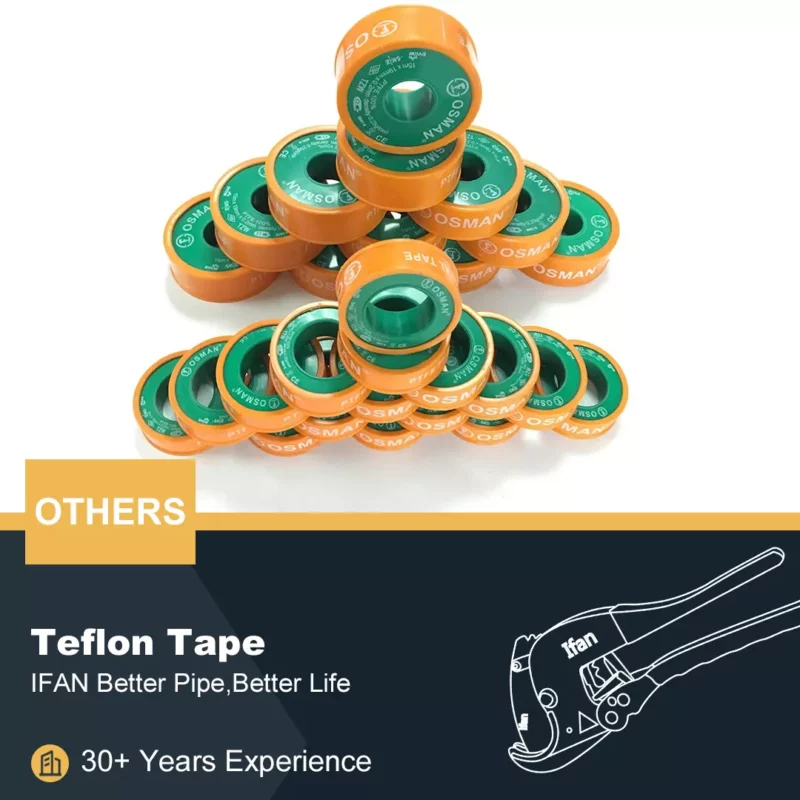
Use dezincification-resistant sealants for threaded connections. Teflon tape or corrosion-inhibiting sealant paste is recommended. Avoid using zinc-containing materials near bronze fittings. Galvanic corrosion between dissimilar metals can accelerate damage. Ensure all system components are compatible with bronze.
Minimal maintenance is required for bronze pipe fittings. Routine inspections check for leaks or surface damage. Clean fittings with mild soap and water to preserve the oxide layer. Avoid harsh chemicals that can strip the protective film. Simple upkeep maintains their anti-dezincification performance.
6. Bronze vs. Other Fitting Materials in Dezincification Resistance
Brass fittings are highly susceptible to dezincification. Their high zinc content makes them a prime target. They often fail within years in corrosive water. Bronze pipe fittings resist dezincification strongly by comparison. They are a superior choice for long-term reliability.
Iron and steel fittings avoid dezincification but rust easily. They require frequent maintenance and replacement. Bronze offers both anti-dezincification and anti-rust protection. It provides a more comprehensive corrosion solution. Bronze’s lifespan far exceeds that of iron and steel.
Plastic fittings do not experience dezincification but lack durability. They melt at high temperatures and degrade over time. Bronze pipe fittings combine anti-dezincification resistance with robustness. They handle high pressure and temperature fluctuations. They are a better choice for demanding applications.
7. Choosing the Right Bronze Pipe Fittings for Anti-Dezincification Needs
Select fittings based on the environment’s corrosiveness. For highly acidic or soft water, choose high-tin bronze alloys. For marine applications, opt for marine-grade bronze fittings. Ensure fittings meet industry standards like ASTM B584. Quality certifications guarantee anti-dezincification performance.
Match fitting sizes to pipe diameters precisely. Mismatched connections create stress points and weak seals. Consult product specifications for compatibility with water chemistry. Seek professional advice for complex plumbing systems. Choosing the right fittings maximizes anti-dezincification protection.
Conclusion
Bronze pipe fittings resist dezincification strongly, making them a reliable choice for corrosive environments. Their low-zinc alloy composition and protective oxide layer eliminate dezincification risks. They avoid costly failures and ensure long-term system integrity. They excel in drinking water, industrial, and marine applications. Proper installation and selection enhance their performance. For plumbing systems where dezincification resistance is critical, bronze pipe fittings are an unmatched and cost-effective solution.
If you have read this article and have any questions, please feel free to contact IFAN. Below is our contact information:
Whatsapp:+86 13373827623
Email:[email protected]