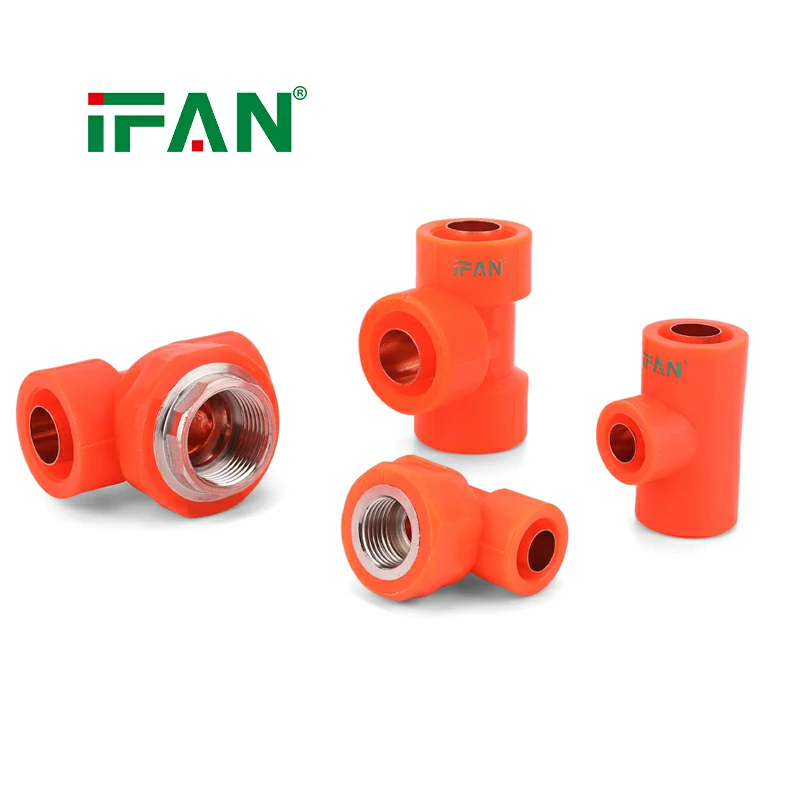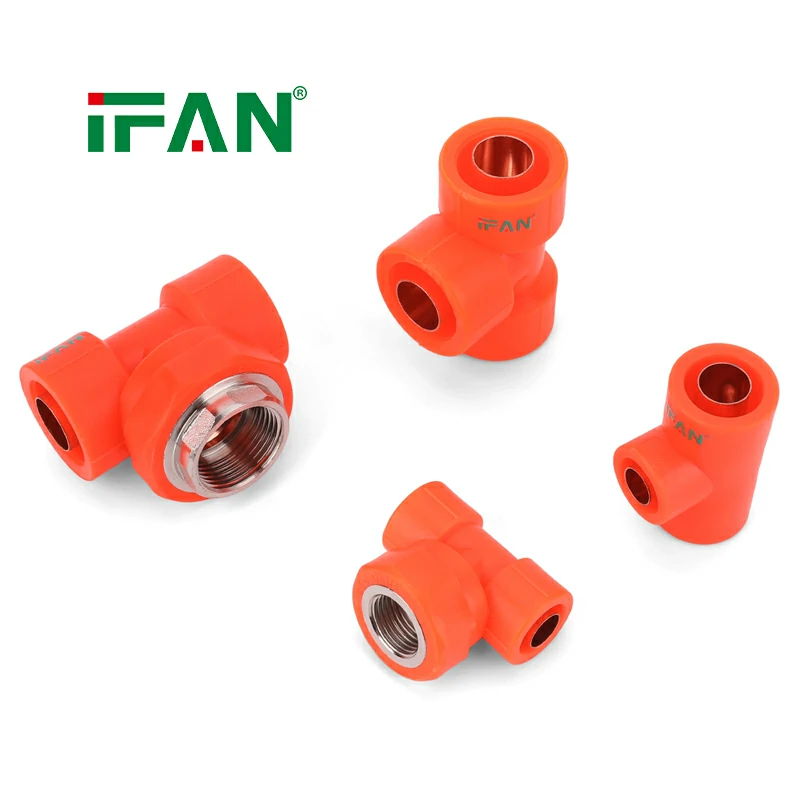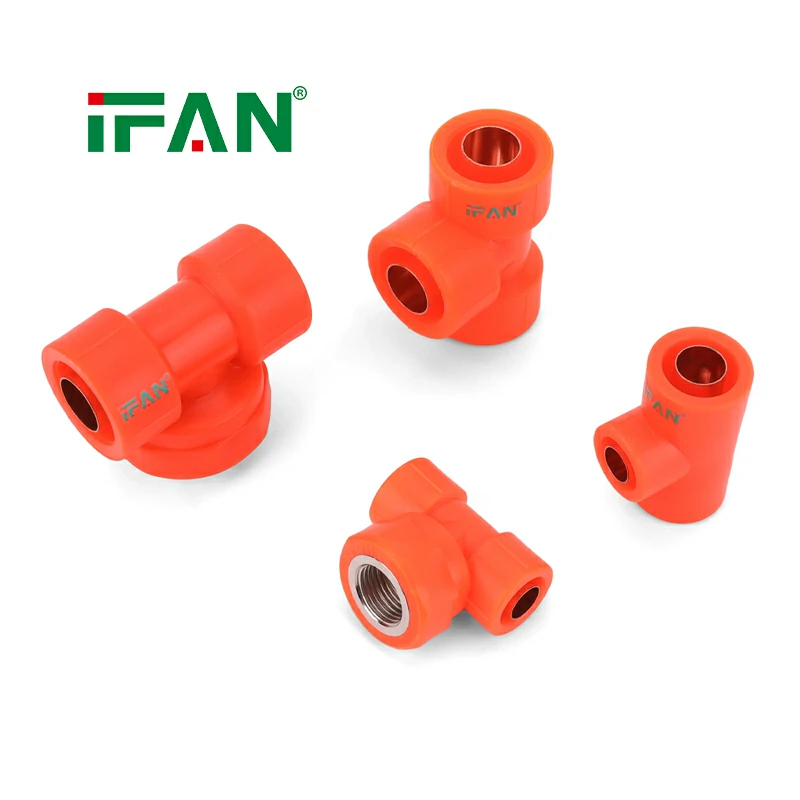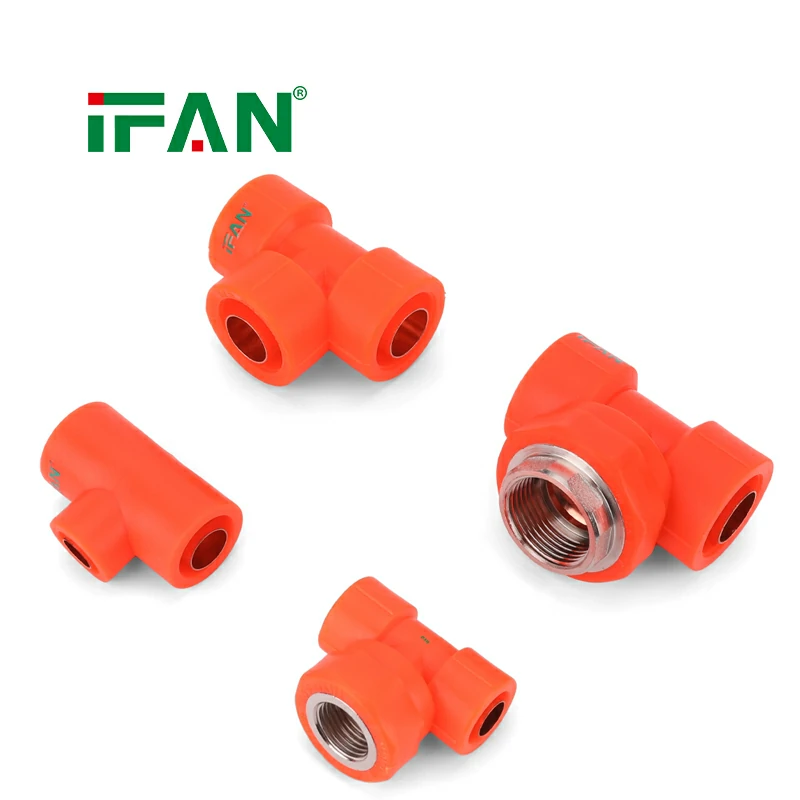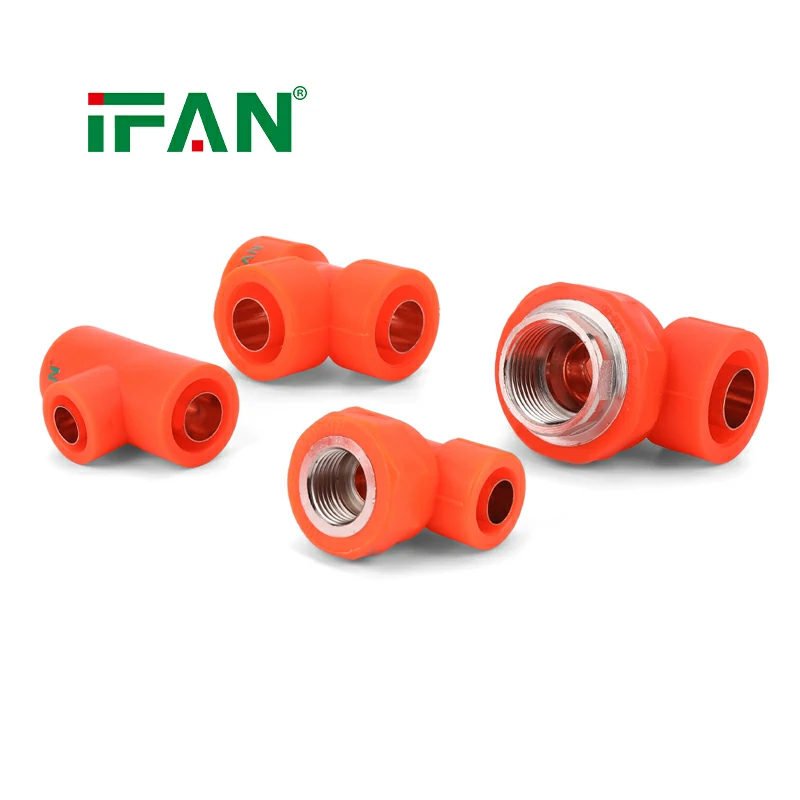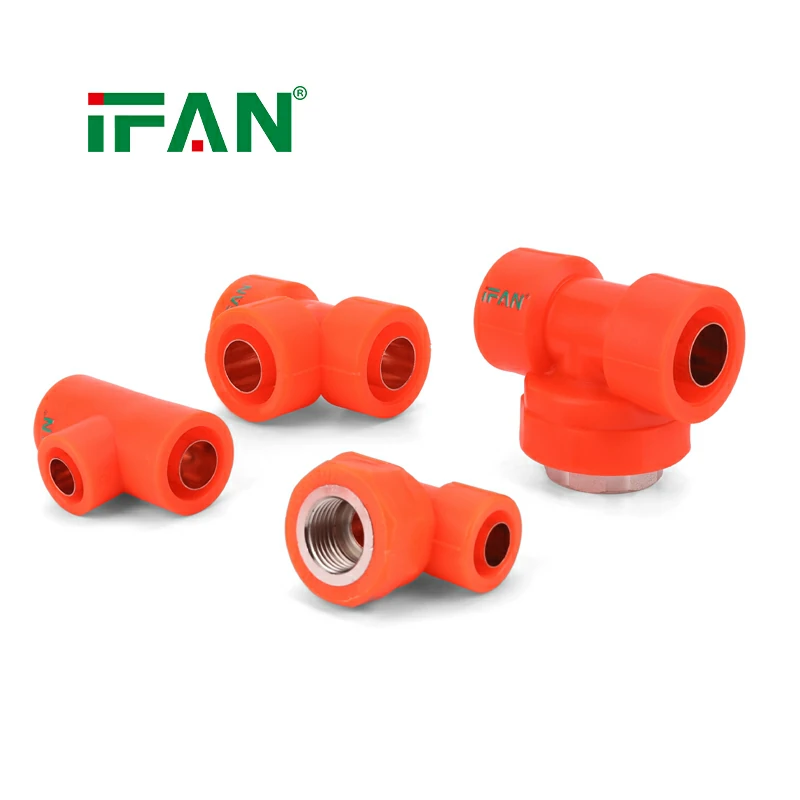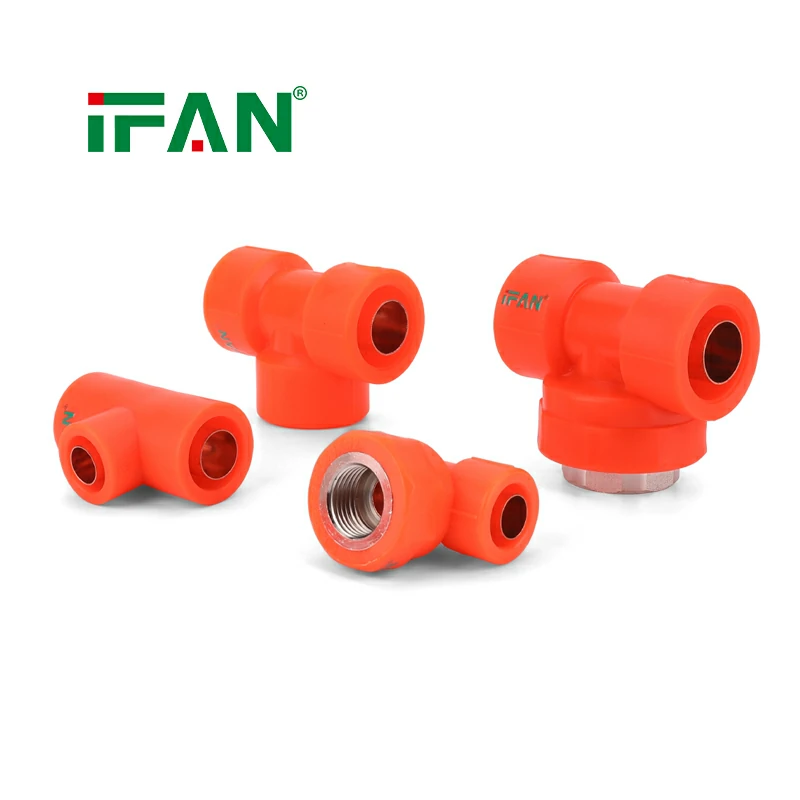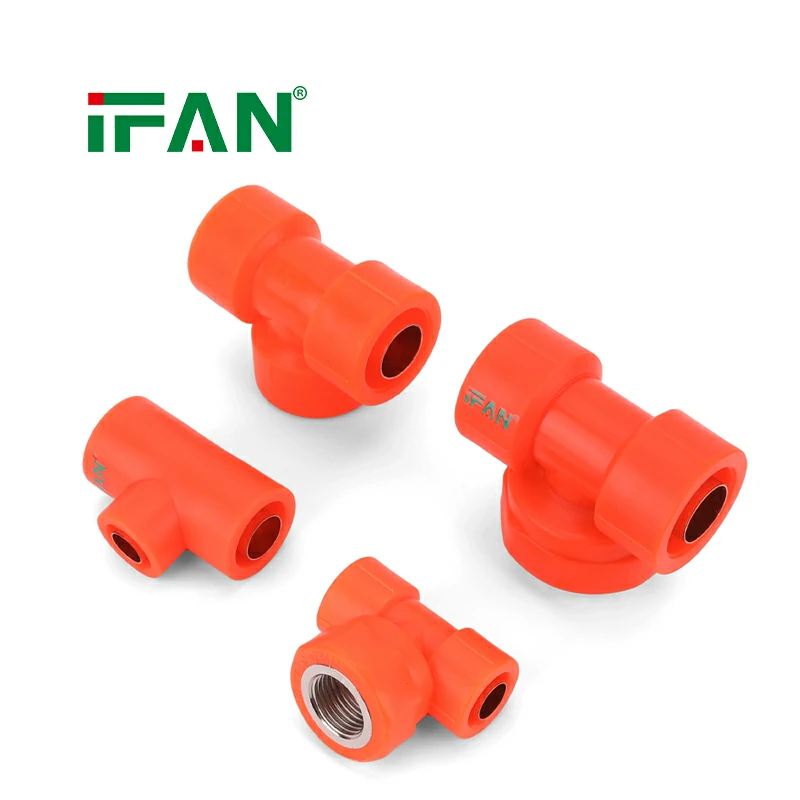


Steam systems operate under harsh, high-demand conditions. They require components that withstand extreme temperatures and pressure. Bronze pipe fittings adapt to steam systems effectively. Their unique material properties meet the rigorous needs of such setups. This article explores how these fittings excel in steam environments and their practical value.
1. Understanding Steam System Requirements and Bronze Pipe Fittings
Steam systems demand components with high temperature tolerance. They also require resistance to pressure fluctuations and corrosion. Condensed steam and moisture add to the system’s harshness. Bronze pipe fittings are alloy connectors made of copper and tin. Their composition is tailored to handle these challenging conditions.
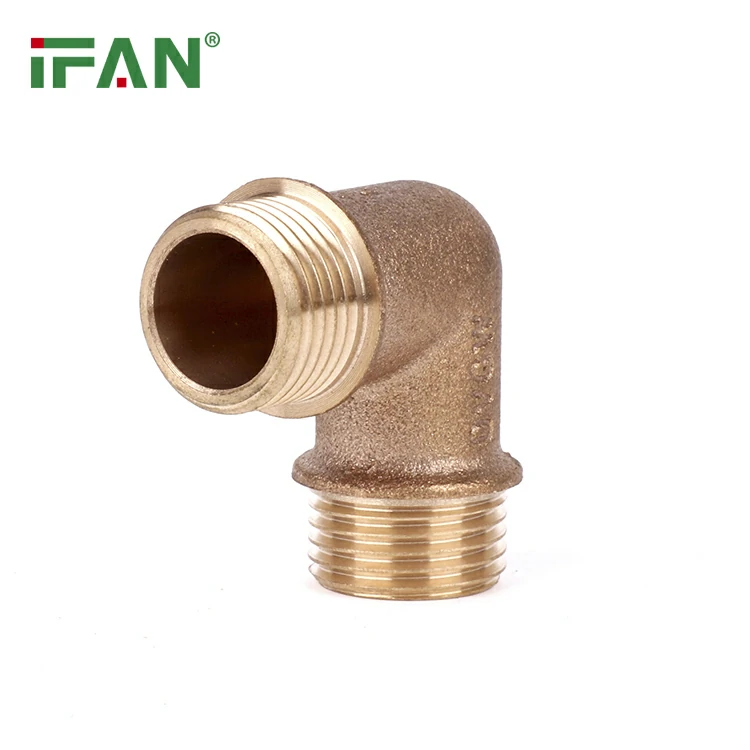
Bronze pipe fittings adapt to steam systems due to their alloy makeup. Copper provides excellent thermal conductivity and corrosion resistance. Tin enhances strength and wear resistance. This combination ensures compatibility with steam’s high-temperature, high-pressure nature. They connect pipes securely in various steam system configurations.
2. Core Traits Enabling Bronze Pipe Fittings to Adapt to Steam Systems
Superior high-temperature resistance is a key trait. Bronze pipe fittings withstand temperatures up to 400°F (204°C) easily. Steam systems often operate at high temperatures. Unlike plastic fittings that melt, bronze remains stable. This thermal stability prevents deformation and leaks in steam flow.
Exceptional pressure-bearing capacity supports steam system adaptability. Steam systems generate significant internal pressure. Bronze pipe fittings handle high pressure without cracking or failing. Their robust structure ensures tight connections under stress. This reliability is critical for steam system safety and efficiency.
Corrosion resistance in moist steam environments is vital. Steam condenses into water, creating a corrosive environment. Bronze forms a protective oxide layer. This layer blocks moisture and steam from damaging the base metal. It prevents rust and degradation, extending fitting lifespan in steam systems.
Excellent sealing performance enhances adaptability. Steam systems require airtight connections to avoid energy loss. Bronze pipe fittings’ precise machining ensures tight seals. They minimize steam leakage, improving system efficiency. This sealing ability is essential for maintaining consistent steam pressure.
3. Key Applications of Bronze Pipe Fittings in Steam Systems
Industrial steam systems rely heavily on these fittings. Factories use steam for heating, processing, and power generation. Bronze pipe fittings adapt to steam systems in manufacturing plants. They connect boilers, heat exchangers, and steam lines securely. Their durability ensures uninterrupted industrial operations.
Commercial buildings use steam systems for heating and sterilization. Hospitals, hotels, and schools need reliable steam distribution. Bronze pipe fittings adapt to steam systems in these settings. They handle the constant steam flow required for comfort and hygiene. Their low maintenance needs suit high-usage commercial environments.
Specialized steam applications benefit from bronze fittings. Steam cleaning equipment and food processing machinery use them. They adapt to the cyclic temperature changes of these systems. Their corrosion resistance prevents contamination from rust or degradation. This makes them suitable for food-safe and hygiene-critical applications.
4. Installation Best Practices for Steam System Compatibility
Proper installation ensures bronze pipe fittings adapt to steam systems optimally. Clean pipe ends thoroughly before connection. Remove dirt, grease, and oxidation to ensure a tight seal. Use high-temperature-resistant sealants for threaded fittings. This enhances sealing performance under steam’s harsh conditions.
Avoid over-tightening during installation. Over-tightening damages threads and distorts fitting shapes. Use torque wrenches to achieve the correct tightness. This prevents leaks and maintains the fitting’s structural integrity. Ensure alignment between pipes and fittings to avoid stress points.
Inspect fittings regularly after installation. Check for signs of wear, corrosion, or leakage. Steam systems’ high demands can stress components over time. Promptly replace any damaged fittings to prevent system failures. Routine maintenance extends the overall lifespan of the steam system.
5. Bronze Pipe Fittings vs. Other Materials in Steam Systems
Compared to iron fittings, bronze offers superior steam system adaptability. Iron rusts quickly in steam’s moist environment. It also becomes brittle at high temperatures. Bronze pipe fittings resist corrosion and maintain strength. They outlast iron, reducing replacement frequency and downtime.
Copper fittings lack the strength of bronze in high-pressure steam. Copper bends easily under steam’s pressure and temperature fluctuations. Bronze is harder and more wear-resistant. It maintains tight connections better in demanding steam systems. Bronze is a more reliable choice for heavy-duty steam applications.
Plastic fittings are unsuitable for most steam systems. They melt or deform at high temperatures. Plastic also degrades quickly in steam’s harsh environment. Bronze pipe fittings adapt to steam systems’ heat and pressure. They offer long-term reliability that plastic cannot match.
6. Selecting the Right Bronze Pipe Fittings for Steam Systems
Consider the steam system’s temperature and pressure ratings. Choose bronze fittings rated for the system’s maximum operating conditions. High-pressure steam systems need heavy-duty fittings with thicker walls. Ensure fittings meet industry standards like ASME for steam applications.
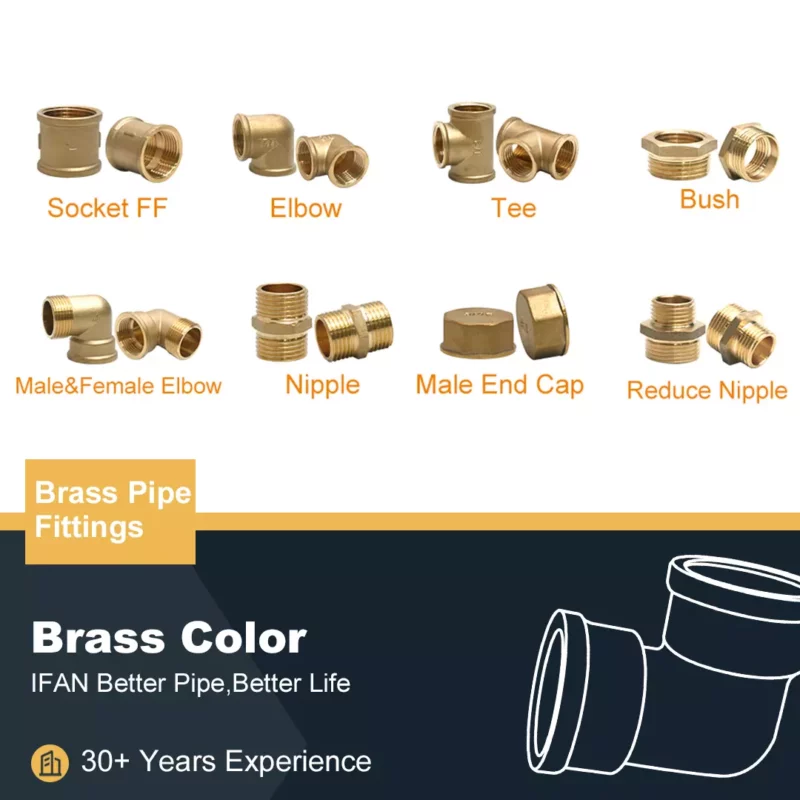
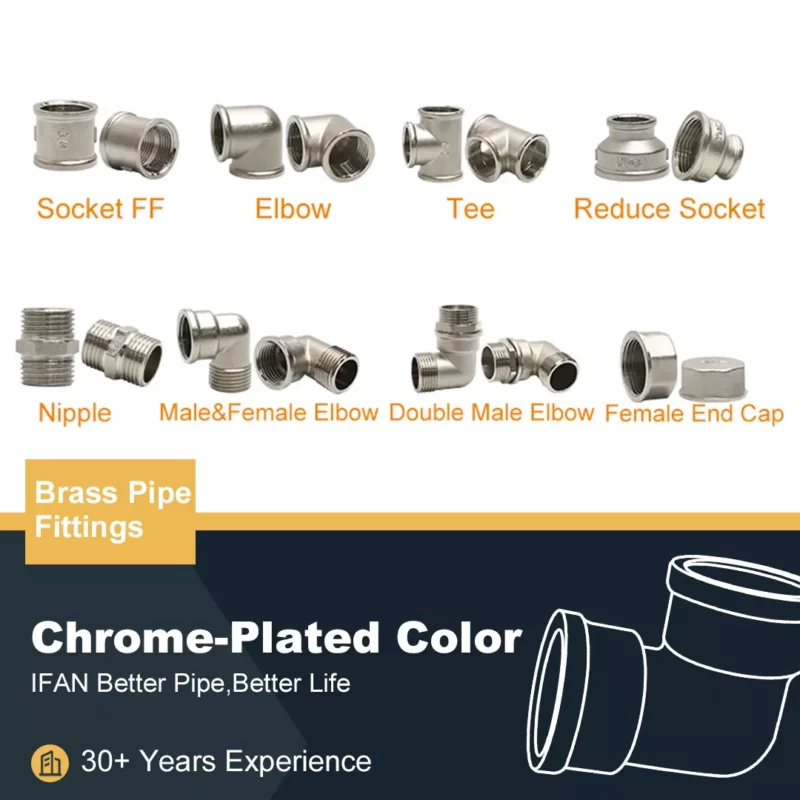
Match fitting sizes to the steam pipe diameter precisely. Mismatched sizes create weak points and cause steam leaks. Select the appropriate fitting type for the connection need. Elbows, tees, and couplings serve specific layout requirements. Consult a professional for complex steam system designs.
Conclusion
Bronze pipe fittings adapt to steam systems through their unique alloy properties. High-temperature resistance, pressure-bearing capacity, and corrosion resistance make them ideal. They excel in industrial, commercial, and specialized steam applications. Proper installation and selection enhance their performance. Compared to other materials, bronze offers superior reliability in steam environments. For steam systems that demand durability and adaptability, bronze pipe fittings are a trusted and efficient choice.
If you have read this article and have any questions, please feel free to contact IFAN. Below is our contact information:
Whatsapp:+86 13373827623
Email:[email protected]