

The Inherent Advantage of HDPE
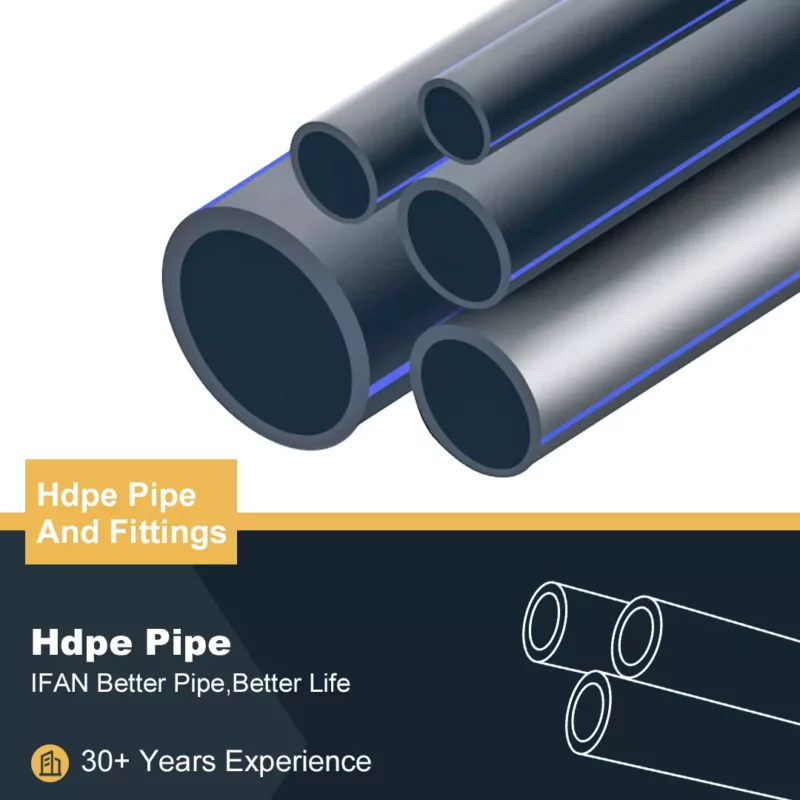
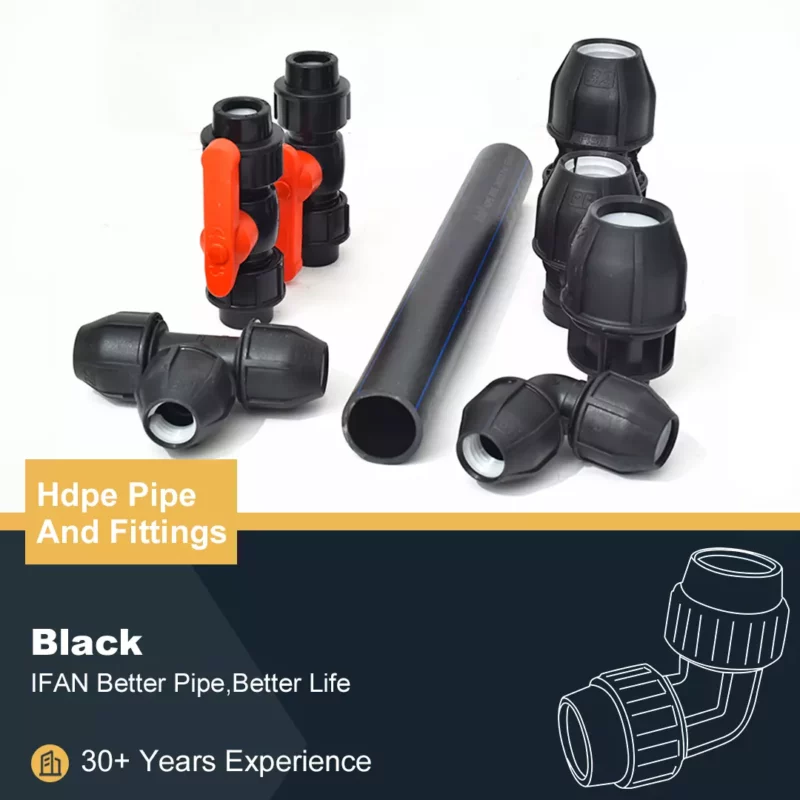
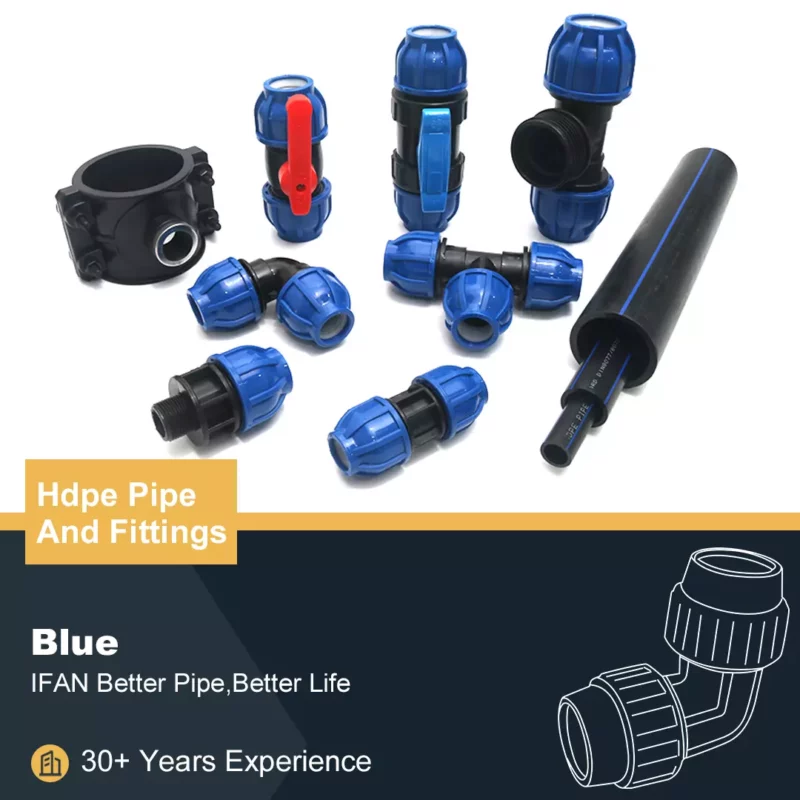
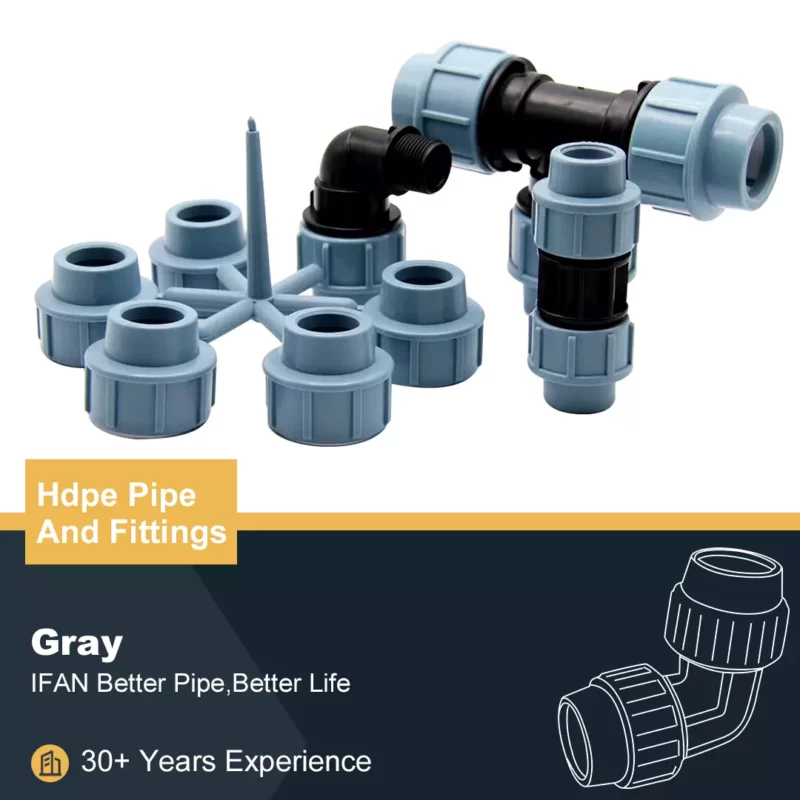
In industries dealing with aggressive chemicals, slurries, and effluents, the corrosion resistance of HDPE fittings is a game-changer. Unlike metal fittings that suffer from galvanic corrosion, rust, and chemical attack, HDPE is an inert thermoplastic. Its molecular structure is non-polar, making it highly resistant to a wide range of acids, bases, and salts. This translates to dramatically extended system life, eliminated maintenance costs for corrosion protection, and unparalleled reliability.
Understanding Chemical Compatibility Charts
While HDPE is broadly resistant, chemical compatibility is not absolute. All reputable HDPE fitting manufacturers provide detailed chemical resistance charts. These charts list hundreds of chemicals and assign a rating—typically “Recommended,” “Fair,” or “Not Recommended”—based on the chemical’s concentration and service temperature. It is imperative to consult this chart for every chemical in your process stream. For example, HDPE has excellent resistance to hydrochloric acid at room temperature but may be compromised by strong oxidizing acids like fuming sulfuric acid at high temperatures.
The Role of HDPE in Abrasive Slurry Transport
In mining, dredging, and tailings transport, abrasion resistance is as critical as chemical resistance. HDPE fittings have a naturally smooth interior that minimizes frictional resistance. More importantly, their viscoelastic nature allows them to absorb the impact of abrasive particles rather than being worn away in a brittle fashion like metal. For severely abrasive services, specific formulations of HDPE, often with enhanced molecular weight, are available to provide even greater service life, outperforming steel in many applications.
Temperature and Pressure De-rating Considerations
A crucial technical point often overlooked is the effect of temperature on HDPE’s pressure-bearing capacity. The Pressure Nominal (PN) rating of a fitting is typically given for water at 20°C (68°F). As the operating temperature increases, the long-term hydrostatic strength of the HDPE decreases. For example, a PN16 fitting may only be suitable for a lower pressure at 40°C. Always refer to the manufacturer’s de-rating tables to select a fitting with a sufficient pressure rating for your maximum operating temperature.
Real-World Applications in Demanding Industries
The use of HDPE fittings is standard practice in:
Chemical Processing: For transporting acids, alkalis, and solvents between process units.
Mineral Processing: For slurry lines, tailings disposal, and leachate collection.
Industrial Wastewater: For handling aggressive effluents from manufacturing plants.
Landfill Operations: For leachate collection systems where a mix of corrosive chemicals is present.
If you have read this article and have any questions, please feel free to contact IFAN. Below is our contact information:
Whatsapp:+86 13373827623
Email:[email protected]