
Introduction to Fusion Joining
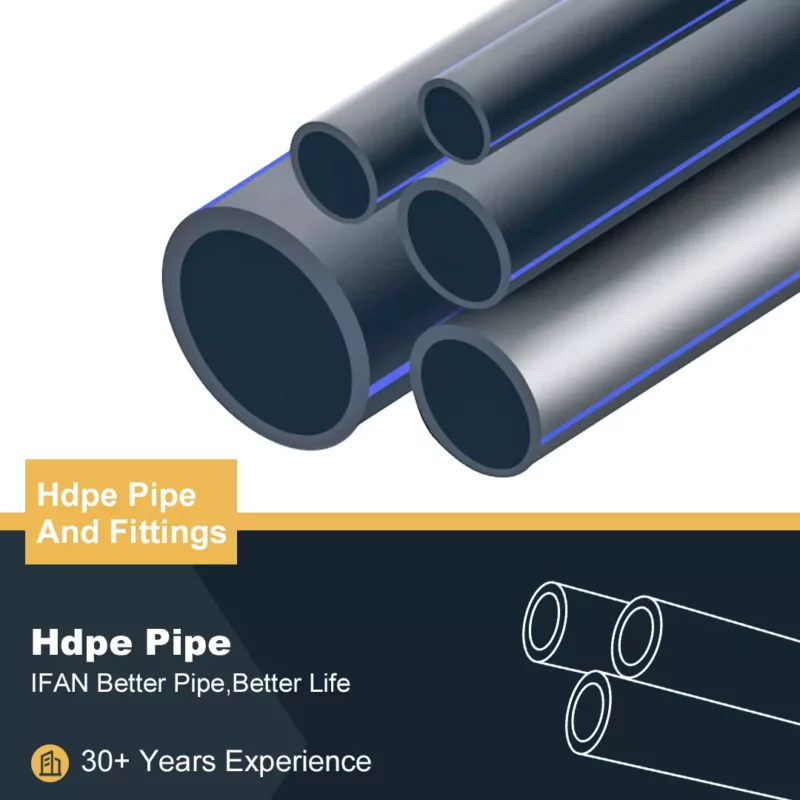
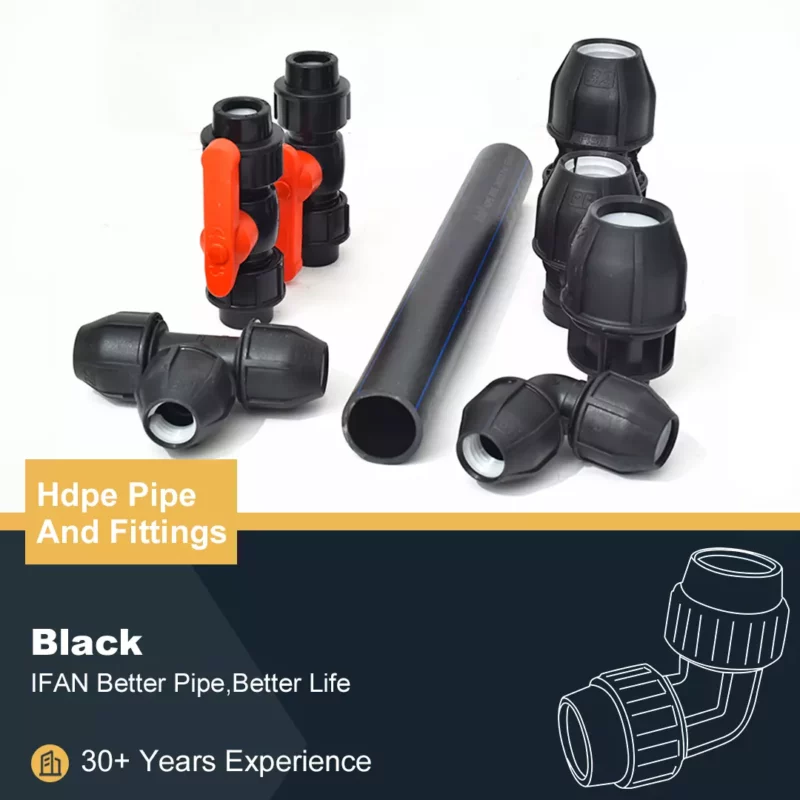
The unparalleled success of HDPE piping systems lies in the ability to create monolithic, leak-free joints through heat fusion. Unlike mechanical joints that rely on gaskets and bolts, fusion welding melds the HDPE fitting and pipe into a single, continuous piece of plastic. This process eliminates the joint as a potential failure point, making the system inherently more reliable. Understanding the two primary methods—Butt Fusion and Electrofusion—is crucial for selecting the right technique for your project.
Butt Fusion: The Process for Mainline Efficiency
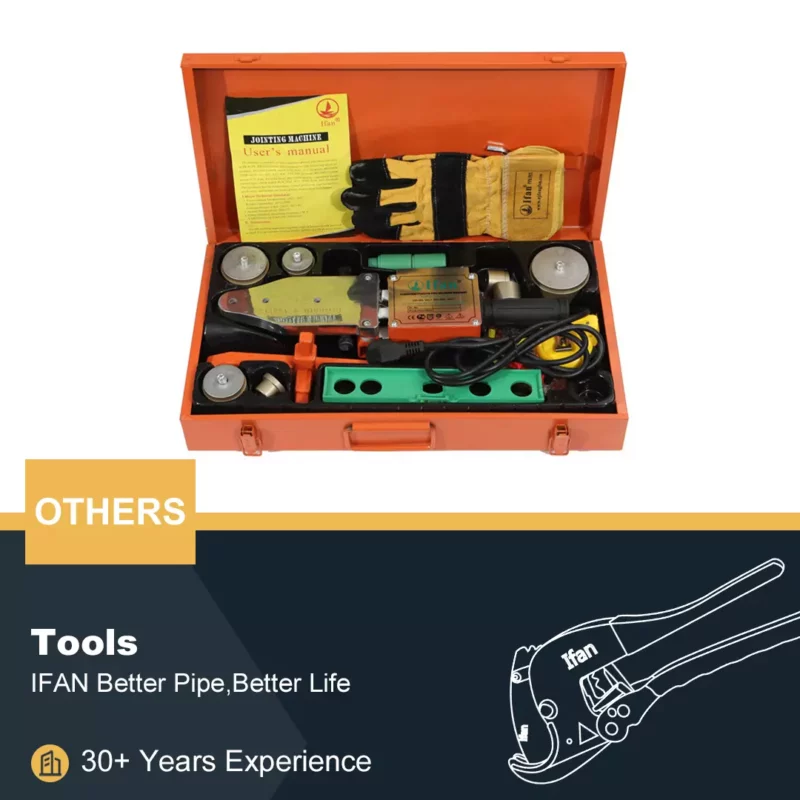
Butt fusion is the preferred method for joining pipes and fittings of the same diameter in open, accessible areas. The process involves several critical, sequential steps:
Facing: A facing tool trims the ends of the pipe and fitting perfectly square and clean.
Heating: A precisely heated plate is inserted between the two ends, melting them under a specific interface pressure.
Bead Formation: A melt bead forms, indicating proper surface preparation.
Fusion: The hot plate is removed, and the two molten surfaces are joined together under a high fusion pressure.
The key to success is maintaining the correct temperature, pressure, and time for each phase, as specified by the fitting manufacturer and the fusion machine guidelines.
Electrofusion: The Solution for Complex Connections
Electrofusion is ideal for repairs, service connections, and work in confined spaces. Electrofusion fittings have integral heating coils and data matrix codes. The process involves:
Surface Preparation: The single most critical step. The pipe’s outer surface must be thoroughly scraped to remove the oxidized layer and cleaned meticulously.
Clamping: The fitting is positioned and clamped to prevent movement.
Fusion: A specialist control box scans the fitting’s code and automatically delivers the correct voltage and fusion time.
This method is highly dependent on operator skill and discipline in preparation, but it offers unparalleled versatility.
Critical Factors for a Perfect Fusion Joint
Regardless of the method, several universal factors dictate joint integrity:
Cleanliness: Any dirt, moisture, or grease will contaminate the joint and cause failure.
Pipe Preparation: Proper scraping for electrofusion and squaring for butt fusion are non-negotiable.
Equipment Calibration: Fusion machines and control boxes must be regularly serviced and calibrated.
Environmental Conditions: Joints should be protected from wind and rain during the process, and a cool-down period must be respected without any stress on the joint.
Choosing the Right Method for Your Application
Select butt fusion for long, straight runs where you can efficiently use a fusion machine. It is faster and more economical for these scenarios. Choose electrofusion for tie-ins, branch connections (saddles), repairs, and when working in tight trenches where large equipment is impractical. Many projects successfully utilize both methods to achieve optimal efficiency and results.
If you have read this article and have any questions, please feel free to contact IFAN. Below is our contact information:
Whatsapp:+86 13373827623
Email:[email protected]