





Introduction to HVAC System Efficiency
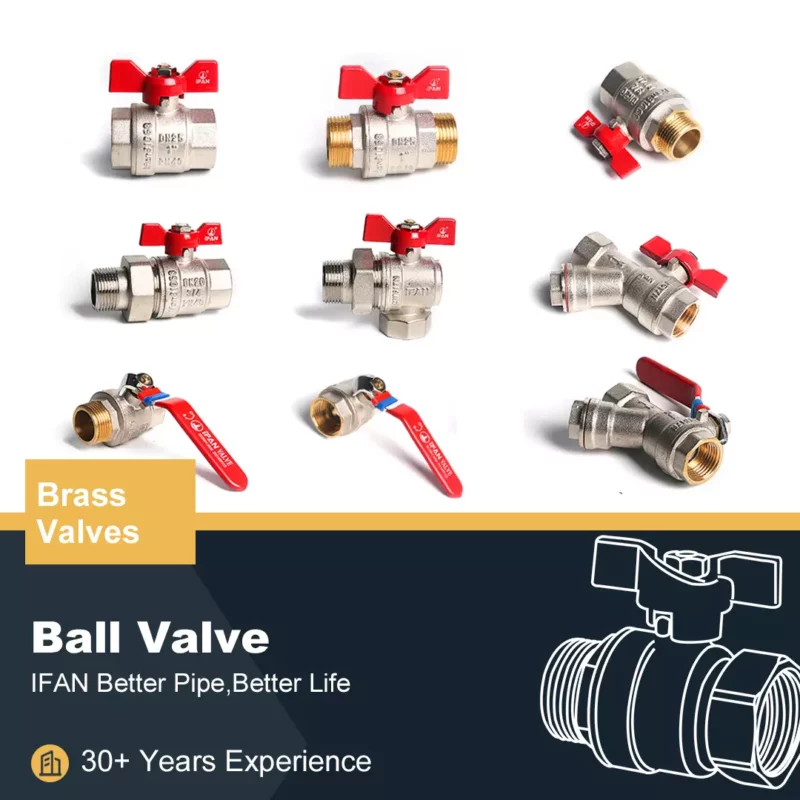
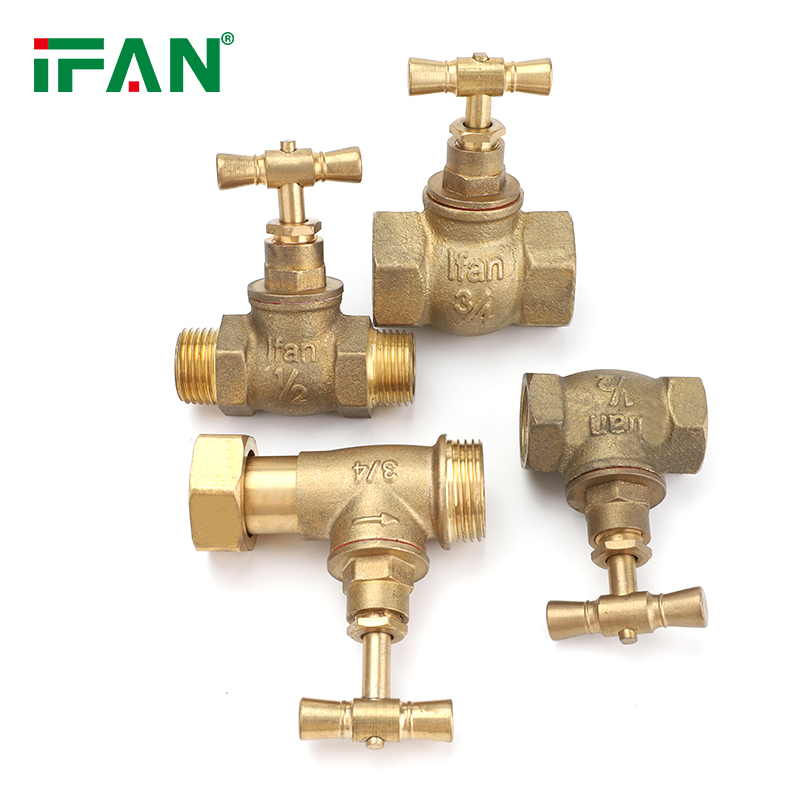
Heating, ventilation, and air conditioning (HVAC) systems are vital for indoor comfort. They control temperature, air quality, and humidity. For HVAC systems to operate efficiently, components must work together without failure. One critical component is the check valve. It ensures fluids or gases flow in only one direction. This helps maintain pressure, prevent backflow, and protect equipment. Brass check valves are highly recommended in HVAC systems for their durability, efficiency, and reliability. They are designed to handle pressure changes and thermal stress common in HVAC environments.
Importance of Backflow Prevention in HVAC
Backflow in HVAC systems can cause severe operational problems. It can reduce system pressure, damage equipment, and lower energy efficiency. In chilled water lines, reverse flow can lead to poor cooling and system imbalance. In hot water systems, it can disrupt heating cycles and waste energy. Brass check valves prevent this by closing when the flow reverses. This keeps fluids moving in the intended direction and stabilizes system performance. Preventing backflow is essential to protect pumps, compressors, and boilers from failure. A check valve acts as a safeguard for the entire HVAC system.
Why Brass is Ideal for HVAC Applications
Brass is a reliable material choice in HVAC systems. It resists corrosion from water and air exposure. This is essential in systems that use water, refrigerants, or glycol mixtures. Brass can withstand high temperatures and pressure changes without deforming. Unlike plastic, brass won’t crack under thermal stress. It also offers better durability than iron in moist or humid environments. Brass check valves are long-lasting and require less maintenance. They are also easier to machine and install, which reduces labor time. Overall, brass provides the ideal balance of strength, safety, and cost-efficiency for HVAC use.
How Brass Check Valves Work in HVAC Systems
Brass check valves function by allowing flow in one direction and automatically blocking reverse flow. They respond to pressure changes within the system. When flow moves forward, the internal mechanism—often a spring-loaded disc or ball—opens the valve. When flow reverses or stops, the valve closes to prevent backward movement. This automatic action is crucial in HVAC systems, where consistent direction of flow is needed for heating or cooling loops. These valves operate silently and efficiently, ensuring system balance without the need for manual control or electronics.
Applications of Brass Check Valves in HVAC
Brass check valves are used in multiple parts of HVAC systems. In chilled water systems, they prevent mixing of supply and return lines. In boiler systems, they ensure hot water moves in the correct direction. In heat pumps, they help maintain proper refrigerant flow. They are also used in air compressor lines to prevent air backflow. In zoned HVAC systems, check valves help maintain pressure balance between different zones. Wherever flow control is needed, brass check valves provide a dependable solution. Their compact size also makes them suitable for tight installation spaces.
Energy Efficiency and System Protection
A properly functioning brass check valve improves HVAC energy efficiency. By preventing backflow, it reduces the load on pumps and compressors. This lowers energy consumption and extends equipment life. Brass check valves also reduce pressure drops, helping the system operate smoothly. Protecting equipment from reverse flow minimizes the chance of overheating or mechanical damage. This leads to fewer service calls and lower repair costs. In modern buildings focused on energy efficiency, brass check valves play a critical role in system optimization and protection.
Types of Brass Check Valves for HVAC
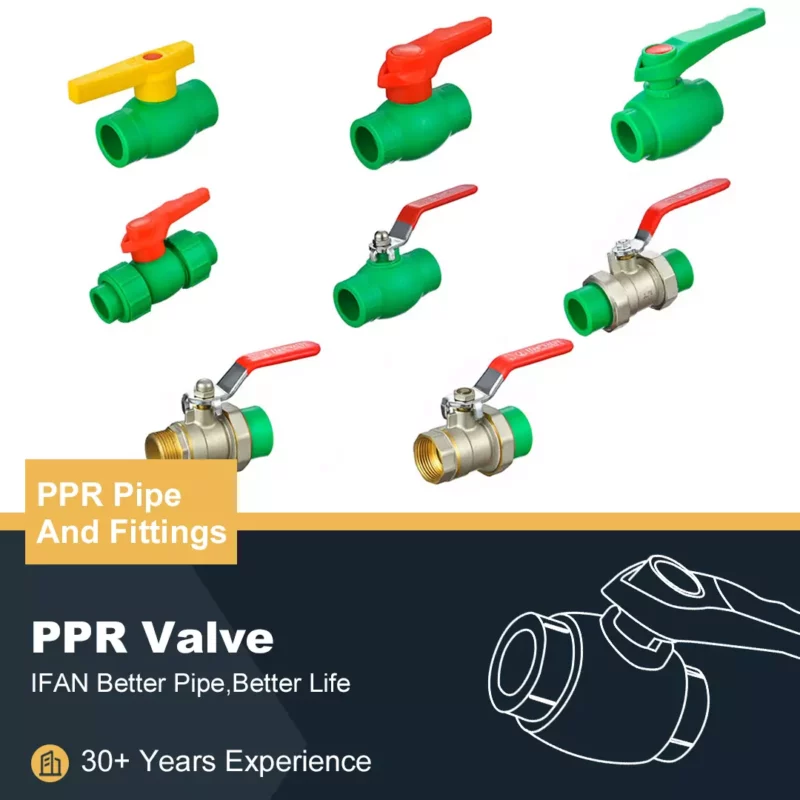
Different types of brass check valves serve different HVAC needs. Spring-loaded check valves are ideal for vertical flow systems or systems with fluctuating pressures. Swing check valves are used in horizontal lines with steady flow. Ball check valves offer compact design for limited space applications. Lift check valves provide quick response and tight sealing in high-pressure lines. Choosing the correct valve type depends on your HVAC system design and requirements. Each type ensures unidirectional flow and offers silent, efficient operation in heating or cooling systems.
Easy Installation and Maintenance
Brass check valves are easy to install and require minimal maintenance. They fit standard pipe sizes and come with threaded or soldered ends. During installation, it’s important to follow flow direction markings. This ensures proper operation and prevents malfunction. Brass is easy to work with, which reduces installation time and labor costs. Maintenance involves checking for leaks, debris, or corrosion. Regular inspection keeps the valve operating smoothly. If internal parts wear out, many brass check valves allow for part replacement instead of full valve change. This makes them a cost-effective choice in the long term.
Compliance and Safety Considerations
Brass check valves used in HVAC systems should meet industry standards. Look for valves certified by ASME, NSF, or other recognized organizations. These certifications ensure the valve meets pressure, temperature, and safety requirements. For systems involving potable water or drinking water connections, use lead-free brass check valves. They comply with health regulations and building codes. Always verify compatibility with the fluid type—water, refrigerant, or air—used in your HVAC system. Certified brass valves offer peace of mind and ensure system safety and code compliance.
Choosing the Right Brass Check Valve
Selecting the right brass check valve depends on several factors. Consider the flow direction, pipe orientation, pressure range, and fluid type. Determine if the system needs quick-closing action or can use a swing type. Choose a valve size that matches your pipe for optimal flow. Verify that the valve materials are compatible with the fluid in use. For reliability, purchase from trusted manufacturers with proven HVAC product performance. Don’t compromise quality for cost—an inferior valve can cause damage or noise. Investing in a high-quality brass check valve ensures long-term HVAC system protection.
Conclusion
Brass check valves are highly recommended in HVAC systems for their durability, performance, and quiet operation. They ensure one-way flow, prevent backflow, and protect sensitive components. With excellent resistance to heat, pressure, and corrosion, brass is ideal for long-term use. These valves contribute to system efficiency, energy savings, and reduced maintenance. Available in various types, they suit different HVAC applications and layouts. Easy to install and maintain, brass check valves are a smart investment in HVAC reliability. For better performance and peace of mind, choose brass check valves in your next HVAC system upgrade.
If you have read this article and have any questions, please feel free to contact IFAN. Below is our contact information:
Whatsapp:+86 13373827623
Email:[email protected]