





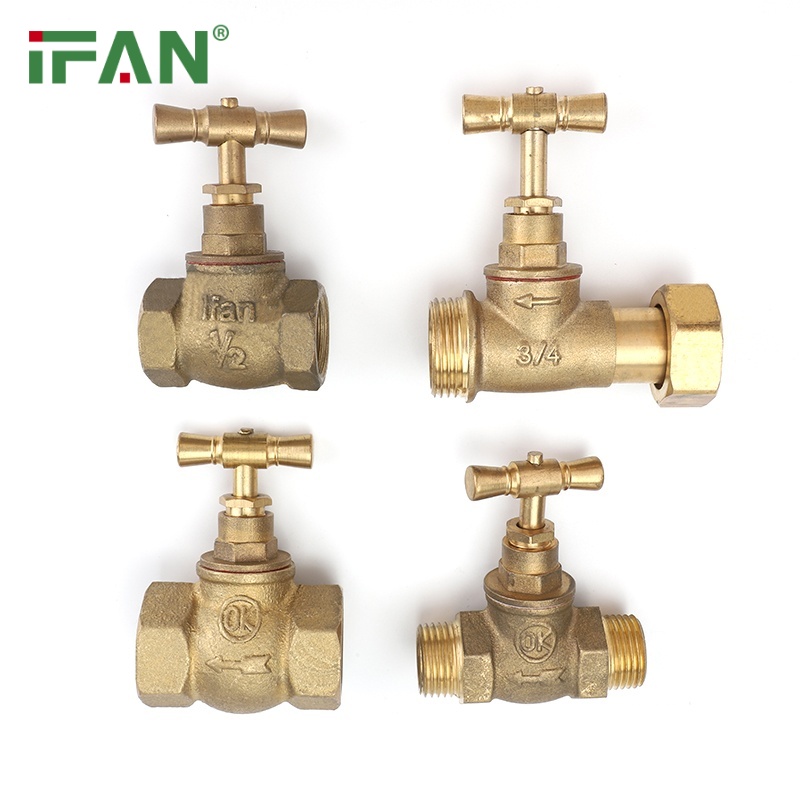
Introduction to Quiet Plumbing Systems
In homes and commercial buildings, quiet plumbing systems are highly desirable. Noise from pipes and valves can be disturbing. Sudden water hammer, valve clatter, or pressure surges can disrupt comfort and indicate system stress. A key solution to reducing these issues is using check valves designed for quiet operation. Brass check valves offer this benefit while also ensuring reliable one-way flow. Their durable build, smooth internal movement, and precise sealing contribute to silent performance. This article explores how brass check valves support quieter plumbing and fluid systems.
Why Valve Noise Happens
Valve noise is often caused by abrupt changes in flow or pressure. When a valve shuts too quickly, water slams into the closed valve, causing a banging sound. This is known as water hammer. Loose or poorly seated valve components may also vibrate or rattle. In high-pressure systems, reverse flow can generate noise as valves react suddenly. These sounds are not just annoying—they may indicate stress on your plumbing. Over time, repeated impact can damage pipes or fittings. Quiet-operation brass check valves help minimize these effects through smart design.
Quiet Design Features of Brass Check Valves
Brass check valves are engineered for smooth, quiet performance. Many use spring-loaded mechanisms that close gradually and evenly. This prevents water hammer and reduces vibrations. The internal components are precisely fitted to avoid rattling during use. Ball and lift designs reduce sudden movement, allowing fluid to flow gently. Brass, as a dense metal, also absorbs sound better than plastic or thin-walled materials. The valve body acts as a sound barrier, limiting echo or pipe resonance. These design choices make brass check valves ideal for noise-sensitive installations.
Role of Springs in Noise Reduction
One of the most effective noise-reduction features is a spring-loaded valve mechanism. When pressure drops, the spring slowly guides the valve closed. This eliminates the slamming action seen in some swing check valves. The smoother transition minimizes flow shock and reduces system noise. Springs also help maintain a tighter seal, preventing valve flutter. In vertical or fluctuating flow systems, spring-loaded valves are especially effective. They maintain quiet operation across different pressures. This makes them ideal for both residential and commercial use where comfort and performance matter.
Benefits in Residential Plumbing
Homeowners value peace and quiet, especially in bathrooms, kitchens, and laundry rooms. Noisy valves in these areas can be distracting and disruptive. Installing brass check valves with quiet features helps solve this issue. They can be used in water heaters, sump pumps, and main water lines. In multi-story buildings, they prevent banging noises in walls and ceilings. Their solid brass bodies also ensure durability in household conditions. Unlike plastic valves, brass versions won’t warp or vibrate under stress. The result is a smoother, quieter home plumbing experience.
Advantages for Commercial Buildings
In offices, hotels, hospitals, and schools, noise reduction is also important. Loud plumbing sounds can disturb work, rest, or recovery. Brass check valves help ensure the plumbing system operates silently. In HVAC systems, they prevent thumping sounds during pressure changes. In food service and hospitality, they reduce distracting valve noise near kitchens or guest areas. Their reliable one-way flow also protects sensitive equipment from pressure shocks. Long-lasting and low-maintenance, brass check valves contribute to better building comfort and system longevity.
Performance in High-Pressure Systems
High-pressure systems often generate more noise due to rapid valve movement. Brass check valves are built to handle this environment while keeping sound levels low. The dense metal body and controlled internal action absorb pressure impacts. Spring-loaded or ball check types respond quickly but smoothly. This prevents sudden closure and reduces water hammer. Brass also withstands high temperatures, making it ideal for pressurized hot water systems. In commercial or industrial applications, quiet operation adds safety, comfort, and equipment protection. Brass check valves meet these demands without sacrificing performance.
Material Properties that Support Quiet Operation
Brass is naturally well-suited for noise control. Its density helps reduce vibrations and dampen internal movement sounds. Compared to plastic or thin metals, brass offers better acoustic insulation. Brass valves also fit tightly, with less internal play between moving parts. This prevents rattling or clinking during flow cycles. The precise machining of brass valves allows for smoother sealing surfaces, reducing turbulence. These material advantages make brass a top choice for low-noise applications. Its strength and sound-absorbing qualities combine to create a quiet, reliable valve.
Maintenance and Noise Prevention
Even quiet check valves need periodic checks to maintain their performance. Dirt, scale, or mineral buildup can affect smooth valve motion. Regular cleaning keeps internal parts working properly and quietly. Inspect valves for signs of wear, corrosion, or leakage. Replace damaged springs or seals as needed. Choosing high-quality brass valves reduces long-term maintenance. Their corrosion resistance helps prevent sticking or jamming, which can cause noise. Proper installation also matters. Support pipes well to prevent vibrations and ensure correct valve orientation. Preventive care ensures continued quiet operation over many years.
Choosing the Right Quiet Brass Check Valve
Selecting the right valve ensures both quiet and reliable operation. Choose a spring-loaded valve for vertical or high-pressure lines. For horizontal installations with steady flow, a swing or ball type may be suitable. Check the valve’s pressure and temperature rating to match your system. Look for lead-free brass for potable water applications. Buy from trusted manufacturers with proven performance records. Quality construction means tighter seals and quieter function. If noise is a concern in your system, quiet-design brass check valves are a smart investment.
Conclusion
Brass check valves offer more than just one-way flow control—they provide quiet operation for comfort and peace of mind. Through thoughtful design and strong materials, they minimize water hammer, vibration, and noise. Whether in homes, offices, or industrial facilities, these valves support smooth, silent plumbing. Their durability ensures long service life, while their sound-reducing features protect your system. With proper selection and maintenance, brass check valves can enhance both performance and comfort. For quieter water systems, brass check valves are the ideal solution.
If you have read this article and have any questions, please feel free to contact IFAN. Below is our contact information:
Whatsapp:+86 13373827623
Email:[email protected]