


Introduction to Chemical Flow Systems
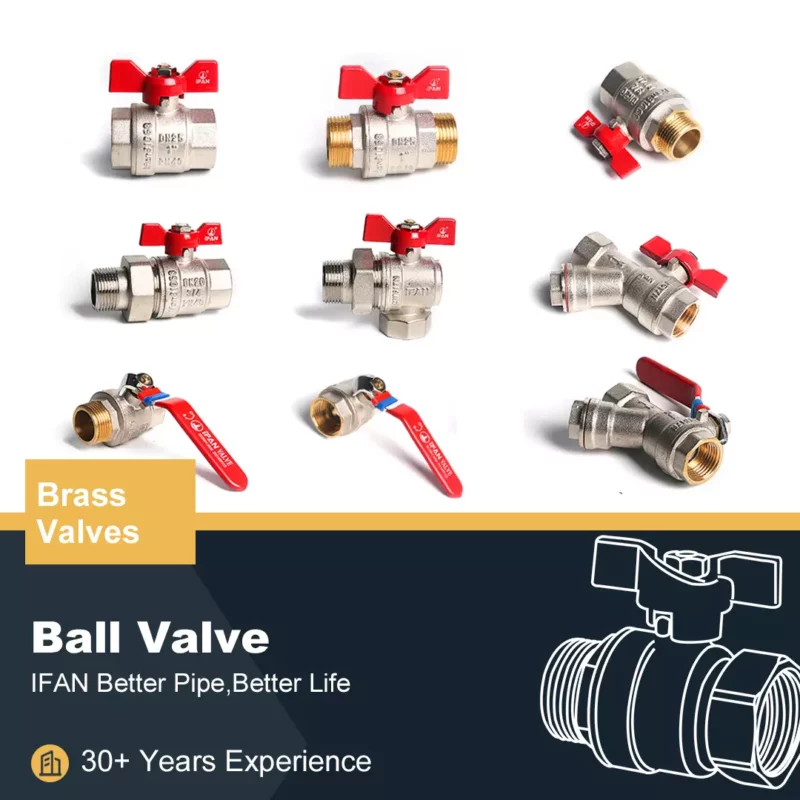
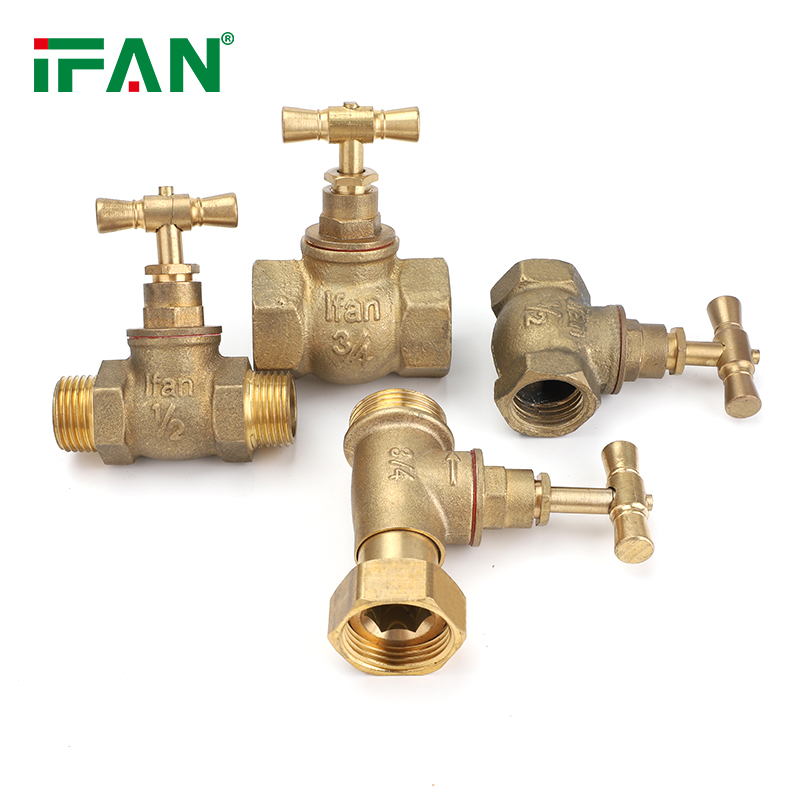
Chemical flow systems require reliable components that withstand harsh substances. These systems often handle corrosive liquids and gases. Any failure can lead to contamination, system breakdown, or safety hazards. One key component that ensures safety is the check valve. A check valve allows flow in one direction and blocks backflow. For chemical applications, material choice is critical. Brass check valves are commonly used due to their resistance to many chemicals. They offer a balance of durability, safety, and chemical compatibility, making them ideal for various industrial uses.
The Role of Check Valves in Chemical Systems
Check valves help protect chemical processing systems from backflow. Backflow can cause contamination or hazardous mixing of chemicals. It can damage pumps, tanks, or filters. By using check valves, systems maintain pressure integrity and safety. These valves operate automatically. When flow moves forward, the valve opens. When pressure reverses, the valve closes. No power or manual input is needed. This makes them highly dependable. In chemical environments, using a durable and resistant check valve is essential for uninterrupted and safe operation.
Why Brass is Suitable for Chemical Resistance
Brass is an alloy made of copper and zinc. It is widely known for its corrosion-resistant properties. In chemical systems, brass offers resistance to many non-acidic and mildly acidic substances. It performs well in applications with oils, solvents, fuels, and coolants. Brass does not rust like iron and is stronger than plastic in pressurized systems. It resists scaling and internal buildup, maintaining smooth operation. For systems that require a balance between chemical resistance and mechanical strength, brass is a reliable choice. Its cost-effectiveness adds to its popularity in industrial settings.
Compatible Chemicals with Brass Check Valves
Brass is compatible with a wide range of industrial chemicals. These include hydrocarbons like gasoline and diesel, as well as oils and lubricants. It works well with refrigerants, glycols, and low-concentration alkalis. Brass can also handle air, steam, and some organic solvents. However, it is not recommended for strong acids like hydrochloric or sulfuric acid. Nor should it be used with ammonia or high-salinity solutions. Understanding chemical compatibility is essential when selecting materials. Always consult chemical resistance charts before installing brass valves in your system.
Internal Components and Sealing Materials
A brass check valve’s chemical resistance also depends on its internal parts. Many models feature rubber or PTFE (Teflon) seals. PTFE is highly resistant to chemicals and heat. It supports the valve’s sealing performance in harsh environments. Some brass valves use stainless steel springs or balls for extra durability. These internal parts must also resist corrosion and chemical attack. When choosing a valve, consider not only the brass body but also the sealing and moving components. All parts must withstand the chemical media involved for the valve to operate effectively.
Applications in the Chemical Industry
Brass check valves are used in many areas of the chemical industry. They are found in dosing systems, mixing equipment, and chemical distribution lines. In cooling systems using glycol or refrigerants, brass valves ensure safe, one-way flow. In fuel and solvent handling, they prevent backflow and protect sensitive equipment. They are also used in compressed air systems and lubricant delivery networks. Because brass resists many chemical agents, it supports long-term use in a wide range of environments. Their reliability ensures consistent system performance in both large and small operations.
Benefits Over Other Materials
Compared to plastic valves, brass offers better strength and durability. Plastic may become brittle under stress or heat. Brass can withstand higher pressures and temperatures. Compared to iron or steel, brass resists rust and corrosion better. Stainless steel offers excellent resistance but is often more expensive. Brass offers a middle-ground solution—resistant, durable, and cost-effective. Its machinability allows for precise valve design and customization. For many chemical applications, brass provides a dependable and economical choice. It balances chemical compatibility with mechanical performance.
Installation Tips for Chemical Systems
Proper installation ensures brass check valves perform well in chemical systems. Always follow the flow direction indicated on the valve body. Use fittings made from compatible materials to avoid corrosion or leaks. Flush the system before installation to remove debris. This prevents clogging or damage to internal parts. Avoid over-tightening, as this can damage threads. For vertical lines, choose a spring-loaded valve to maintain proper sealing. After installation, pressure-test the system to confirm leak-free performance. Proper installation extends valve life and enhances safety in chemical environments.
Maintenance for Long-Term Reliability
Although brass check valves are low-maintenance, regular checks improve performance. Inspect the valve periodically for leaks or signs of corrosion. Remove any buildup of chemicals or sediment inside the valve. Clean with appropriate, non-damaging solutions. Replace worn seals or springs to maintain tight sealing. In highly reactive environments, shorten the maintenance cycle. Keeping the valve clean and functional reduces the risk of failure. Scheduled inspections are essential, especially in high-risk chemical applications. Proper care ensures long service life and consistent performance under tough conditions.
Choosing the Right Brass Check Valve
Selecting the correct brass check valve starts with understanding the chemical media. Verify that brass is compatible with the fluid in your system. Check temperature and pressure ratings to ensure the valve can handle operating conditions. Choose between swing, spring-loaded, ball, or lift types based on flow direction and space. Confirm the internal seal materials are suitable for the chemical environment. Buy valves from trusted manufacturers with chemical-resistant certifications. Quality components ensure safety, efficiency, and compliance in critical systems. A well-matched valve protects both equipment and operators.
Conclusion
Brass check valves are a smart choice for chemical-resistant applications. They offer dependable one-way flow control in systems handling various industrial fluids. With excellent resistance to corrosion, pressure, and heat, brass valves deliver reliable performance. They are suitable for use with oils, fuels, solvents, and other compatible chemicals. Their durable construction and low maintenance needs make them ideal for long-term use. While not suited for every chemical, brass check valves serve a wide range of safe, effective applications. When chosen and maintained correctly, they provide lasting protection and operational efficiency in chemical systems.
If you have read this article and have any questions, please feel free to contact IFAN. Below is our contact information:
Whatsapp:+86 13373827623
Email:[email protected]