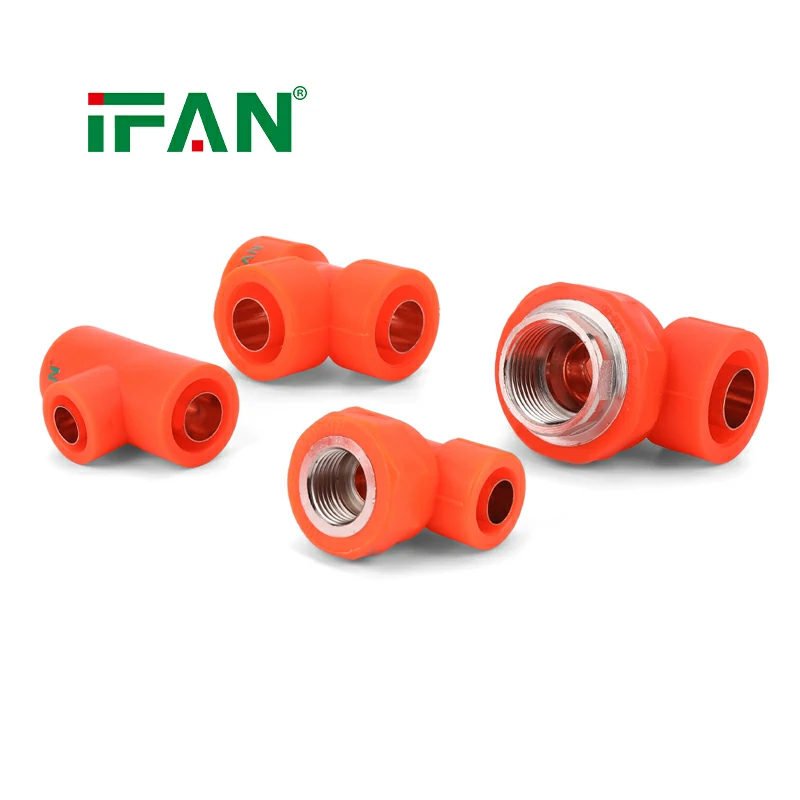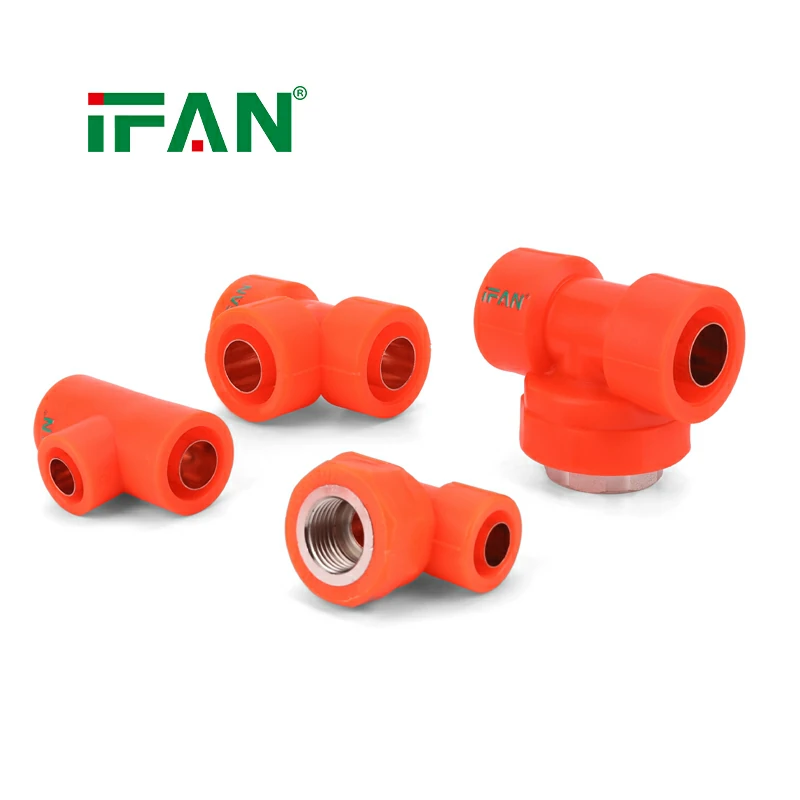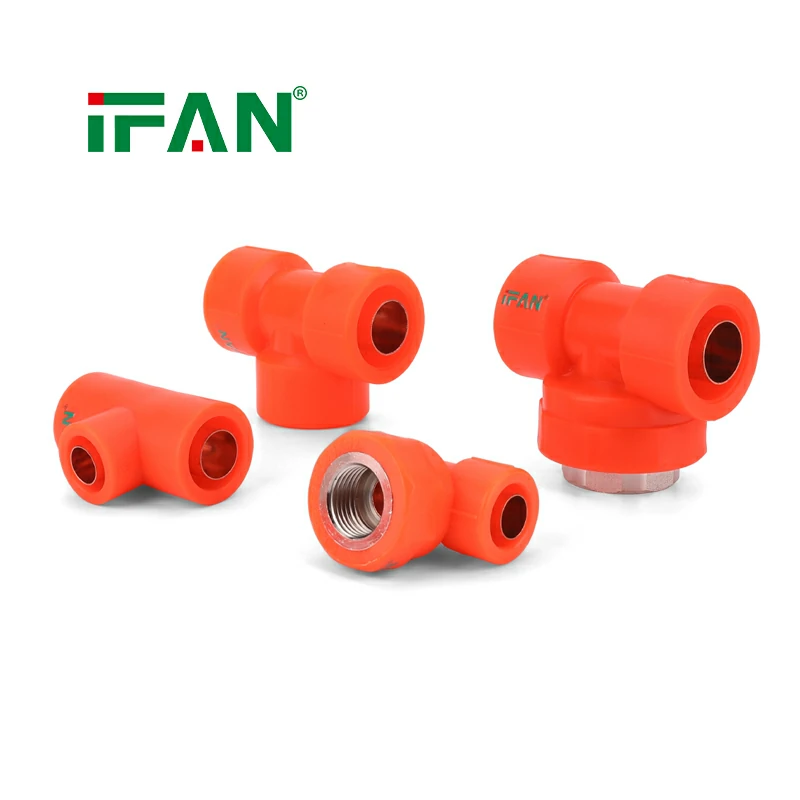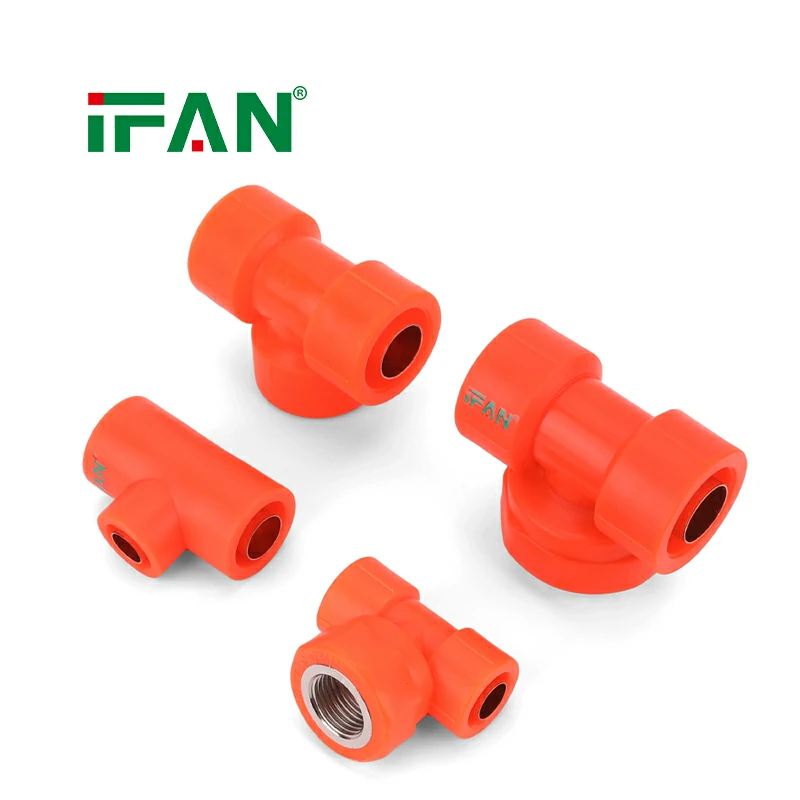
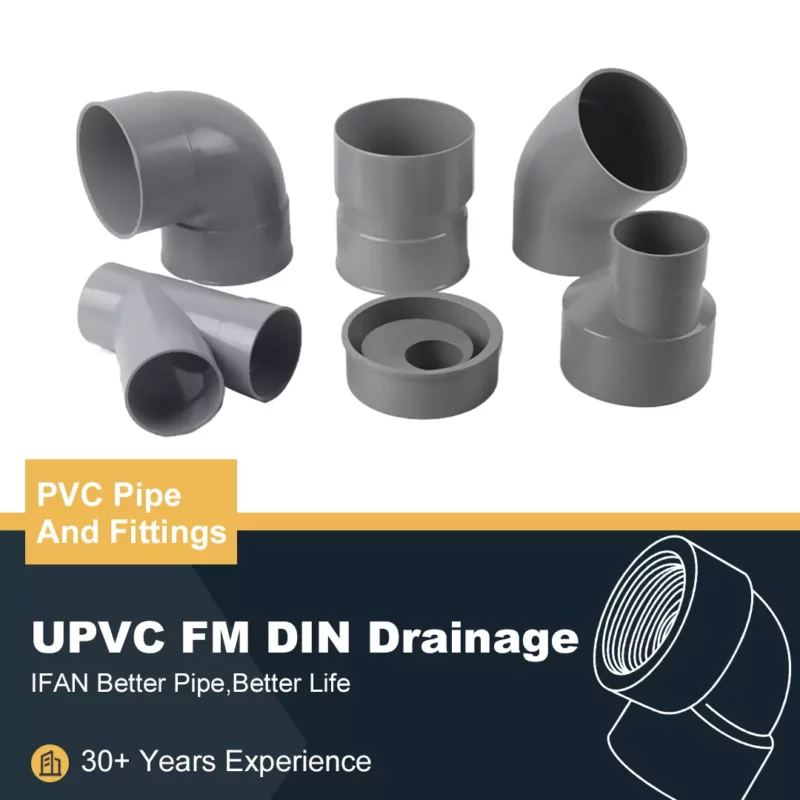
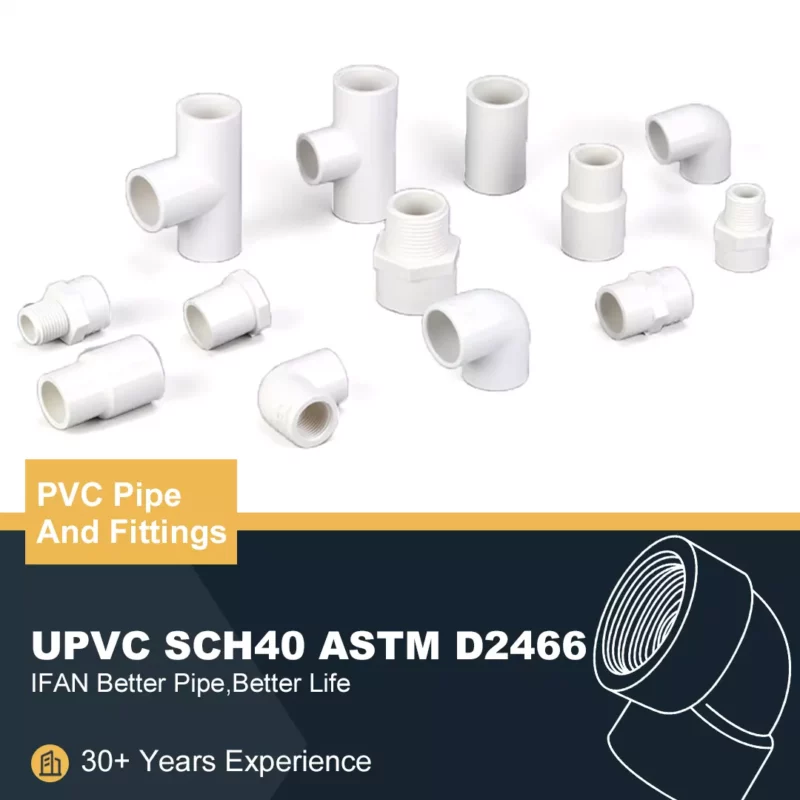
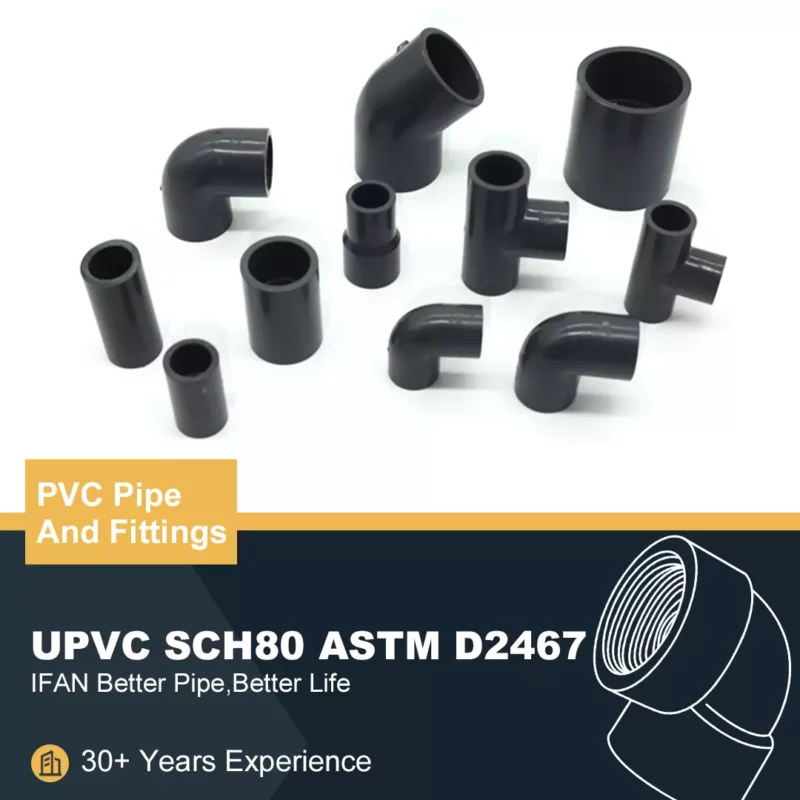
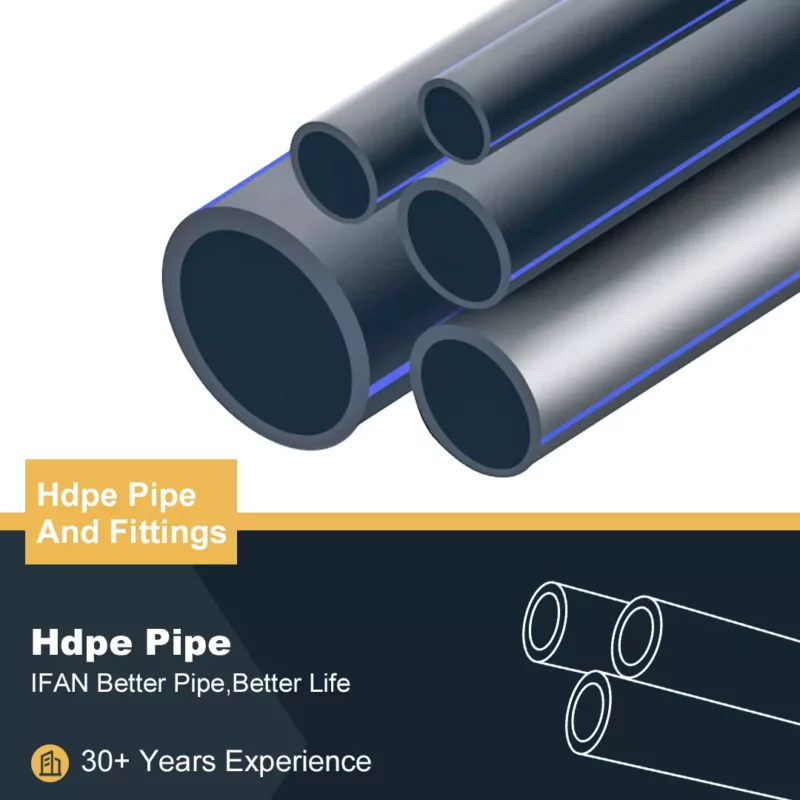
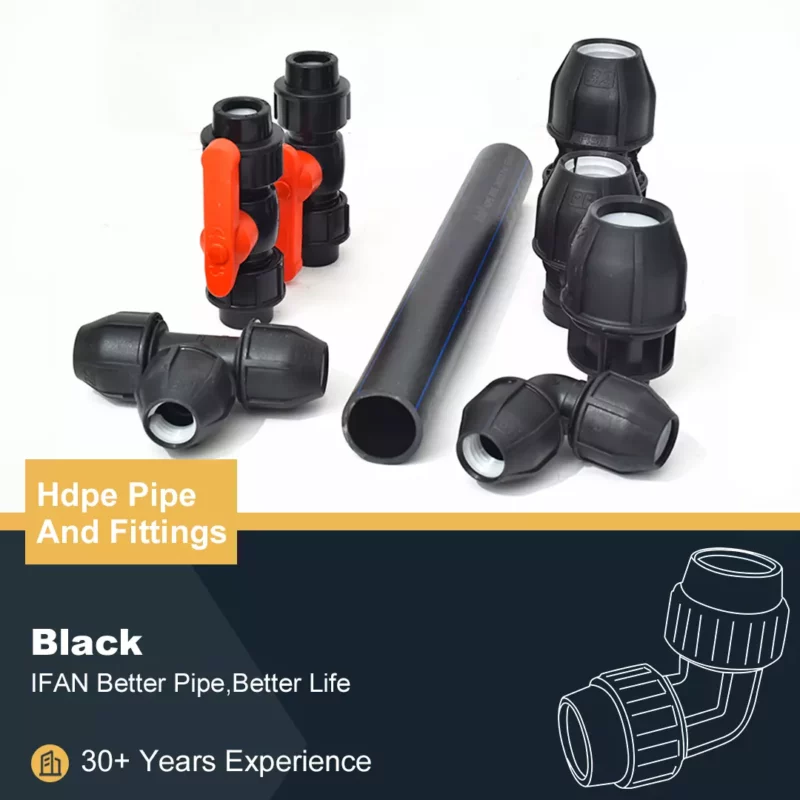
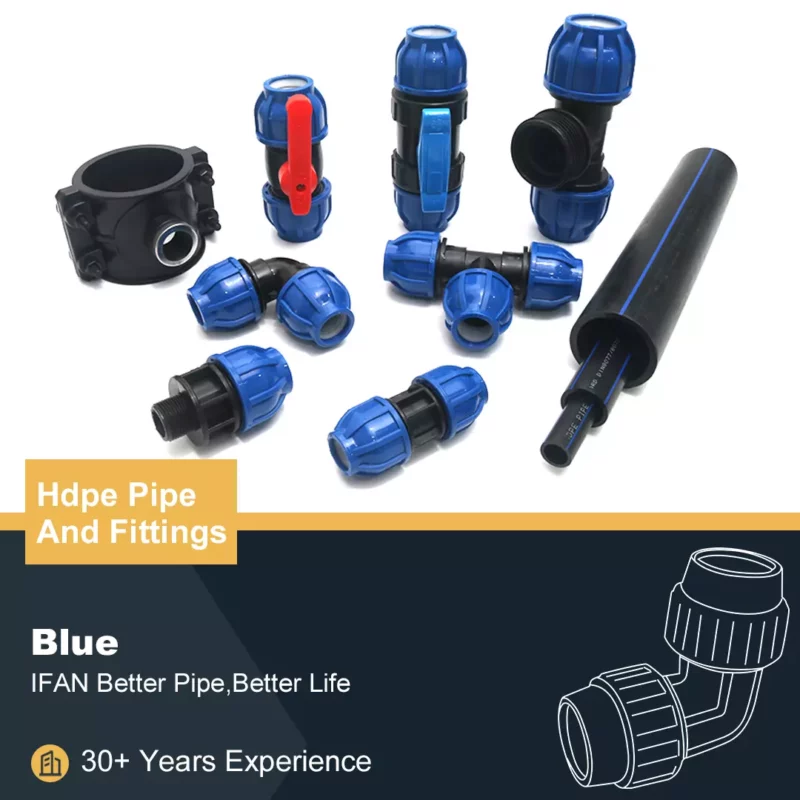
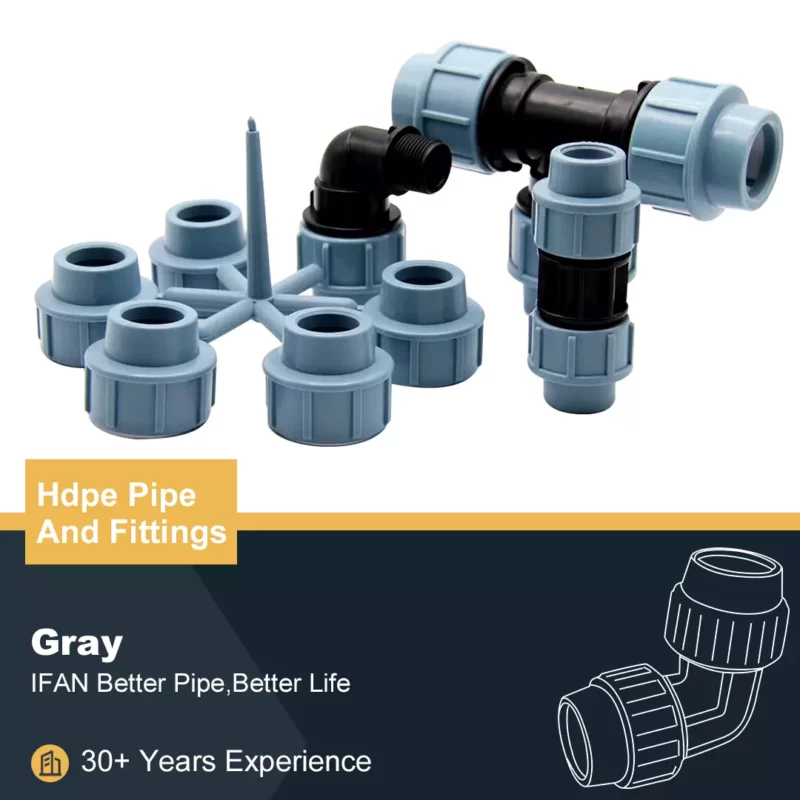


Introduction to UPVC Drainage Fittings
UPVC drainage fittings are widely used in modern plumbing systems for their reliability and performance. UPVC, or unplasticized polyvinyl chloride, is a rigid plastic known for its strength and resistance to damage. These fittings are essential in waste and water flow management. One of the key applications for UPVC drainage fittings is in underground systems. Whether for residential, commercial, or industrial use, underground drainage must be strong, leak-proof, and long-lasting. UPVC drainage fittings meet all of these demands. They are engineered to perform well below ground where pressure, moisture, and shifting soil can pose challenges.
High Structural Strength for Buried Use
Underground systems require durable materials that can withstand heavy loads from soil and surface traffic. UPVC drainage fittings are designed with excellent structural strength. They maintain shape and performance even when buried under driveways, roads, or landscapes. These fittings resist crushing forces and do not deform easily under external weight. When properly installed with bedding support, UPVC fittings can last for decades underground. Their rigidity also helps maintain alignment, reducing the risk of system failure. This strength makes them ideal for both shallow and deep installations in varied ground conditions.
Corrosion-Free in Wet Environments
Moisture and soil chemicals can damage certain materials over time. Metal pipes often rust or corrode underground, leading to leaks or collapse. UPVC drainage fittings are corrosion-resistant and non-metallic. They do not rust, react with minerals, or absorb moisture. Their chemical structure remains stable even in constantly damp environments. This makes UPVC ideal for areas with high groundwater or poor soil drainage. No additional coatings or protection are needed, which lowers installation and long-term maintenance costs. By resisting underground corrosion, UPVC fittings ensure the reliability of buried drainage networks.
Chemical Resistance in Contaminated Soil
Underground applications often face chemical exposure from industrial waste, fertilizers, or contaminated soil. These substances can break down weaker materials over time. UPVC drainage fittings offer outstanding chemical resistance. They are unaffected by acids, alkalis, salts, and other common soil contaminants. This chemical stability makes them suitable for industrial zones, agricultural settings, or urban developments. Unlike some other plastics, UPVC will not degrade or leak when exposed to harmful substances. This protects both the pipe system and the surrounding environment. It also ensures system durability in harsh underground conditions.
Lightweight for Easier Underground Installation
Underground installations require materials that are easy to transport and position in trenches or confined spaces. UPVC drainage fittings are lightweight, making them easier to handle than traditional metal or concrete options. One or two workers can move and install the fittings without heavy machinery. This reduces labor time, lowers equipment needs, and speeds up installation. In tight spaces or deep trenches, the light weight also enhances safety. Crews can install fittings more quickly and accurately, minimizing delays and ensuring proper connections. The light weight of UPVC also makes repairs easier when access is limited.
Leak-Proof Jointing Options
Preventing leaks is essential in underground drainage systems. UPVC drainage fittings offer tight, leak-proof joints through solvent welding or rubber-seal push-fit systems. Solvent welding chemically bonds the pipe and fitting into a single, sealed unit. Push-fit options use a rubber gasket to create a watertight seal without adhesives. Both methods ensure reliable connections even under ground pressure or soil movement. These systems are quick to install and easy to test. Once joined, they resist disconnection and leakage for many years. This leak-free performance reduces the need for inspections and costly underground repairs.
Temperature and Pressure Stability
Underground conditions can vary in temperature and pressure. Pipes may experience cold winters or heavy water flow during storms. UPVC drainage fittings remain stable under these changing conditions. They do not crack in freezing temperatures or soften in mild heat. Their internal pressure resistance supports high-volume drainage, especially in stormwater or industrial applications. Unlike some plastics, UPVC does not shrink or swell with moisture. This ensures the system remains sealed and aligned over time. Its ability to perform across a wide range of underground conditions makes UPVC a reliable material choice.
Long Lifespan Underground
Drainage systems are costly and disruptive to replace, especially when buried underground. Longevity is a top priority for underground fittings. UPVC drainage fittings have a service life of over 30 years when installed correctly. Their resistance to physical, chemical, and environmental stress contributes to this durability. They do not require protective linings or regular treatments. Once buried, the system can operate for decades with minimal maintenance. This long lifespan reduces life-cycle costs and supports sustainable infrastructure development. Property owners and municipalities benefit from fewer disruptions and lower long-term investment in drainage upgrades.
Compatibility With Other Systems
Many underground systems require integration with different pipe materials or older infrastructure. UPVC drainage fittings are available in standard sizes and shapes, making them easy to connect to various systems. Adapters and transition fittings allow for connections between UPVC and metal, clay, or concrete pipes. This flexibility helps engineers design systems that work with both new and existing components. It also simplifies retrofits, extensions, or phased installations. The ability to integrate with other materials while maintaining full underground performance adds value to UPVC drainage fittings in complex projects.
Low Maintenance After Installation
Once installed, UPVC drainage fittings require very little attention. They do not need regular cleaning, painting, or treatment. Their smooth interior surface reduces the chance of clogs or sediment buildup. If cleaning is required, maintenance crews can access fittings easily due to their standardized design. Their leak-proof performance reduces the frequency of inspections and emergency repairs. Compared to materials that corrode, clog, or collapse, UPVC systems are much easier to maintain. This makes them ideal for installations in areas that are difficult to access or require long-term reliability.
Conclusion: Reliable Choice for Underground Systems
UPVC drainage fittings are specifically designed to meet the demands of underground applications. Their strength, chemical resistance, and corrosion-proof performance make them ideal for buried systems. These fittings support long-term drainage reliability while reducing installation complexity and maintenance needs. Their light weight, flexible connections, and durable structure ensure success in varied underground environments. Whether for homes, factories, or public infrastructure, UPVC drainage fittings deliver cost-effective, dependable results. For engineers, contractors, and property owners seeking long-lasting underground solutions, UPVC remains a smart, trusted material choice.
If you have read this article and have any questions, please feel free to contact IFAN. Below is our contact information:
Whatsapp:+86 13373827623
Email:[email protected]