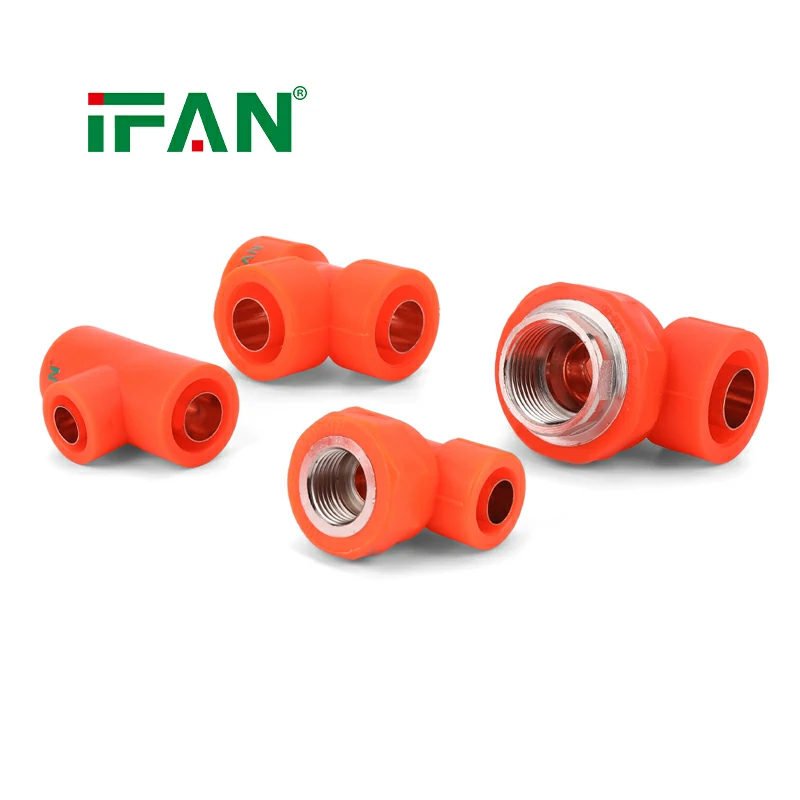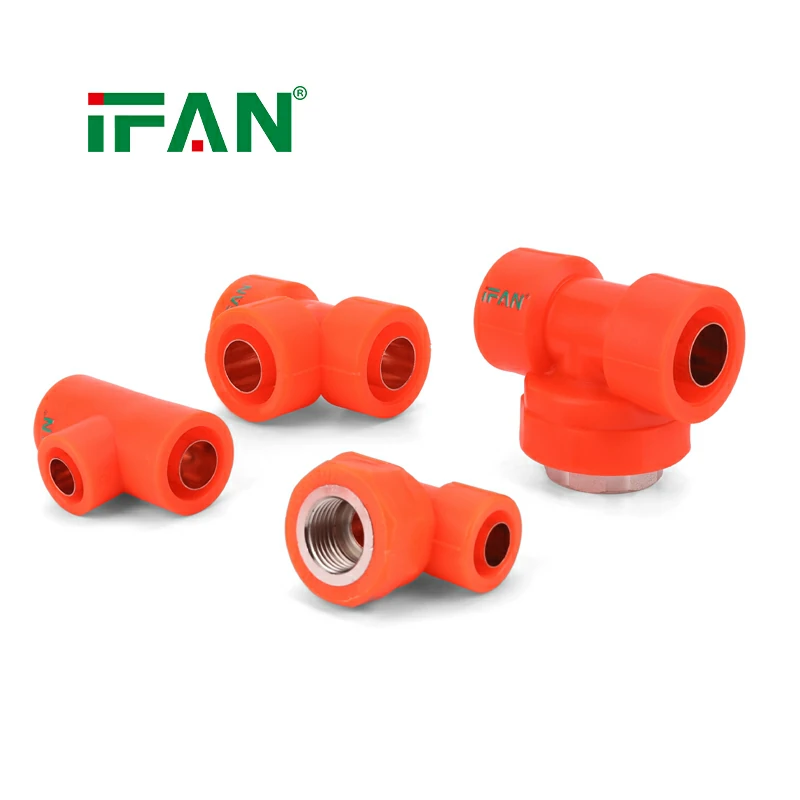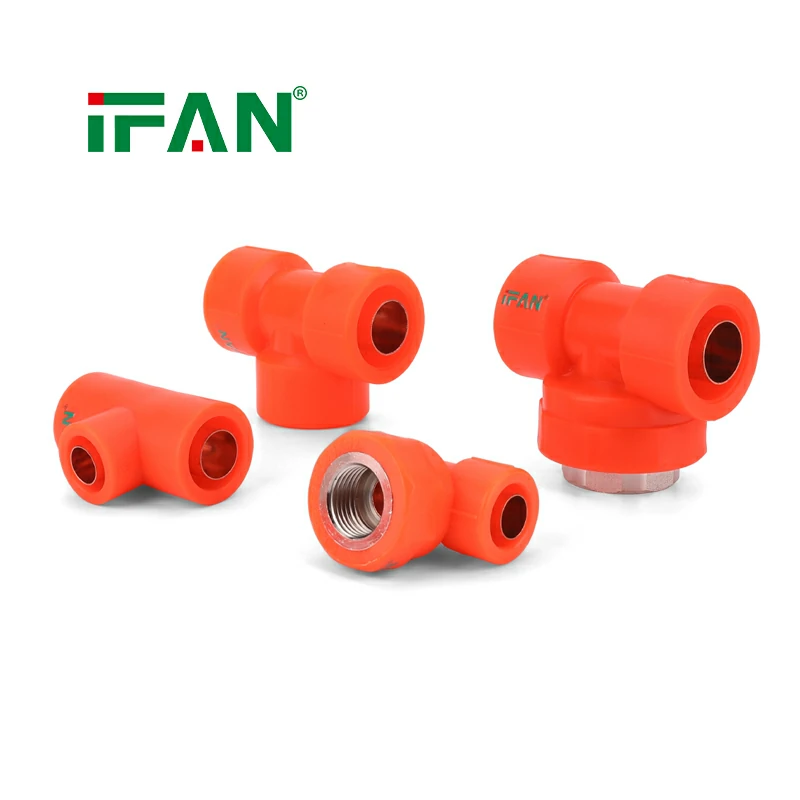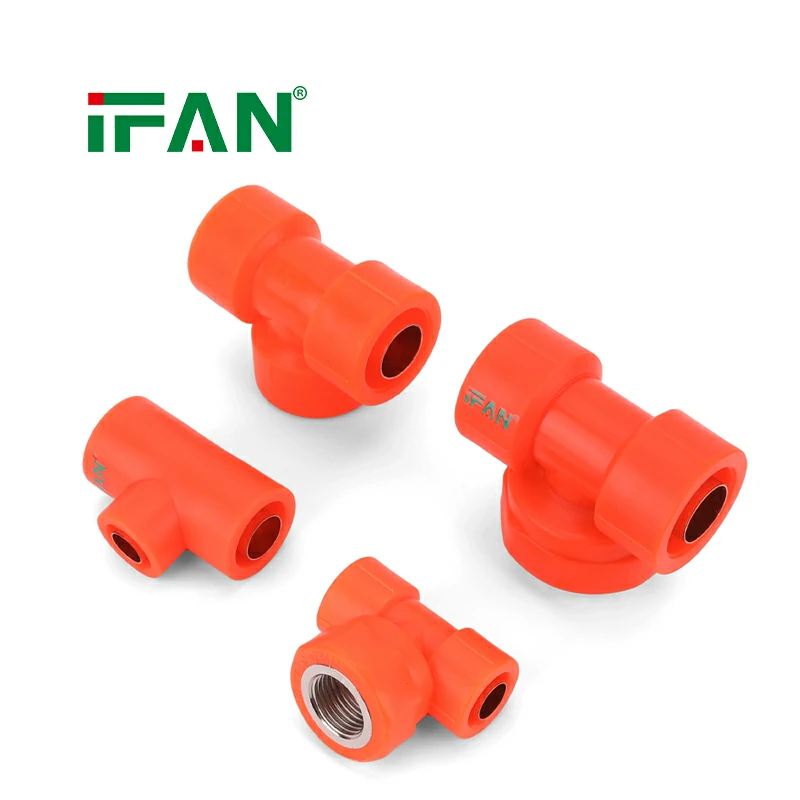
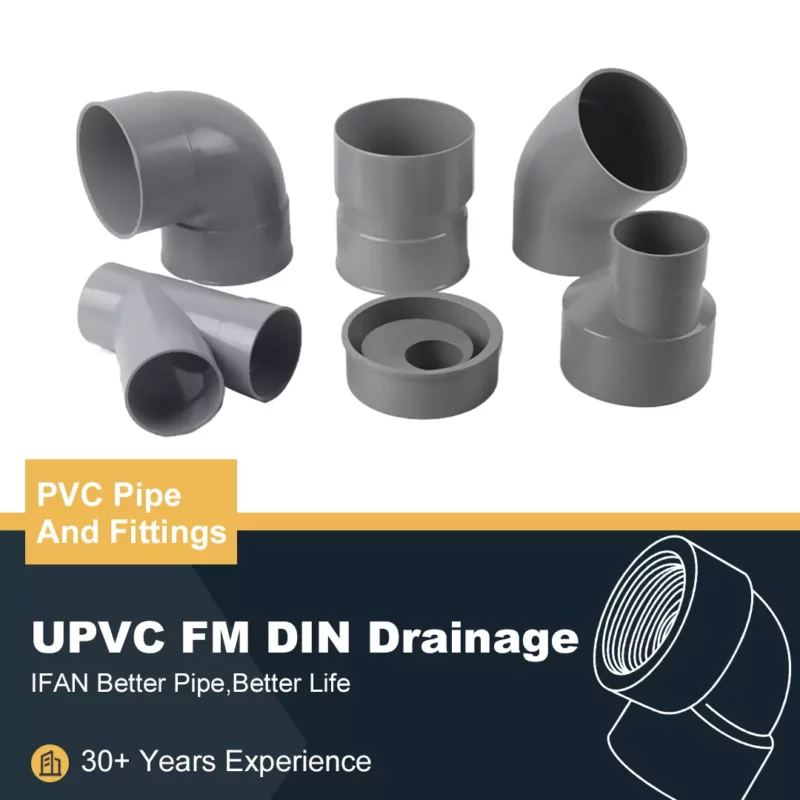
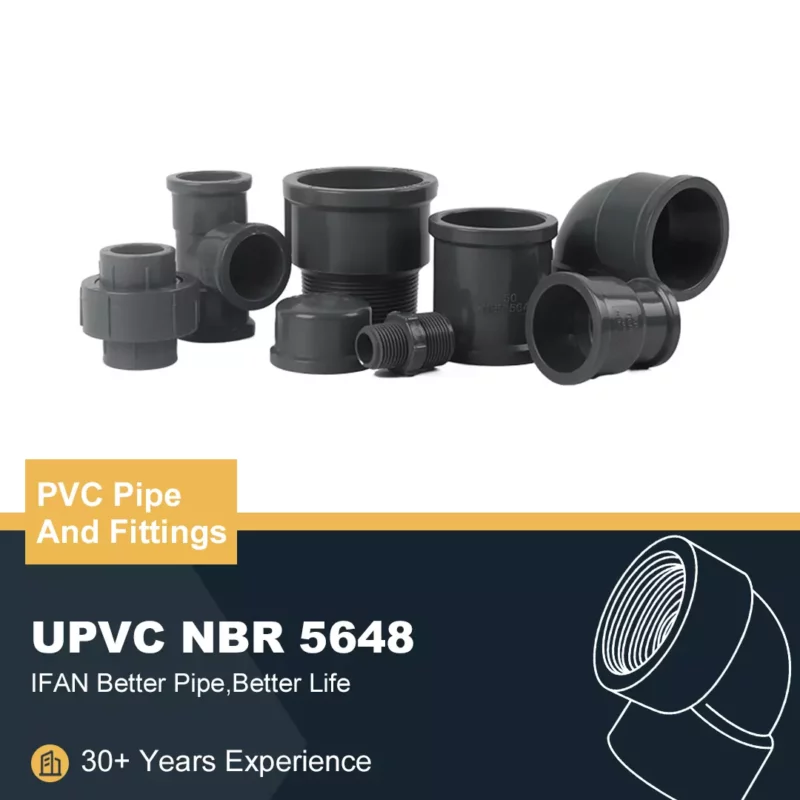
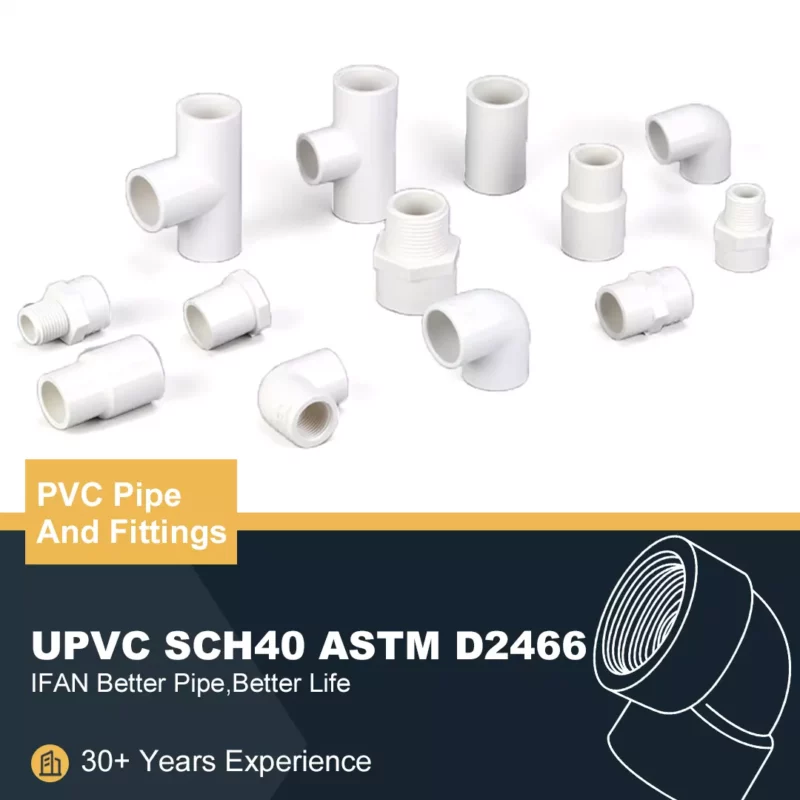
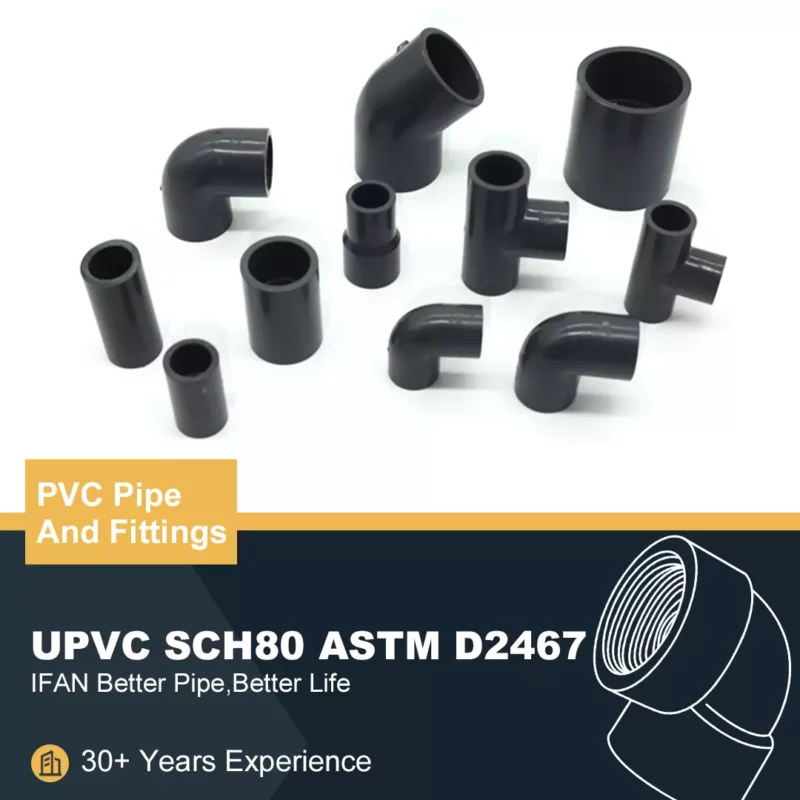


Introduction to UPVC Drainage Fittings
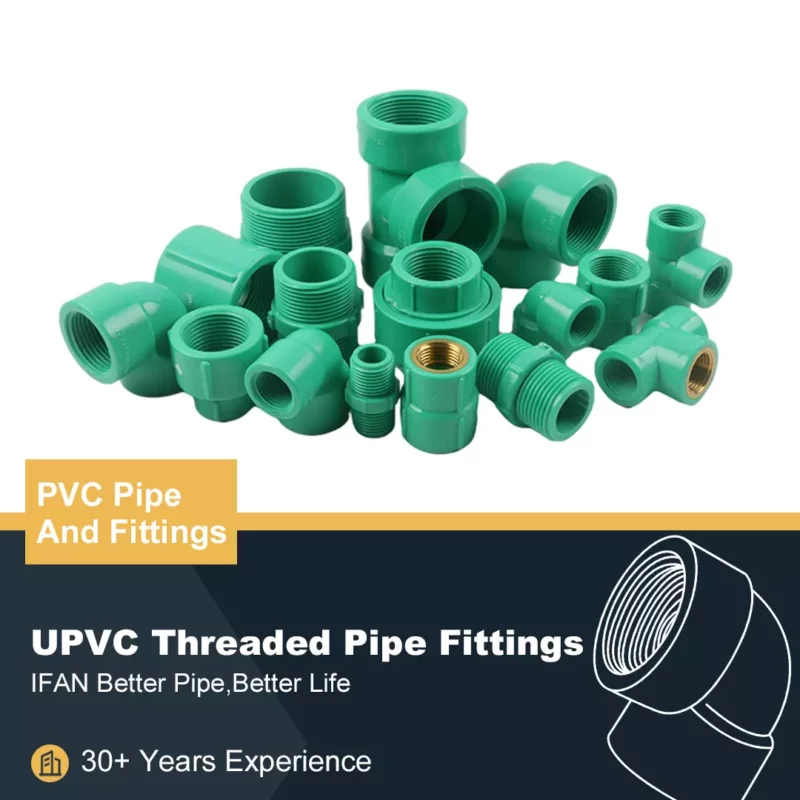
UPVC drainage fittings are widely used in plumbing and wastewater systems for residential, commercial, and industrial applications. “UPVC” stands for unplasticized polyvinyl chloride, a rigid plastic known for its strength and durability. These fittings play a critical role in managing the flow of wastewater. Unlike traditional materials such as metal, UPVC offers several maintenance advantages. Its resistance to wear, corrosion, and buildup significantly lowers the need for repairs and replacements. This article will explore how UPVC drainage fittings reduce maintenance requirements while offering long-lasting, reliable performance.
Corrosion Resistance Prevents Early Damage
One of the key benefits of UPVC drainage fittings is their resistance to corrosion. Metal pipes and fittings often corrode over time due to moisture and chemical exposure. This leads to leaks, blockages, and structural damage that require frequent maintenance. In contrast, UPVC is non-metallic and non-reactive. It does not rust or degrade when exposed to water or waste chemicals. This makes UPVC ideal for long-term use in both indoor and outdoor drainage systems. The corrosion-free nature of UPVC greatly reduces the need for cleaning, patching, or replacing damaged components.
Smooth Interior Minimizes Blockages
Drainage fittings must allow water and waste to flow smoothly through the system. Rough or uneven surfaces can trap debris, grease, and sediment. This leads to clogs that require costly cleaning or replacement. UPVC drainage fittings are manufactured with smooth, non-porous interiors. These surfaces discourage the buildup of waste materials. Wastewater flows more efficiently, reducing the chances of blockage. The smoother flow also lowers stress on the system, extending the life of connected components. With fewer clogs and slower buildup, maintenance tasks become far less frequent.
Resistance to Chemical Attack
Drainage systems often carry harsh chemicals, especially in industrial and commercial settings. Cleaners, solvents, and waste products can damage conventional materials. Chemical attacks cause swelling, softening, and structural failure in unprotected fittings. UPVC drainage fittings resist a wide range of chemicals, including acids, alkalis, and oils. Their chemical stability prevents damage, even in aggressive environments. This resistance eliminates the need for chemical-resistant coatings or protective layers. Maintenance crews can rely on UPVC to maintain its shape and function without frequent inspection or chemical-specific adjustments.
No Rust or Metal Contamination
Metal fittings often rust over time and contaminate water systems. Rust not only weakens the pipe but also requires regular treatment. Removing rust buildup is labor-intensive and costly. UPVC drainage fittings completely avoid this issue. They are 100% rust-proof and do not release particles into the drainage system. This improves water hygiene and protects connected fixtures and appliances. Because no corrosion or flaking occurs, fittings stay in better condition for longer. This means fewer interventions by maintenance teams and reduced risk of system failure.
Durable in Varying Environmental Conditions
Drainage systems are exposed to a variety of environmental conditions, from extreme heat to freezing temperatures. Fluctuations in temperature and humidity can damage certain materials. Cracks, shrinkage, or expansion may occur, leading to leaks or joint failures. UPVC drainage fittings are engineered to handle environmental stress. They resist deformation caused by temperature changes and maintain their structural integrity over time. This durability reduces the risk of emergency repairs caused by weather-related wear. Seasonal changes have little impact on UPVC systems, making them more dependable and less maintenance-intensive.
Lower Installation and Repair Costs
UPVC drainage fittings are lightweight and easy to install. This reduces the initial labor and equipment required for setup. In case of repairs or modifications, the same ease applies. Workers can cut, align, and replace fittings without specialized tools or welding. Because the parts are affordable and widely available, maintenance is faster and cheaper. Repairs often involve simple component swaps instead of full system overhauls. This saves time, reduces costs, and limits system downtime. Long-term maintenance planning becomes easier and more predictable with UPVC installations.
Minimal Biological Growth
In some drainage systems, biological growth can become a problem. Algae, mold, or bacteria can form on moist surfaces inside pipes and fittings. This results in unpleasant odors, slow drainage, and health risks. It also adds cleaning tasks to the maintenance schedule. UPVC drainage fittings are naturally resistant to microbial growth. Their smooth, non-absorbent surfaces make it difficult for organisms to attach or grow. The fittings remain clean and odor-free, even in long-term use. This antimicrobial quality reduces the need for regular disinfecting or pipe flushing.
Long Lifespan with Fewer Replacements
UPVC drainage fittings are designed to last for decades. Their strong composition resists wear from physical stress, chemical exposure, and water flow. With such durability, replacement needs are rare. Most systems using UPVC require little attention for 20 to 30 years or more. This long lifespan reduces the frequency and cost of part replacements. Facility managers and homeowners alike benefit from lower long-term maintenance budgets. Unlike metal or rubber components, UPVC does not deteriorate with time. That makes it ideal for permanent installations and hard-to-access systems.
Easy Inspection and Monitoring
Even though UPVC requires less maintenance, it also simplifies routine inspection. The material is easy to clean and visually assess. Any damage, discoloration, or leak can be quickly identified. Because the fittings do not rust or flake, their condition stays clear and stable. Technicians can check UPVC systems during scheduled maintenance without extra effort. This supports efficient service routines and improves reliability. Quick identification of minor issues prevents them from becoming larger problems. In this way, UPVC helps both reduce and improve the quality of maintenance.
Conclusion: A Smart Choice for Low-Maintenance Systems
UPVC drainage fittings are an excellent solution for systems requiring long-lasting, low-maintenance performance. Their resistance to corrosion, chemical exposure, and biological growth significantly reduces the need for upkeep. With a smooth internal surface, durable structure, and easy installation, UPVC supports efficient, trouble-free operation. Users benefit from fewer clogs, lower repair costs, and extended system life. Whether for homes, commercial buildings, or industrial facilities, UPVC drainage fittings minimize maintenance demands while ensuring reliable drainage. For any project focused on cost-efficiency and long-term performance, UPVC is the smart, practical choice.
If you have read this article and have any questions, please feel free to contact IFAN. Below is our contact information:
Whatsapp:+86 13373827623
Email:[email protected]