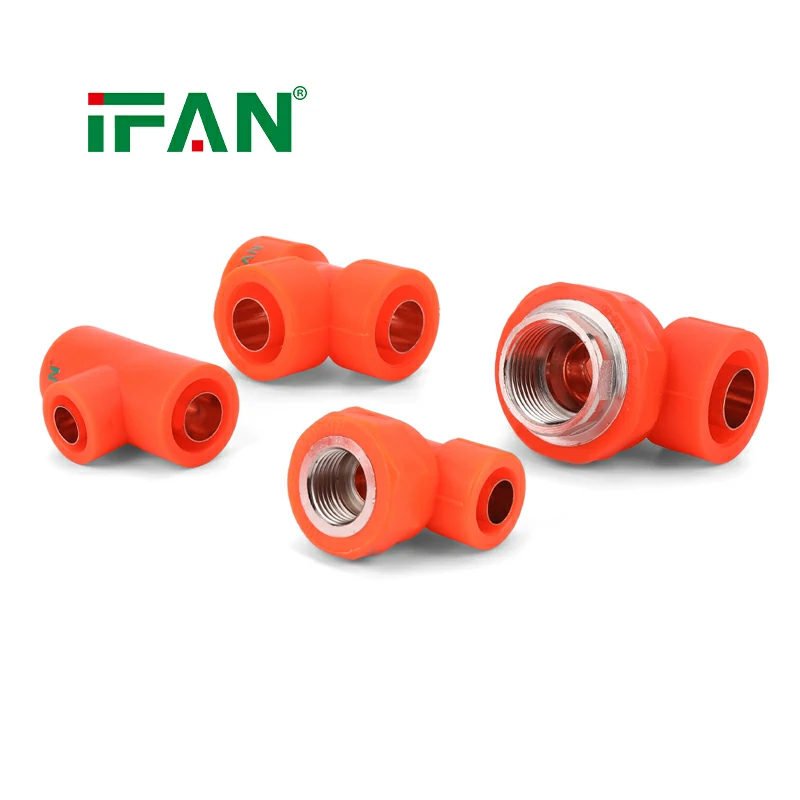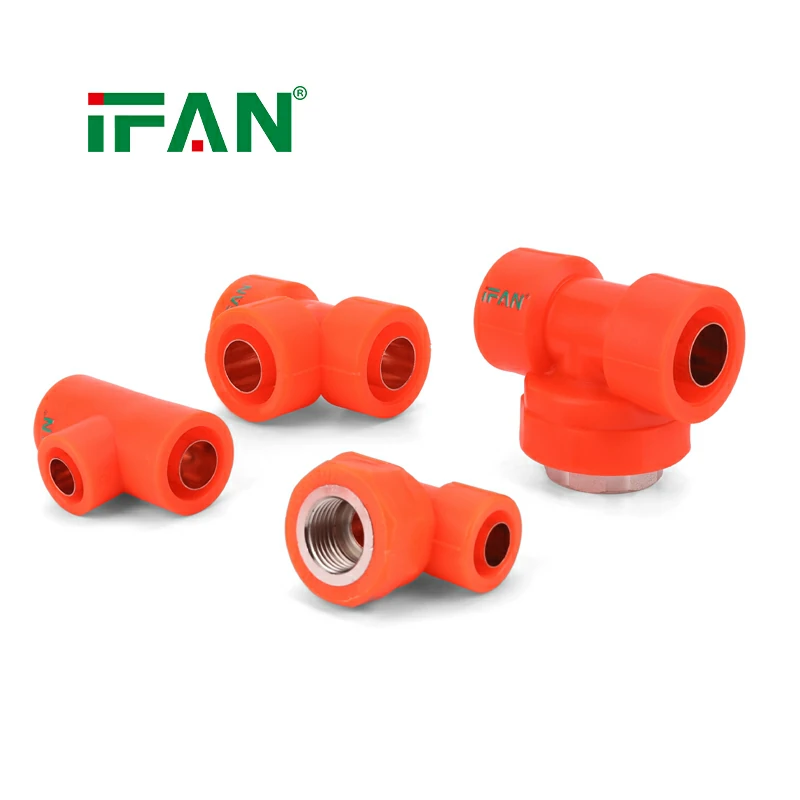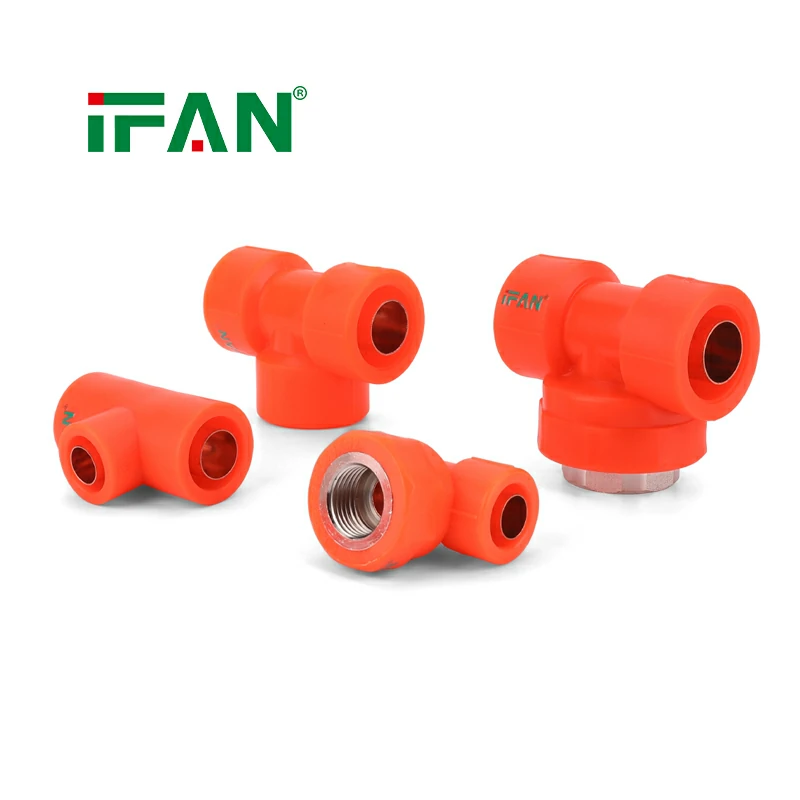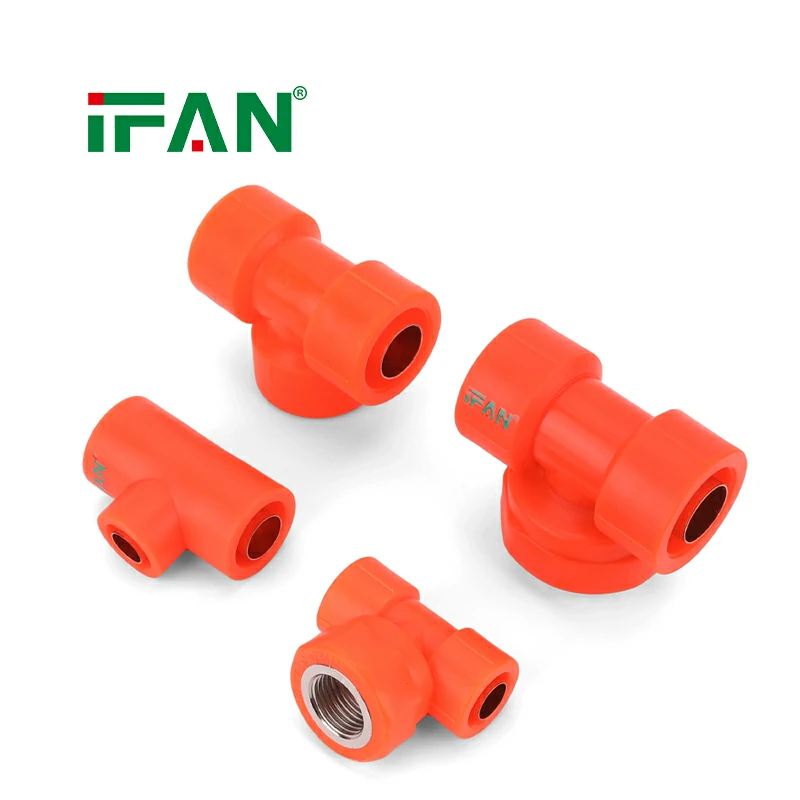

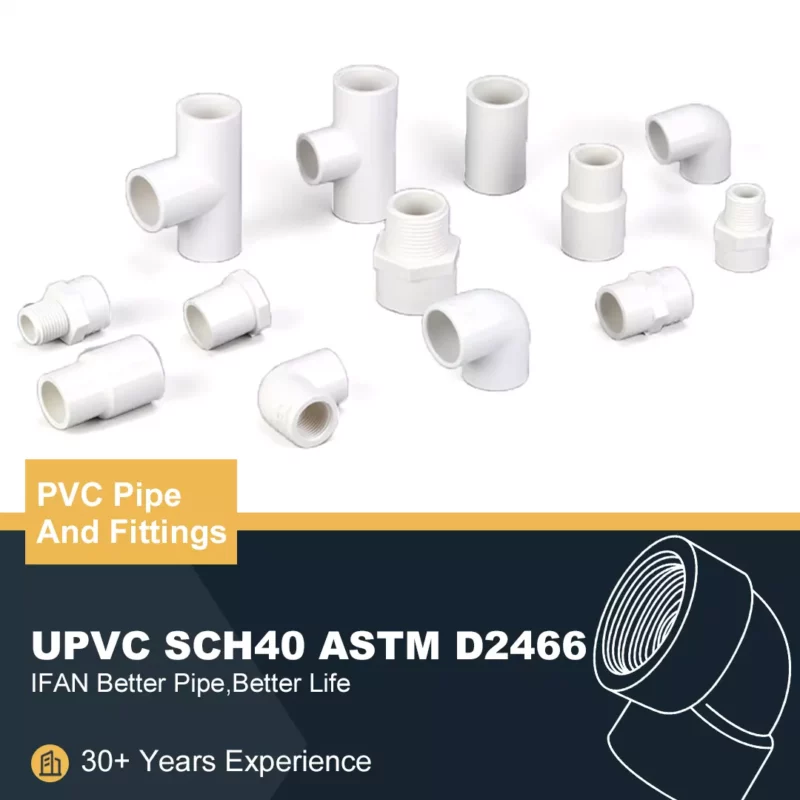
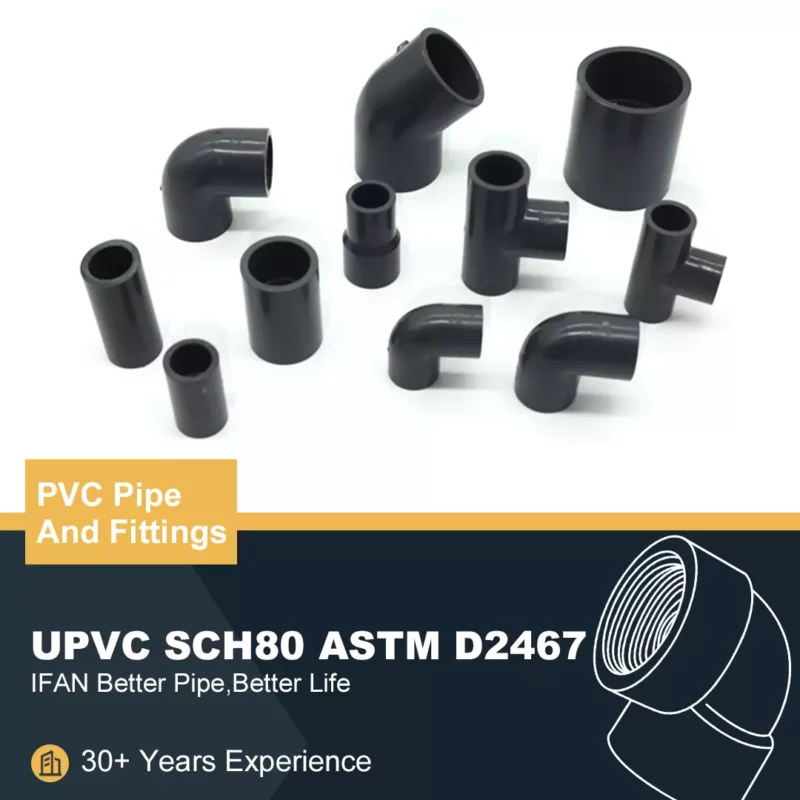
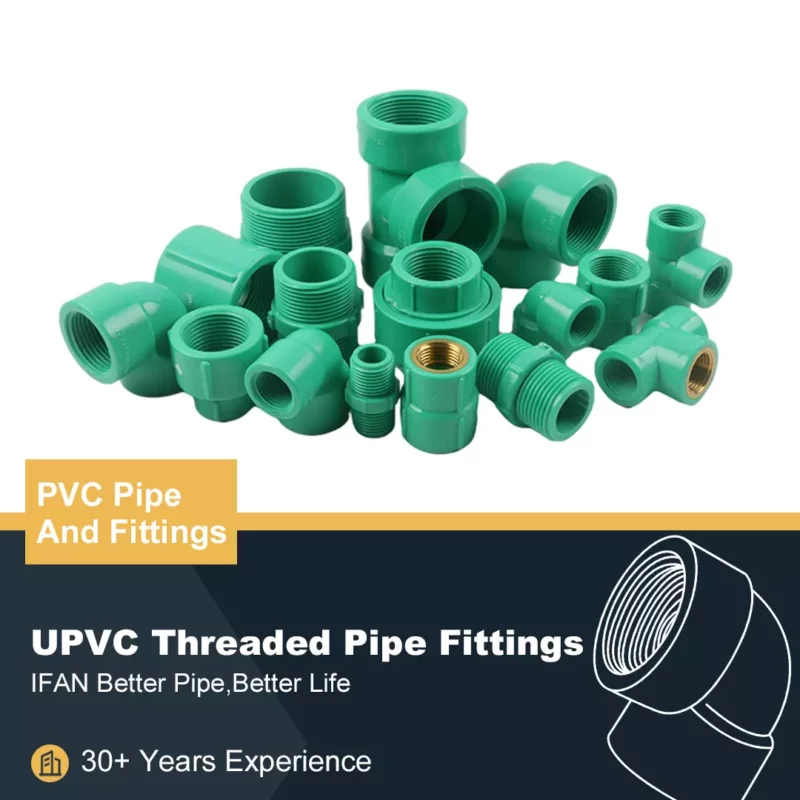
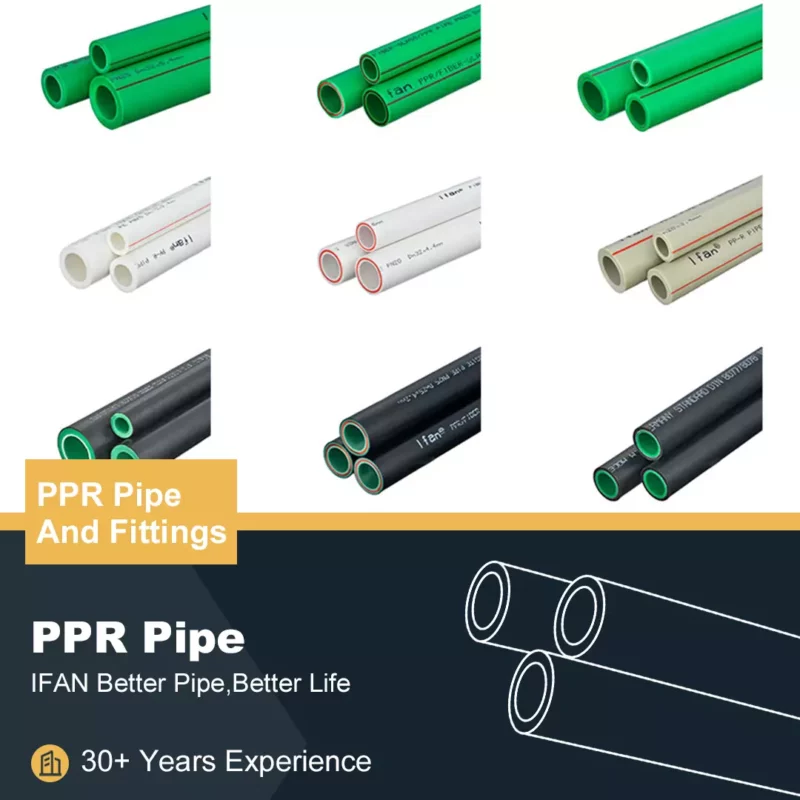
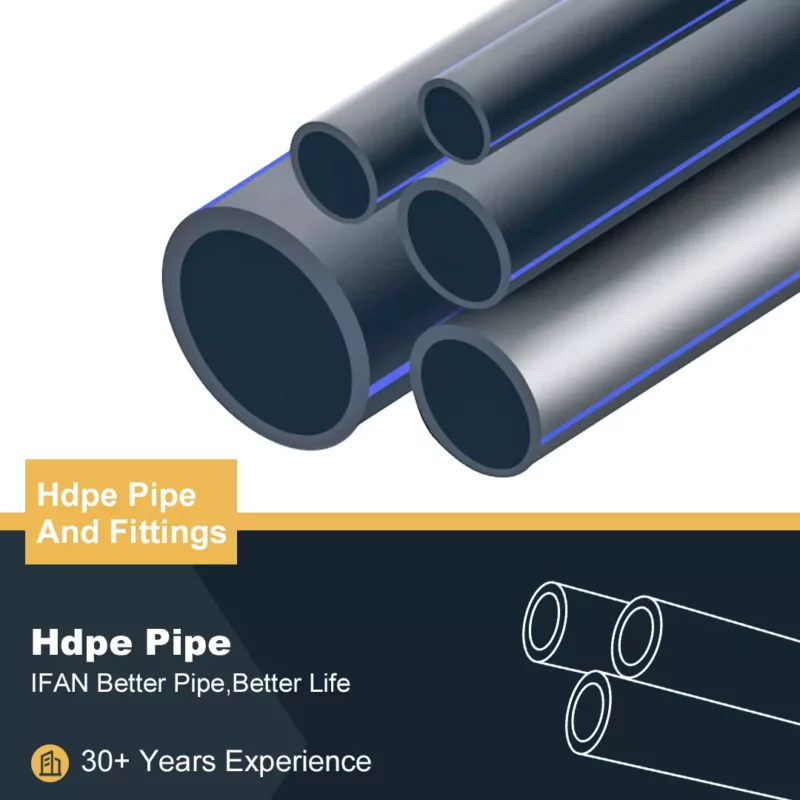
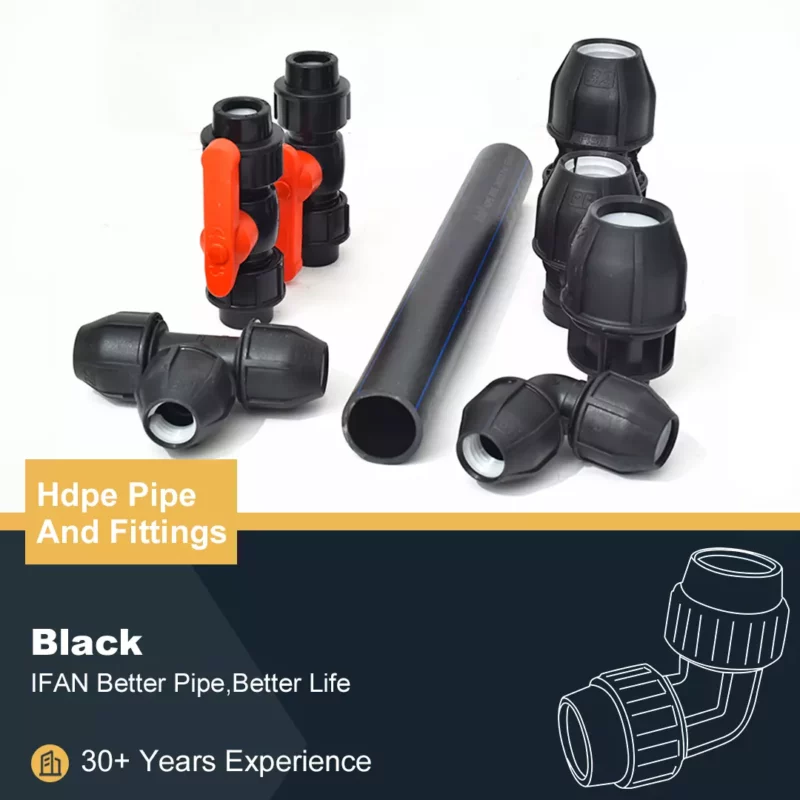
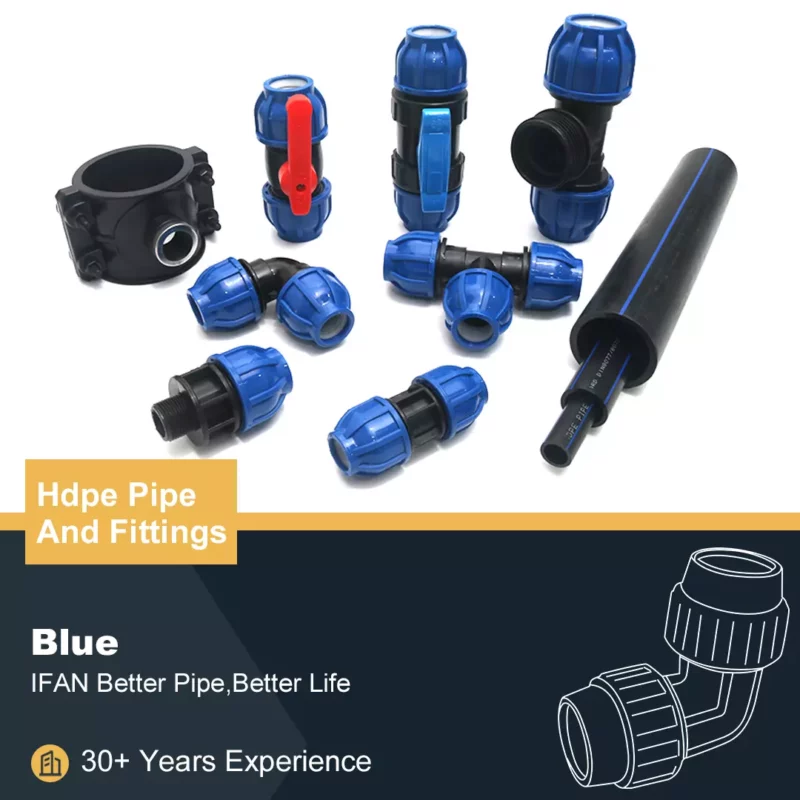
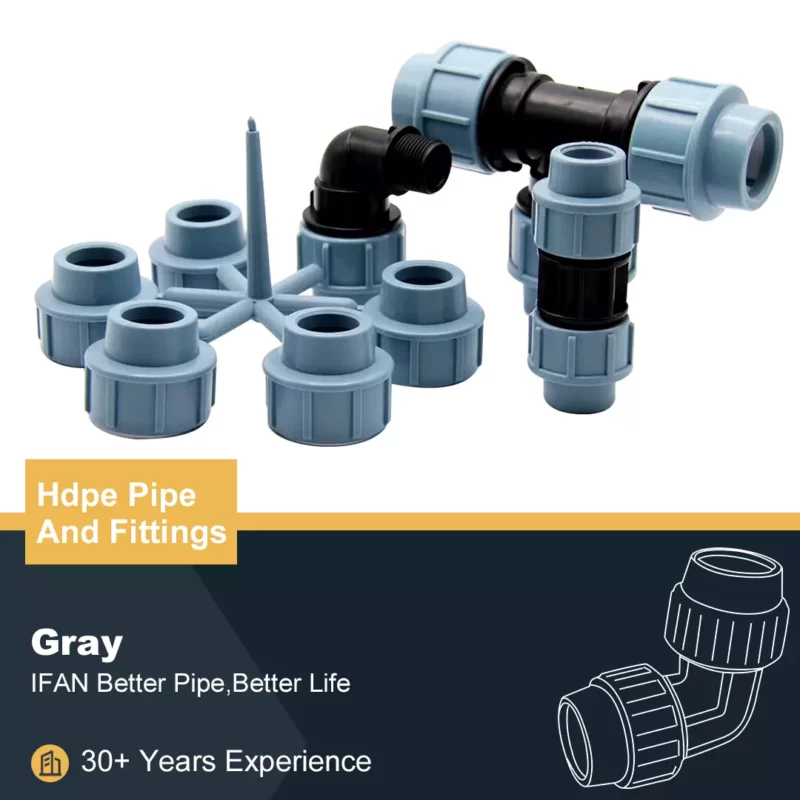



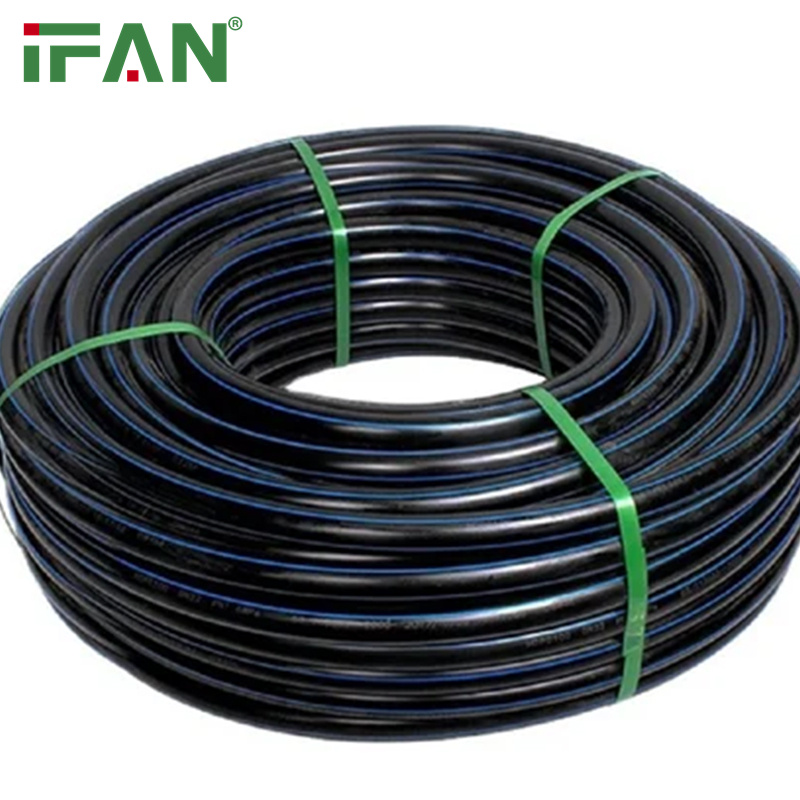
HDPE pipe carry water in residential, municipal, and commercial systems efficiently. Their flexibility allows simple underground installation.Manufacturers supply HDPE pipes in rolls or straight lengths for easy transport and deployment on-site.
Municipal Water Distribution Use
Water departments install HDPE pipes to supply drinking water through large and small distribution networks.Workers select pipe diameters based on flow requirements and local pressure conditions.
Connection and Sealing Method
Installers weld HDPE pipes using heat fusion techniques for tight, long-lasting joints. Technicians clean pipe ends thoroughly before heating and joining to avoid contamination or joint failure.
Hydraulic Performance in Water Lines
Engineers prefer HDPE pipes for their low friction coefficients, which reduce energy loss during fluid movement. Planners design pipeline gradients and velocity according to local hydraulic conditions.
UV Exposure and Surface Protection
Workers avoid long-term sunlight exposure by covering pipes with fabric or burying them underground. UV radiation may weaken pipe walls, so teams follow shade guidelines during storage.
Freezing and Expansion Management
Technicians install HDPE pipes in insulated trenches to prevent freezing during winter.Workers maintain proper burial depth and avoid sharp bends to manage expansion stresses.
Leak Prevention and Troubleshooting
Teams monitor pipeline sections for pressure drops or unexpected wet spots.Inspectors repair faulty sections by cutting and fusing new pipe segments immediately.
Routine Cleaning and Maintenance
Water departments flush HDPE pipelines periodically to clear sediment and ensure water quality.Operators use high-pressure nozzles to clean without damaging internal surfaces.
If you have read this article and have any questions, please feel free to contact IFAN. Below is our contact information:
Whatsapp:+86 13373827623
Email:[email protected]