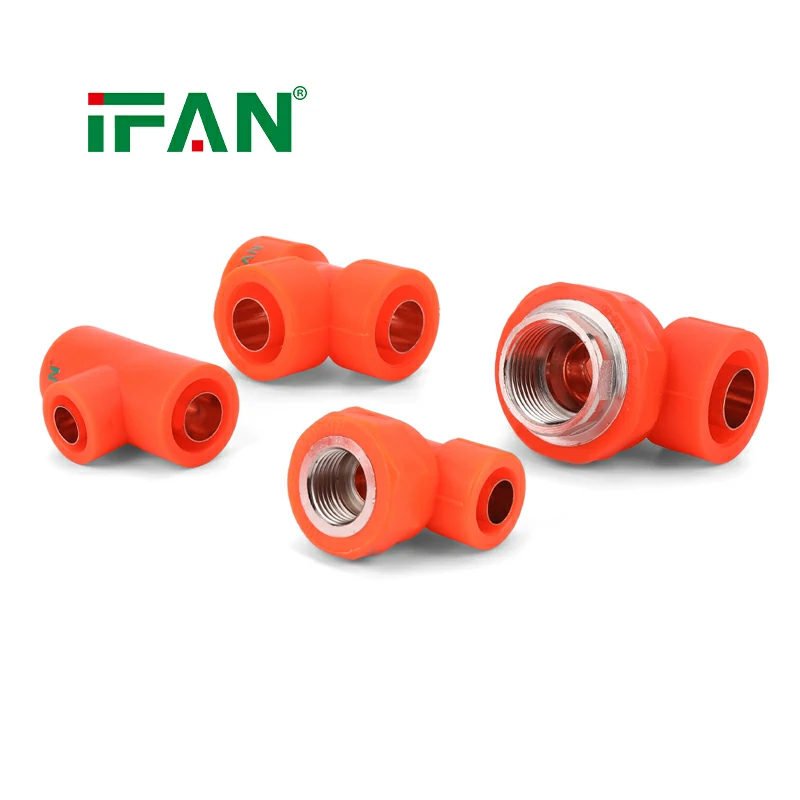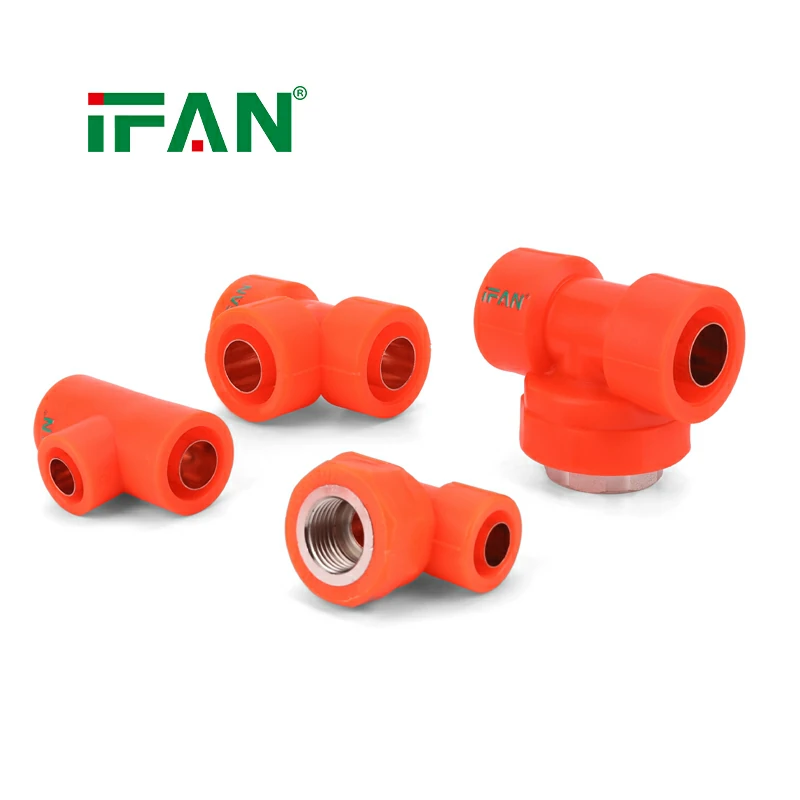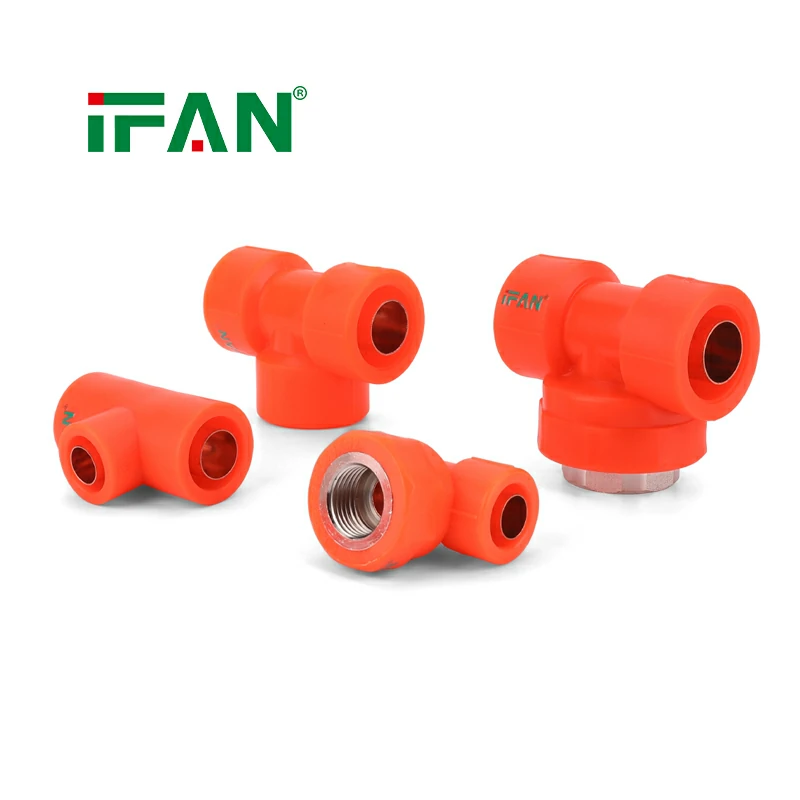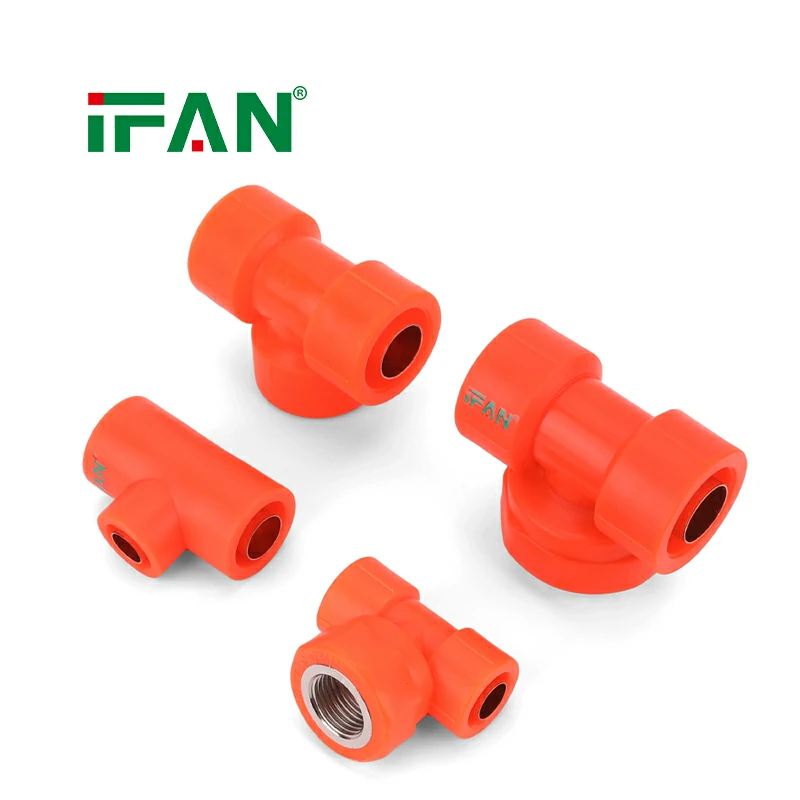
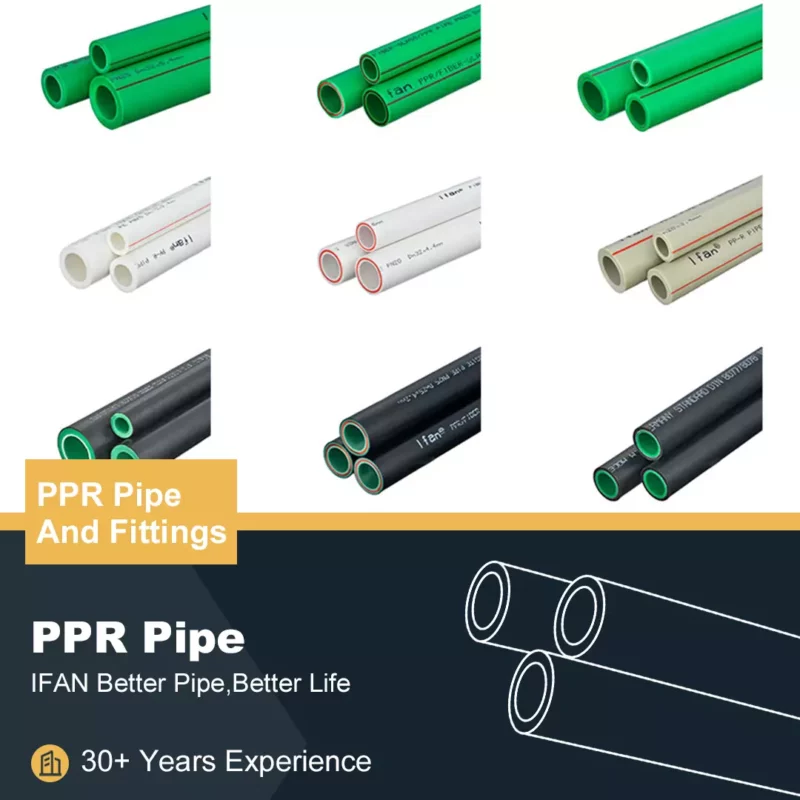
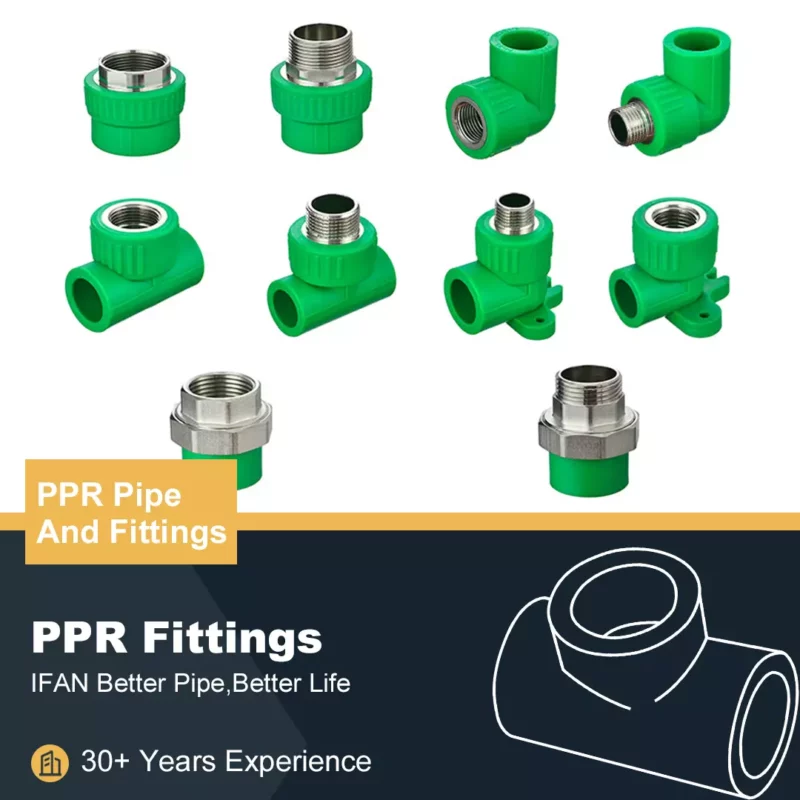
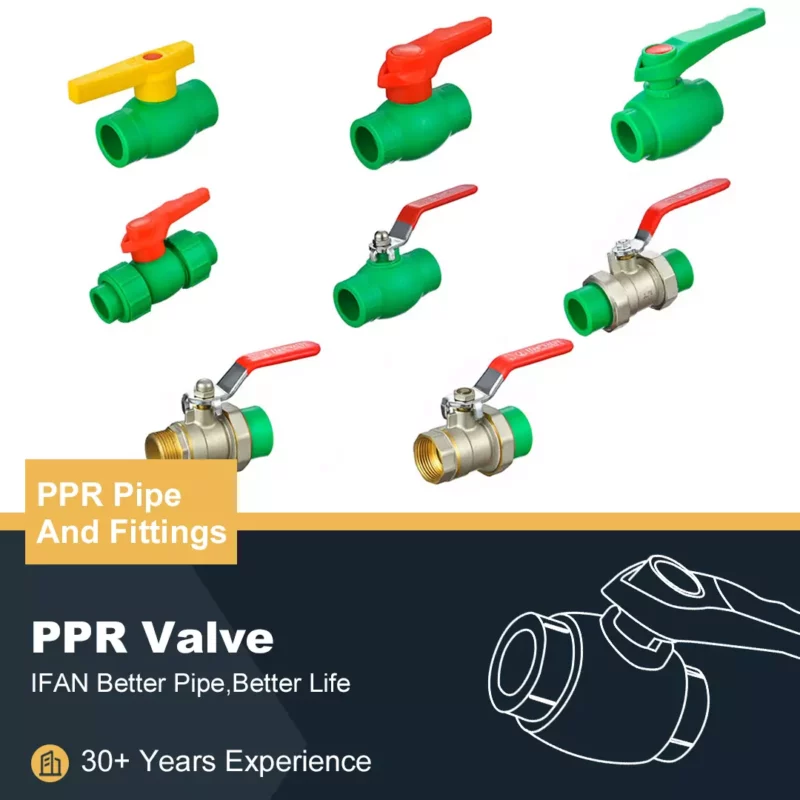
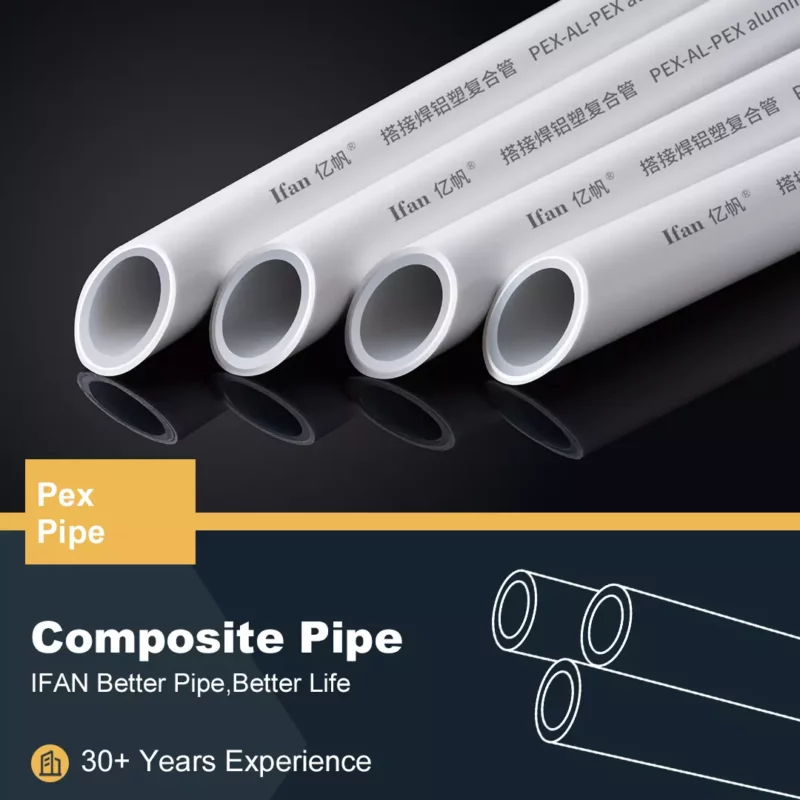
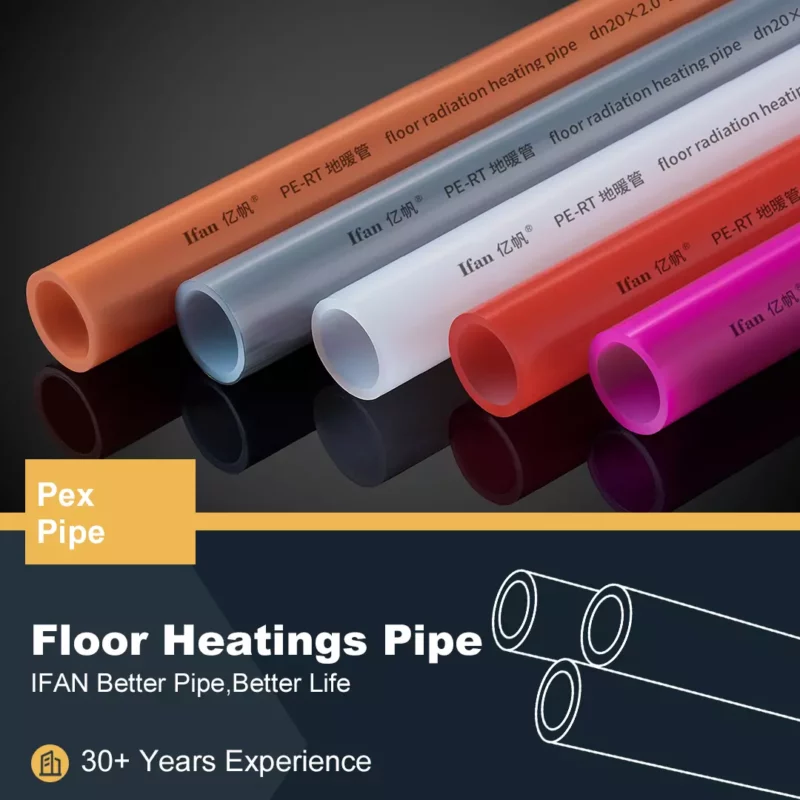

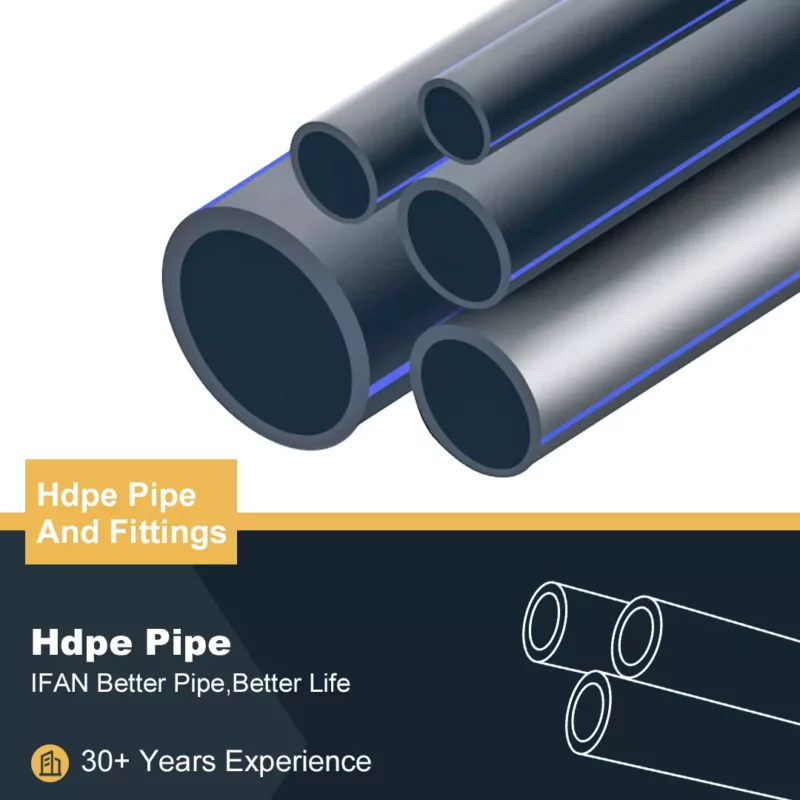
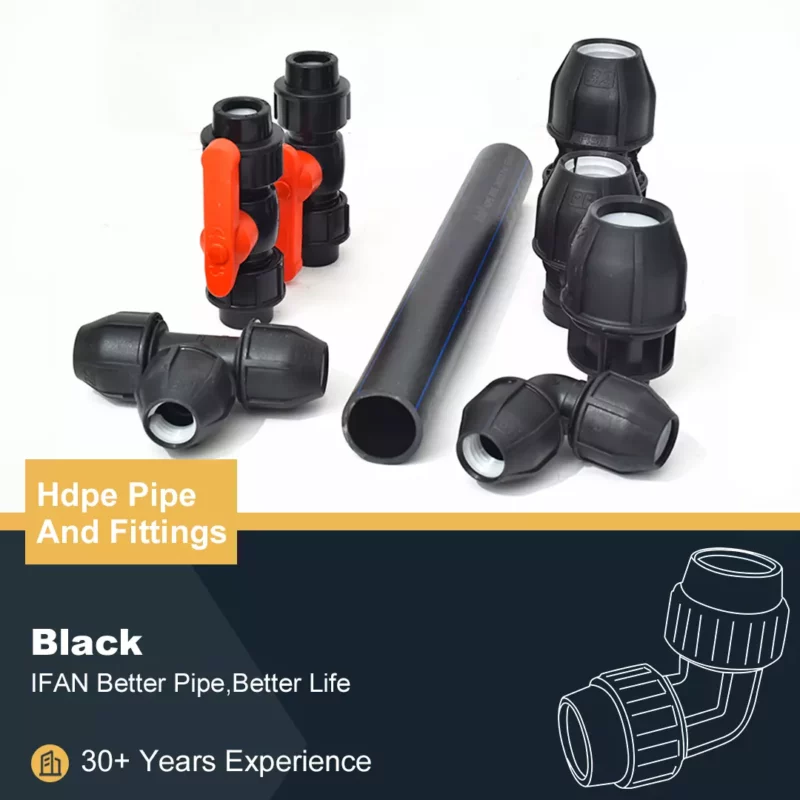
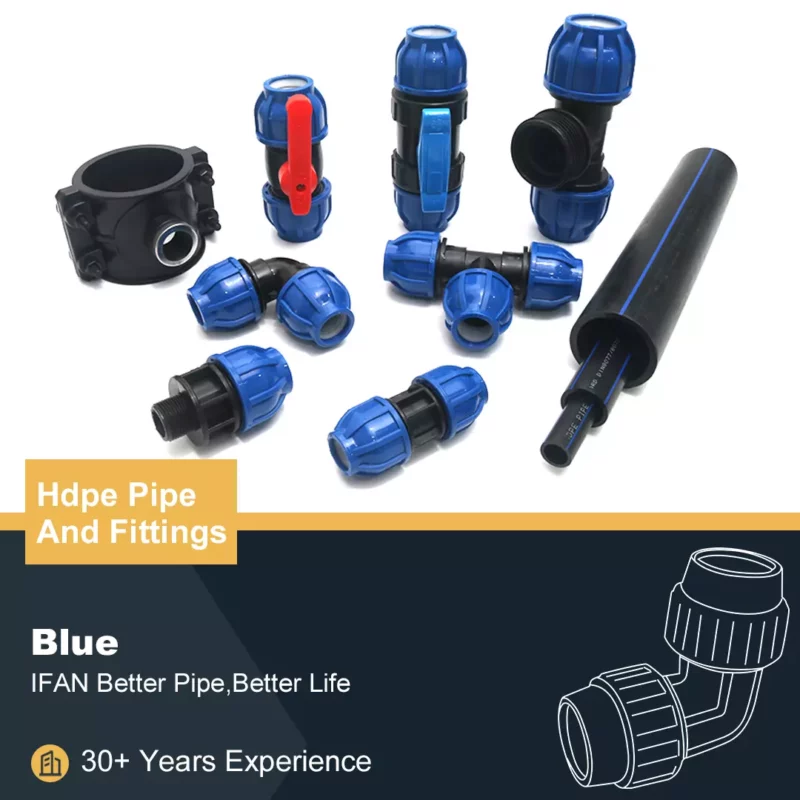
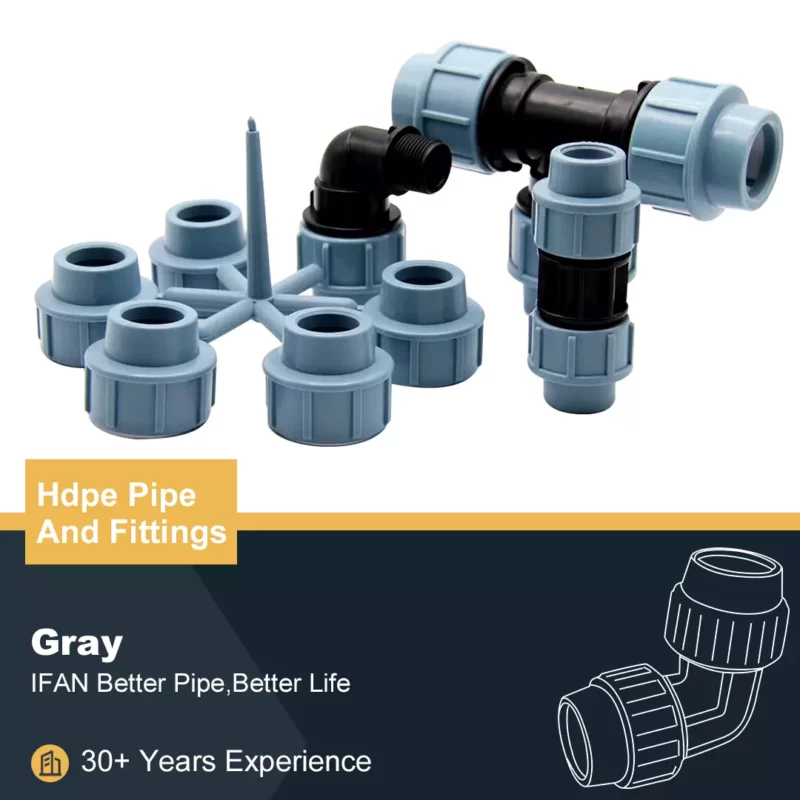



HDPE Pipe Structure and Composition
Engineers create HDPE pipes using polymer granules processed under high temperature and pressure.The material resists chemicals, sunlight, and microbial attacks, ideal for field conditions.
Agricultural Irrigation Use
Farmers install HDPE pipes to distribute water across long distances in fields and orchards.They connect drip lines or sprinklers directly to HDPE pipes using saddle fittings or clamps.
Flexible Layout and Lightweight Nature
Workers unroll HDPE coils easily across uneven terrain. The pipe adjusts to natural curves without cracking.Field installers avoid using elbows unless necessary to simplify hydraulic flow.
Joining and Sealing in Fields
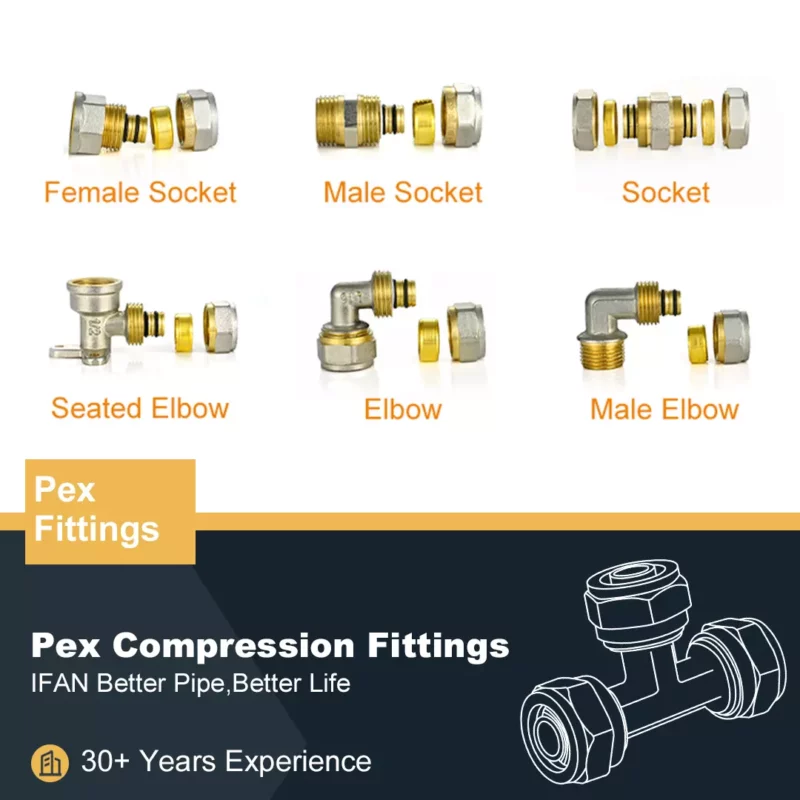
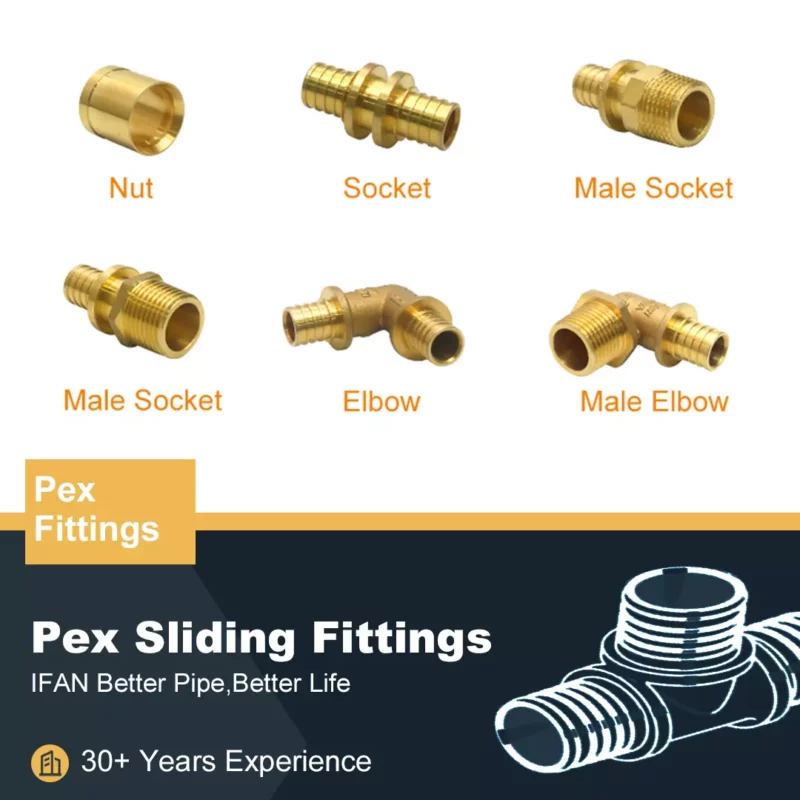
Irrigation crews join HDPE pipes using clamp fittings or fusion joints.
Workers tighten clamps by hand or with tools to prevent leaks at connector points.
Flow Regulation Features
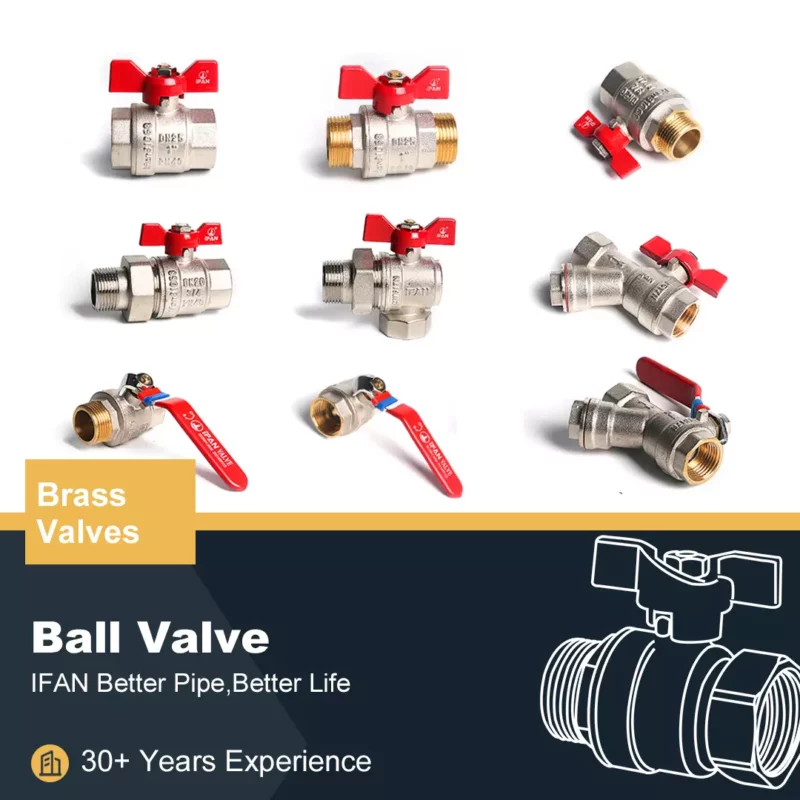
Technicians install pressure control valves along HDPE lines to regulate irrigation flow evenly.They measure flow rate regularly using meters placed along pipe segments.
Burying to Prevent Surface Damage
Farmers bury main HDPE lines shallowly to avoid tractor or machinery damage.They mark pipe routes clearly to reduce accidental punctures during field work.
Cleaning and Flushing Practices
Workers flush lines weekly during peak usage seasons to prevent sediment or algae buildup.Crews open drain valves and use clean water to clear blockages quickly.
Inspection and Replacement Cycle
Supervisors walk pipe routes monthly to check for wear or cracks.They replace damaged sections using repair couplers and heat fusion methods.
If you have read this article and have any questions, please feel free to contact IFAN. Below is our contact information:
Whatsapp:+86 13373827623
Email:[email protected]