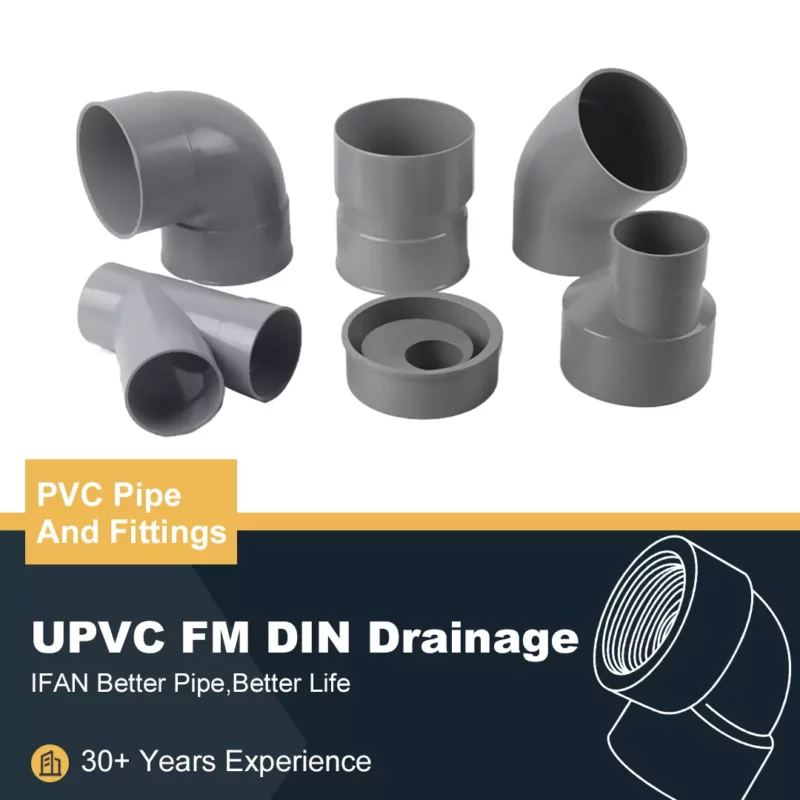
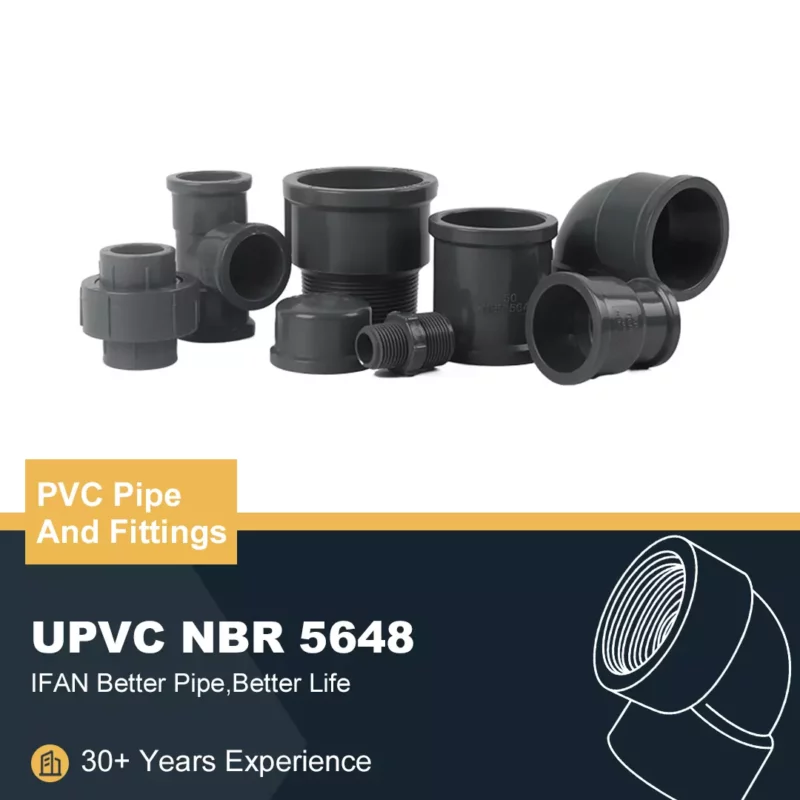
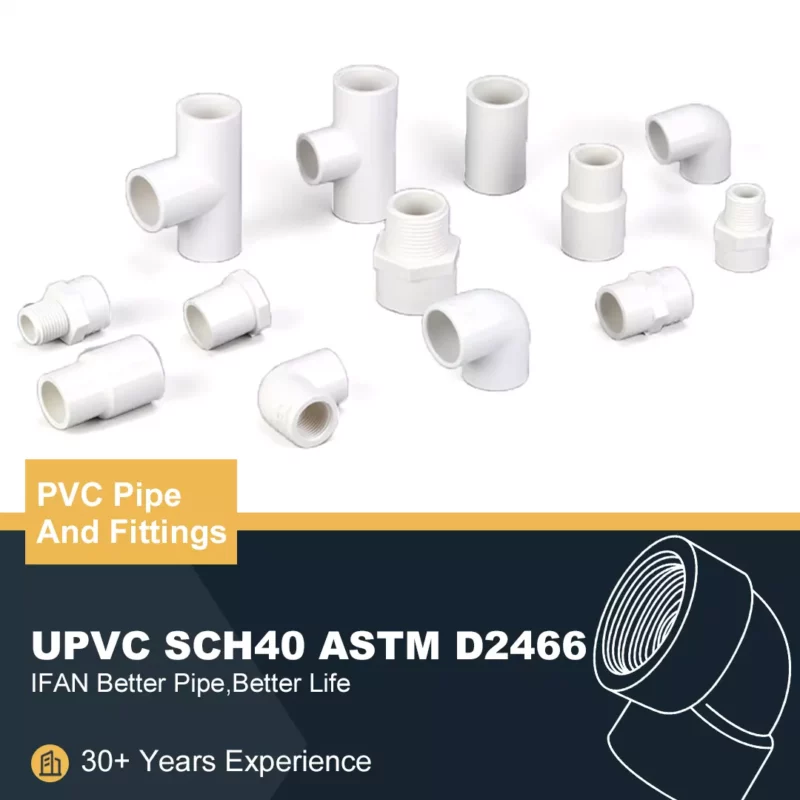
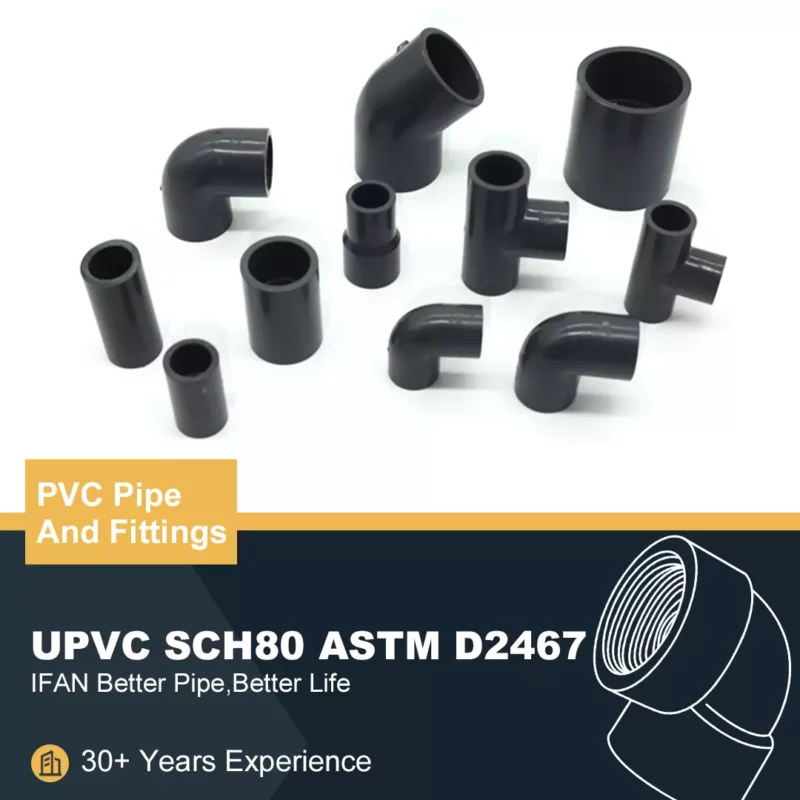


Introduction to UPVC Drainage Fittings
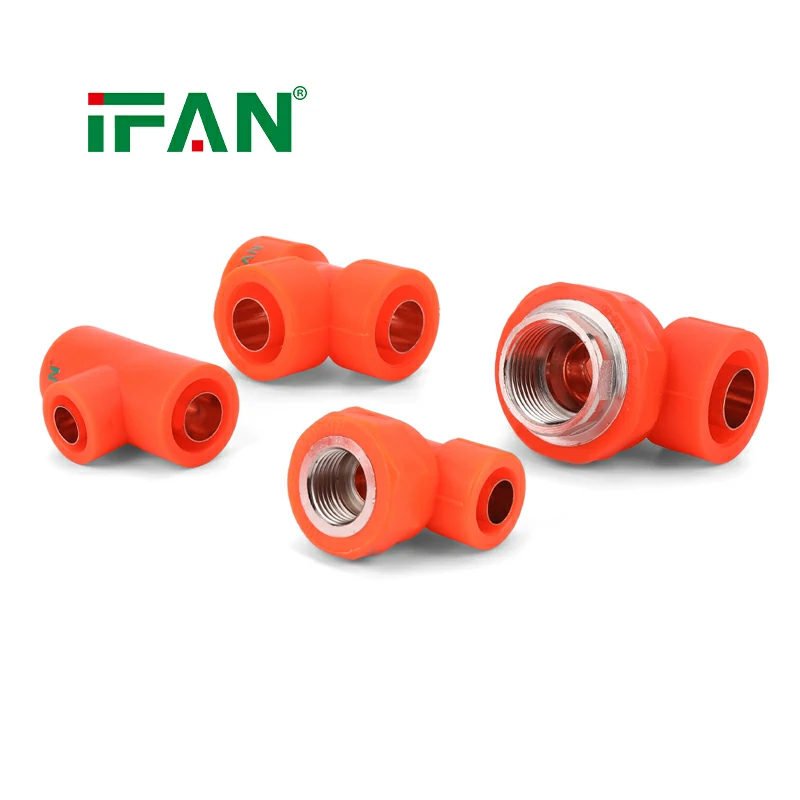
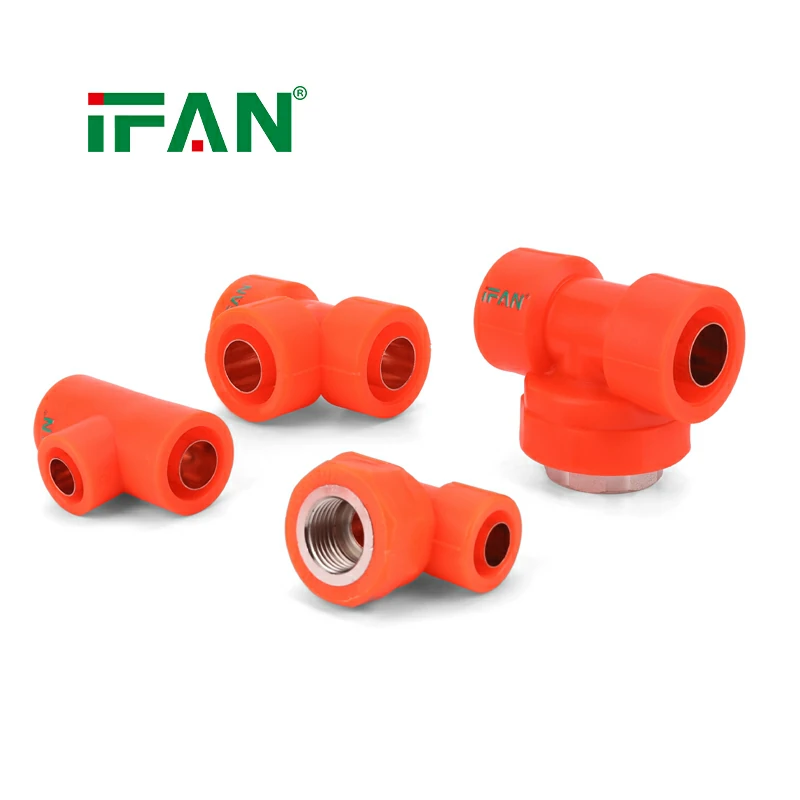
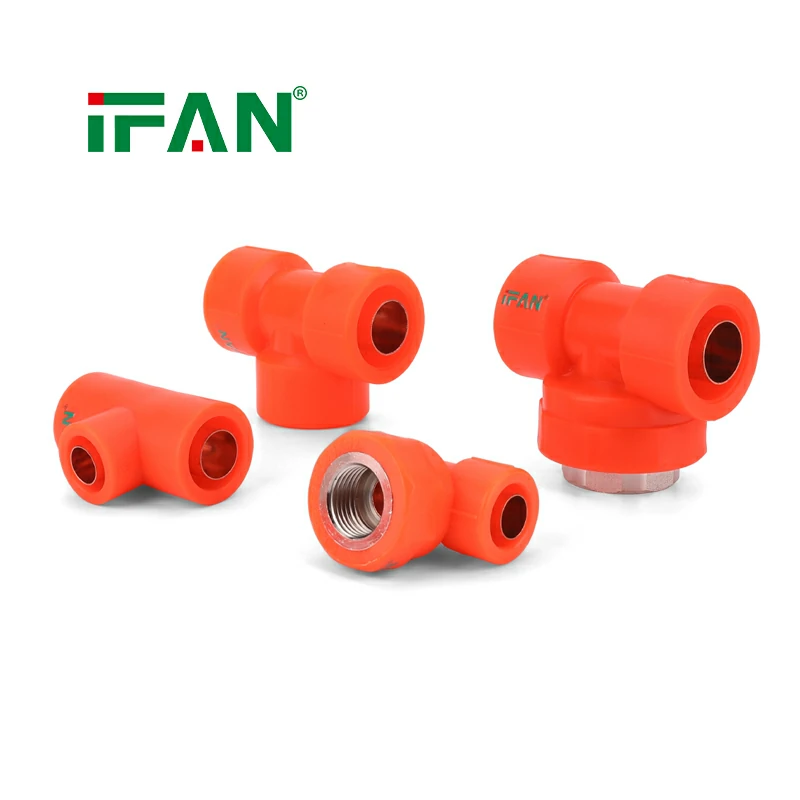
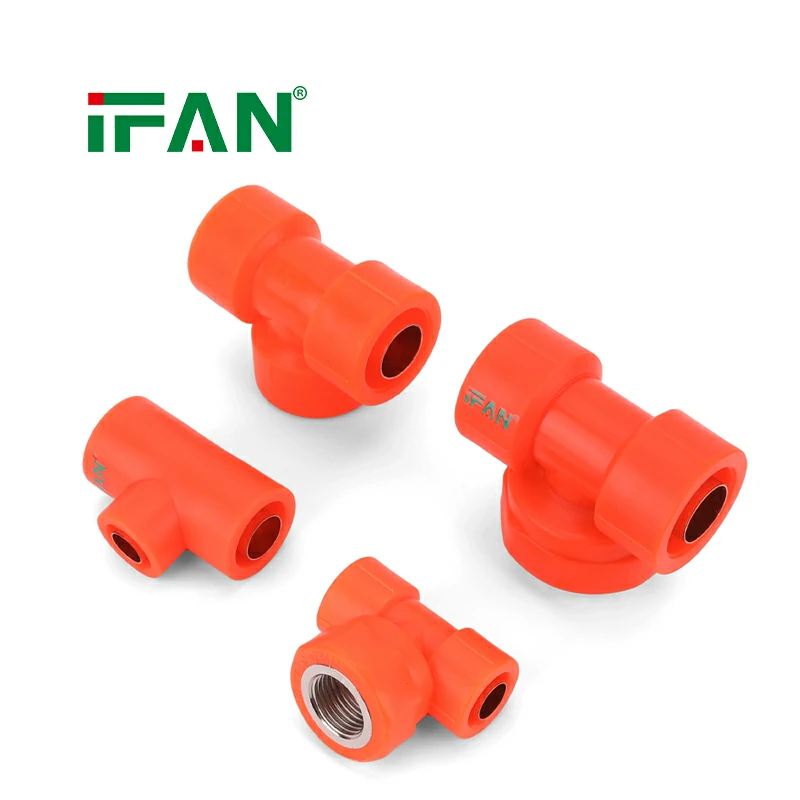
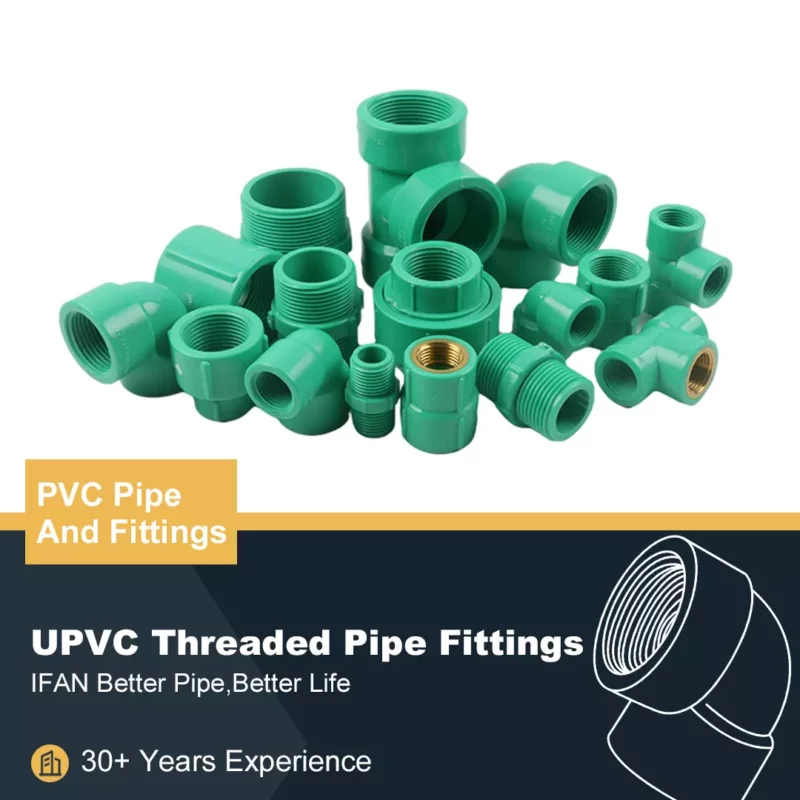
UPVC drainage fittings are essential in modern plumbing systems. UPVC stands for unplasticized polyvinyl chloride, a tough and rigid material. These fittings are designed to connect pipes and manage the direction of wastewater flow. One of the major advantages of UPVC drainage fittings is their ability to support high flow capacity. High flow capacity is critical in ensuring wastewater moves efficiently through systems. It prevents clogs, backups, and flooding in residential, commercial, and industrial settings. This article explains how UPVC drainage fittings help maintain excellent flow performance and contribute to reliable drainage solutions.
Smooth Internal Surface Enhances Flow
One of the most important features of UPVC drainage fittings is their smooth interior surface. The smooth walls reduce friction as water flows through the system. Unlike rough materials like cast iron, UPVC does not trap solids or create turbulence. This allows liquids and suspended particles to move quickly and efficiently. The reduced friction also lowers the chances of blockages. Even at high flow volumes, water moves without pressure buildup or flow restriction. Smooth internal surfaces are particularly important for systems with high usage rates or large wastewater volumes. With UPVC fittings, flow stays strong and uninterrupted.
Designed for Large Volume Drainage
UPVC drainage fittings are engineered to handle large volumes of water. They are available in a wide range of diameters and configurations. This allows them to accommodate systems with different capacities and flow demands. Whether used in homes, office buildings, or industrial facilities, UPVC fittings support consistent drainage performance. They are especially useful in stormwater systems, where sudden heavy flows must be directed quickly. Their large openings and well-designed angles help manage surges without creating backflow. The fittings also maintain performance during peak usage times, reducing the risk of system overload or failure.
Low Risk of Buildup and Blockage
Blockages reduce flow capacity and create maintenance problems. Some materials encourage buildup due to their rough texture or poor design. UPVC drainage fittings resist buildup thanks to their non-porous and slick internal surfaces. Waste materials are less likely to stick or collect inside the pipe. Grease, sediment, and debris flow through the system more easily. Over time, this means fewer clogs and a lower need for cleaning. The fittings maintain their shape and internal diameter, preserving high flow capacity. This self-cleaning behavior makes UPVC a preferred material for busy and high-volume drainage systems.
Consistent Flow in Gravity and Pressure Systems
UPVC drainage fittings work well in both gravity-based and low-pressure drainage systems. In gravity systems, flow depends on the slope and pipe design. UPVC fittings ensure a smooth, continuous path that promotes flow without disruption. In low-pressure systems, consistent internal diameter and leak-free connections maintain steady movement of fluids. The fittings also resist pressure loss caused by internal resistance. They help avoid turbulence and maintain flow rate from the source to the exit. Whether managing wastewater from sinks or storm drains, UPVC ensures consistent and efficient flow under all operating conditions.
Resistant to Internal Wear
Internal wear can reduce the effective diameter of a pipe or fitting. Materials that degrade over time may restrict water flow. UPVC drainage fittings are highly resistant to wear caused by flowing water and waste. They do not soften, warp, or erode under typical flow conditions. Even when used with mildly abrasive wastewater, they maintain their internal profile. This durability keeps flow rates consistent over the life of the system. Engineers and facility managers value this stability when designing long-term infrastructure. With UPVC fittings, flow capacity does not decline over time due to material breakdown.
Supports Complex Piping Networks
Large or complex buildings often require branching drainage systems with multiple fittings and connectors. Each joint, bend, or angle can affect flow capacity. Poorly designed fittings slow water movement and increase the chance of blockage. UPVC drainage fittings are designed with flow optimization in mind. Their curves, angles, and junctions promote smooth transitions between pipes. Water flows easily through elbows, tees, and reducers without sharp turns or abrupt stops. This efficient design allows for high performance in complex systems. It helps ensure uniform drainage from every floor, room, or processing area in the structure.
Excellent Performance During Heavy Rain or Use
Drainage systems often face stress during storms or periods of heavy use. Rainwater systems must quickly handle runoff to prevent flooding. In these conditions, high flow capacity becomes critical. UPVC drainage fittings perform reliably even during such high-demand events. Their wide openings and smooth passages allow water to flow at increased speed and volume. Their strength prevents collapse or joint failure during surges. Whether used in roof drainage, underground storm sewers, or building outflows, UPVC handles peak loads effectively. This capacity helps protect property and supports public safety during extreme weather.
Durable Shape Maintains Full Capacity
Over time, some materials lose shape due to pressure, soil movement, or heavy use. When pipes sag or deform, flow capacity decreases. UPVC drainage fittings maintain their original shape over decades of use. They are rigid, yet flexible enough to absorb slight shifts without cracking. Their structural stability ensures the internal diameter stays unchanged. This prevents bottlenecks or pooling in the system. It also reduces the need for pipe re-alignment or reinforcement. By holding their shape, UPVC fittings keep drainage systems flowing at full capacity throughout their lifespan.
Easy Cleaning and Maintenance
Even the best systems occasionally need maintenance. Fittings that are easy to clean and inspect help restore full flow quickly. UPVC drainage fittings are designed for accessibility and low-maintenance operation. Their surfaces resist debris, which makes flushing and cleaning more effective. When maintenance is required, technicians can easily remove blockages without damaging the fitting. Standard sizes and installation methods also make replacements fast and simple. This reduces system downtime and helps maintain high flow capacity with minimal effort. For high-traffic systems, the combination of performance and easy maintenance is essential.
Conclusion: Efficient Flow with UPVC Fittings
UPVC drainage fittings are a superior solution for systems requiring high flow capacity. Their smooth surfaces, wide openings, and strong construction support efficient wastewater movement. These fittings reduce clogs, resist wear, and prevent flow restriction. Whether used in homes, factories, or stormwater systems, they deliver consistent performance. Their ability to maintain shape and resist buildup ensures long-term functionality. Engineers, contractors, and facility managers trust UPVC for both small and large-scale drainage needs. With UPVC drainage fittings, systems can handle higher volumes while minimizing maintenance and risk. For reliable, high-capacity drainage, UPVC is the smart choice.
If you have read this article and have any questions, please feel free to contact IFAN. Below is our contact information:
Whatsapp:+86 13373827623
Email:[email protected]