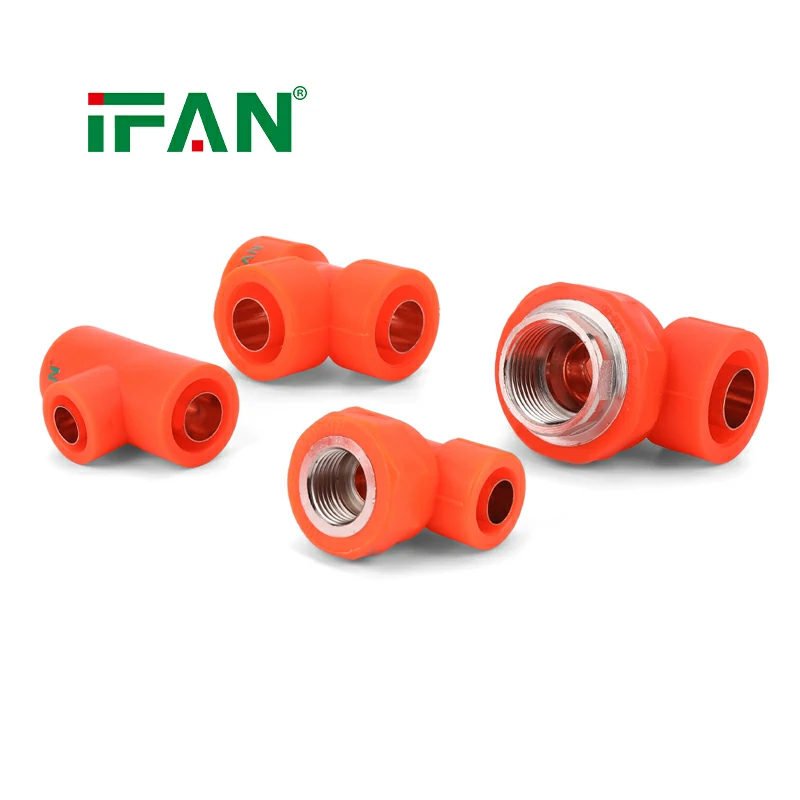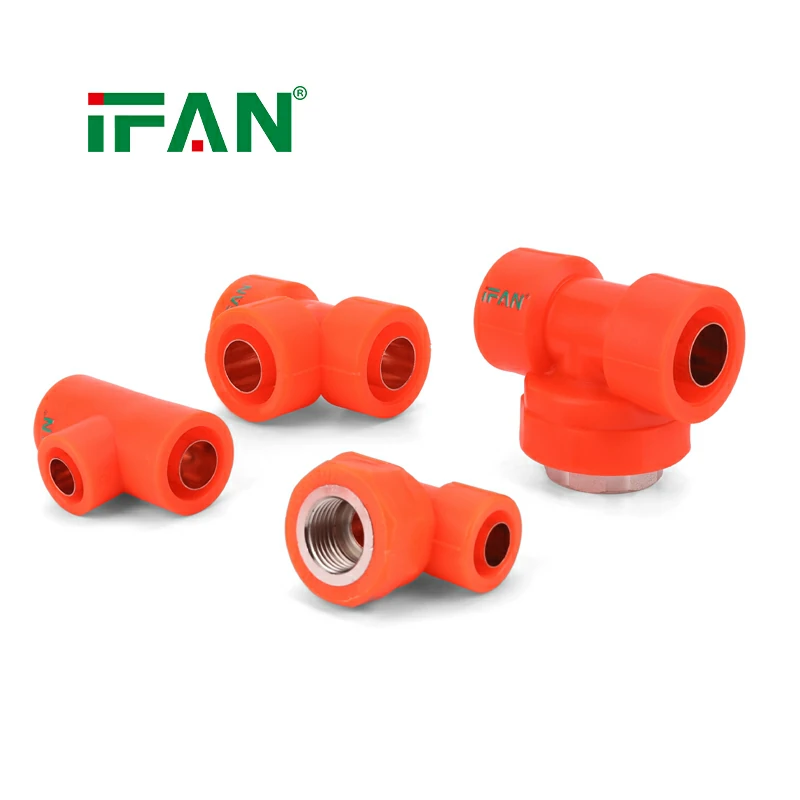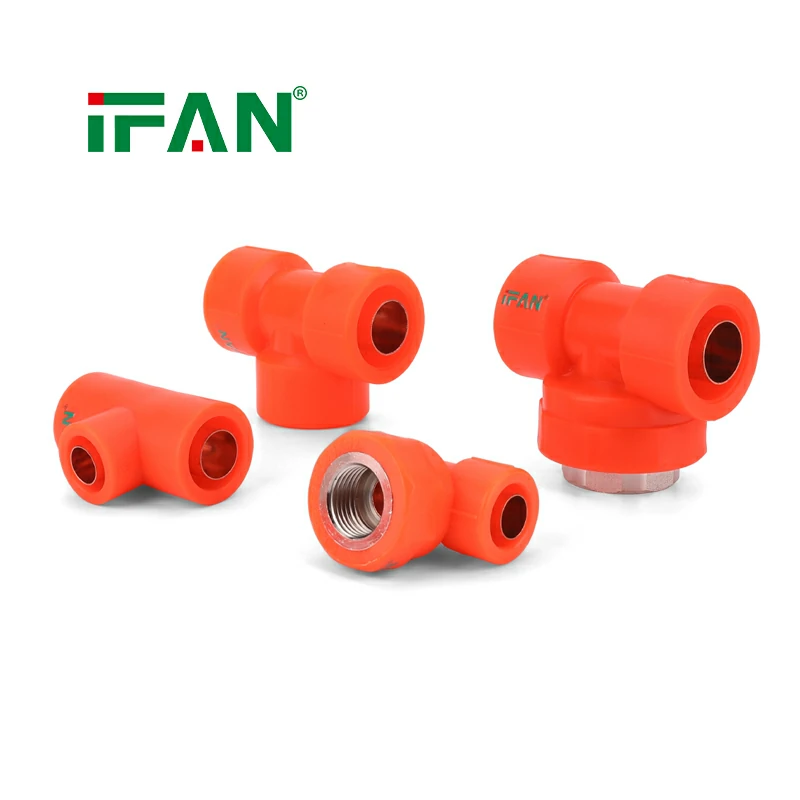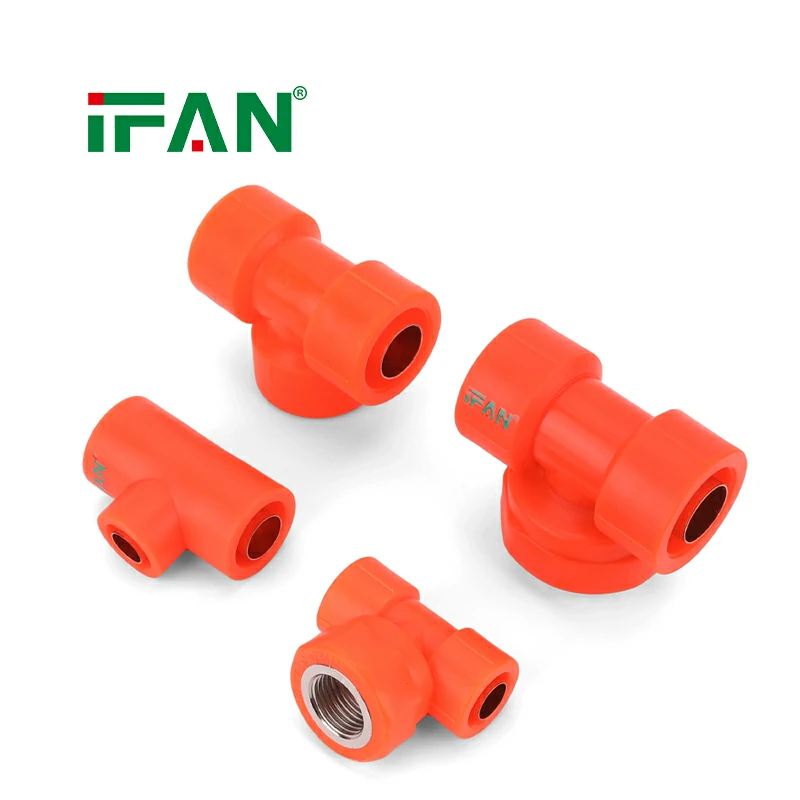
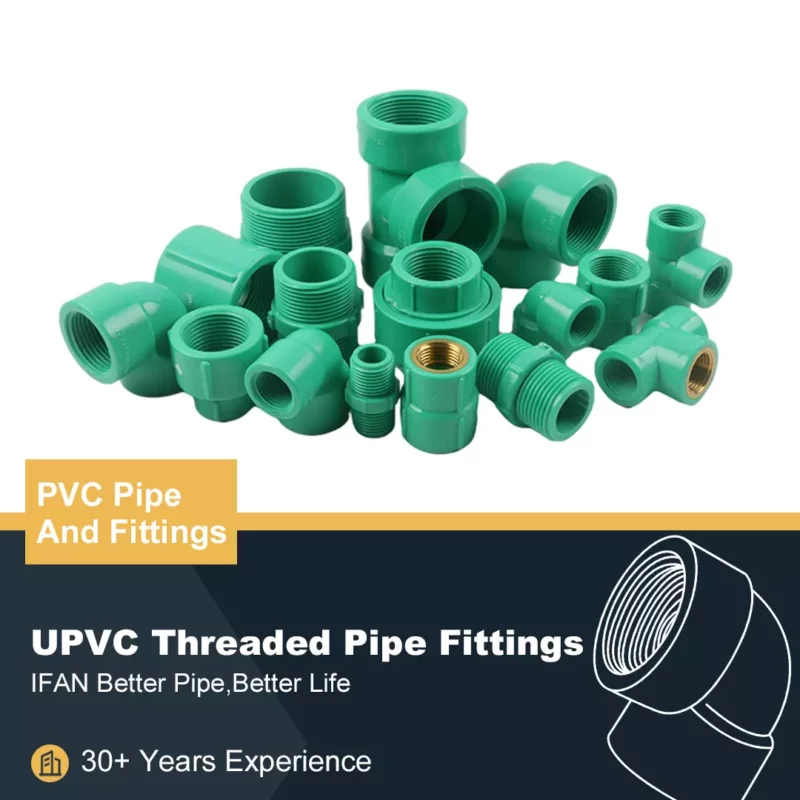
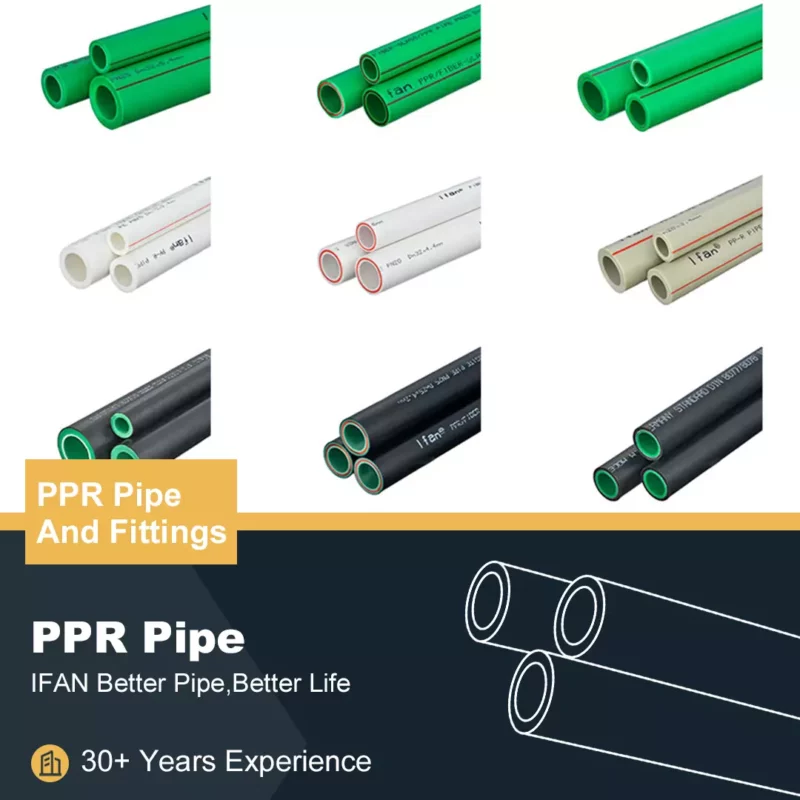
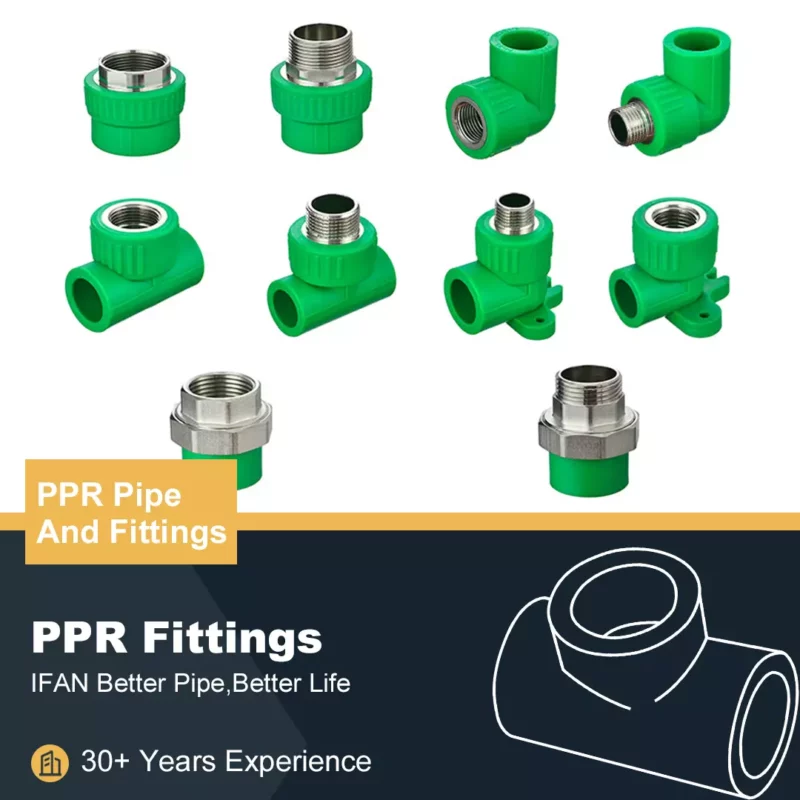
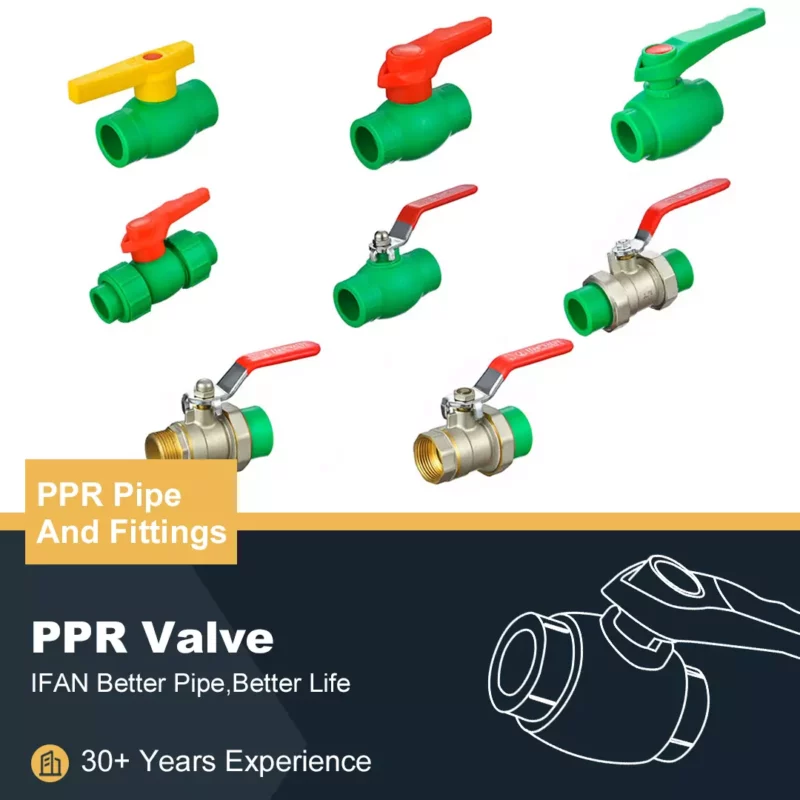


Introduction to Brass Pipe Fittings
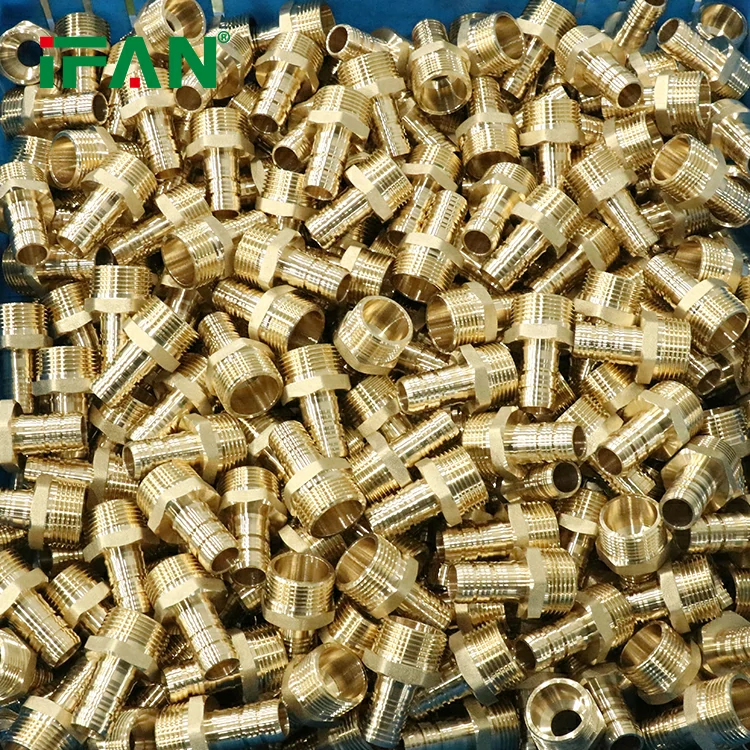
Brass pipe fittings are essential components in modern plumbing systems due to their strength, versatility, and ease of use. These fittings are made from an alloy of copper and zinc, offering excellent durability and resistance to corrosion. Brass pipe fittings are used to connect, redirect, or extend piping systems in both residential and commercial buildings. Their compatibility with various pipe types and simple installation make them a popular choice among plumbers. Whether used in water, gas, or air systems, brass pipe fittings provide reliable, leak-resistant connections. The simplicity and efficiency they offer help reduce installation time and ensure lasting performance.
Benefits of Brass in Plumbing Applications
Brass has several unique qualities that make it ideal for plumbing. It is strong, flexible, and resistant to high temperatures and pressure. Brass pipe fittings can handle hot and cold water without losing shape or function. Unlike iron, brass does not rust, and it holds up well in moist environments. Brass is also naturally antimicrobial, making it safer for drinking water systems. These properties simplify installation because plumbers can rely on the fittings to last. With fewer worries about corrosion or deformation, brass reduces the need for frequent maintenance. Its strength and reliability ensure consistent performance across a wide range of plumbing projects.
Easy Installation Saves Time and Labor
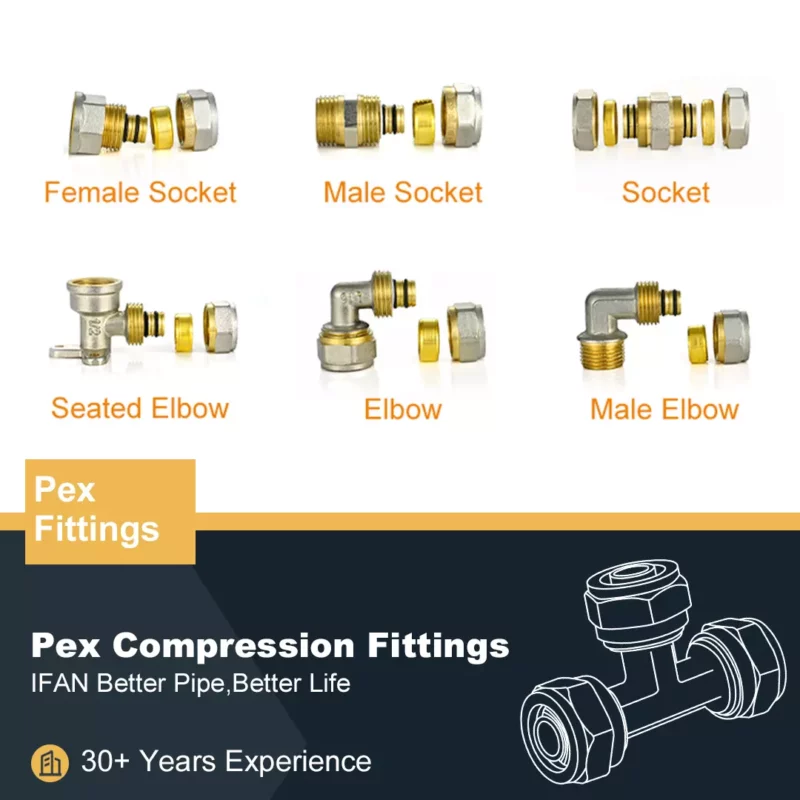
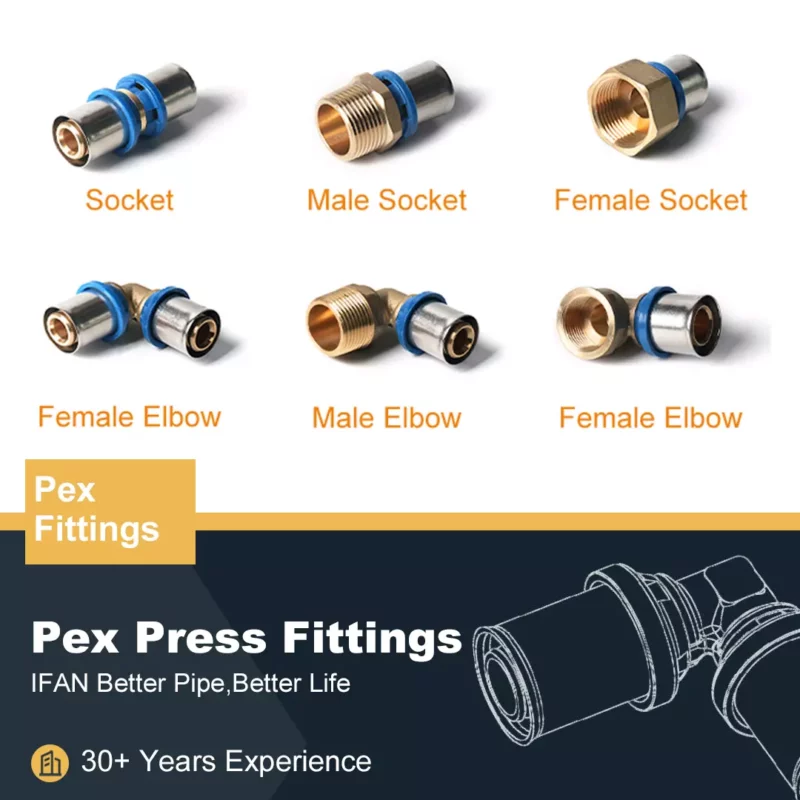
One of the biggest advantages of brass pipe fittings is how easy they are to install. They are available in various connection types, including threaded, compression, flare, and push-fit. These options allow plumbers to choose the method that best fits the job. Brass threads are precisely cut, creating tight, leak-free seals with minimal effort. Unlike materials that require welding or gluing, many brass fittings simply screw or press into place. This quick process speeds up installation and lowers labor costs. In tight spaces or difficult angles, brass fittings are easier to handle and adjust. Their reliability during installation also means fewer callbacks and rework.
Compatibility with Multiple Pipe Materials
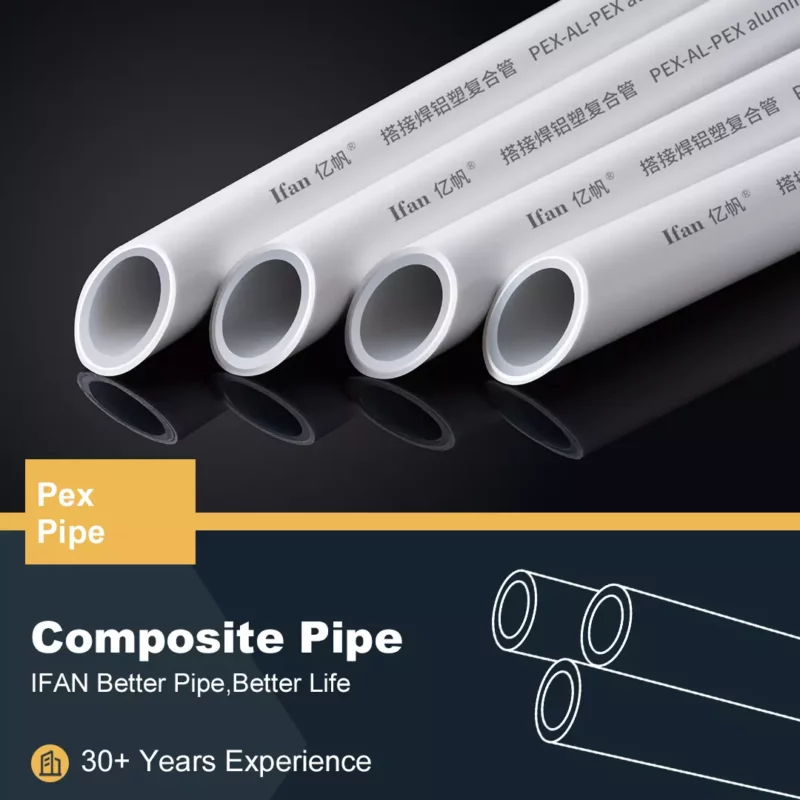
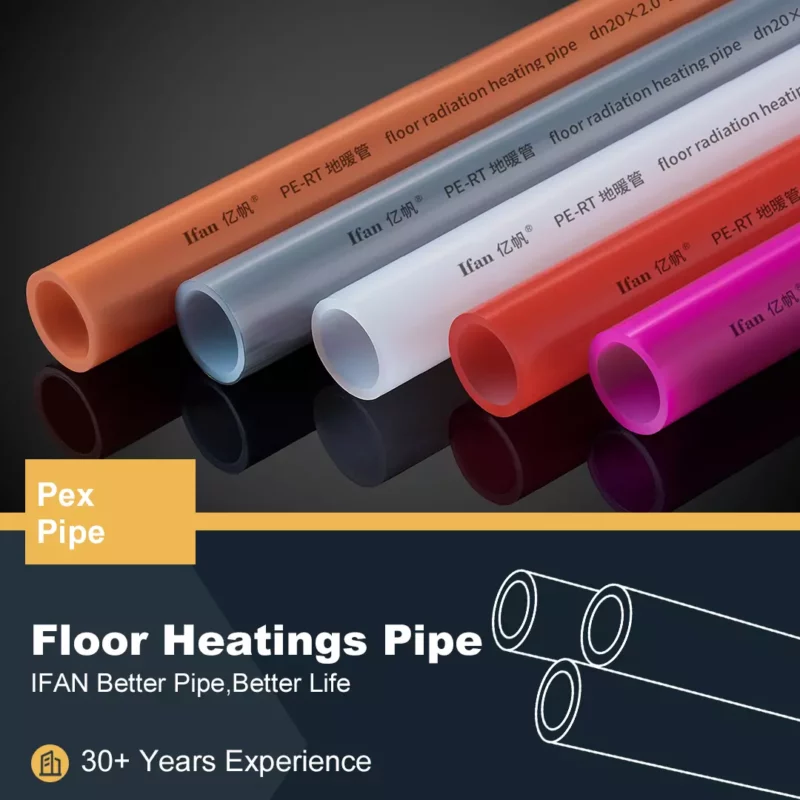
Brass pipe fittings work with a wide range of pipe materials, including copper, PEX, CPVC, and even steel. This versatility simplifies plumbing installations, especially in repair or retrofit projects. When connecting new lines to old systems, brass fittings create reliable transitions between different materials. For example, plumbers can use brass adapters to connect copper pipes to plastic lines. This flexibility eliminates the need for specialized tools or extra parts. It also reduces delays caused by sourcing uncommon connectors. Because brass is chemically stable, it doesn’t react poorly with other piping materials. This compatibility supports system safety and reliability across various plumbing installations.
Reliable Performance in Varying Conditions
Plumbing systems must function reliably under a range of environmental and usage conditions. Brass pipe fittings maintain their integrity in both indoor and outdoor settings. They handle temperature swings, pressure changes, and exposure to moisture without degrading. In hot water systems, brass resists heat-related expansion and maintains its seal. In cold temperatures, it does not become brittle or crack like some plastics. Brass also withstands vibration and movement within the piping system. This makes brass pipe fittings a trusted solution in homes, businesses, and industrial buildings. Their ability to stay functional under stress reduces maintenance and improves overall system performance.
Common Types of Brass Pipe Fittings
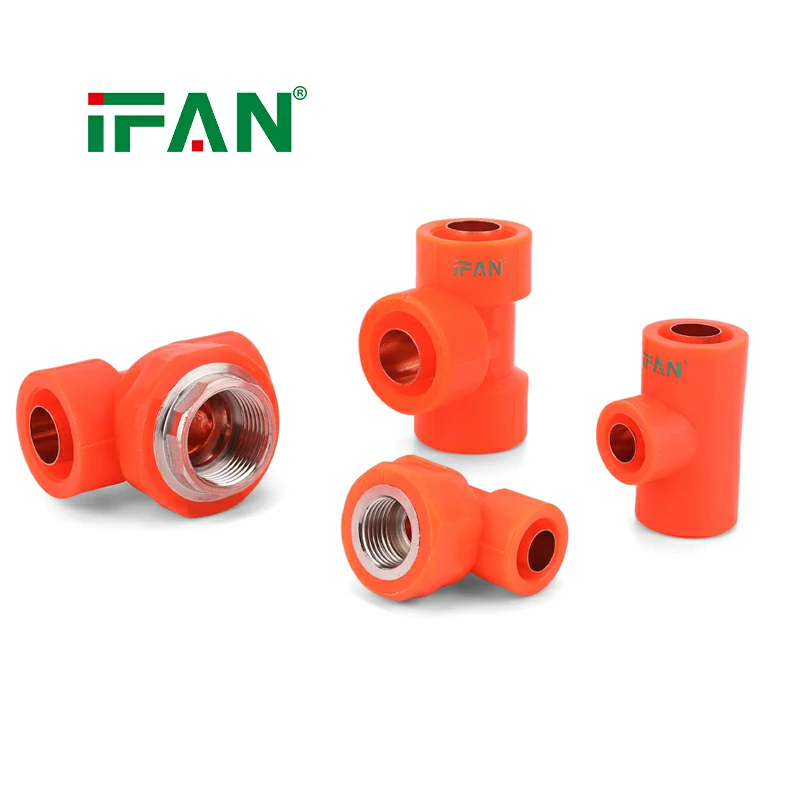
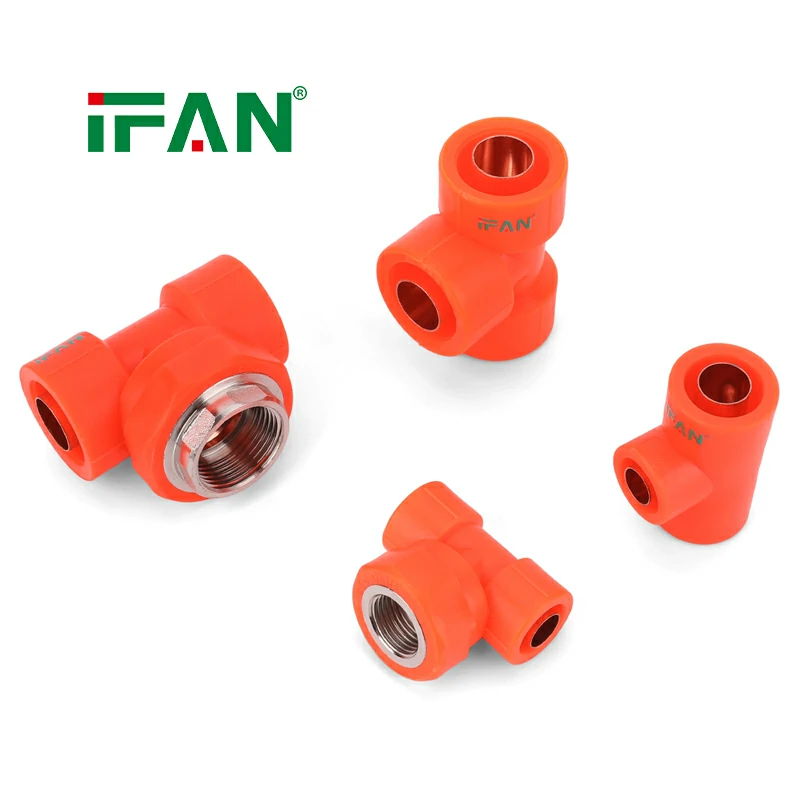
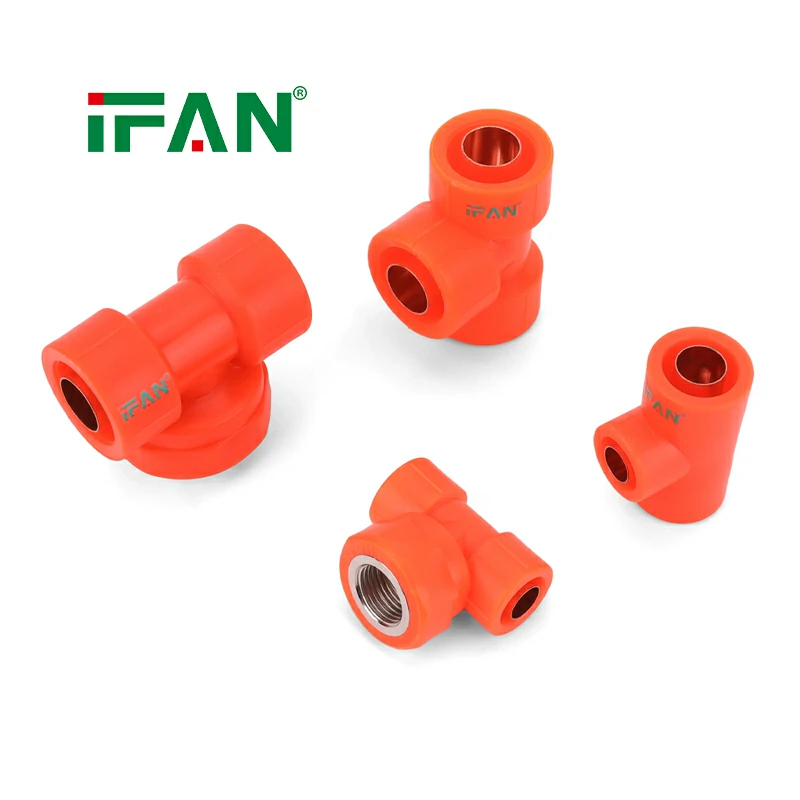
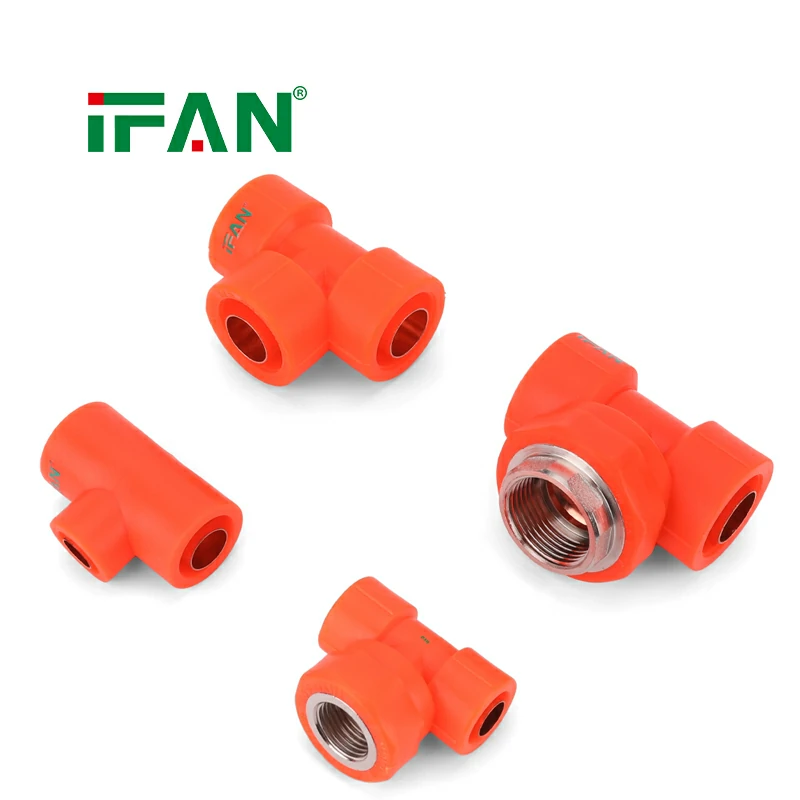
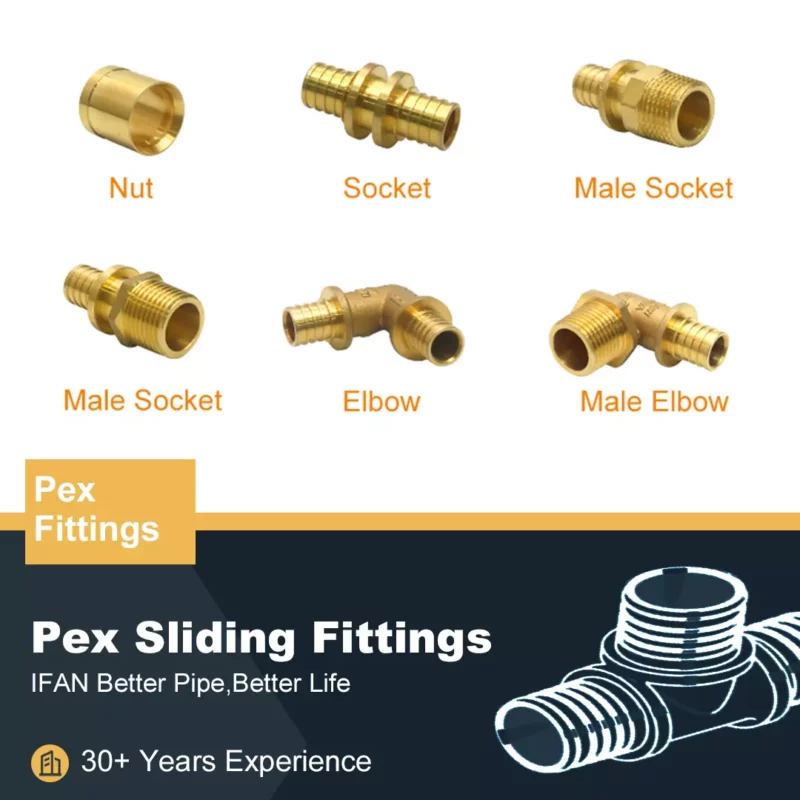
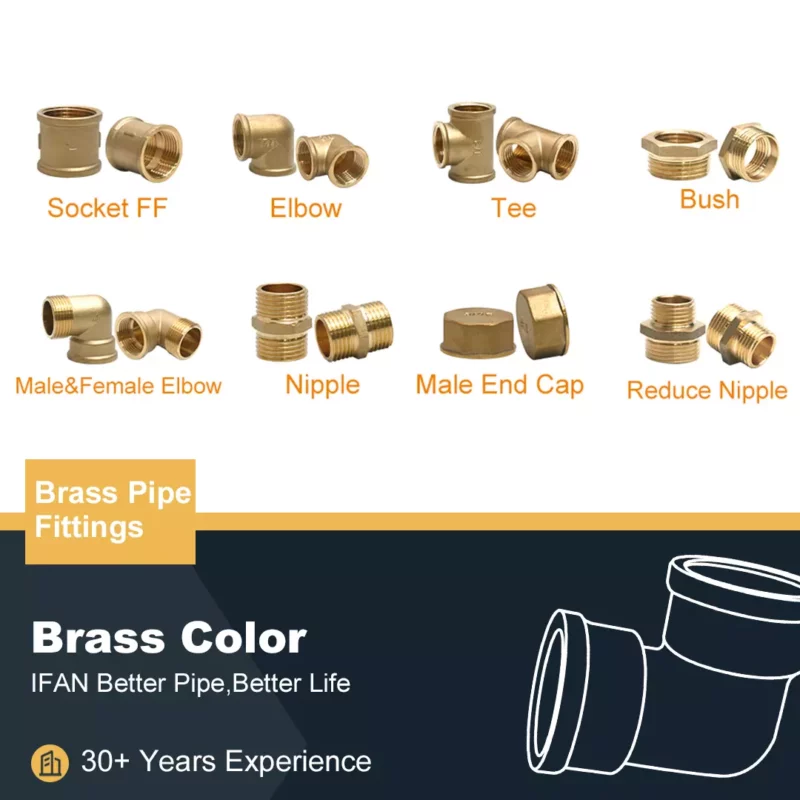
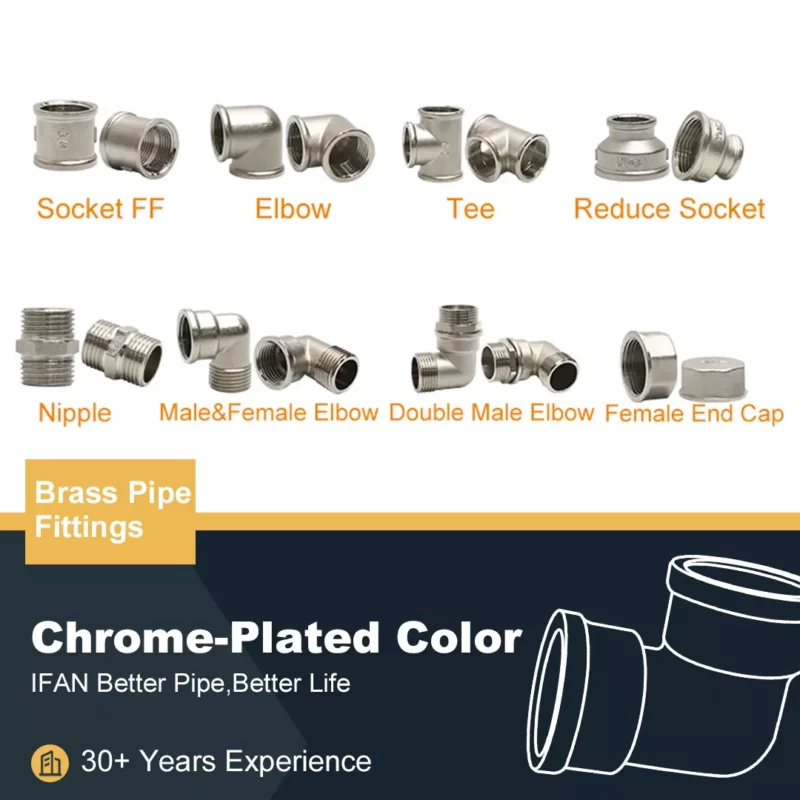
There are many different types of brass pipe fittings, each designed for specific tasks. Elbows are used to change the direction of the pipe. Tees allow the flow to split in two directions. Couplings join two straight pipe sections. Adapters connect different pipe sizes or materials. Unions allow for easy disconnection of pipes. Compression fittings create a tight seal without soldering. Flare fittings are used in gas and refrigeration systems. Push-fit fittings make installation faster, especially in tight spaces. Each type serves a unique purpose but shares the same brass durability. Using the right type of fitting ensures an efficient and professional installation.
Minimal Maintenance Requirements
Once installed, brass pipe fittings require very little maintenance. Their corrosion resistance means they remain functional for years without attention. Routine inspection is usually enough to confirm their continued performance. Unlike plastic, brass does not crack or degrade with time. Unlike iron, it does not rust or leave deposits inside pipes. This low-maintenance quality makes brass ideal for hard-to-access areas in buildings. If repairs are ever needed, brass fittings are easy to remove and replace. Their durability and ease of maintenance reduce long-term plumbing costs. This makes them a practical and economical choice for both contractors and homeowners.
Long-Term Cost Efficiency
While brass pipe fittings may cost more upfront than plastic alternatives, their long-term value is much higher. They last longer, require fewer repairs, and perform better under stress. These qualities translate to fewer labor hours and lower replacement expenses. Because brass fittings simplify plumbing installations, they also reduce project timelines. Contractors save money by finishing jobs faster with fewer mistakes. For property owners, the durability of brass lowers the chances of water damage or system failure. Over time, brass pipe fittings pay for themselves through consistent performance and reduced service needs. This makes them a smart investment in any plumbing system.
Safety and Certification Standards
Brass pipe fittings are held to high safety and quality standards. Many fittings are certified for use in drinking water systems and gas lines. Lead-free brass options meet modern health regulations such as NSF/ANSI 61 for potable water. These certifications ensure that brass fittings are safe for public and residential use. Because brass is non-toxic and resists bacteria, it contributes to cleaner water. Its strength also minimizes the risk of leaks, which can cause water damage or gas hazards. Plumbers and inspectors trust brass because it meets or exceeds local and national building codes. Using certified brass pipe fittings ensures safety and compliance on every job.
Suitable for a Wide Range of Projects
Brass pipe fittings simplify plumbing installations in projects of every size. In residential settings, they are used in kitchens, bathrooms, and outdoor systems. In commercial buildings, brass supports HVAC systems, fire suppression systems, and public restrooms. In industrial settings, brass is used in chemical, gas, and fluid handling systems. Because they can handle a wide range of pressures and temperatures, brass fittings are suitable for many different environments. Their consistent performance across applications makes them a go-to choice for builders and contractors. Whether it’s a small home project or a large commercial build, brass pipe fittings offer reliable results.
Conclusion
Brass pipe fittings simplify plumbing installations by offering strength, versatility, and ease of use. Their compatibility with various pipe materials and fitting types makes them ideal for any job. From residential plumbing to industrial systems, brass ensures secure, long-lasting connections. Their resistance to corrosion, pressure, and temperature adds to system reliability. With minimal maintenance needs and high safety standards, brass is a trusted solution in modern plumbing. Though the initial cost may be higher, brass pipe fittings deliver long-term savings and performance. For fast, effective, and durable installations, brass remains a leading choice for plumbing professionals worldwide.
If you have read this article and have any questions, please feel free to contact IFAN. Below is our contact information:
Whatsapp:+86 13373827623
Email:[email protected]