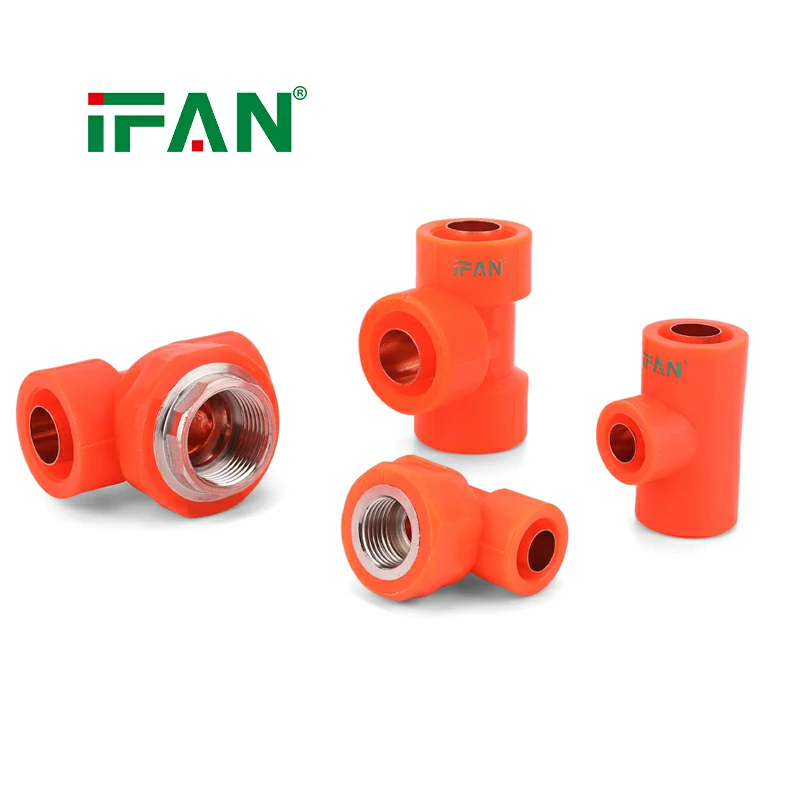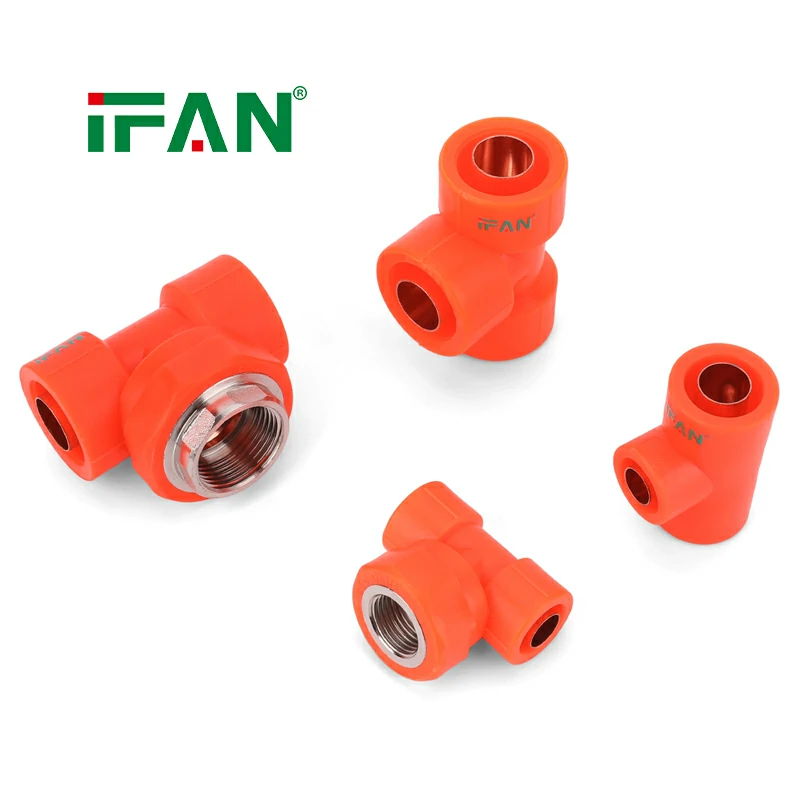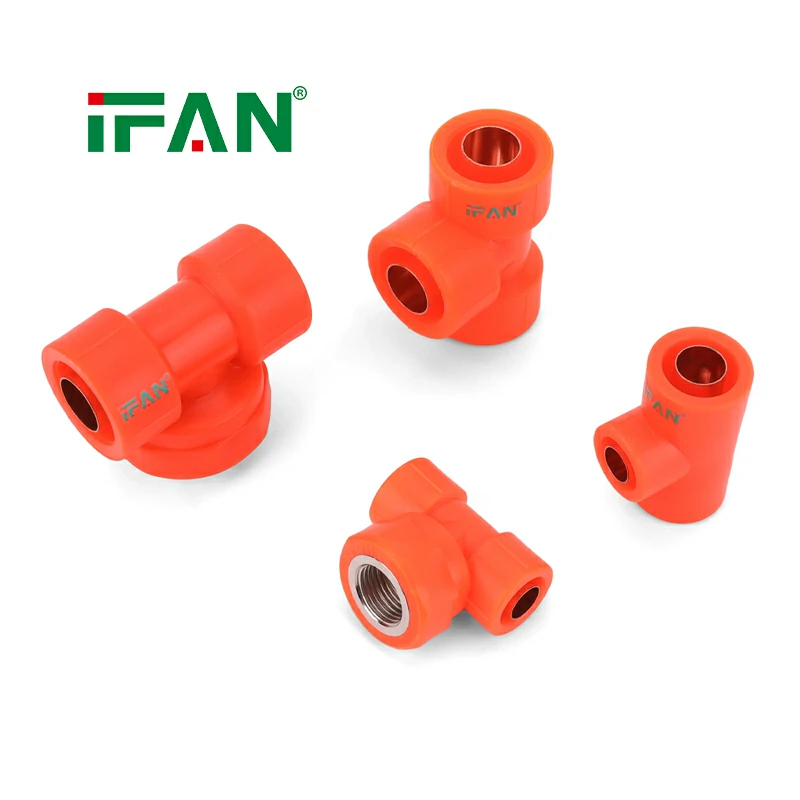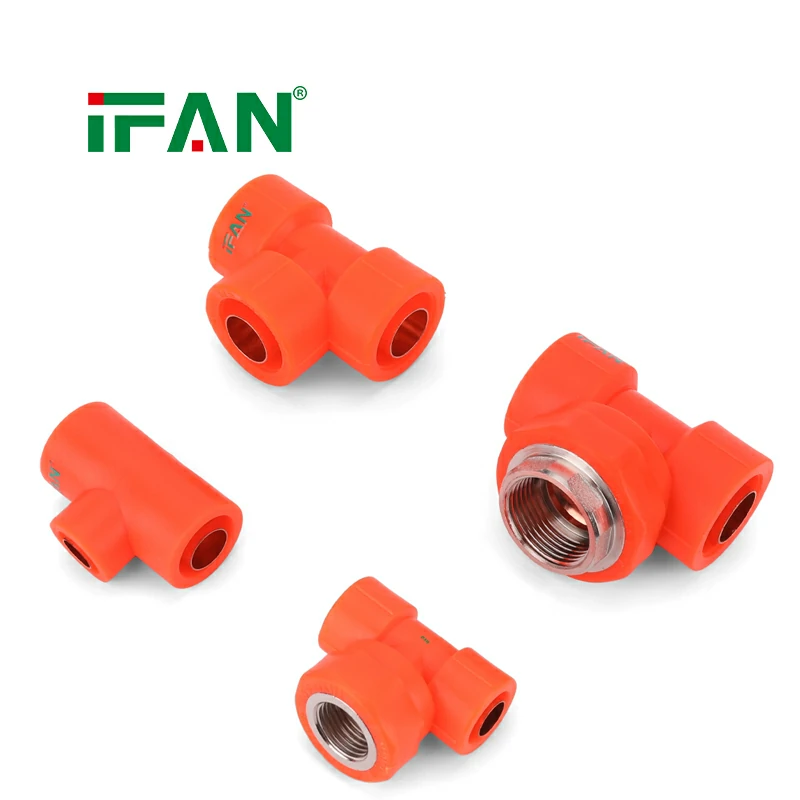
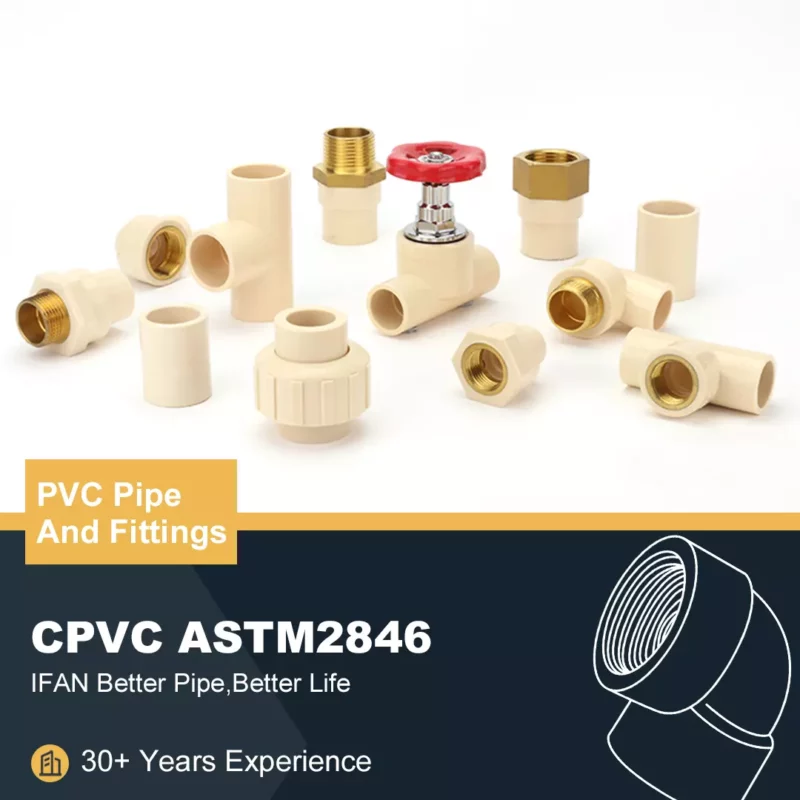
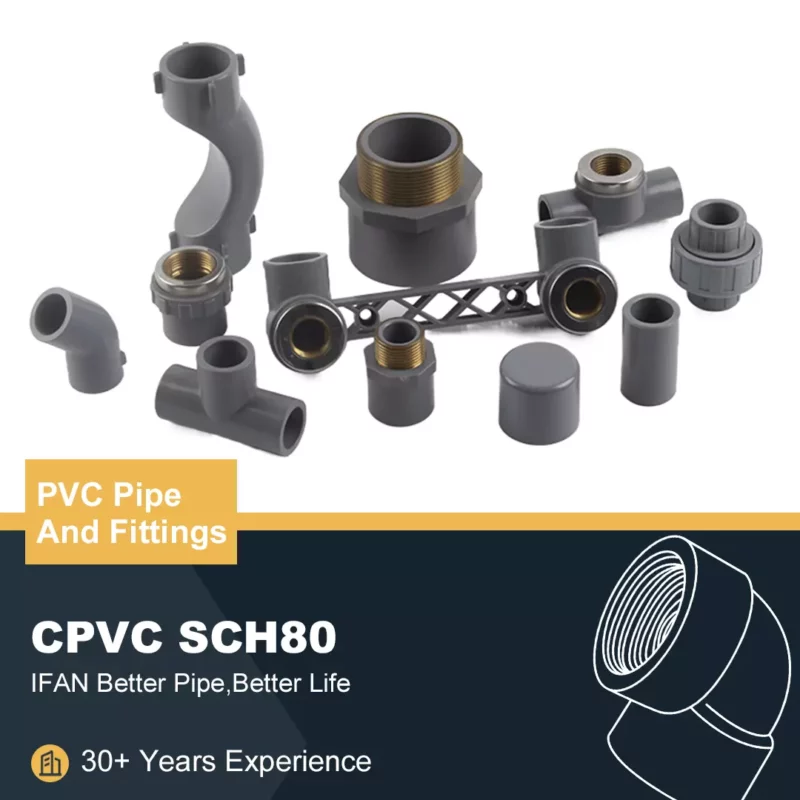
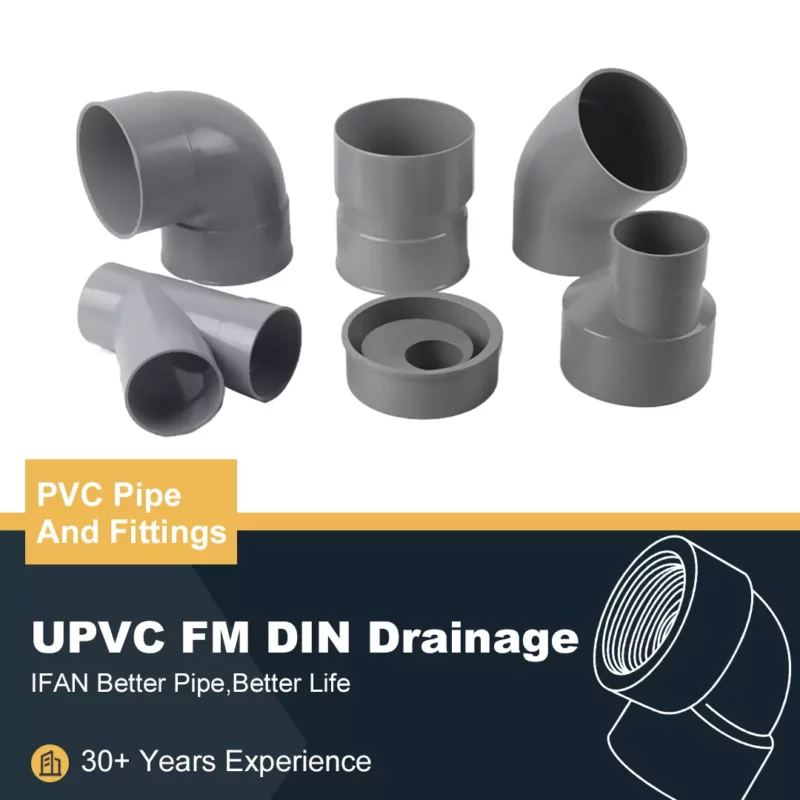
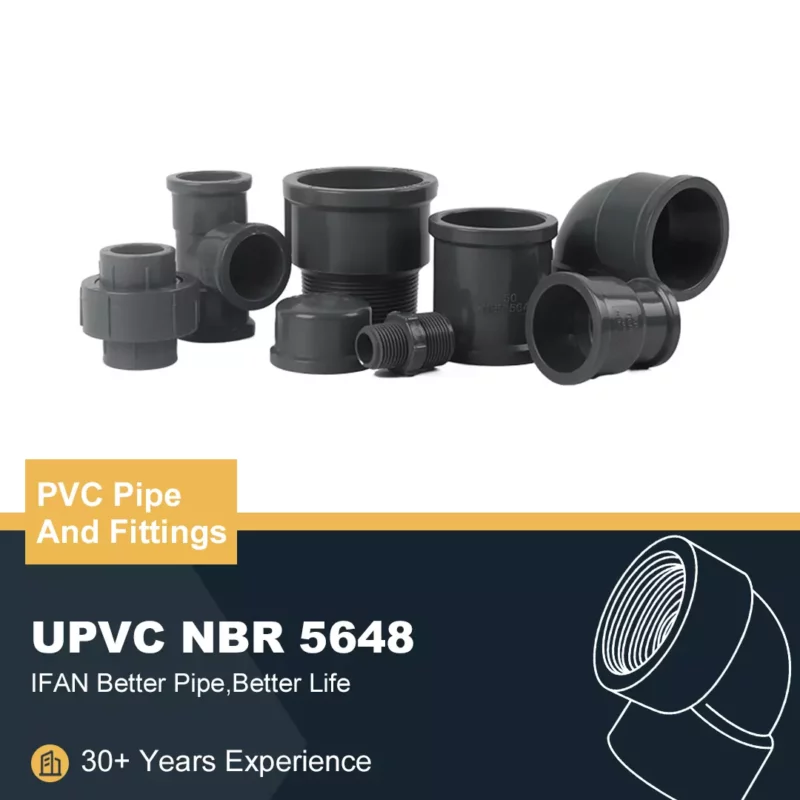


Introduction to Brass Pipe Fittings
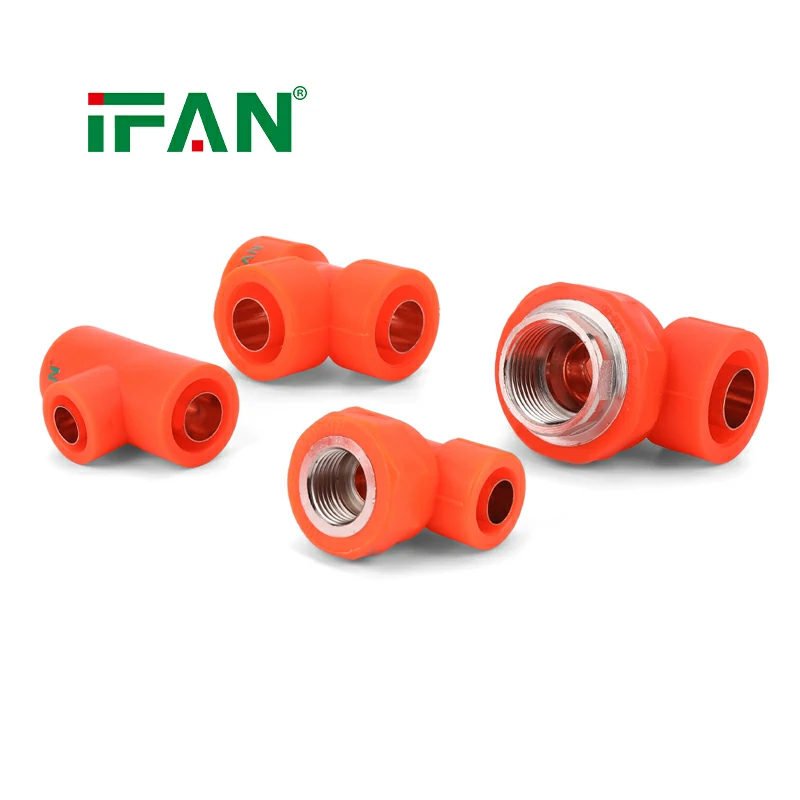
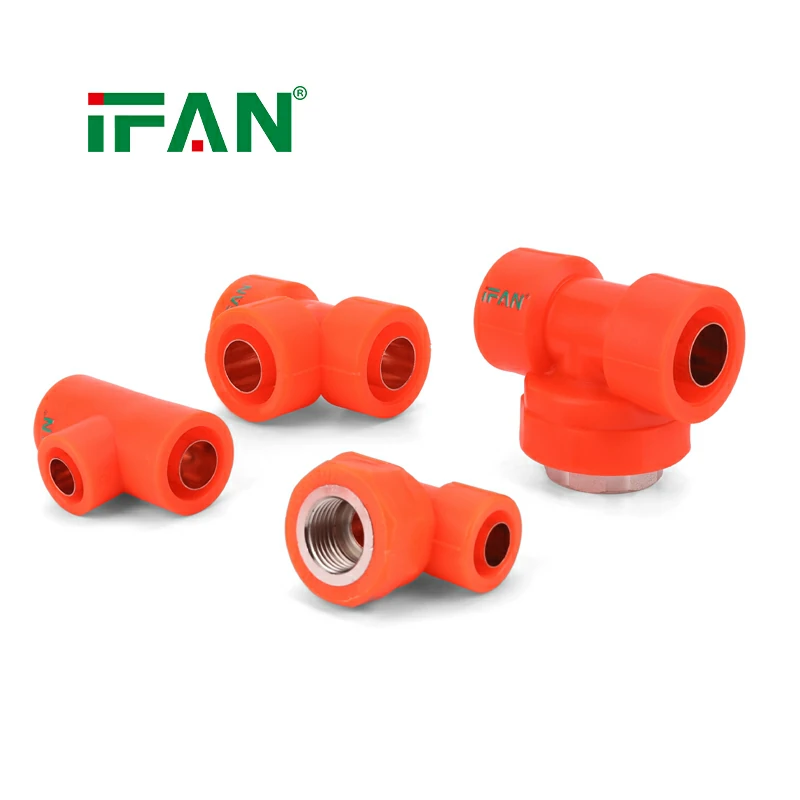
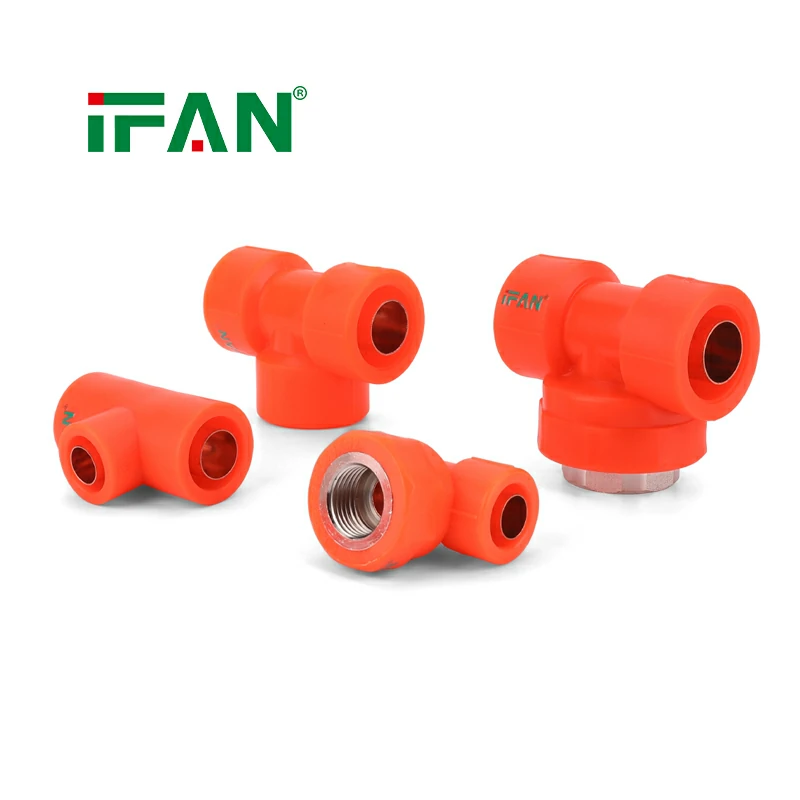
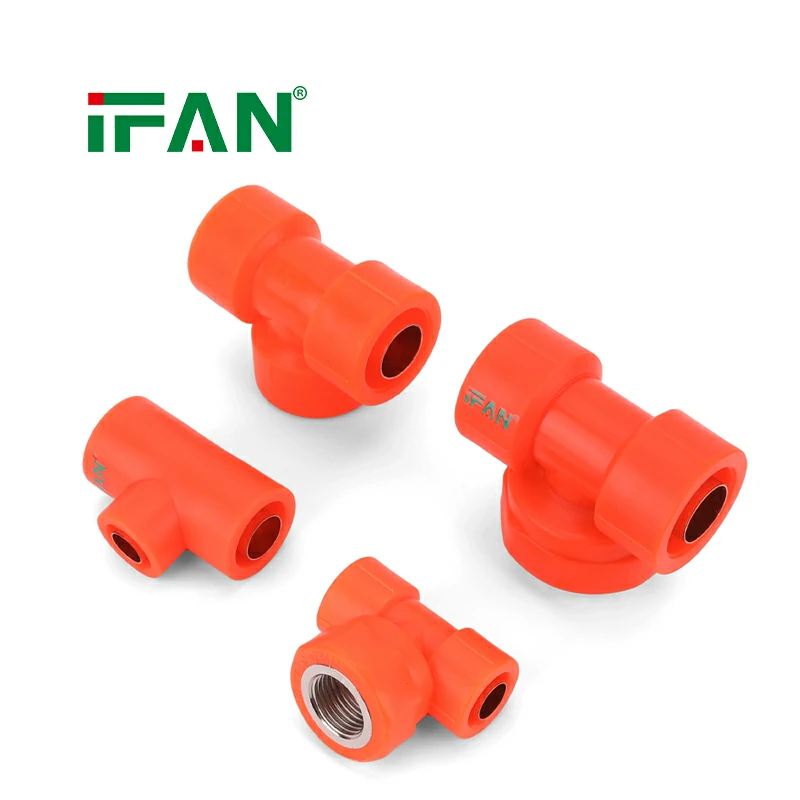
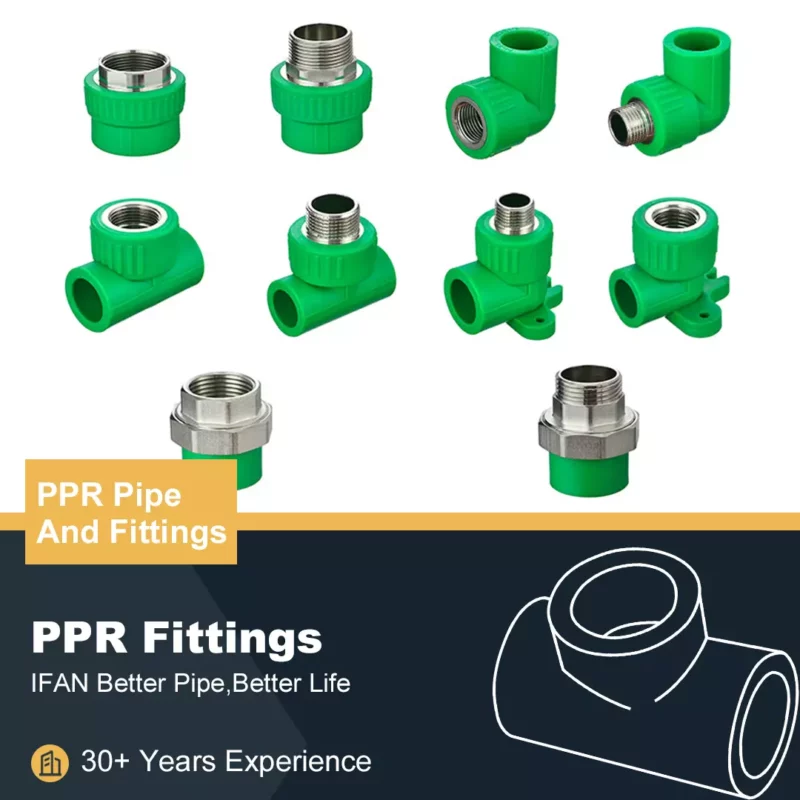
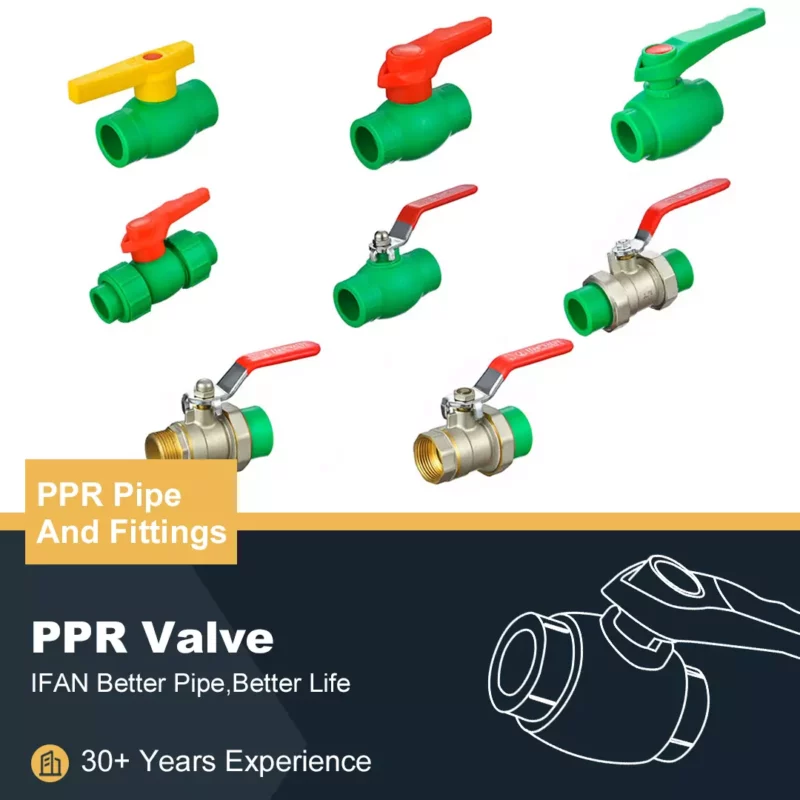
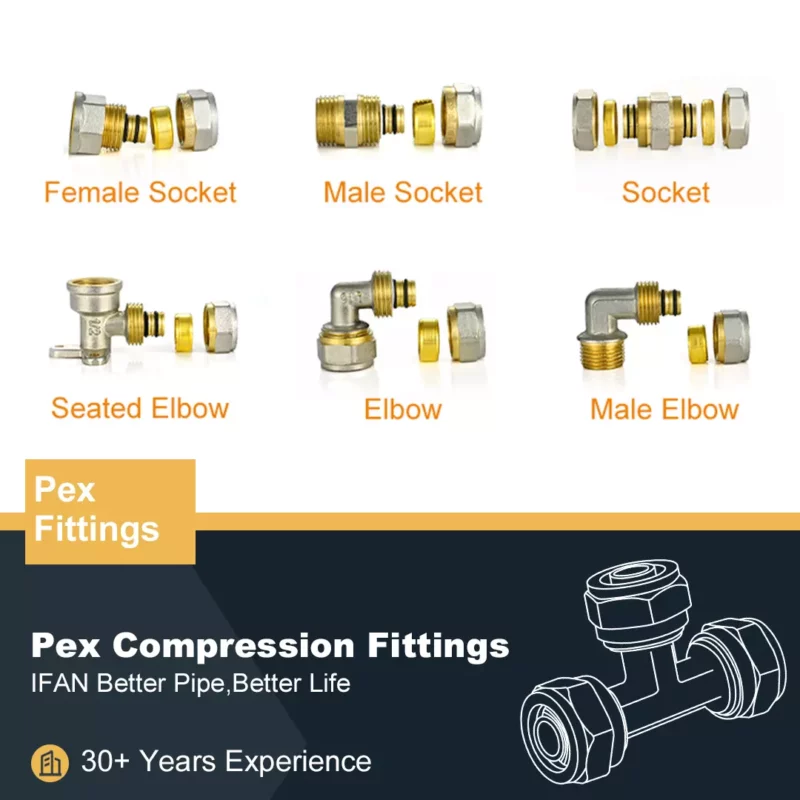
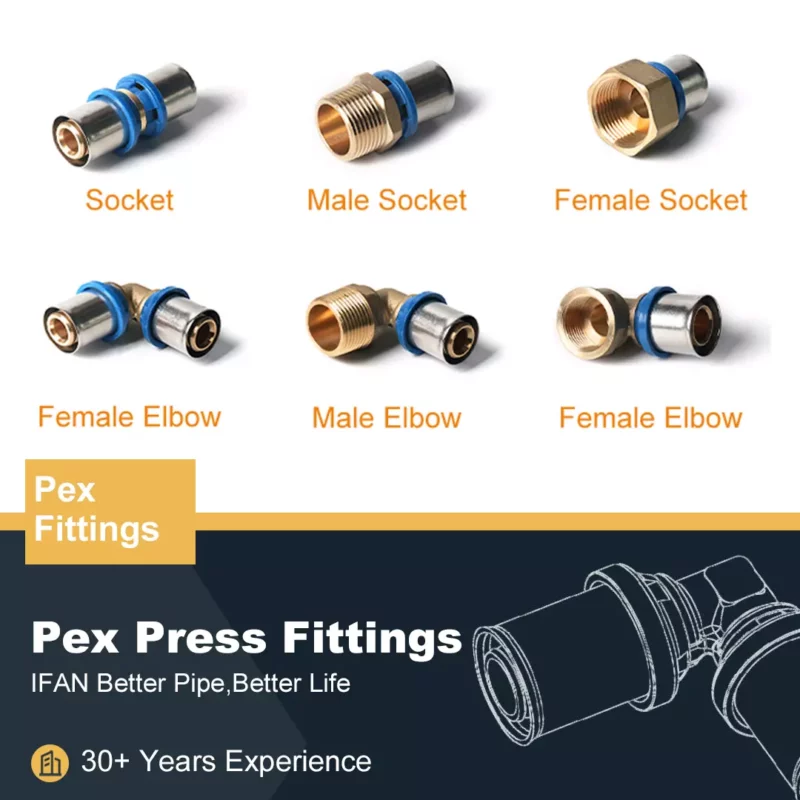
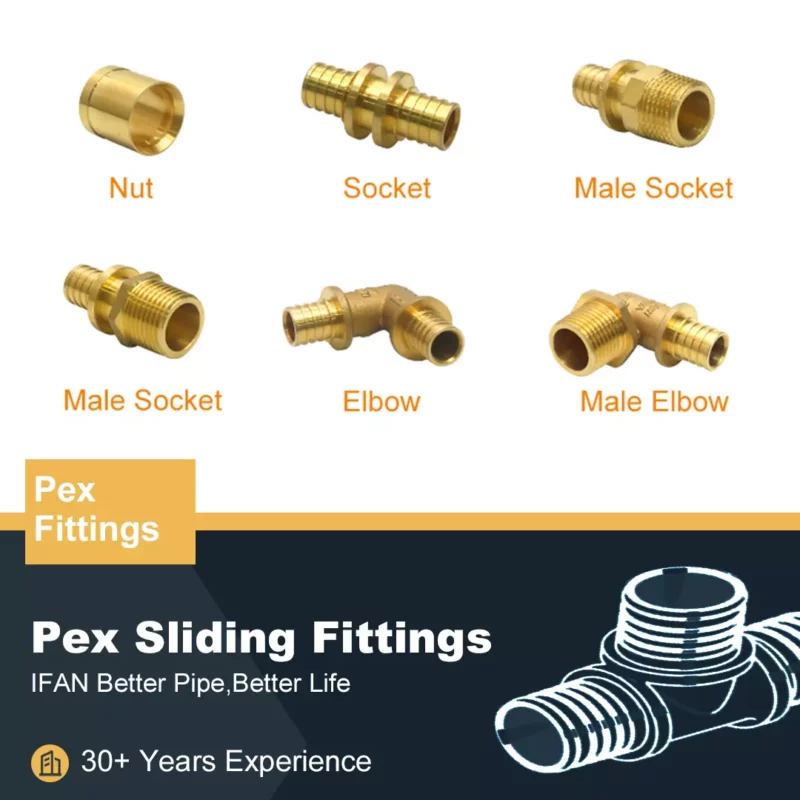
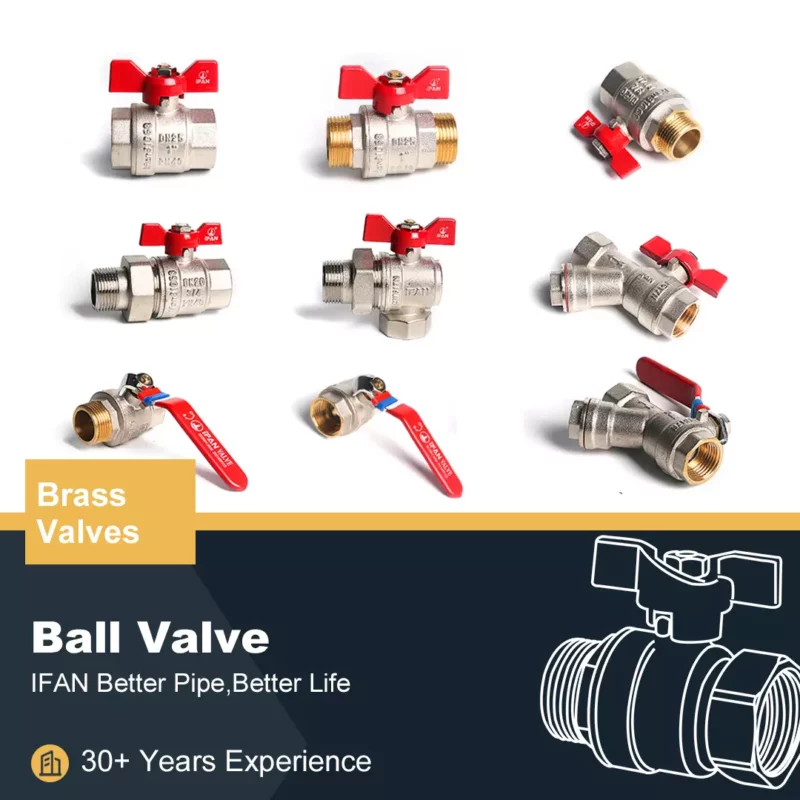
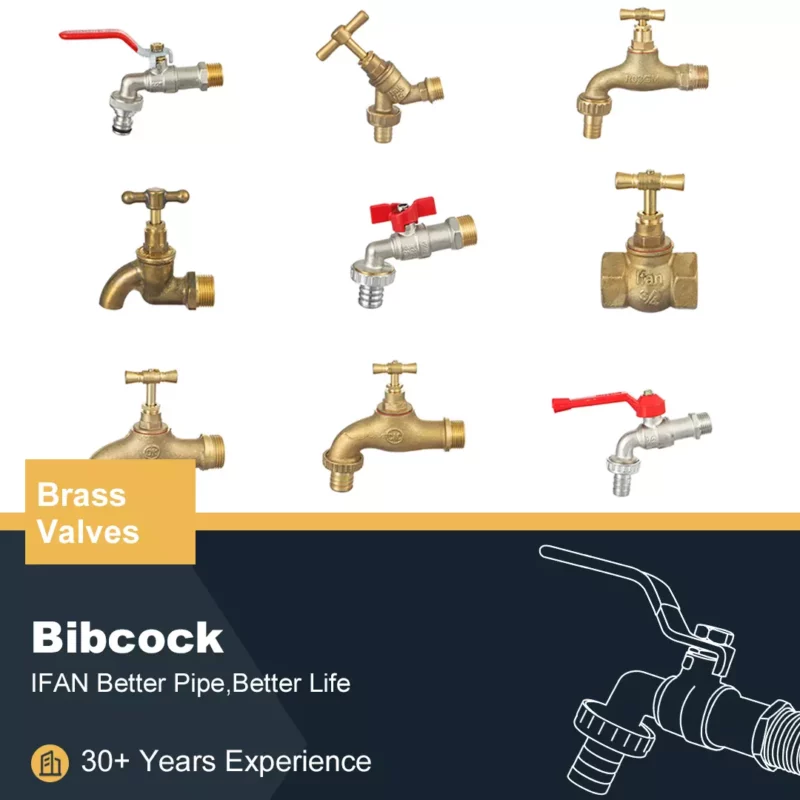
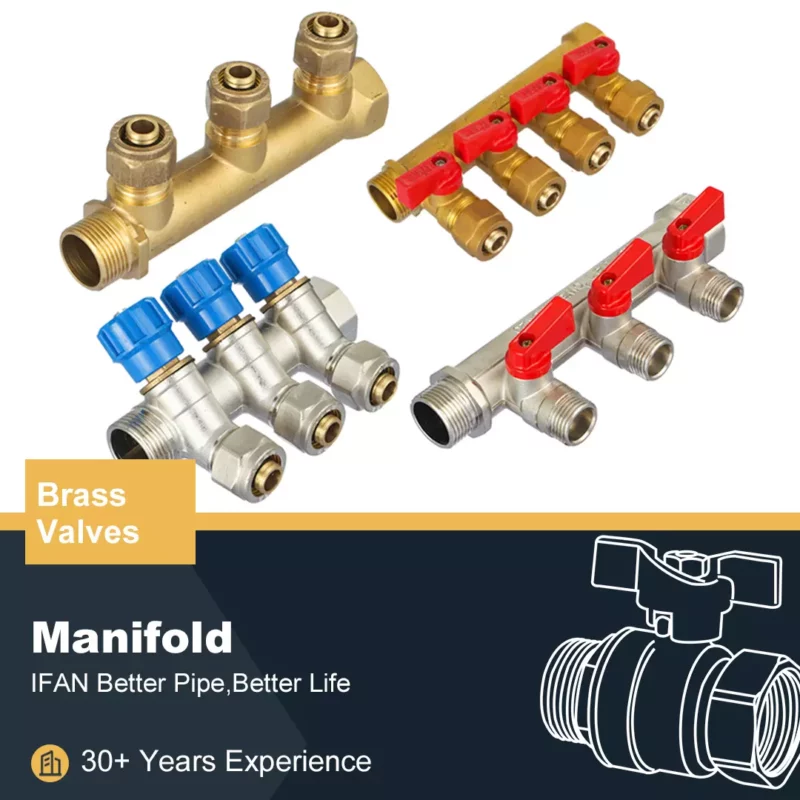
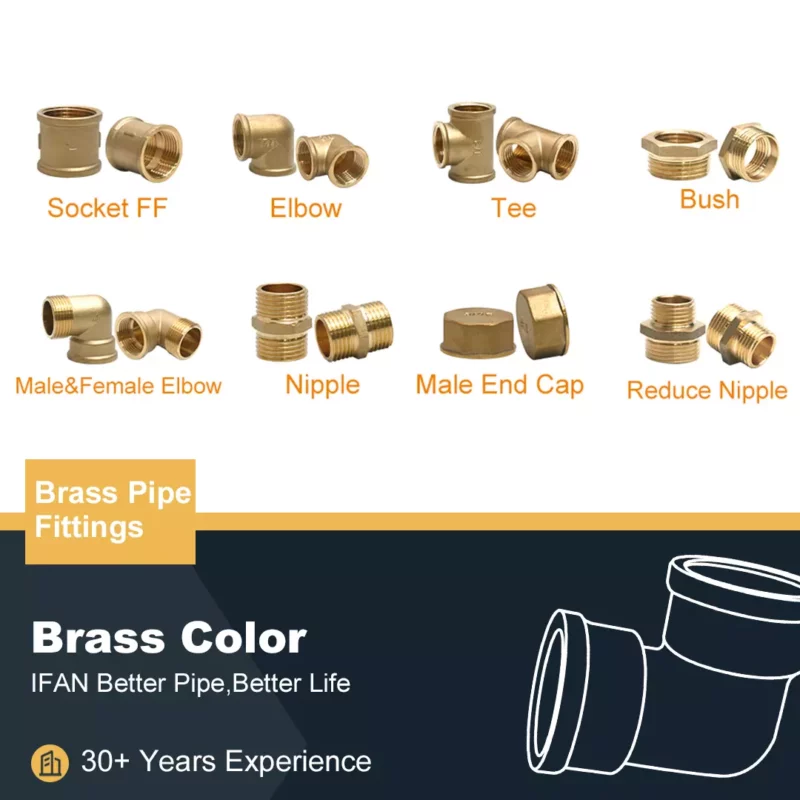
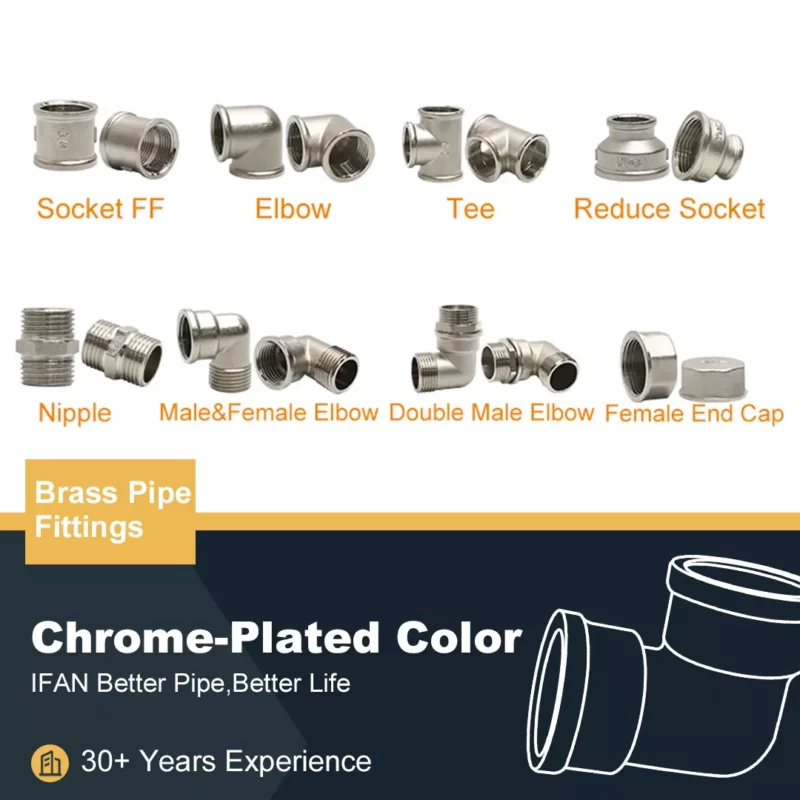
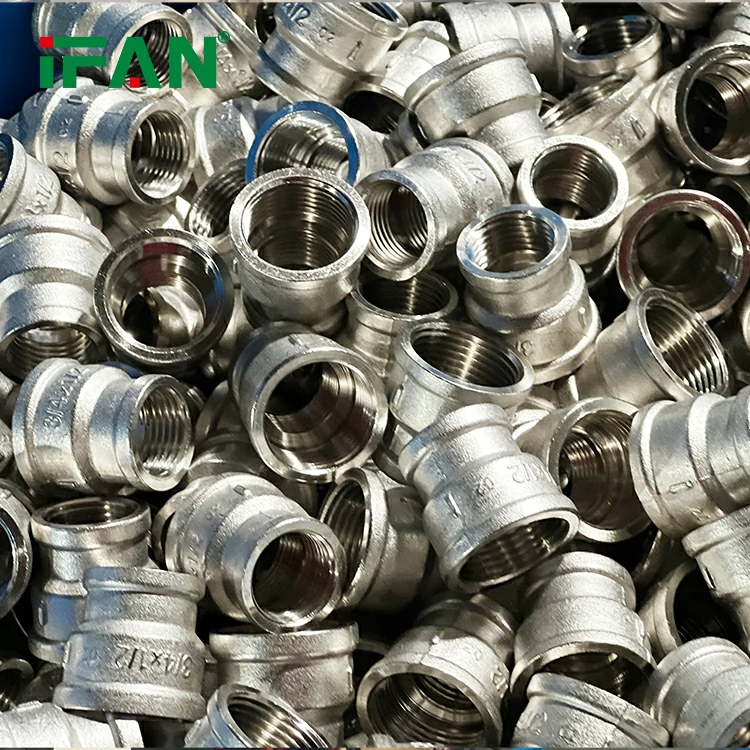
Brass pipe fittings are known for their strength, versatility, and long-lasting performance in plumbing and industrial systems. Made from a copper and zinc alloy, brass offers excellent corrosion resistance and mechanical stability. Brass pipe fittings are used to connect, control, or change the direction of pipes. Their durability makes them ideal for both residential and commercial systems. Brass fittings can handle a wide range of temperatures and pressures. They are trusted for water, gas, steam, and chemical applications. The ability of brass to resist wear over time ensures long-term system efficiency. These fittings are available in various shapes, including elbows, tees, adapters, and couplings. Brass pipe fittings offer a dependable solution for building robust piping systems.
The Durability of Brass as a Material
Brass is an alloy with a strong resistance to corrosion, temperature change, and mechanical stress. Unlike iron, it does not rust when exposed to water or air. Brass pipe fittings resist scaling and mineral buildup, maintaining smooth internal flow paths. Their toughness prevents cracking or warping under pressure or vibration. Brass retains its shape over time and can endure repeated use and pressure cycles. Its low maintenance needs also contribute to system durability. Brass fittings do not degrade in sunlight or react negatively with most household chemicals. These properties ensure that brass pipe fittings provide a long operational lifespan. In comparison with other metals, brass offers an excellent combination of flexibility and strength.
Corrosion Resistance Extends Fitting Life
Corrosion can weaken pipes and fittings, leading to leaks, failures, and costly damage. Brass pipe fittings are naturally corrosion-resistant. The zinc and copper alloy resists oxidation and forms a protective layer on its surface. This prevents rust and pitting, even in damp or chemically aggressive environments. In water systems, brass fittings maintain structural integrity for decades. They are less affected by acidic or hard water than many other metals. Because of this resistance, brass pipe fittings are commonly used in outdoor, marine, and underground applications. Their durability under these conditions reduces the need for frequent replacement. Over time, this resistance leads to fewer failures and lower maintenance costs.
Performance in High-Pressure and High-Temperature Systems
Brass pipe fittings are capable of withstanding high pressure and elevated temperatures without losing shape or sealing ability. In hot water systems, brass holds up better than plastic, which may soften or deform. It also resists stress caused by thermal expansion or contraction. Brass fittings are commonly used in pressurized water, gas, and hydraulic systems. They are rated for high-pressure applications and tested to meet safety standards. Their ability to maintain performance under stress makes them suitable for demanding conditions. Unlike weaker materials, brass does not easily fracture under sudden pressure changes. This strength helps prevent unexpected leaks or system shutdowns.
Versatile Applications Require Durable Components
Brass pipe fittings are found in a wide variety of systems, from residential plumbing to industrial pipelines. In homes, they are used for faucets, water heaters, and pipe connections. In commercial settings, they support HVAC systems, sprinkler lines, and fuel delivery. Industrial plants use brass for oil, gas, air, and chemical transfer lines. In each application, durability is essential for long-term reliability. Brass pipe fittings remain effective across different environments, including indoors, outdoors, wet areas, and temperature-controlled zones. Their ability to handle different pressures and materials makes them versatile and dependable. Choosing durable fittings is key to ensuring smooth operation in diverse systems.
Easy Installation Supports Long-Term Use
Brass pipe fittings are easy to install, which helps reduce the risk of damage during setup. They can be joined using threads, compression, or push-fit connections. This flexibility reduces the need for special tools or techniques. Proper installation helps ensure leak-free performance and long-term durability. Unlike welded or soldered joints, brass fittings can be removed and reused. This allows for system changes or repairs without waste. Their strength also reduces the chance of over-tightening damage. Installers appreciate the precision machining of brass threads, which creates strong, reliable seals. A proper installation sets the foundation for a long-lasting and efficient system.
Maintenance and Inspection Over Time
Brass pipe fittings require minimal maintenance, making them cost-effective over the product lifecycle. Routine inspections can help detect early signs of wear or deposits. Even after years of service, brass fittings rarely require replacement. Any buildup can usually be cleaned with vinegar or brass cleaner. If oxidation appears on the surface, it typically does not affect function. Tight connections remain sealed under pressure without frequent adjustment. When properly installed, brass pipe fittings maintain their strength and seal for many years. Keeping systems dry and secure further extends the life of the fittings. Preventive care ensures ongoing system performance and avoids emergency repairs.
Environmental and Safety Advantages
Brass pipe fittings are not only durable but also environmentally responsible. Brass is fully recyclable and can be reused without losing strength. Many fittings are now made from lead-free brass, making them safe for drinking water. Modern brass pipe fittings meet health and safety standards, including NSF, ANSI, and CSA certifications. These approvals confirm the material’s suitability for potable water systems. Brass also resists bacteria growth, supporting better water quality. Its stability reduces chemical leaching into water or air. These qualities make brass a safer, more sustainable choice for long-term installations. Users can feel confident in both system durability and environmental impact.
Comparison with Other Materials
Compared to other pipe fitting materials, brass offers a strong combination of long-term durability and ease of use. Plastic fittings may crack or degrade under UV light or extreme temperatures. Iron fittings are prone to rust and corrosion over time. Stainless steel is strong but can be expensive and harder to install. Copper is soft and may wear out faster in high-pressure systems. Brass pipe fitting strike a balance between strength, price, and ease of handling. Their long life and corrosion resistance reduce total maintenance and replacement costs. These advantages make brass a preferred material across plumbing, gas, and fluid transport systems.
Choosing Quality Brass Pipe Fittings
When selecting fittings, always choose high-quality brass that meets industry standards. Look for markings that confirm pressure ratings and safety certifications. Fit and finish are also important—well-machined threads provide better sealing. Low-quality fittings may contain impurities or poor threading, leading to leaks or failures. Investing in reliable brass pipe fitting ensures long-term durability and safety. Work with trusted suppliers and brands known for consistency and performance. In critical systems, quality fittings can prevent costly breakdowns or safety hazards. Reliable brass fittings are a smart investment for both immediate and long-term system needs.
Conclusion
Brass pipe fittings offer long-term durability through their strength, corrosion resistance, and proven performance. Their ability to handle pressure, heat, and chemical exposure makes them suitable for almost any piping system. Easy installation, low maintenance, and safety advantages make brass a top choice for builders, engineers, and homeowners. Brass pipe fittings deliver consistent, leak-free connections that last for years. Whether used in a home, factory, or commercial building, brass fittings provide value through long-lasting reliability. By choosing brass, users invest in safety, efficiency, and peace of mind. For systems that demand strength and endurance, brass pipe fittings are the clear solution.
If you have read this article and have any questions, please feel free to contact IFAN. Below is our contact information:
Whatsapp:+86 13373827623
Email:[email protected]