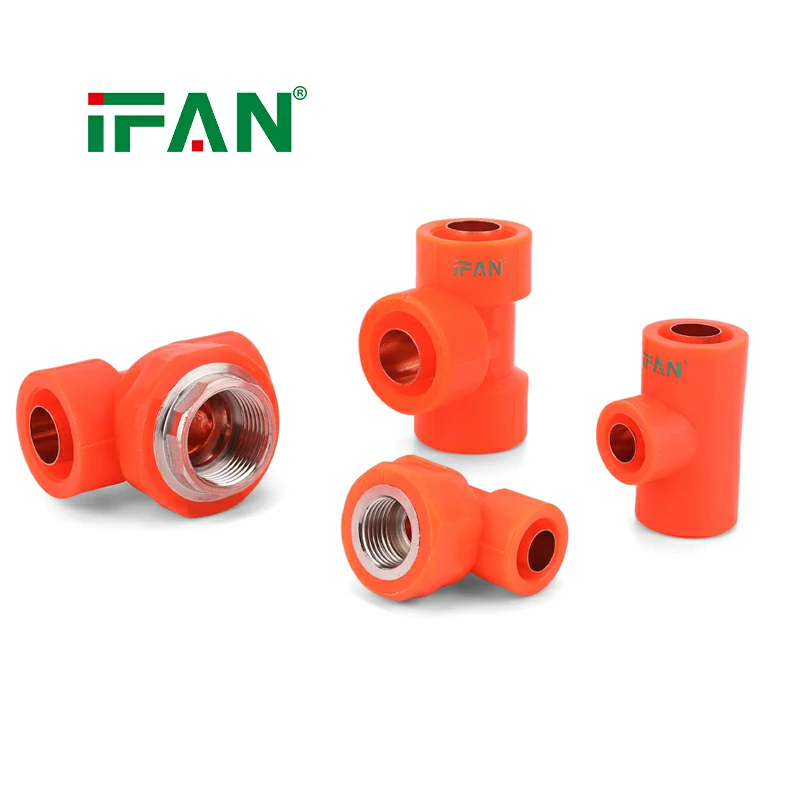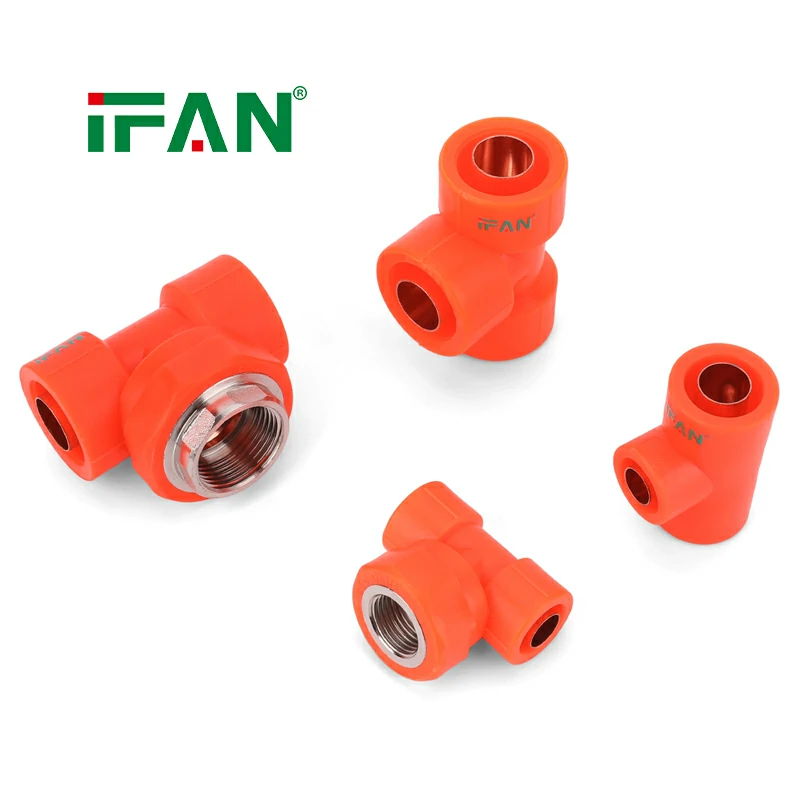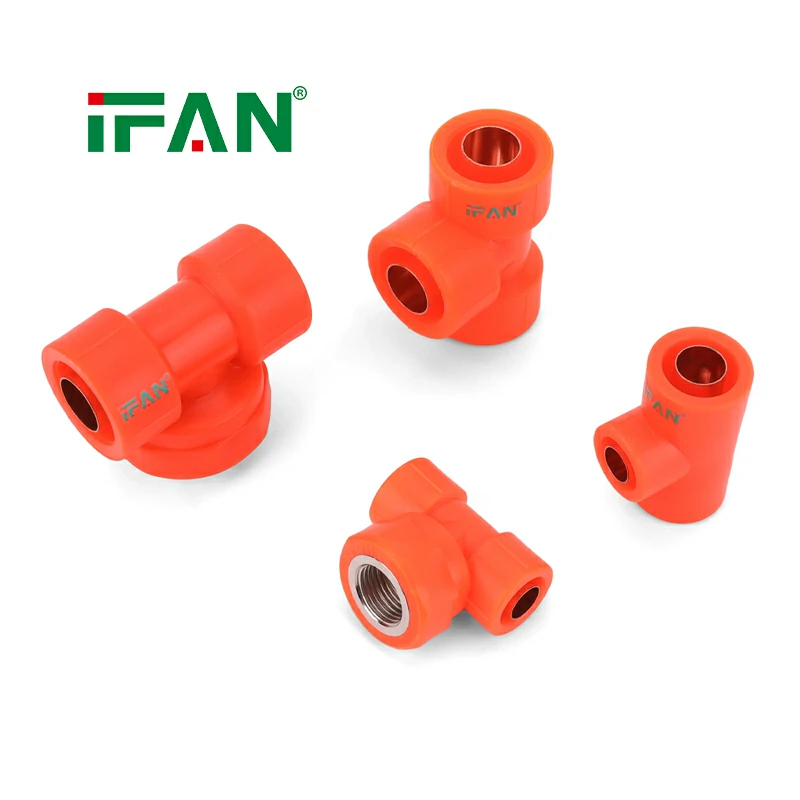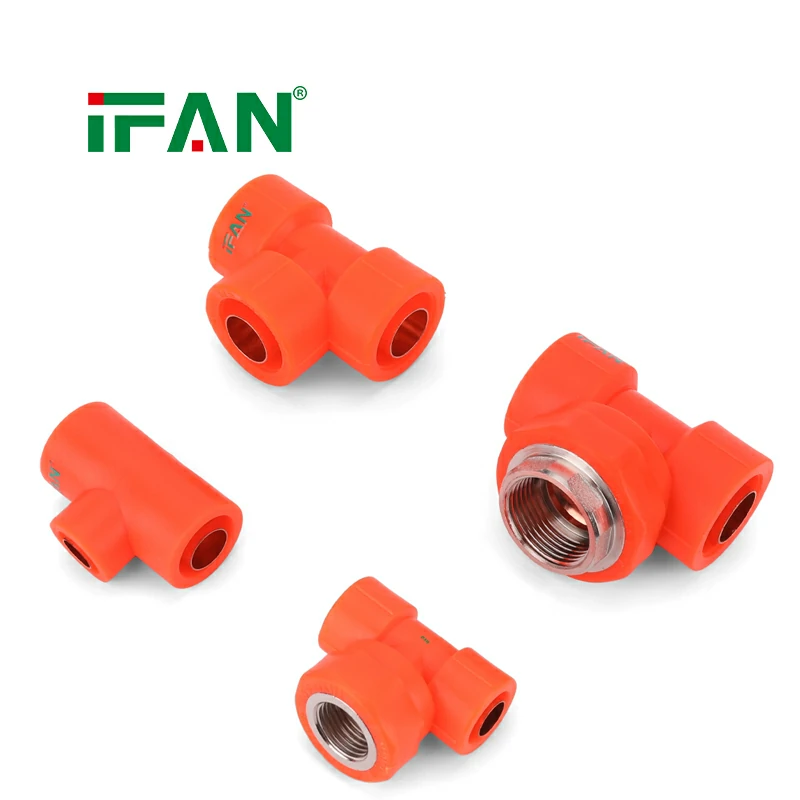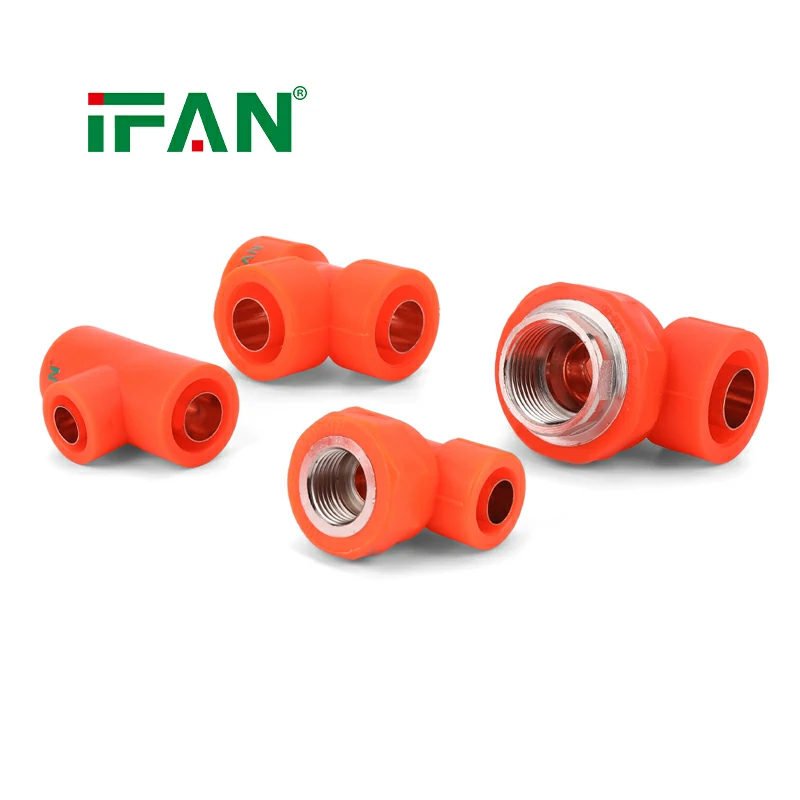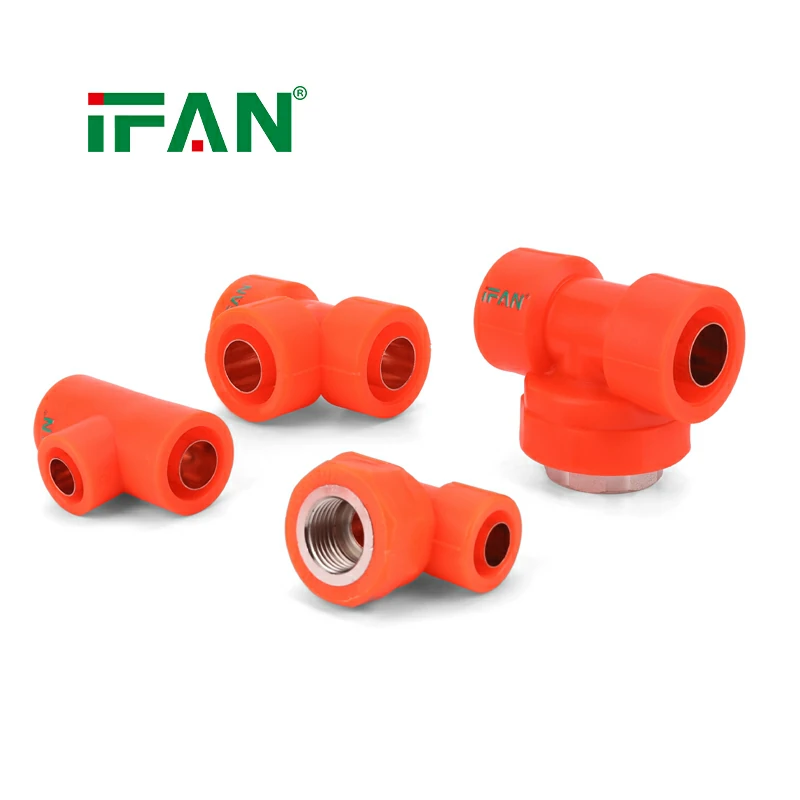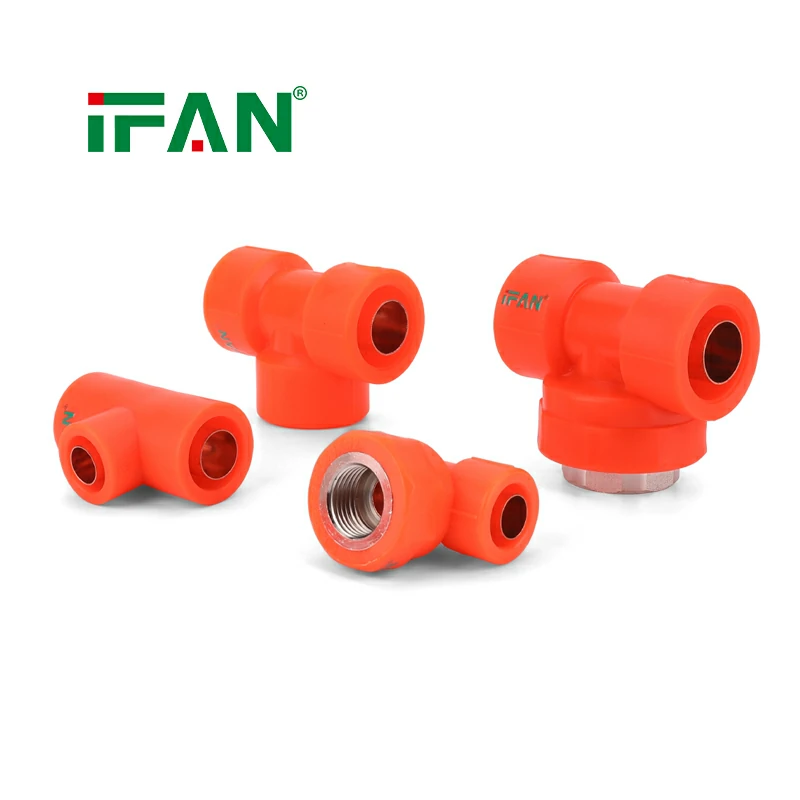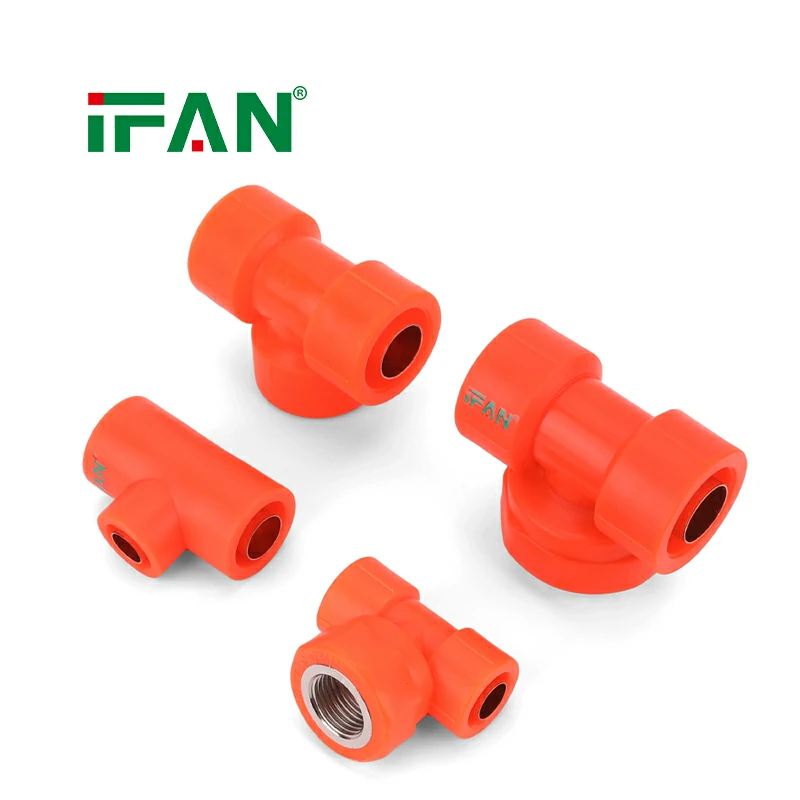
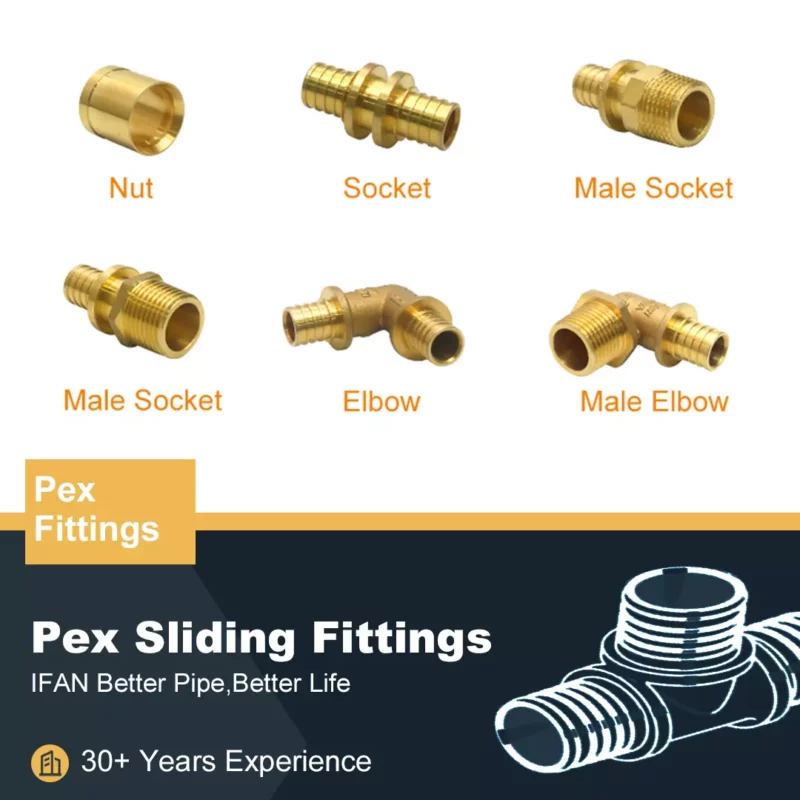
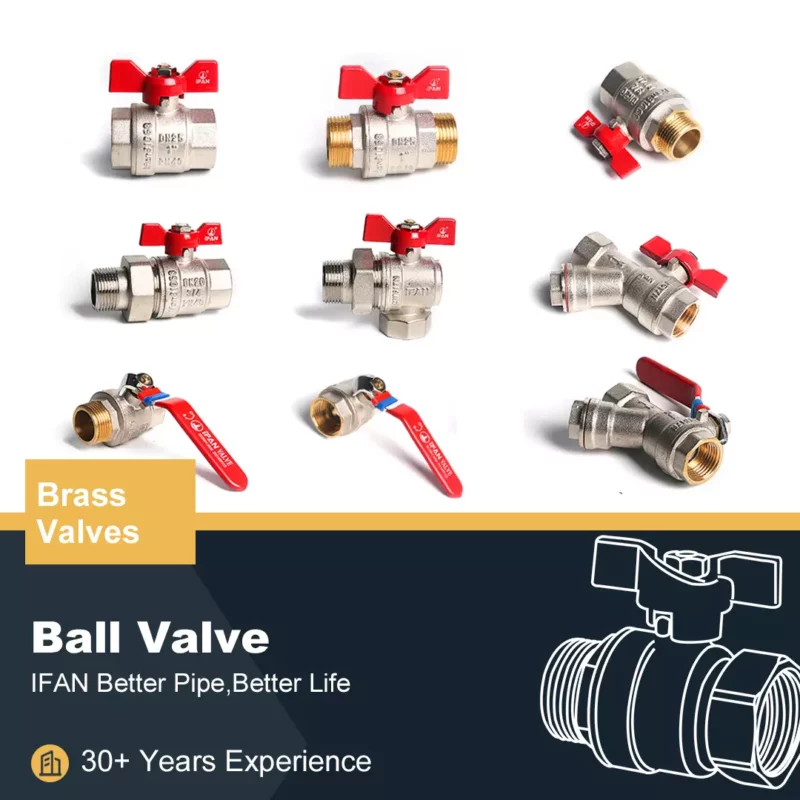
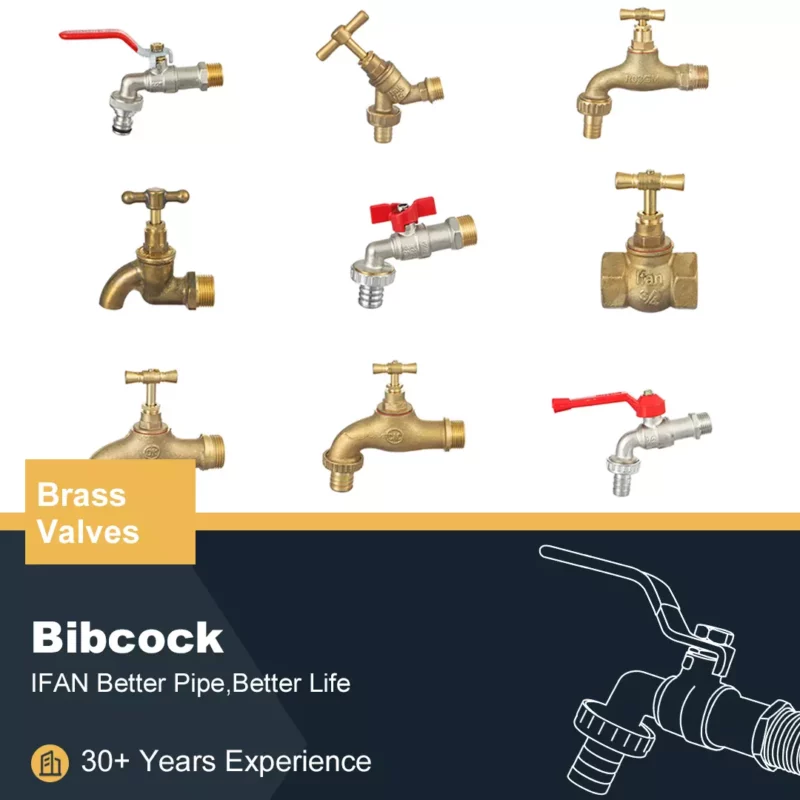
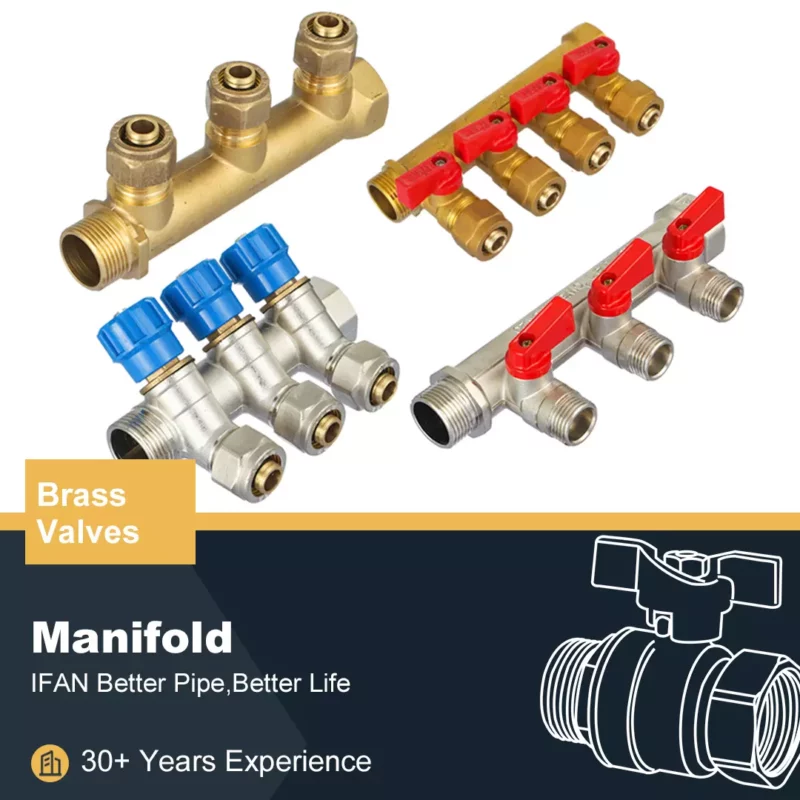
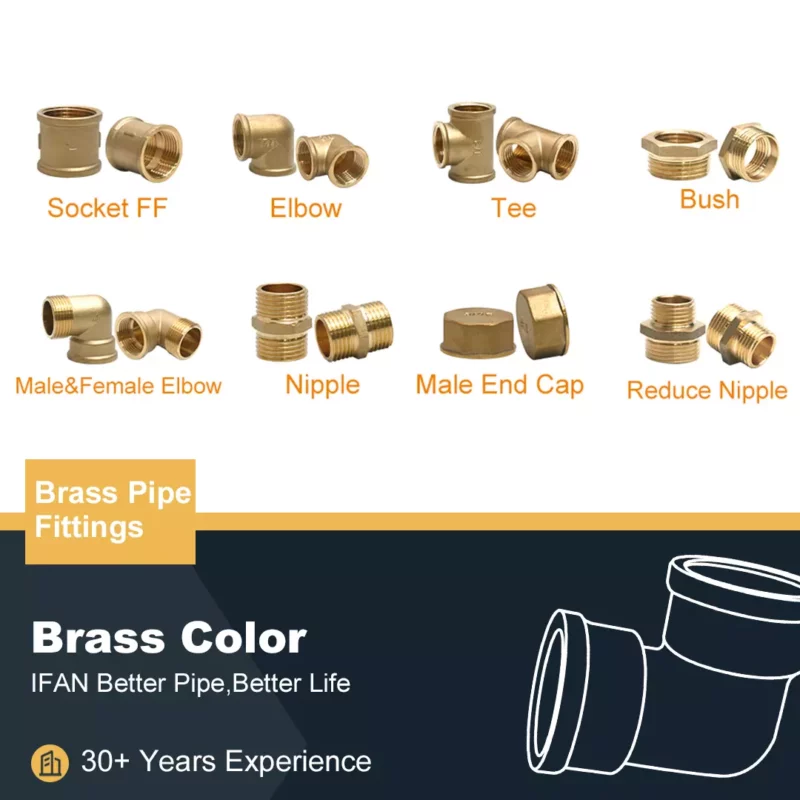
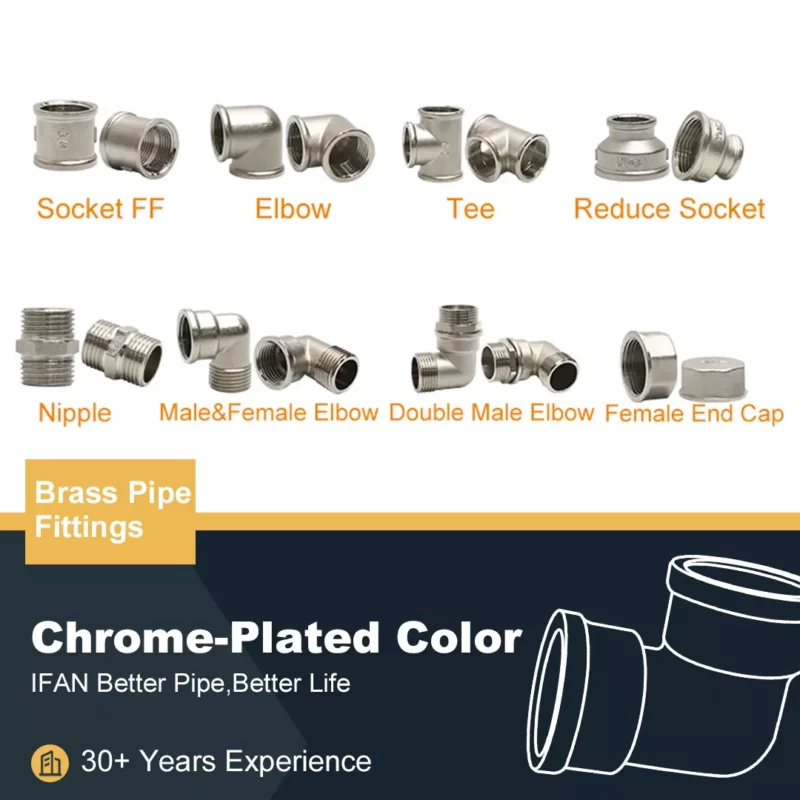



Introduction to Brass Pipe Fittings
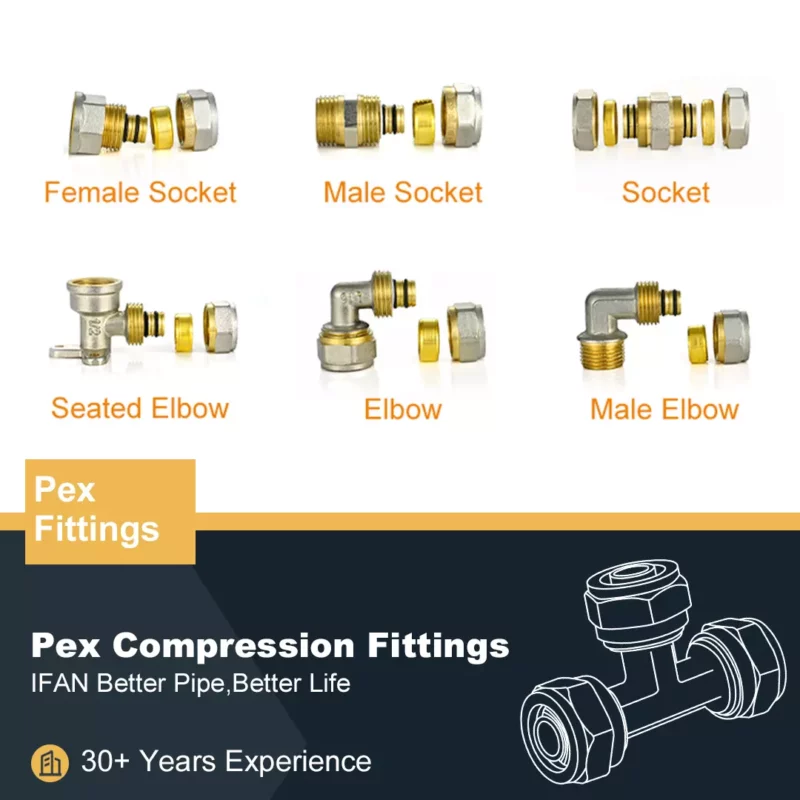
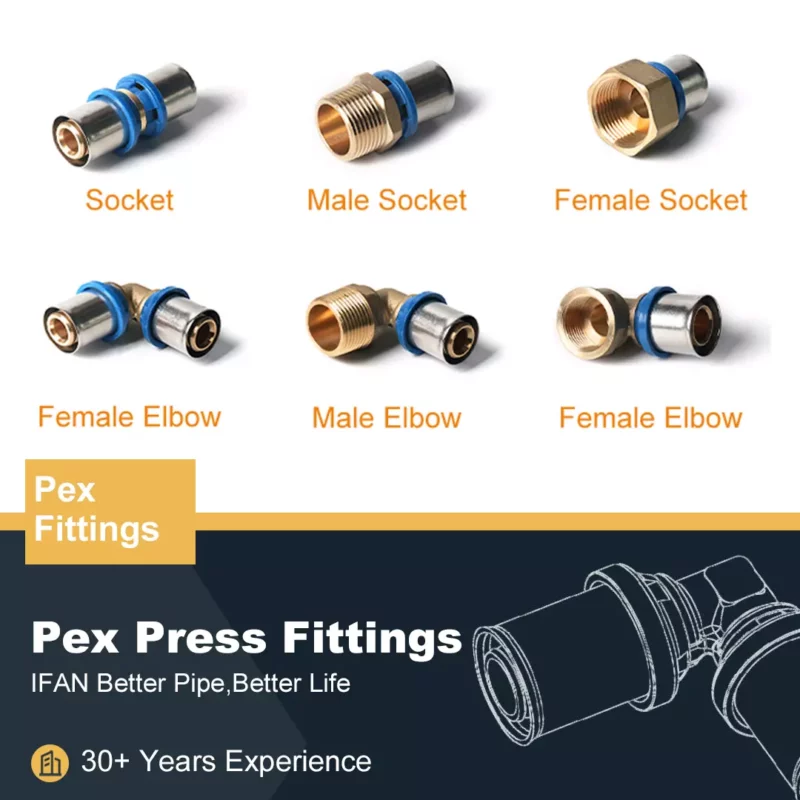
Brass pipe fittings are widely used in plumbing, heating, and industrial systems due to their strength and versatility. These fittings connect pipes and control the direction or flow of liquids and gases. Made from a copper and zinc alloy, brass pipe fittings provide high durability and mechanical stability. One of their key benefits is their ability to handle extreme temperatures. Whether exposed to freezing cold or high heat, brass fittings remain reliable and effective. This makes them ideal for use in demanding environments such as heating systems, hot water lines, and refrigeration applications. Their resistance to thermal stress ensures long-term performance and safety.
High Temperature Resistance
Brass pipe fittings are well known for their ability to endure high temperatures without losing strength or shape. They can typically withstand temperatures up to 400°F (204°C), depending on the specific fitting design. In hot water systems, brass fittings retain their form and do not soften like plastic. This makes them suitable for use in boilers, heating equipment, and solar water heaters. They also perform well in systems where steam or hot air is present. High-temperature tolerance reduces the risk of leaks, warping, or joint failure. Even in environments where temperature fluctuates rapidly, brass pipe fittings maintain reliable connections.
Performance in Freezing Conditions
In extremely cold environments, brass pipe fittings also demonstrate strong performance and durability. Unlike plastic materials, brass does not become brittle or crack under freezing temperatures. It remains tough and maintains a tight seal, preventing leaks caused by contraction. This makes brass fittings suitable for outdoor piping, refrigerated systems, and cold-weather installations. In areas with harsh winters, brass ensures dependable operation and safety. Plumbers often use brass in freeze-prone systems because it can handle sudden drops in temperature. Brass pipe fittings continue to function even when other materials fail. Their performance in freezing conditions reduces costly repairs and improves system reliability.
Thermal Expansion and Stability
All materials expand and contract with temperature changes, but brass handles thermal movement exceptionally well. Brass pipe fittings expand evenly with the connected piping, minimizing stress on joints and threads. This stability helps maintain a tight, secure fit in systems exposed to frequent temperature fluctuations. Brass’s low thermal expansion coefficient ensures that connections do not loosen over time. The alloy structure of brass also helps prevent deformation when heated or cooled. These characteristics make brass an ideal choice for systems exposed to both hot and cold cycles. Brass pipe fittings maintain their integrity, even when repeatedly exposed to temperature extremes.
Common Applications in High and Low Temperatures
Brass pipe fittings are used in many systems that operate under extreme temperatures. In residential plumbing, they are used in hot water heaters and cold water supply lines. In commercial HVAC systems, brass connects high-temperature fluids and coolants. In industrial settings, brass fittings are used in boilers, refrigeration systems, and gas distribution networks. In laboratories and food processing plants, brass performs well in both sterilization and cooling processes. The consistent performance of brass pipe fittings under extreme conditions makes them suitable across multiple industries. Their adaptability and durability make them a top choice for temperature-critical applications.
Advantages Over Other Materials
When compared with other piping materials, brass offers superior thermal performance and reliability. Plastic fittings can melt or crack when exposed to temperature extremes. Copper fittings perform well under heat but are more expensive and harder to install. Steel fittings are strong but may corrode and are heavier than brass. Brass pipe fittings offer a perfect balance between heat resistance, corrosion resistance, and ease of use. Their long lifespan and performance under temperature stress give them an edge in demanding applications. Brass also resists damage from UV light, making it suitable for both indoor and outdoor use.
Installation Considerations for Extreme Environments
Installing brass pipe fittings in extreme temperature environments requires attention to detail. Proper installation ensures maximum durability and safety. Use thread sealants rated for high or low temperatures to prevent leaks. Allow for some expansion in the system design, especially when temperatures will vary widely. Do not overtighten fittings, as excessive pressure can weaken threads over time. In freezing conditions, insulate pipes and fittings to reduce thermal shock. Secure fittings to minimize movement caused by expansion or contraction. Brass pipe fittings are easy to install, but correct techniques are critical when temperatures are extreme. Proper preparation ensures the system remains leak-free and safe.
Maintenance in Harsh Temperature Conditions
Brass pipe fittings are low-maintenance, but extreme temperatures can still affect long-term performance. Regular inspection helps identify signs of wear, stress, or corrosion. In high-heat areas, check for signs of discoloration or material fatigue. In cold environments, look for cracks or leaks due to freeze-thaw cycles. Clean brass surfaces periodically to remove buildup or oxidation. Use only approved cleaning agents to avoid damaging the fittings. If any issues are found, replace fittings promptly to avoid system failure. Maintaining brass pipe fittings is simple but essential for long-term reliability. Their durability makes them a preferred option in temperature-sensitive systems.
Environmental and Safety Benefits
Brass pipe fittings are environmentally friendly and meet modern safety standards. Many fittings are made from lead-free brass, making them safe for drinking water systems. Brass is fully recyclable and does not release harmful chemicals under heat or cold. Its natural antimicrobial properties help maintain water quality in plumbing systems. Because brass does not crack easily, it reduces the risk of leaks, spills, or environmental damage. These features make brass a safe and responsible choice in temperature-critical systems. Using brass supports health, safety, and sustainability across residential, commercial, and industrial installations. For builders and engineers, these advantages offer peace of mind in demanding environments.
Cost Efficiency and Long-Term Value
Brass pipe fittings may have a higher upfront cost than plastic or basic metal alternatives. However, their long-term value is significantly greater. They last longer, require less maintenance, and perform better under stress. Brass fittings reduce repair costs, system downtime, and energy losses due to leaks. Their temperature resistance prevents early failure, even in harsh environments. Over time, these benefits result in lower total system costs. Contractors and homeowners alike value the durability and reliability brass provides. Brass pipe fitting represent a smart investment for systems exposed to extreme temperatures.
Conclusion
Brass pipe fittings withstand extreme temperatures thanks to their strength, stability, and excellent thermal performance. Whether in high heat or freezing cold, brass remains durable and effective. Its resistance to thermal stress, corrosion, and physical damage makes it ideal for demanding plumbing and industrial systems. Brass pipe fitting are easy to install, require little maintenance, and offer long-term cost savings. Their ability to perform under pressure and temperature extremes ensures safety and efficiency in any application. From water heaters to outdoor piping, brass continues to be the trusted choice. For temperature-challenged systems, brass pipe fittings provide unmatched reliability and peace of mind.
If you have read this article and have any questions, please feel free to contact IFAN. Below is our contact information:
Whatsapp:+86 13373827623
Email:[email protected]