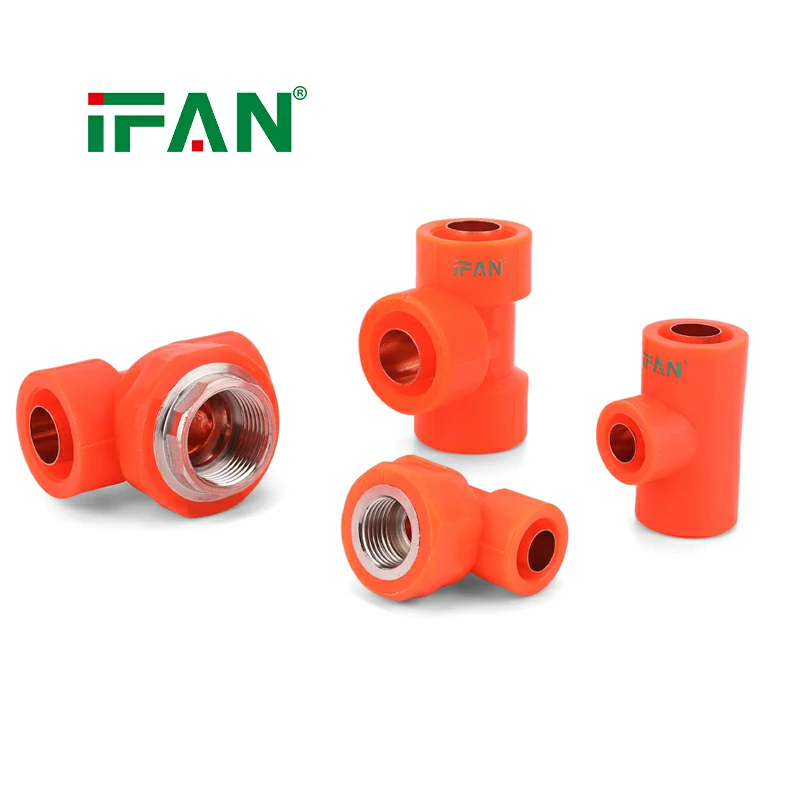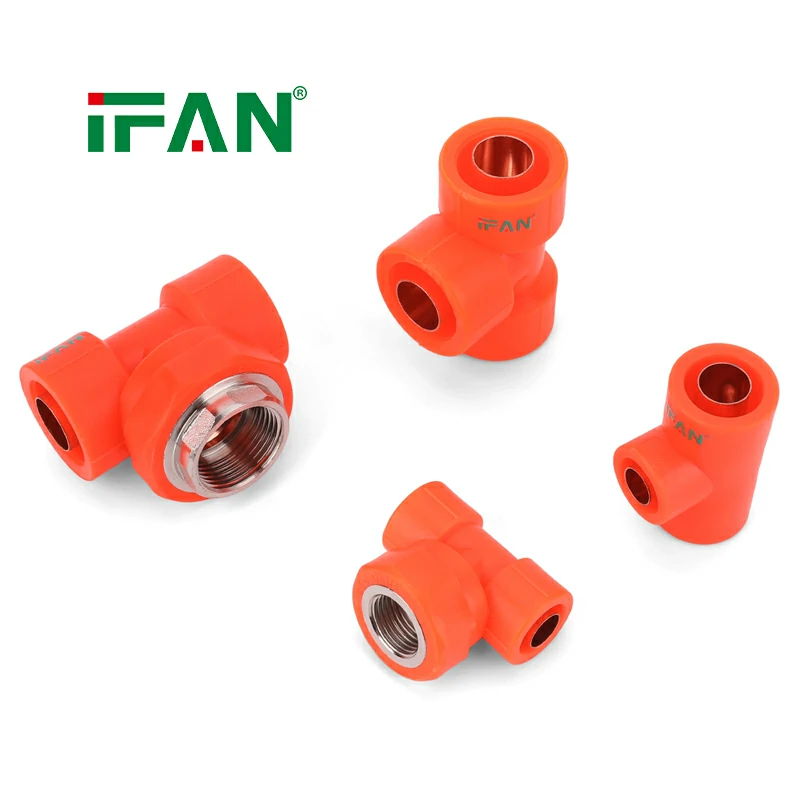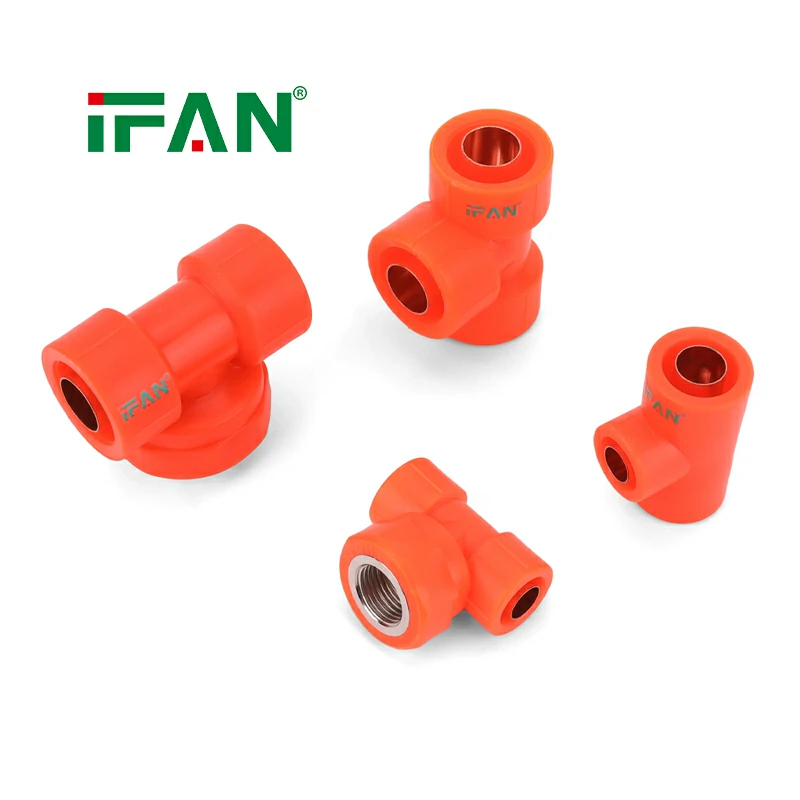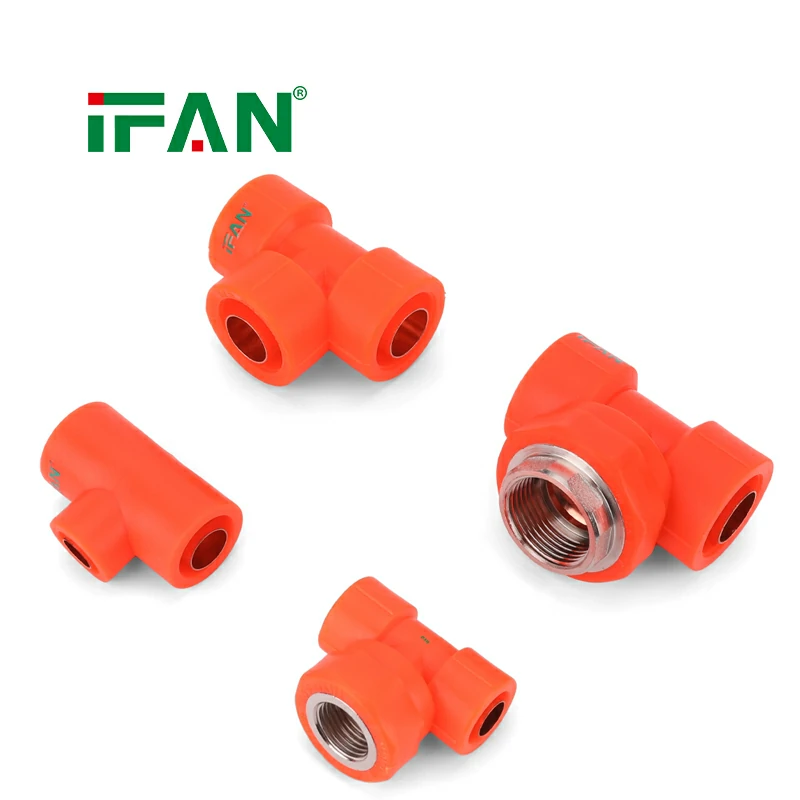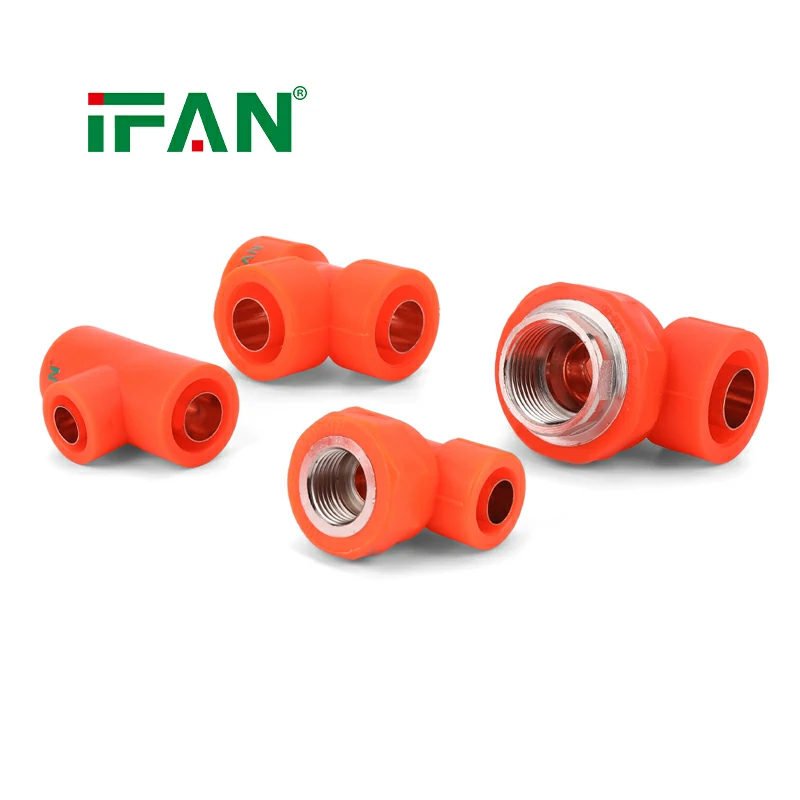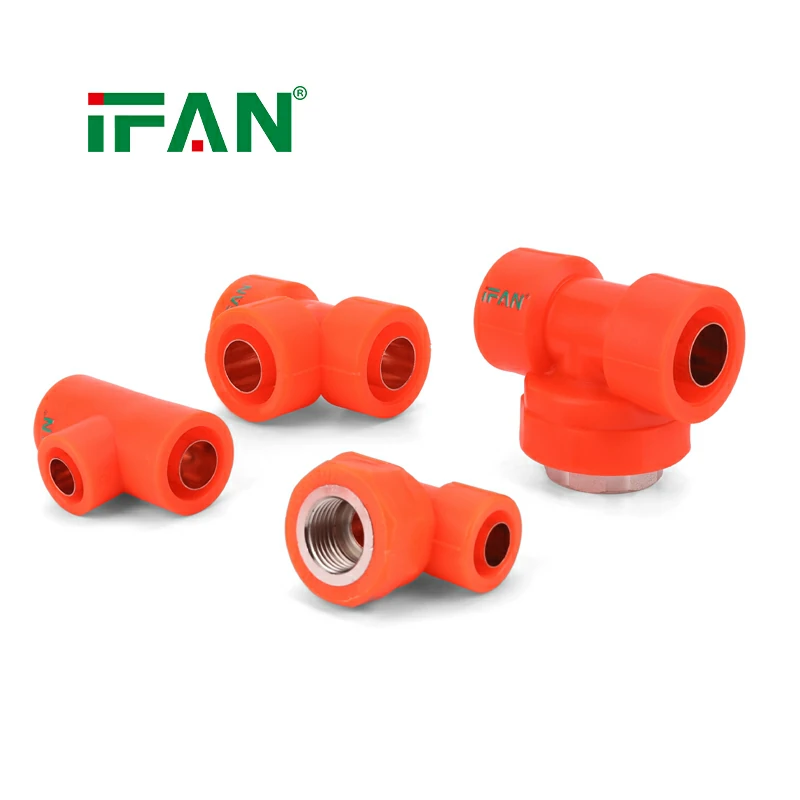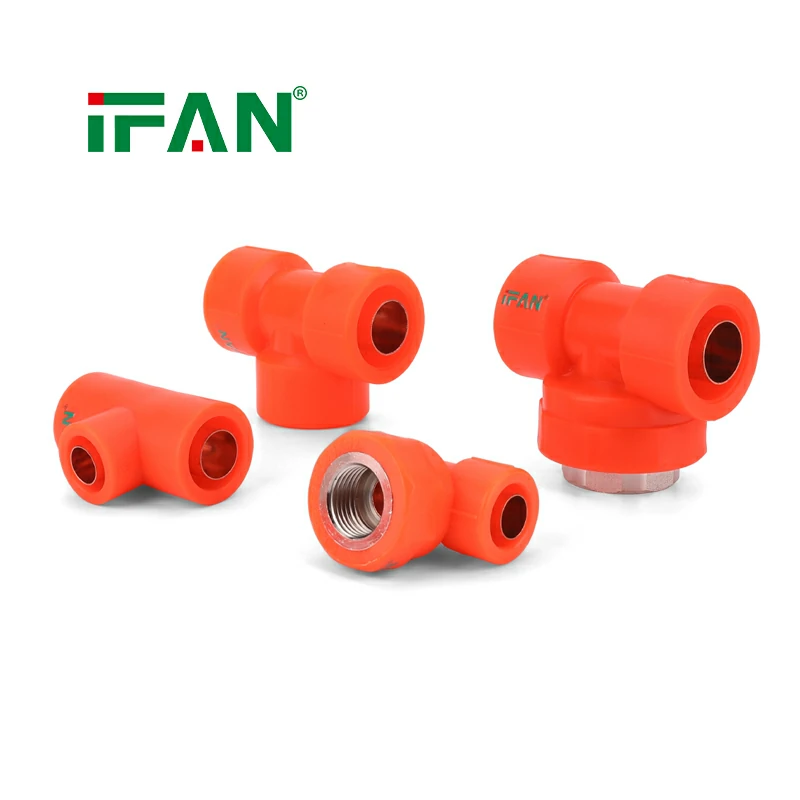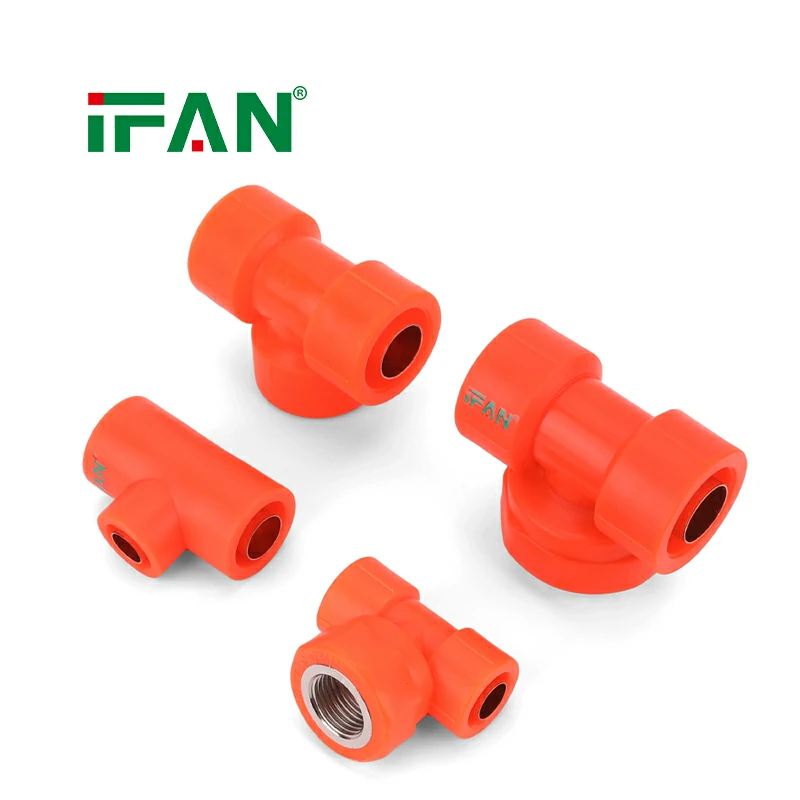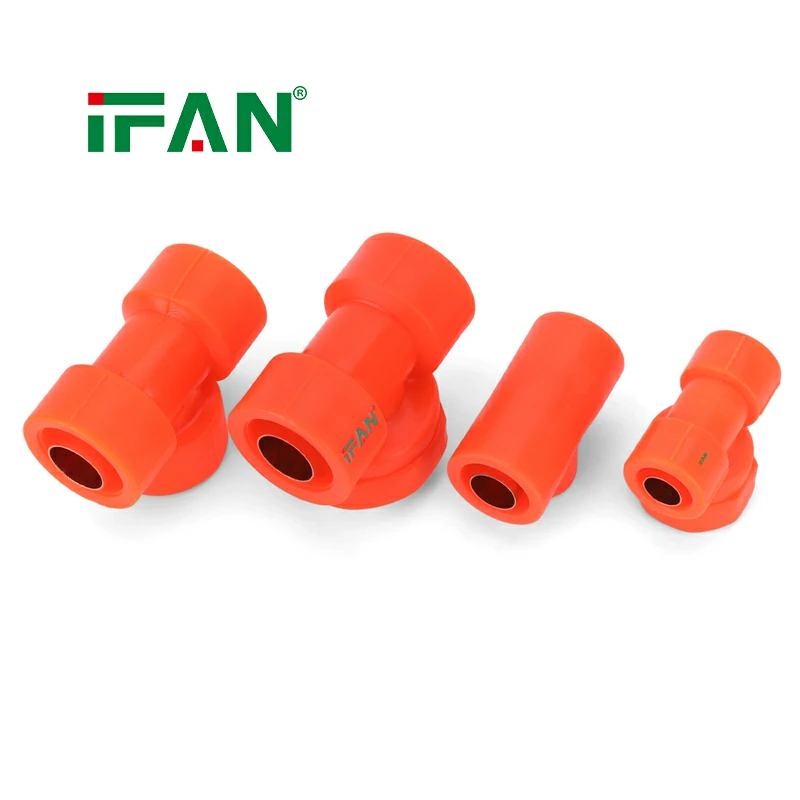
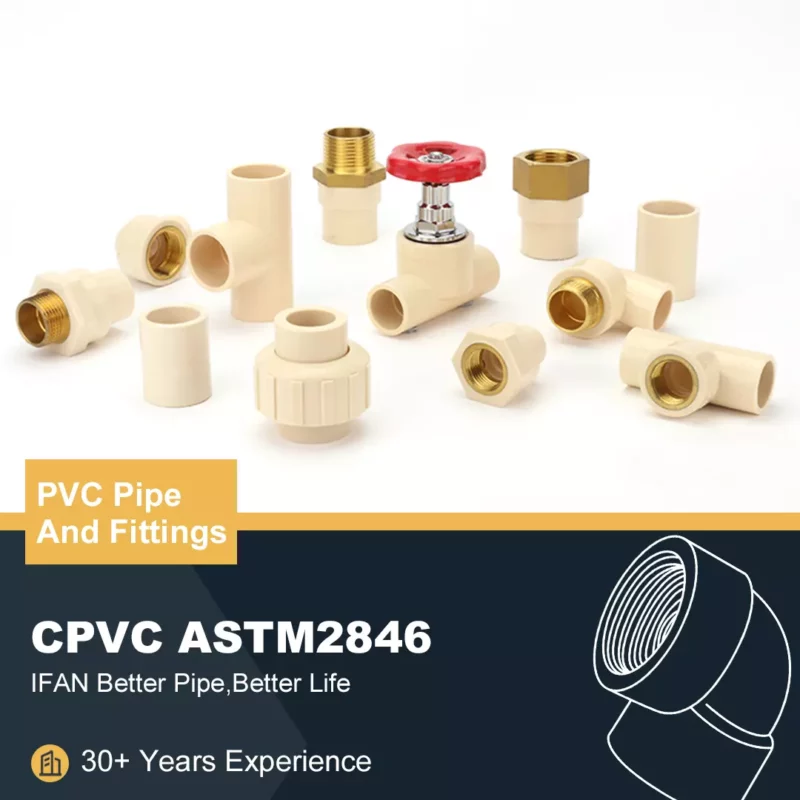
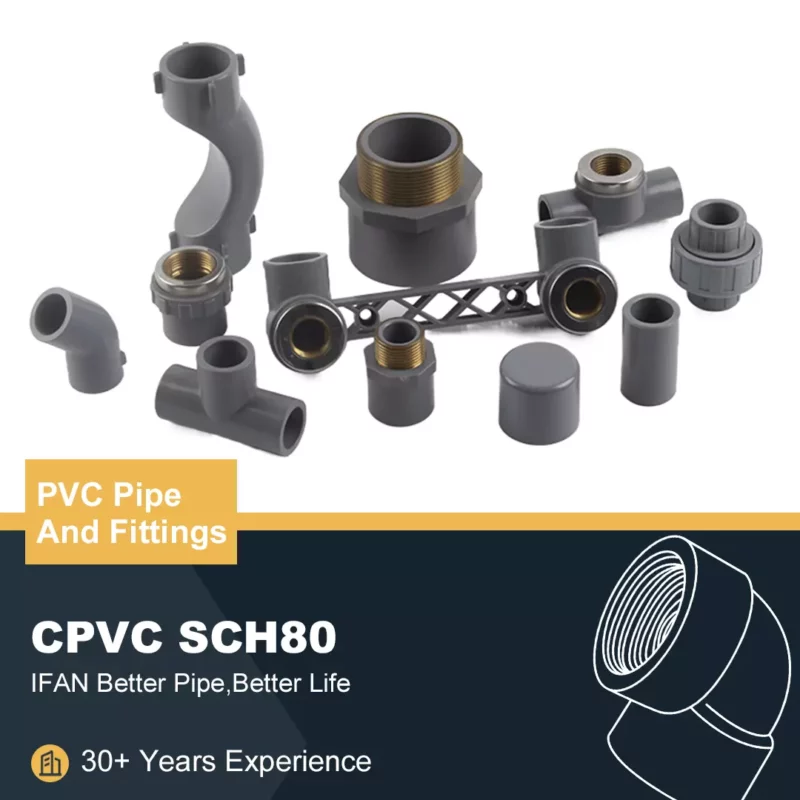
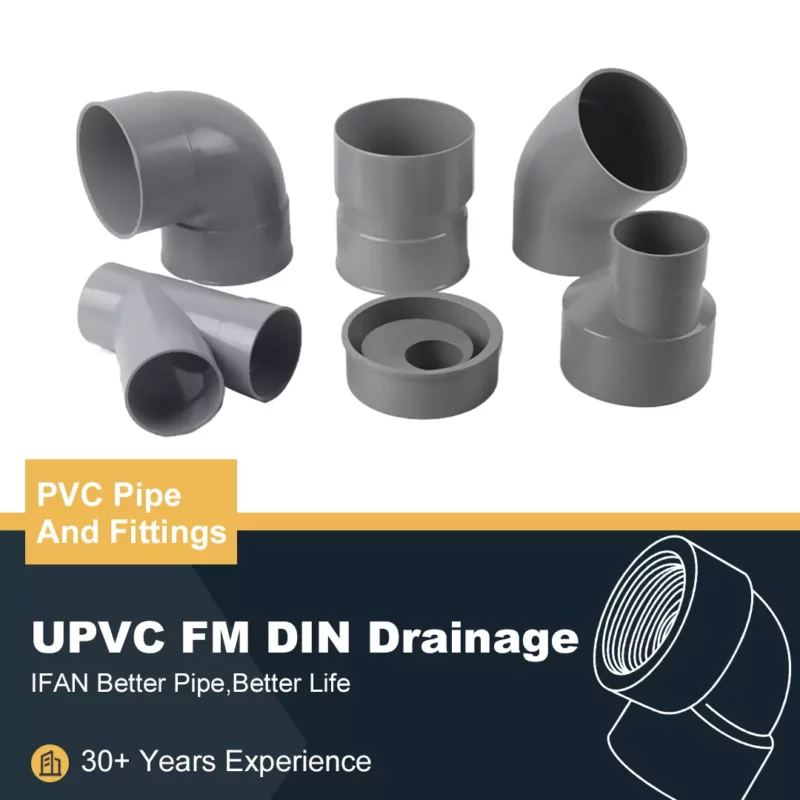
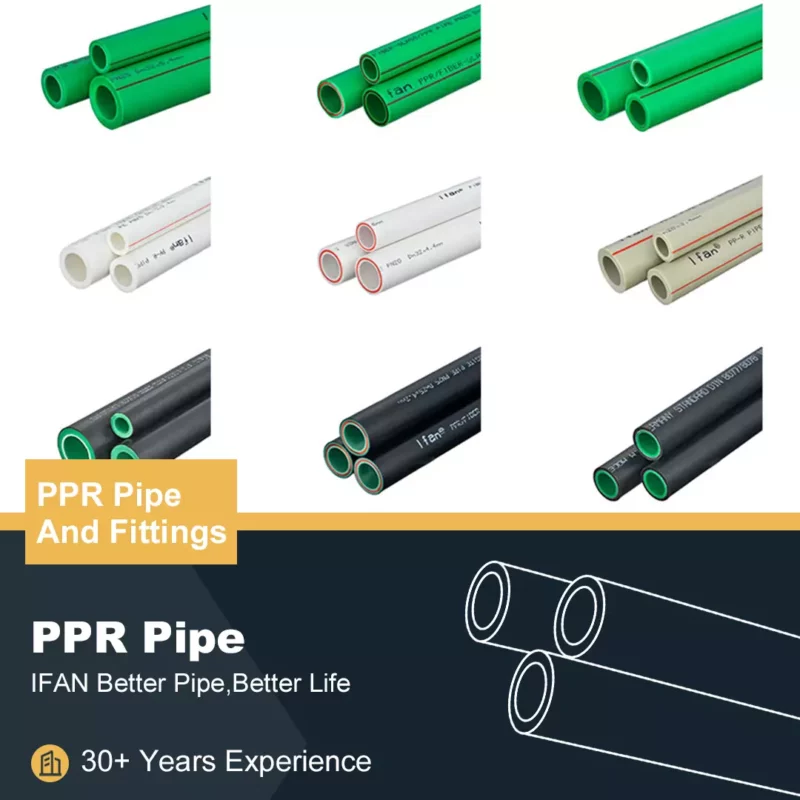
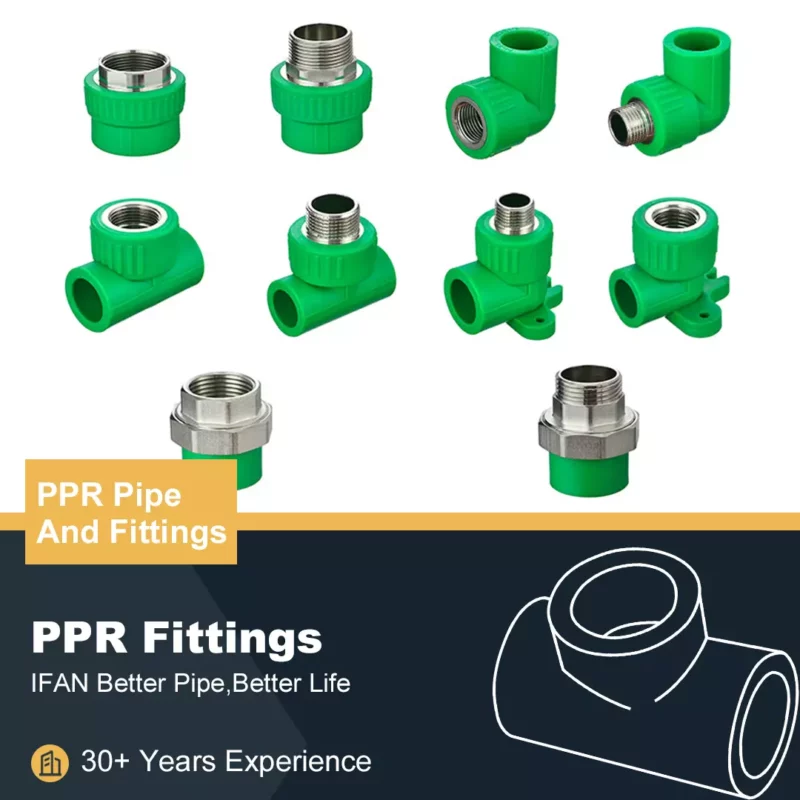
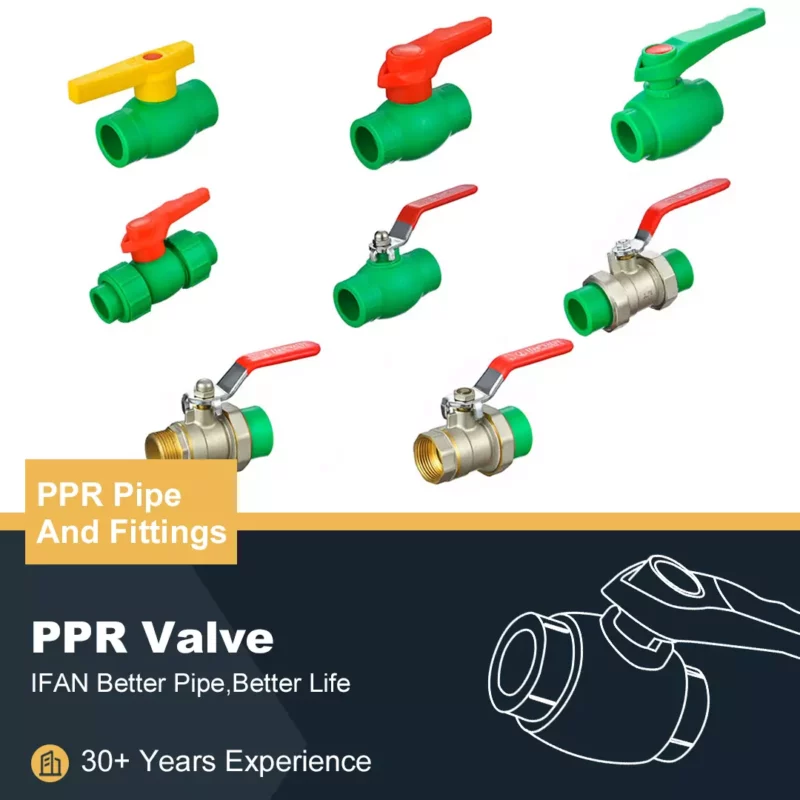
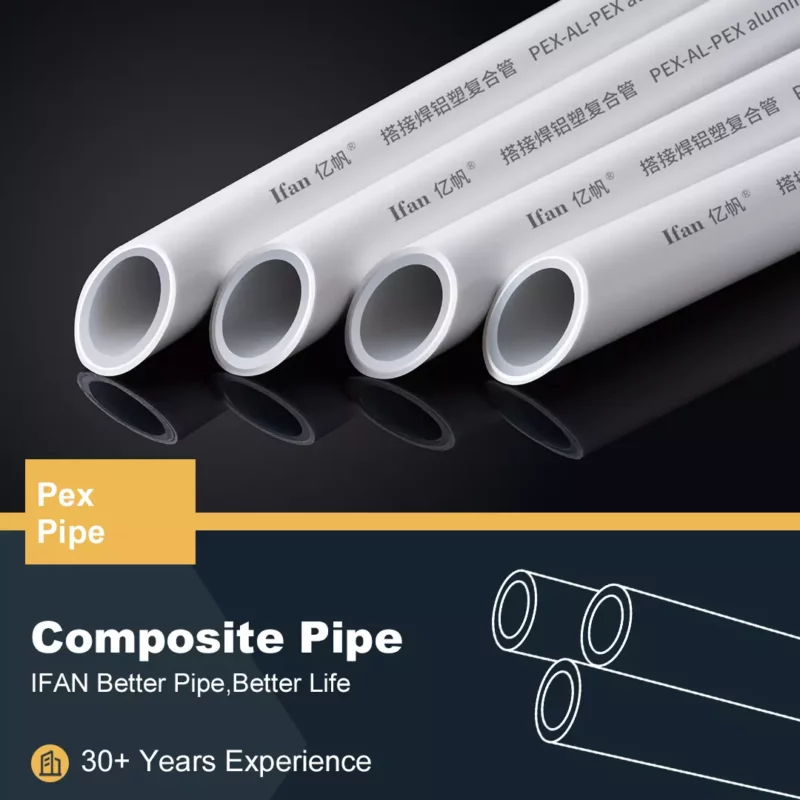
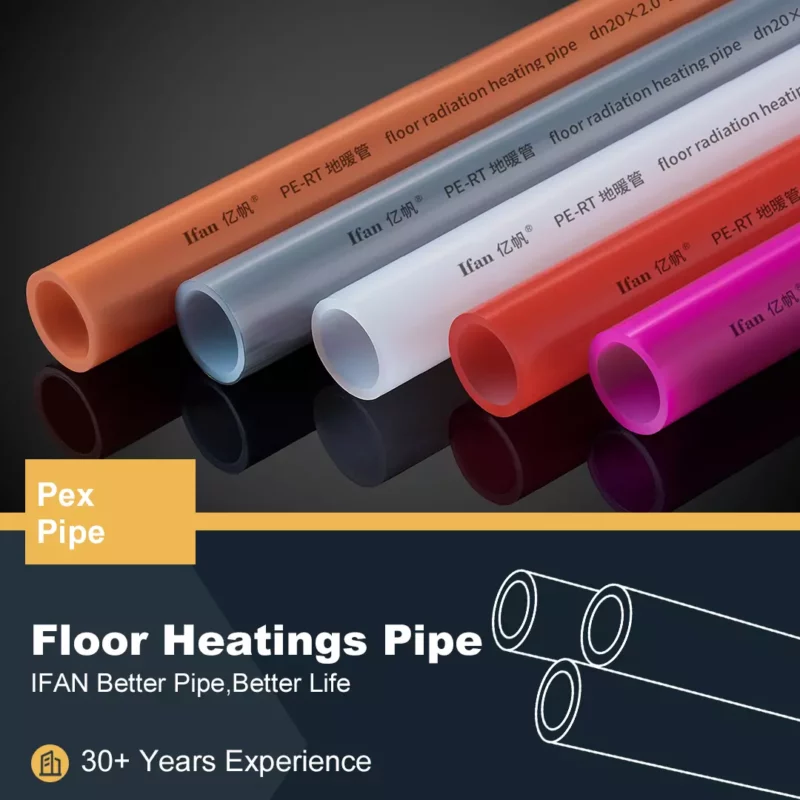



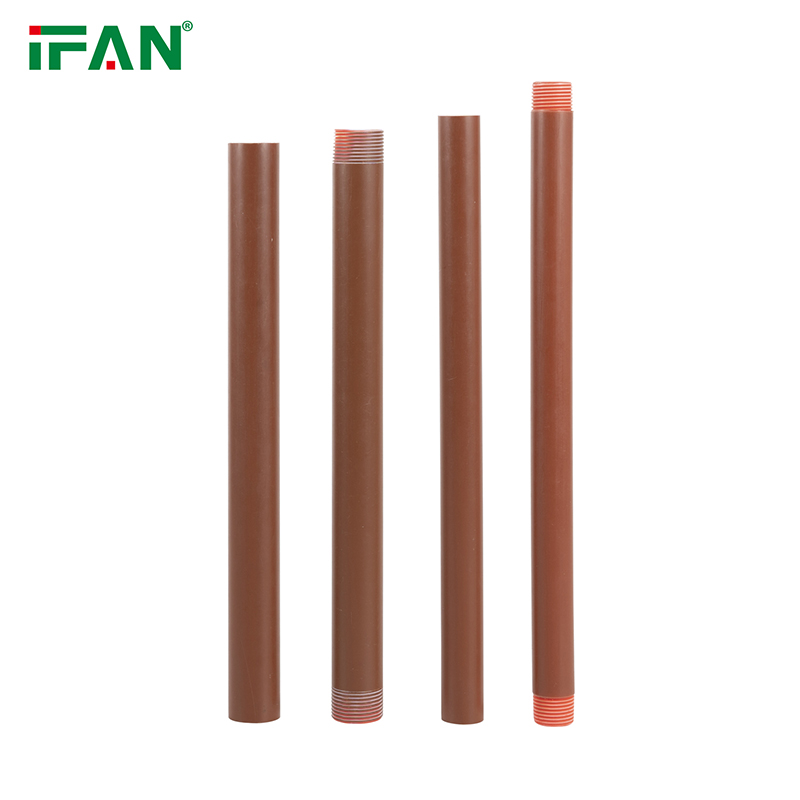
Manufacturers produce PPH pipe in standard diameters. Common sizes include 20mm to 630mm. Each pipe size matches international DIN standards. Engineers measure outer and inner diameters during inspection. These dimensions must meet factory tolerances precisely.
Socket Fusion Ensures Seamless Installation
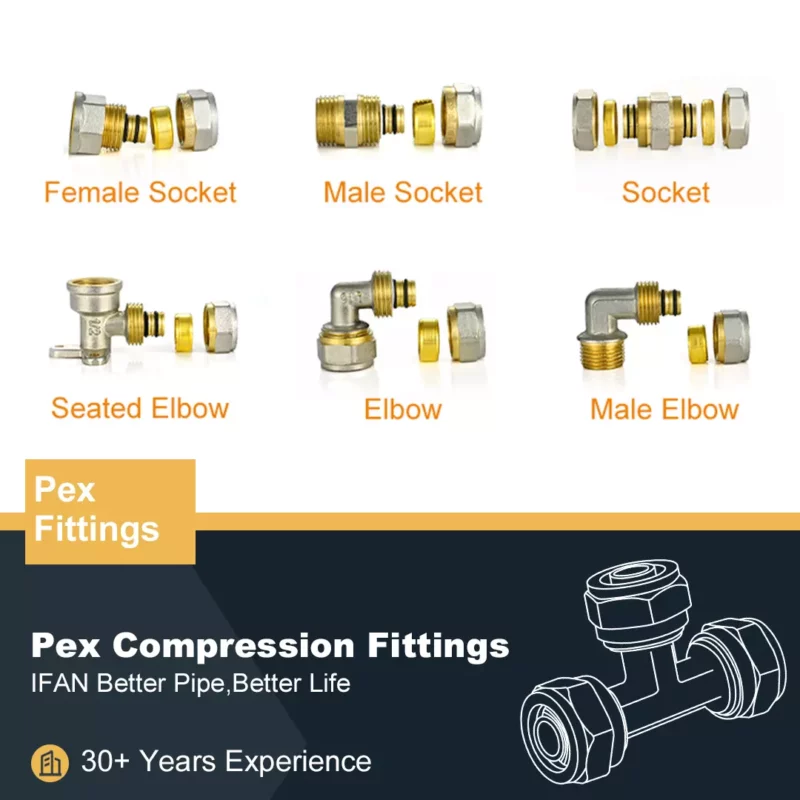
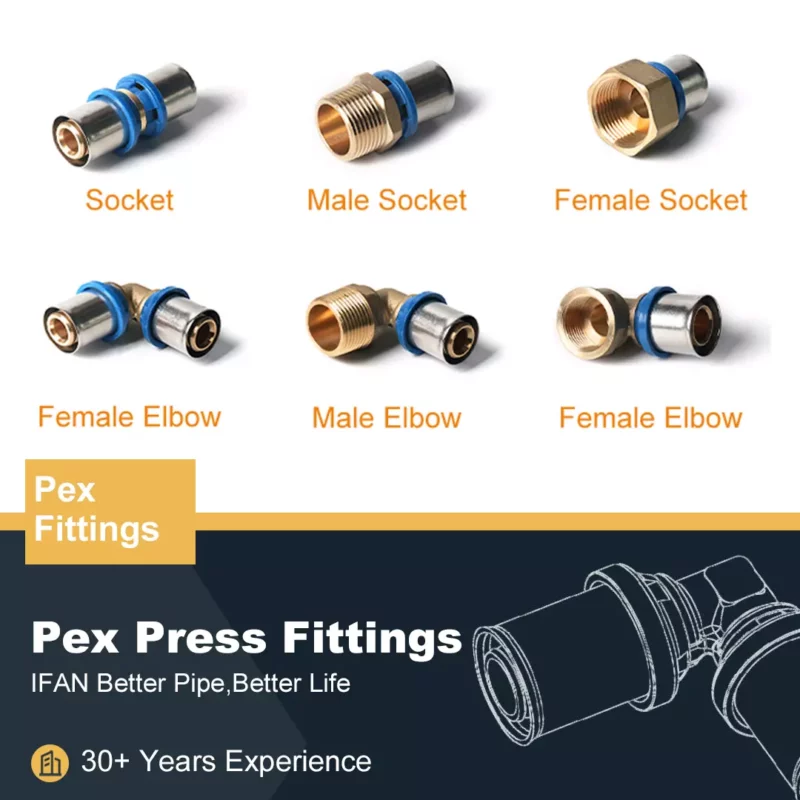
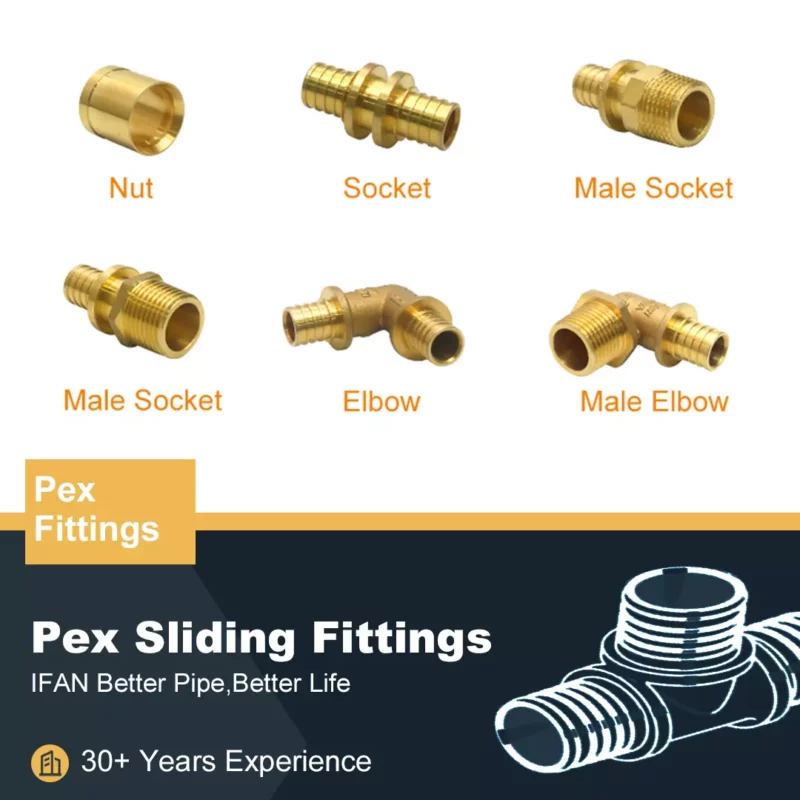
PPH pipe connects through socket fusion. Technicians heat both pipe end and fitting socket. They insert the pipe after heating. Cooling under pressure completes the bond. No adhesive or rubber gasket appears in the system. This method ensures a homogenous joint.
Butt Fusion Supports Larger Diameter Connections
Installers use butt fusion for larger pipes. They align pipe ends on a fusion machine. A hot plate softens the ends. Technicians remove the heater and press the pipes together. Fusion pressure and cooling time follow exact charts. This method forms a strong molecular weld.
Pipe Roundness Improves Fusion Quality
PPH pipe maintains roundness through calibrated extrusion. Ovality limits remain below 1.5%. Proper roundness ensures even contact during fusion. Uneven shapes cause weak points at joints. Technicians inspect ovality before every installation.
Wall Homogeneity Prevents Weak Points
Extrusion creates uniform wall thickness. Technicians use ultrasonic thickness gauges to check consistency. Thin spots increase rupture risk under pressure. Uniformity ensures long-term durability. Wall structure remains solid across the entire pipe length.
Thermal Expansion Requires Compensation Techniques
PPH expands when exposed to heat. Engineers calculate expansion using temperature difference and length. Expansion loops or flexible joints absorb movement. Installers follow layout designs that allow movement. Anchors and guides keep alignment intact.
Surface Texture Controls Fusion Effectiveness
PPH pipe must have a clean, smooth surface before fusion. Installers scrape ends to remove oxidation. Rough textures prevent full surface bonding. Technicians verify texture before welding. Fusion relies on consistent surface finish.
Markings Provide Essential Installation Data
Every pipe includes printed markings. Markings show diameter, pressure class, material code, and production batch. These prints remain permanent over time. Field workers identify pipes quickly using these codes. This reduces installation errors.
Pressure Ratings Indicate Application Limits
PPH pipes carry pressure class ratings such as PN10 or PN16. These ratings reflect maximum working pressure. Engineers match rating to application demands. Factory testing confirms burst strength above rated pressure. Safety margins support long-term use.
UV Stability Requires Shielding for Outdoor Use
PPH lacks natural UV resistance. Installers shield exposed pipes from sunlight. Wrapping or enclosures block UV radiation. Unprotected exposure causes discoloration and brittleness. Manufacturers recommend indoor or covered installation when possible.
Conclusion:
Precision-Engineered Pipe for Technical Piping Systems
PPH pipe supports technical installations through exact dimensions, reliable fusion, and pressure performance. Installers trust this system in high-demand industrial environments.