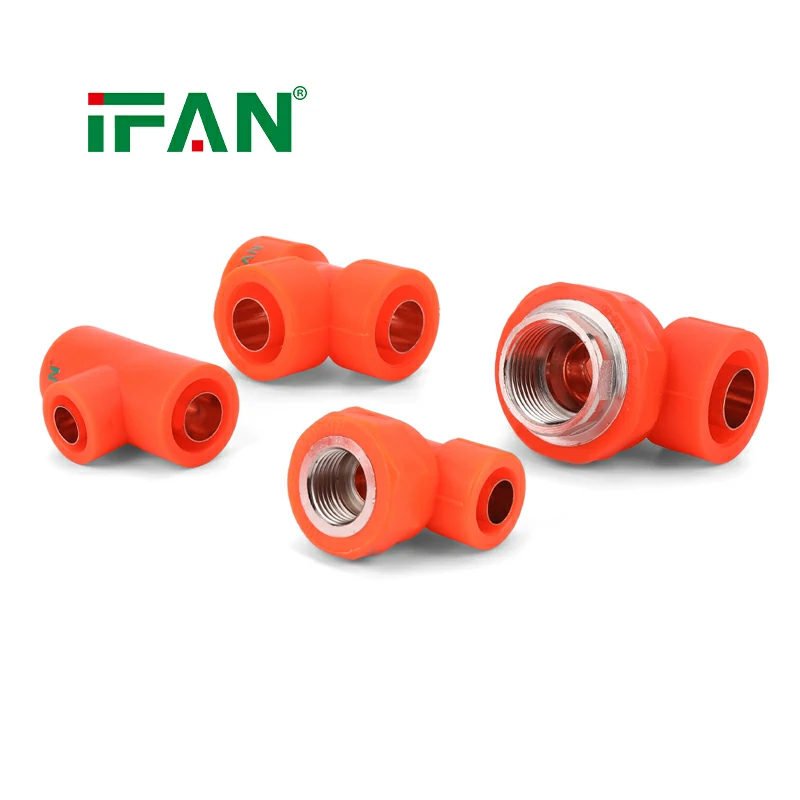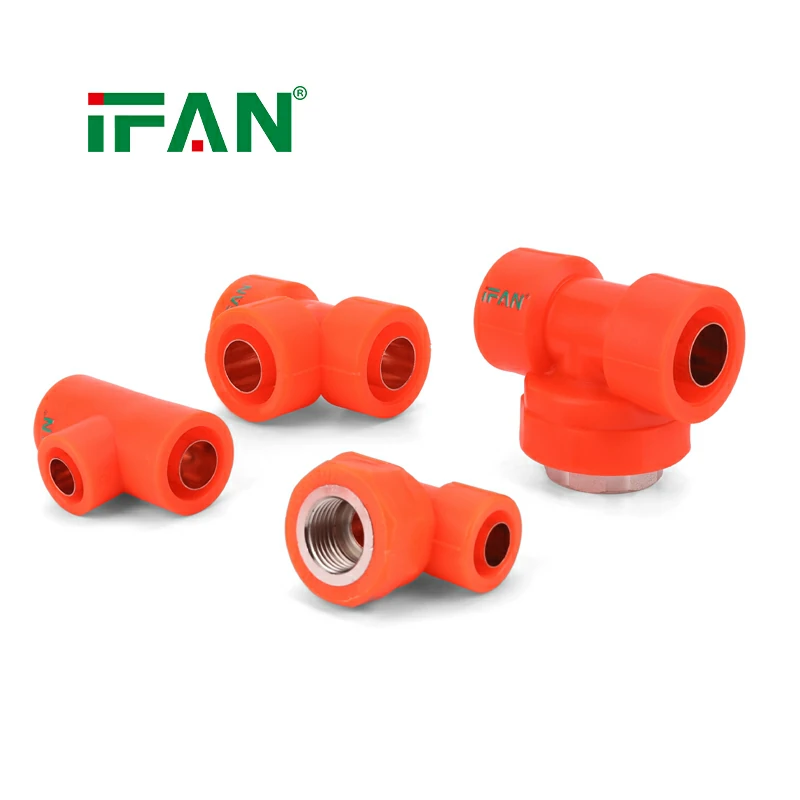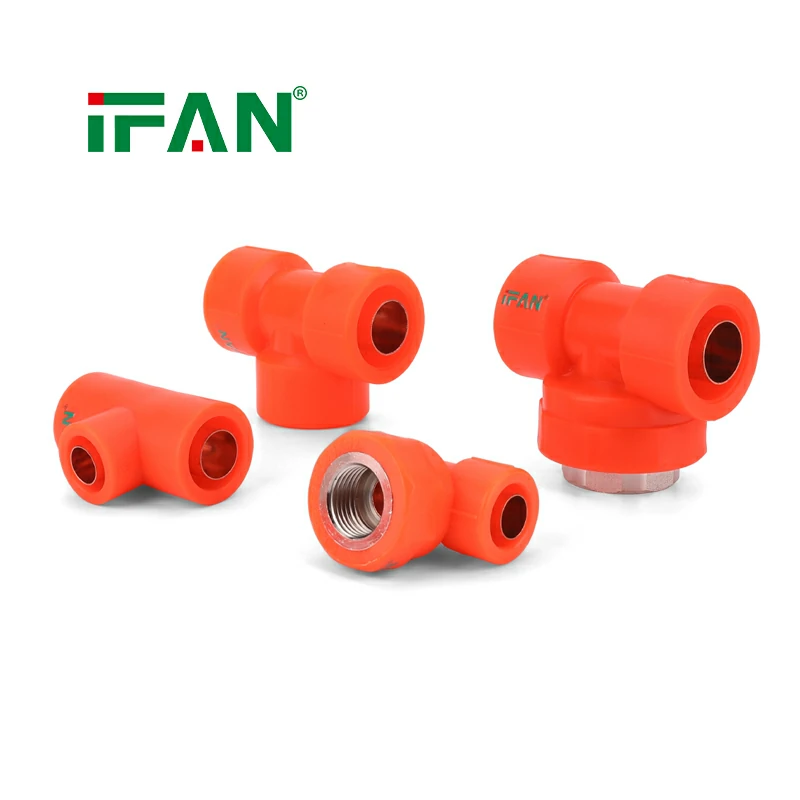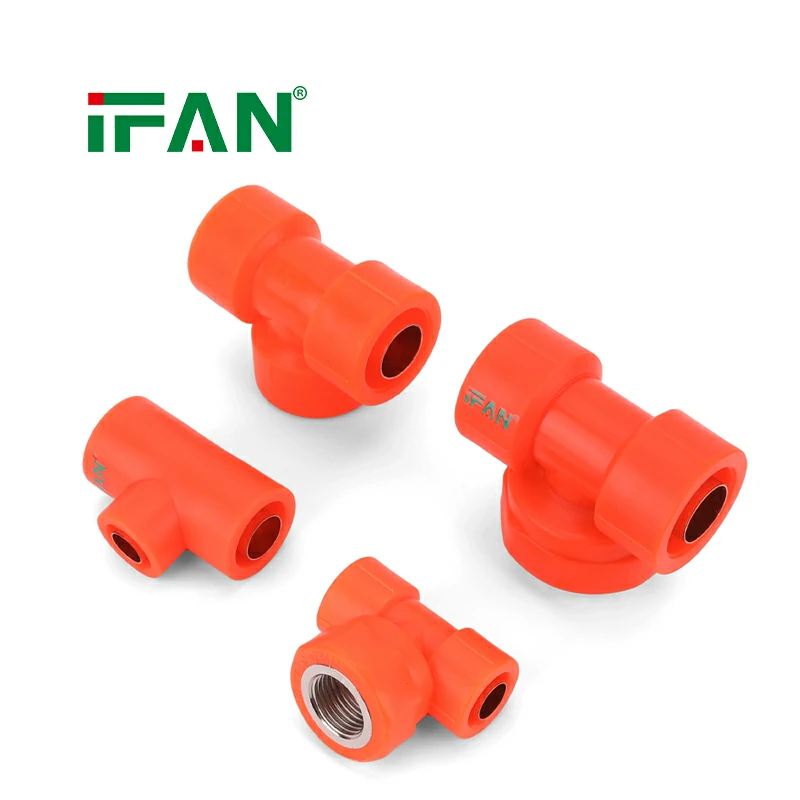


Introduction to Brass Pipe Fittings
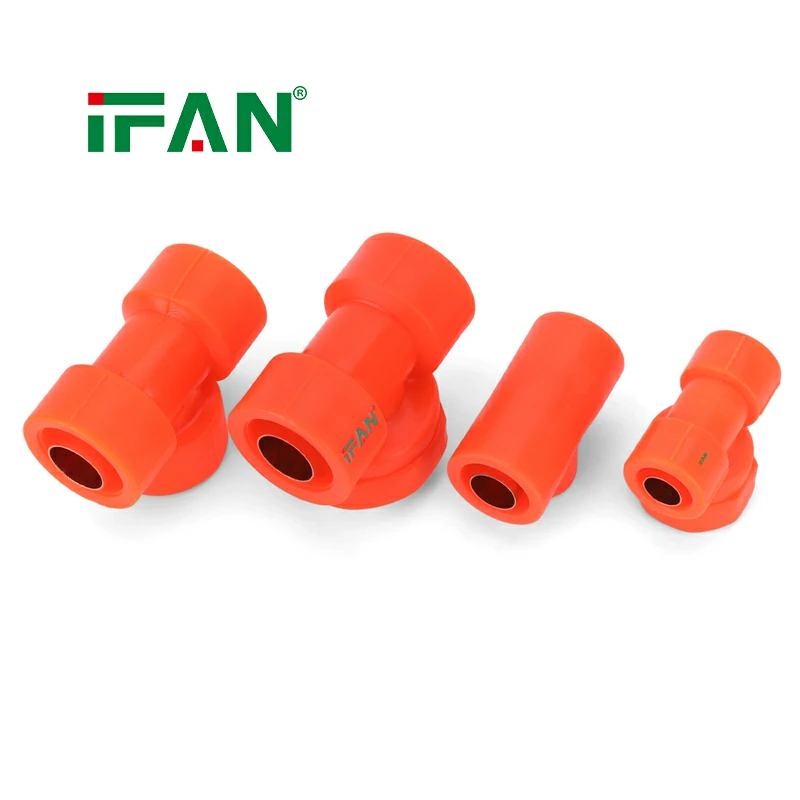
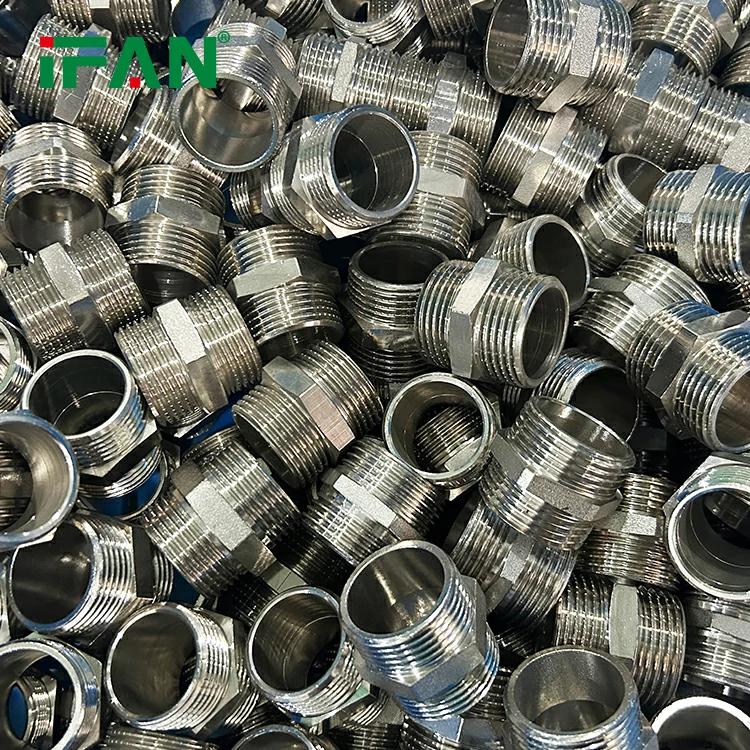
Brass pipe fittings are essential components used to join pipes and ensure a sealed, secure, and leak-free connection. Made from an alloy of copper and zinc, brass offers strength, corrosion resistance, and long-term durability. These characteristics make brass fittings suitable for residential, commercial, and industrial plumbing systems. The metal’s workability also makes it easy to cast or machine into different shapes, which is important for creating various types of fittings. From elbows and tees to couplings and adapters, brass fittings come in many forms to meet different piping needs. They are compatible with several piping materials, including copper, plastic, and steel, which makes them highly versatile. Their excellent sealing properties also reduce the risk of leaks, making them a reliable choice for pressurized systems. As plumbing systems evolve, brass remains a go-to material for its proven performance.
Advantages of Using Brass Fittings
One of the main advantages of brass fittings is their resistance to corrosion and rust. This is especially important in systems that carry water, gas, or other fluids over long periods. Brass also performs well under high temperatures, which makes it ideal for hot water systems. Its thermal conductivity allows for efficient heat transfer, supporting system performance. Another benefit is the material’s flexibility and ability to create tight seals, reducing the risk of leaks at joints. Brass fittings are also easy to install and remove, which simplifies maintenance and system modifications. Unlike plastic or iron alternatives, brass offers a balance between strength and ease of handling. It also has a long service life, which helps lower replacement costs over time. These advantages contribute to the widespread use of brass in both new installations and repair work.
Types of Brass Pipe Fittings
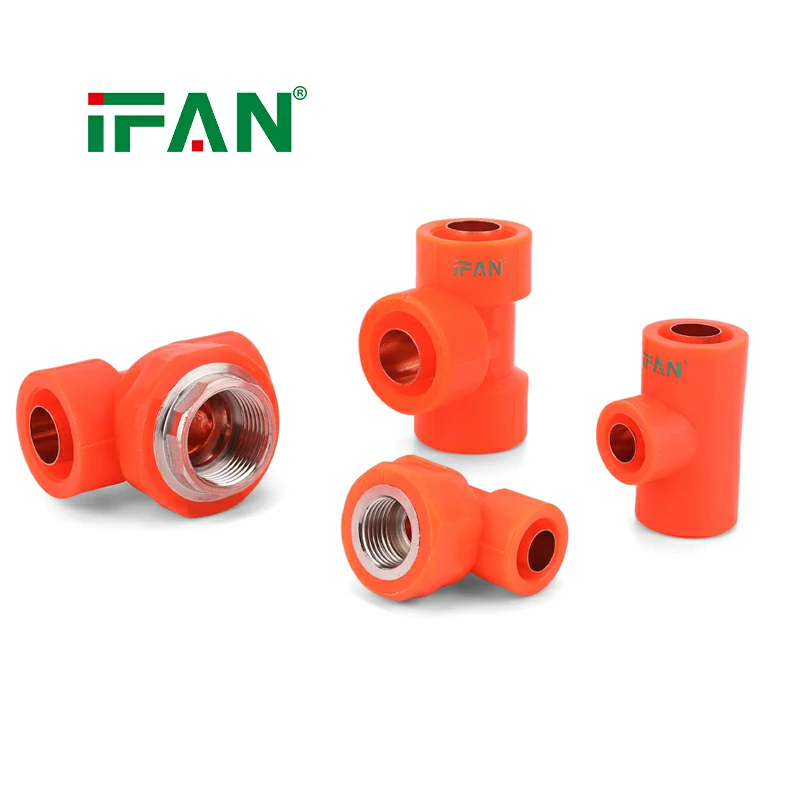
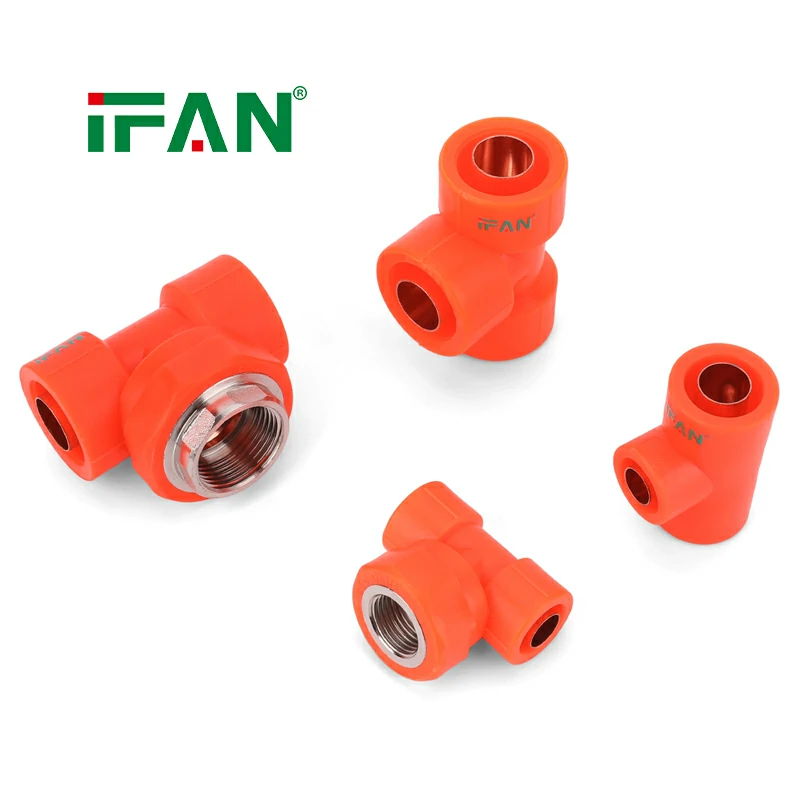
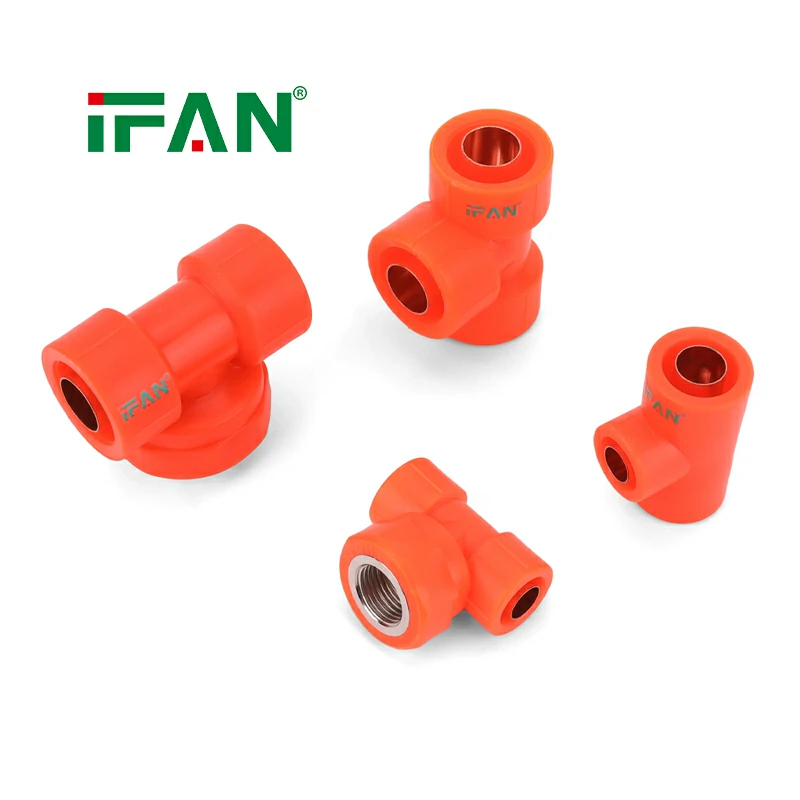
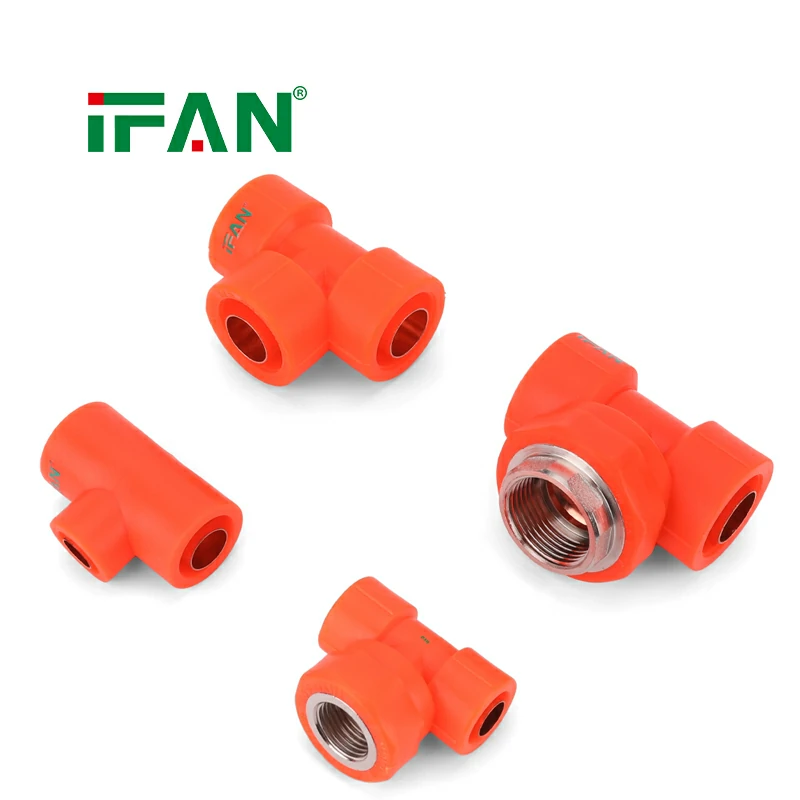
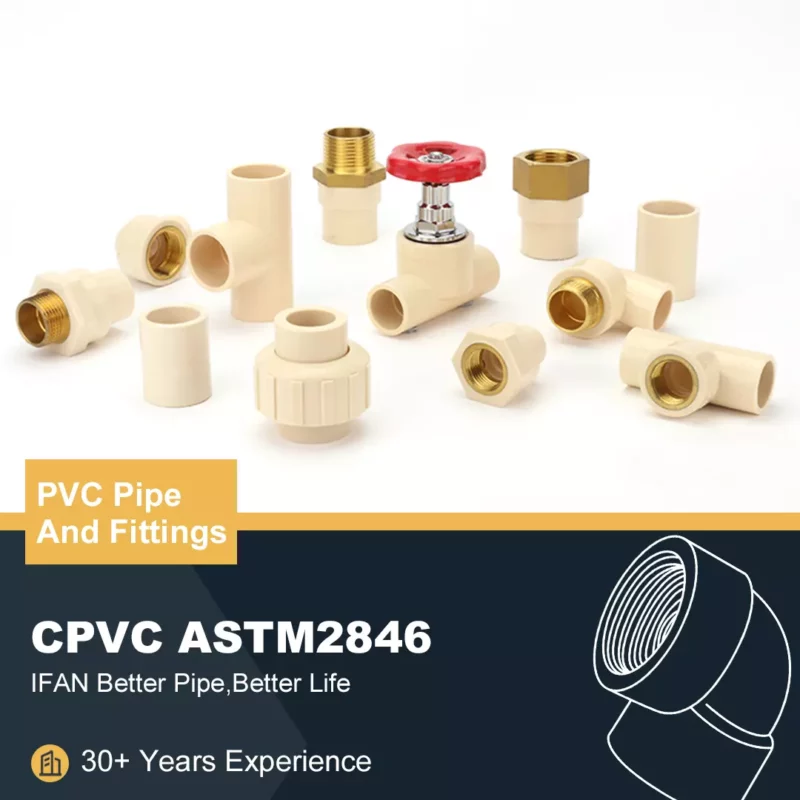
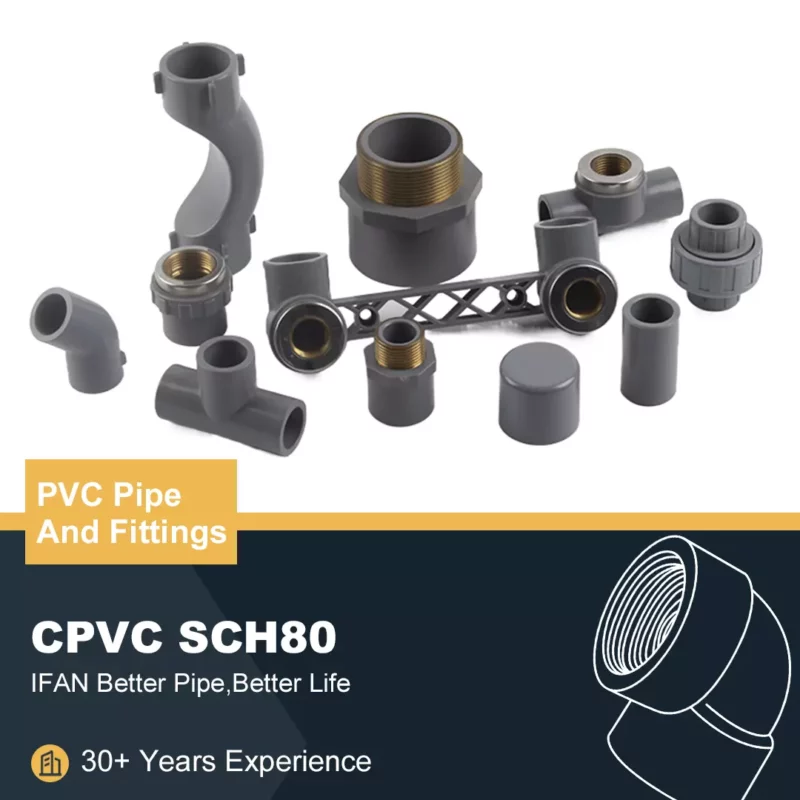
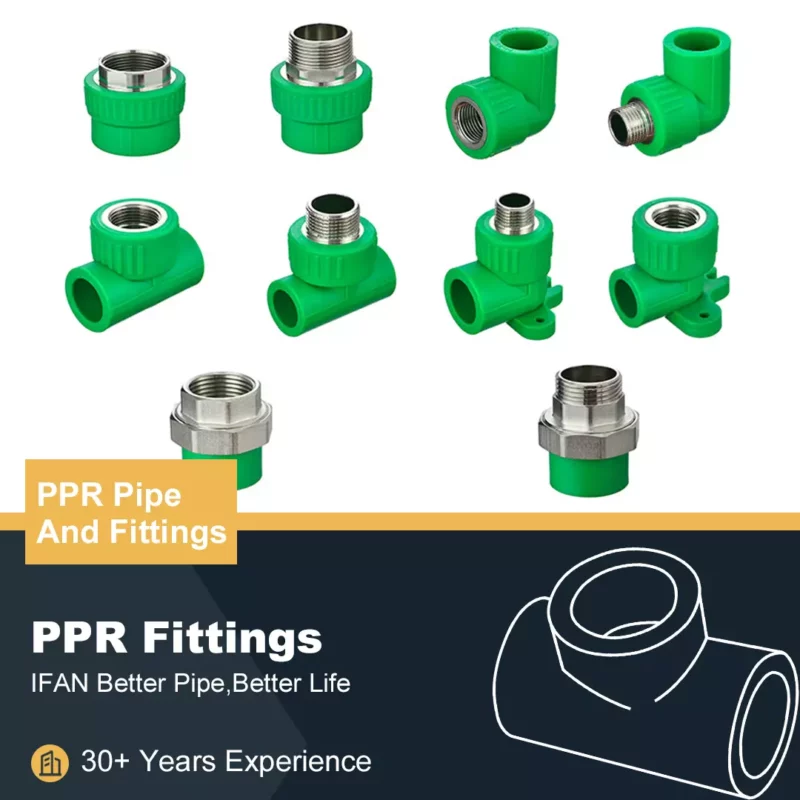
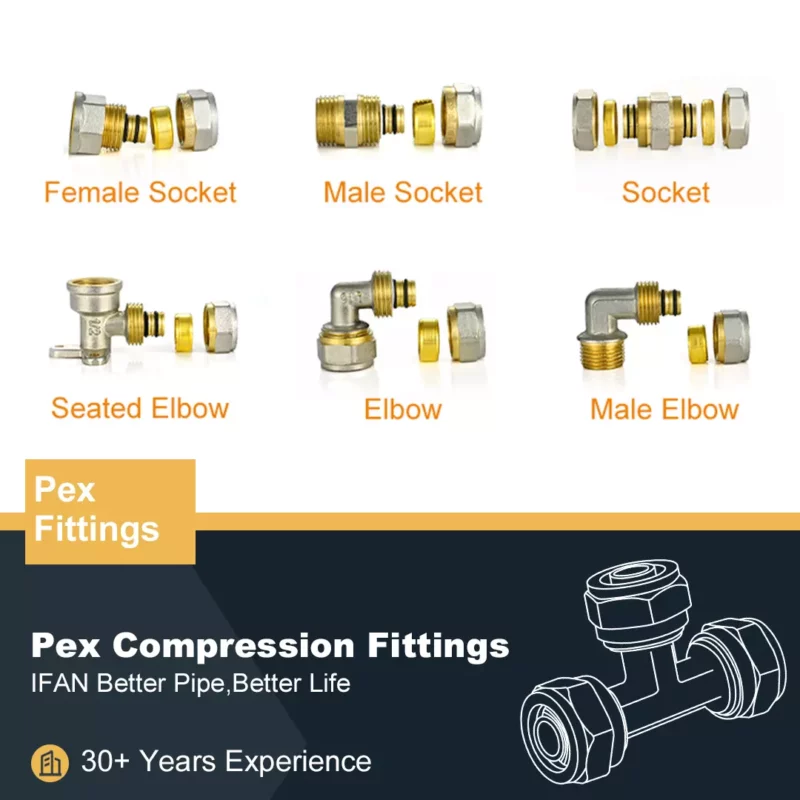
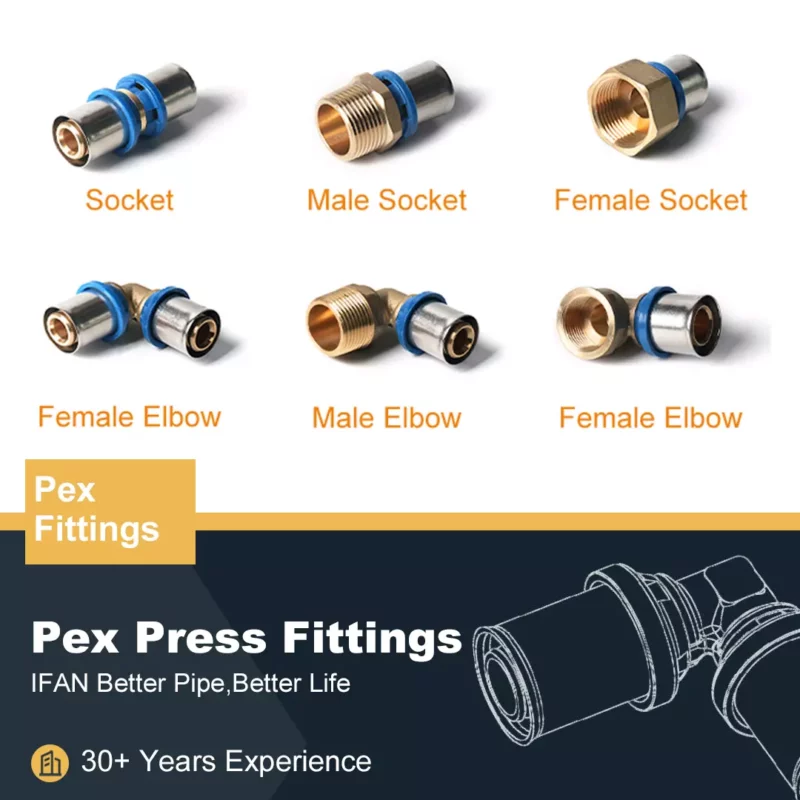
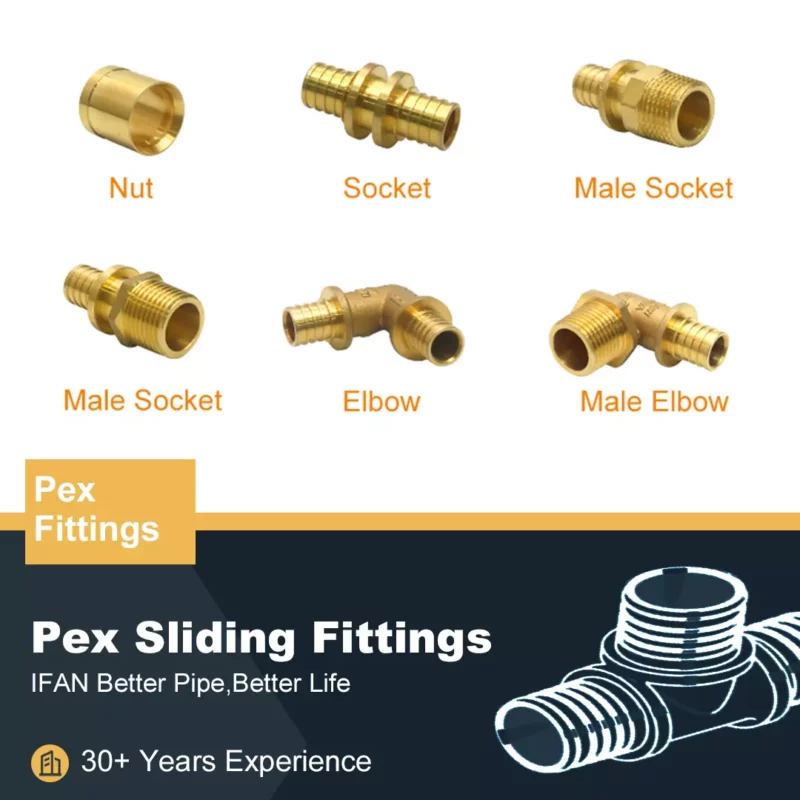
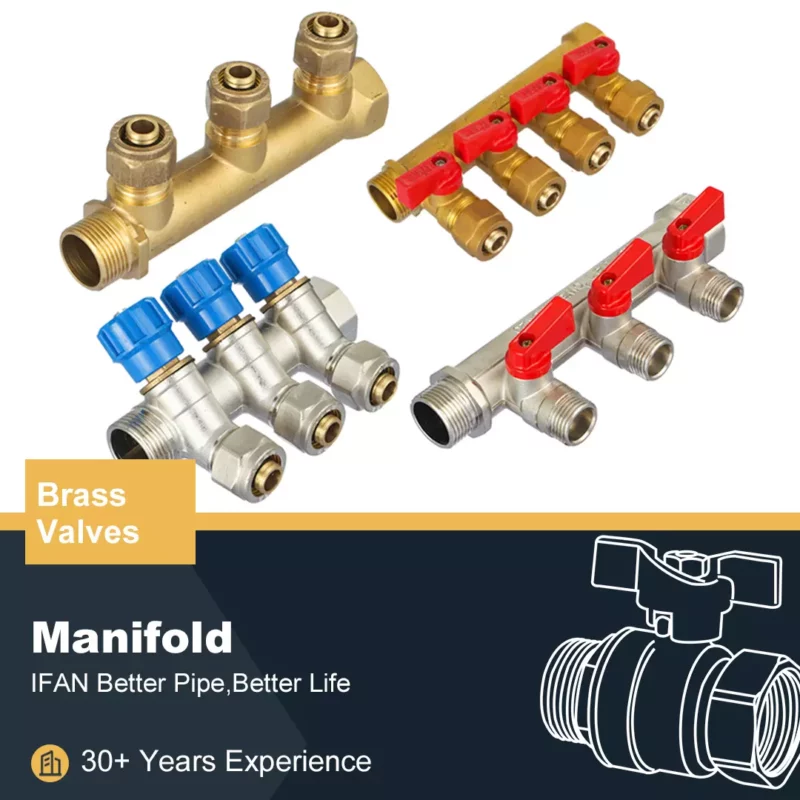
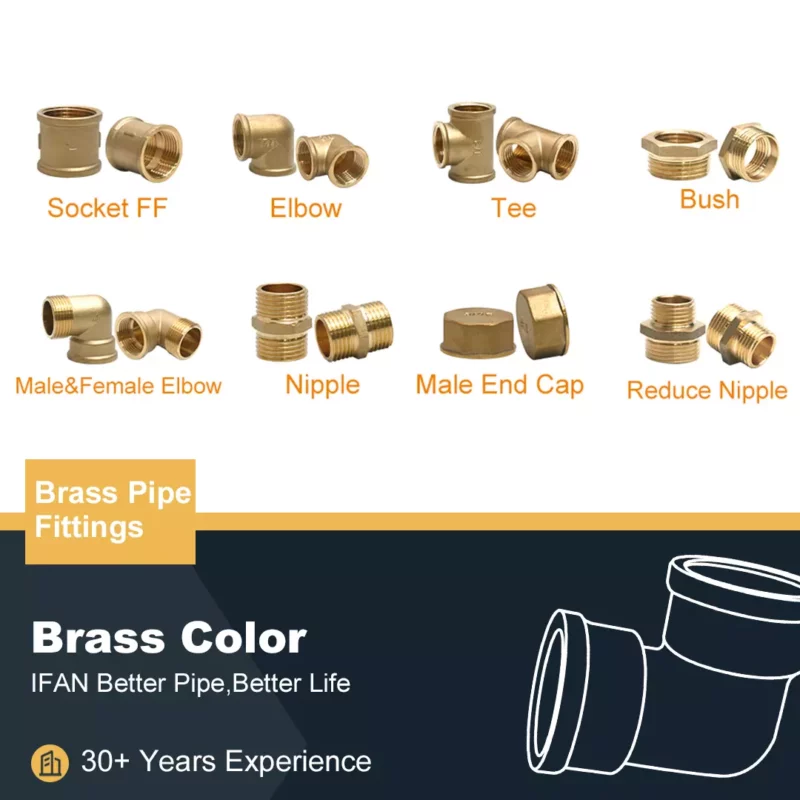
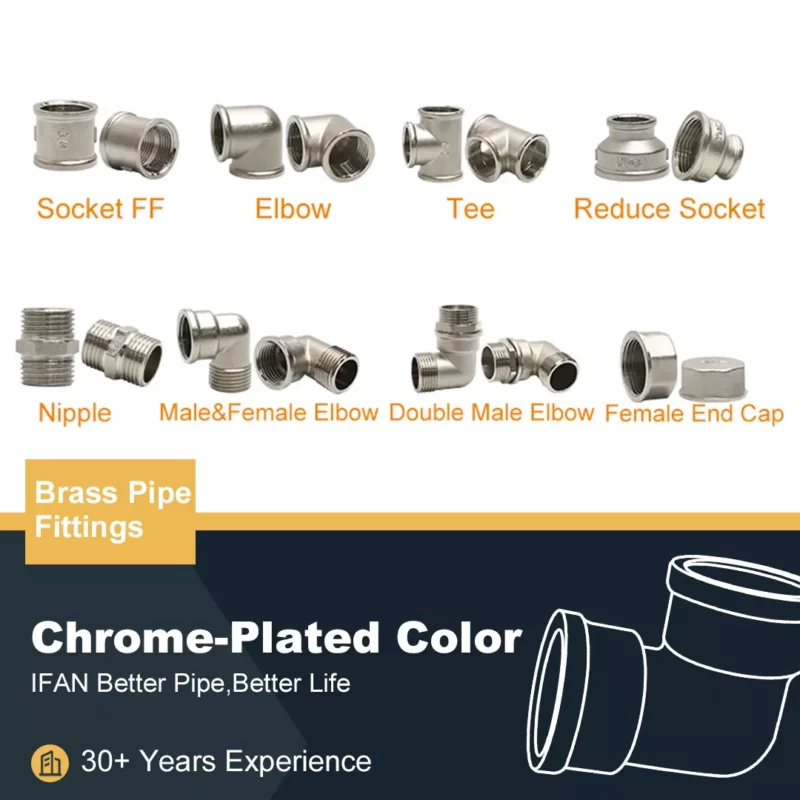
Brass pipe fittings come in many types, each serving a specific function within a piping system. Common types include elbows, which change the direction of flow; tees, which split or combine flow paths; and couplings, which join two pipes of the same diameter. Reducers connect pipes of different diameters, while adapters link pipes made of different materials. Compression fittings, flare fittings, and threaded fittings are common connection styles. These allow secure assembly without the need for soldering or welding. Push-to-connect brass fittings offer a convenient option for quick installations. Each type is designed to create a tight seal and ensure leak-free performance. Choosing the correct fitting type depends on the application, pressure, temperature, and the materials being connected. Understanding the different fitting types is crucial for creating a safe and reliable piping network.
Applications of Brass Fittings
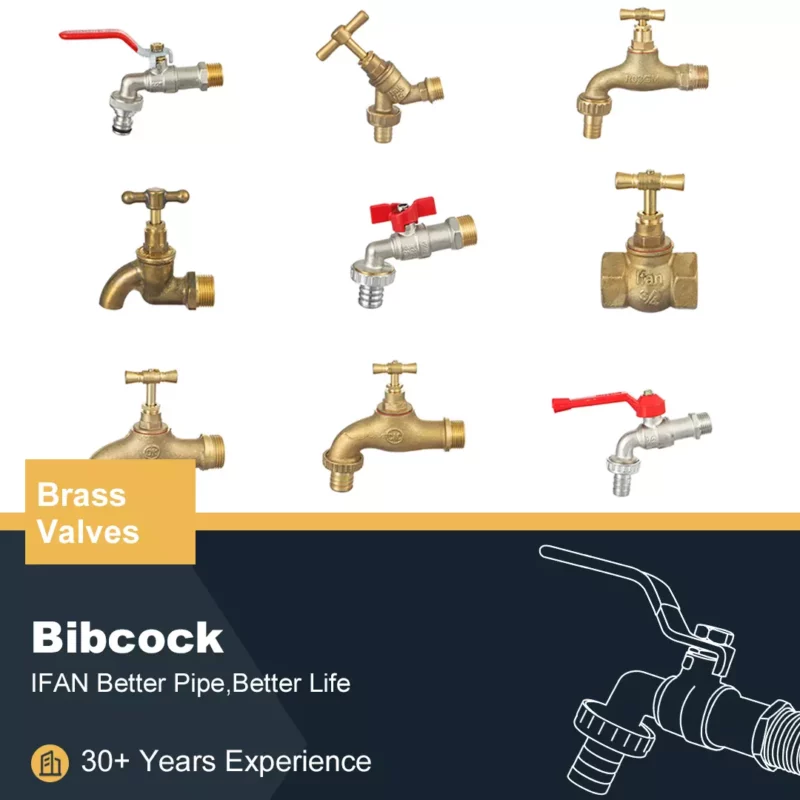
Brass pipe fittings are used in a wide range of applications due to their strength and reliability. In residential settings, they are commonly used in water supply lines, faucets, and heating systems. In commercial buildings, brass fittings help distribute water and gas efficiently. Industrial uses include chemical transport, compressed air systems, and hydraulic operations. The resistance of brass to corrosion and pressure makes it suitable for marine and underground applications as well. Because brass fittings can handle both hot and cold fluids, they are ideal for HVAC systems. Their durability allows them to withstand frequent use and high demand without degrading. Additionally, they are used in fire protection systems, fuel delivery, and refrigeration units. These diverse applications highlight the flexibility and strength of brass in various industries.
Leak Prevention and System Reliability
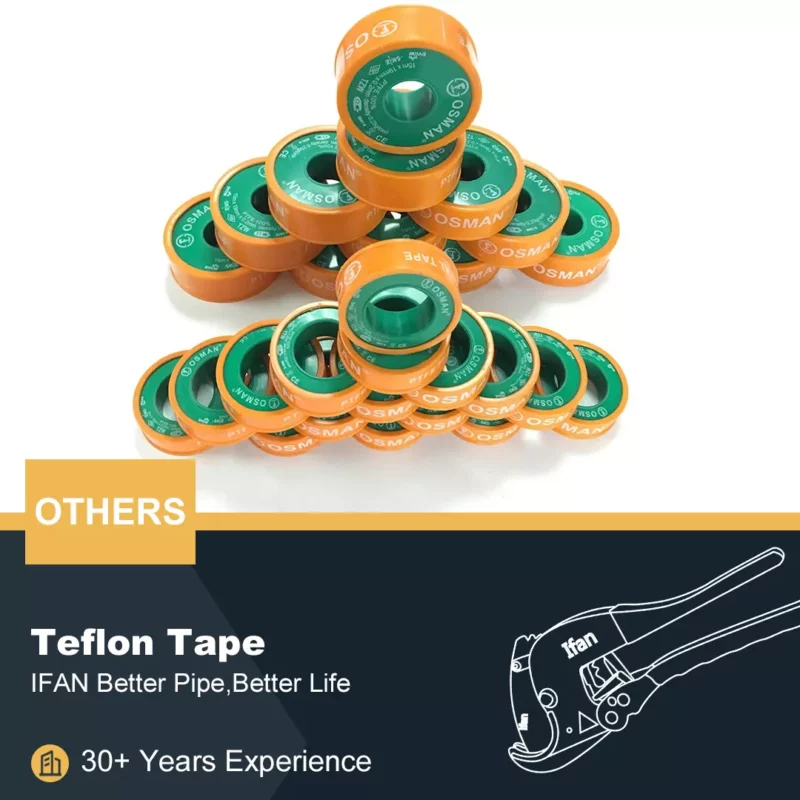
Brass fittings play a critical role in leak prevention across plumbing and fluid transport systems. Their precise threads and solid construction help create tight, reliable seals at every joint. When properly installed, brass fittings resist vibration and pressure changes that might otherwise lead to leaks. They also expand and contract less than plastic components, maintaining their shape and seal over time. Using thread seal tape or pipe joint compound can further enhance sealing and leak prevention. Regular inspection and proper tightening ensure long-term performance. Brass’s resistance to cracking and corrosion adds another layer of reliability to the system. By preventing leaks, brass fittings help reduce water damage, fluid loss, and costly repairs. A leak-free system also promotes better efficiency and safety in both homes and workplaces. Reliable fittings contribute to the overall integrity of the plumbing network.
Installation and Maintenance Tips
Installing brass pipe fittings requires attention to detail to ensure leak-free results. First, it’s important to select the right fitting type and size for your application. Make sure pipe threads are clean and free of debris before connecting. Applying a thread sealant or Teflon tape on male threads helps ensure a tighter seal. Avoid overtightening, as this may damage threads or distort the fitting. Hand-tighten first, then use a wrench for a snug fit, without excessive force. For compression fittings, align the pipe correctly and tighten the nut to the recommended torque. During installation, check for proper alignment and support to avoid unnecessary stress on the joints. Regular inspection is key to identifying signs of corrosion, wear, or leaks. Replace worn fittings promptly to prevent future problems. Following these practices ensures longer system life and better performance.
Environmental and Safety Considerations
Brass fittings offer environmental benefits due to their long life and recyclability. Brass is 100% recyclable, which reduces material waste and supports sustainable building practices. Unlike some plastics, brass does not degrade under UV light or release harmful chemicals. This makes it safer for drinking water systems and other sensitive applications. However, it’s important to ensure that the brass used is lead-free if the system carries potable water. Modern brass fittings for drinking water typically meet strict safety standards, such as NSF/ANSI certification. Proper ventilation is necessary when using sealants or when installing brass in confined spaces. Wearing protective gloves and using the right tools can also prevent injuries during handling. Always follow local codes and regulations when working with plumbing materials. Safety and environmental responsibility go hand in hand with high-quality plumbing solutions.
Comparing Brass with Other Materials
When comparing brass fittings with alternatives like PVC, copper, or stainless steel, each material has pros and cons. Brass is more durable than PVC and more resistant to corrosion than iron. Compared to copper, brass is easier to machine and offers similar heat resistance. Stainless steel fittings are stronger, but they can be more expensive and harder to work with. Plastic fittings are lighter and cheaper but may not last as long or handle pressure as well. Brass provides a good balance of performance, cost, and ease of installation. Its compatibility with various materials makes it a universal option in many systems. For most residential and commercial applications, brass is the preferred choice due to its proven reliability.
Conclusion
Brass pipe fittings are trusted for their strength, versatility, and leak-free performance in a variety of systems. Whether used in homes, businesses, or industrial plants, brass delivers dependable results under demanding conditions. Its corrosion resistance, high-temperature tolerance, and sealing ability make it a superior choice for piping connections. With proper installation and maintenance, brass fittings offer long-term reliability and value. From preventing leaks to supporting system efficiency, these fittings are essential components of modern plumbing networks. Choosing brass means investing in safety, durability, and peace of mind.
If you have read this article and have any questions, please feel free to contact IFAN. Below is our contact information:
Whatsapp:+86 13373827623
Email:[email protected]