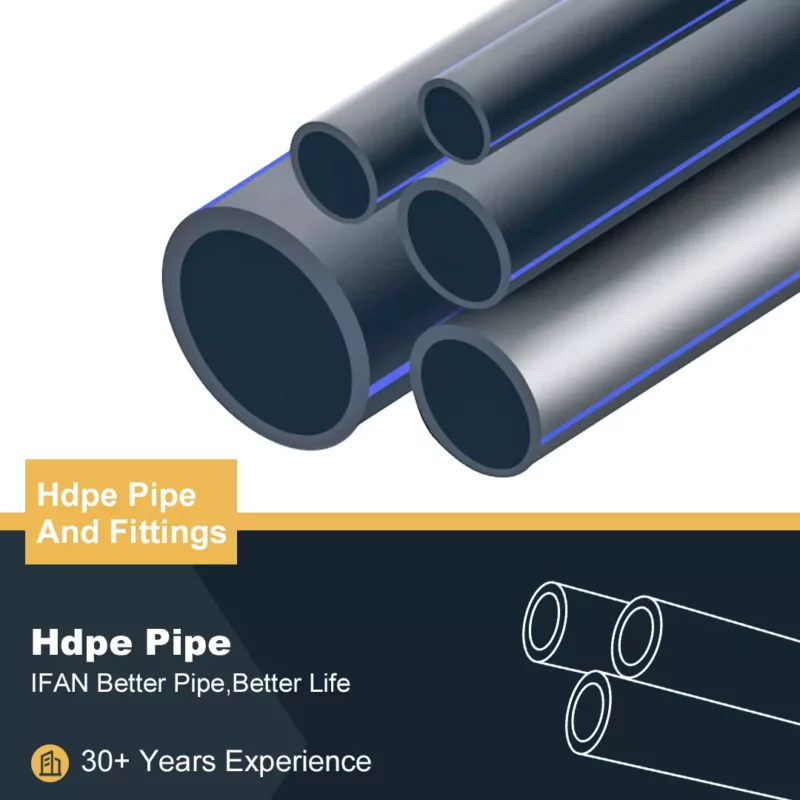
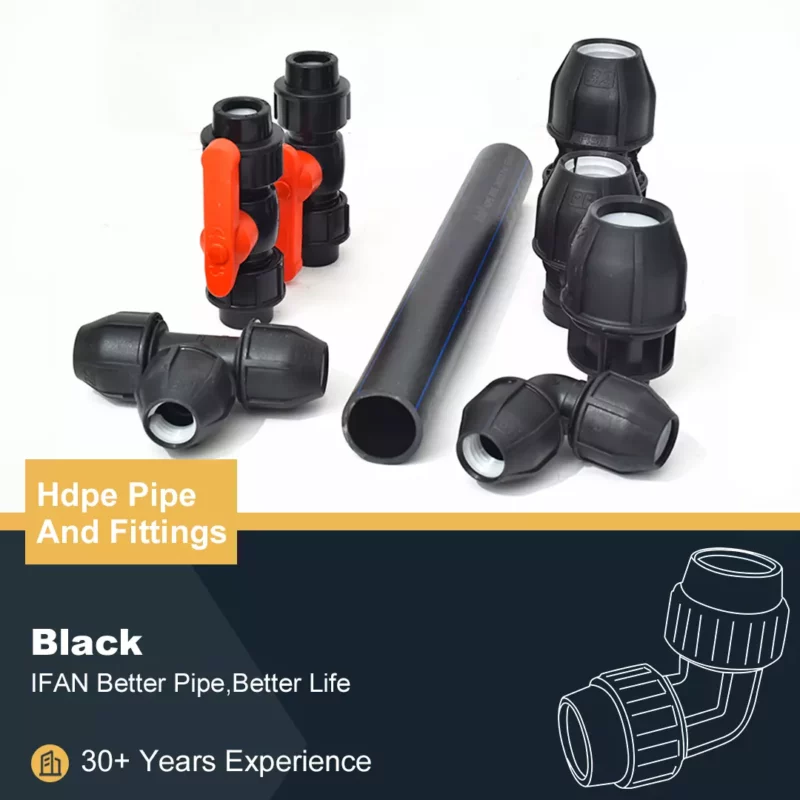
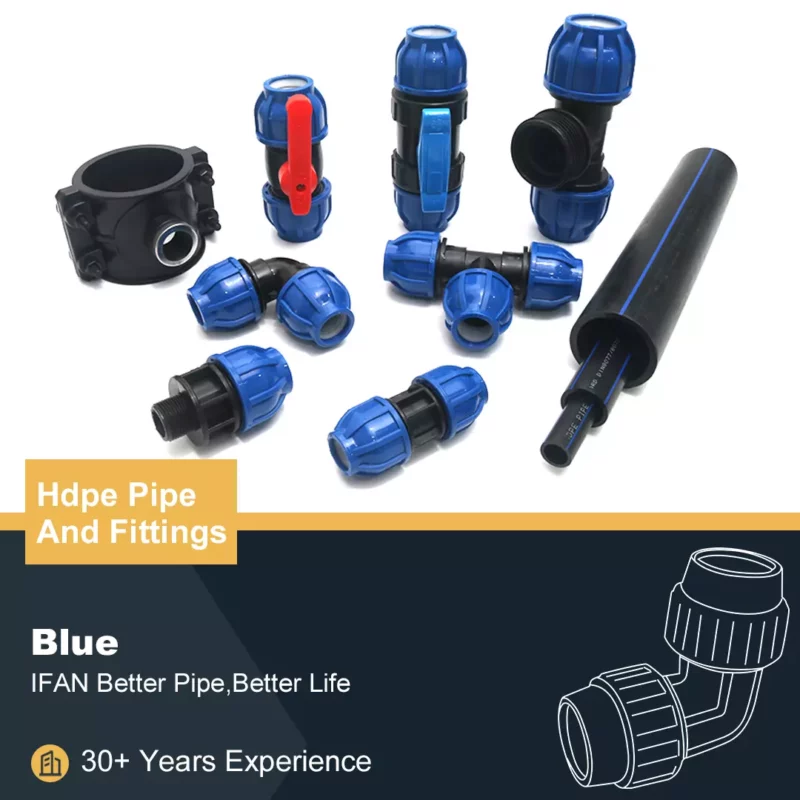
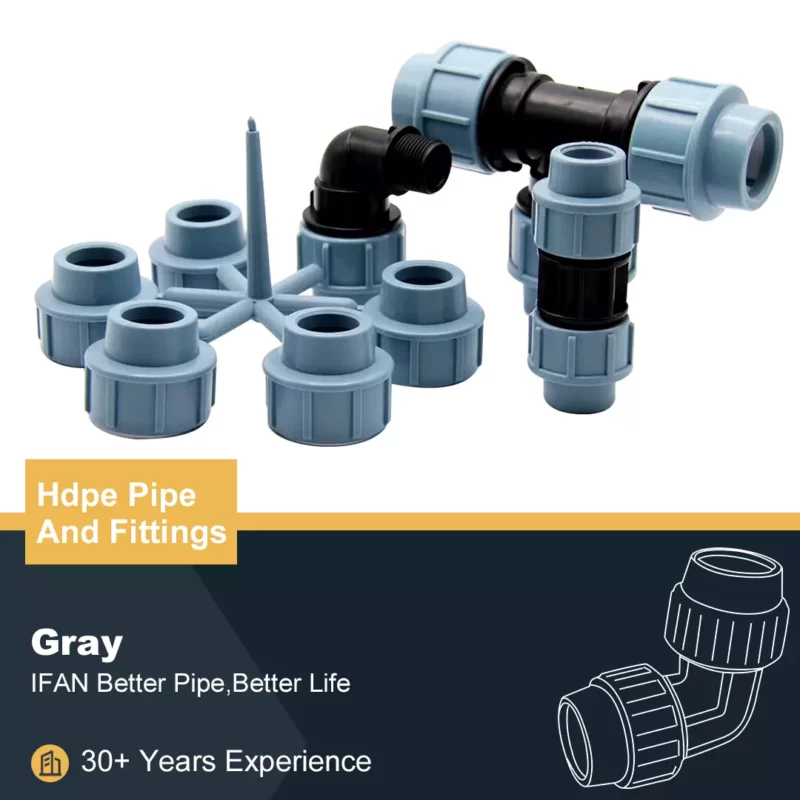



Manufacturers use polypropylene homopolymer (PPH) to create the pipe body. This material offers strong resistance to acids and alkalis. Each PPH batch maintains consistent purity levels. Engineers verify melt flow rate before extrusion. Uniform composition ensures long-term performance stability.
Wall Thickness Supports Pressure Systems
PPH pipes follow specific SDR standards. Common SDR values include SDR11 and SDR17. These ratings define wall thickness. Thicker walls support higher internal pressures. Engineers test each pipe against hydraulic burst pressure. Results confirm pressure capability in industrial systems.
Smooth Interior Reduces Flow Resistance
PPH pipe includes a low-friction internal surface. This finish minimizes pressure loss across the line. Engineers polish extrusion dies to improve flow. Fluids pass smoothly through the pipe bore. No internal buildup occurs with regular operation.
Color and Markings Simplify Identification
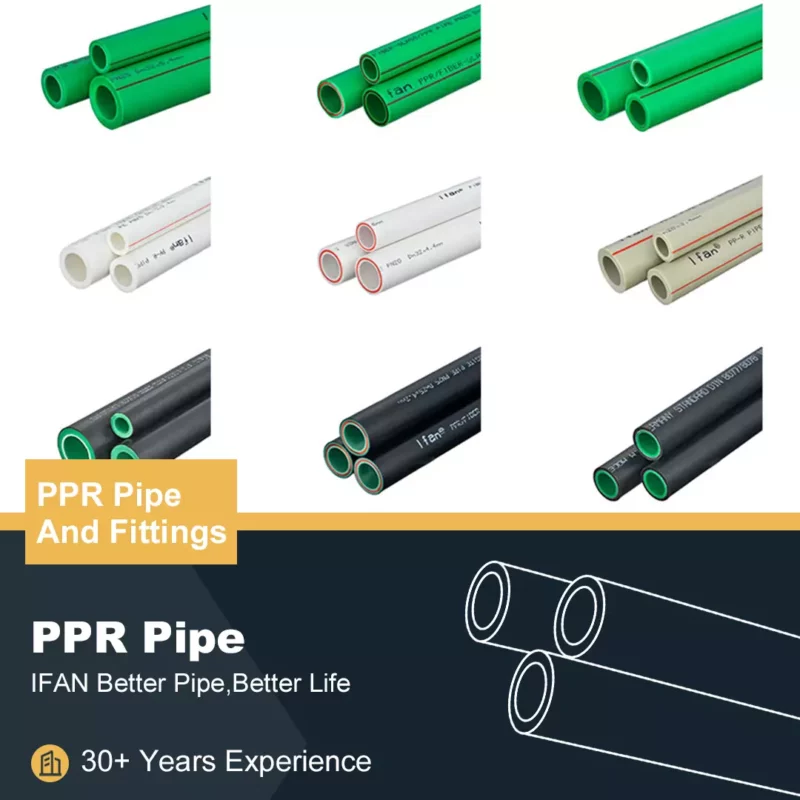
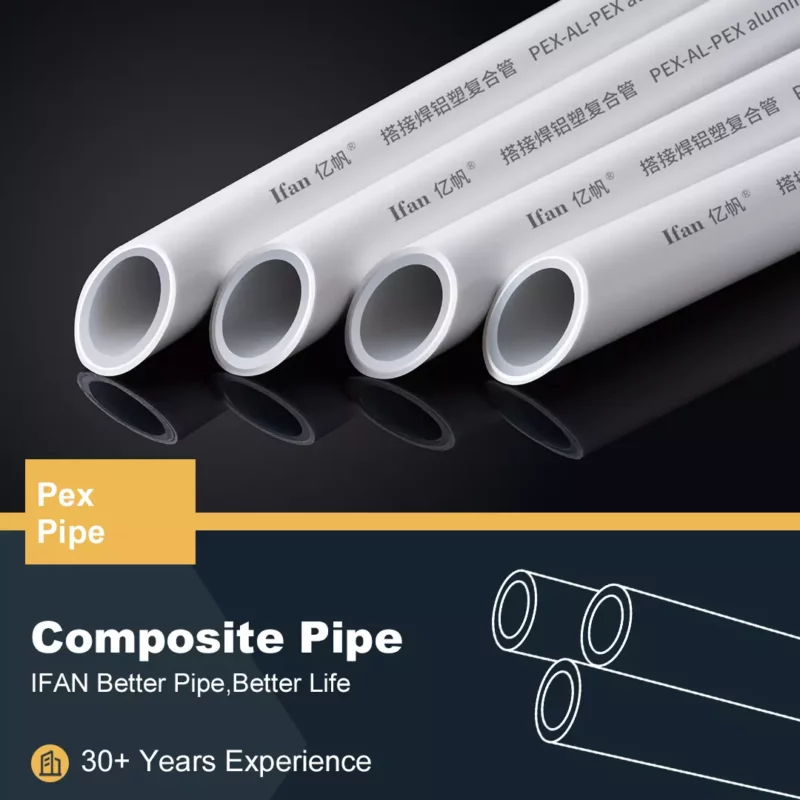
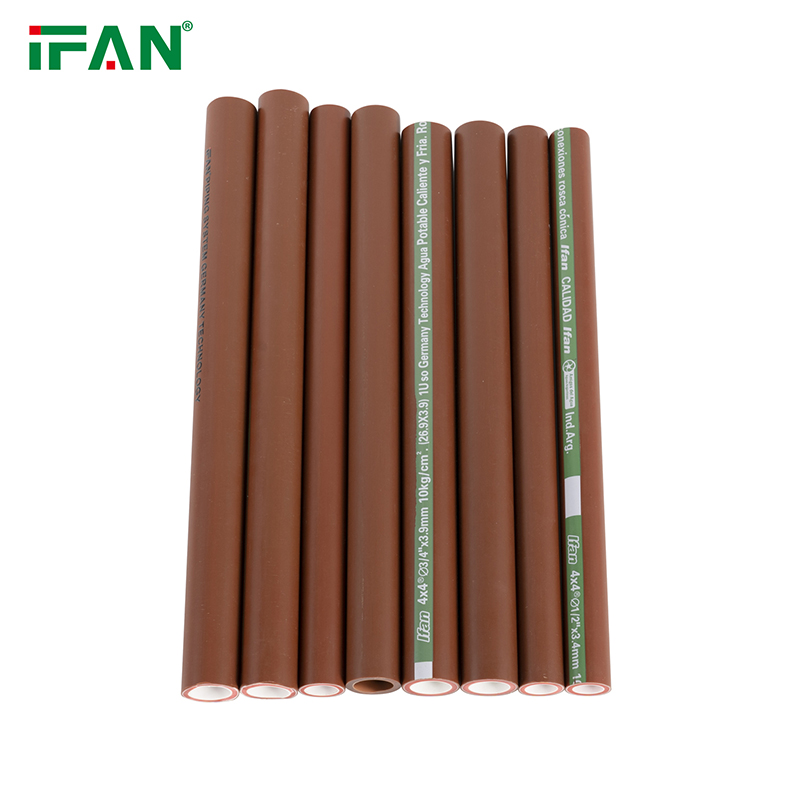
Most PPH pipes appear light grey or beige. These colors resist ultraviolet degradation. Each pipe includes laser-printed markings. The markings include pressure rating, diameter, and production date. Installation crews verify type using these codes.
Fittings Match Thermal Expansion Rates
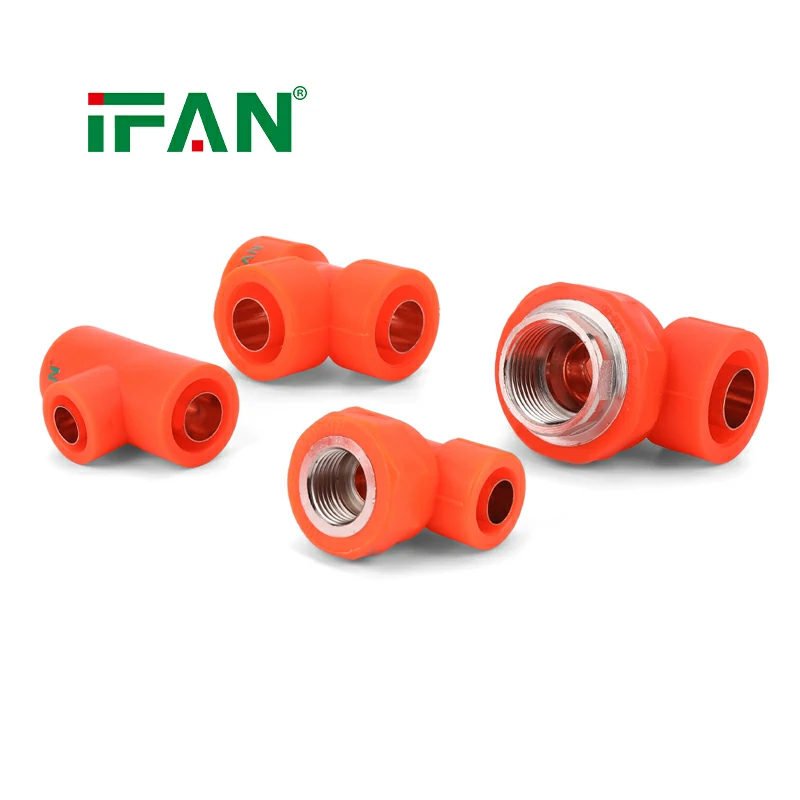
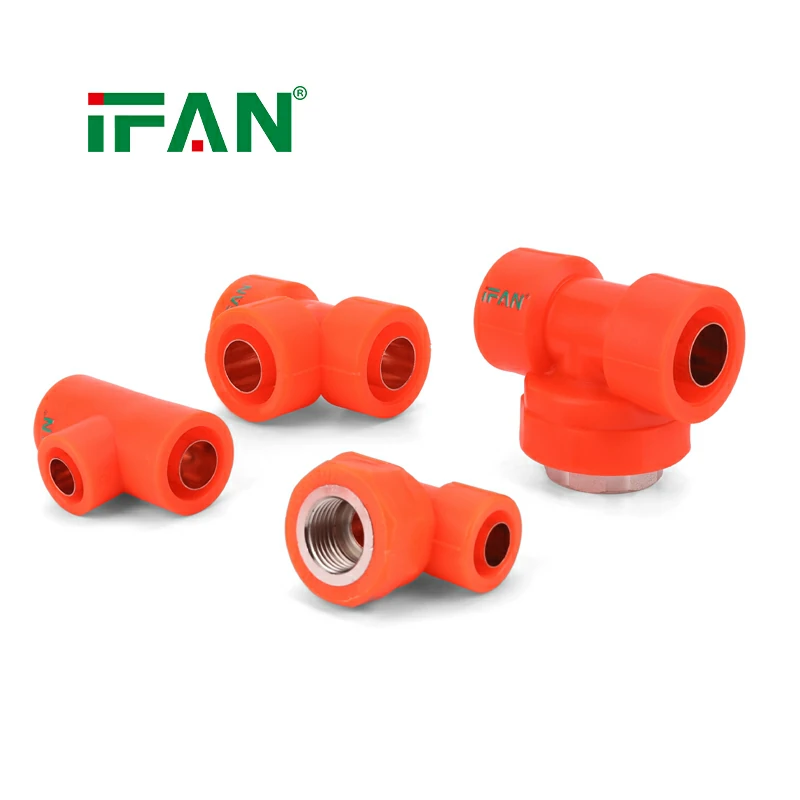
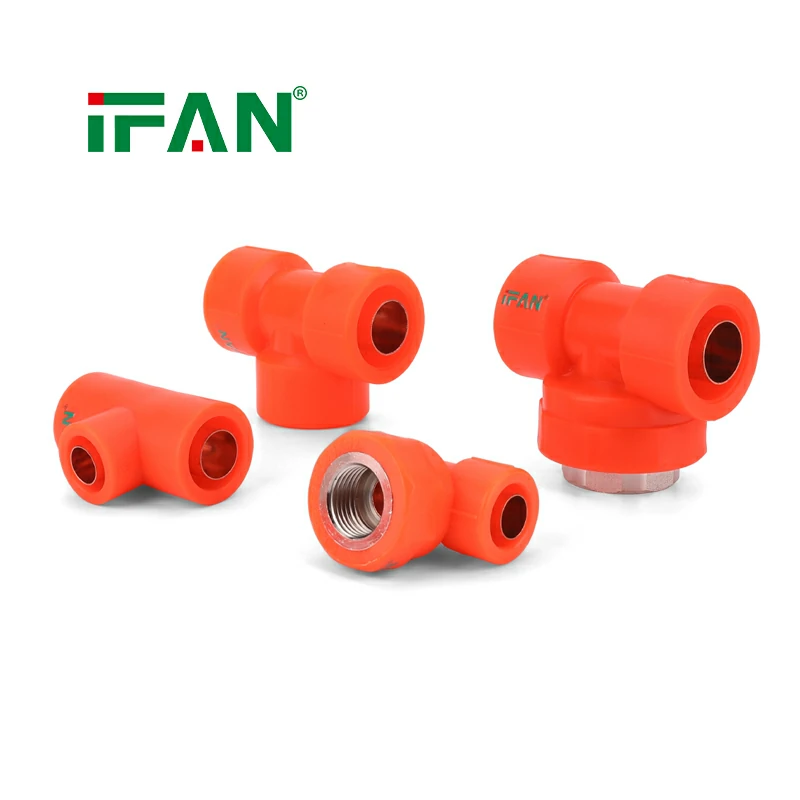
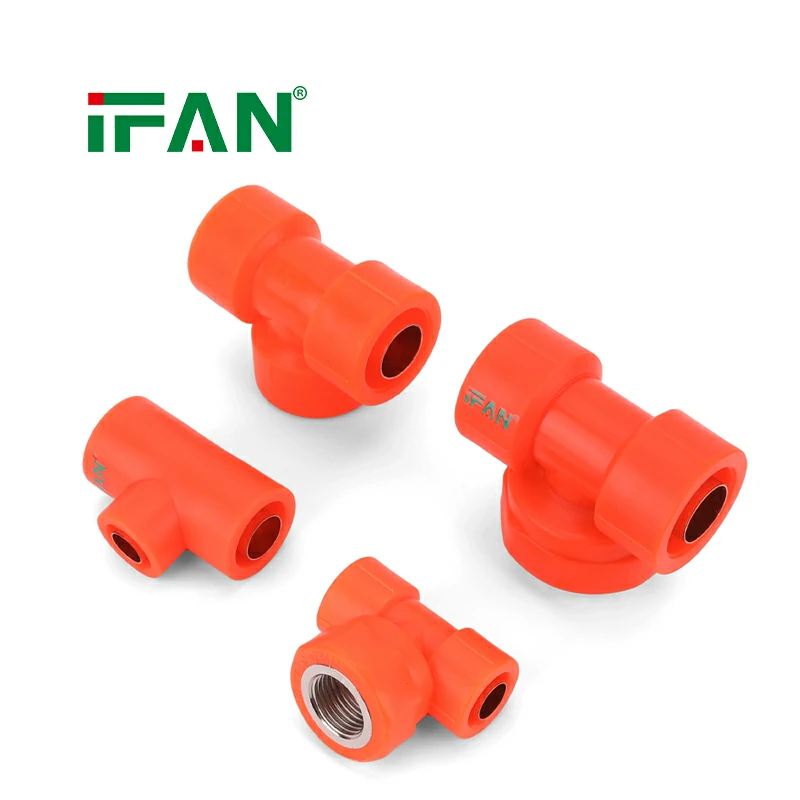
PPH fittings share identical expansion coefficients. This match prevents stress at connection points. Engineers weld fittings using heat fusion. Both pipe and fitting soften at the same temperature. Cooling under pressure forms a uniform joint.
Thermal Resistance Supports Hot Fluid Transport
PPH handles continuous operation up to 95°C. The pipe retains shape and flexibility at elevated temperatures. Technicians install insulation to retain heat. Long-term tests confirm thermal stability under load. No softening occurs under rated conditions.
Corrosion-Free Surface Enhances Longevity
PPH does not rust or corrode in chemical environments. The pipe surface remains unchanged after years of exposure. Acidic and caustic fluids cause no material damage. Facilities rely on this property in wastewater treatment lines.
Flexibility Prevents Installation Damage
PPH pipes bend slightly without cracking. This flexibility prevents breakage during installation. Installers apply moderate force when aligning pipe. Slight misalignment does not compromise structure. This feature also reduces stress during thermal expansion.
Mechanical Properties Maintain Structural Integrity
PPH provides high tensile and impact strength. Each length undergoes quality testing. Technicians perform bending and drop tests. Pipes withstand these conditions without fracturing. Consistent test results confirm manufacturing reliability.
Dimensional Accuracy Ensures Leak-Free Joining
PPH pipes maintain tight dimensional tolerances. Each section matches specified inner and outer diameters. Accurate sizing supports leak-free socket or butt fusion. Pipe ends undergo trimming before welding. This ensures square, even contact surfaces.
Conclusion:
Industrial-Grade Performance from Material Control
PPH pipe offers chemical resistance, thermal tolerance, and strong mechanical structure. Precision manufacturing guarantees reliable performance. Each pipe meets exacting standards for industrial fluid transport applications.
If you have read this article and have any questions, please feel free to contact IFAN. Below is our contact information:
Whatsapp:+86 13373827623
Email:[email protected]