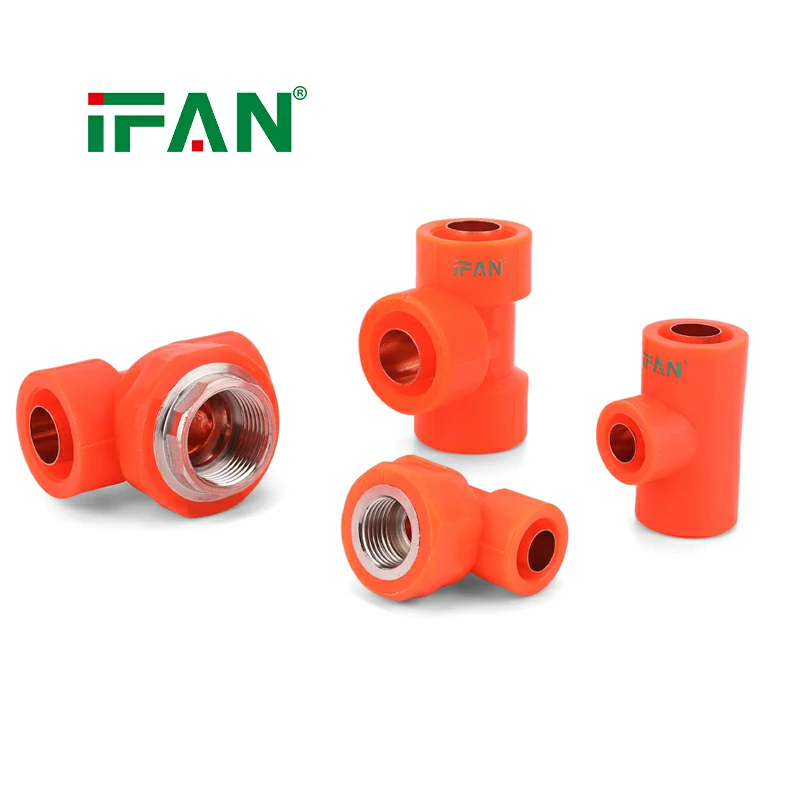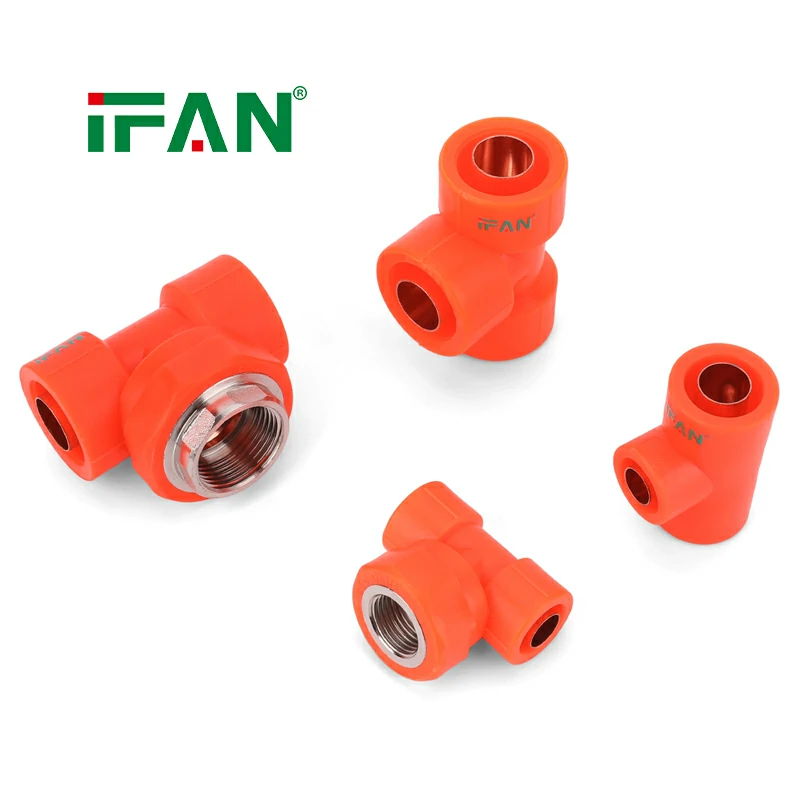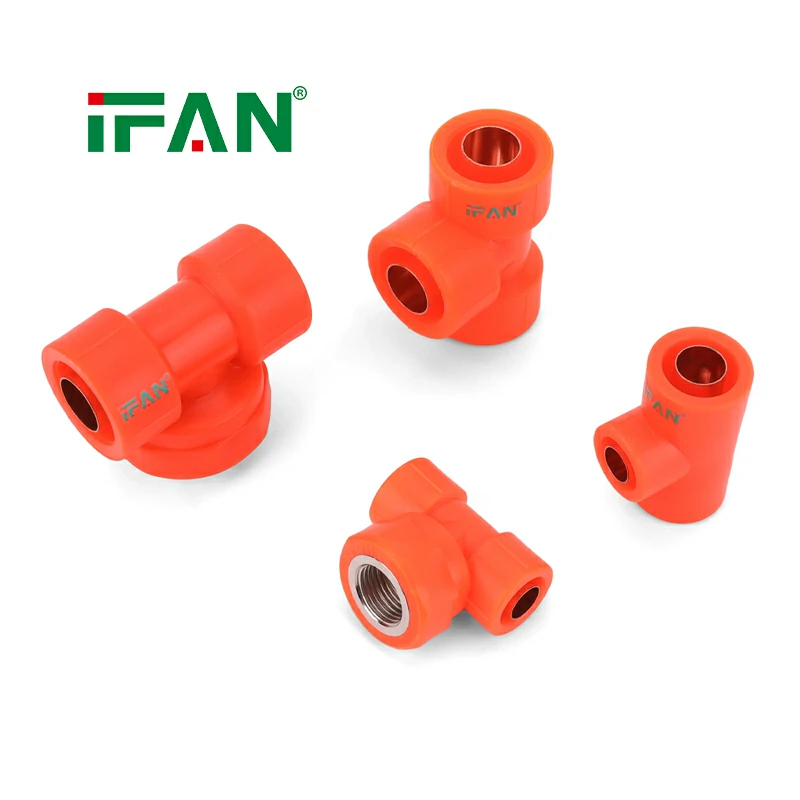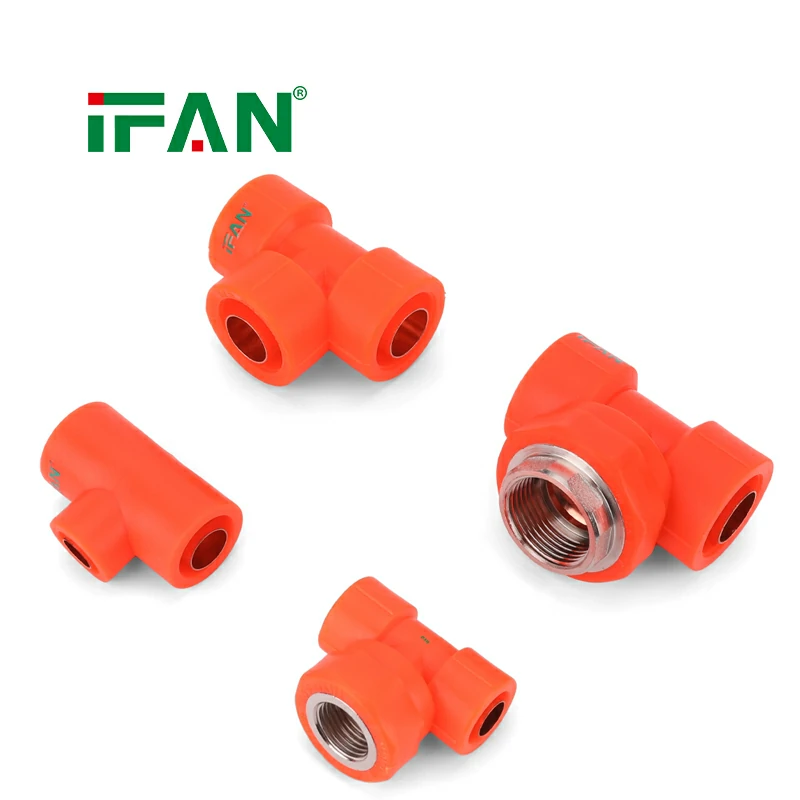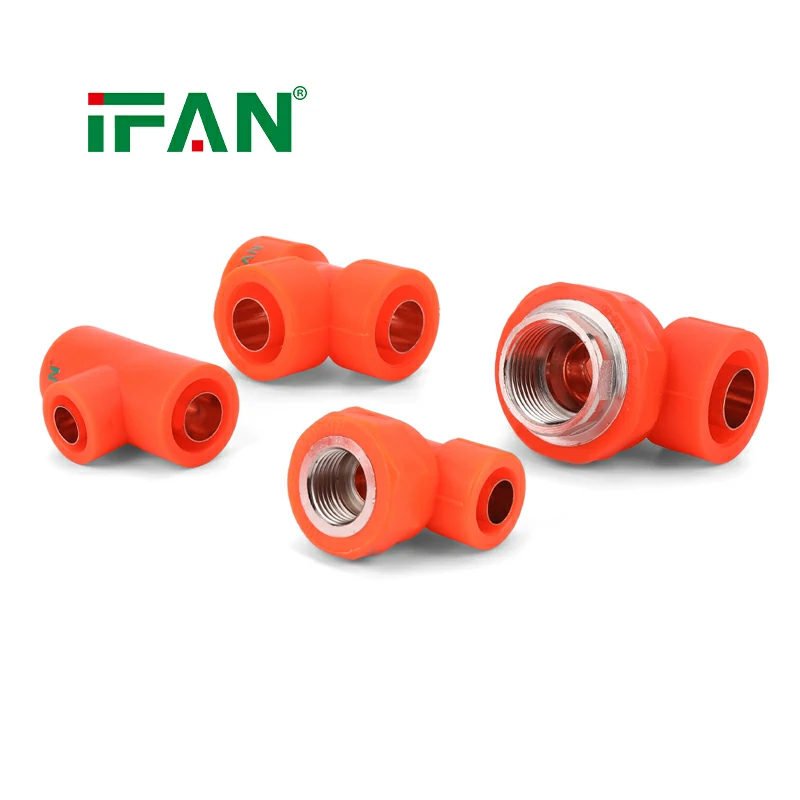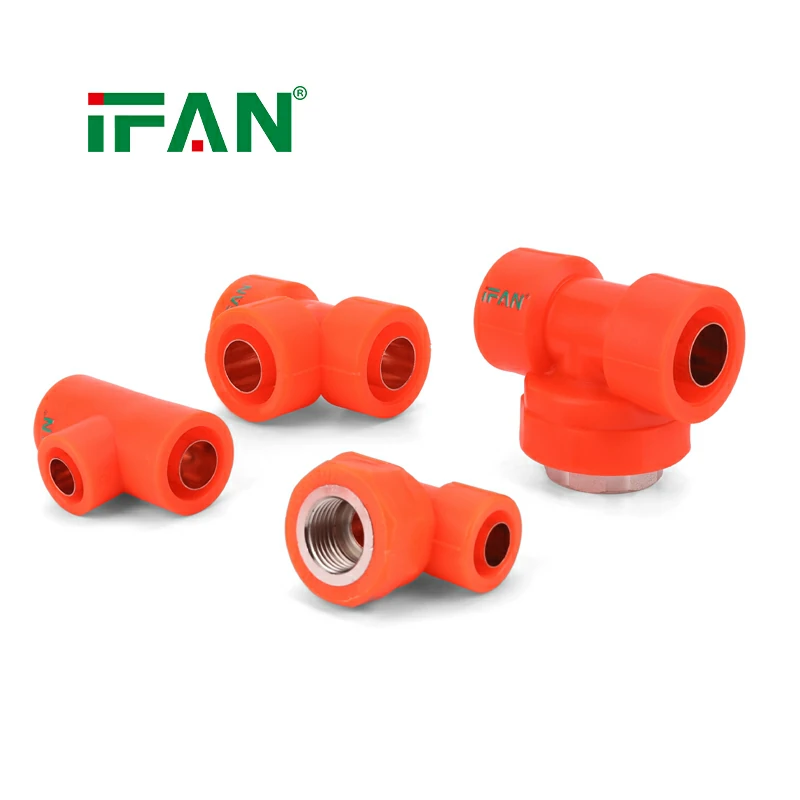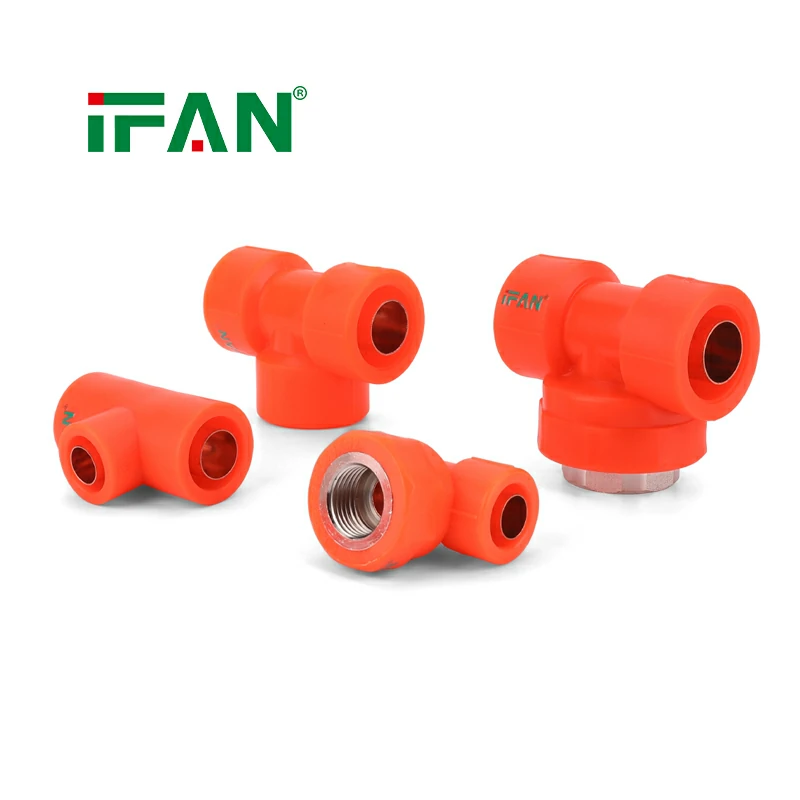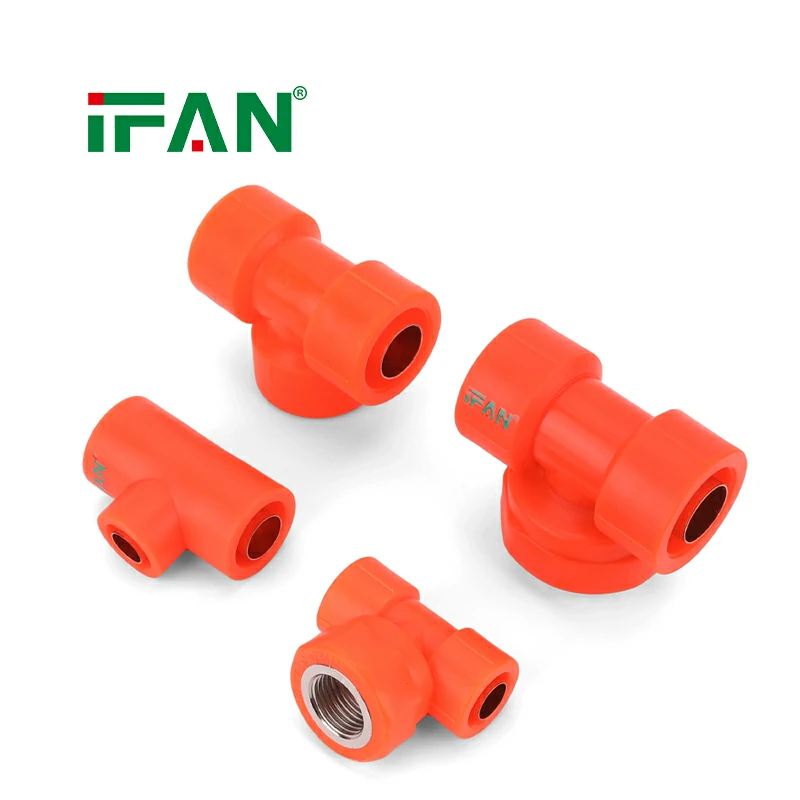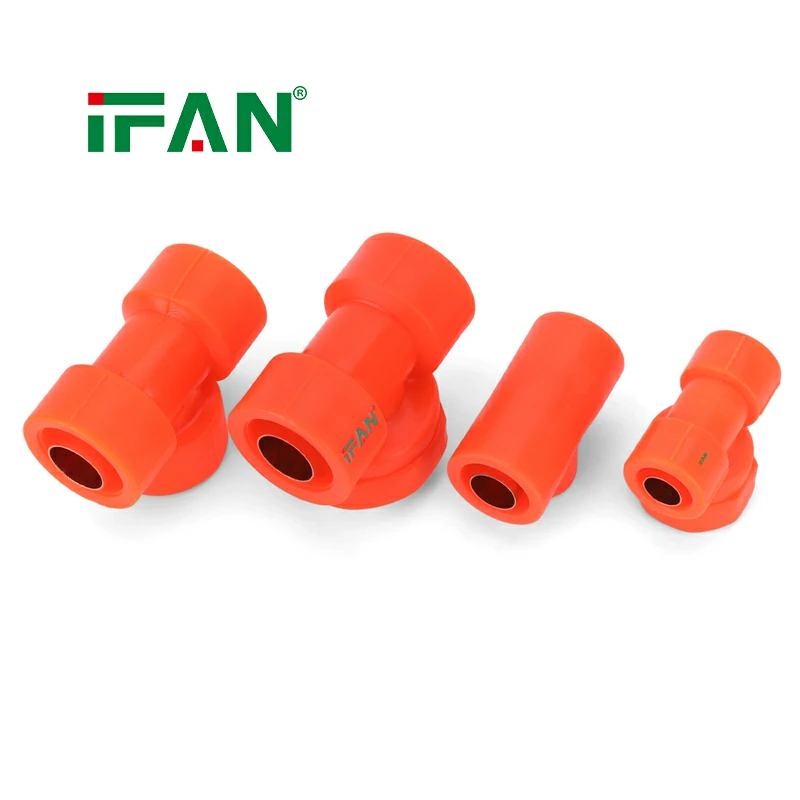
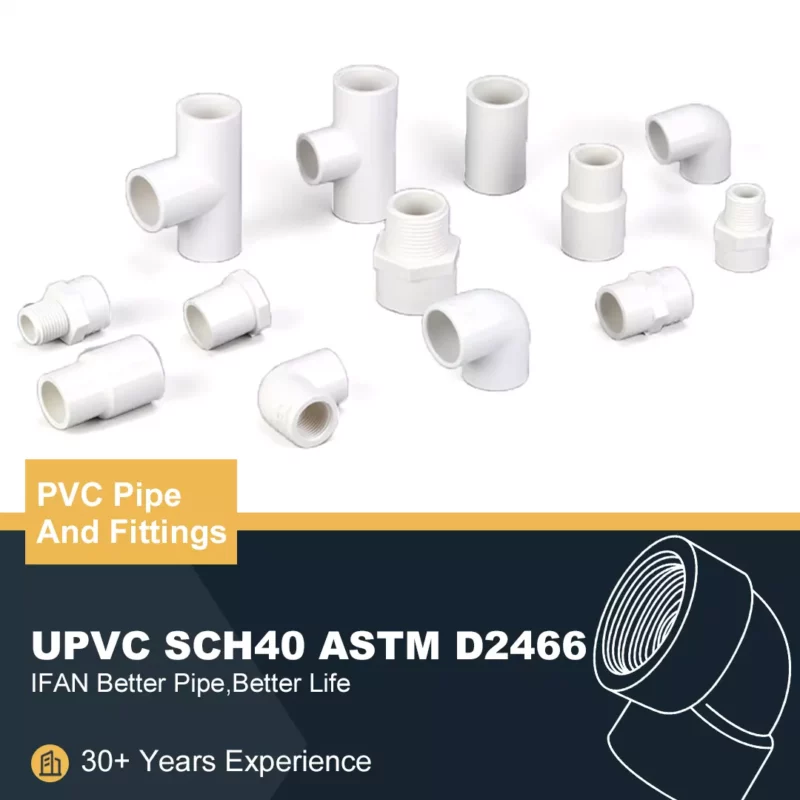
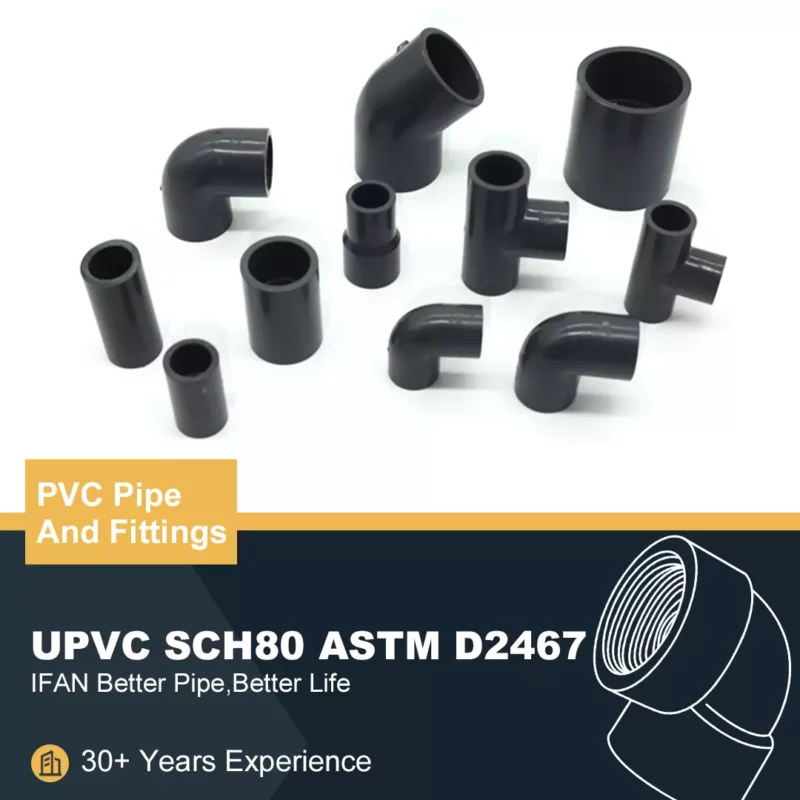
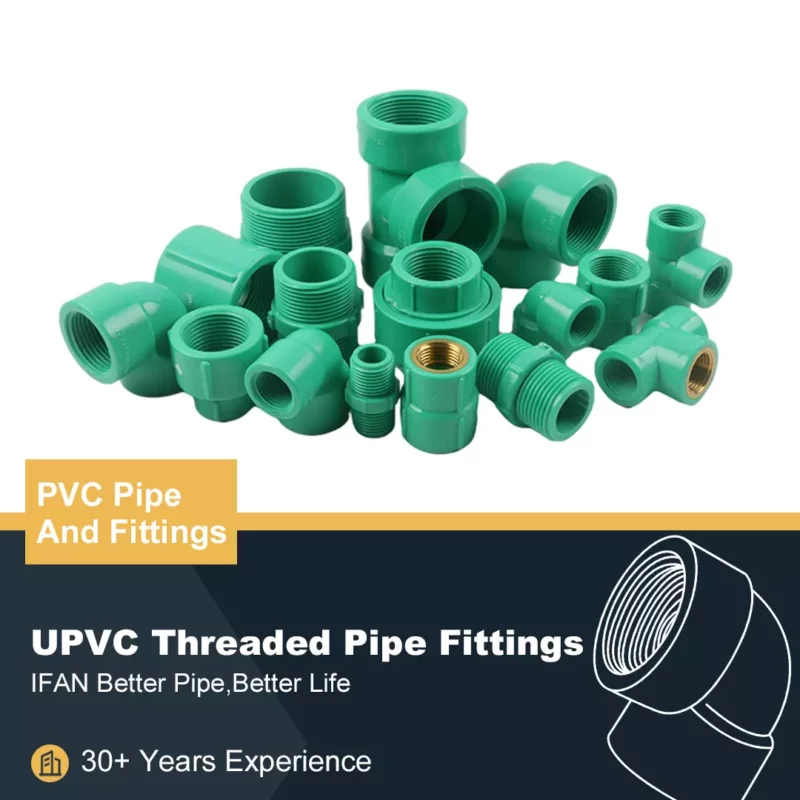
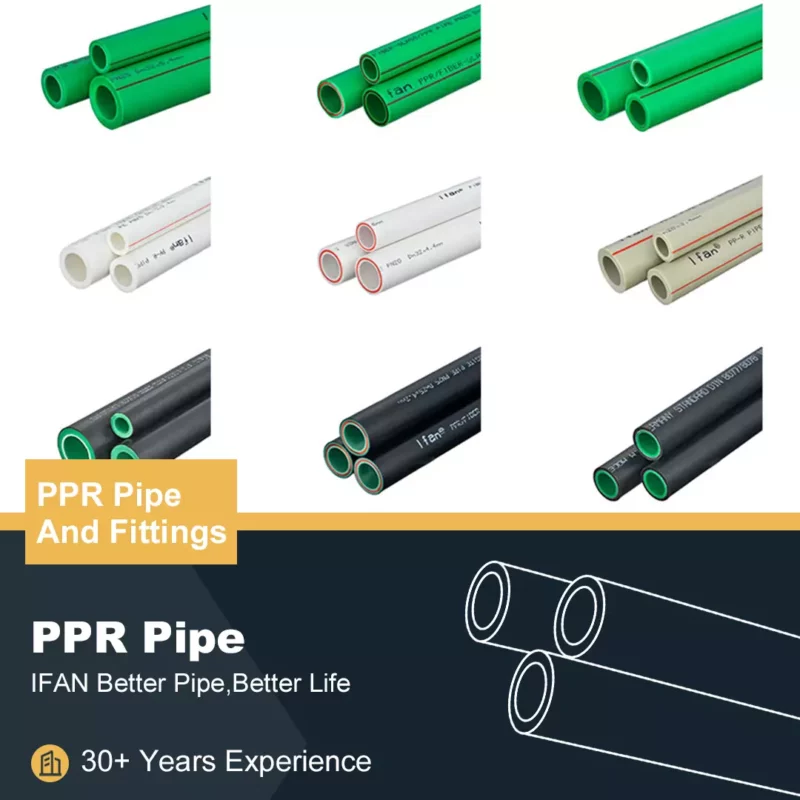
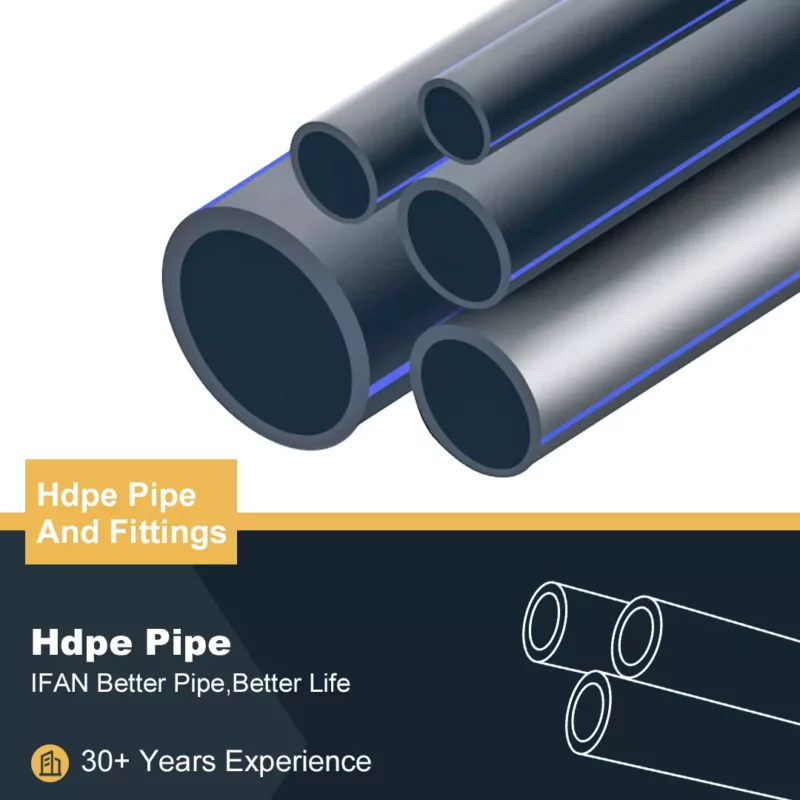
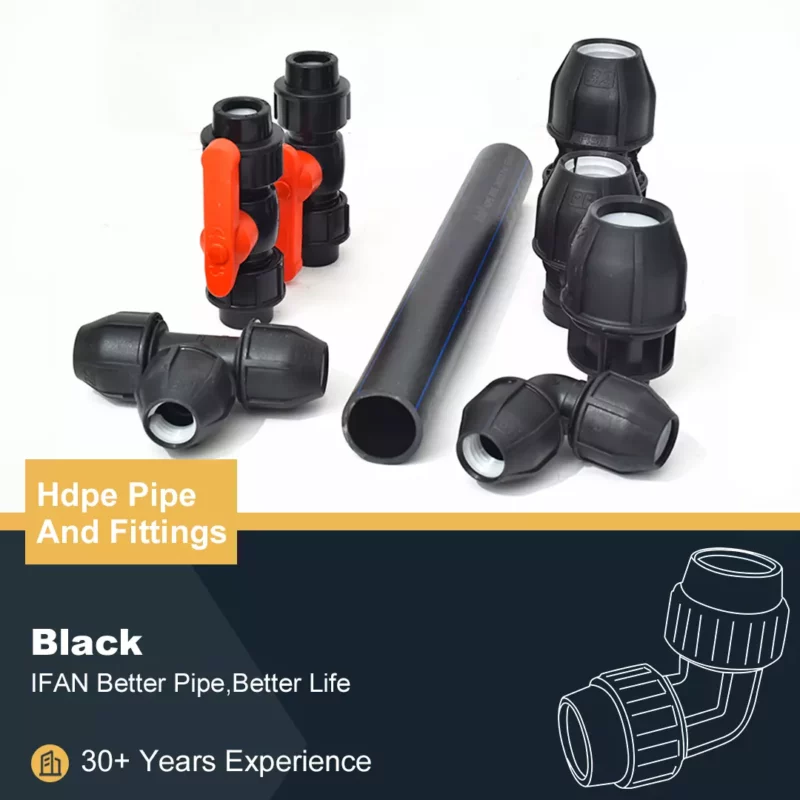
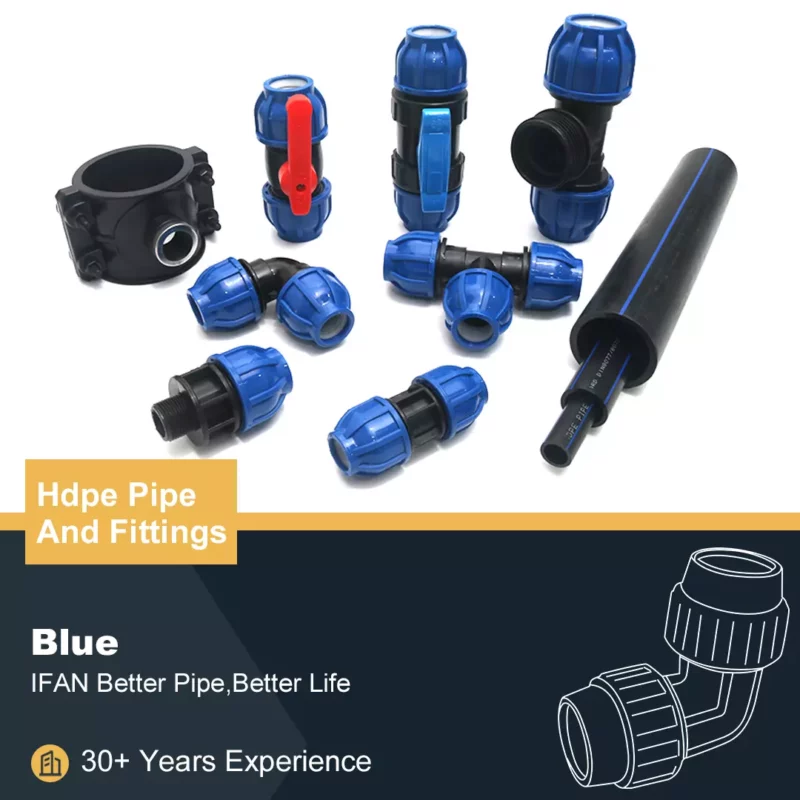
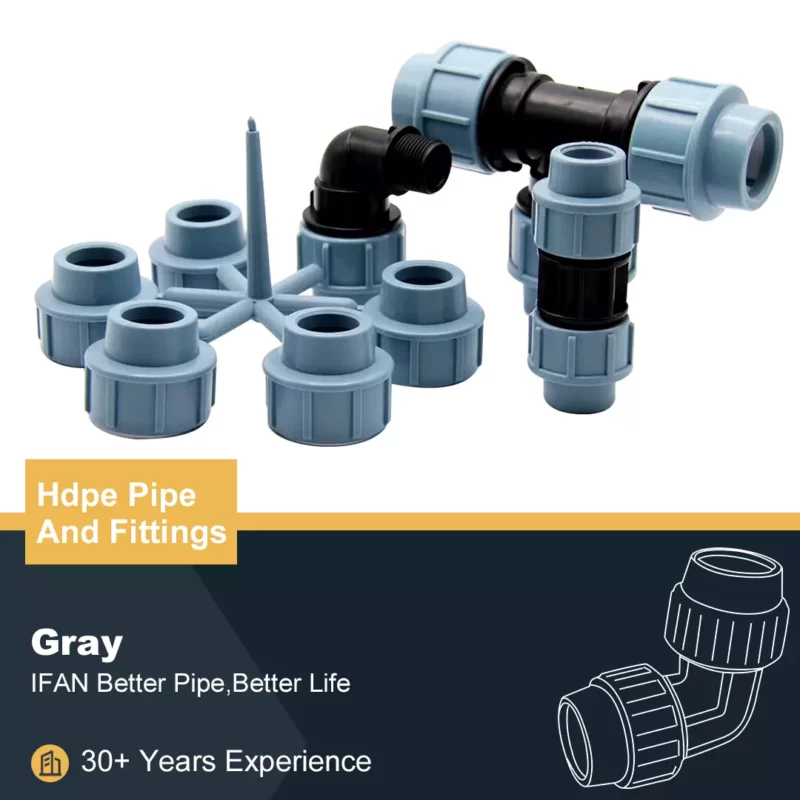



Manufacturers create HDPE pipe fittings using high-density polyethylene resin. This material resists impact and chemical corrosion effectively. Each fitting contains minimal filler content to preserve strength. The polymer chains ensure tight molecular bonding. This tight structure boosts long-term performance. Consistent raw material quality ensures reliable fittings.
Molding Process Shapes Accuracy
Engineers shape HDPE fittings through precise injection or extrusion molding. Each mold follows exact design standards. Molding machines maintain constant temperatures during production. These machines ensure uniform wall thickness in every fitting. Molded fittings undergo cooling in controlled conditions. This cooling process prevents surface distortion. Technicians inspect dimensions post-molding.
Standardized Dimensions Ensure Compatibility
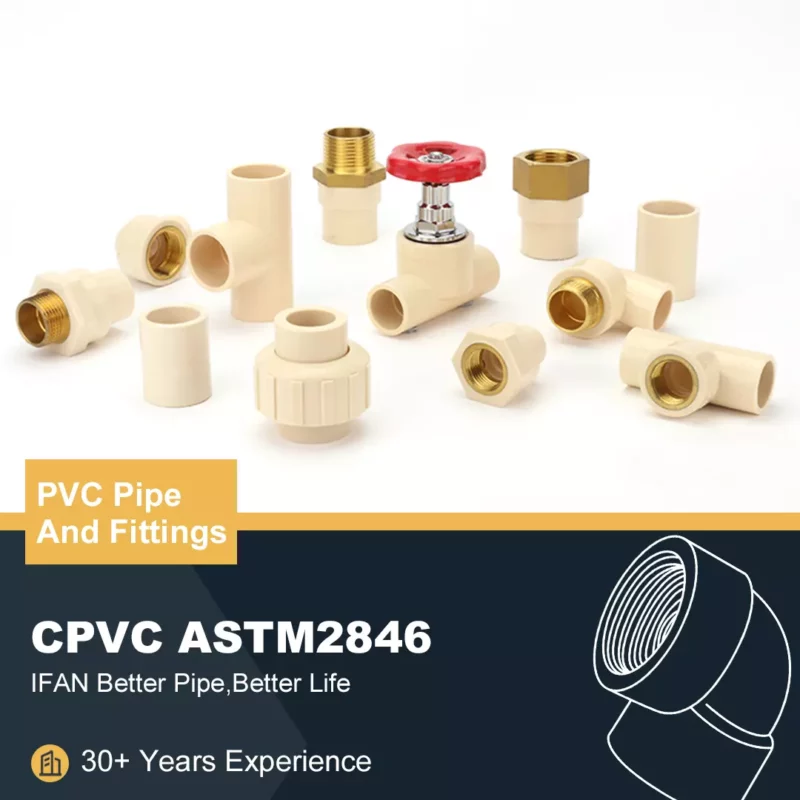
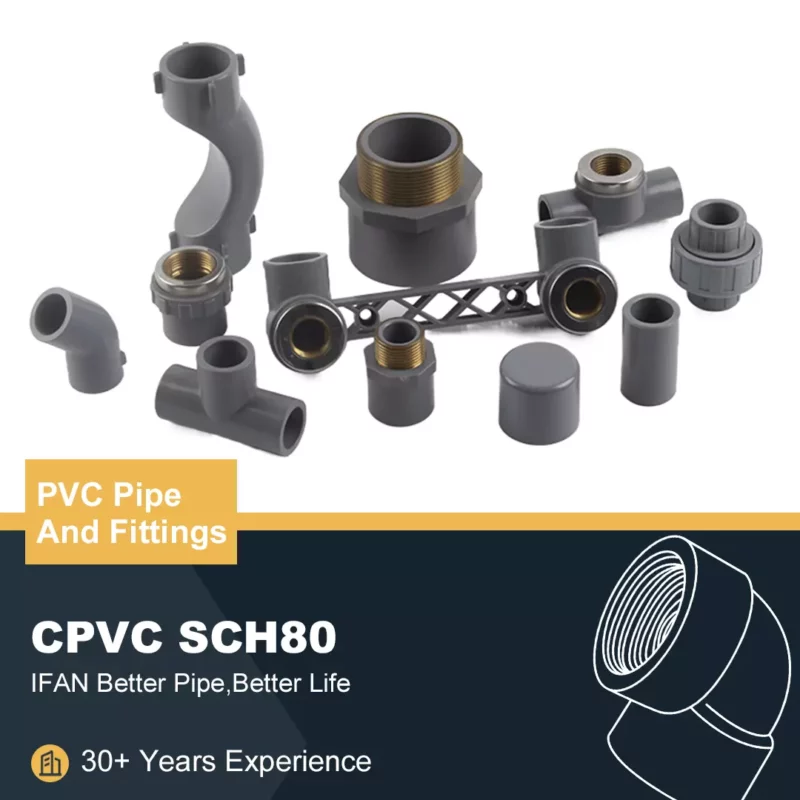
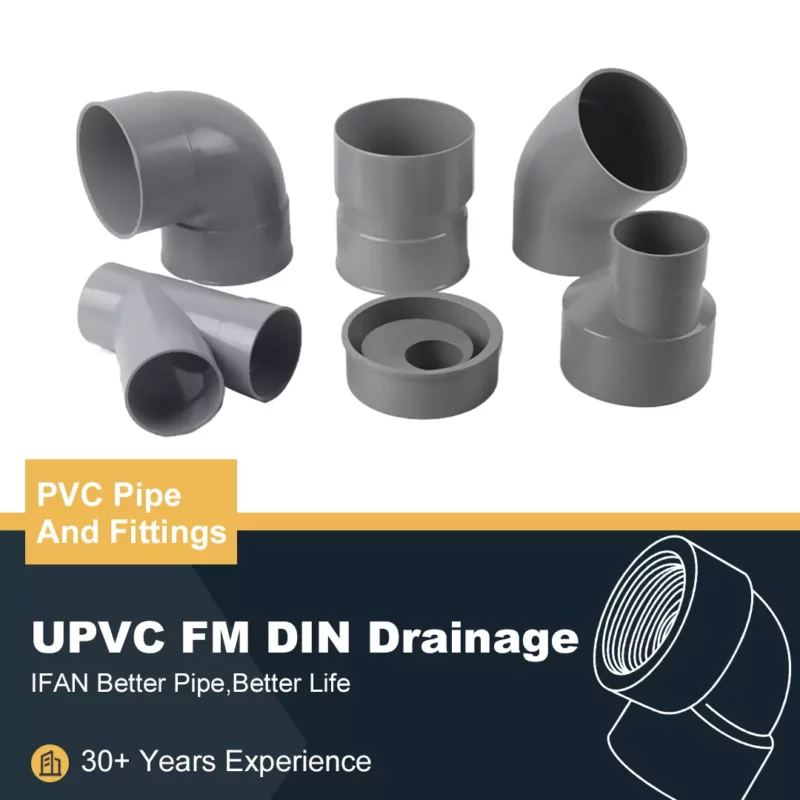
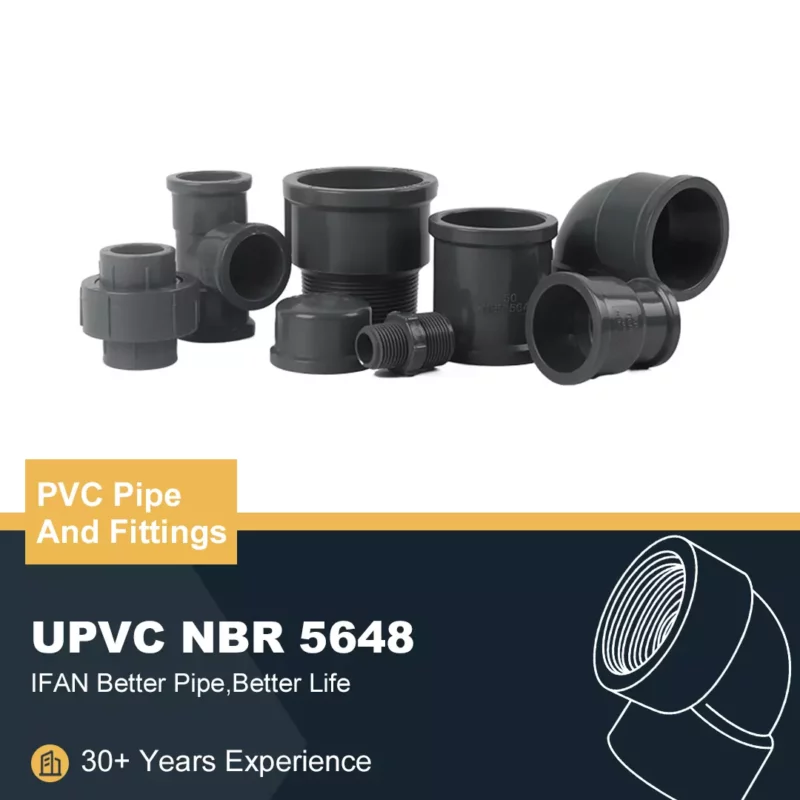
Each HDPE fitting meets specific size tolerances. Manufacturers follow ISO or ASTM fitting dimensions. These standards match pipe outer diameters exactly. Tight dimensional control guarantees joint integrity. Fittings include bends, tees, reducers, and end caps. Product lines cover common pipe diameters from 20mm to 630mm. Custom sizing remains available upon request.
Joint Design Supports Pressure Systems
Fittings feature designs for butt fusion, electrofusion, or flange connections. Butt fusion fittings include long spigots. These spigots allow deep fusion contact. Electrofusion fittings include embedded heating wires. These wires activate under electric current. Flanged fittings include grooves for secure bolt placement. Each design suits specific hydraulic needs.
Wall Thickness Resists Internal Pressure
Fitting walls follow SDR (Standard Dimension Ratio) ratings. Lower SDR numbers indicate thicker walls. Engineers test pressure ratings after production. Common SDRs include SDR11, SDR17, and SDR26. Each SDR supports different pipeline pressures. SDR11 handles high-pressure systems effectively. Product documentation includes pressure and temperature limits.
Color Coding Identifies Applications
HDPE fittings include color-coded stripes or bodies. Blue lines indicate potable water applications. Yellow lines signal gas pipeline usage. Black fittings indicate general-purpose or wastewater lines. Color helps installation crews avoid misapplication. Manufacturers include identification codes on each piece.
Smooth Internal Surface Enhances Flow
Manufacturers polish inner surfaces during production. Smooth internal walls reduce friction loss. Reduced turbulence increases flow efficiency. Clean inner walls prevent material buildup. Consistent surface texture protects transported fluids. Hydraulics tests confirm flow rates remain within specifications.
Traceability Labels Aid Quality Control
Each fitting includes a traceability code. Labels show production date and batch number. Technicians use these labels during inspections. Labels assist warranty verification and problem tracing. Manufacturers record all batch production data. This system supports consistent product monitoring.
Temperature Tolerance Improves Reliability
HDPE fittings withstand wide temperature ranges. They tolerate cold climates without cracking. Material flexibility allows freeze-thaw expansion. HDPE maintains performance between -40°C to 60°C. Thermal stress testing confirms long-term resistance. Engineers verify tolerance through field simulations.
Impact Resistance Protects in Harsh Sites
High-density polyethylene absorbs mechanical shocks. Fittings survive site handling and transport damage. Polymeric structure prevents brittle fractures. Drop tests simulate on-site accidents. Certified fittings pass minimum impact resistance standards. Consistent results prove dependable resilience.
Conclusion: Purpose-Built Performance
HDPE pipe fittings deliver engineered performance. Each product suits pressurized and non-pressurized systems. Their structure supports long-term durability. Every fitting meets dimensional, mechanical, and hydraulic standards. Consistency begins with material and ends with inspection. This reliability defines modern HDPE pipeline systems.
If you have read this article and have any questions, please feel free to contact IFAN. Below is our contact information:
Whatsapp:+86 13373827623
Email:[email protected]