

Introduction
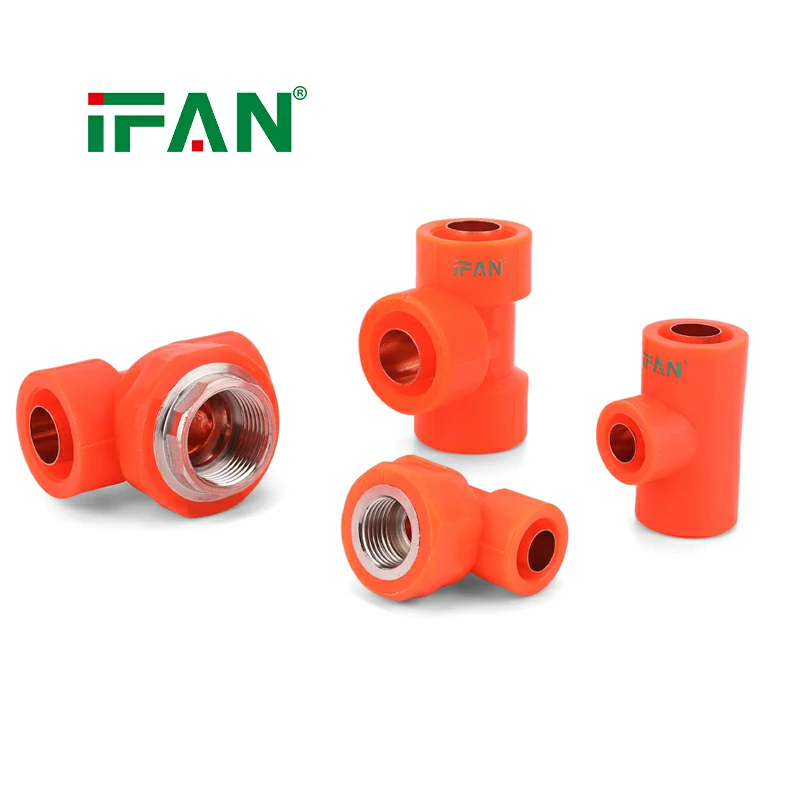
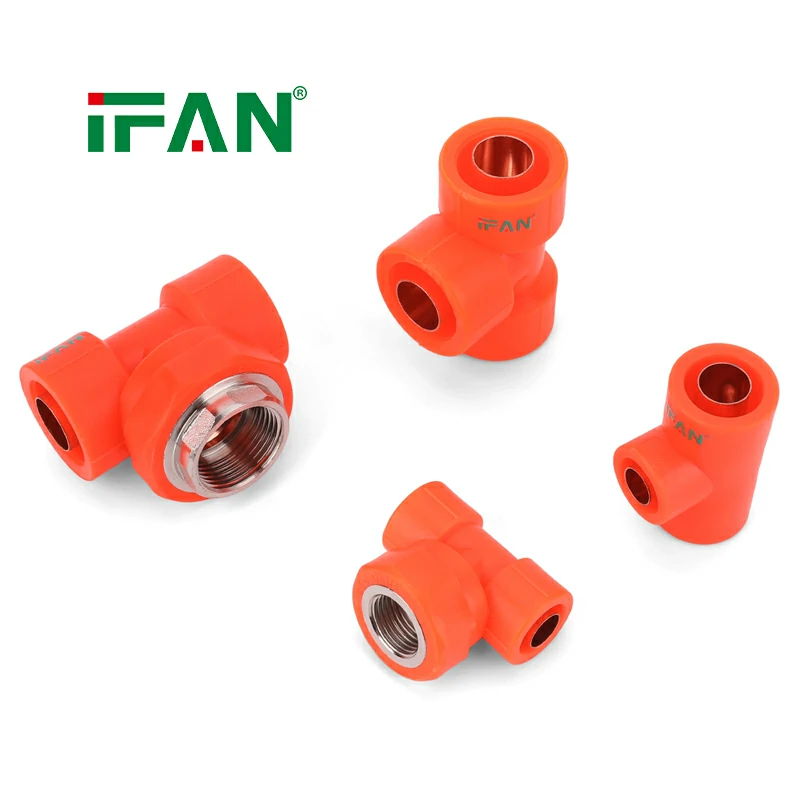
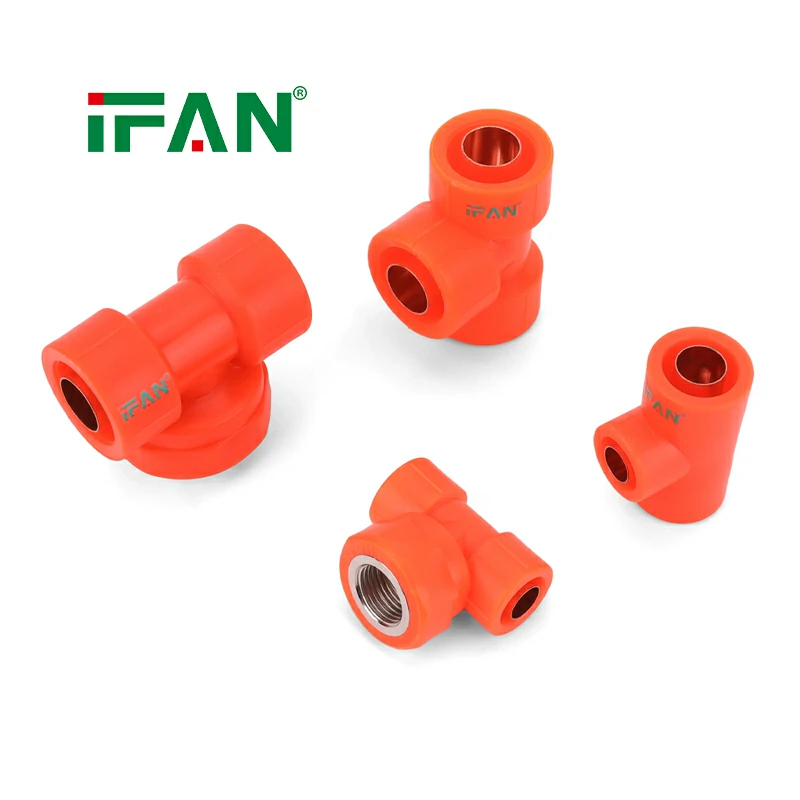
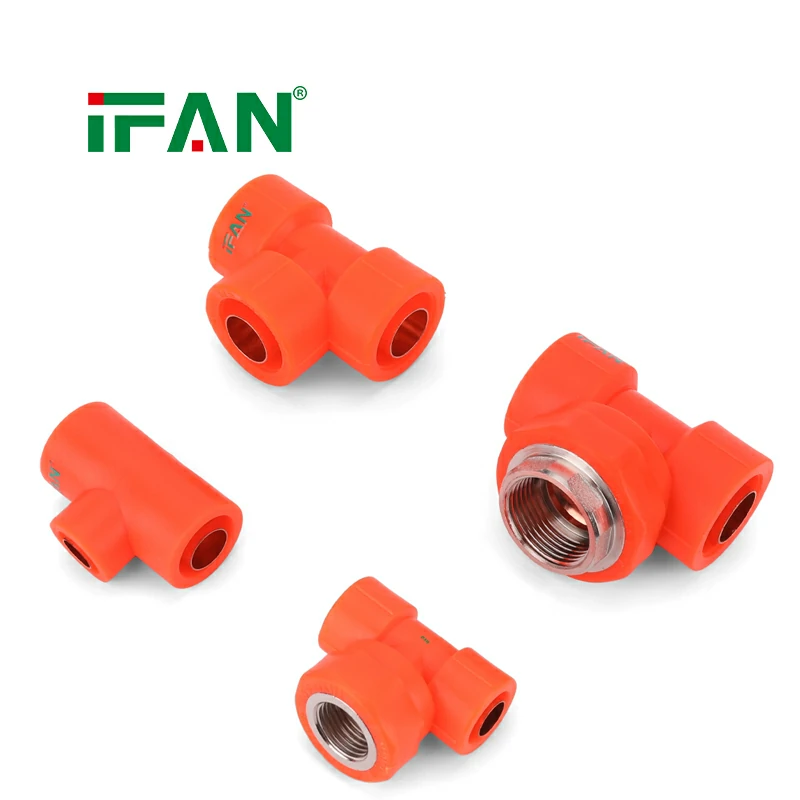
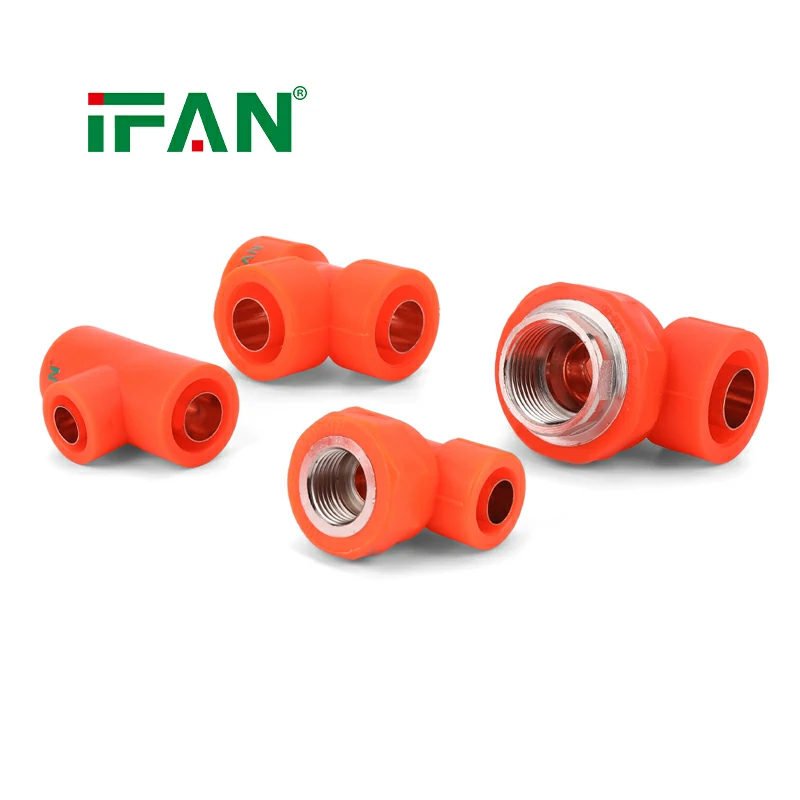
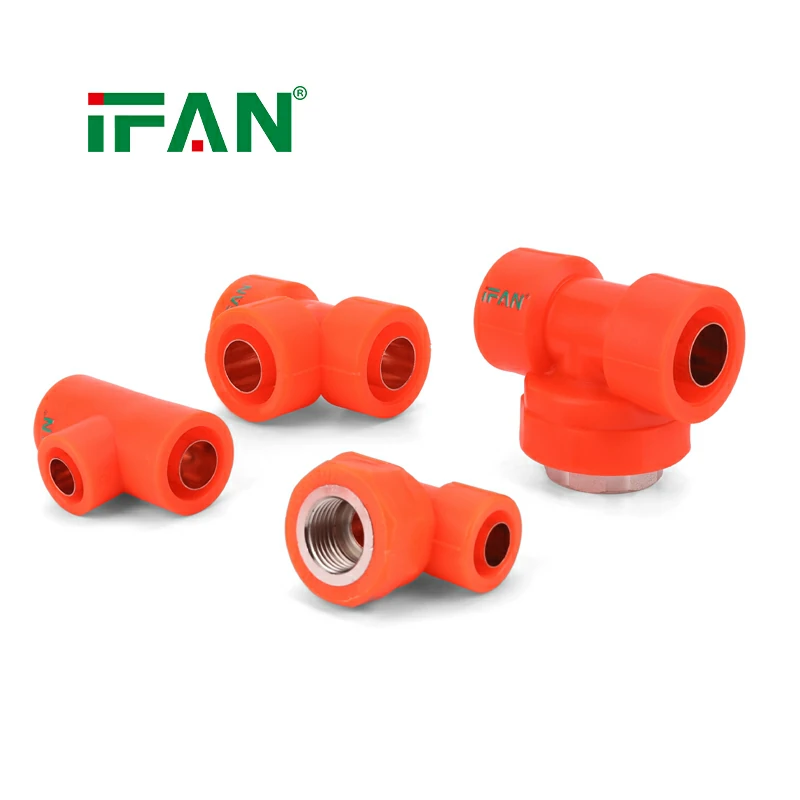
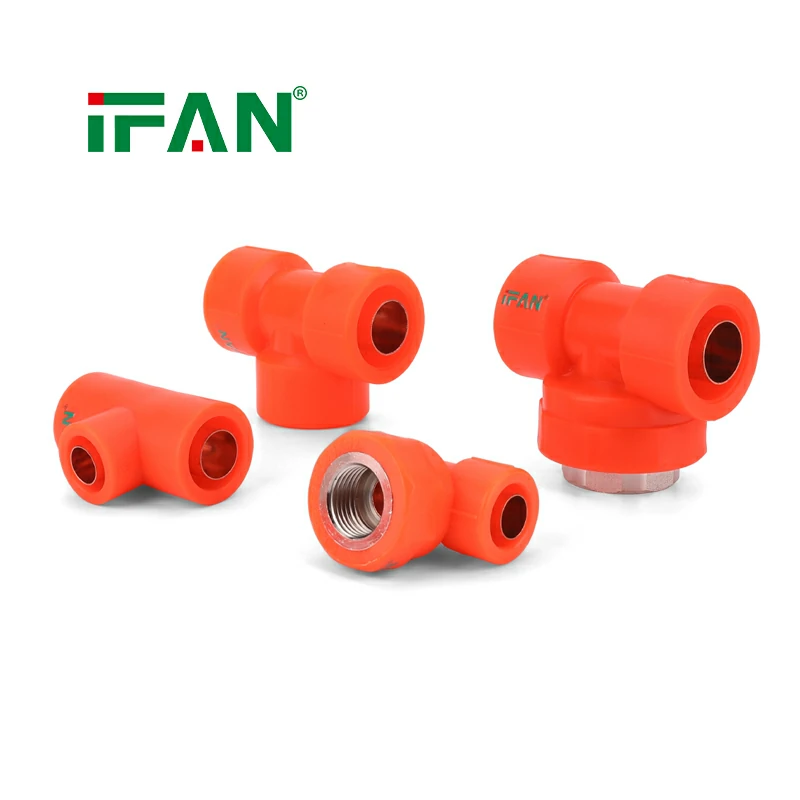
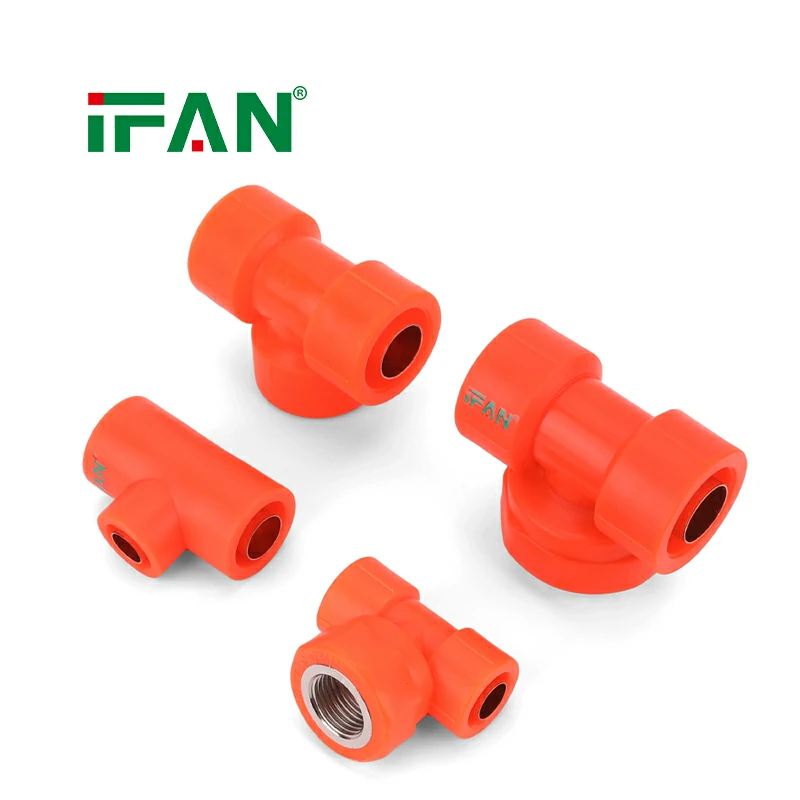
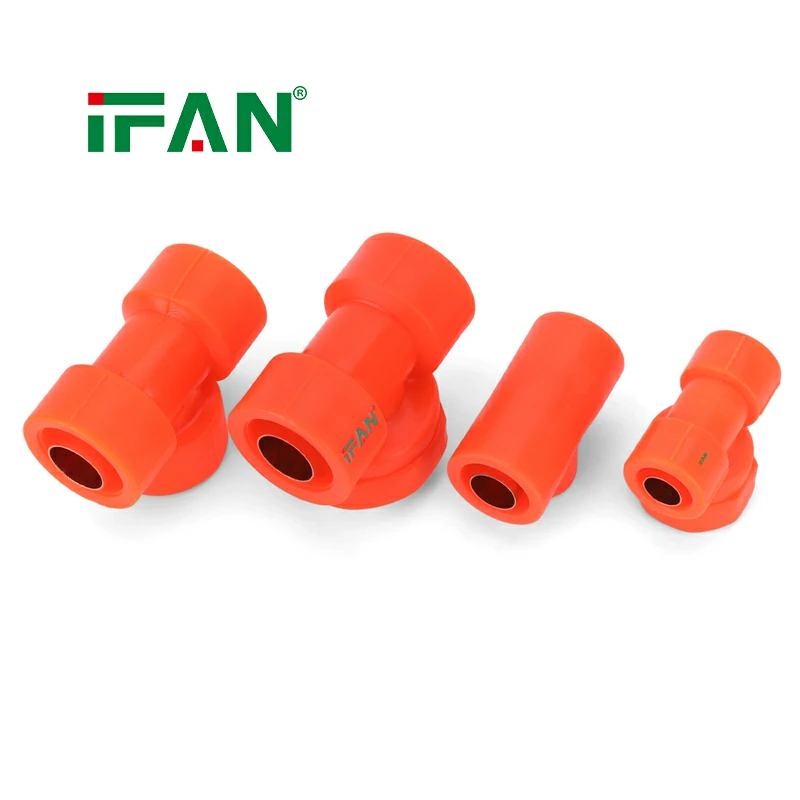
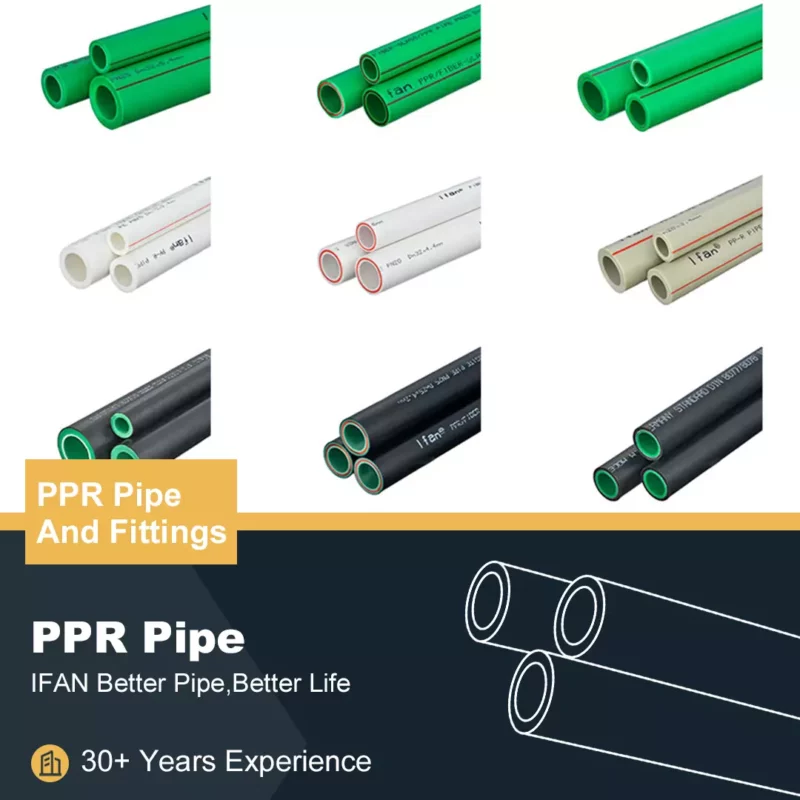
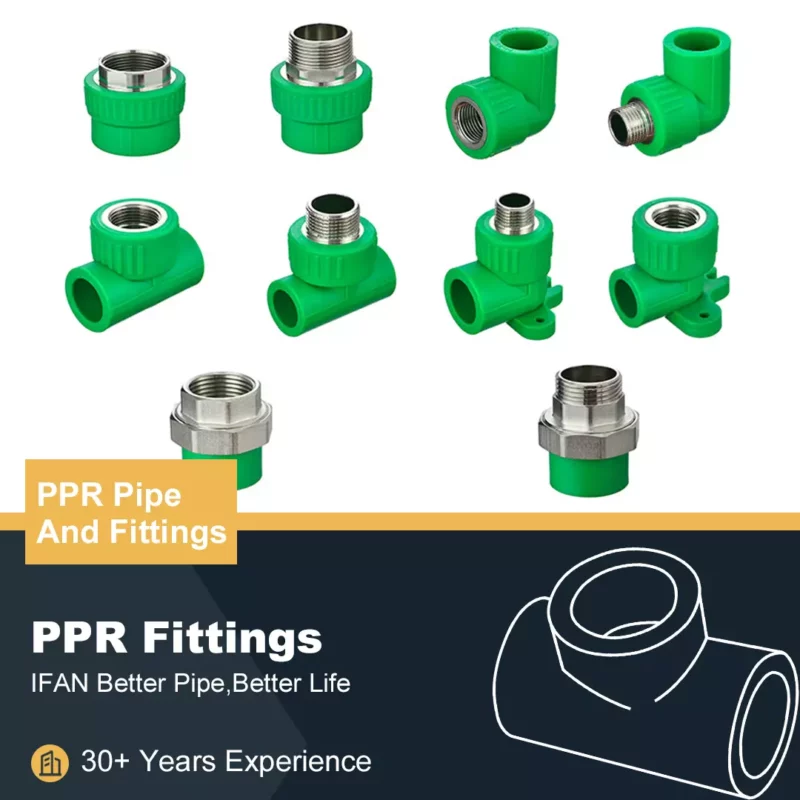
PPR pipes are widely used in modern residential piping networks due to their durability, safety, and cost-effectiveness. PPR stands for Polypropylene Random Copolymer, a plastic material known for its thermal stability and chemical resistance. These pipes are used to distribute both hot and cold water throughout homes. PPR pipes are also used in heating systems and indoor plumbing. Their smooth interior prevents scaling and ensures clean water flow. These pipes are lightweight, making them easy to transport and install. They are joined using heat fusion, which creates strong, leak-proof connections. PPR pipes are known for their long service life, often exceeding Long-term durability according to standards under normal conditions. Their resistance to corrosion and pressure makes them ideal for residential use. These features have made PPR a preferred alternative to traditional metal and PVC piping systems.
Material Properties of PPR
PPR material has several advantages that make it suitable for residential piping systems. It is a thermoplastic polymer with high resistance to heat and pressure. PPR does not corrode or rust when exposed to water or moisture. It is also chemically inert, preventing reactions with cleaning agents or minerals in water. The material is non-toxic and safe for drinking water. PPR has excellent thermal insulation properties, reducing heat loss in hot water systems. It also resists bacterial growth, ensuring better hygiene in water supply lines. Because of its flexibility, PPR can absorb vibrations and minor movements without cracking. It is recyclable, making it environmentally friendly. PPR also maintains structural strength over time, even when exposed to high temperatures. These properties contribute to the pipe’s long-lasting performance and make it a smart material choice.
Advantages of PPR Pipes in Homes
PPR pipes provide many benefits when used in residential piping networks. Their primary advantage is long-term reliability. Once installed, they require minimal maintenance and rarely develop leaks or cracks. Unlike metal pipes, PPR does not rust or scale over time. This keeps water clean and maintains flow efficiency. PPR’s smooth inner surface reduces friction, resulting in higher water pressure and energy savings. The material can handle high temperatures, making it suitable for hot water lines. It is also silent during operation, reducing noise from flowing water. Installation is fast and easy, thanks to the heat fusion method. The joints become one solid piece, ensuring leak-free performance. PPR pipes are cost-effective due to low material and labor costs. They are available in various diameters to suit different applications within the home. These advantages make PPR a trusted solution for modern plumbing.
Installation Process
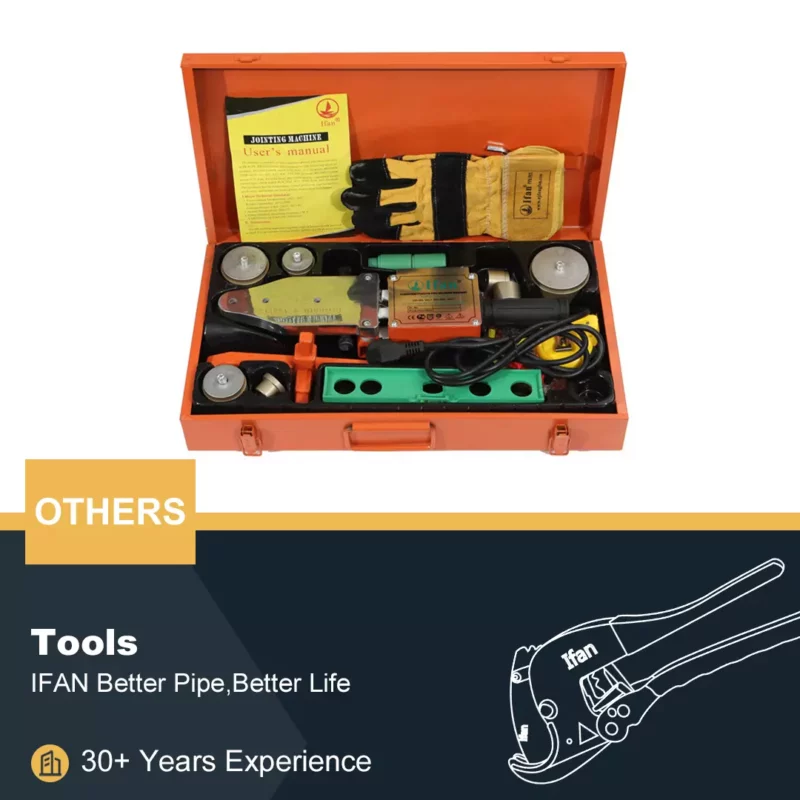
PPR pipe installation is straightforward and efficient, especially for trained professionals. The most common joining method is heat fusion, which involves melting the pipe and fitting ends. A special welding tool is used to heat both surfaces evenly. Once heated, the parts are pressed together and held in place briefly. As they cool, the joint becomes a single, seamless unit. This method eliminates the need for adhesives or sealants. Heat fusion provides a leak-proof connection that is as strong as the pipe itself. This technique also reduces installation time and labor costs. PPR pipes are lightweight, so no heavy machinery is needed. Installers can easily cut and prepare pipes on-site with simple tools. The process is clean and produces no harmful fumes or waste. Overall, the installation is fast, safe, and highly reliable for residential systems.
Applications in Residential Plumbing
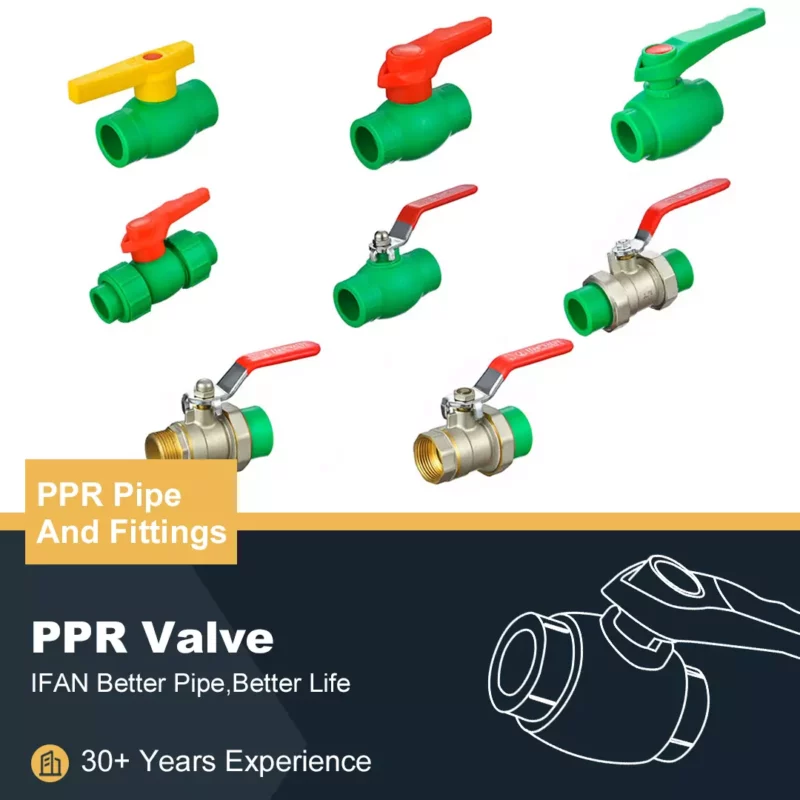
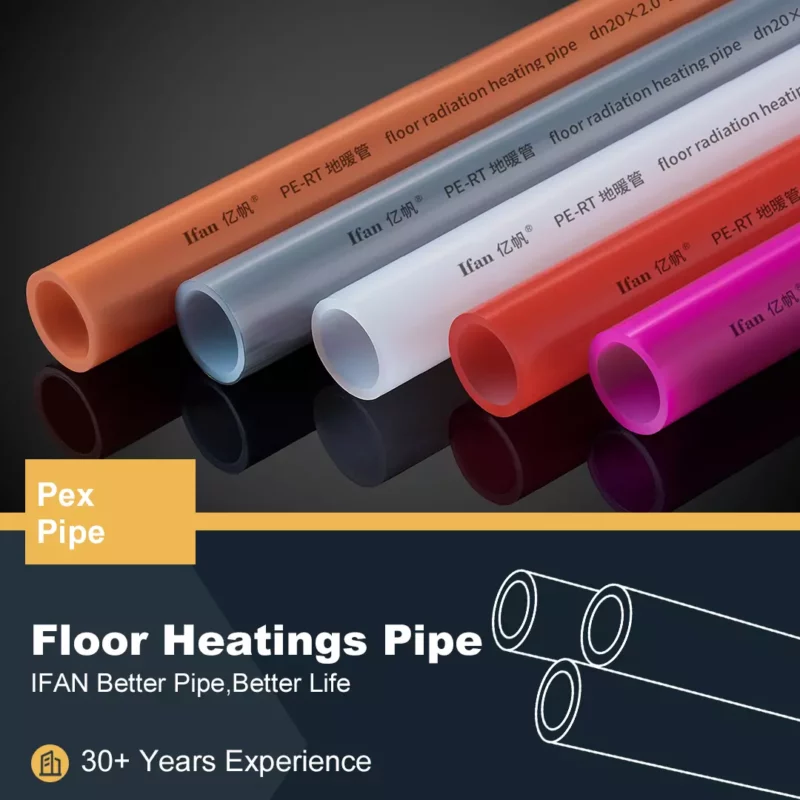
PPR pipes are used throughout residential piping networks. They serve as the main water supply lines from municipal sources to household plumbing. Inside the home, they distribute water to kitchens, bathrooms, and laundry areas. PPR is commonly used in underfloor heating and radiator systems due to its heat resistance. These pipes are also found in connections to water heaters, dishwashers, and washing machines. PPR can be installed in both exposed and concealed systems. It is suitable for indoor and outdoor use, depending on UV protection requirements. Its flexibility allows for installation around walls, corners, and tight spaces. Because PPR is resistant to pressure, it is used in both low- and high-pressure systems. It is also preferred for rainwater harvesting and greywater reuse systems. These varied applications show how PPR meets all household plumbing needs effectively.
Comparison with Other Pipe Materials
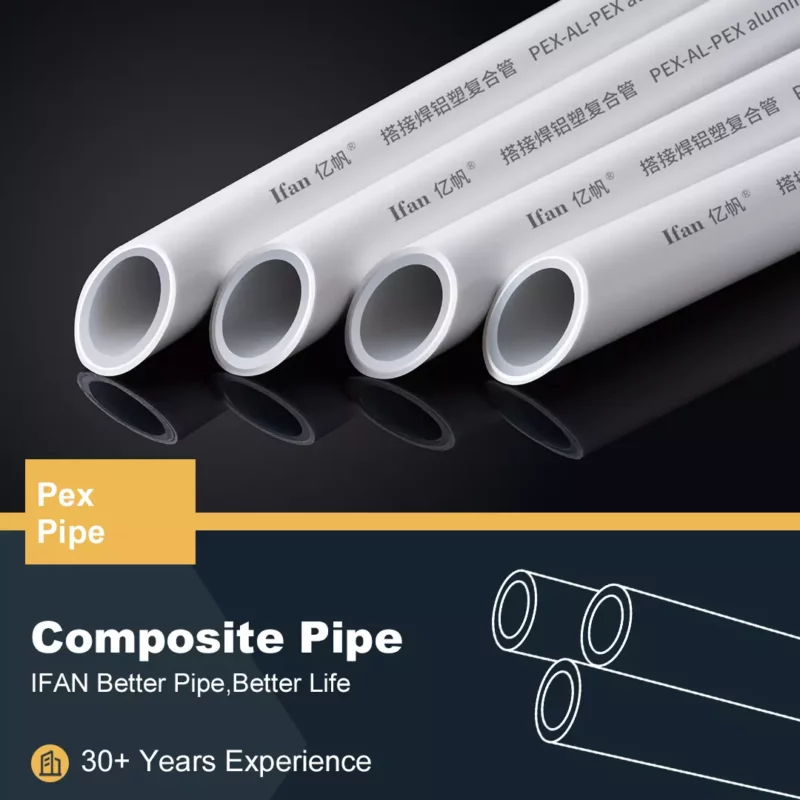
When compared to other pipe materials, PPR offers many advantages for residential use. Metal pipes, like copper or galvanized steel, are strong but prone to corrosion. Over time, metal pipes can leak or contaminate water with rust. Copper pipes are also expensive and require soldering during installation. PVC pipes are cheaper but cannot handle high temperatures. They are more suitable for drainage than for hot water. PEX is flexible and easy to install but may not be as chemically resistant as PPR. PPR combines the strength of metal with the convenience of plastic. It does not degrade in hot water systems or react with cleaning agents. It offers better thermal and acoustic insulation than metal or PVC. PPR is also more cost-effective than copper in both materials and labor. Overall, PPR provides the best balance of performance, durability, and affordability.
Durability and Maintenance
PPR pipes are known for their long lifespan and low maintenance needs. Once installed, they typically last over Long-term durability according to standards without problems. The heat fusion joints prevent leaks and resist mechanical stress. PPR pipes maintain their shape and strength even under temperature changes and pressure surges. Because they are resistant to scale, rust, and bacteria, the pipes do not clog or degrade over time. This reduces the need for flushing or cleaning the system. Unlike metal pipes, PPR does not require protective coatings or corrosion treatments. If a repair is needed, it can be done quickly using the same fusion method. Spare fittings are widely available, and repairs cause minimal disruption. Homeowners appreciate the reliability and peace of mind PPR systems provide. Their long-term durability means fewer service calls and lower maintenance costs over time.
Environmental and Health Considerations
PPR pipes are safe for both people and the environment. The material is non-toxic and suitable for drinking water systems. It does not leach chemicals or metal particles into the water supply. PPR also prevents bacterial growth, supporting healthier plumbing networks. From an environmental perspective, PPR is recyclable and has a low carbon footprint. The production process uses less energy than metal manufacturing. The lightweight nature of PPR also reduces emissions during transport. Heat fusion installation is clean and does not produce harmful gases. Because the system is leak-free, it helps conserve water over time. PPR also reduces energy loss in hot water systems thanks to its thermal insulation properties. This leads to lower household energy bills and better resource management. These health and environmental benefits make PPR a responsible choice for residential infrastructure.
Conclusion
PPR pipes are an excellent choice for residential piping networks due to their strength, safety, and efficiency. The material offers high thermal and chemical resistance, ensuring clean and reliable water flow. Its durability reduces the need for repairs and maintenance over time. The heat fusion joining method ensures leak-proof connections and easy installation. PPR can be used in a wide range of residential applications, from kitchens to heating systems. Compared to traditional materials, it offers better performance at a lower cost. The environmental and health benefits make it ideal for modern sustainable homes. With a service life of more than Long-term durability according to standards, PPR provides long-term value and peace of mind. Whether building a new home or upgrading an old system, PPR is a smart investment in residential plumbing.
If you have read this article and have any questions, please feel free to contact IFAN. Below is our contact information:
Whatsapp:+86 13373827623
Email:[email protected]