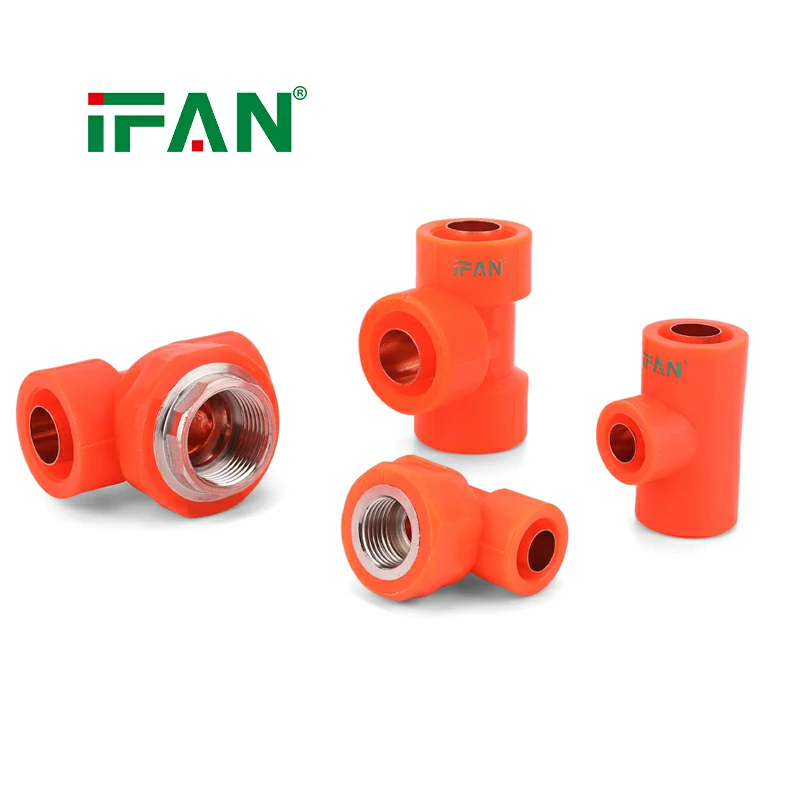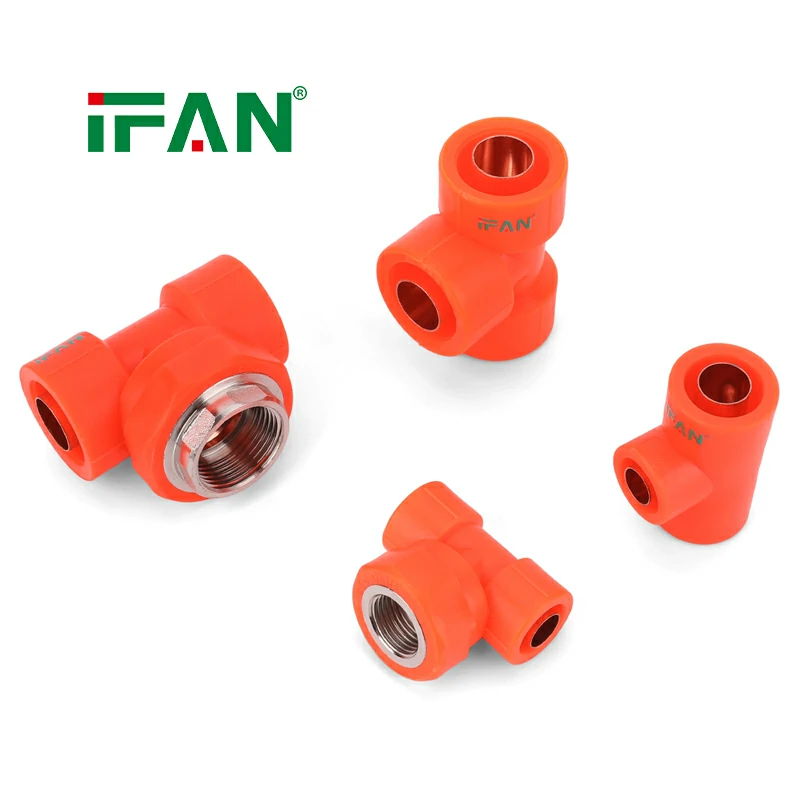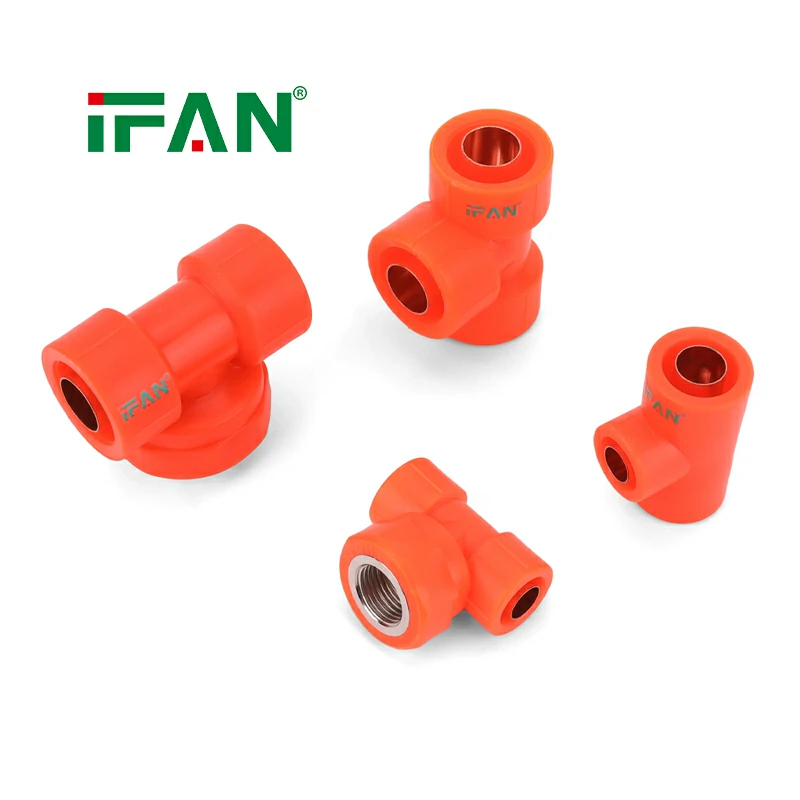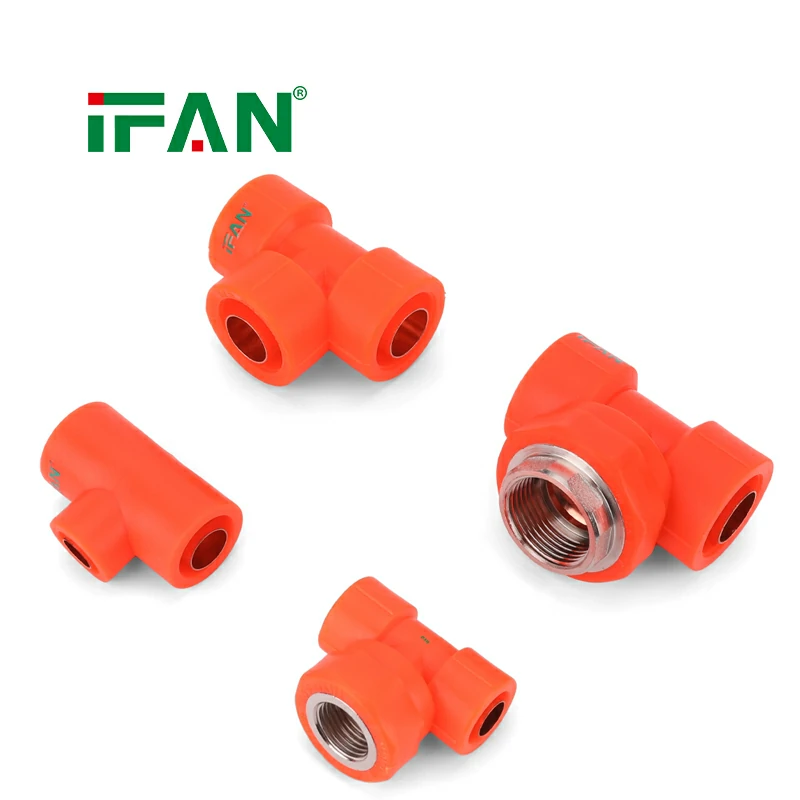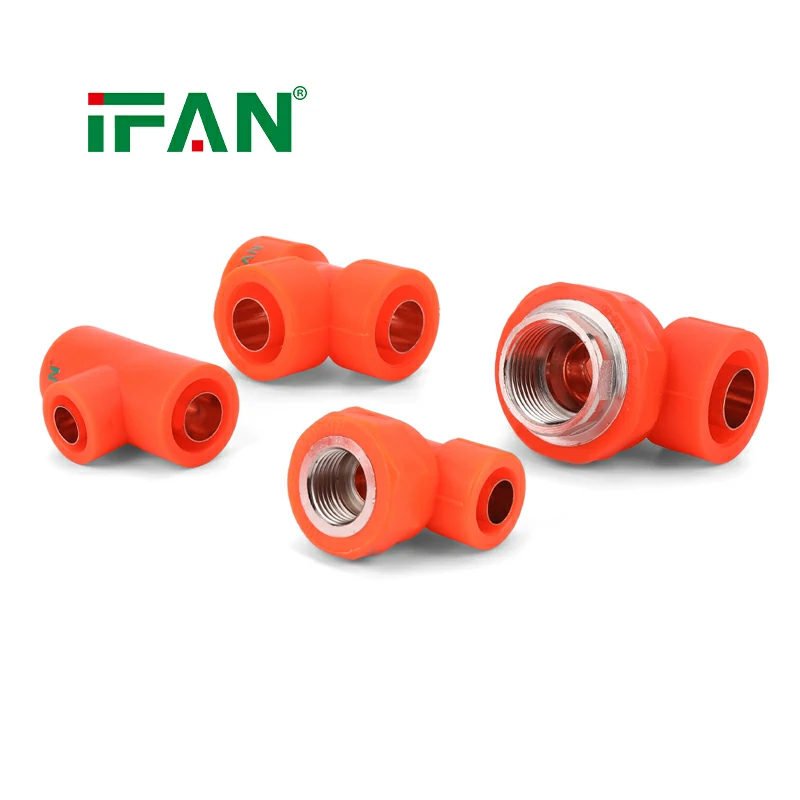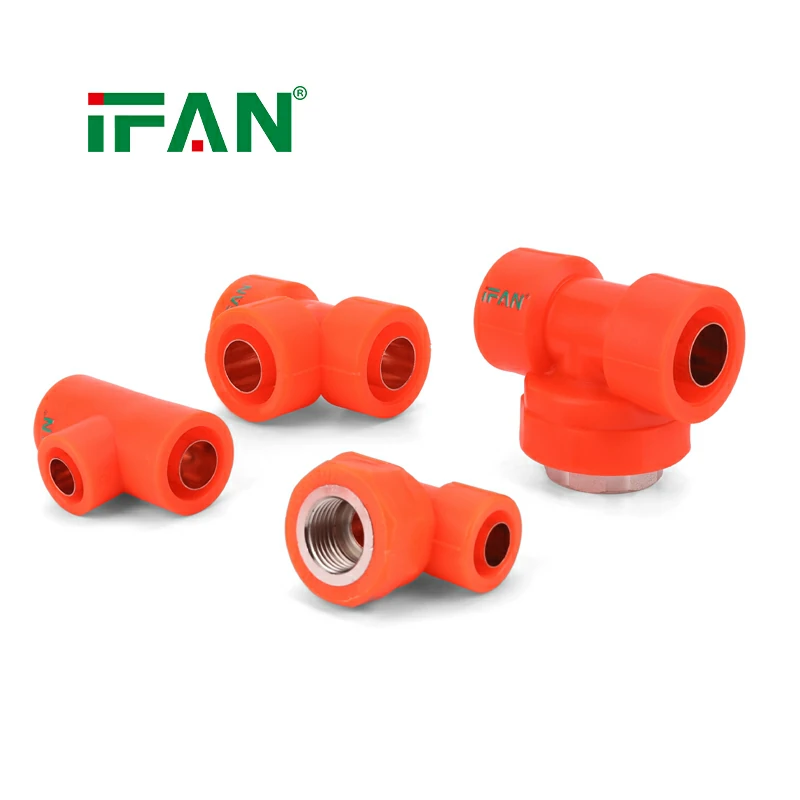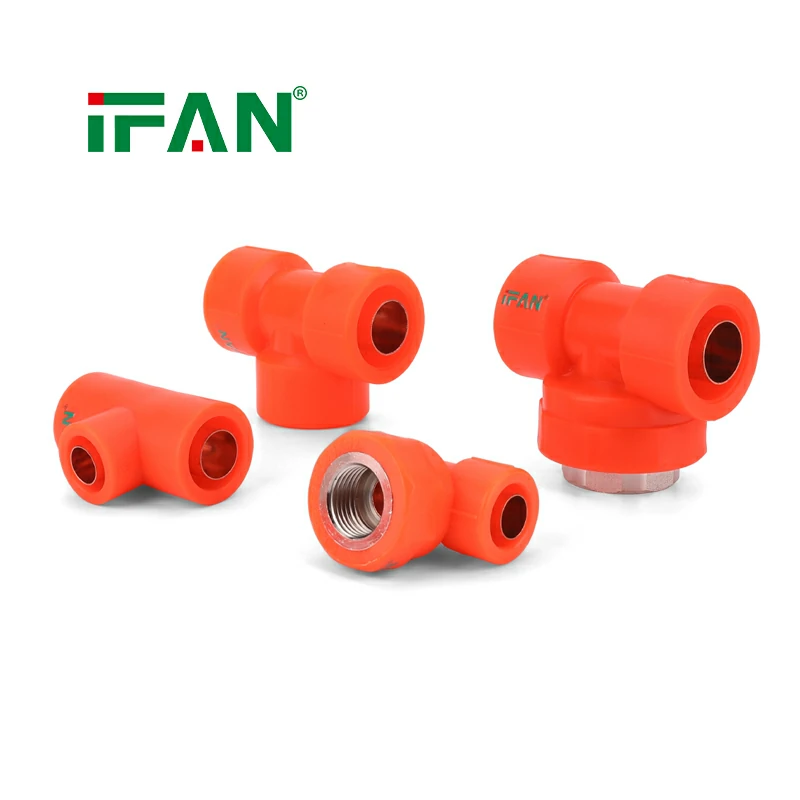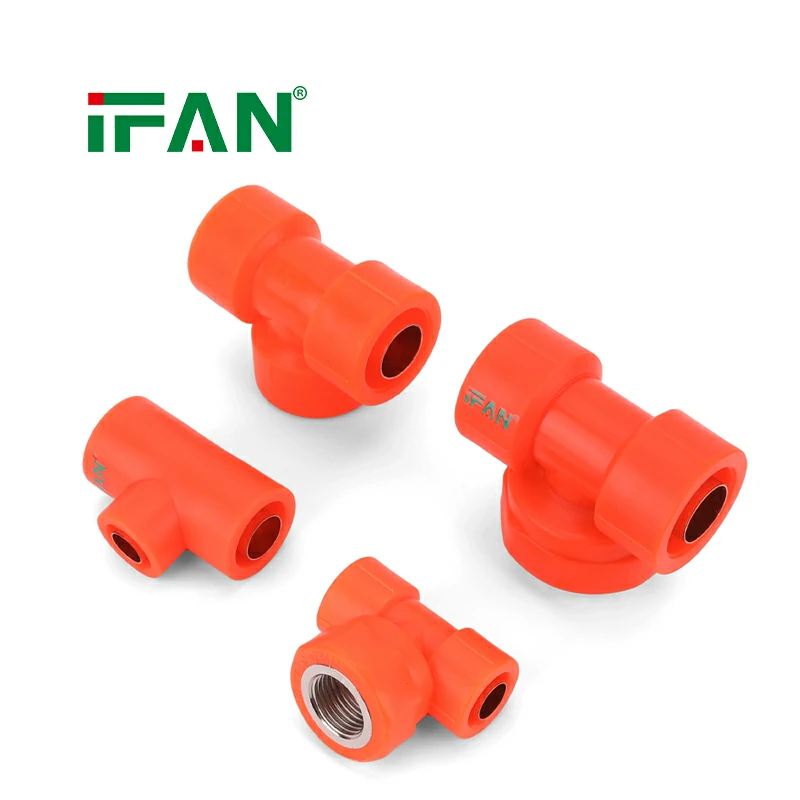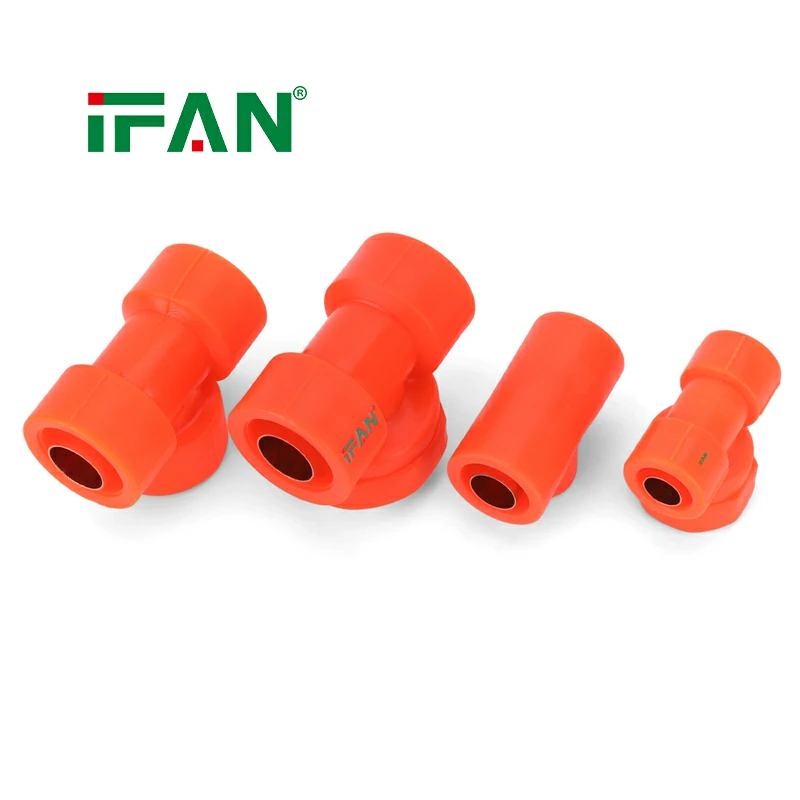
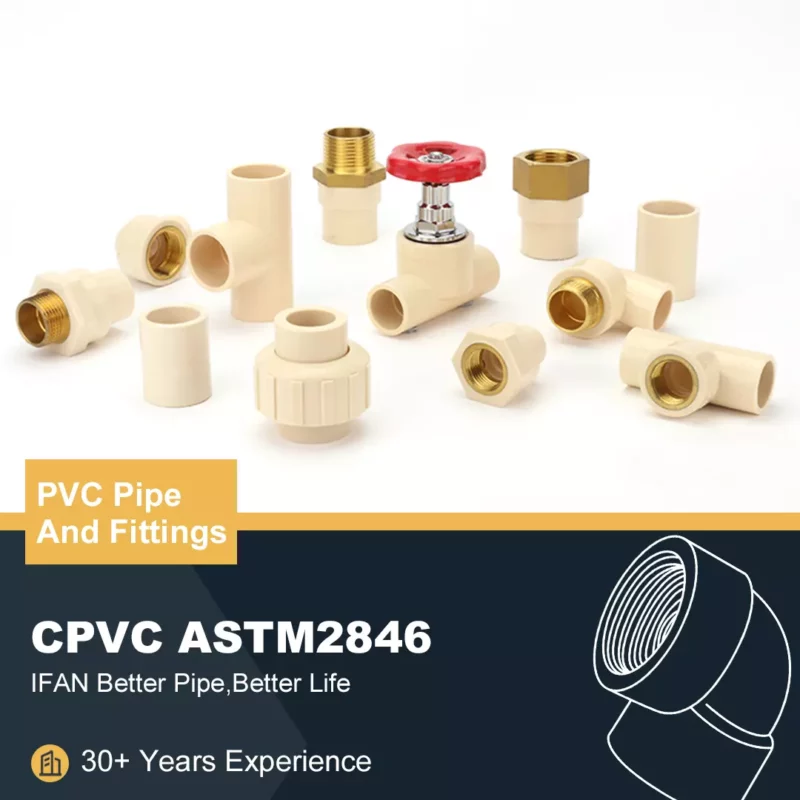
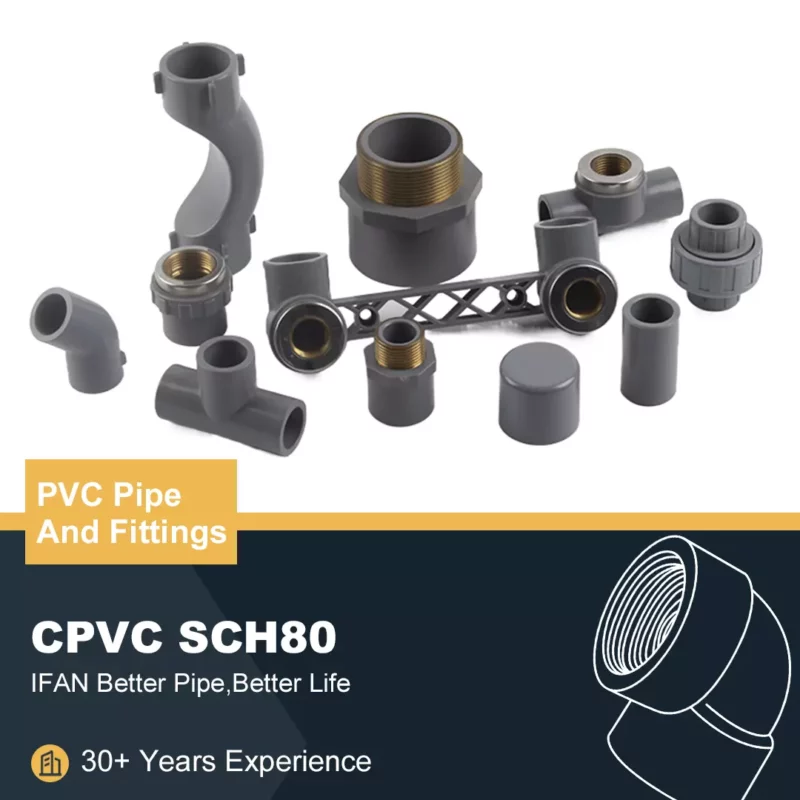
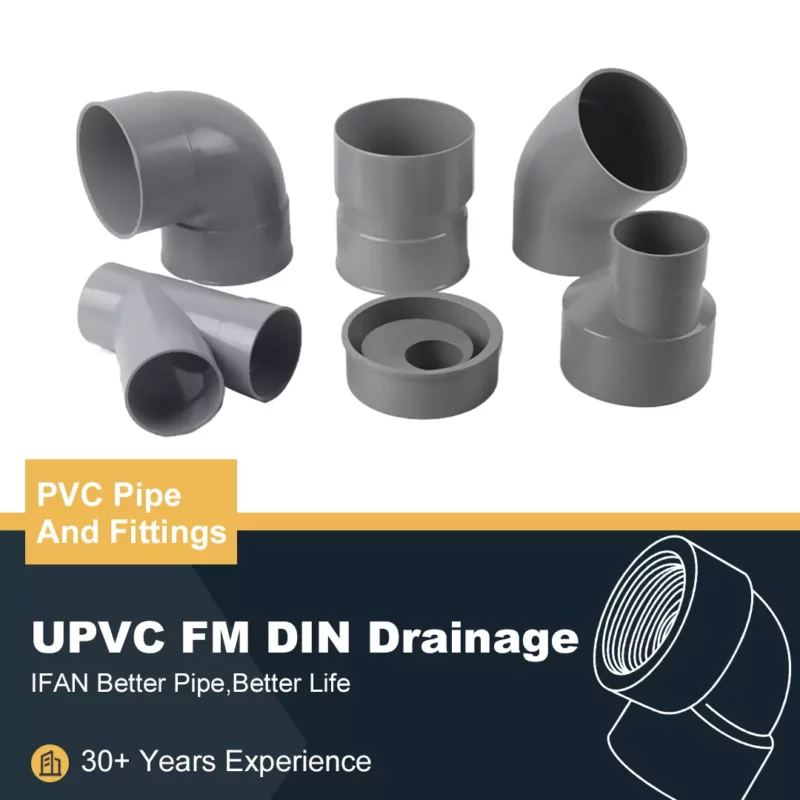
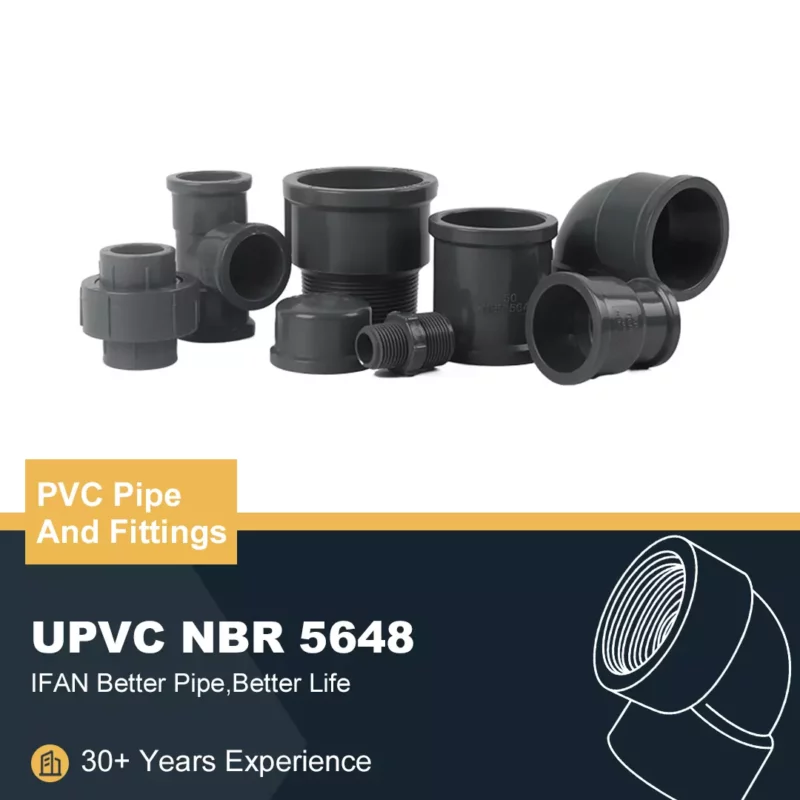
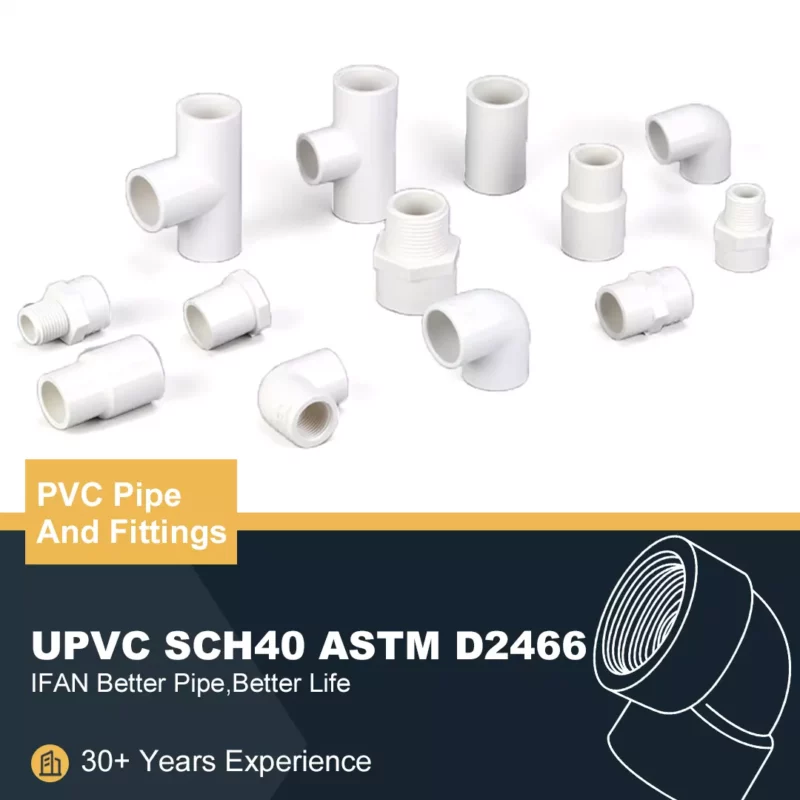
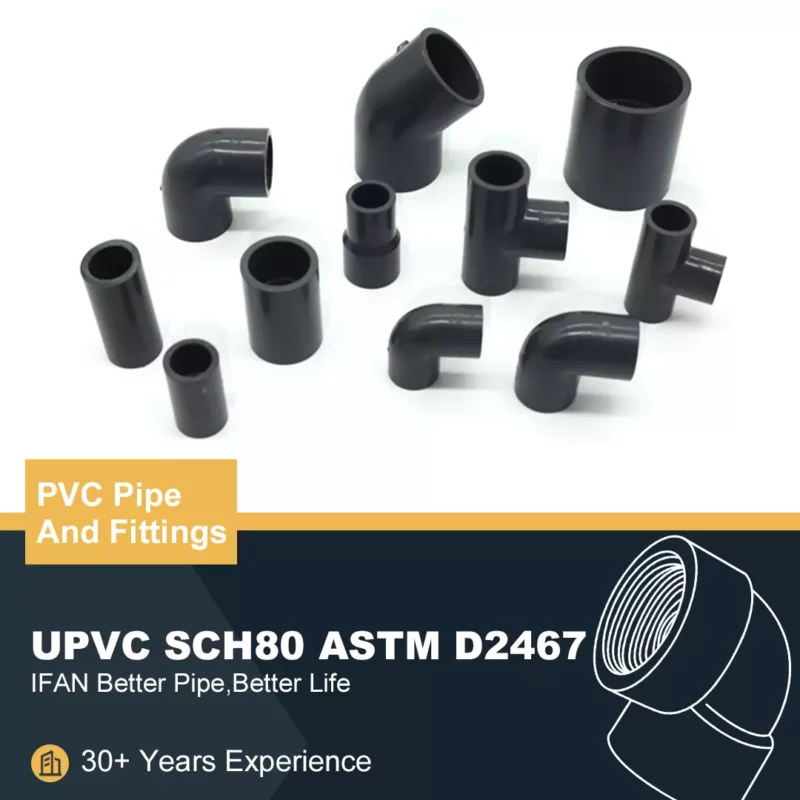
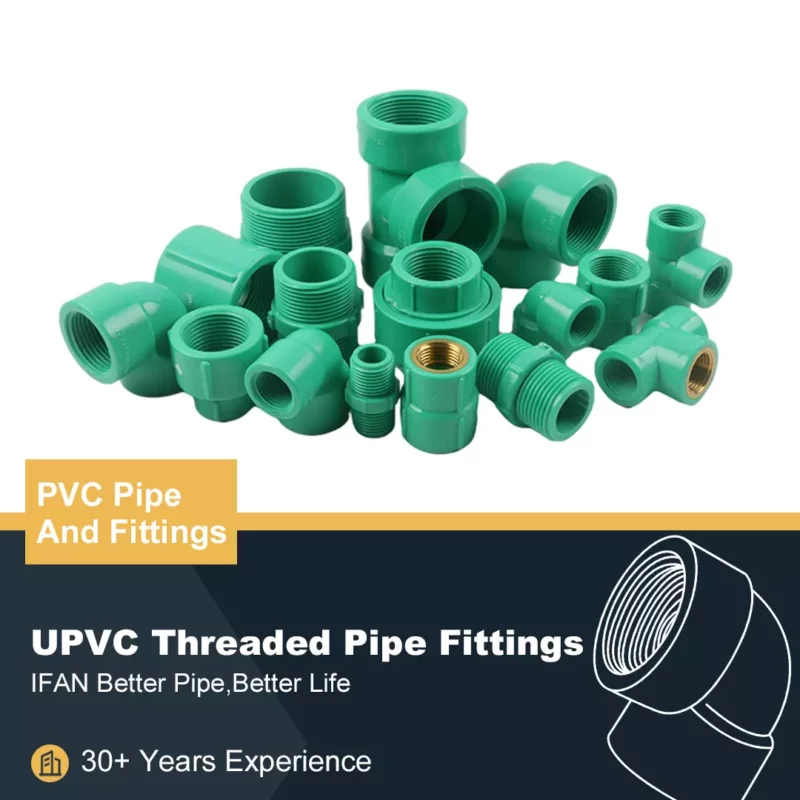
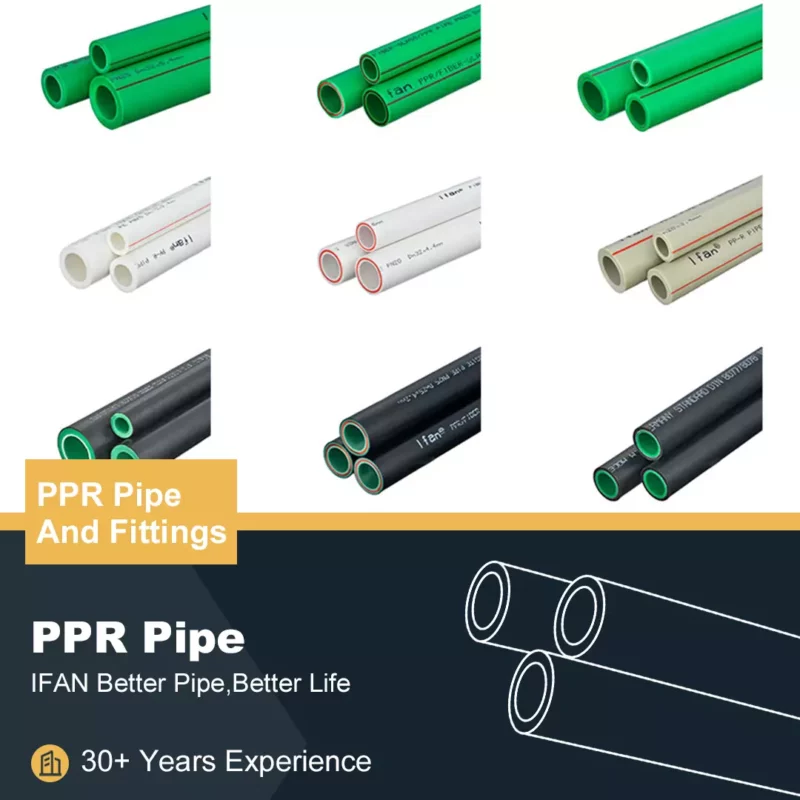
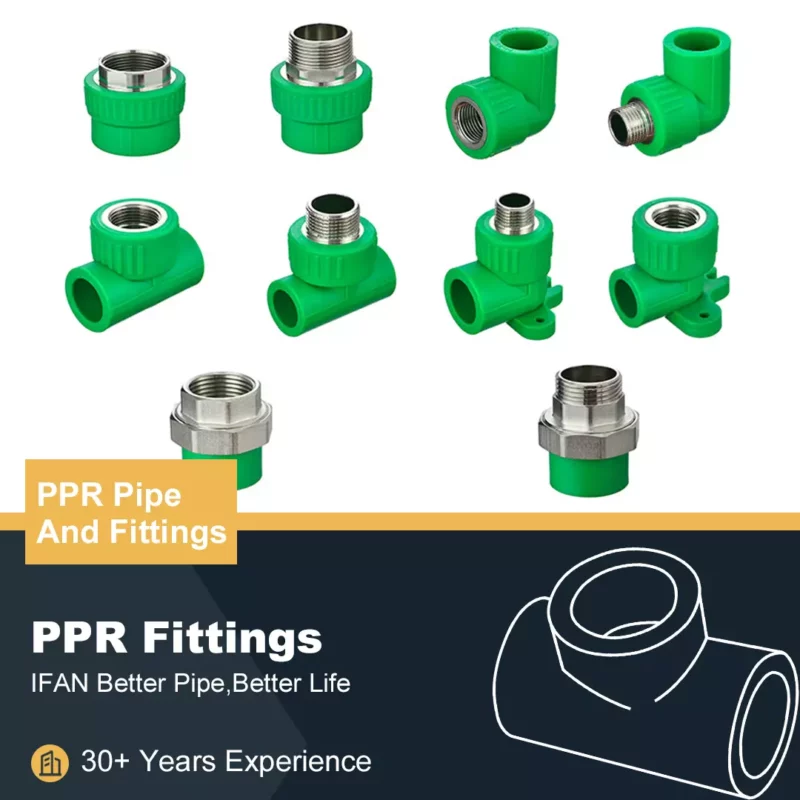
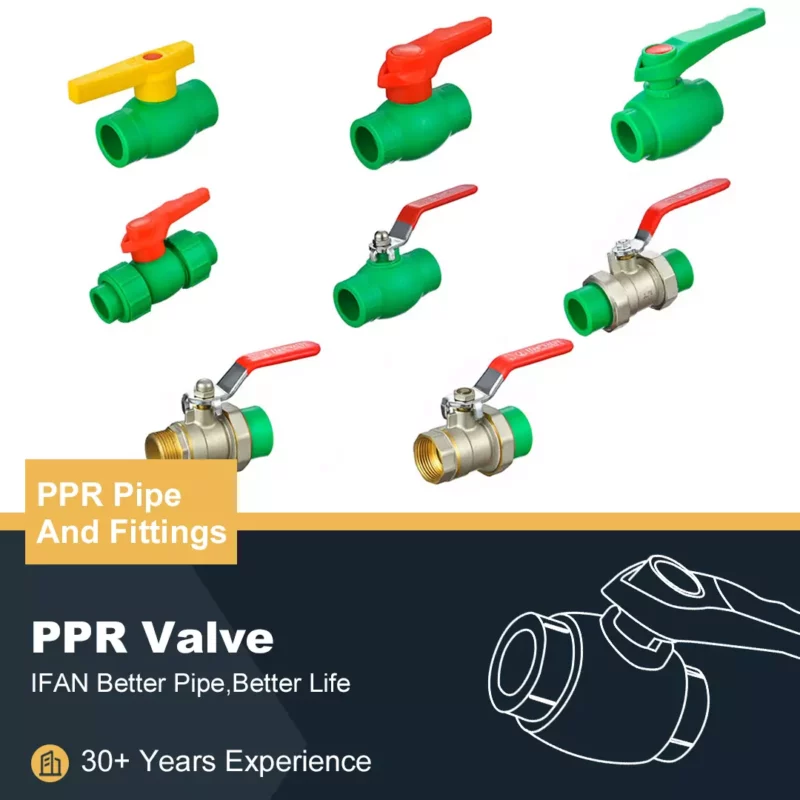
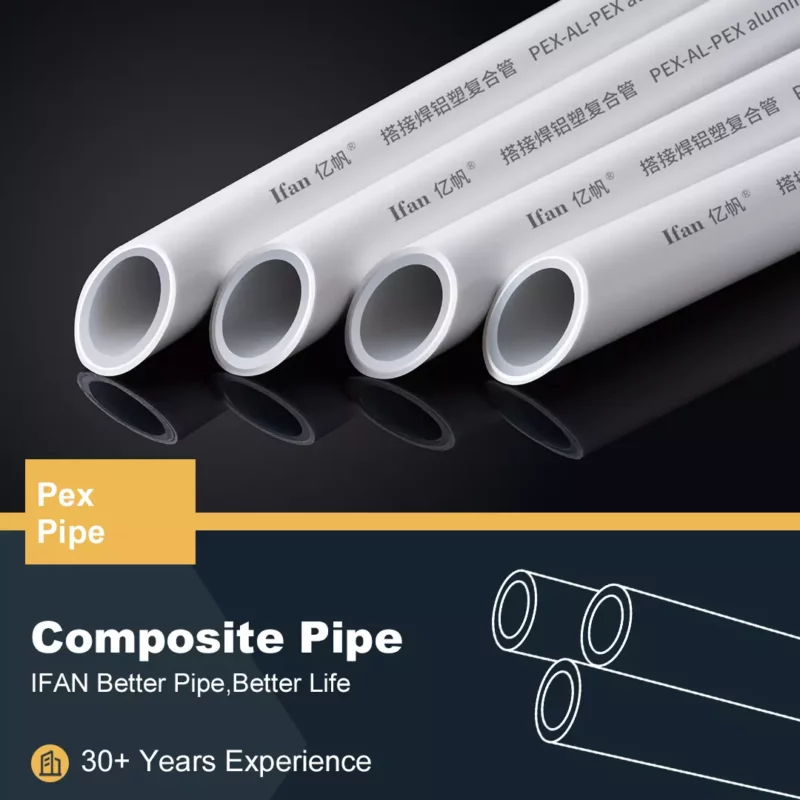
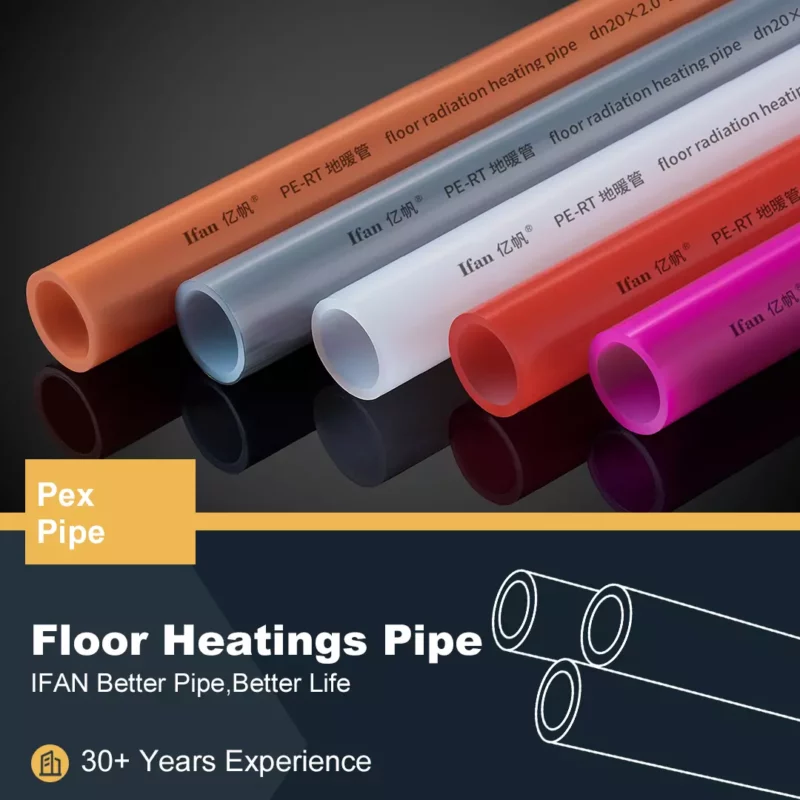
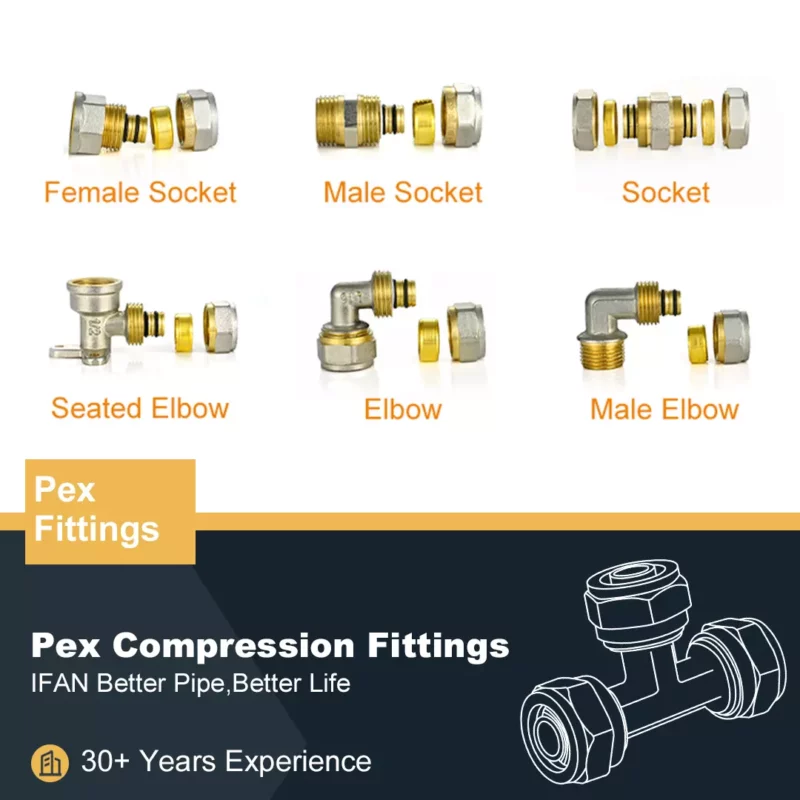
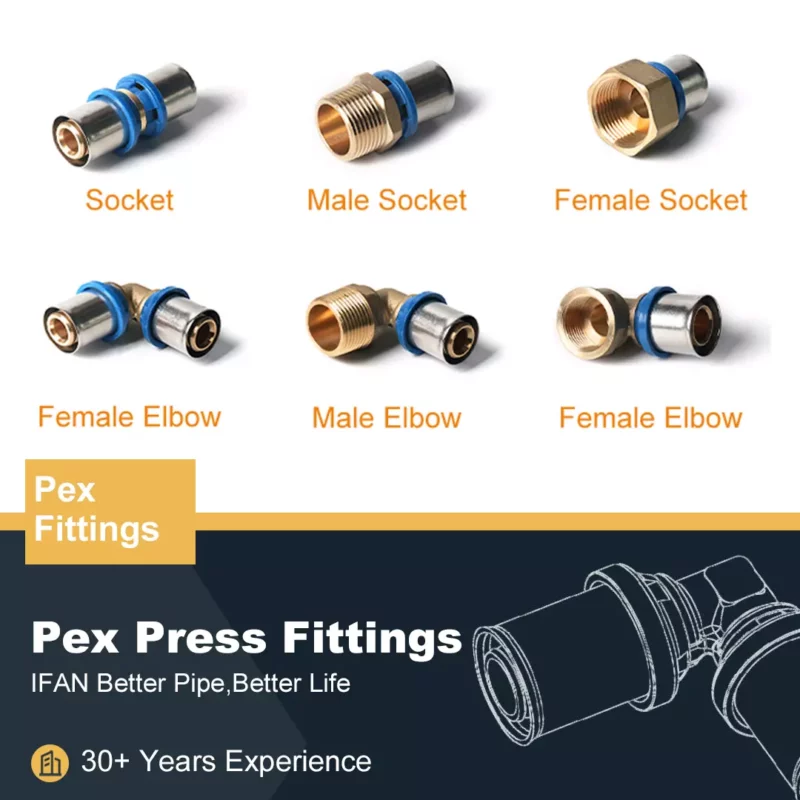
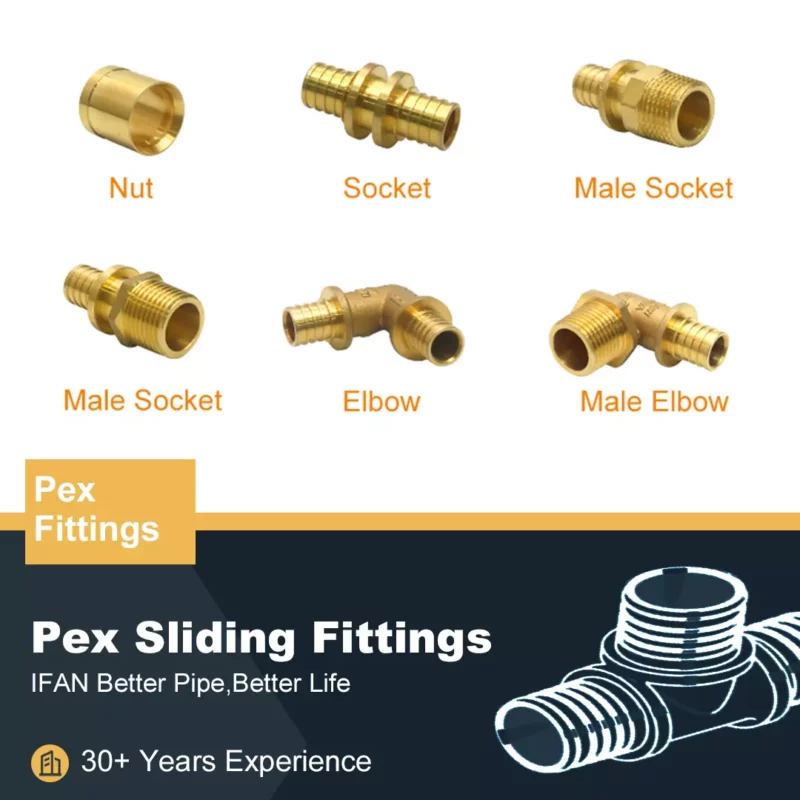
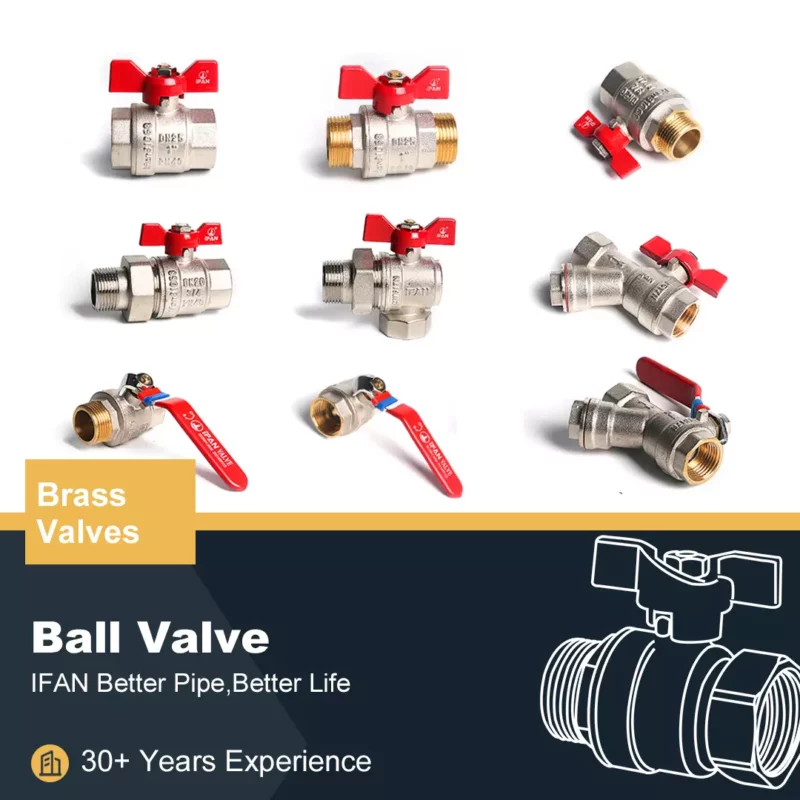
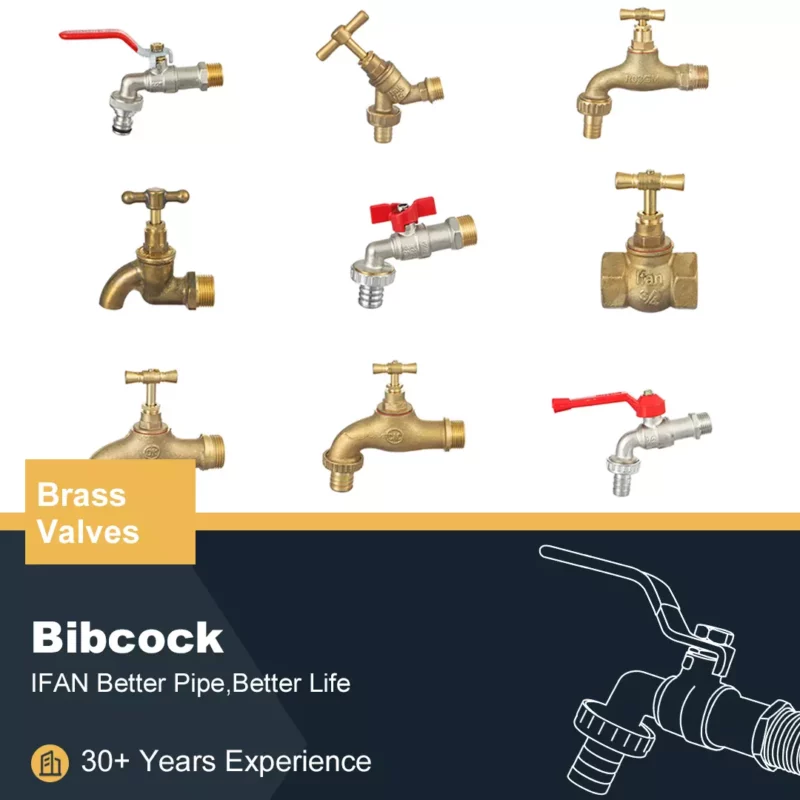
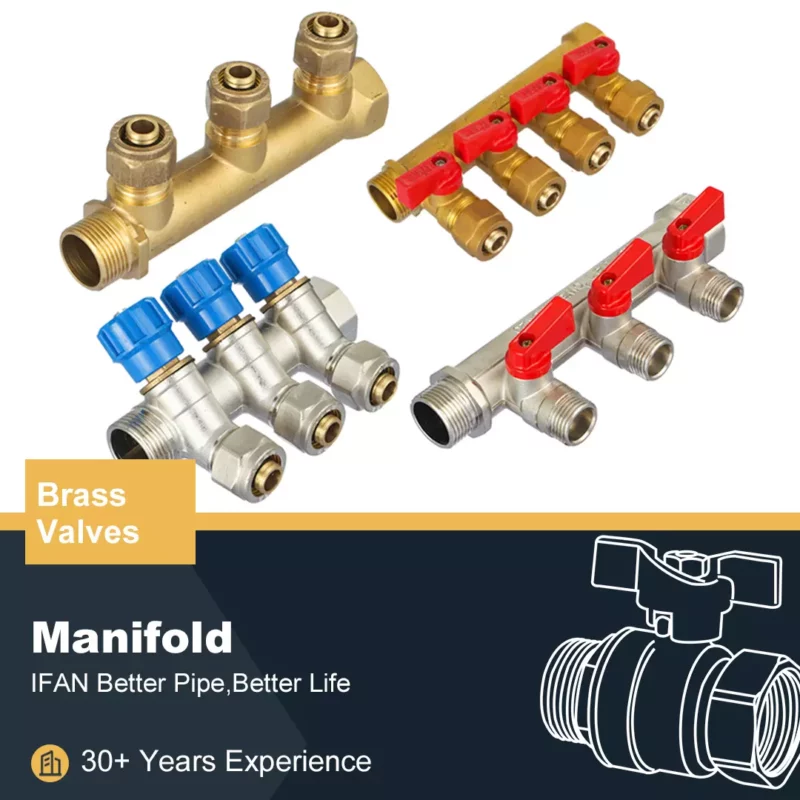
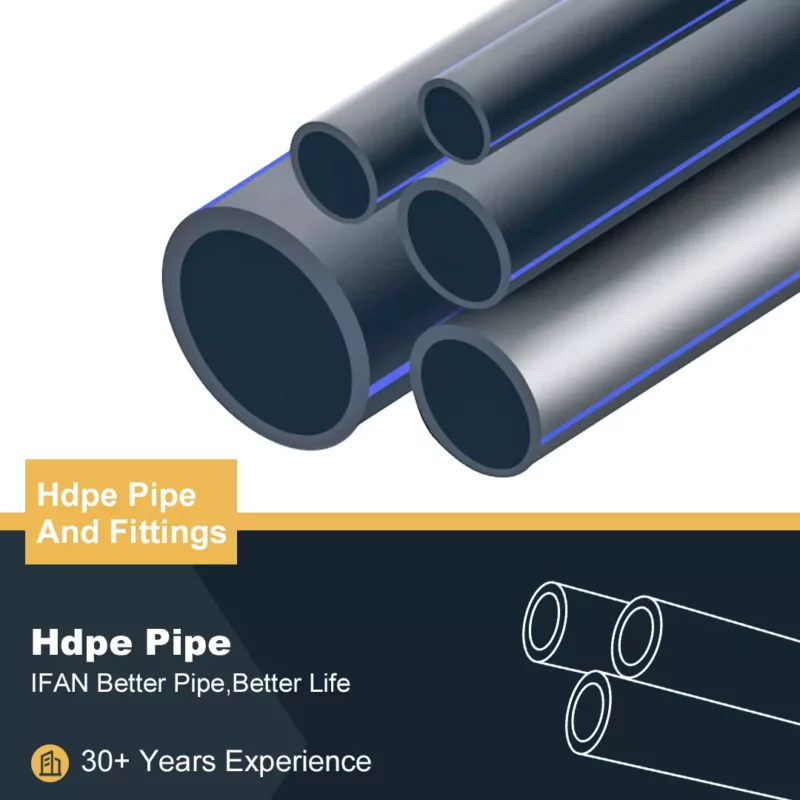
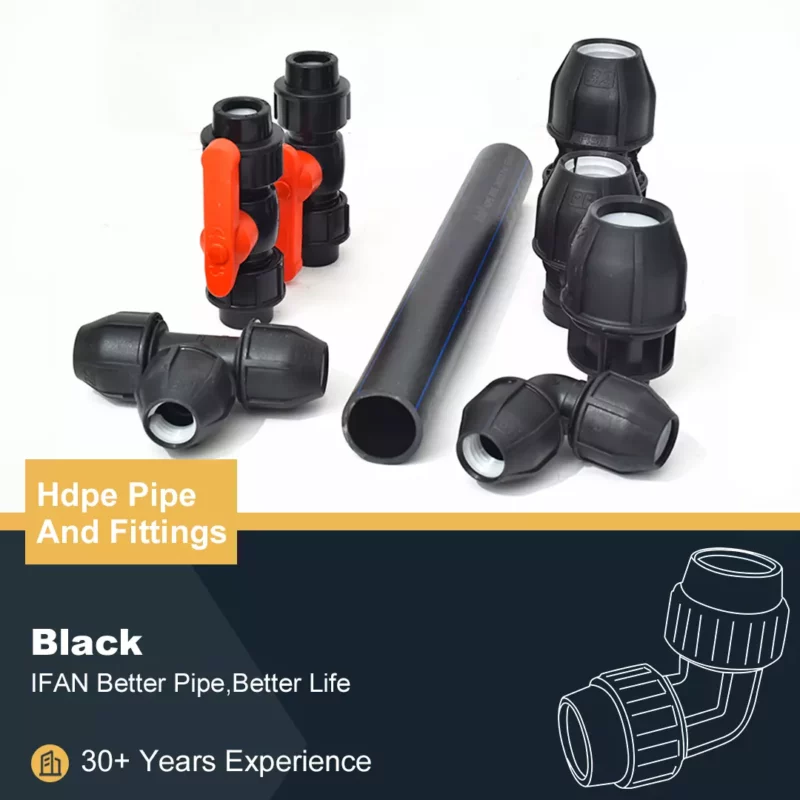
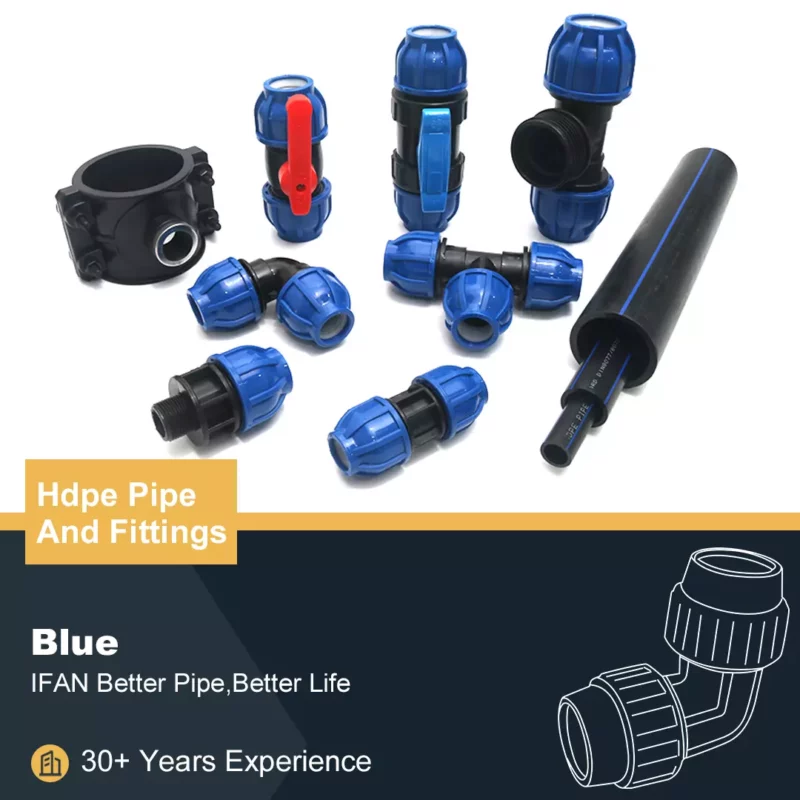
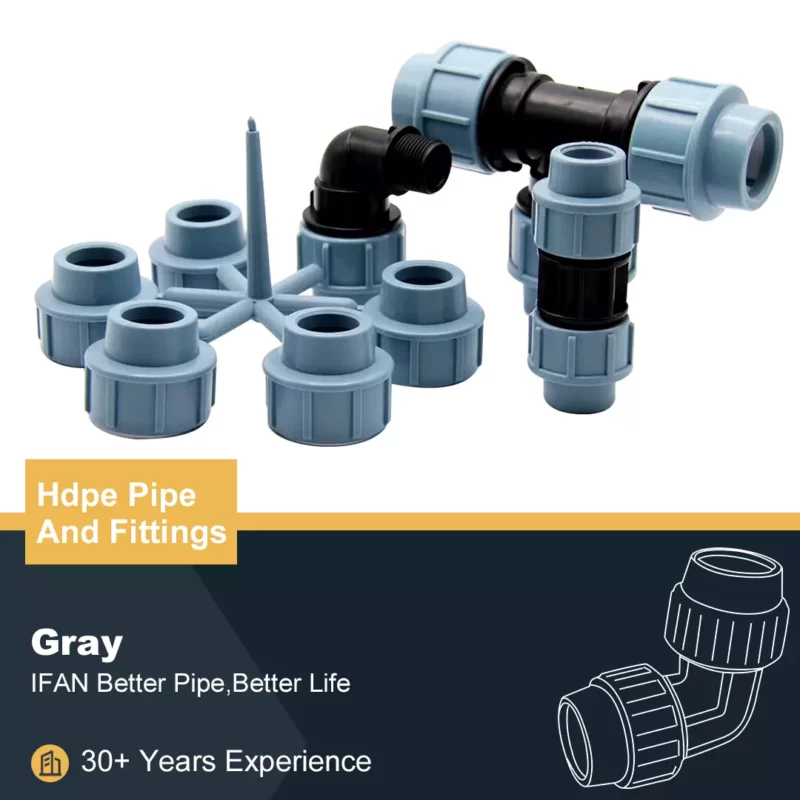


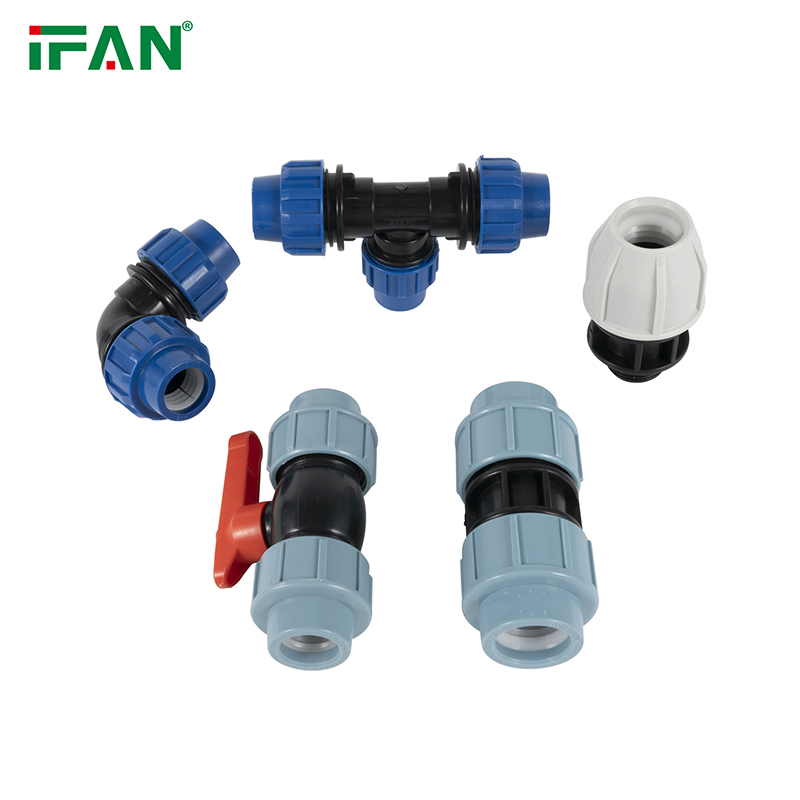
HDPE pipe fittings include couplers, elbows, reducers, and end caps. Each type performs a unique connection function. Socket fittings join smaller diameter pipes. Flanged ends connect to metal valves. Electrofusion fittings simplify underground joining. Engineers select fittings by connection type and pipe size.
Fusion Interface Maximizes Sealing
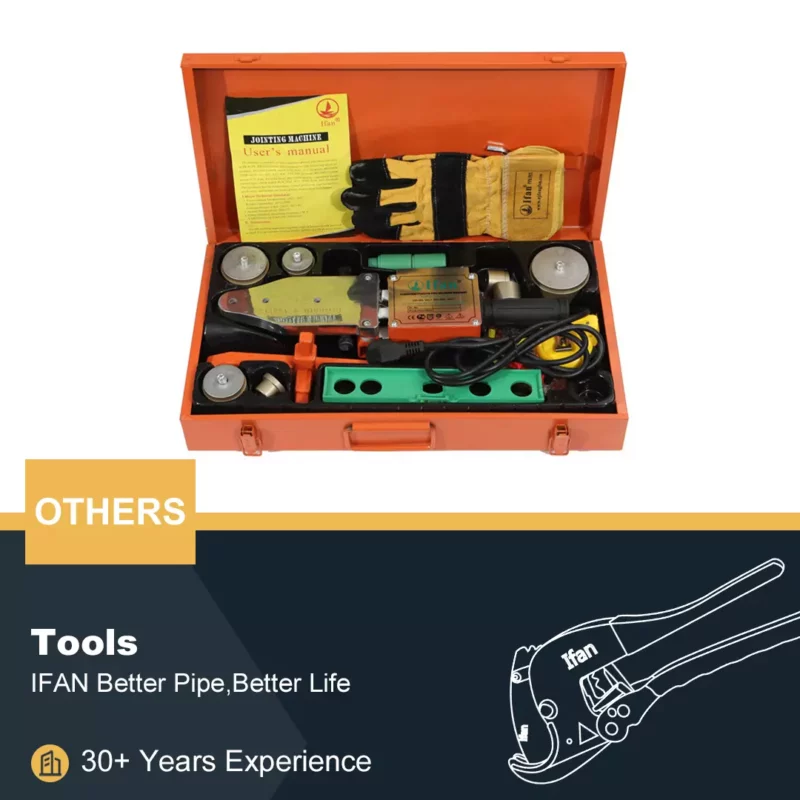
Each fusion-type fitting contains a smooth contact surface. These surfaces ensure seamless welding during assembly. Butt fusion fittings rely on direct pipe contact. Electrofusion versions embed resistance wires inside. Technicians heat fittings with specialized machines. Controlled heat melts both surfaces simultaneously. Fusion cools under pressure for strength.
Electrofusion Details Ensure Safety
Electrofusion fittings contain copper wires. These wires connect to control boxes. Voltage flows through wires and heats plastic. Heat creates a uniform bond between pipe and fitting. External barcode labels encode welding data. Machines scan each label to set parameters. Each weld records duration and voltage.
Butt Fusion Faces Require Precision
Butt fusion needs smooth and parallel faces. Operators align pipes in clamps. They use planing tools to shave ends. Heated plates melt the pipe and fitting ends. Operators then press the parts together. Holding time allows complete bonding. This fusion creates a monolithic joint.
Mechanical Fittings Offer Flexibility
HDPE systems sometimes use mechanical fittings. Compression fittings clamp over pipe ends. They use internal seals for leak-proofing. Gasket materials resist fluid and pressure stress. Installation tools tighten compression nuts. These fittings help when fusion isn’t feasible. Quick installation suits repairs or temporary systems.
Inner Diameter Precision Affects Flow
Manufacturers calibrate inner diameters for accuracy. Tight tolerances reduce head loss. Pipe and fitting alignment supports laminar flow. Accurate bore sizing also prevents turbulence. Consistent diameters preserve system hydraulics. Test labs verify flow rates post-assembly.
Thermal Expansion Rings Prevent Loosening
Some systems include expansion rings or sleeves. These components manage thermal movement. HDPE expands when heated. Expansion rings reinforce joints against loosening. These rings fit over pipe ends before joining. Field conditions often require thermal control solutions.
Markings Identify Fitting Specifications
Every HDPE fitting includes raised markings. These markings include diameter, SDR, and material code. Manufacturers also mark fusion compatibility. Installation crews check markings before assembly. Proper identification ensures correct connections. Field audits rely on these markings for verification.
Chemical Resistance Supports Harsh Applications
HDPE fittings resist acids, alkalis, and many solvents. Their inert nature protects against chemical reactions. Applications include industrial wastewater and process lines. Technicians confirm chemical resistance from datasheets. Exposure testing ensures long-term reliability. Proper selection avoids material degradation.
UV-Stabilized Options Suit Outdoor Use
Fittings exposed to sunlight include UV stabilizers. These additives prevent surface cracking. Black-colored fittings usually contain carbon black. Carbon black absorbs UV radiation safely. Outdoor installations require UV-protected components. Surface inspections reveal aging signs over time.
Stress-Cracking Resistance Enhances Lifespan
HDPE’s structure resists environmental stress cracking. Pipe fittings undergo FNCT and NCTL tests. These tests simulate long-term loading. Engineers test fittings under pressure and chemical stress. Successful fittings show no visible failure. Resistance to cracking supports decades-long lifespans.
Conclusion: Application-Driven Design
HDPE pipe fittings include engineered details for performance. Their structure, materials, and connection types support varied systems. Every element—from wires to seals—ensures durable pipeline operation. These fittings protect flow systems across industries. Every fitting reflects deliberate design and testing.
If you have read this article and have any questions, please feel free to contact IFAN. Below is our contact information:
Whatsapp:+86 13373827623
Email:[email protected]