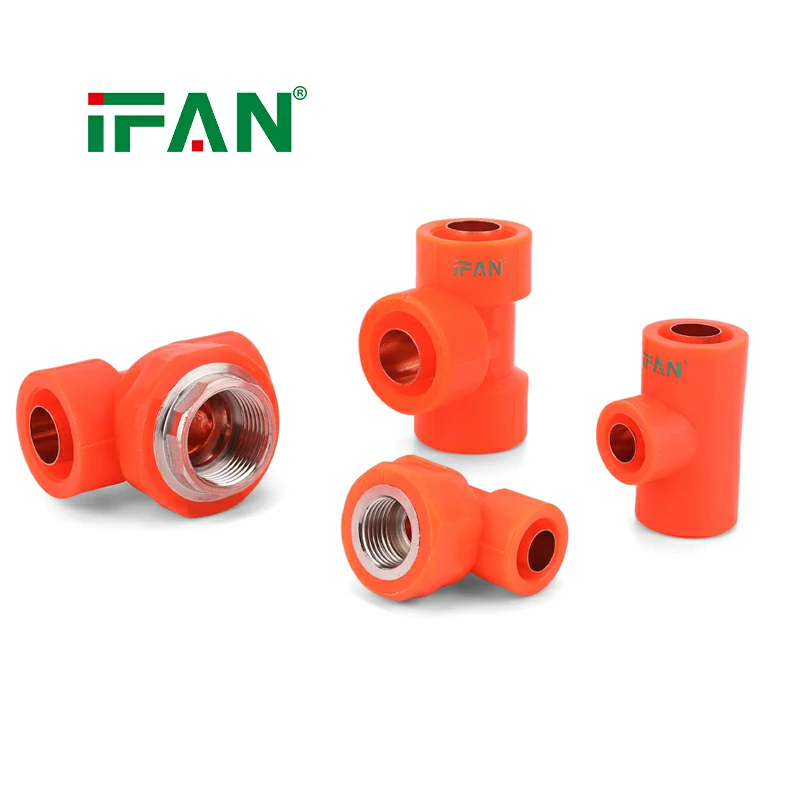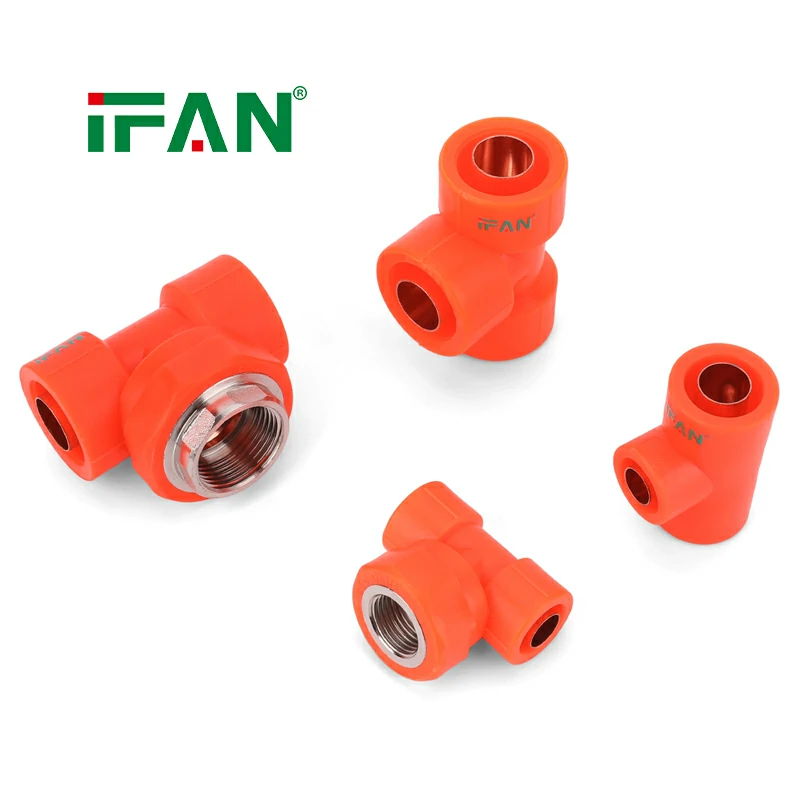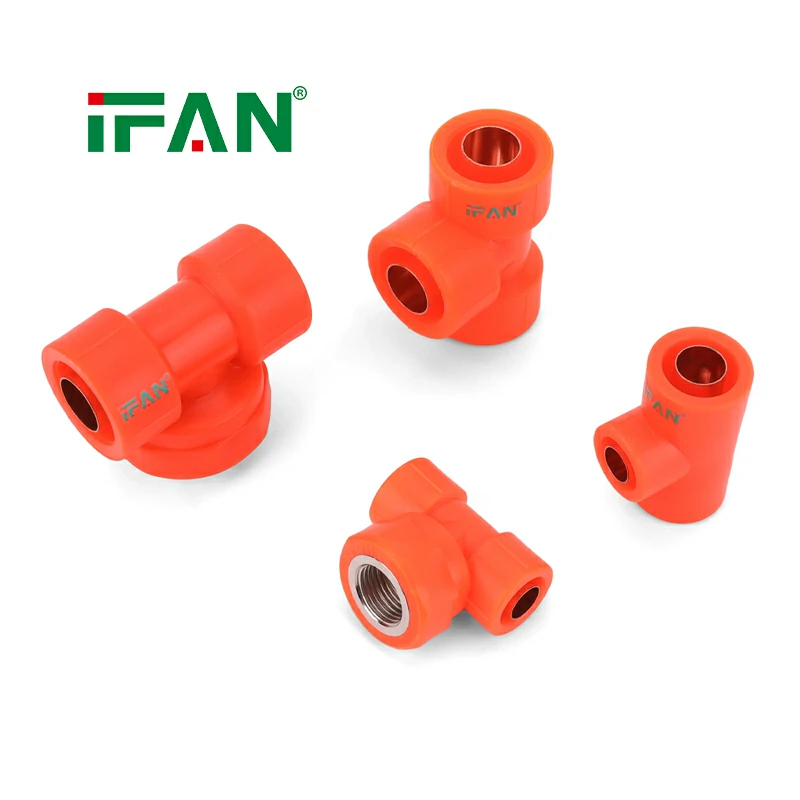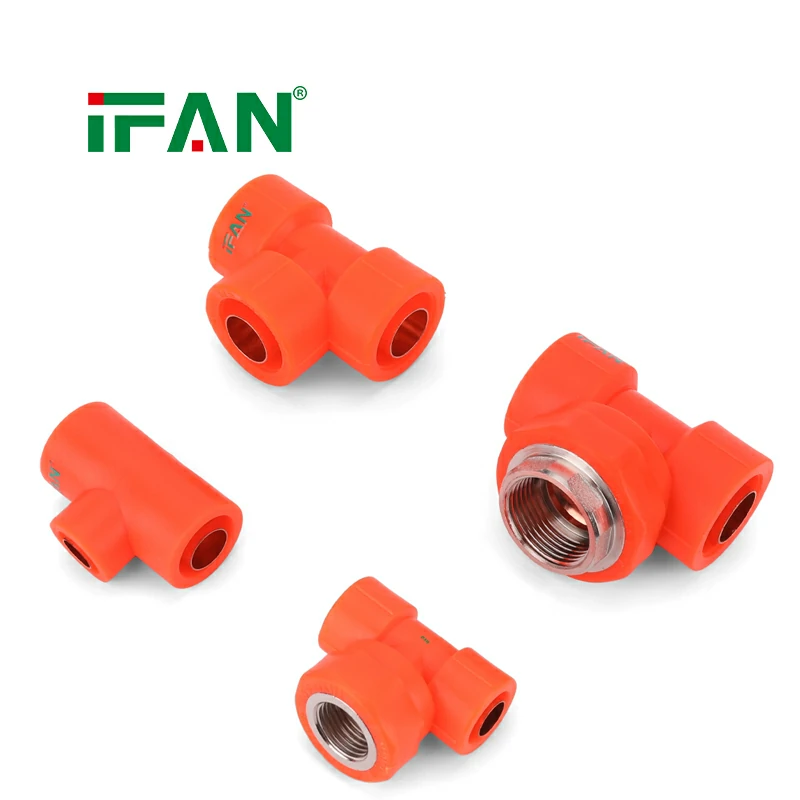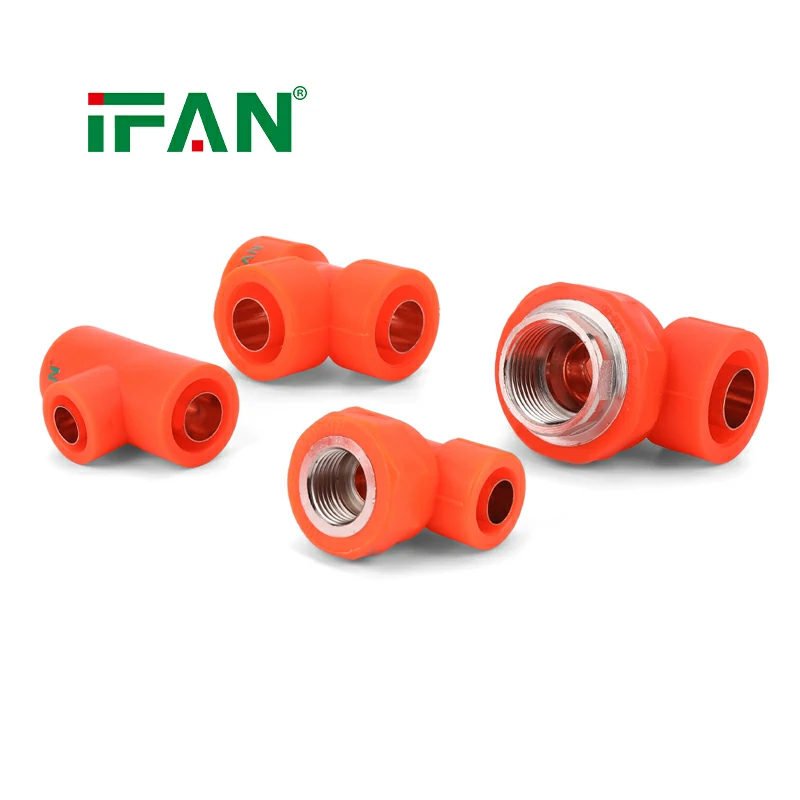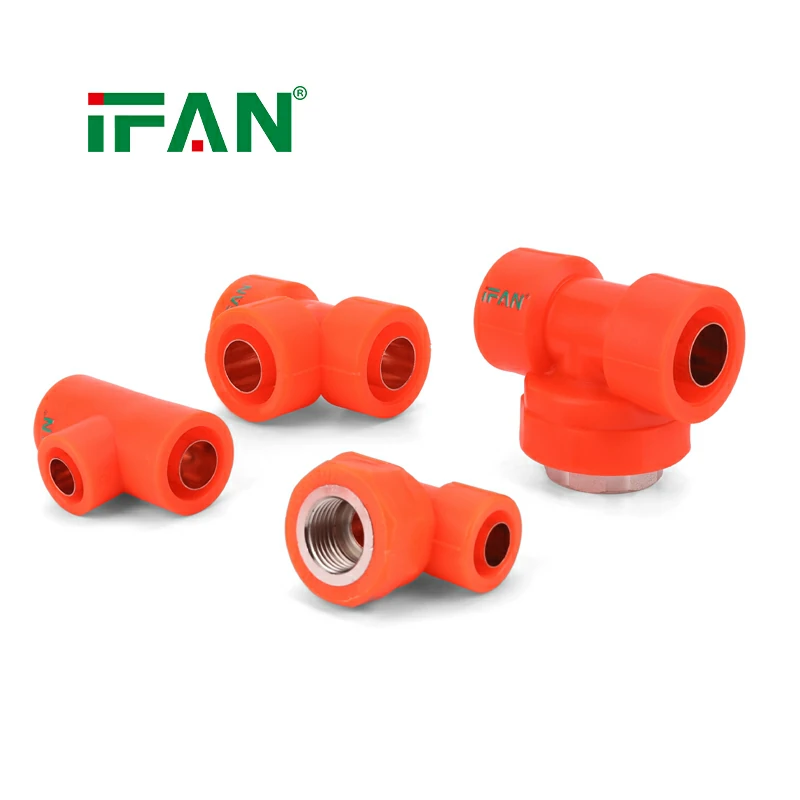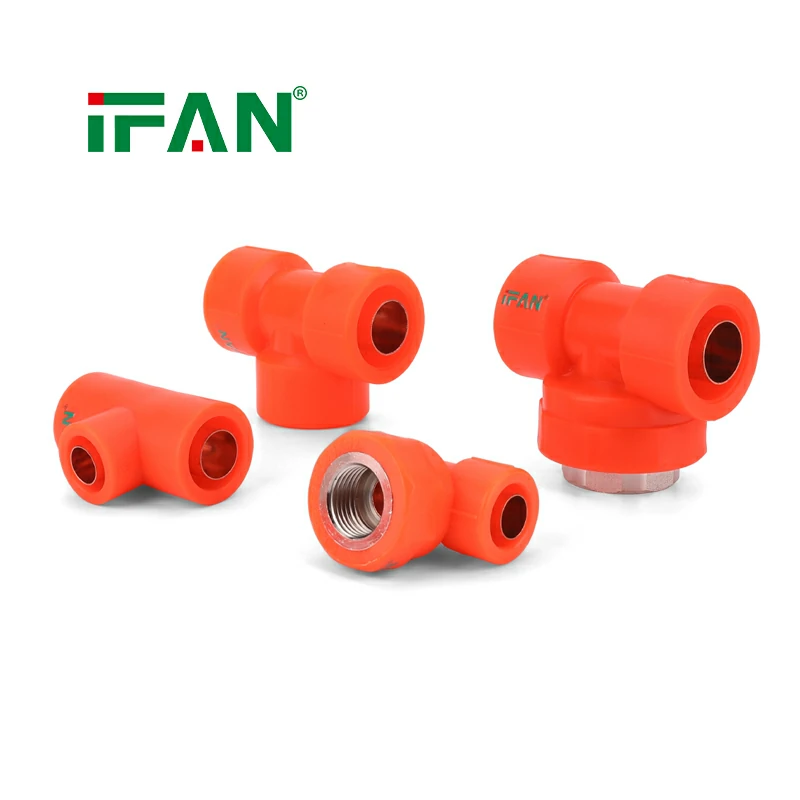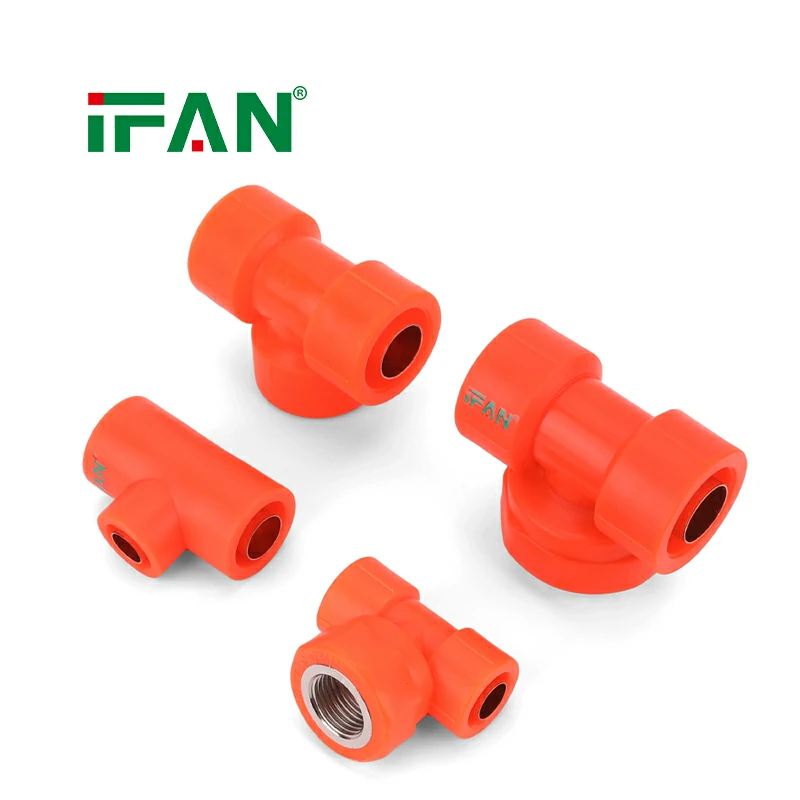
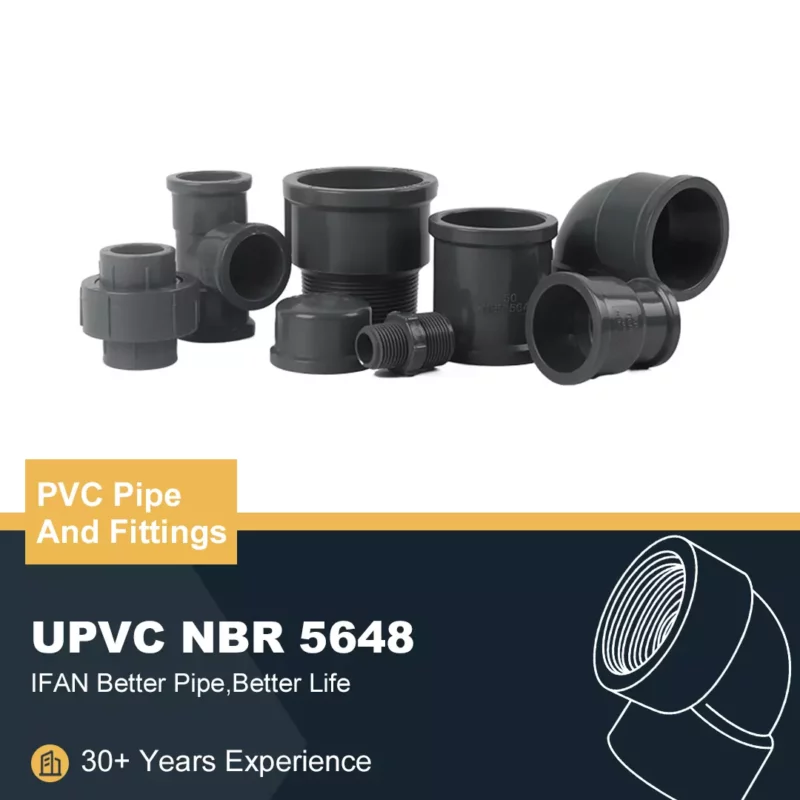
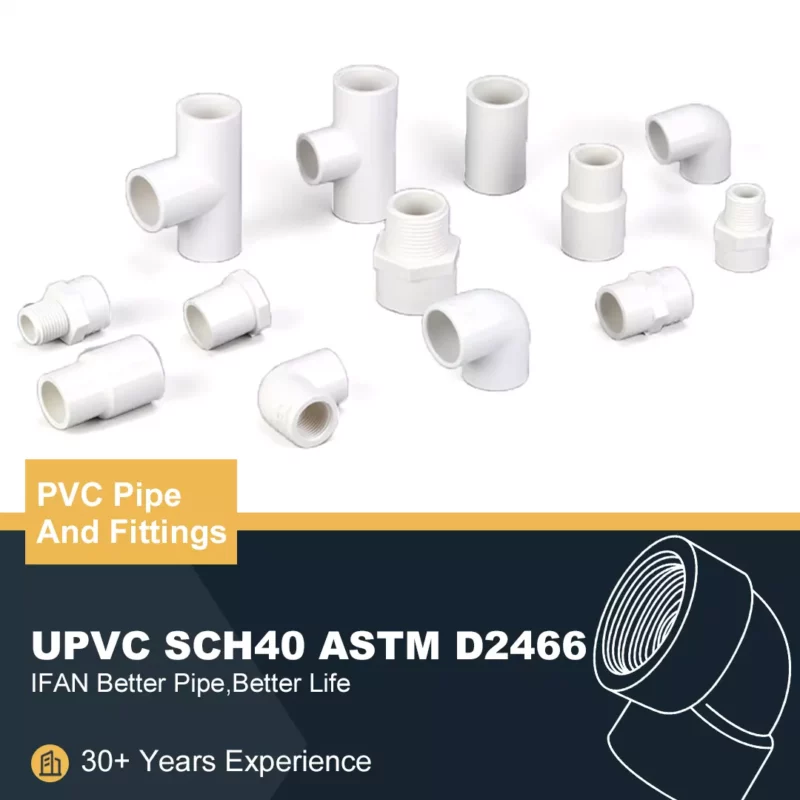
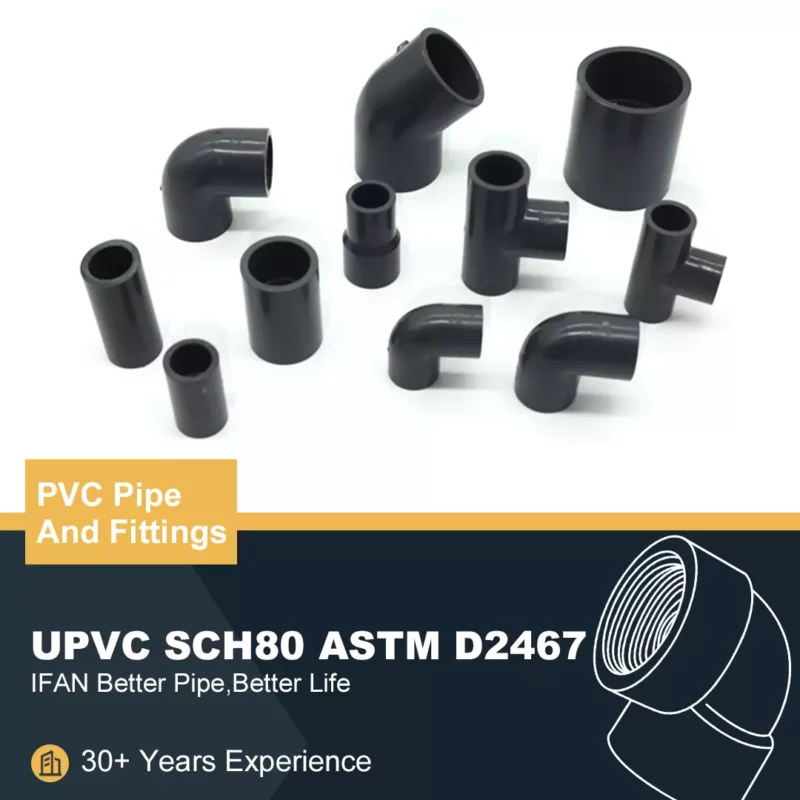
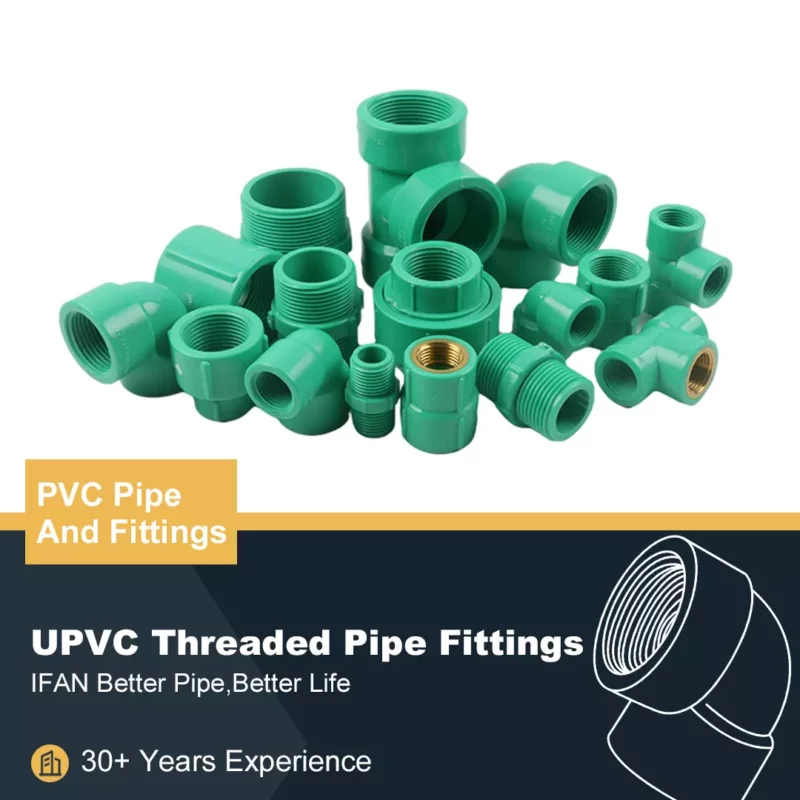
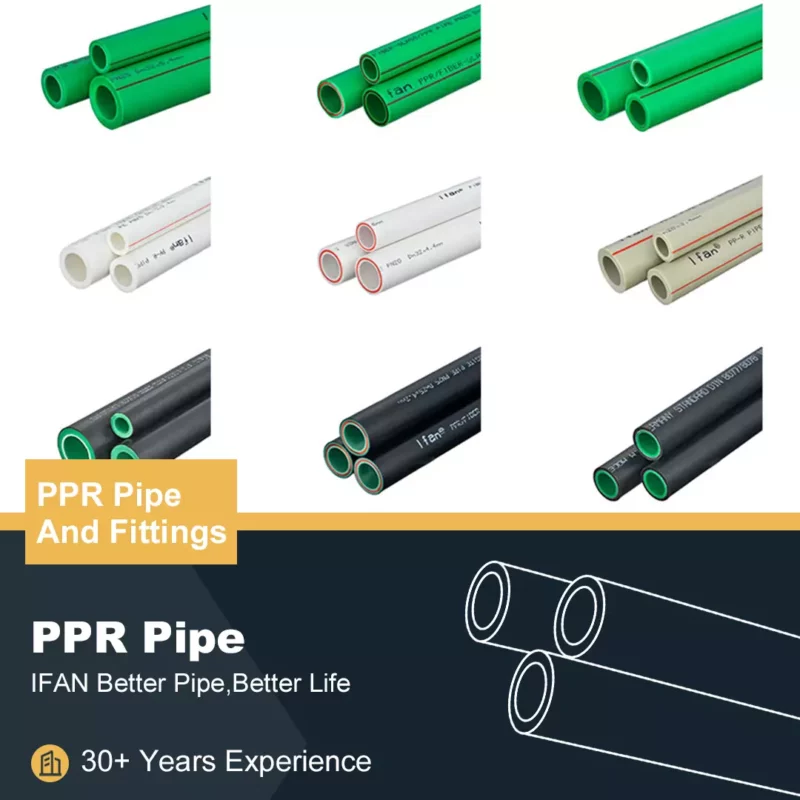
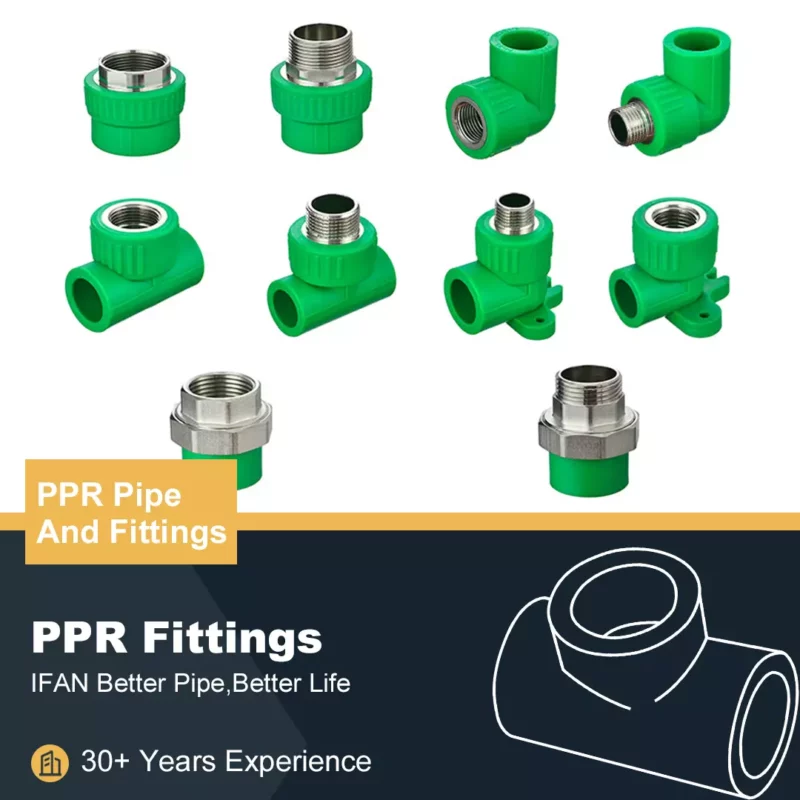
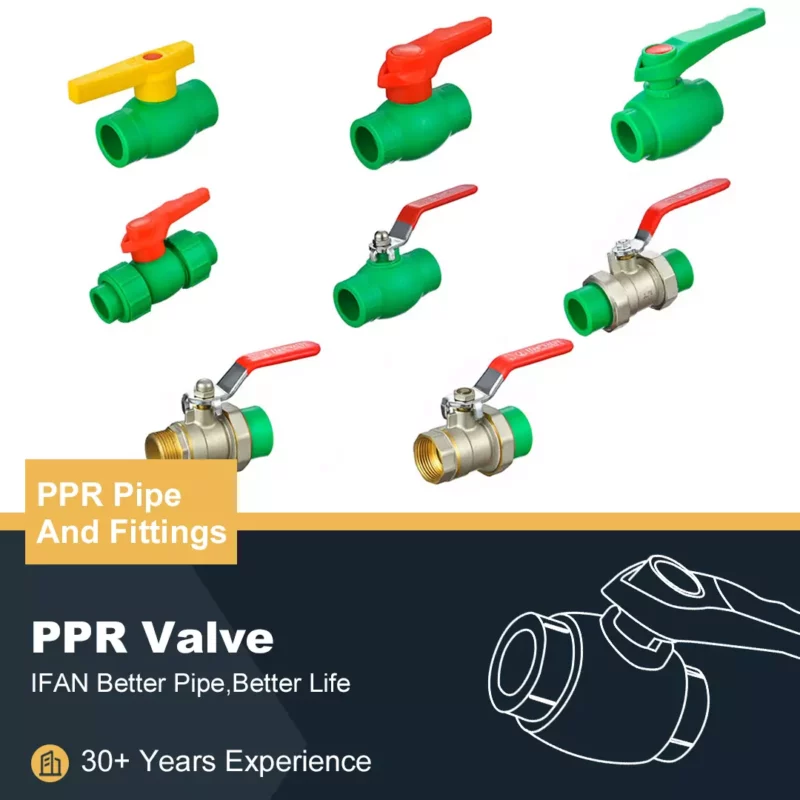
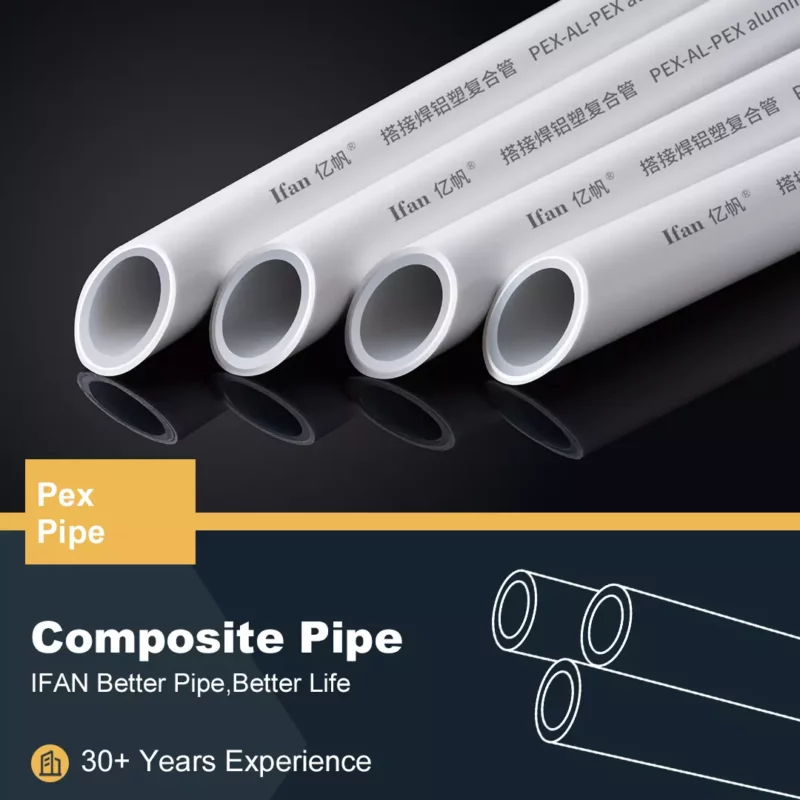
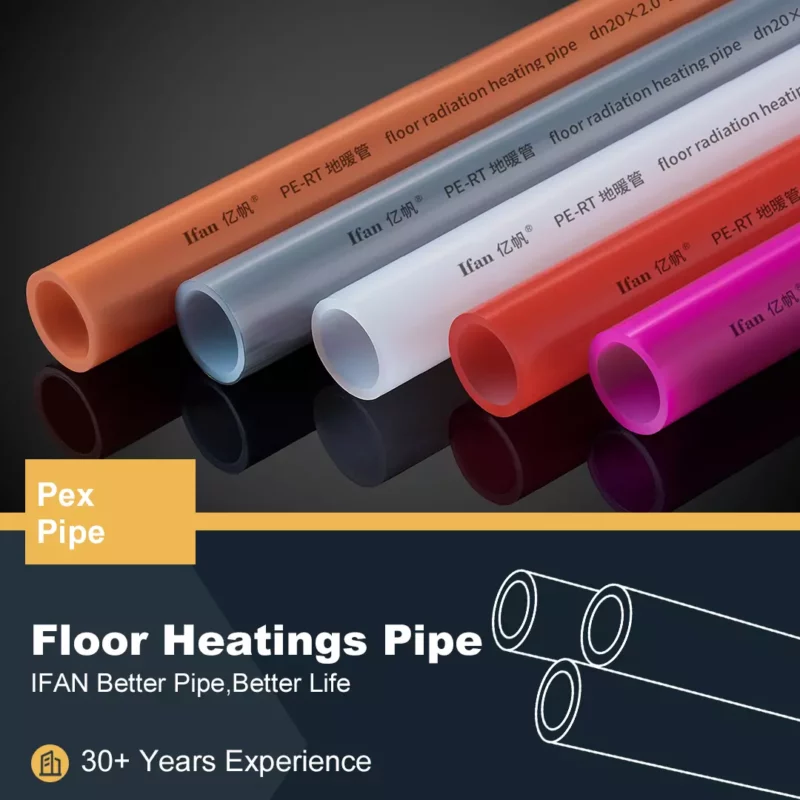
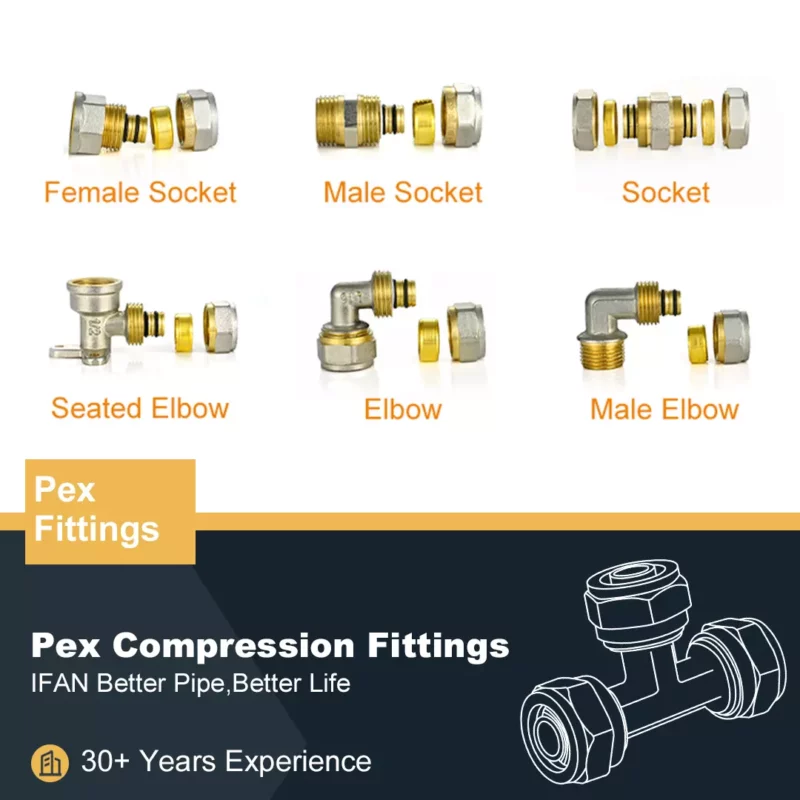
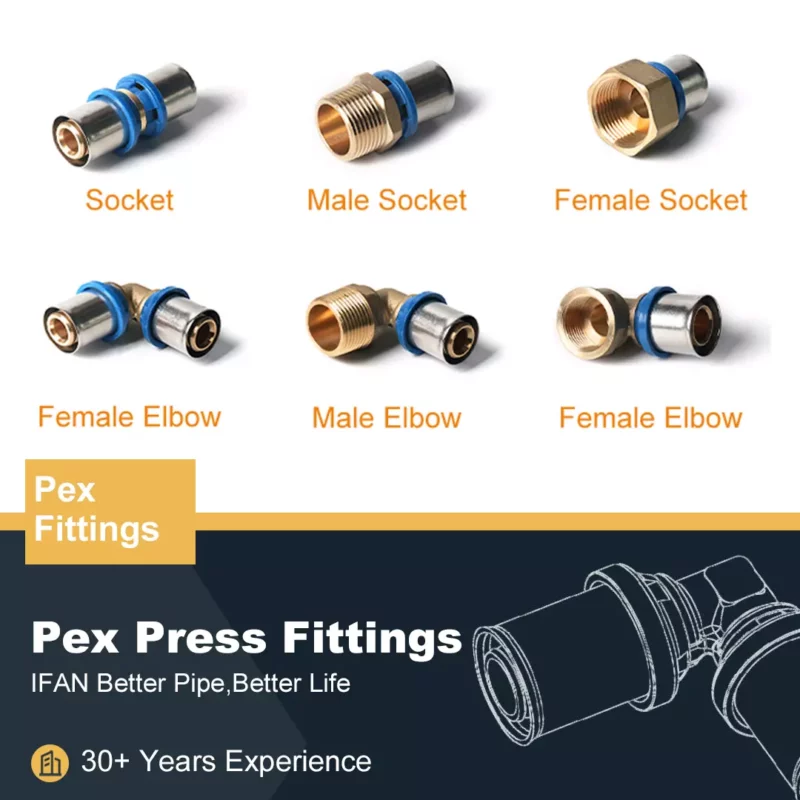
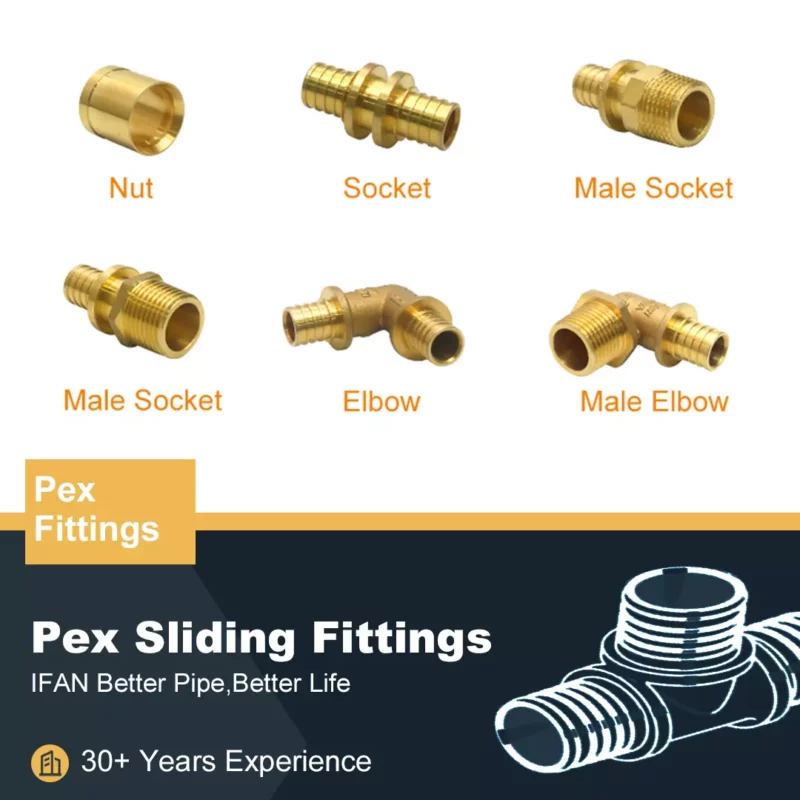




PPR pipe and PVC pipes serve various purposes in plumbing and construction. Both materials have unique characteristics and advantages. This article compares the differences between PPR Pipe and PVC pipes and explains how to connect them.
Key Differences Between PPR and PVC Pipes
Material Composition
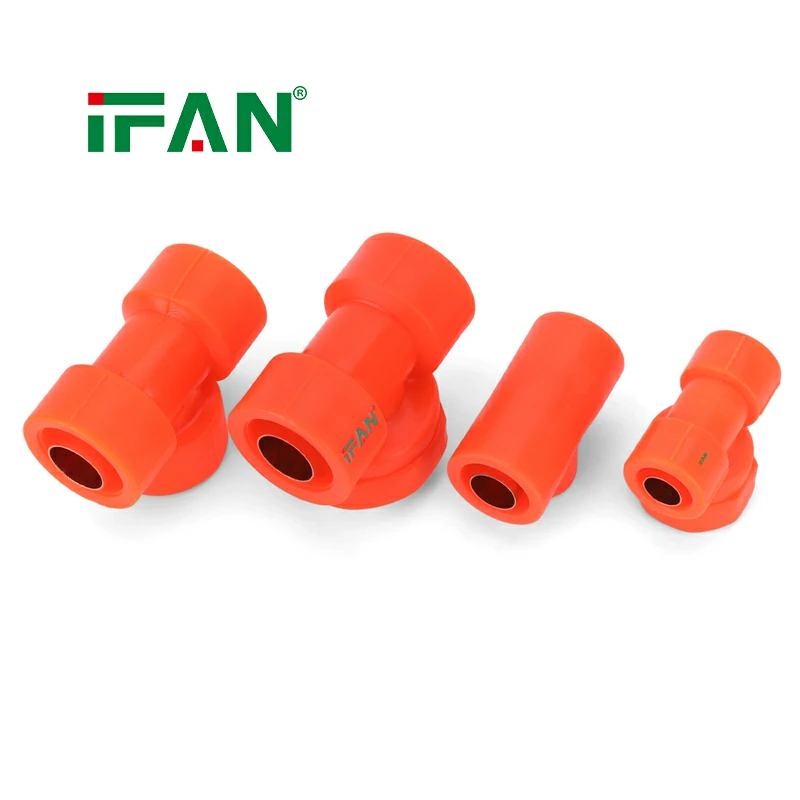
PPR pipes are made of polypropylene random copolymer, while PVC pipes are made of polyvinyl chloride. These materials offer distinct properties that make each more suitable for different applications.
Temperature Resistance
PPR pipes are known for their high-temperature resistance. They can withstand hot water systems up to 95°C. PVC pipes, however, are better suited for cold water systems and are less resistant to high temperatures.
Durability
PPR pipes last longer than PVC pipes. They are resistant to chemical corrosion, wear, and aging. PVC pipes, while durable, may degrade over time when exposed to UV light or harsh chemicals.
Flexibility
PPR pipes are more flexible compared to PVC pipes. They can be bent and shaped with ease during installation. PVC pipes are rigid and need additional fittings for directional changes.
Cost
PVC pipes are generally cheaper than PPR pipes. This makes PVC an attractive option for projects with tight budgets, especially when used for cold-water systems.
How to Connect PPR and PVC Pipes
Connection Overview
Connecting PPR and PVC pipes requires special fittings and techniques. You cannot directly glue these materials together because they do not bond chemically. However, using a transition fitting solves this issue.
Step 1: Use a Transition Fitting
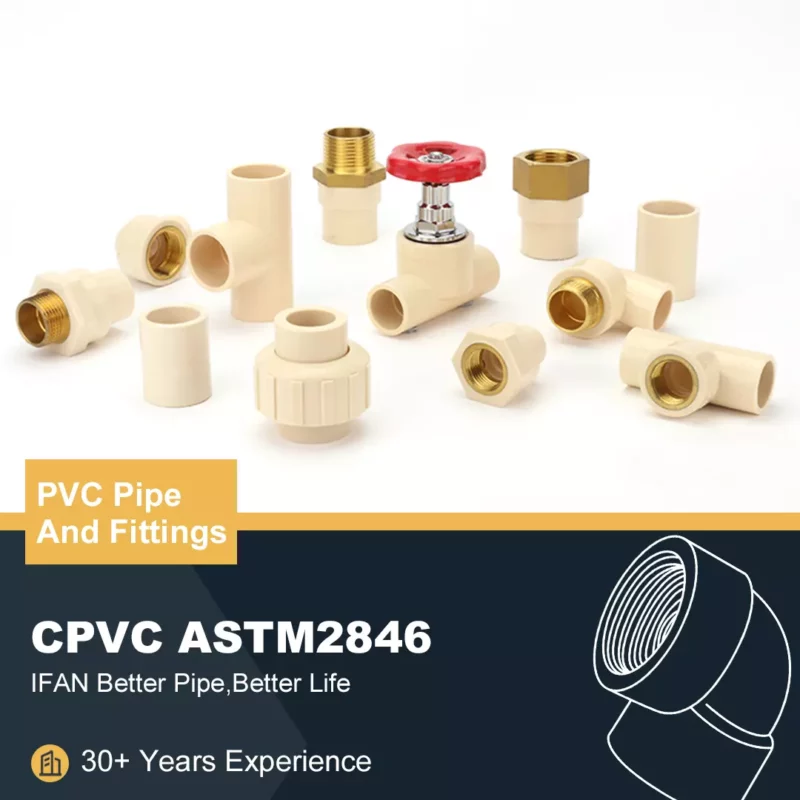
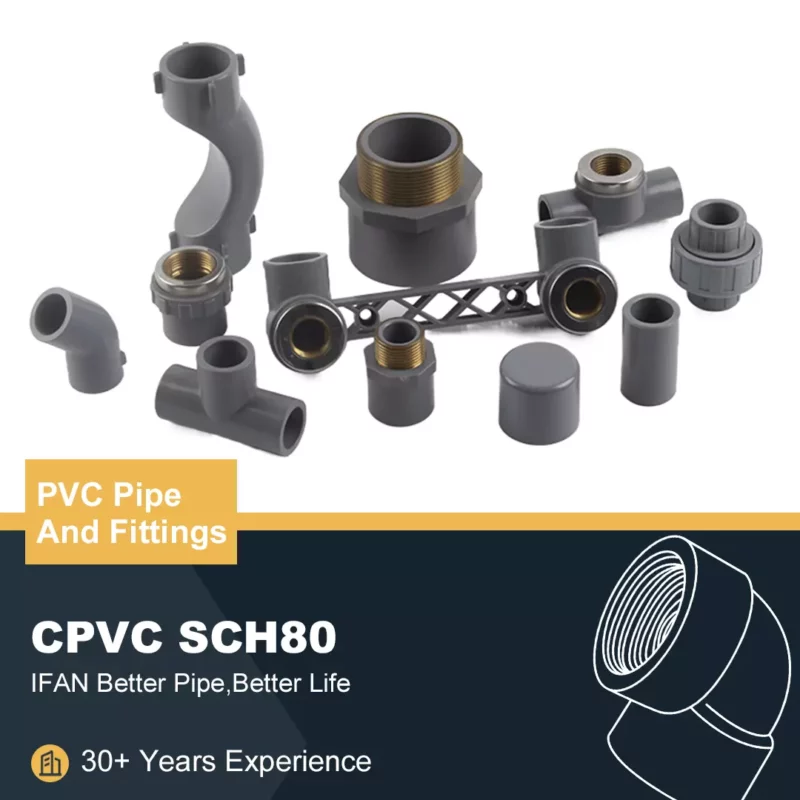
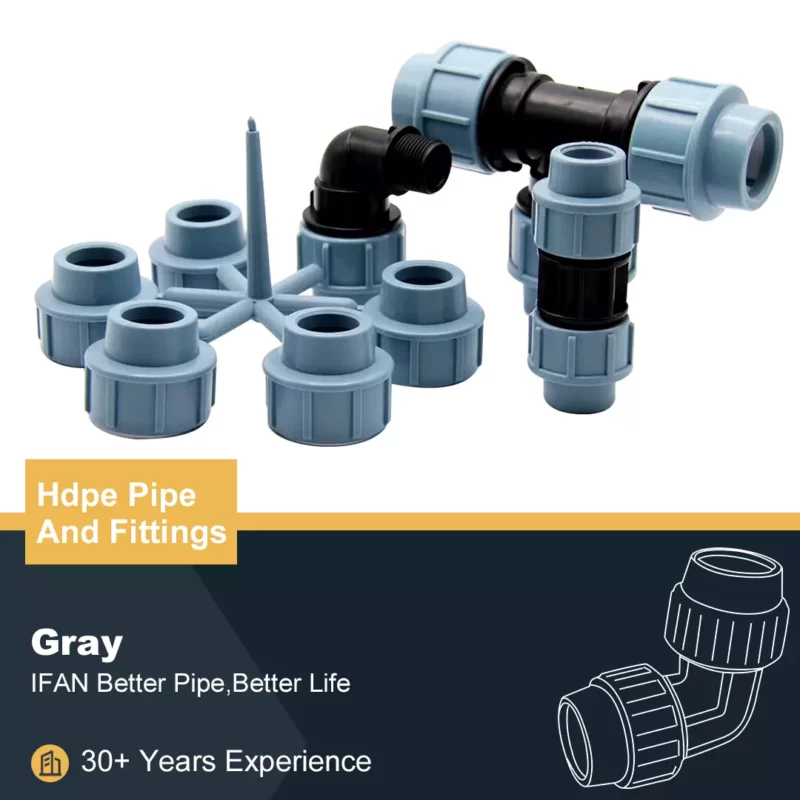
Start by choosing the correct transition fitting that connects PPR and PVC pipes. These fittings usually have one end compatible with PPR and the other end with PVC.
Step 2: Prepare the Pipes
Cut both the PPR and PVC pipes to the required lengths. Ensure that the cut edges are clean and smooth to prevent leaks.
Step 3: Apply Primer and Glue
For PVC connections, apply a primer to the PVC pipe before gluing. Use a suitable solvent glue for PVC to attach the transition fitting. For the PPR pipe side, you may need to use PPR-specific welding techniques.
Step 4: Assemble the Fittings
After applying glue or solvent, quickly insert the pipes into the transition fitting. Hold them in place for a few seconds to ensure a tight seal.
Step 5: Test the Connection
Allow the joint to cure completely before testing the system. After curing, check for leaks or weaknesses.
Advantages of PPR Pipes
- Long-lasting
PPR pipes are known for their durability and resistance to wear and tear. They can last up to Long-term durability according to standards in most applications. - High-Temperature Tolerance
PPR pipes can handle temperatures as high as 95°C without damage, making them suitable for hot water systems. - Chemical Resistance
PPR pipes resist corrosion from chemicals and water, ensuring a long lifespan even in harsh environments.
Advantages of PVC Pipes
- Cost-Effective
PVC pipes are cheaper than PPR pipes, which makes them ideal for low-budget projects. - Ease of Installation
PVC pipes are easier to cut and install, saving time and labor costs. - Lightweight
PVC pipes are lightweight, which makes them easier to transport and handle.
Comparison Table: PPR vs. PVC Pipes
| Feature | PPR Pipe | PVC Pipe |
|---|---|---|
| Material | Polypropylene | Polyvinyl Chloride |
| Temperature Resistance | Up to 95°C | Up to 60°C |
| Flexibility | More flexible | Rigid |
| Durability | Highly durable | Less durable over time |
| Cost | More expensive | Cheaper |
| Chemical Resistance | Excellent | Good |
| Installation Ease | Requires special tools | Easy to install |
Conclusion: Choosing the Right Pipe
Both PPR and PVC pipes have their unique advantages. If you need a pipe that can withstand high temperatures and is more durable, PPR is a better choice. However, if you’re on a tight budget and need an easy-to-install option for cold water systems, PVC is a great alternative.
If you have read this article and have any questions, please feel free to contact IFAN. Below is our contact information:
Whatsapp:+86 13373827623
Email:[email protected]