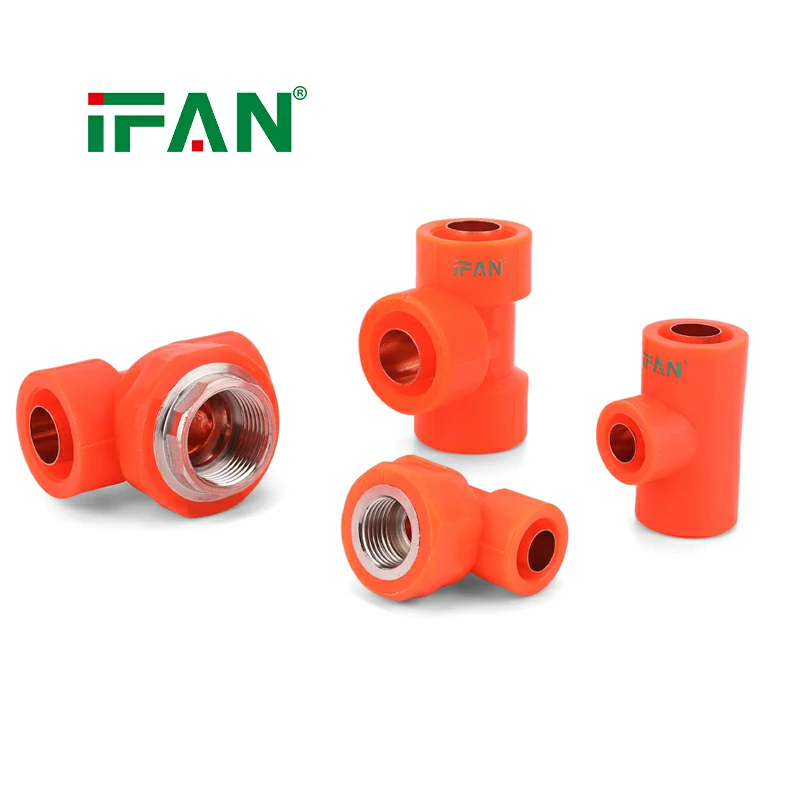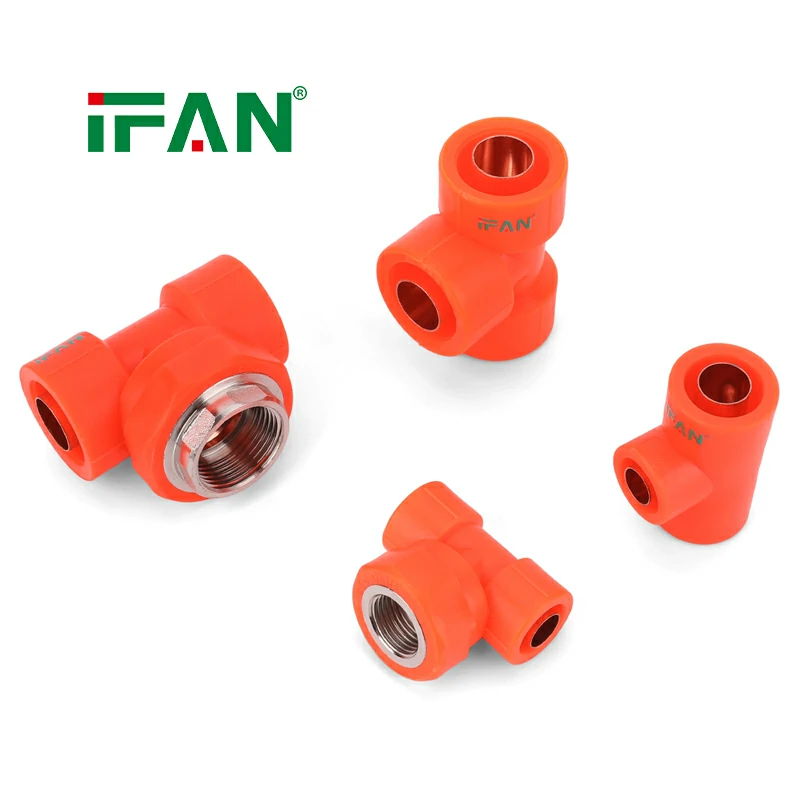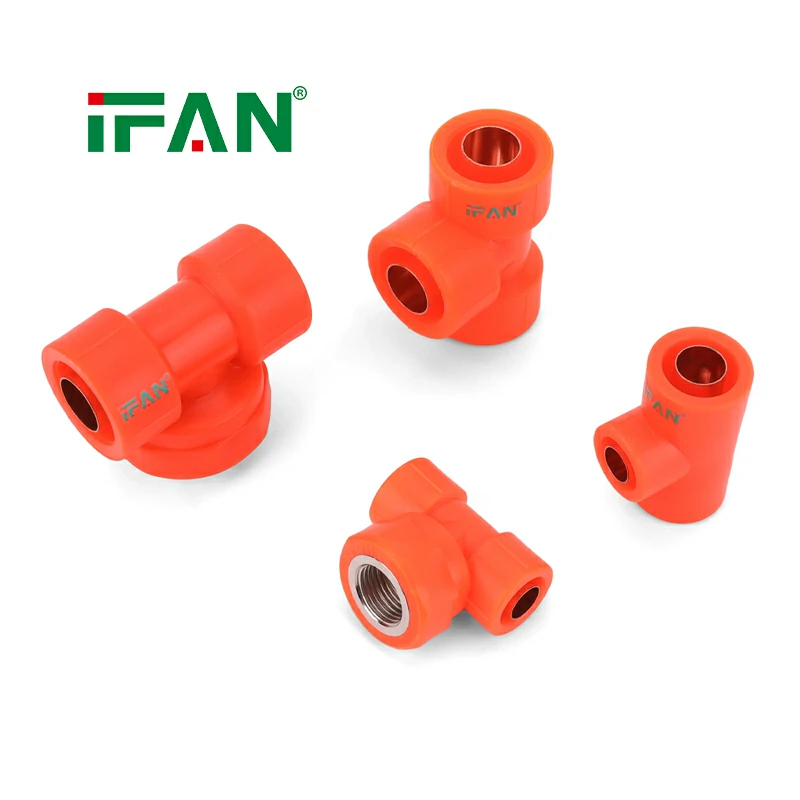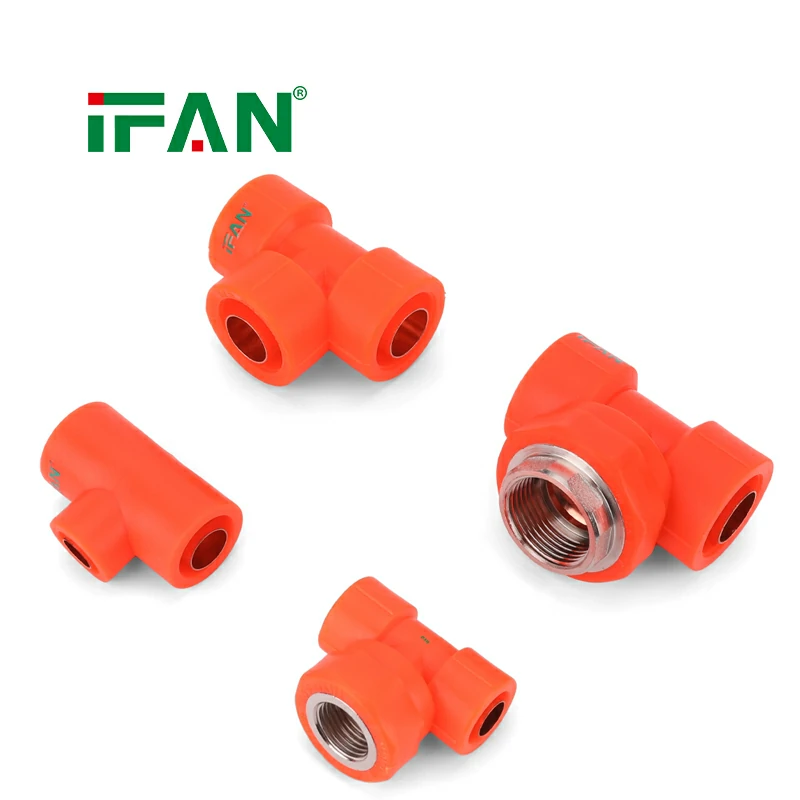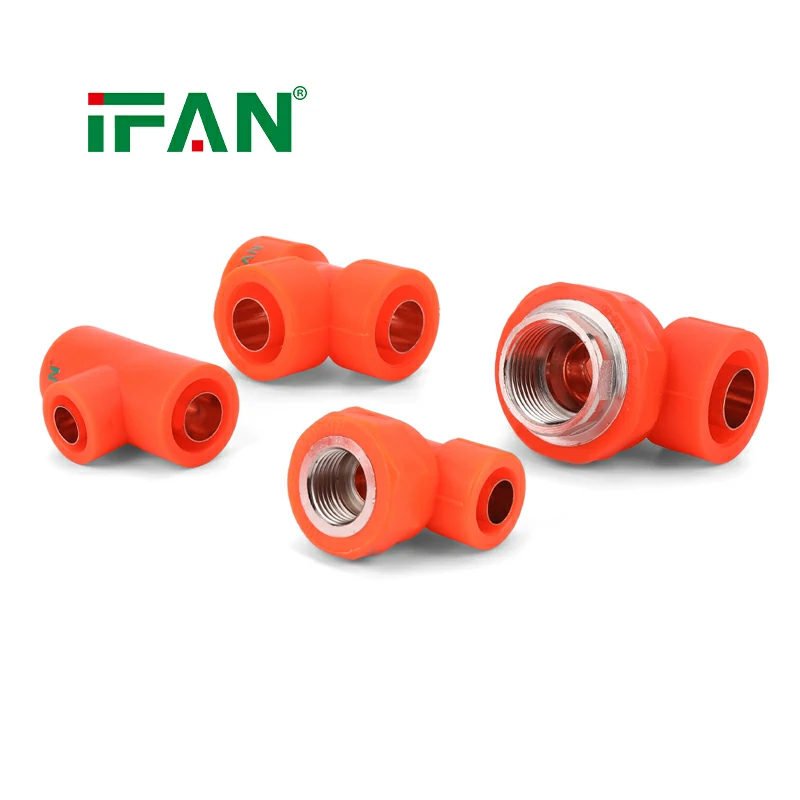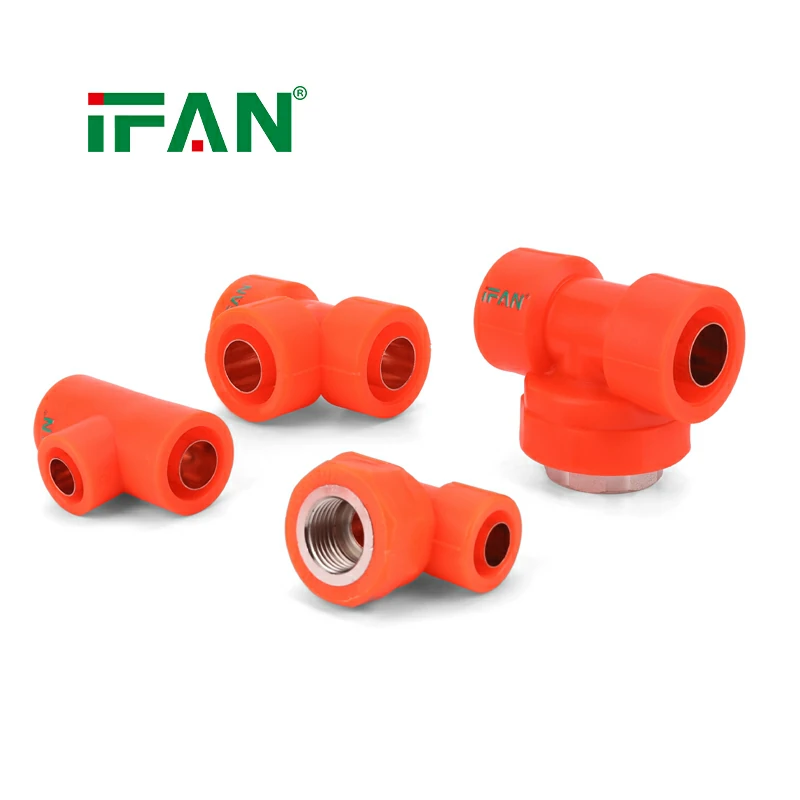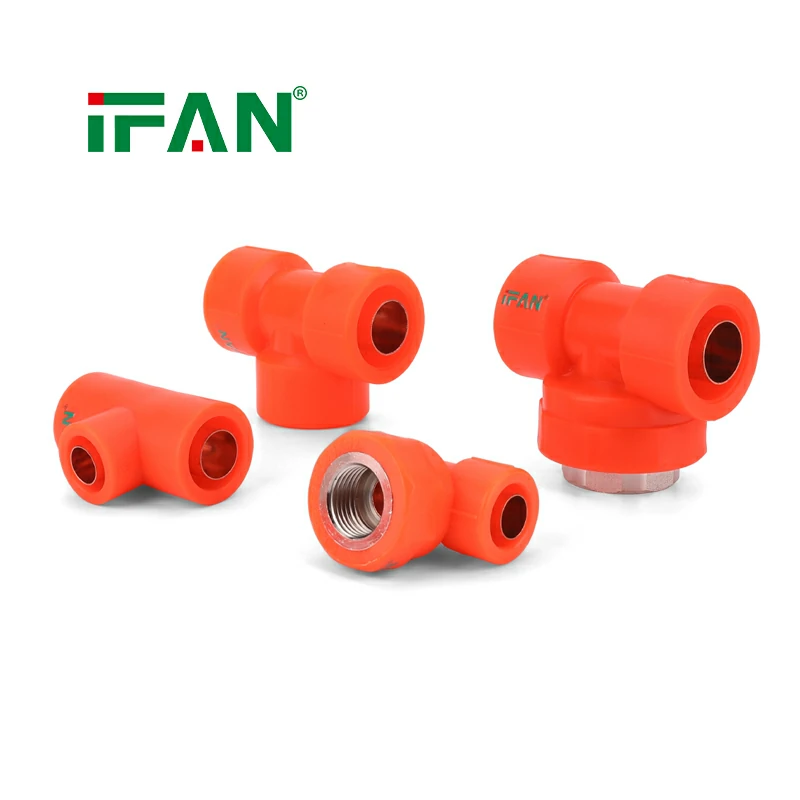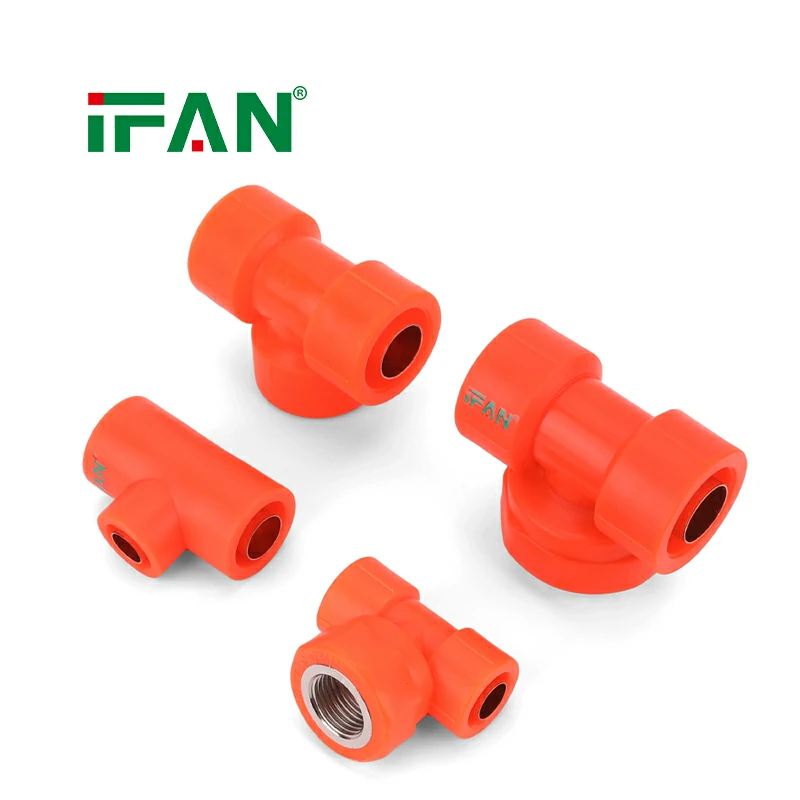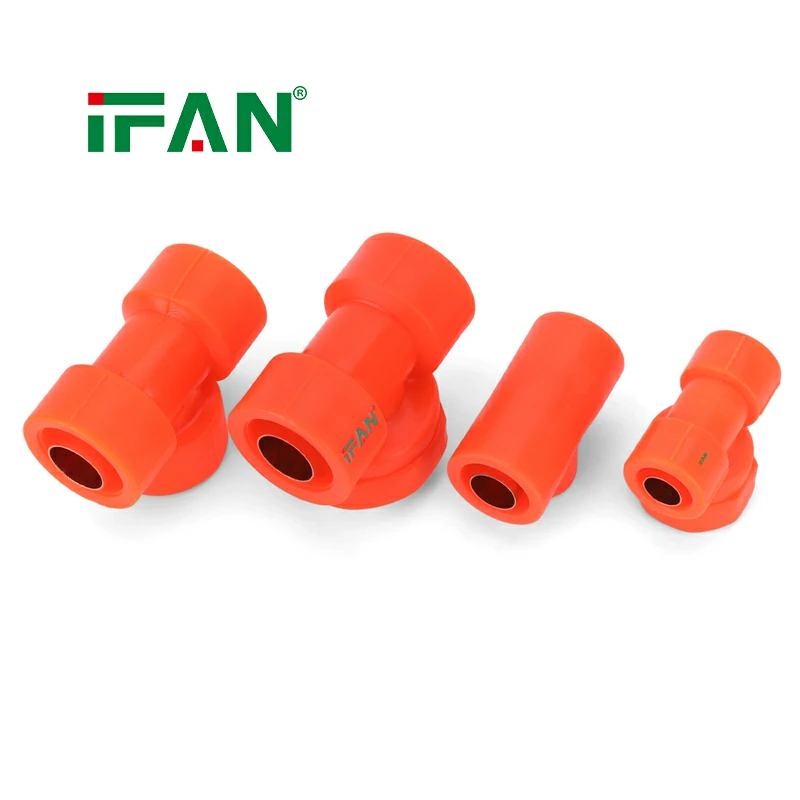
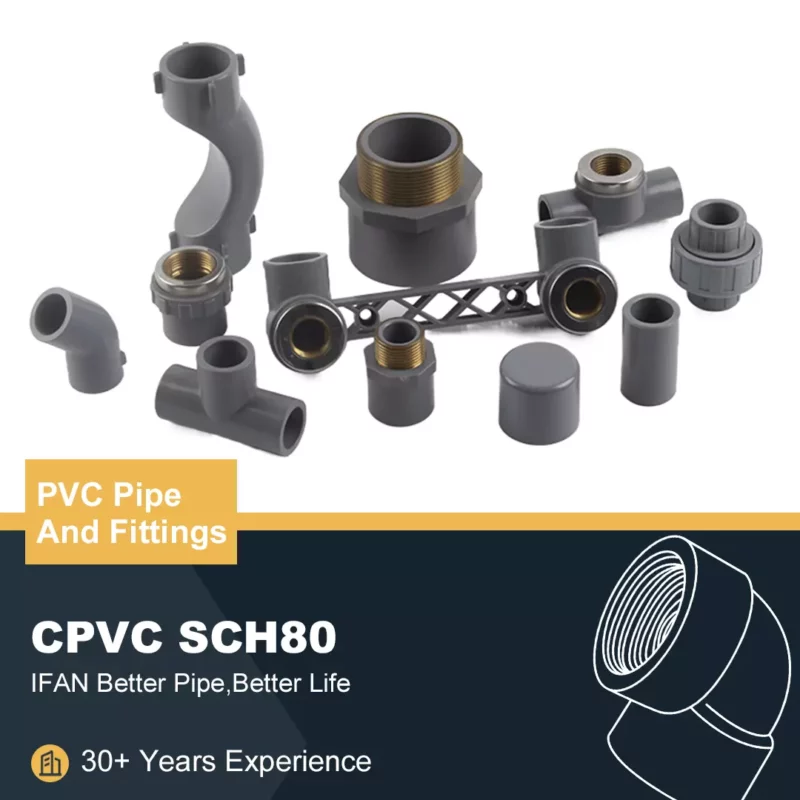
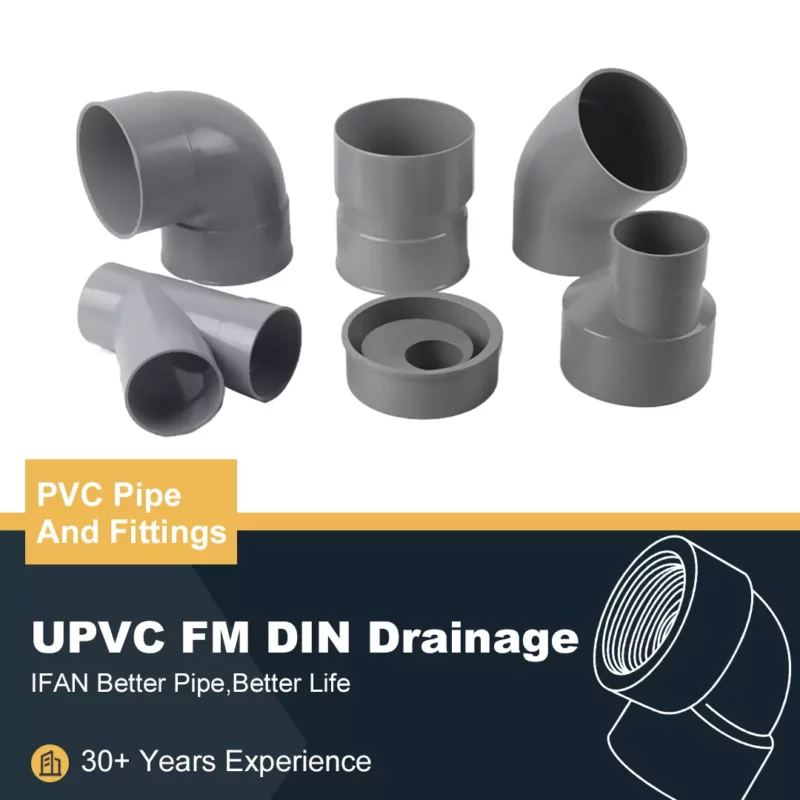
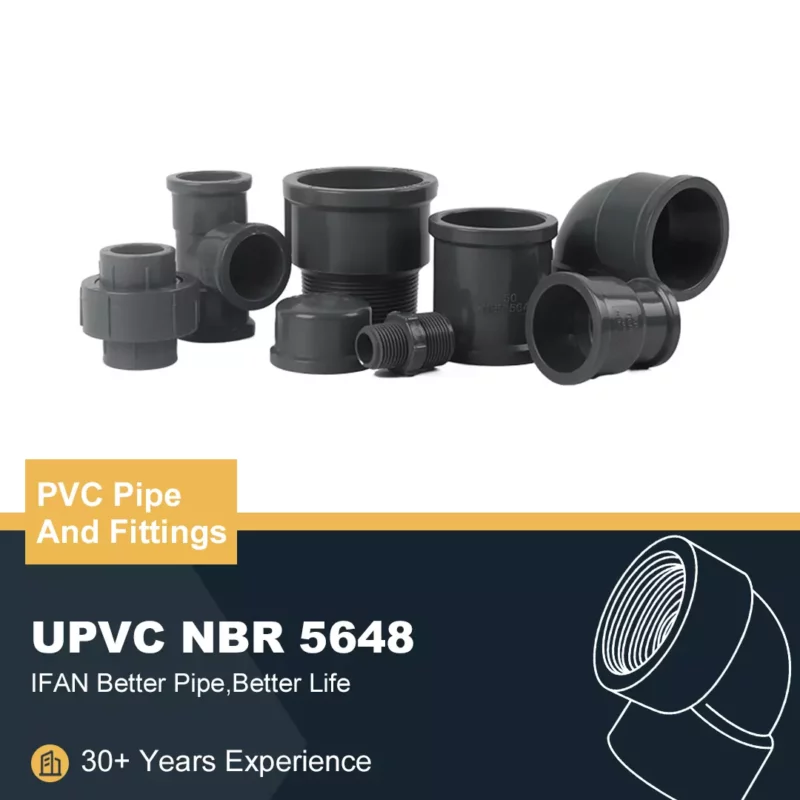
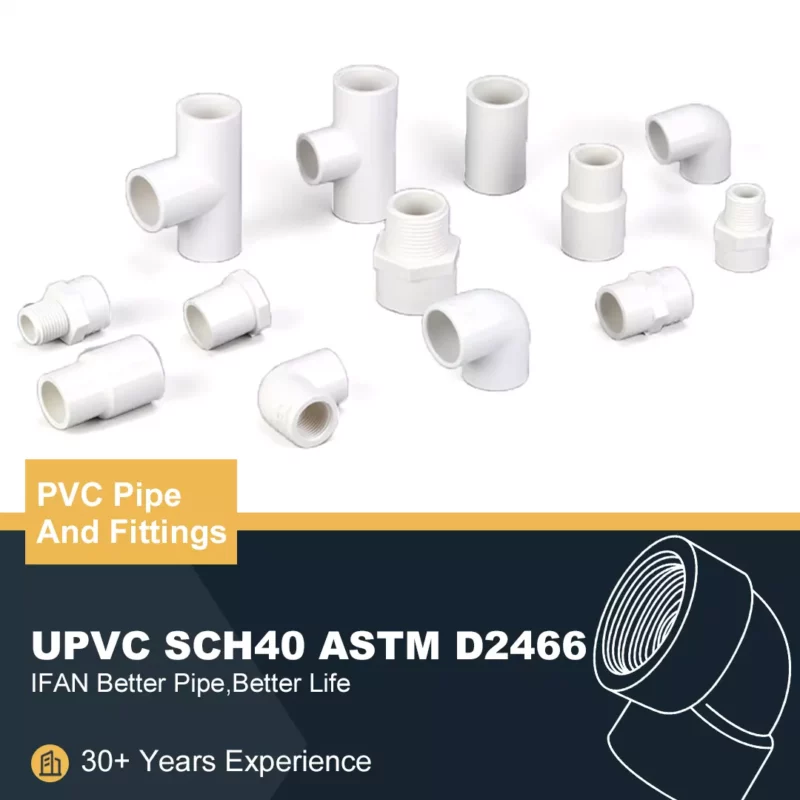
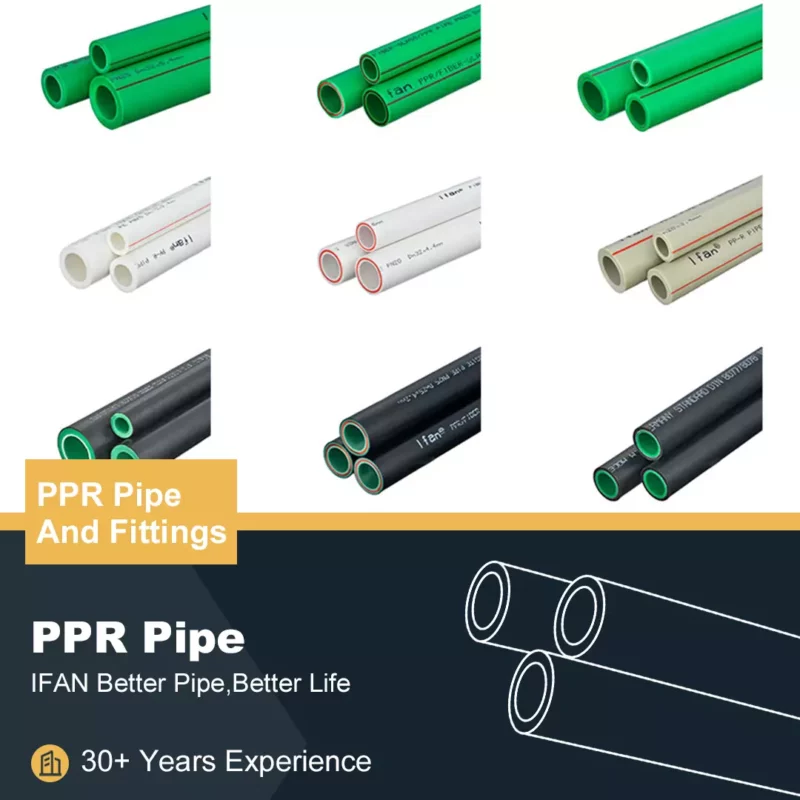
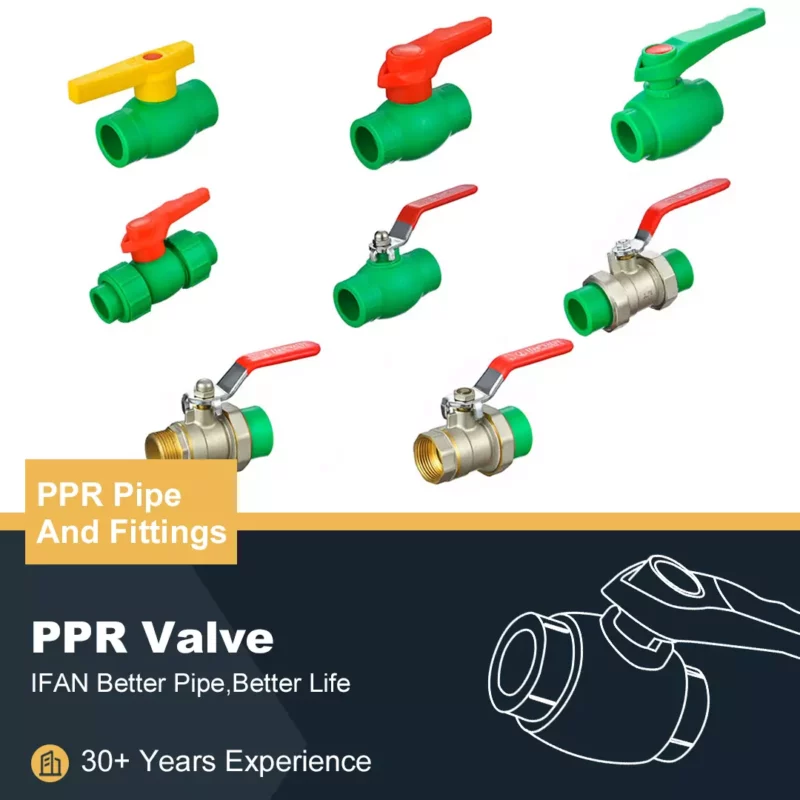
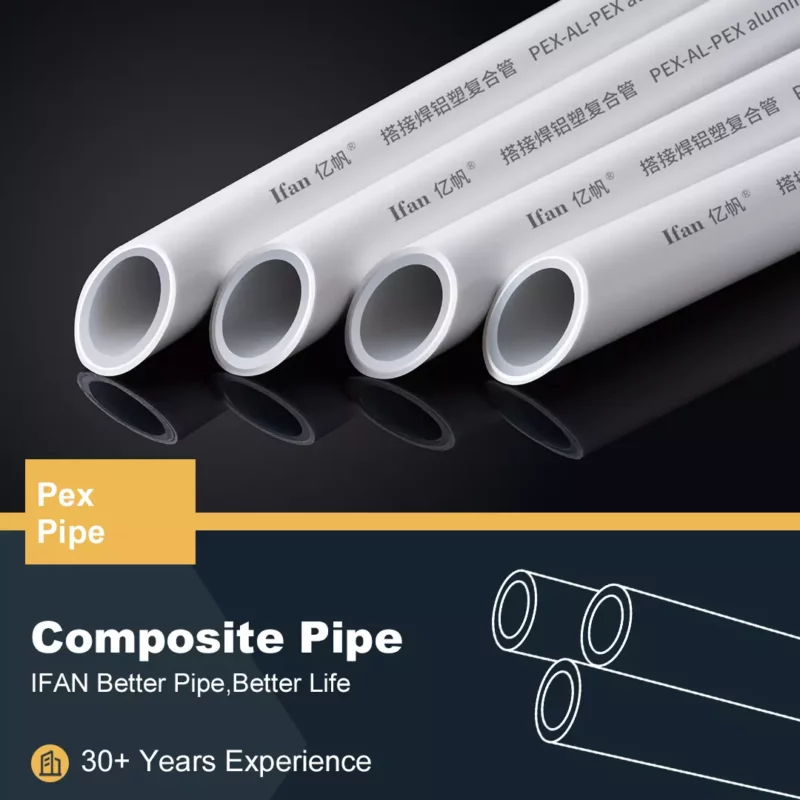
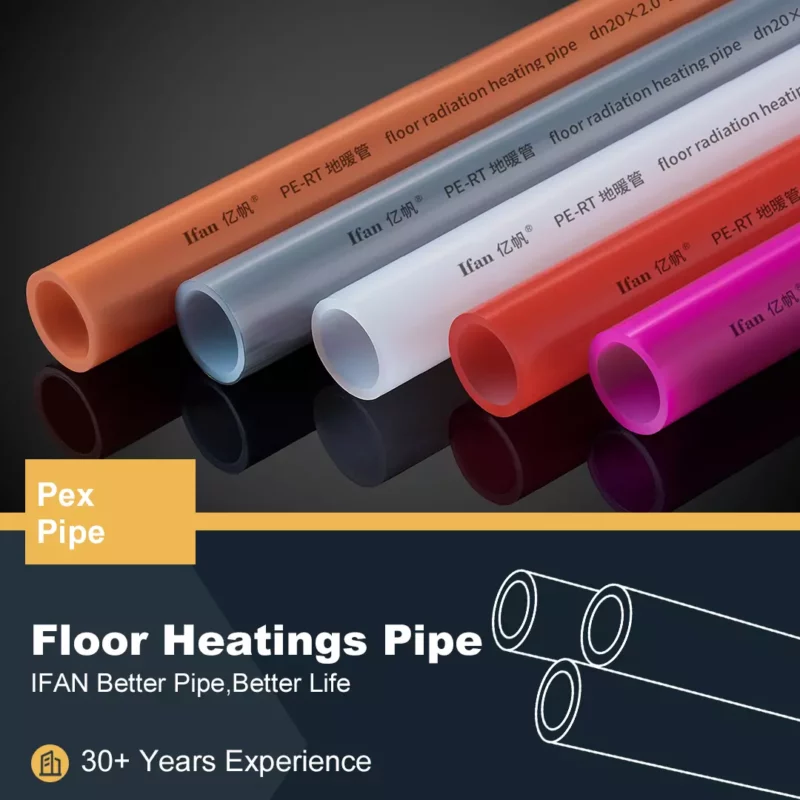
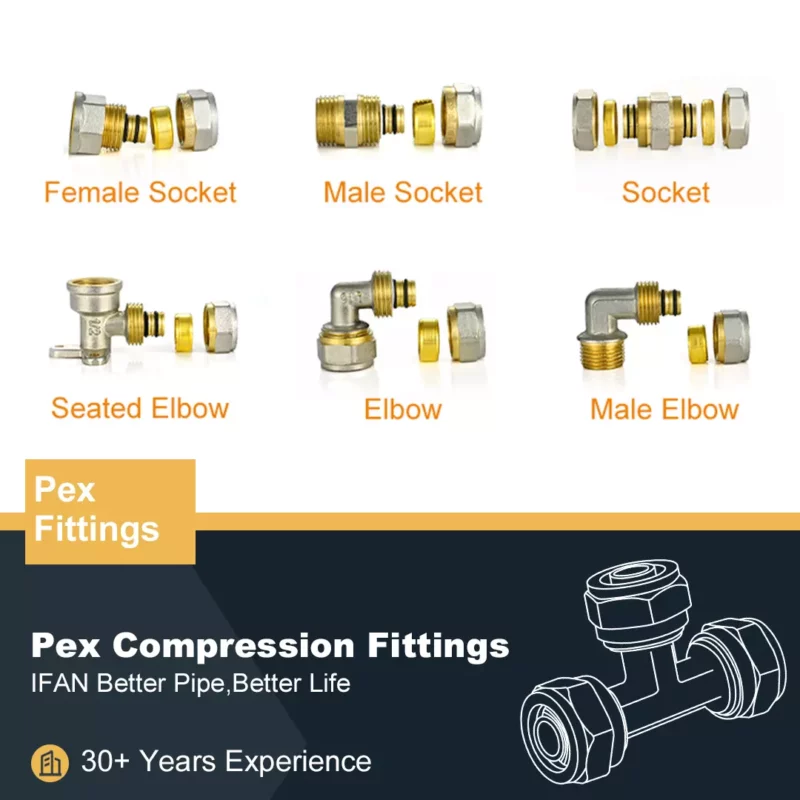
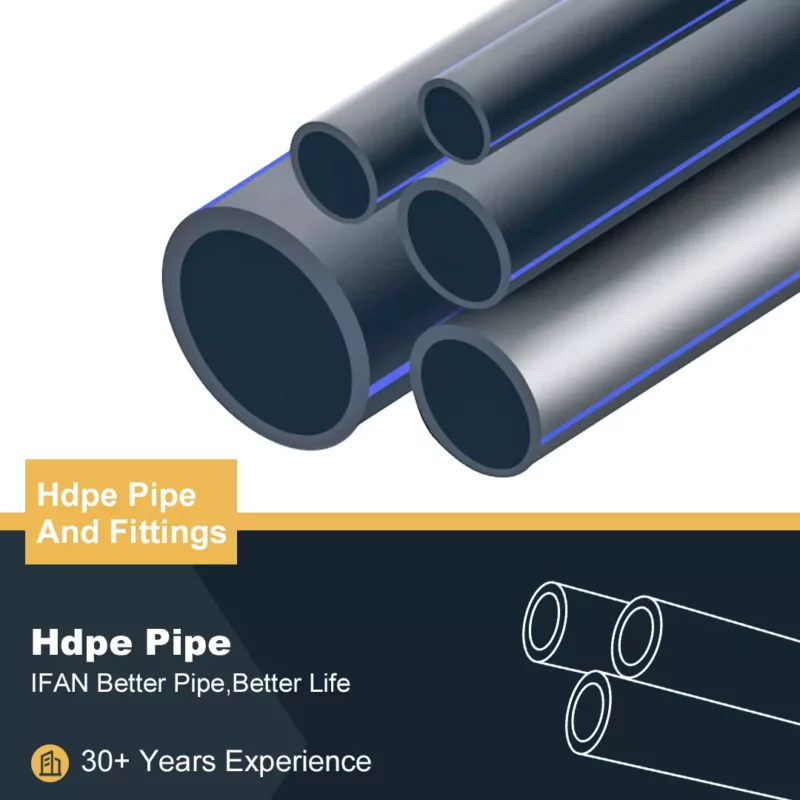
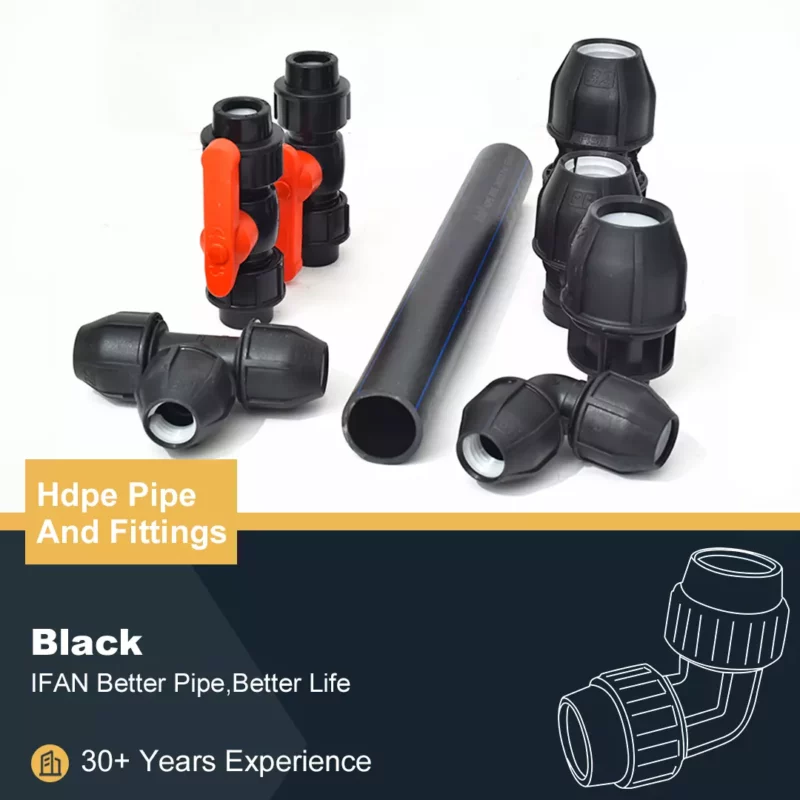
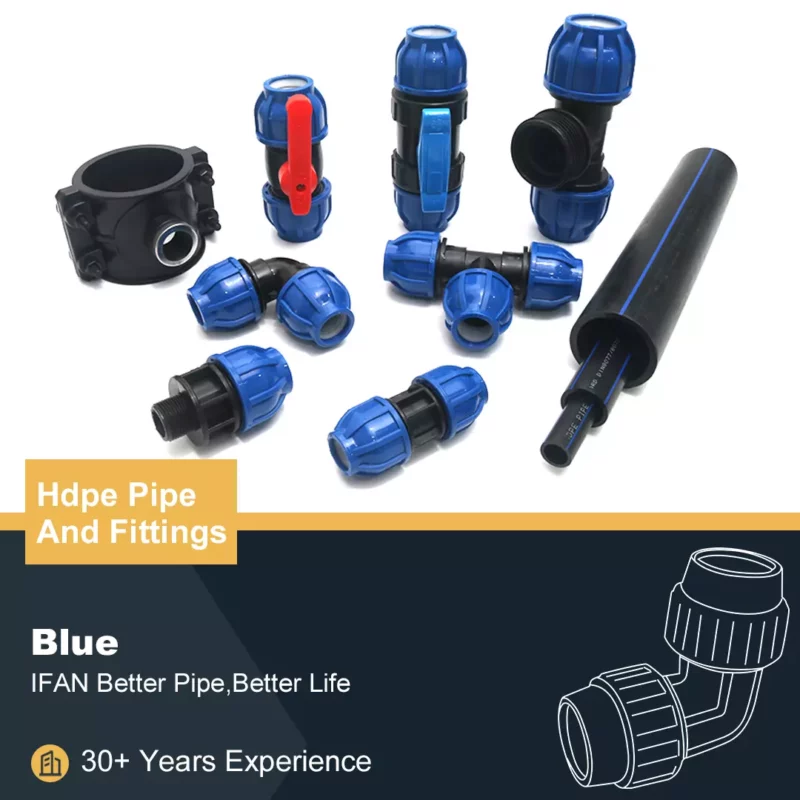
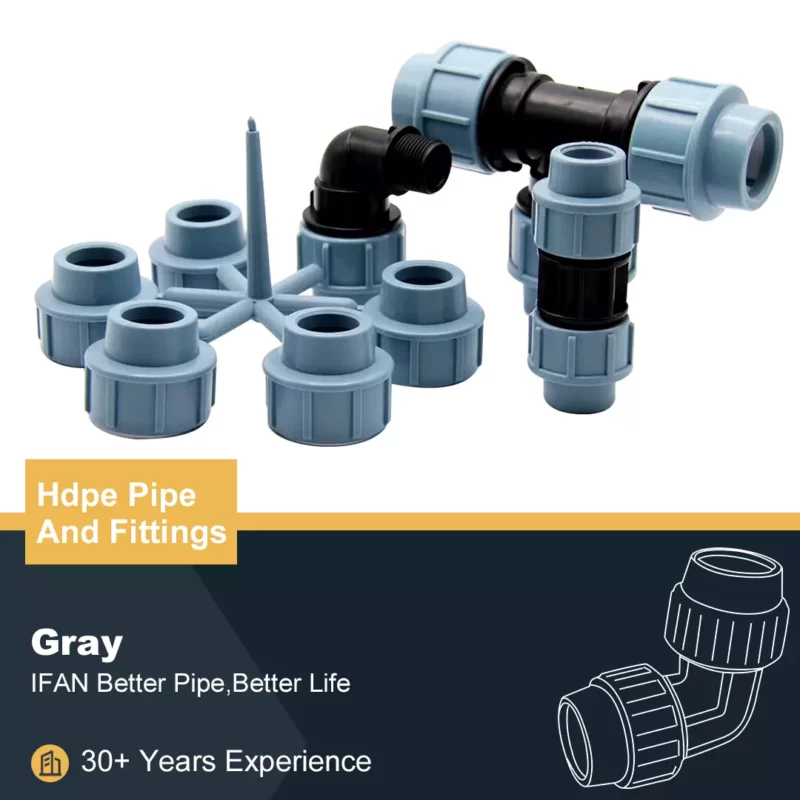
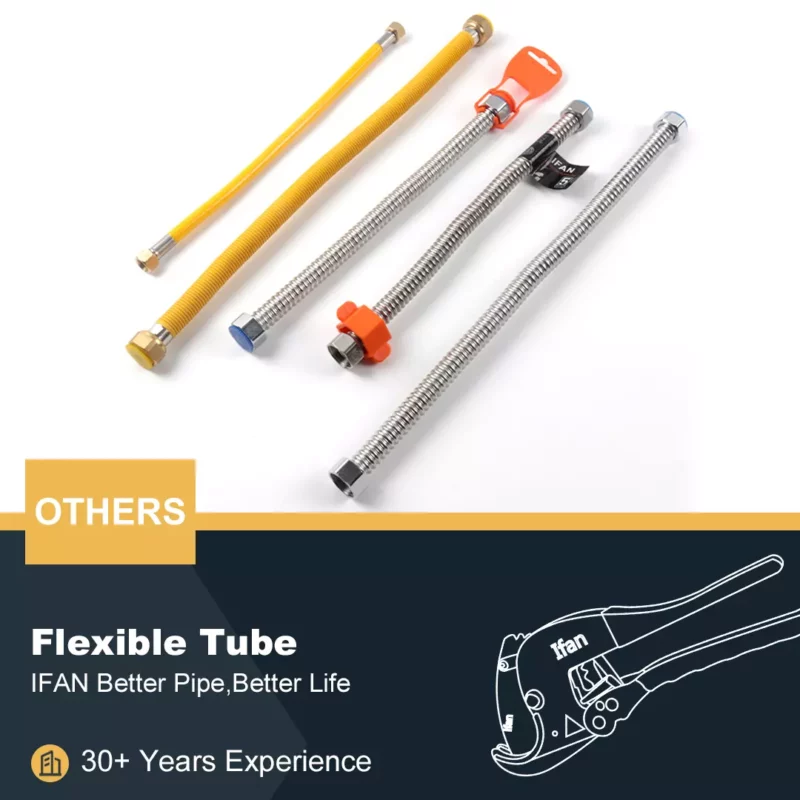



PPR pipe and fittings are a type of piping system made from polypropylene random copolymer. These pipes and fittings are widely used in both residential and commercial plumbing systems. The material is known for its durability, resistance to corrosion, and ease of installation. PPR stands for polypropylene random copolymer, a material commonly used for a range of applications.
What is PPR Pipe Made Of?
PPR pipes are made from polypropylene, a thermoplastic polymer. Polypropylene is a versatile material with excellent chemical resistance. This makes PPR pipes suitable for carrying both hot and cold water. The “random copolymer” part of the name refers to the polymer structure, where different monomers are randomly distributed to give the material its strength and flexibility.
What are PPR Fittings?
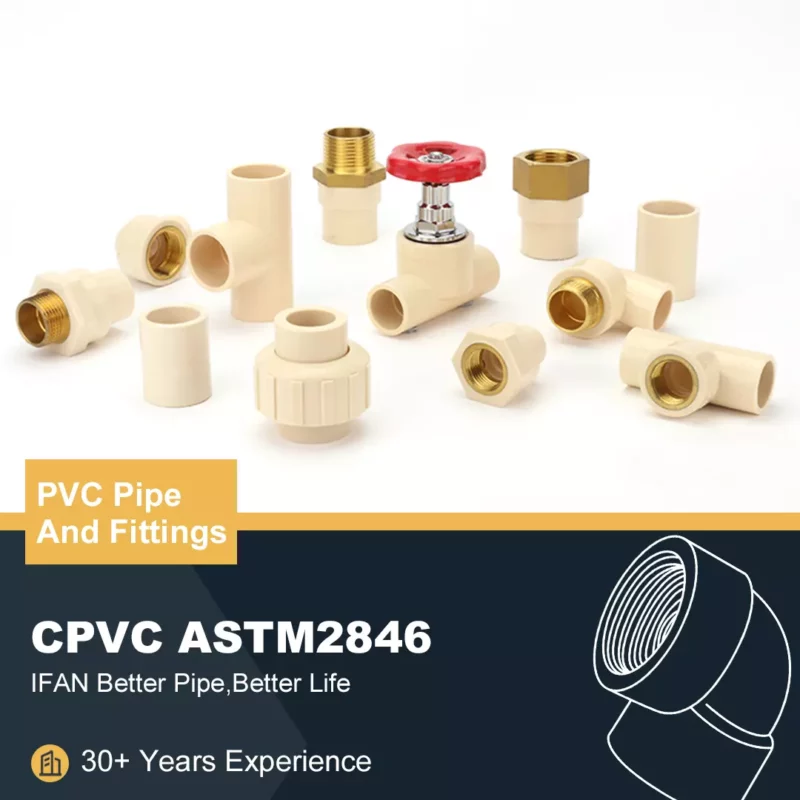
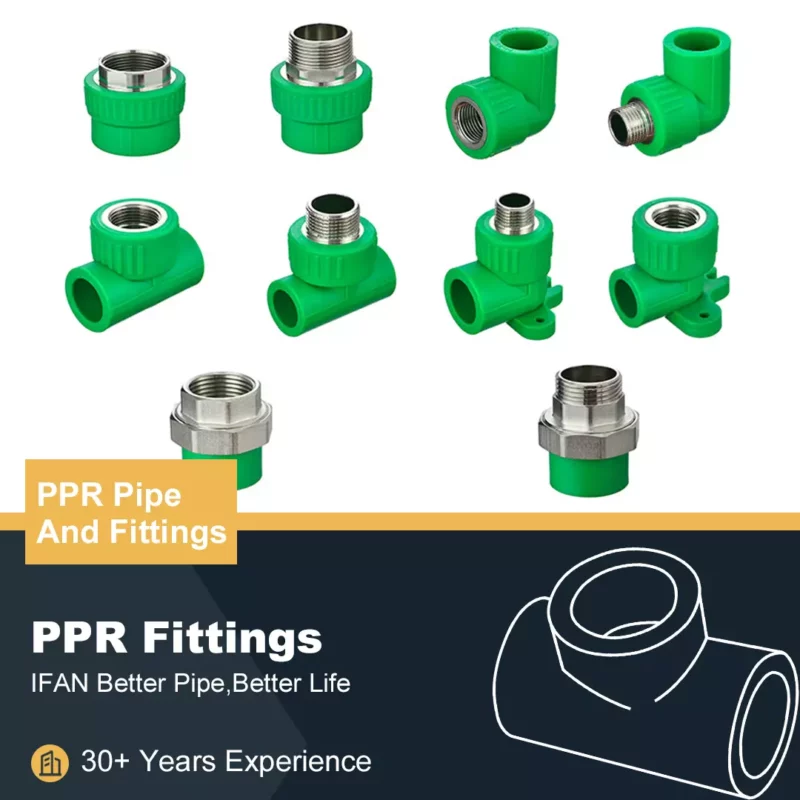
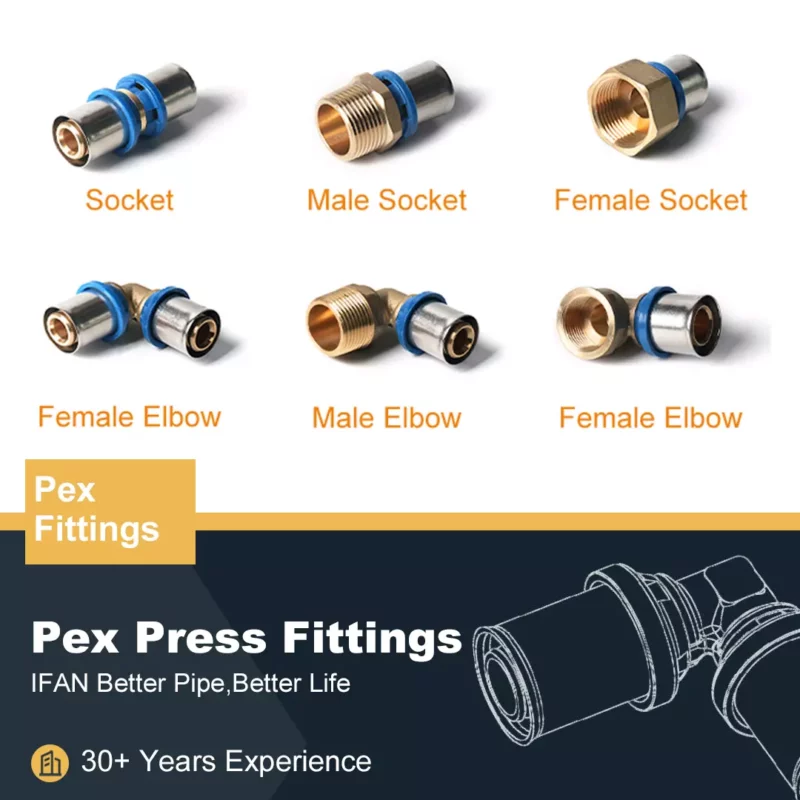
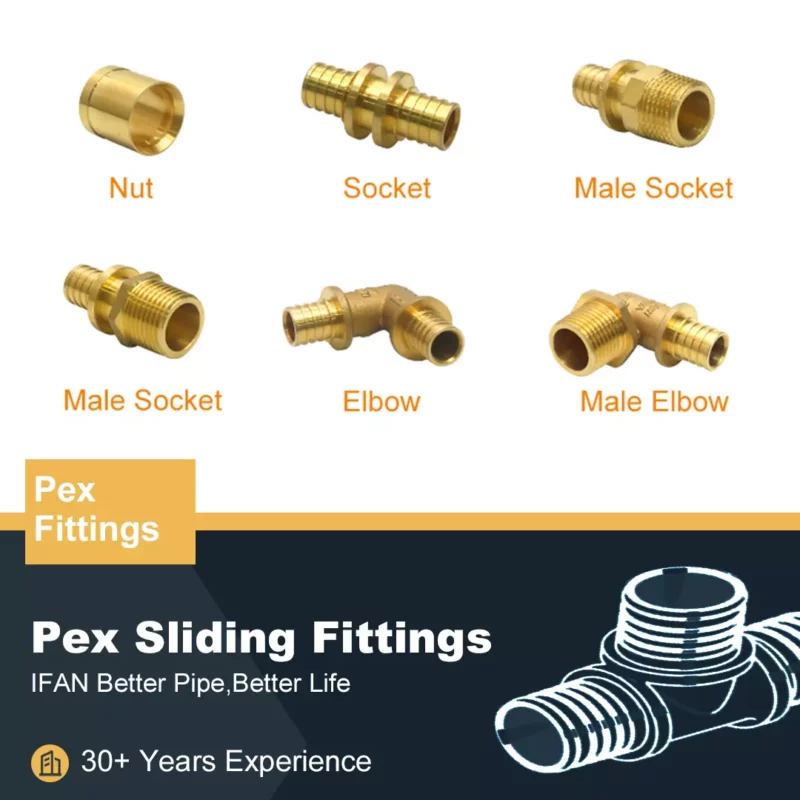
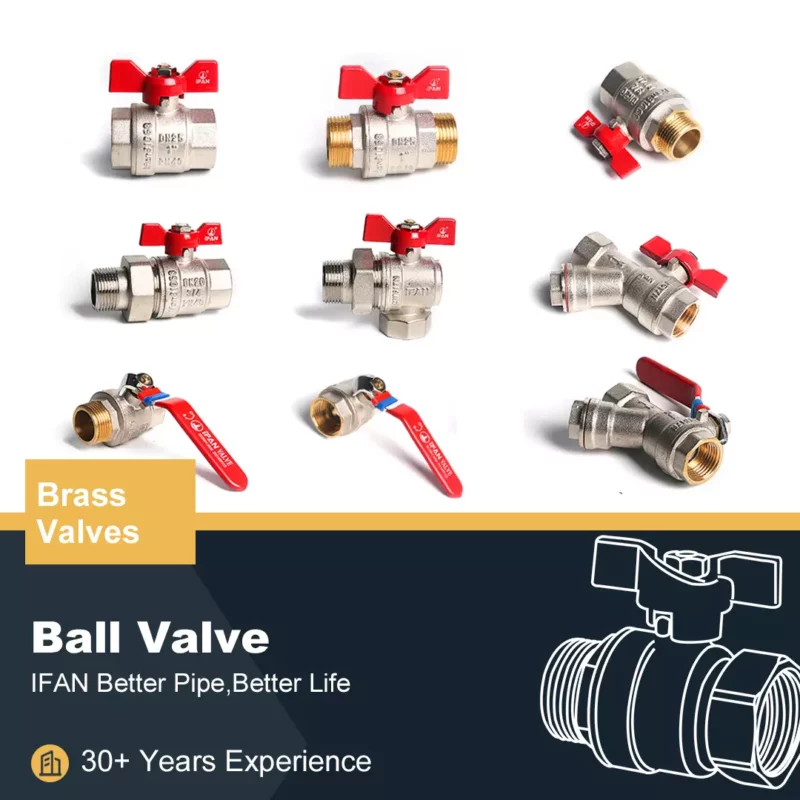
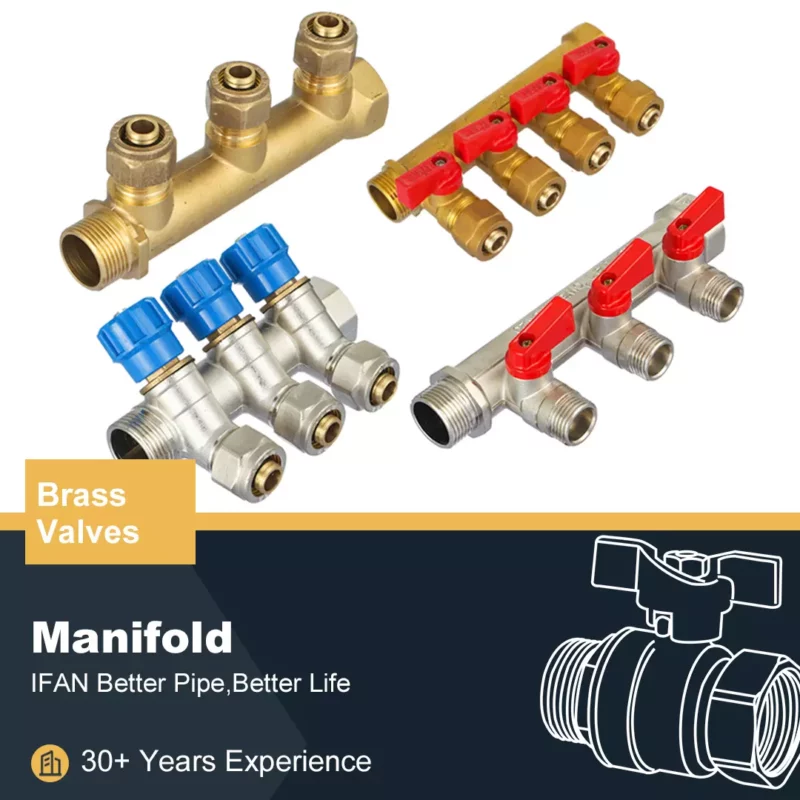
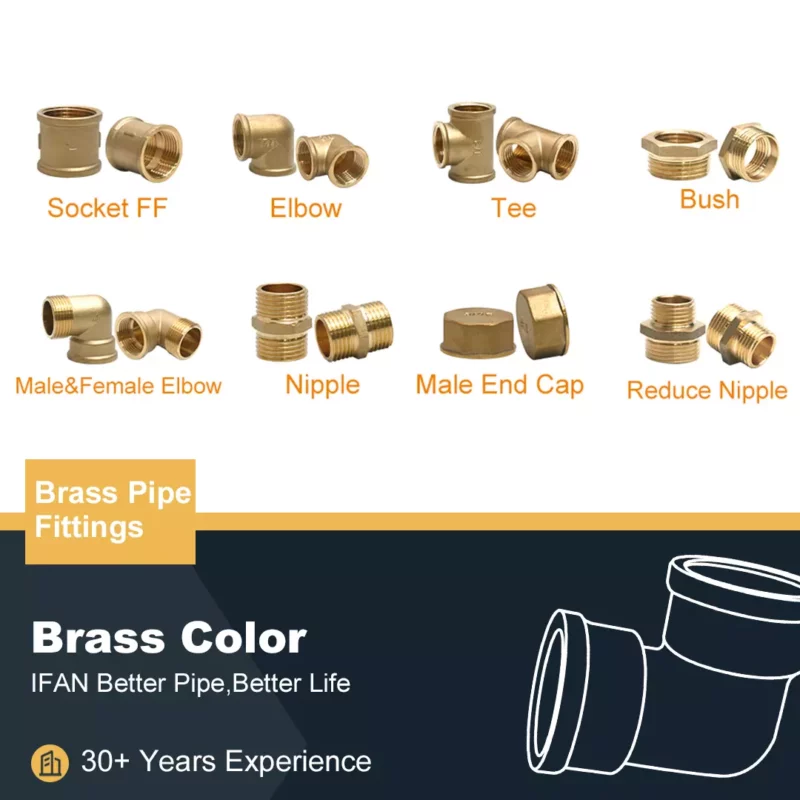
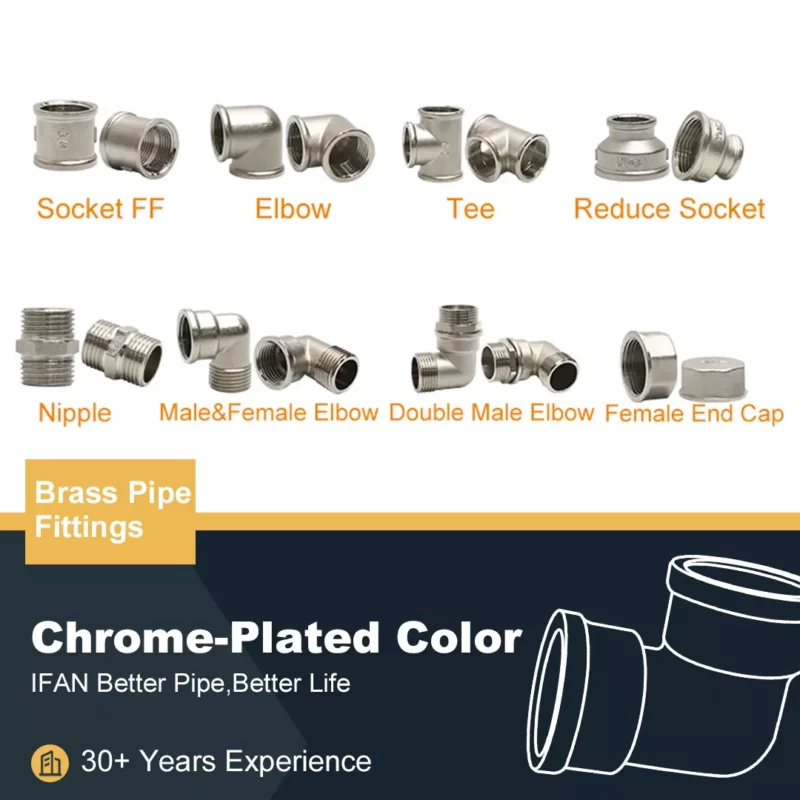
PPR fittings are used to connect sections of PPR pipe. These fittings include elbows, tees, couplings, and valves. They play a crucial role in the proper functioning of a piping system by allowing changes in direction and ensuring leak-free connections. PPR fittings are made from the same polypropylene material as the pipes, ensuring compatibility and long-lasting performance.
Uses of PPR Pipe and Fittings
PPR pipes and fittings are used in a variety of applications. They are commonly found in plumbing systems for both hot and cold water. PPR is also used in irrigation systems due to its resistance to chemicals and UV light. The pipes are often used in industrial settings for transporting fluids, as they are resistant to many chemicals and high temperatures.
- Residential Plumbing
PPR pipes are ideal for domestic water supply systems. They can handle both cold and hot water, making them suitable for kitchens, bathrooms, and heating systems. - Commercial Plumbing
Many commercial buildings use PPR pipes for their plumbing systems. These pipes can withstand the demands of high-traffic buildings, such as offices and schools. - Irrigation Systems
Due to their durability and resistance to chemicals, PPR pipes are frequently used in agriculture for irrigation purposes. They can handle various fluids without degrading. - Industrial Applications
Industries that deal with corrosive chemicals often prefer PPR pipes for fluid transport. The material’s ability to resist corrosion makes it suitable for these environments.
Advantages of PPR Pipe and Fittings
- Durability
PPR pipes have a long service life, often lasting over Long-term durability according to standards. They resist corrosion and scaling, which makes them a reliable choice. - Chemical Resistance
PPR pipes do not react with most chemicals. This feature makes them suitable for a variety of industrial and agricultural applications. - High Temperature Resistance
PPR pipes can handle temperatures up to 95°C (203°F). This makes them ideal for hot water applications. - Environmentally Friendly
PPR pipes are recyclable. Their production process is energy-efficient, making them an eco-friendly choice for plumbing systems. - Cost-Effective
While PPR pipes may have a higher initial cost, their durability and low maintenance costs make them a cost-effective option in the long run.
Comparison with Other Materials
| Material | Durability | Chemical Resistance | Temperature Resistance | Cost | Ease of Installation |
|---|---|---|---|---|---|
| PPR | Excellent | Excellent | High (up to 95°C) | Moderate | Easy |
| PVC | Good | Moderate | Low (up to 60°C) | Low | Easy |
| Copper | Very Good | Low | High (up to 100°C) | High | Moderate |
| Galvanized Steel | Good | Low | Moderate (up to 70°C) | Low | Moderate |
Conclusion
PPR pipes and fittings offer a durable, chemical-resistant, and cost-effective solution for plumbing systems. Their high temperature resistance and ease of installation make them ideal for various applications, including residential, commercial, and industrial plumbing.
If you have read this article and have any questions, please feel free to contact IFAN. Below is our contact information:
Whatsapp:+86 13373827623
Email:[email protected]