

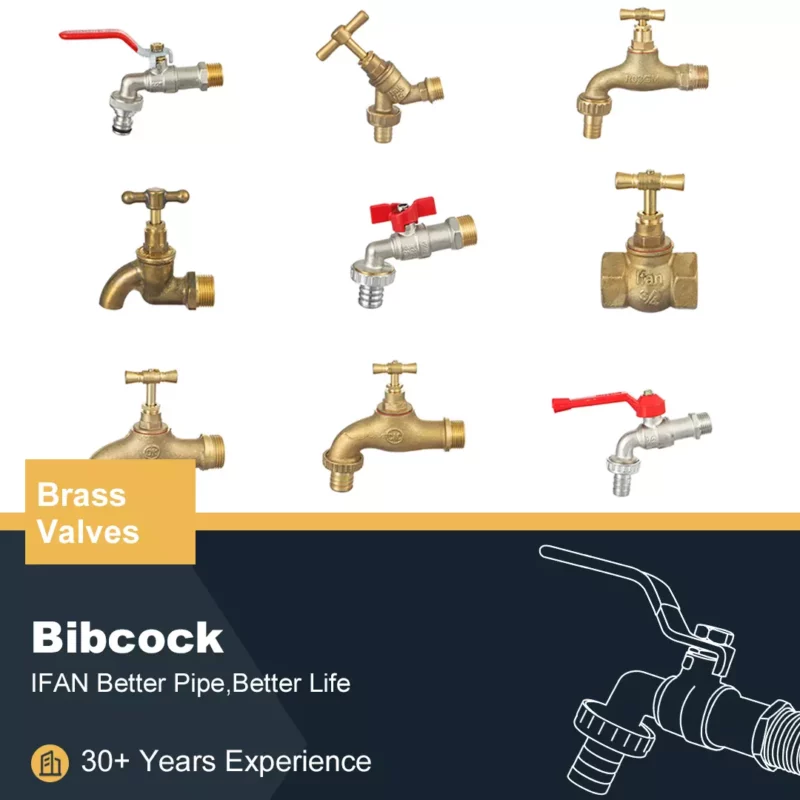


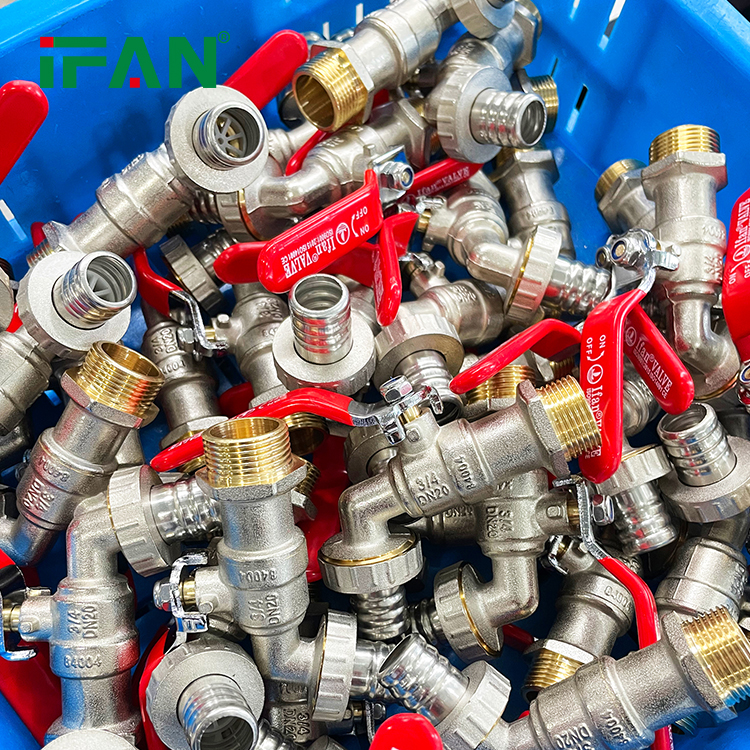
Brass bibcock taps control water flow in homes, gardens, and industrial areas.
Manufacturers use brass due to its strength and resistance to corrosion.
These taps work well in outdoor and indoor plumbing systems.
People install them easily in residential and commercial water outlets.
Brass bibcock taps last long when users follow proper maintenance routines.
Main Types of Brass Bibcock Taps
You can find several types of brass bibcock taps on the market.
Standard brass bibcock taps feature a simple turn handle and spout.
Long-body brass bibcocks have extended necks for wider water delivery.
Hose bibcocks include threaded ends to attach hoses directly.
Lockable bibcocks allow key-based control for added water security.
Each type suits specific user needs and water flow requirements.
Key Components and Design
Brass bibcock taps contain a few essential internal parts.
The tap body holds the structure and connects to the water line.
A spindle or valve stem controls the opening and closing.
The handle turns the stem to allow or stop water flow.
A washer or ceramic disc ensures a tight and leak-free seal.
All parts work together for simple and effective water control.
How Brass Bibcock Taps Work
Users rotate the handle to start or stop water flow.
Turning the handle lifts or lowers the internal spindle.
The spindle movement opens or closes the water passage.
Water flows through the spout when the passage stays open.
When the spindle closes the passage, water flow stops immediately.
This simple mechanism helps users manage water with precision.
Advantages of Using Brass Bibcock Taps
- Brass material resists rust and handles harsh environments well.
- Users can expect long service life from brass bibcock taps.
- These taps support smooth and consistent water flow.
- The taps offer strong resistance against high pressure.
- Installers find them easy to fit into many plumbing setups.
- Brass bibcocks require low maintenance under regular use.
Common Applications in Daily Life
Homeowners use brass bibcocks in bathrooms, kitchens, and gardens.
Gardeners attach hoses to water plants or wash outdoor areas.
Commercial facilities use them in cleaning zones or utility rooms.
Factories install them to supply water for industrial processes.
Public parks often feature brass bibcocks at drinking points.
Farms use them for irrigation and livestock water access.
Installation and Maintenance Tips
Users should turn off the water before installing the tap.
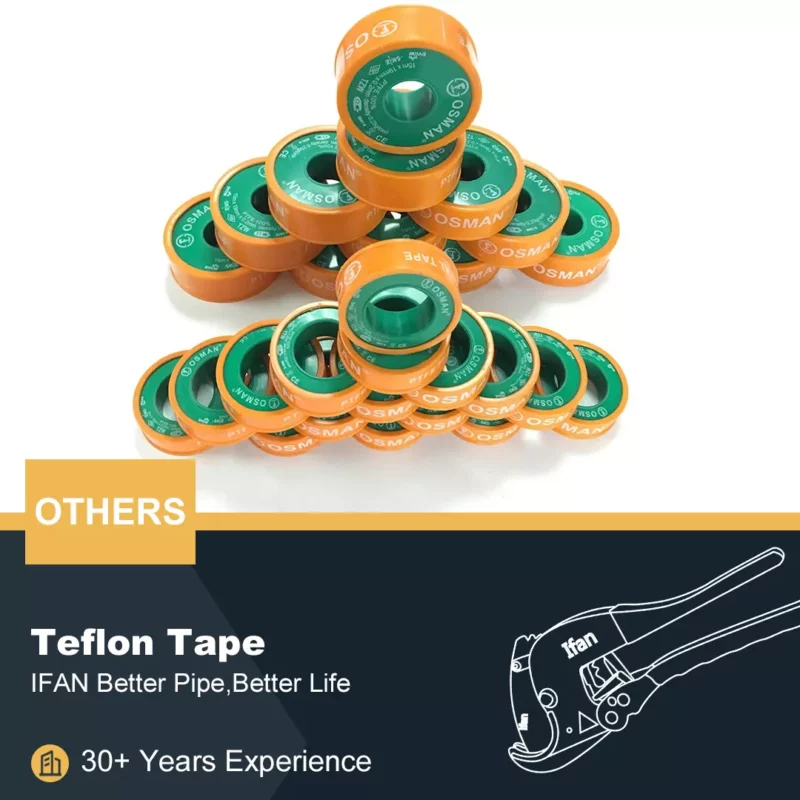
They must clean the pipe thread and use Teflon tape.
Tightening the tap gently helps prevent thread damage.
Check for leaks after installation by running water briefly.
Clean the tap regularly to avoid dirt and mineral buildup.
Replace washers or seals if you notice small drips or leaks.
Safety and Usage Guidelines
Never force the handle beyond its normal range of motion.
Always close the tap completely after use to save water.
Avoid using chemical cleaners that can damage brass parts.
Do not expose the tap to extreme heat or freezing conditions.
Teach children how to use outdoor taps responsibly.
Inspect taps monthly for cracks, rust, or reduced water flow.
Conclusion
Brass bibcock taps offer a reliable solution for water control.
They come in many types for different home and industrial needs.
Their simple design makes them easy to use and maintain.
Brass ensures strong performance, durability, and water safety.
Choose the right type to match your usage and plumbing setup.
If you have read this article and have any questions, please feel free to contact IFAN. Below is our contact information:
Whatsapp:+86 13373827623
Email:[email protected]