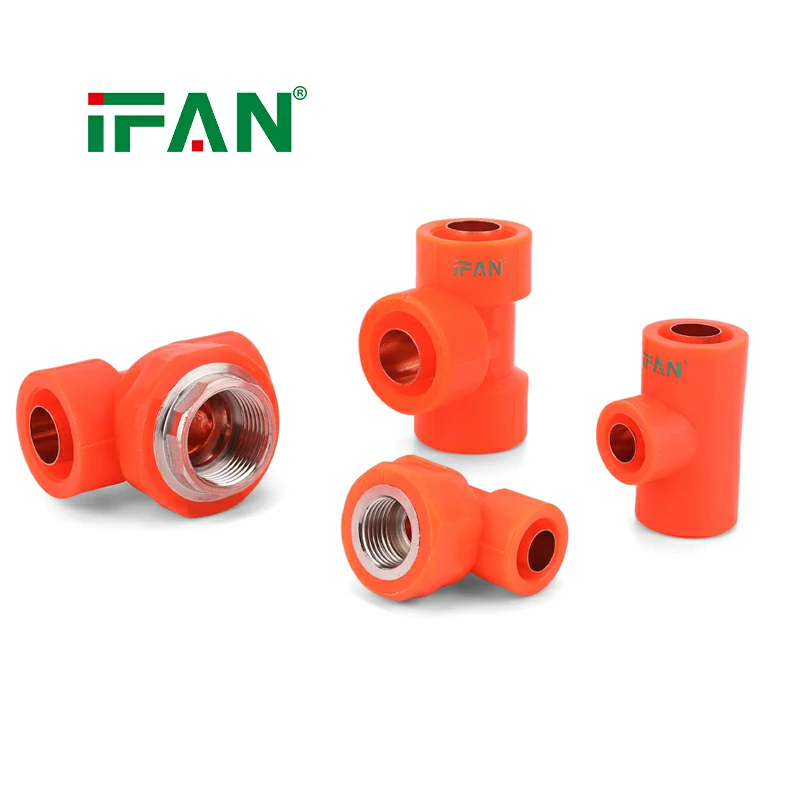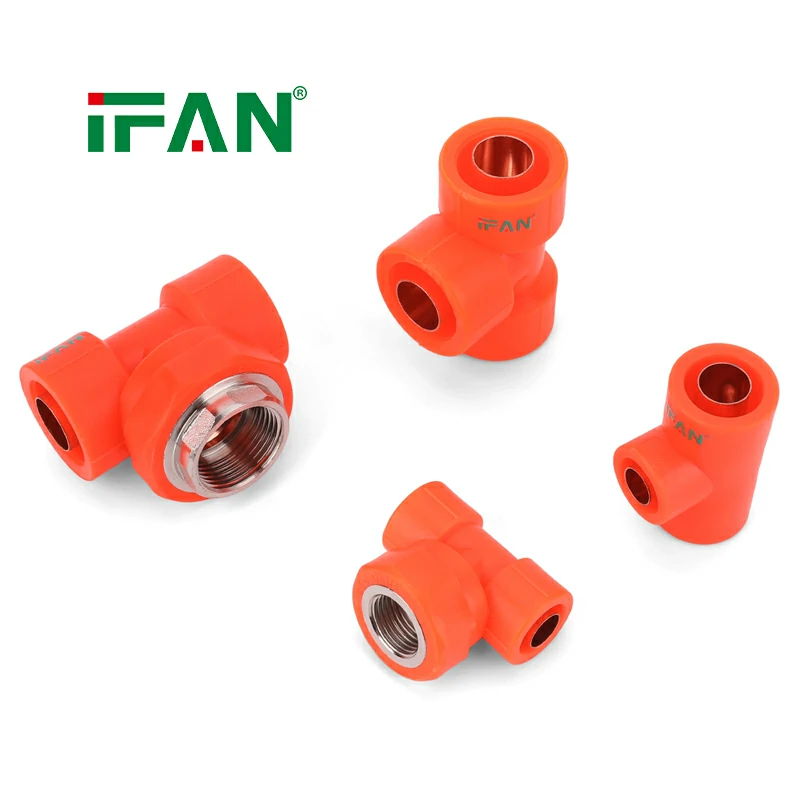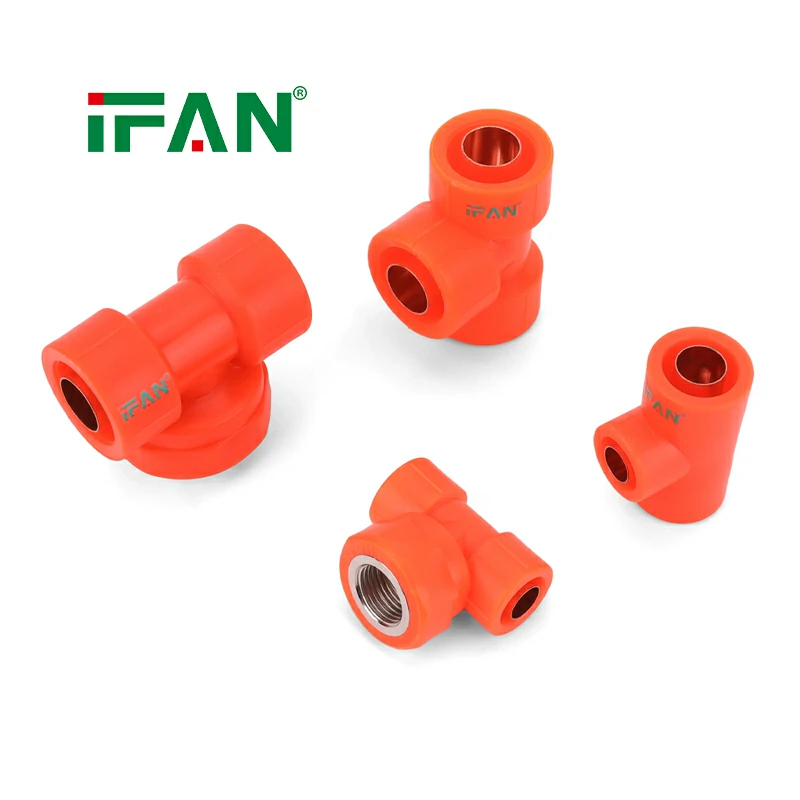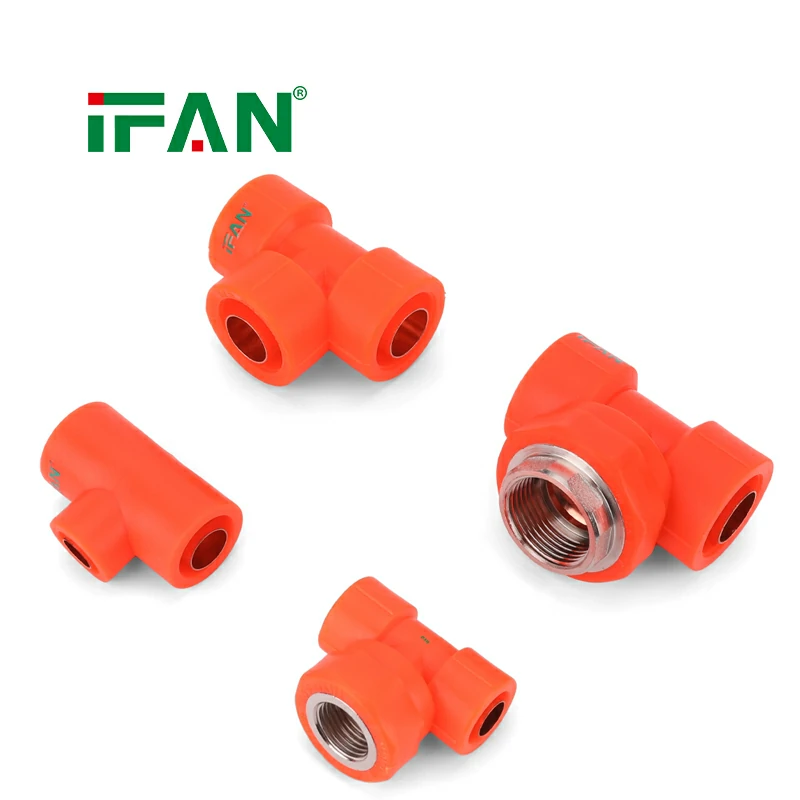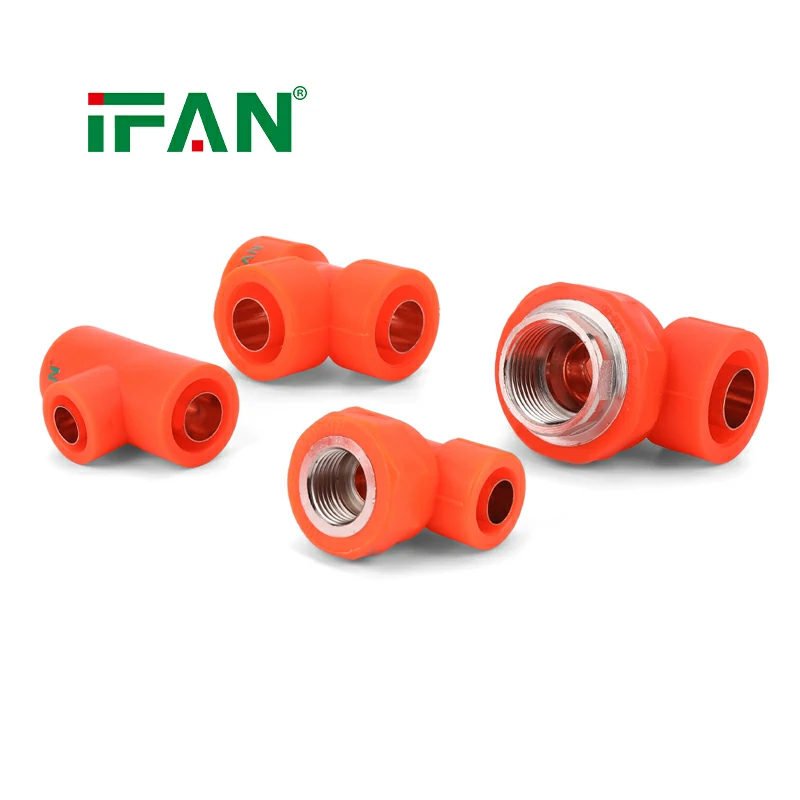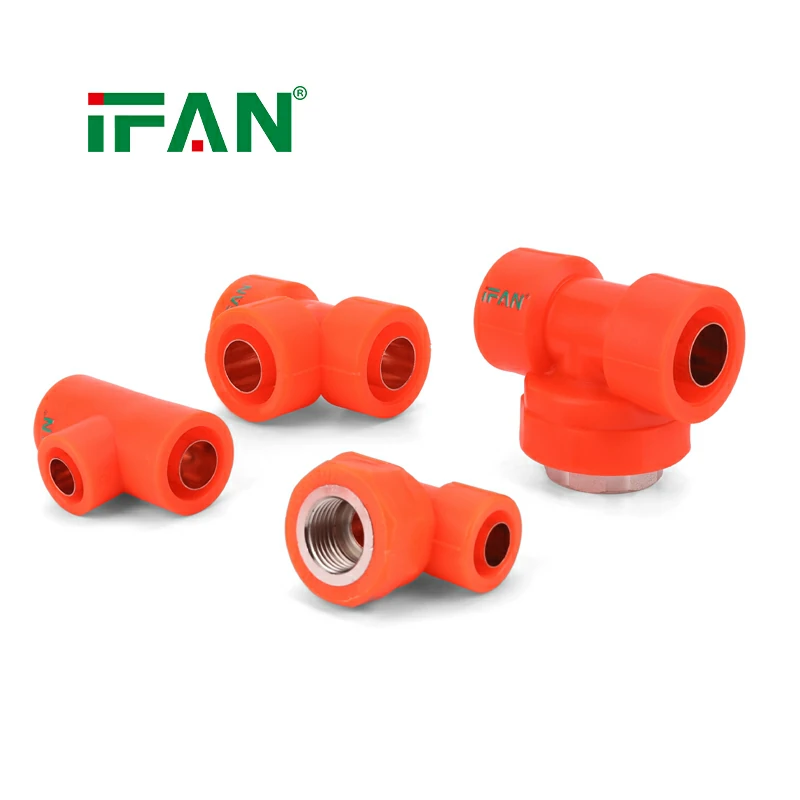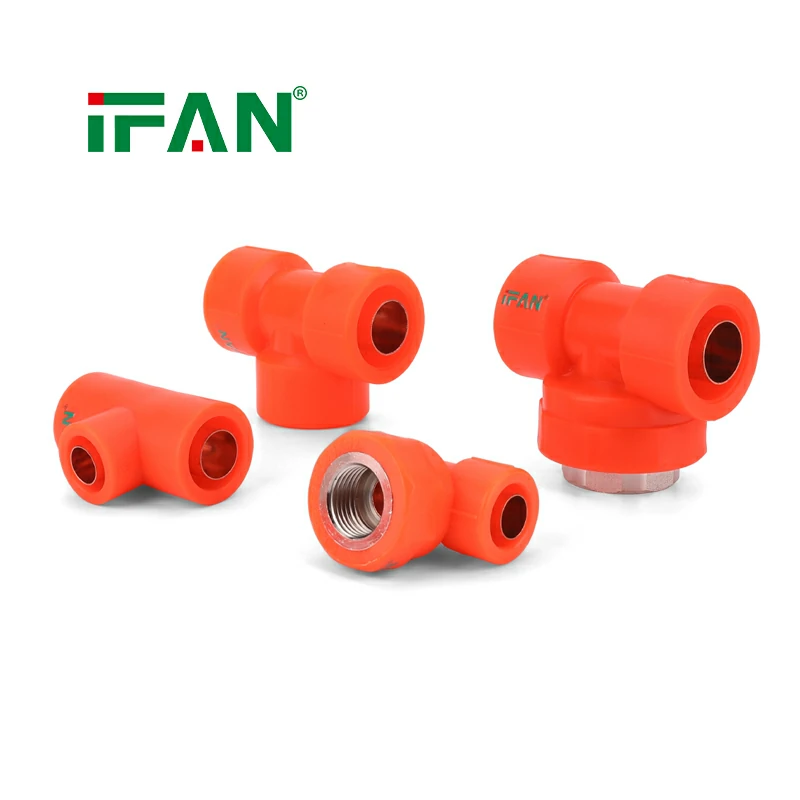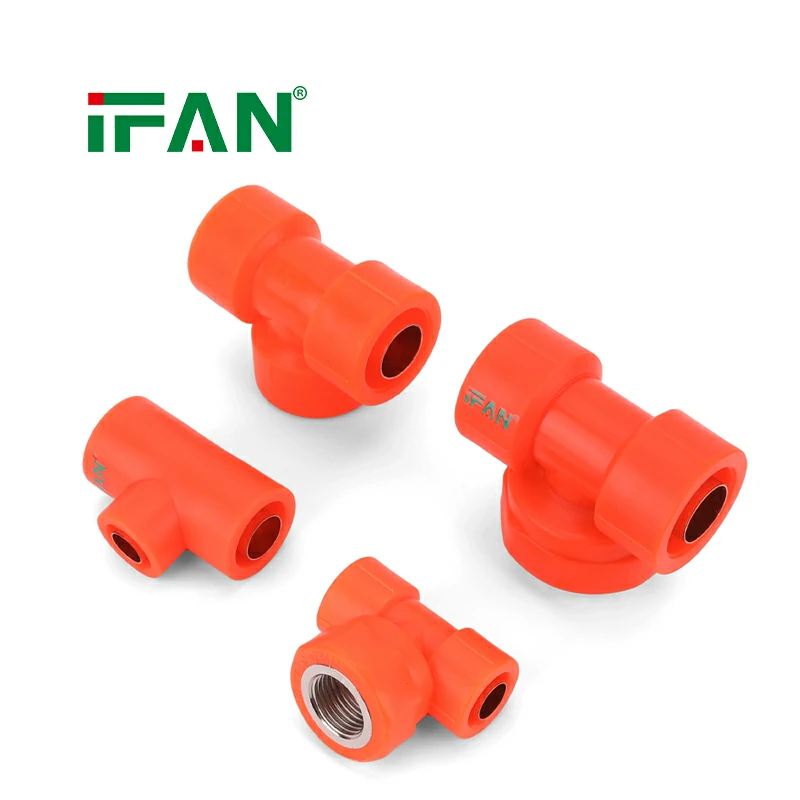
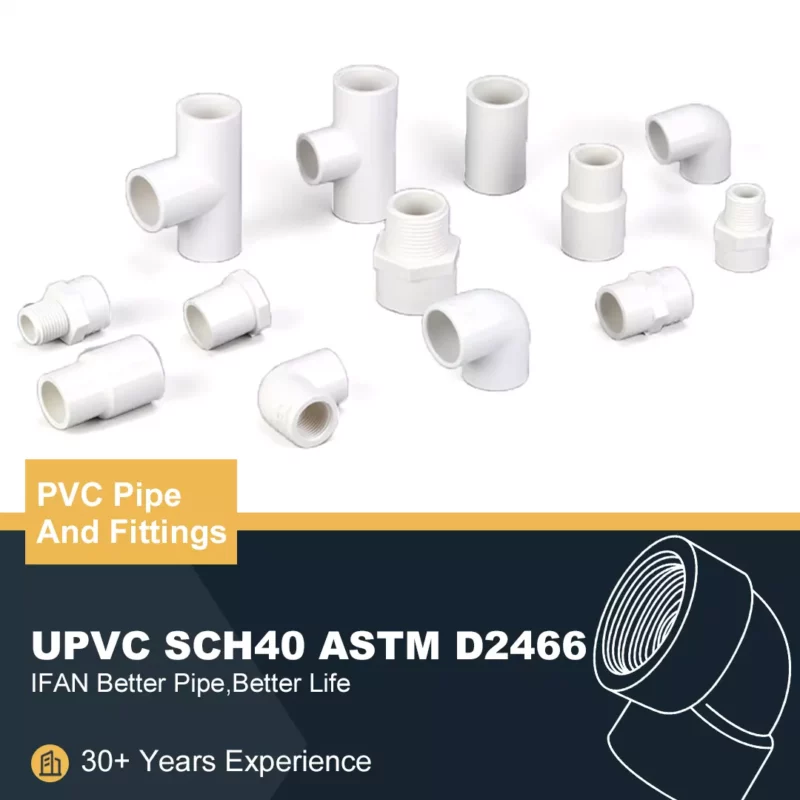
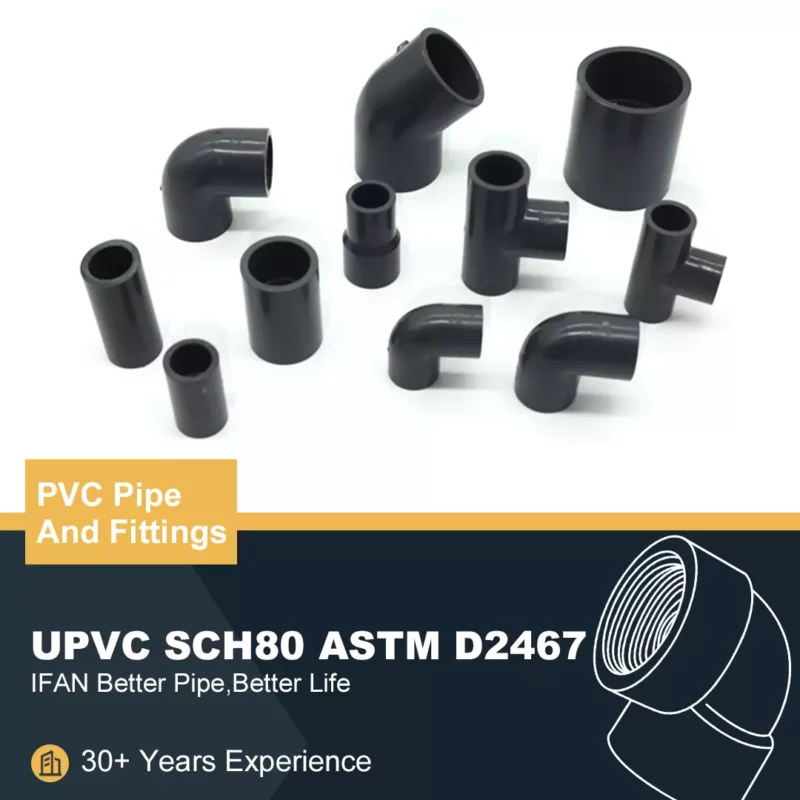
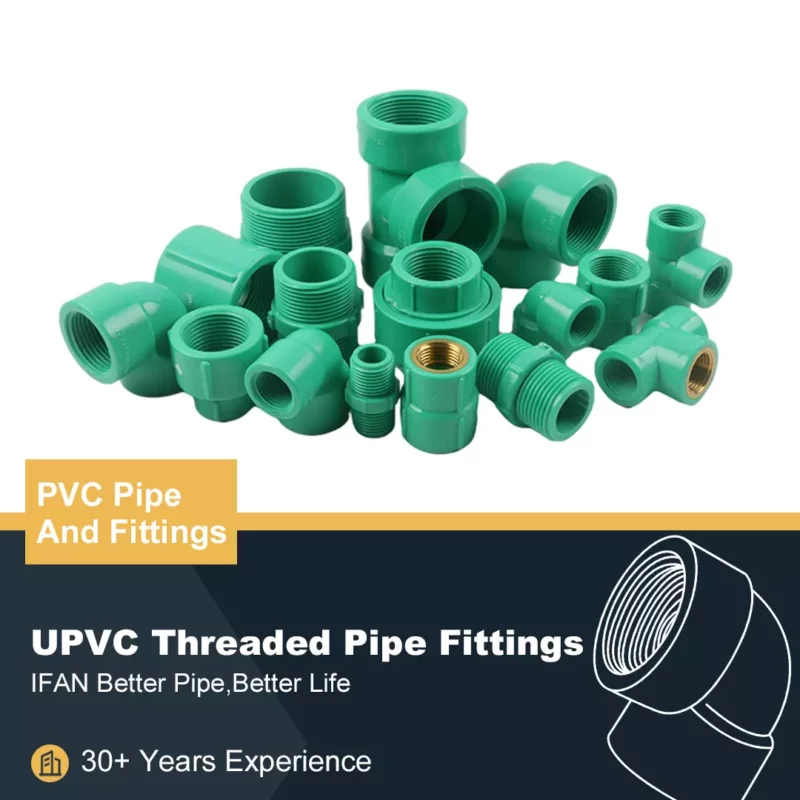
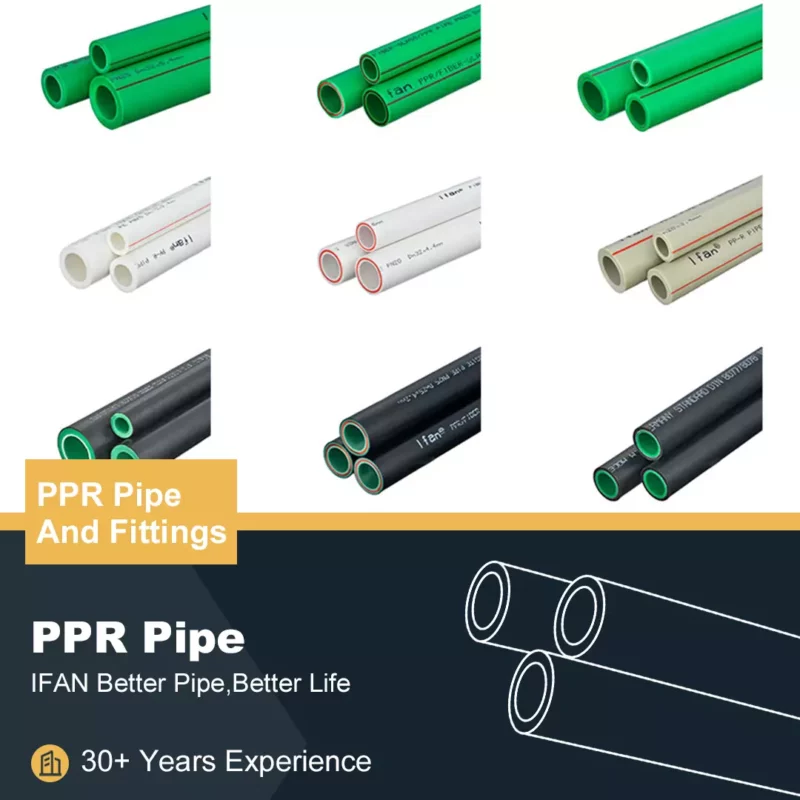
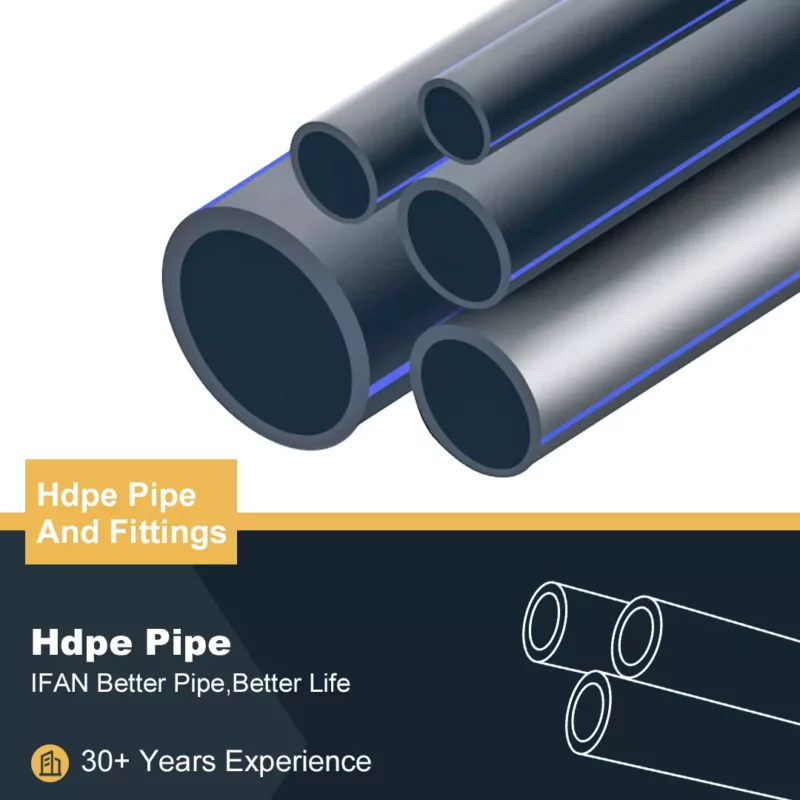
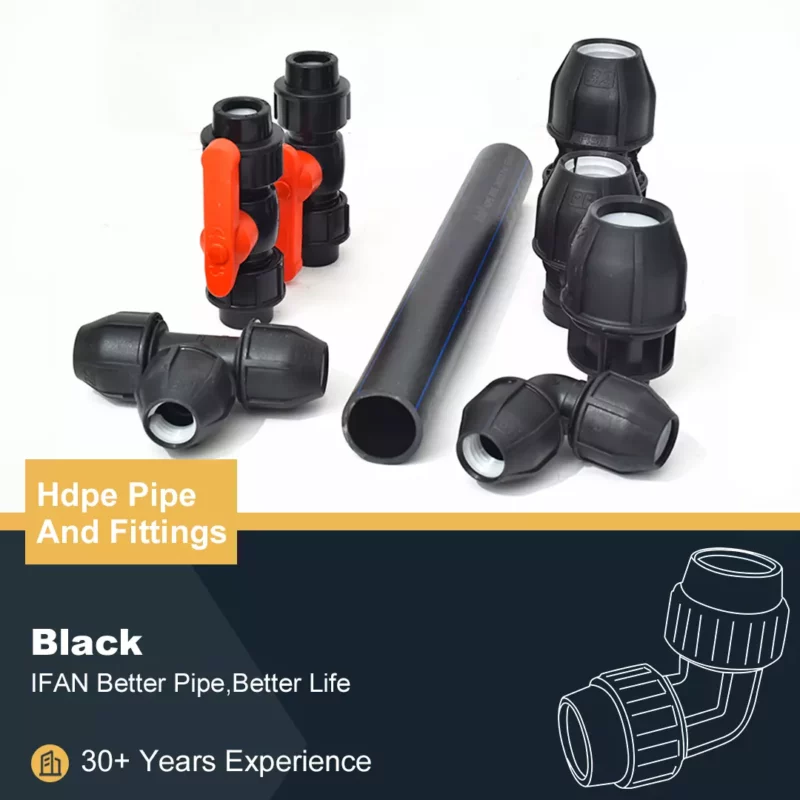
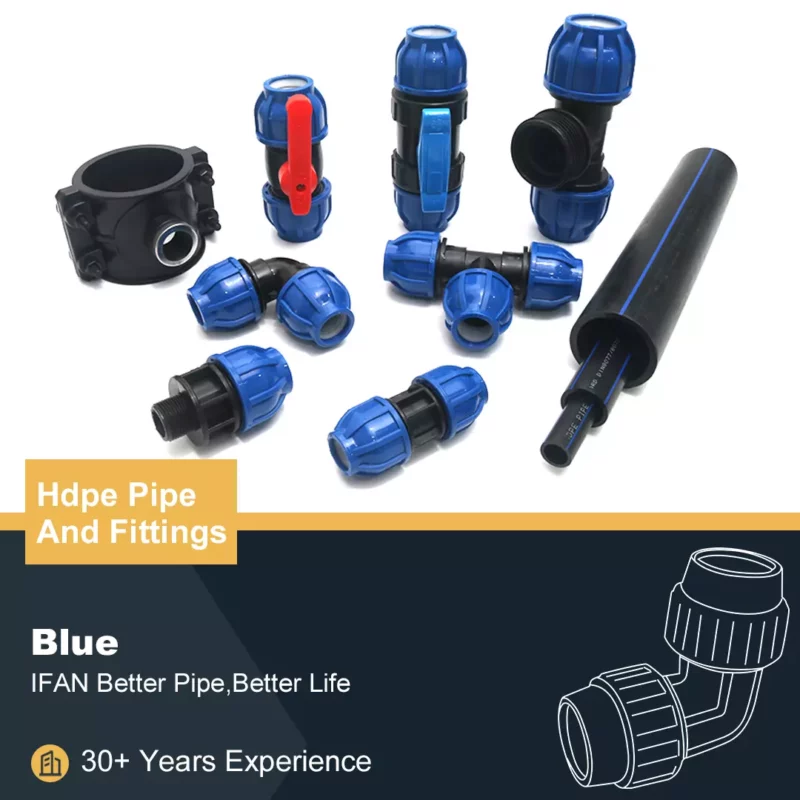
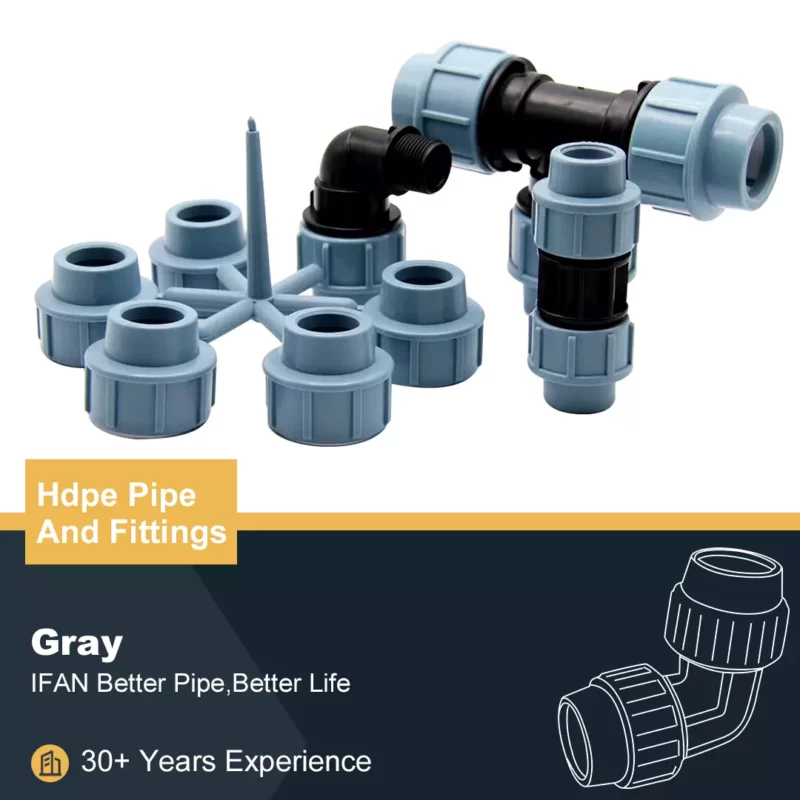



PVC (Polyvinyl Chloride) pipes have gained widespread popularity due to their long-lasting durability and low maintenance requirements. These pipes are commonly used in residential, commercial, and industrial applications, offering a reliable solution for plumbing, drainage, and other water transport systems. This article explores the advantages of PVC pipes, focusing on their longevity, low maintenance, and the reasons why they are favored over alternative materials like metal or concrete pipes.
What Makes PVC Pipes Long-Lasting?
PVC pipes are known for their exceptional durability, making them an ideal choice for long-term applications. The material is resistant to corrosion, a major issue with metal pipes exposed to water, moisture, and air. Unlike steel or copper, PVC does not rust or degrade, ensuring it maintains its strength for many years. This resistance to corrosion significantly extends the lifespan of PVC pipes compared to other materials, which often require frequent repairs or replacements.
The structural integrity of PVC pipe is not compromised by environmental factors like soil chemicals, UV rays, or high-pressure water. Their resilience to these challenges makes PVC pipe suitable for both above-ground and underground installations, offering reliable performance over time.
The Role of PVC in Low Maintenance Systems
One of the main reasons PVC pipe are so widely used is their low maintenance requirements. After installation, PVC pipes require minimal attention or repair throughout their lifespan. This is due to their resistance to corrosion, scaling, and other forms of wear that often plague metal and concrete pipes.
Unlike metal pipes, which can accumulate rust or develop leaks, PVC pipe maintain their smooth surface, preventing the buildup of scale or other materials that could obstruct water flow. This means fewer blockages and less need for routine cleaning or maintenance. The durability of PVC pipes further reduces the need for frequent inspections, making them a hassle-free option for homeowners and businesses alike.
Cost-Effectiveness: A Key Benefit of PVC Pipes
In addition to their durability and low maintenance, PVC pipe offer a cost-effective solution for a variety of plumbing and construction projects. The production of PVC pipe is relatively inexpensive compared to other materials like copper or steel, which contributes to their lower upfront cost.
Beyond the initial investment, the long lifespan and low maintenance requirements of PVC pipe help save money in the long run. The lack of frequent repairs or replacements reduces operational costs and ensures that the plumbing system remains functional without unnecessary expenses. For large-scale projects, such as municipal water systems, the cost savings offered by PVC pipe are particularly significant.
Resistance to Chemicals and Harsh Environments
PVC pipe are highly resistant to a wide range of chemicals, making them suitable for use in various environments. Water, whether from a municipal supply or an industrial source, can contain a variety of chemicals that could degrade other pipe materials. However, PVC pipes remain unaffected by most acids, alkalis, salts, and other substances that would damage metal pipes.
In industrial settings, PVC pipe are used to transport corrosive chemicals without worrying about the integrity of the pipes. They are also effective in agricultural applications where fertilizers and pesticides are used, as PVC does not react with these substances. This chemical resistance contributes to the long-lasting performance of PVC pipe.
The Environmental Benefits of PVC Pipes
PVC pipe are not only durable and cost-effective, but they also offer significant environmental benefits. The production of PVC pipe involves less energy and fewer resources than the production of metal or concrete pipes. Additionally, PVC pipe are fully recyclable, which helps reduce waste in landfills.
When a PVC pipe reaches the end of its useful life, it can be recycled and repurposed into new products. This recycling process reduces the demand for raw materials, making PVC pipe a more sustainable option in construction and infrastructure projects. Moreover, the long lifespan of PVC pipe means fewer replacements, further minimizing environmental impact.
Easy Installation of PVC Pipes
Another significant advantage of PVC pipe is their ease of installation. PVC is a lightweight material, which makes the pipes easier to handle and transport than metal or concrete alternatives. The light weight reduces the need for heavy lifting equipment during installation, cutting down on labor costs and installation time.
PVC pipe are also easy to cut and connect using standard tools. They are joined using a solvent cement that creates a strong, leak-proof bond between sections. The simplicity of installation allows homeowners and professionals to set up or replace plumbing systems with minimal difficulty.
Smooth Surface for Better Water Flow
PVC pipe have a smooth interior surface, which helps water flow more efficiently compared to other materials like metal, which can accumulate scale over time. The smooth surface reduces friction, ensuring that water or other liquids can travel through the pipe with minimal resistance.
This efficiency is particularly important in residential plumbing systems, where water flow needs to be consistent. Blockages or reduced flow caused by pipe buildup can lead to costly repairs and system inefficiency. PVC pipe prevent this issue, ensuring that the plumbing system continues to function smoothly throughout its lifespan.
Versatility of PVC Pipes in Plumbing Systems
PVC pipe are highly versatile, making them suitable for various applications in plumbing systems. They are commonly used for water supply lines, drainage systems, waste lines, and vent systems. PVC is also used for underground piping systems, as it can withstand the pressure and moisture found in these environments without deteriorating.
In addition to residential applications, PVC pipe are used in commercial and industrial systems where long-lasting and low-maintenance pipes are required. Their ability to handle both cold and hot water makes them adaptable to different plumbing needs, further adding to their versatility.
Resistance to UV Radiation
PVC pipes are resistant to ultraviolet (UV) radiation, making them a suitable choice for both indoor and outdoor plumbing systems. While prolonged exposure to UV rays can degrade certain plastics, PVC pipe are formulated to resist this damage. As a result, they can be used in areas where they are exposed to sunlight without fear of degradation.
UV resistance is particularly important for outdoor applications, such as irrigation systems and other plumbing systems installed above ground. PVC pipe that are exposed to sunlight will maintain their strength and performance over time, reducing the need for replacements or repairs.
The Low Expansion Rate of PVC Pipes
Another benefit of PVC pipe is their low coefficient of expansion. This means that PVC pipe do not expand or contract significantly with temperature changes. In contrast, metal pipes, such as copper, are more prone to expanding and contracting, which can lead to stress on joints and fittings.
PVC pipes’ stability ensures that plumbing systems remain intact and functional in varying temperatures. This feature is especially important in areas with extreme temperature fluctuations, where the plumbing system may otherwise be subject to damage due to thermal expansion or contraction.
Repair and Replacement of PVC Pipes
Although PVC pipes are durable and low-maintenance, there may come a time when repairs or replacements are necessary. The good news is that repairing or replacing PVC pipes is relatively simple and cost-effective. Unlike metal pipes that often require specialized equipment or welding, PVC pipes can be easily cut and joined using simple tools and solvent cement.
When a section of PVC pipe is damaged, it can be quickly replaced without significant disruption to the overall plumbing system. This ease of repair makes PVC pipes an attractive option for both residential and commercial plumbing systems, as repairs can be completed swiftly and without excessive costs.
Conclusion
In conclusion, PVC pipes are an excellent choice for residential and commercial plumbing systems due to their long-lasting durability, low maintenance, and numerous advantages. Their resistance to corrosion, chemicals, UV radiation, and thermal expansion makes them a reliable option for a wide range of plumbing applications. PVC pipes’ lightweight nature and ease of installation further contribute to their popularity.
For homeowners and businesses looking for a cost-effective, low-maintenance, and durable plumbing solution, PVC pipes offer significant benefits. Their longevity ensures that plumbing systems remain functional for years without the need for frequent repairs or replacements. With all these advantages, it’s clear why PVC pipes remain a top choice for plumbing systems worldwide.
If you have read this article and have any questions, please feel free to contact IFAN. Below is our contact information:
Whatsapp:+86 13373827623
Email:[email protected]