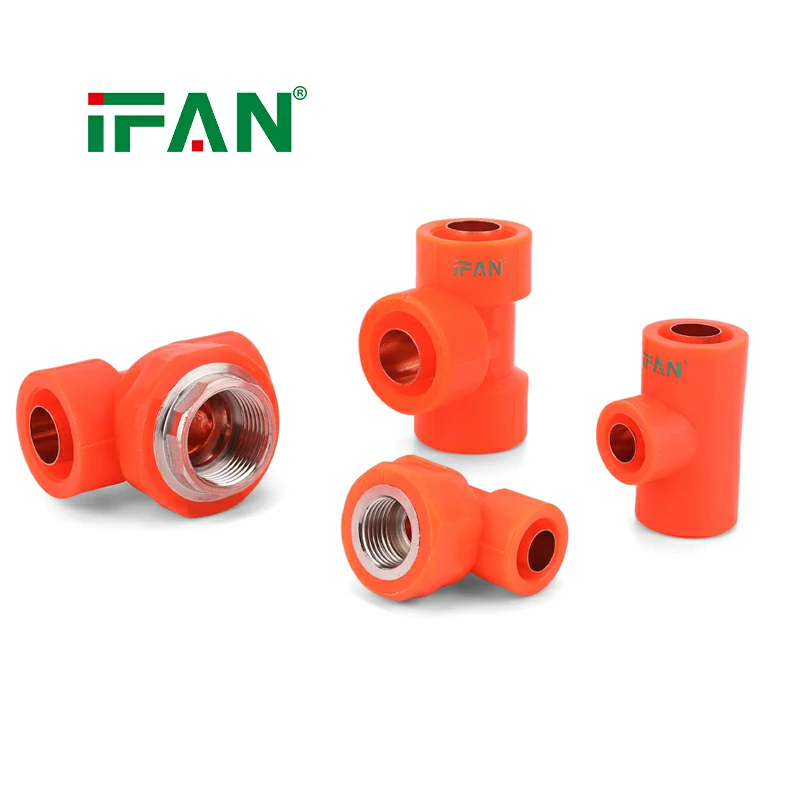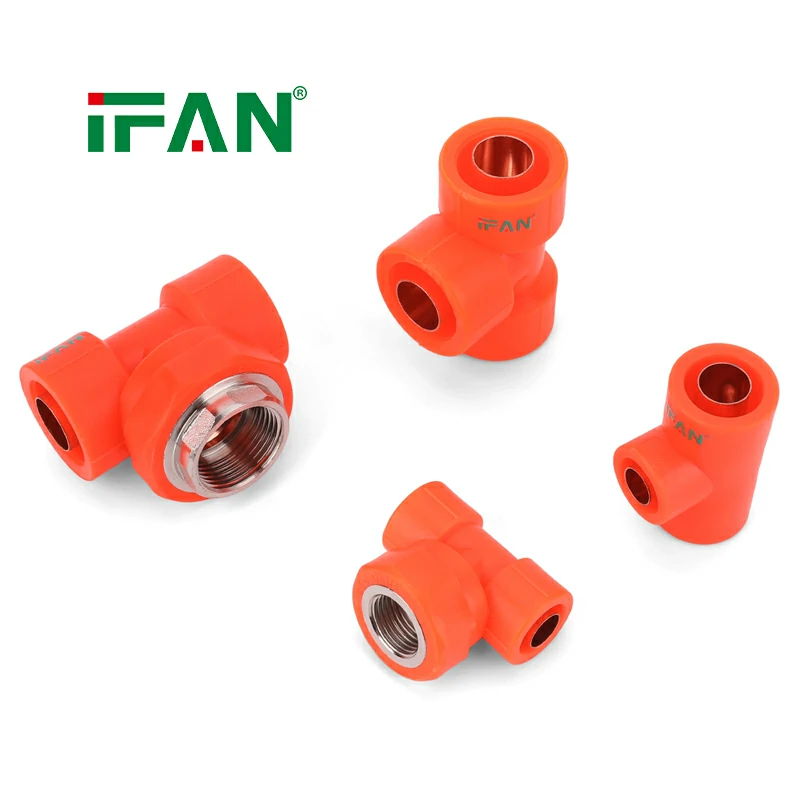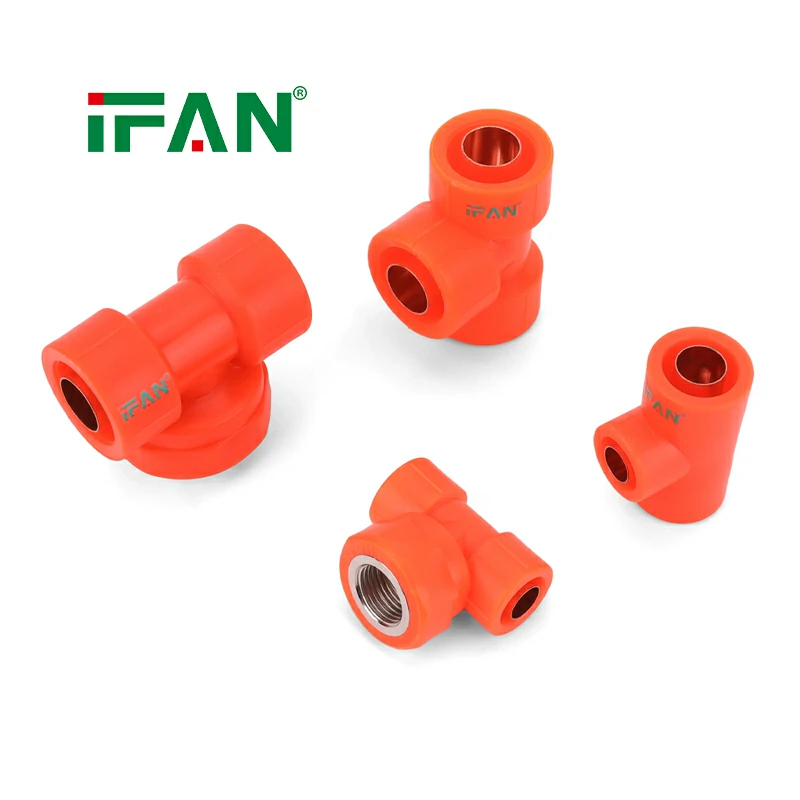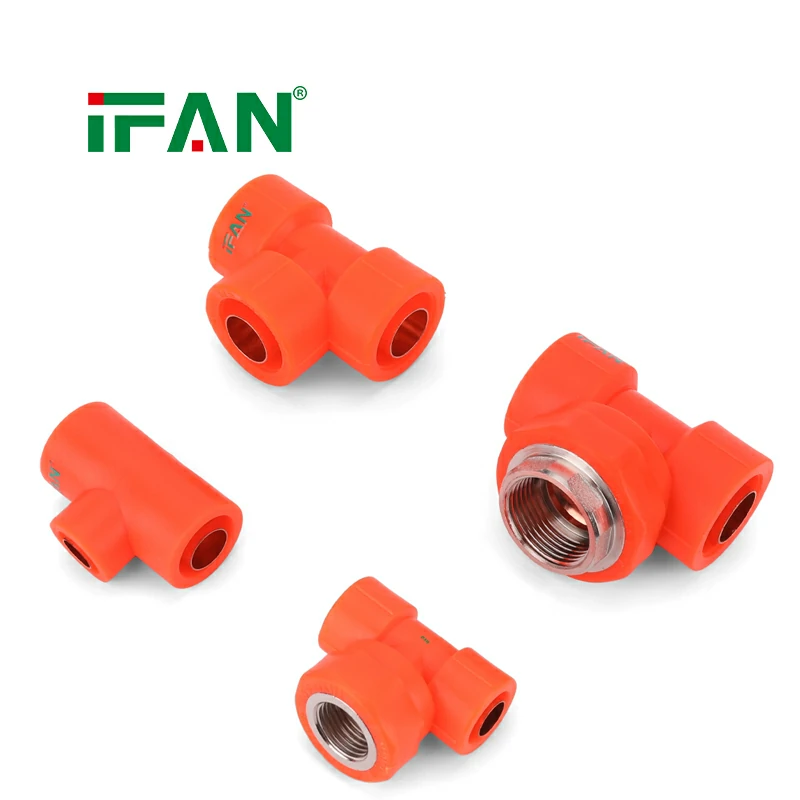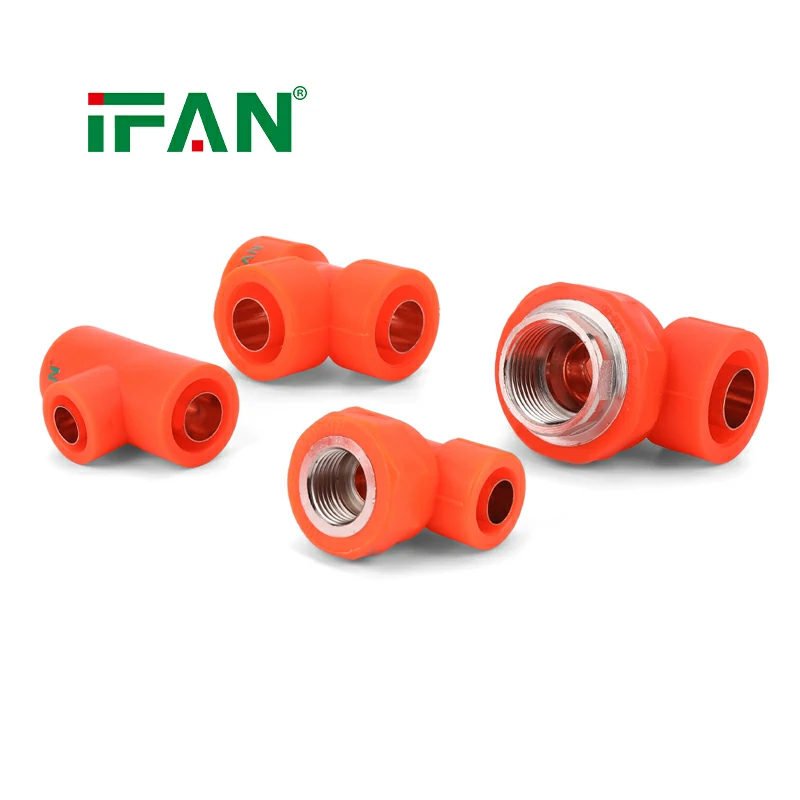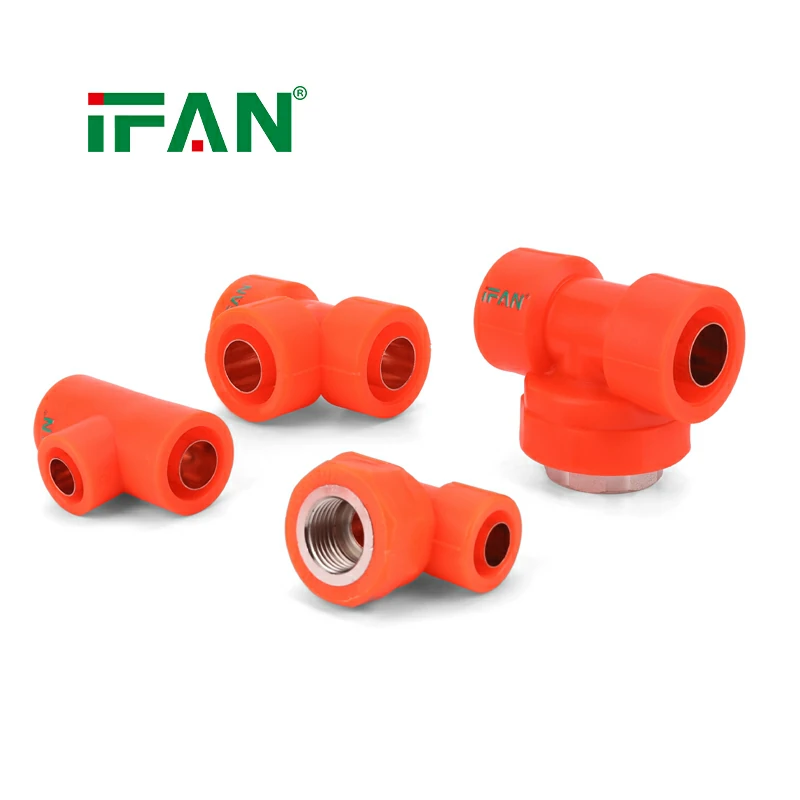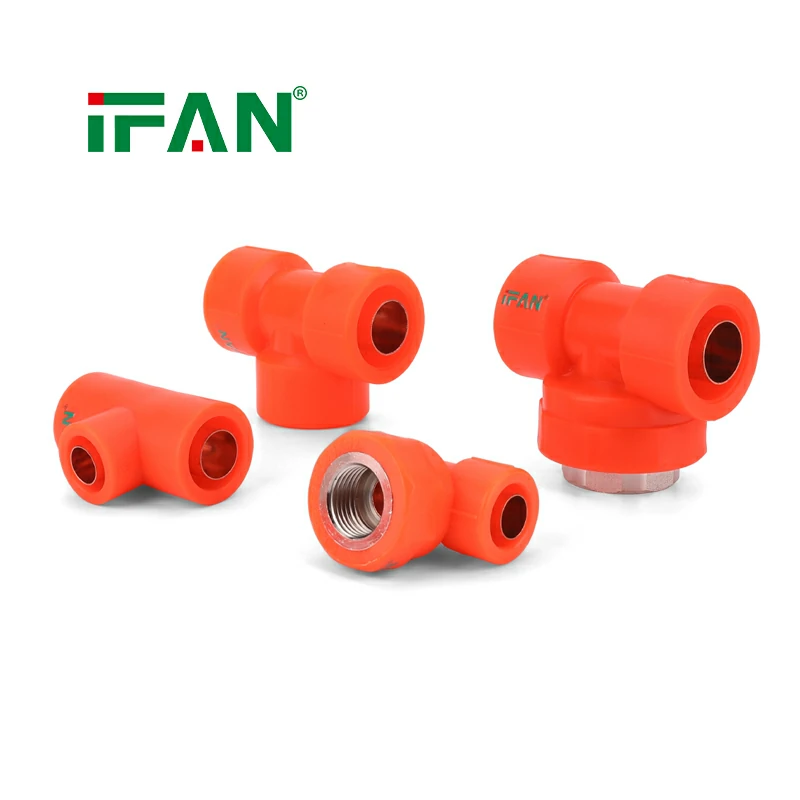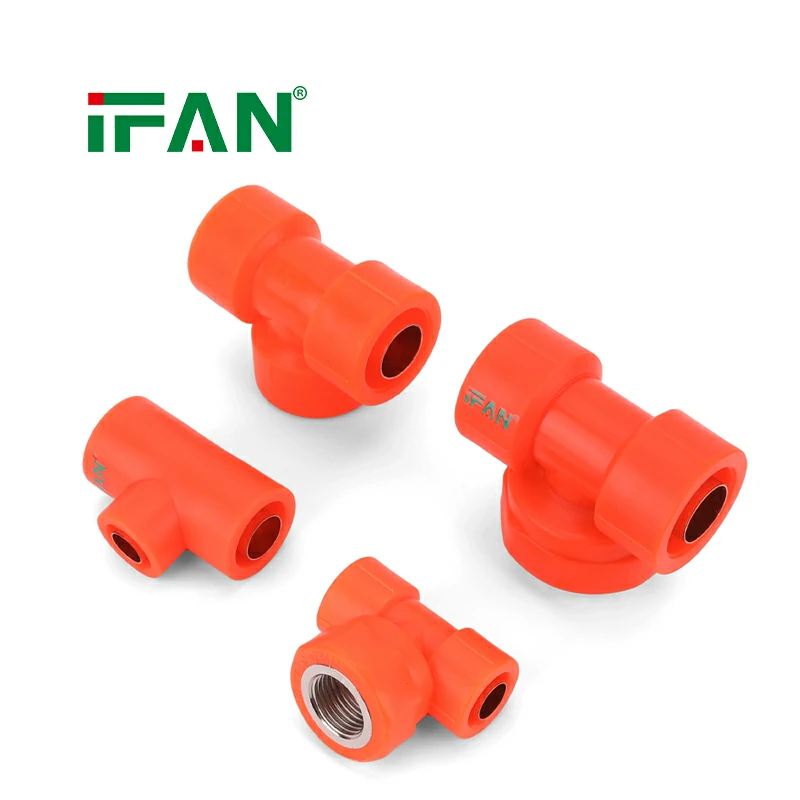
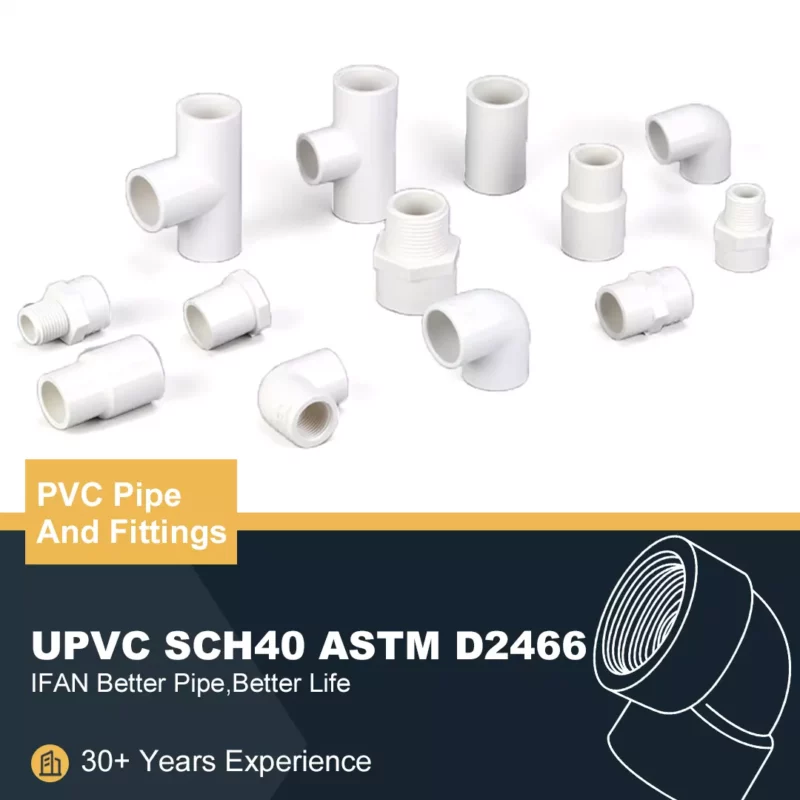
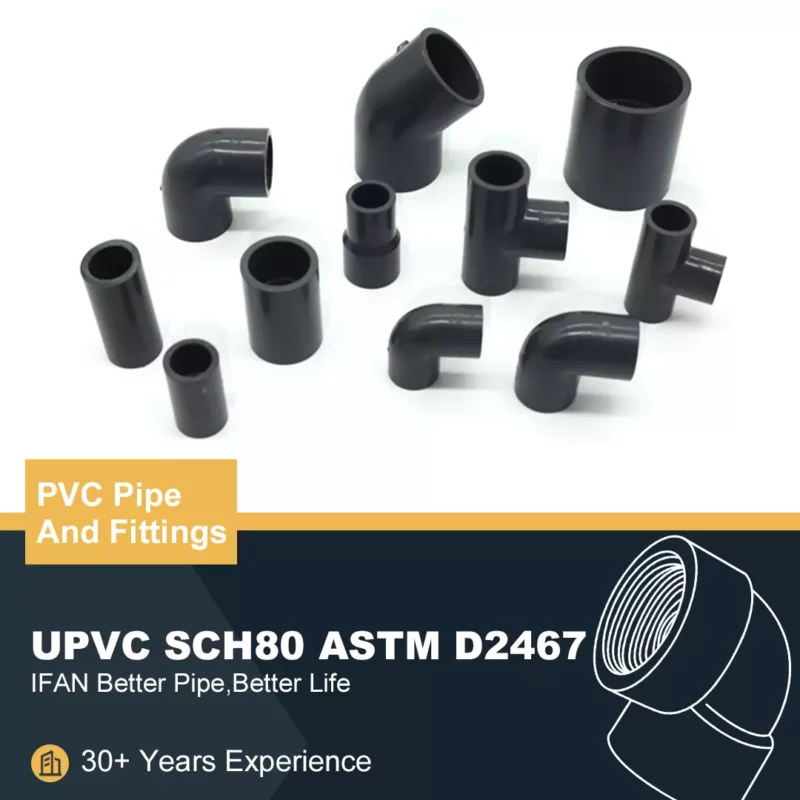
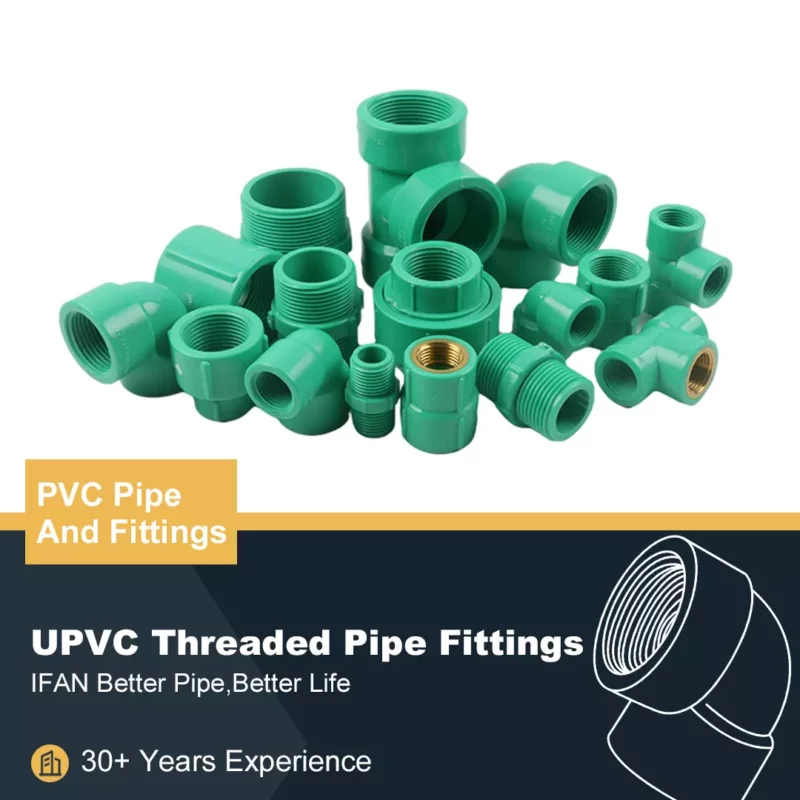
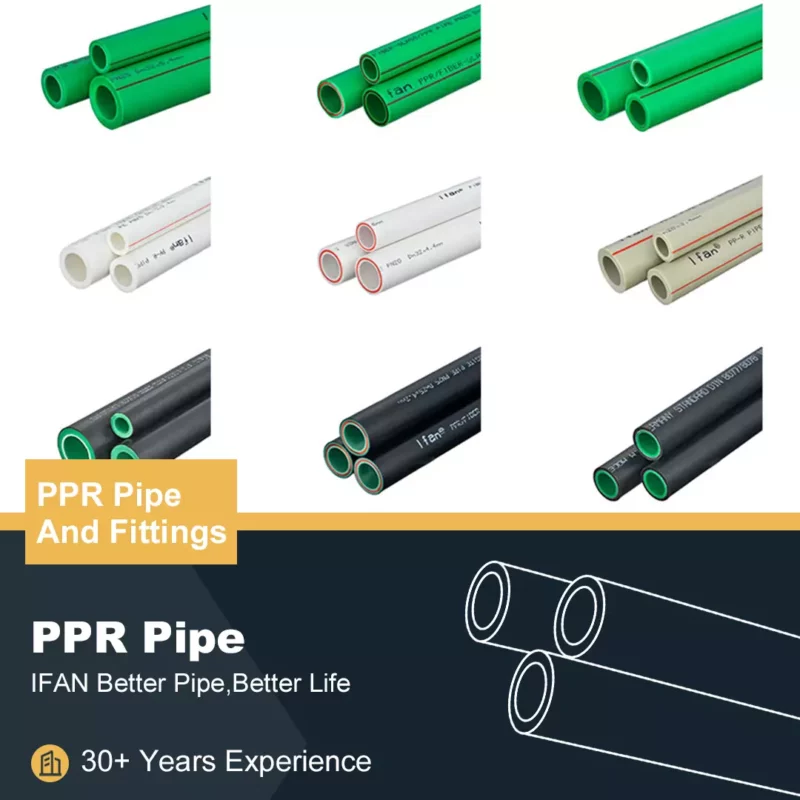

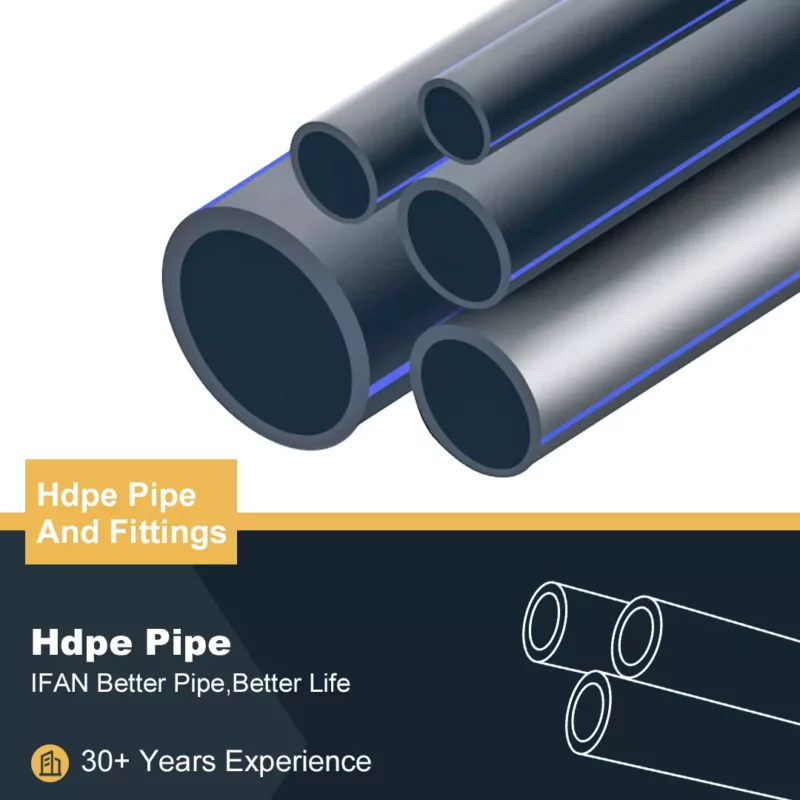
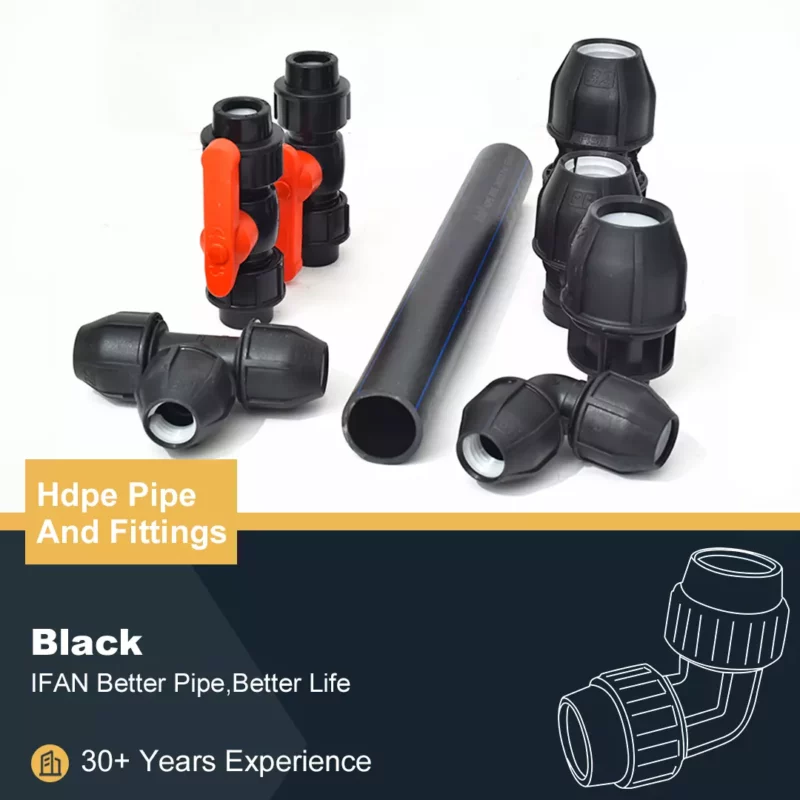
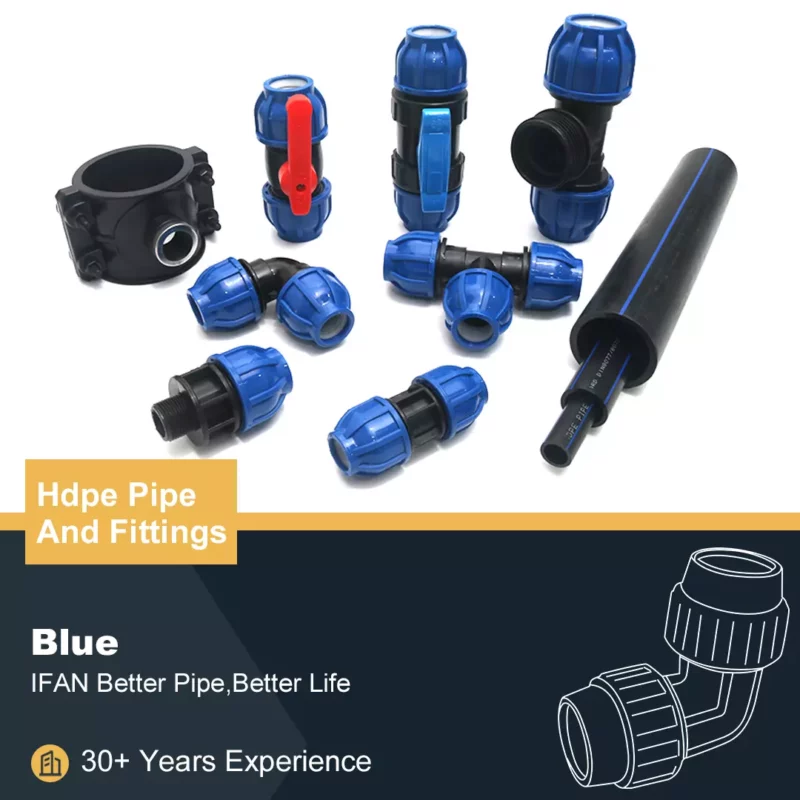
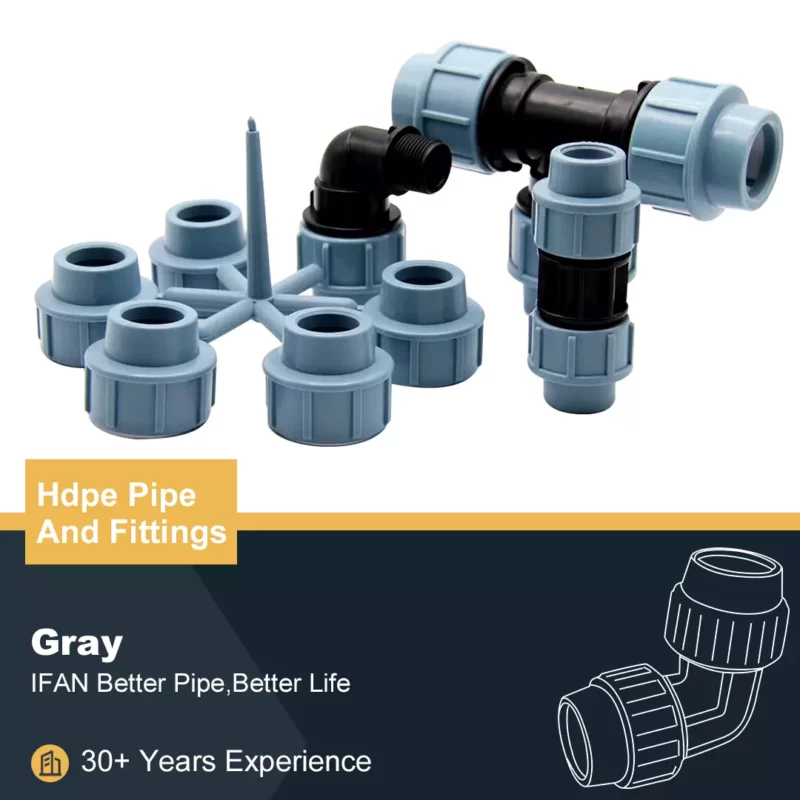




Polyvinyl chloride (PVC) pipes are commonly used in construction, plumbing, and various industrial applications. While many people may not associate PVC with eco-friendliness, it offers a number of environmental advantages. PVC pipes are durable, long-lasting, and recyclable, making them an environmentally conscious choice for many infrastructure projects. This article explores the eco-friendly benefits of using PVC pipes, focusing on their sustainability, recyclability, and the long-term environmental advantages they offer compared to other materials.
Durability and Longevity of PVC Pipes
One of the most significant eco-friendly advantages of PVC pipes is their durability and longevity. PVC pipes are known for their ability to withstand harsh weather conditions, pressure, and corrosion. Unlike metal or concrete pipes, PVC pipes do not degrade over time due to rust, corrosion, or chemical reactions with water.
The long lifespan of PVC pipes means that fewer replacements are needed over time, which reduces waste. This durability ensures that plumbing and water distribution systems remain functional for decades without the need for frequent repairs or replacements. As a result, fewer materials are consumed, and the overall environmental impact is minimized.
PVC Pipes Are Recyclable
PVC pipes are 100% recyclable, which is one of their most compelling eco-friendly features. At the end of their useful life, PVC pipes can be recycled and repurposed into new products, reducing the amount of waste that ends up in landfills. The recycling process involves grinding the old pipes into small particles that can be used to create new PVC products, reducing the need for raw materials.
Recycling PVC pipes not only conserves resources but also reduces energy consumption compared to producing new pipes from scratch. This makes PVC a sustainable material choice for long-term infrastructure projects, as it contributes to a circular economy where materials are reused rather than disposed of.
Reduction in Waste and Resource Consumption
PVC pipes contribute to the reduction of waste in construction and plumbing projects. Their long lifespan and resistance to wear and tear mean that fewer pipes need to be produced, shipped, and disposed of. Compared to materials like metal or concrete, which often need to be replaced or maintained more frequently, PVC reduces the amount of waste generated by infrastructure projects.
Furthermore, the manufacturing process of PVC pipe consumes fewer resources and energy than other pipe materials. PVC production requires less raw material and less energy to create pipes of comparable strength and durability, which ultimately reduces the environmental impact of the construction process.
Lower Carbon Footprint of PVC Production
The production of PVC pipe has a lower carbon footprint compared to other materials like metal or concrete. The manufacturing process for PVC pipe involves fewer energy-intensive steps, meaning less greenhouse gas emissions are produced. Additionally, the raw materials for PVC are abundant and relatively inexpensive, which reduces the overall environmental impact of sourcing and producing pipes.
Compared to the production of metal pipes, which requires mining, refining, and significant energy use, PVC production is more efficient and less resource-intensive. By choosing PVC pipe for construction and plumbing, builders and homeowners can reduce the carbon footprint of their projects.
PVC Pipes Contribute to Water Conservation
Water conservation is an important environmental issue, especially in areas that experience droughts or water shortages. PVC pipes play a role in helping conserve water by providing efficient and leak-free transportation of water. Their smooth interior surfaces reduce friction and ensure that water flows easily without leaks or blockages.
Additionally, PVC pipe are often used in irrigation systems, where efficient water delivery is essential. By using PVC pipe, farmers and landscapers can ensure that water is transported directly to the areas where it is needed, minimizing waste and improving the overall effectiveness of irrigation systems.
Energy Efficiency in Water Transport
In addition to their water-conserving qualities, PVC pipe also help improve energy efficiency. Because PVC pipe have a smooth interior surface, water and other fluids flow through them with minimal resistance. This reduces the energy required to pump water through pipes, making water distribution systems more energy-efficient.
In comparison to metal pipes, which often have rougher interiors that cause friction and reduce flow efficiency, PVC pipes offer superior performance. By reducing the energy needed for water transport, PVC pipe contribute to more sustainable and energy-efficient infrastructure systems.
Lightweight and Reduced Transportation Impact
PVC pipes are lightweight compared to alternatives like concrete and metal pipes. This makes them easier to transport, handle, and install. Because they are lighter, PVC pipes require less fuel to transport to job sites, which reduces the carbon emissions associated with their delivery.
The lightweight nature of PVC also means that it requires less labor and equipment for installation. This reduction in resource consumption during the installation process further enhances the overall sustainability of PVC pipe, making them an environmentally friendly option in both residential and commercial applications.
Non-Toxic and Safe for Drinking Water
Another important eco-friendly advantage of PVC pipe is that they are non-toxic and safe for drinking water systems. PVC pipes do not leach harmful chemicals into the water, ensuring that the water remains clean and safe for consumption. This is especially important in residential plumbing, where potable water systems must adhere to strict health and safety standards.
PVC pipe are approved by regulatory agencies such as the U.S. Environmental Protection Agency (EPA) and the National Sanitation Foundation (NSF) for use in drinking water applications. This ensures that the pipes are safe and contribute to maintaining clean water supplies without contamination.
Minimal Maintenance Requirements
PVC pipe require minimal maintenance over their lifetime, which is another eco-friendly benefit. Because PVC is resistant to corrosion and wear, it does not require frequent repairs or replacements. This reduces the demand for new materials and the resources needed to maintain a plumbing or water distribution system.
In comparison to metal pipes, which may require regular inspections and maintenance to prevent rust or leaks, PVC pipes save both time and resources. By reducing the need for repairs and maintenance, PVC helps reduce the overall environmental impact of infrastructure projects.
Reduced Need for Chemical Treatments
PVC pipe do not require chemical treatments to prevent corrosion or degradation, unlike metal pipes that often need anti-corrosion coatings. This reduces the environmental impact of chemicals used in maintenance, which can sometimes leach into the soil or water supply. With PVC pipe, there is no need for these harmful chemicals, making them a safer and more environmentally responsible option.
This feature is particularly valuable in areas where chemical runoff can cause harm to local ecosystems. By eliminating the need for chemical treatments, PVC pipe help maintain cleaner, safer environments.
Contribution to Sustainable Construction Practices
Sustainability in construction is becoming increasingly important as the industry looks for ways to minimize its environmental impact. PVC pipes contribute to sustainable construction practices by offering a long-lasting, cost-effective, and recyclable solution for water transportation.
Their energy-efficient production, long lifespan, and recyclability help reduce the overall environmental footprint of construction projects. By choosing PVC pipe for plumbing and infrastructure needs, builders and homeowners can align their projects with eco-friendly building practices and contribute to a more sustainable future.
Conclusion
In conclusion, PVC pipe offer numerous eco-friendly advantages that make them an ideal choice for plumbing, irrigation, and other water transport applications. Their durability, recyclability, and low environmental impact during production and installation make them a sustainable solution for both residential and commercial projects.
PVC pipe contribute to water conservation, energy efficiency, and reduced waste, while their non-toxic and low-maintenance qualities further enhance their environmental benefits. As the world continues to focus on sustainability, PVC pipes provide an effective, long-term solution that aligns with eco-friendly building practices.
By selecting PVC pipe for infrastructure projects, builders, homeowners, and industries can help reduce their environmental impact while ensuring reliable, efficient, and safe water transportation systems.
If you have read this article and have any questions, please feel free to contact IFAN. Below is our contact information:
Whatsapp:+86 13373827623
Email:[email protected]