

In plumbing systems, selecting the right valve is essential to ensure reliable performance, efficiency, and longevity. One of the best choices for ease of installation and minimal maintenance is the PPR (Polypropylene Random Copolymer) ball valve. These valves are designed for simplicity, durability, and low maintenance requirements, making them ideal for residential, commercial, and industrial plumbing systems. This article discusses why PPR ball valves stand out for their ease of installation and maintenance, along with their advantages over traditional valve types.
What Are PPR Ball Valves?
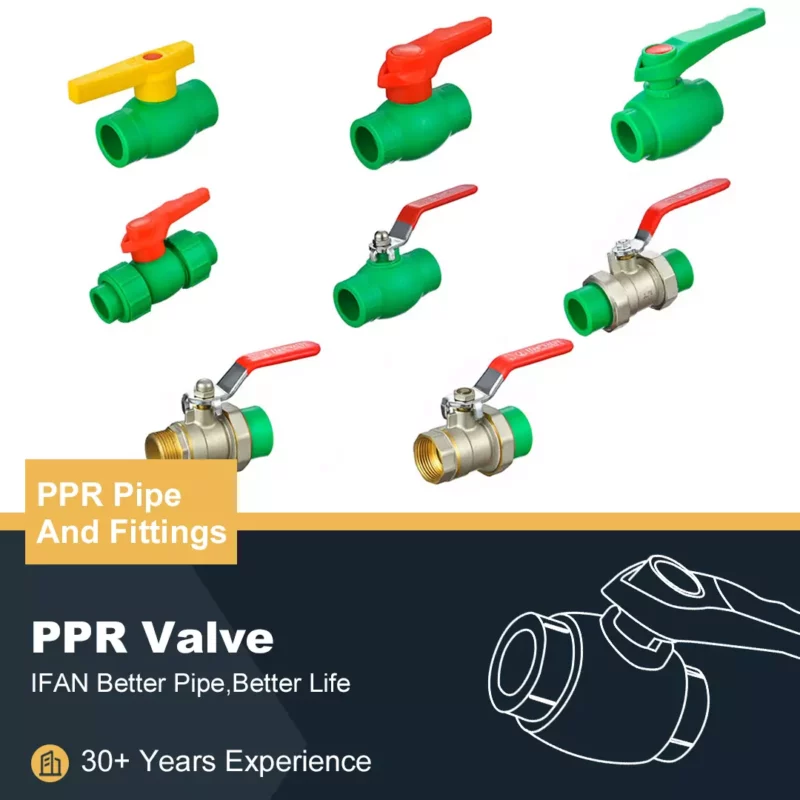
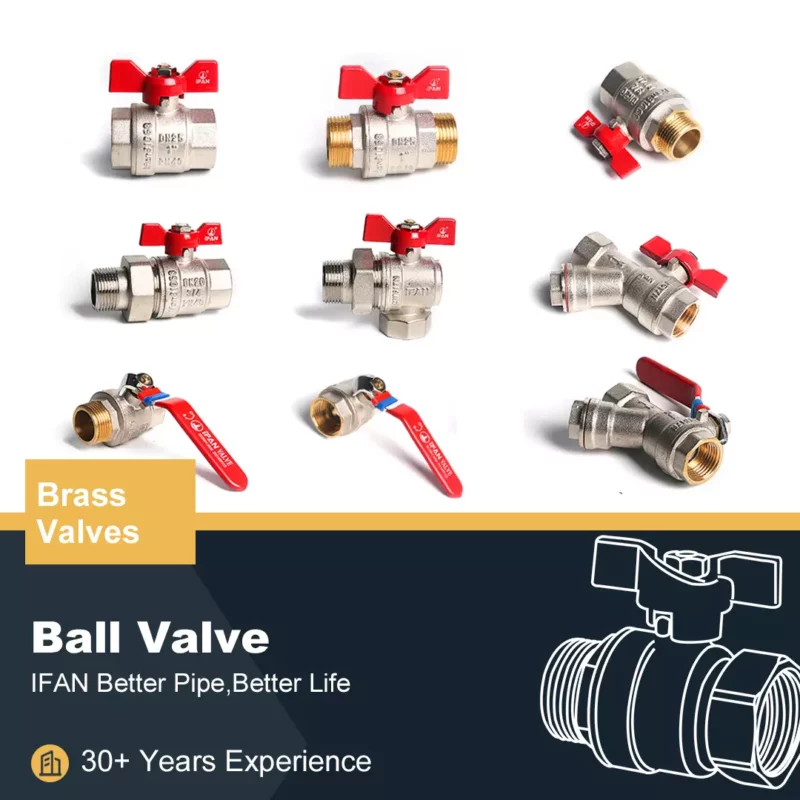
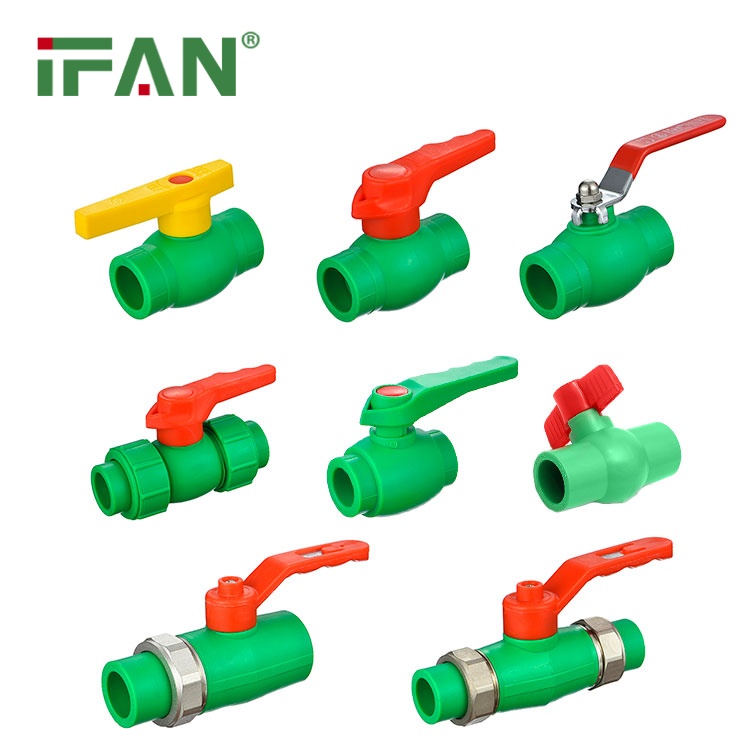
PPR ball valves are devices used to control the flow of water or other fluids in a piping system. They consist of a spherical ball with a hole in the center. When the valve handle is turned, the ball rotates, either allowing or blocking fluid flow. The material used for these valves is polypropylene random copolymer (PPR), known for its excellent resistance to chemicals, high temperatures, and pressures. Due to their robust construction, PPR ball valves are increasingly popular for both residential and industrial plumbing systems, offering a reliable solution for fluid control.
Simple Installation Process
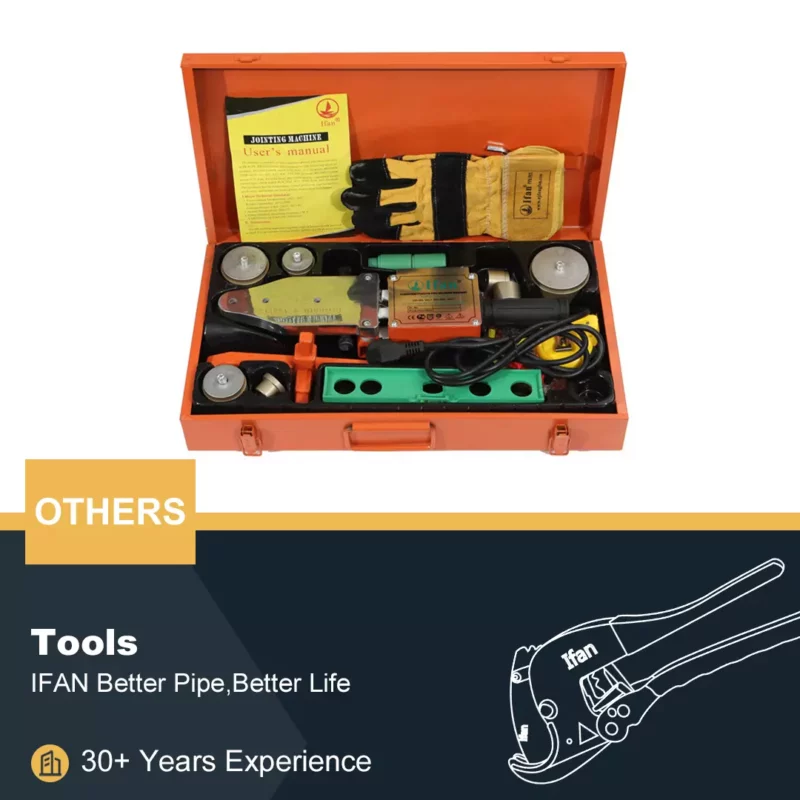
One of the main benefits of PPR ball valves is their easy installation. Traditional valves often require welding, threading, or complex fittings, which can be time-consuming and difficult. PPR ball valves, however, are installed using a process called fusion welding. This process involves heating the ends of the valve and the connected pipe until they melt and bond together. The result is a strong, leak-proof connection. Fusion welding is faster and simpler compared to threaded connections or other methods, reducing installation time and labor costs significantly.
Fusion Welding Benefits
Fusion welding is particularly advantageous in that it creates a durable, seamless joint. Unlike threaded connections, which may wear down over time and leak, fusion welding ensures a permanent and reliable bond. The absence of threads also eliminates the risk of corrosion, which is a common problem in metal fittings. Additionally, PPR ball valves do not require any special tools or expertise, making the installation process accessible for both professionals and DIY enthusiasts. This ease of installation is a key reason why PPR ball valves are preferred in many modern plumbing systems.
Reduced Risk of Leaks
One of the most common issues with traditional valves is leaks, often caused by worn-out threads or seals. PPR ball valves, on the other hand, significantly reduce the risk of leaks. The fusion welding process creates a solid, leak-proof bond, and there are no threaded connections to loosen over time. Furthermore, PPR material itself is resistant to corrosion and scale buildup, further minimizing the potential for leaks. This makes PPR ball valves a more reliable option for maintaining a leak-free plumbing system over the long term.
Minimal Maintenance Requirements
Another significant advantage of PPR ball valves is their minimal maintenance needs. PPR valves are highly resistant to corrosion, rust, and scale buildup, unlike metal valves, which can degrade over time. This corrosion resistance ensures that the valve remains operational for years without needing frequent inspections or maintenance. The smooth interior surface of PPR valves also prevents the buildup of debris and scale, which can cause blockages and restrict water flow. As a result, PPR ball valve typically require less maintenance, reducing the overall cost and time spent on plumbing upkeep.
Longevity and Durability
PPR ball valves are known for their durability and long lifespan. Unlike metal valves, which can corrode or weaken due to exposure to water, chemicals, or heat, PPR ball valve are made from a material that resists wear and tear. Polypropylene is non-corrosive, and it can withstand high temperatures and pressures without losing its integrity. This makes PPR ball valve a durable choice for both residential and industrial applications. Over time, the longevity of these valves reduces the need for repairs or replacements, further minimizing maintenance efforts and costs.
Resistant to Harsh Conditions
Industrial and commercial applications often require valves that can withstand harsh conditions, such as exposure to high temperatures, chemicals, or pressure. PPR ball valves are ideal for these environments, as they can handle water temperatures up to 95°C (203°F) and pressures of up to 25 bar. In addition, their resistance to chemicals ensures that they will not degrade when exposed to harsh substances, making them suitable for a wide range of industrial processes. This ability to withstand tough conditions without compromising performance further highlights their durability and minimal need for maintenance.
Improved System Efficiency
PPR ball valve contribute to improved system efficiency due to their smooth interior design. The ball inside the valve rotates with minimal resistance, allowing water or other fluids to flow freely through the system. In contrast, valves with rougher surfaces or complex internal components may create friction, causing pressure drops and reduced flow efficiency. The low-friction nature of PPR ball valve helps to maintain consistent water flow, improving overall system efficiency. Furthermore, because PPR valves are leak-proof and durable, they prevent issues like water loss or pressure fluctuations, contributing to the smooth operation of the entire system.
Cost-Effectiveness Over Time
While PPR ball valve may have a slightly higher upfront cost than traditional metal valves, their long-term cost-effectiveness is undeniable. Due to their durability and resistance to corrosion, PPR valves last longer than their metal counterparts, which can wear out and need frequent replacements. The reduced need for repairs, maintenance, and replacements makes PPR ball valve a cost-effective solution over time. Additionally, their ability to improve system efficiency and reduce water loss can lead to lower energy and water costs, further enhancing their value. Therefore, the initial investment in PPR ball valve is recouped through long-term savings.
Environmental Benefits
PPR ball valves are also an environmentally friendly choice. The material used in manufacturing PPR valves is recyclable, reducing their environmental impact. By opting for PPR valves, homeowners and businesses can contribute to sustainability efforts. Furthermore, the longer lifespan and reduced maintenance requirements of PPR valves help minimize waste generated from frequent replacements and repairs. Their efficient operation also prevents unnecessary water loss, contributing to water conservation. As industries and consumers increasingly focus on reducing their environmental footprint, PPR ball valve offer a sustainable solution for fluid control.
Versatility Across Applications
PPR ball valves are versatile and suitable for a wide range of applications. They are commonly used in residential plumbing systems to control the flow of water in pipelines, heating systems, and hot water installations. In commercial and industrial settings, PPR ball valves are used in water treatment plants, irrigation systems, and manufacturing processes. Their resistance to high temperatures, chemicals, and pressure makes them ideal for applications requiring precise fluid control. The flexibility and wide applicability of PPR ball valves further emphasize their value as an easy-to-install and low-maintenance solution for various fluid control needs.
Conclusion
In conclusion, PPR ball valves offer a range of benefits that make them an excellent choice for both residential and industrial plumbing systems. Their easy installation, minimal maintenance requirements, and long-lasting durability make them a reliable and cost-effective solution. The use of fusion welding for installation ensures leak-proof connections, while the corrosion-resistant properties of PPR material reduce the need for frequent repairs and replacements. PPR ball valves also contribute to system efficiency by providing smooth and reliable fluid control. Whether for household plumbing or complex industrial processes, PPR ball valves provide an efficient, sustainable, and low-maintenance option for controlling the flow of water and other fluids.
If you have read this article and have any questions, please feel free to contact IFAN. Below is our contact information:
Whatsapp:+86 13373827623
Email:[email protected]