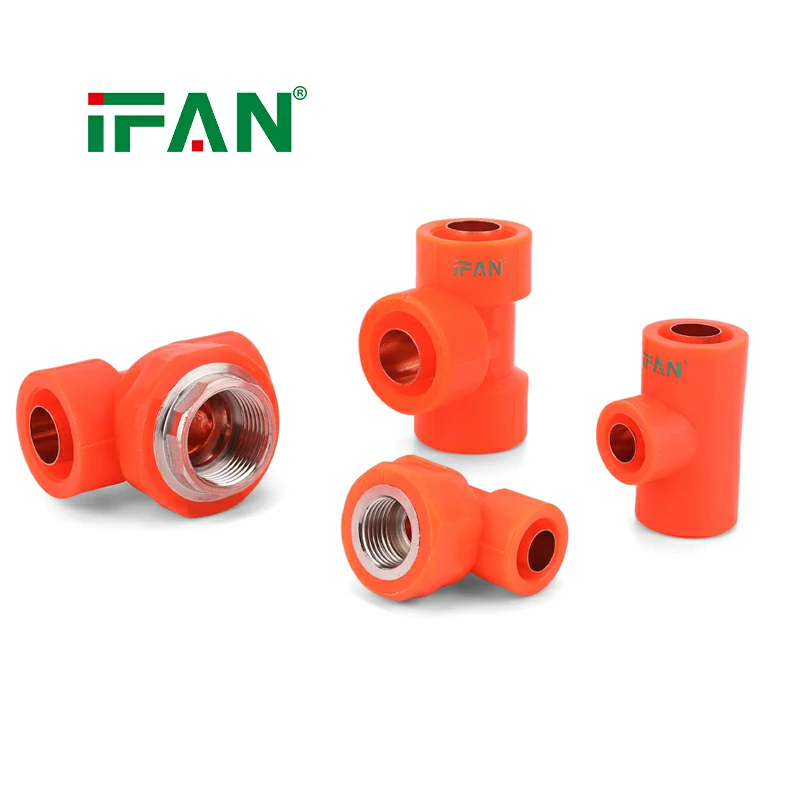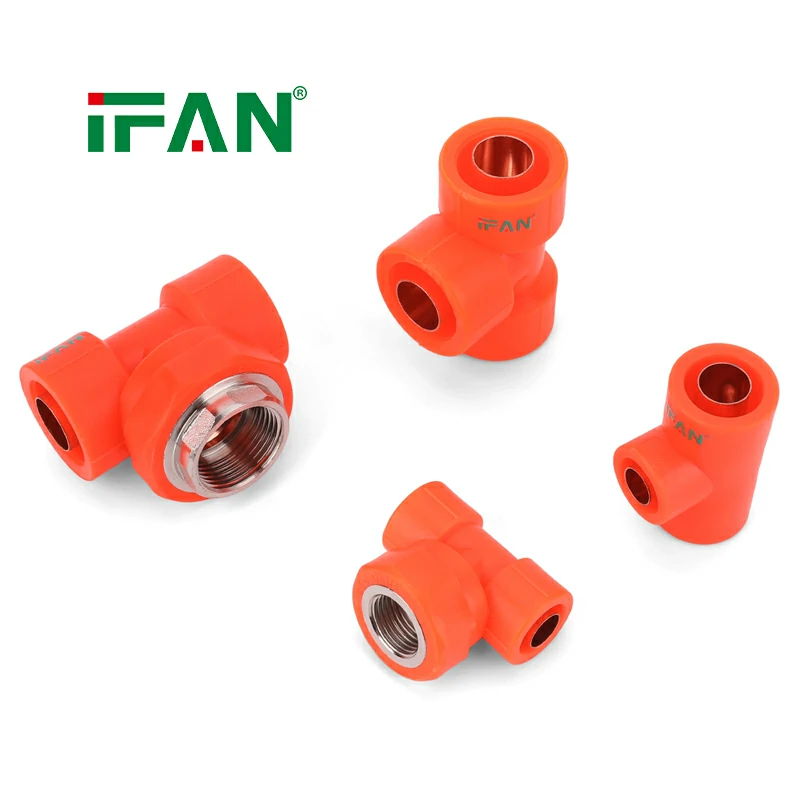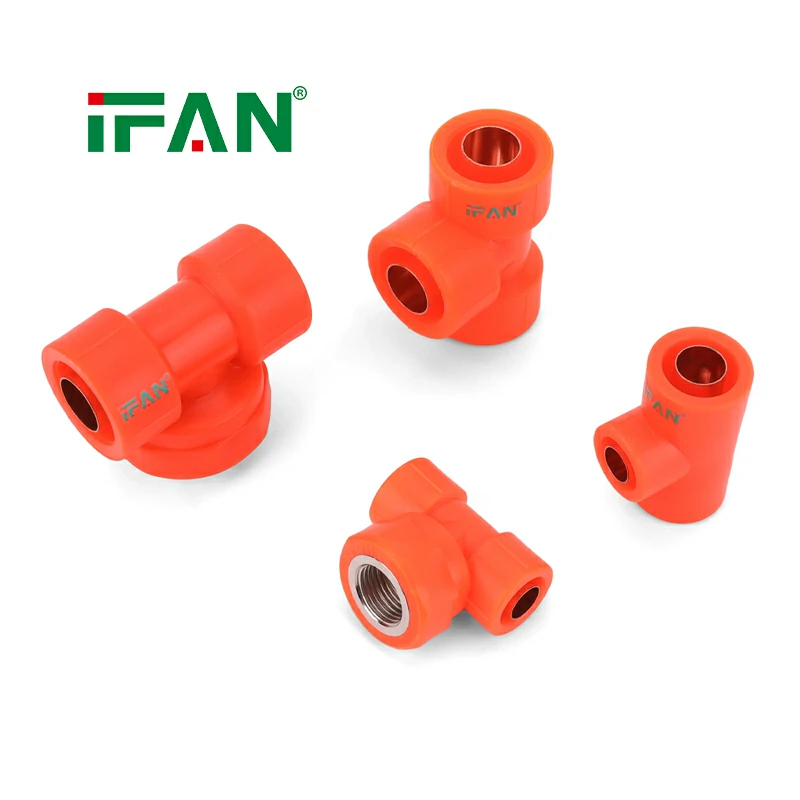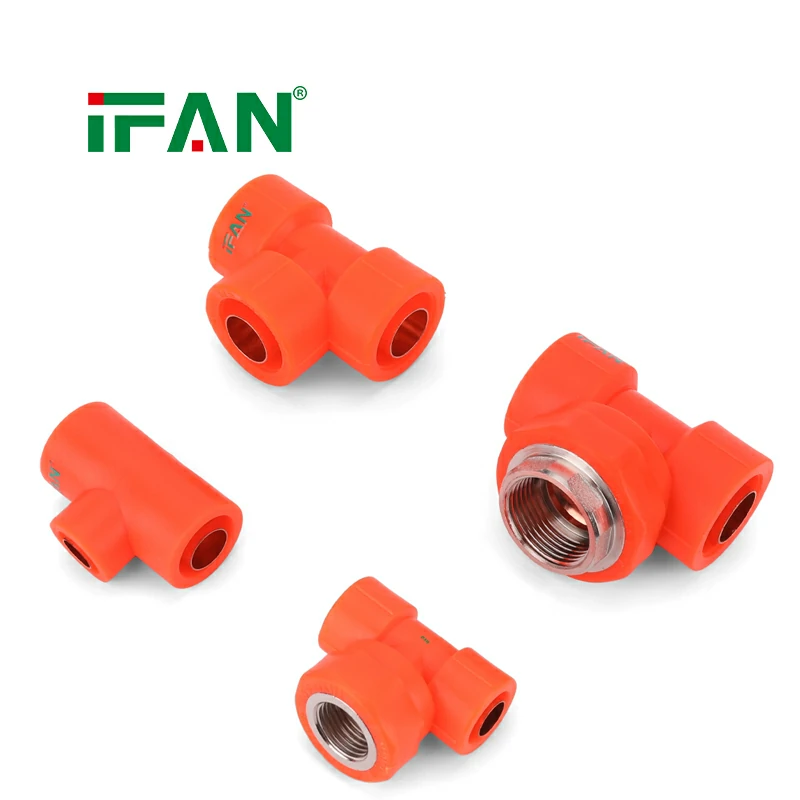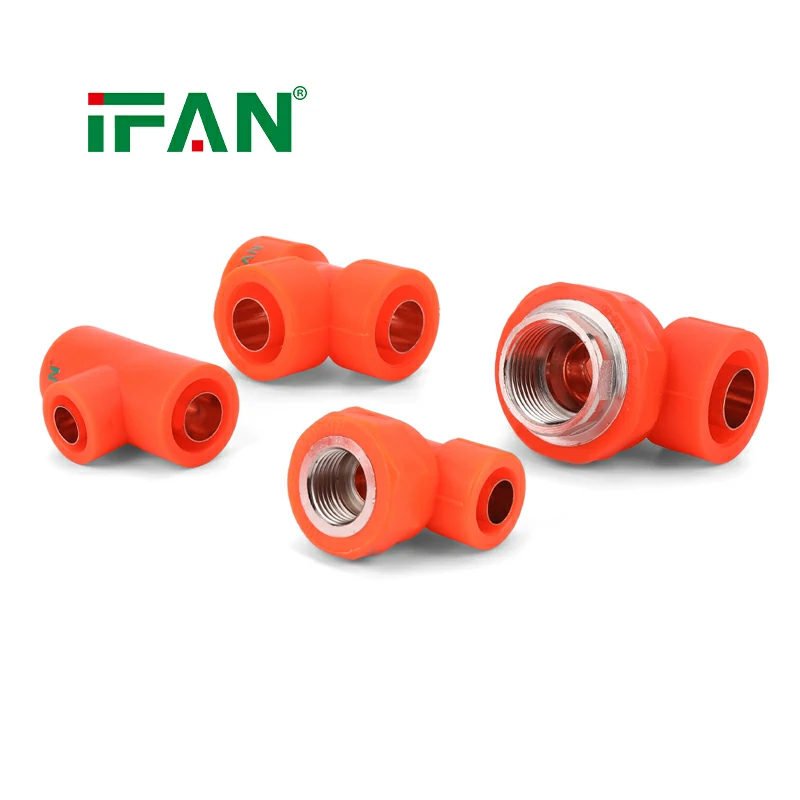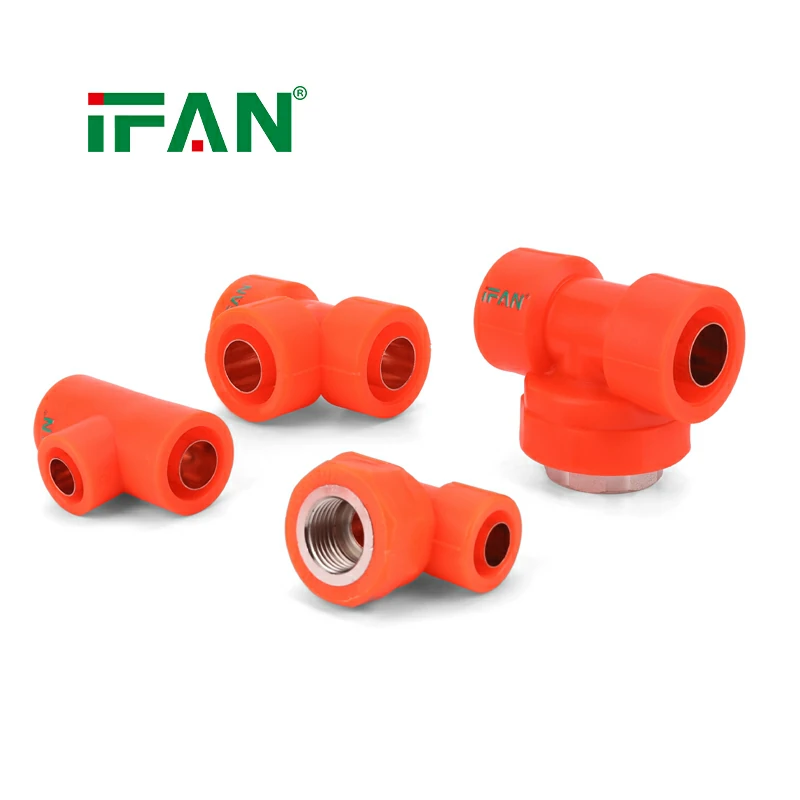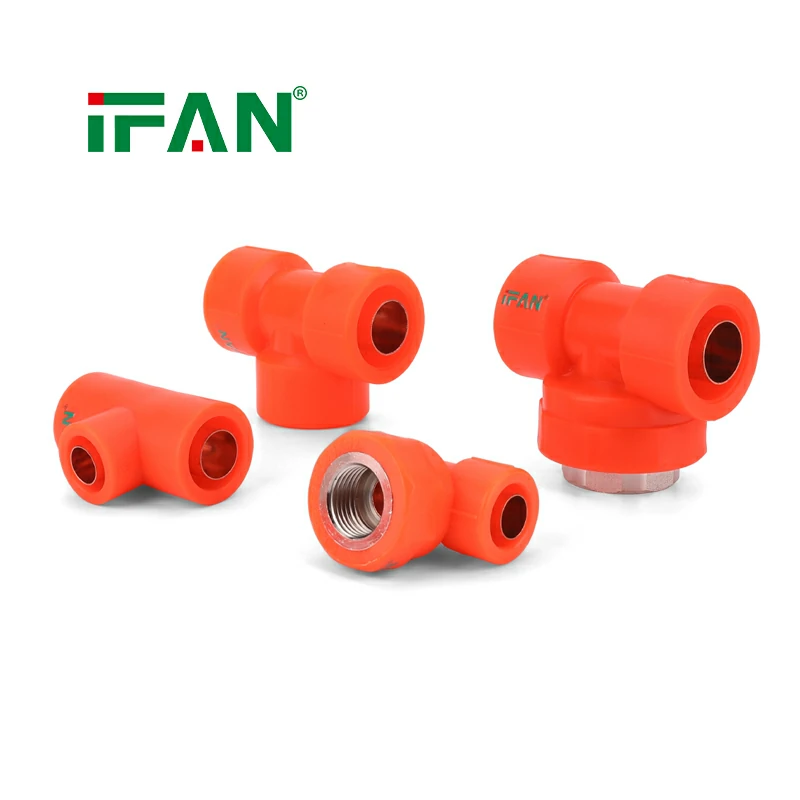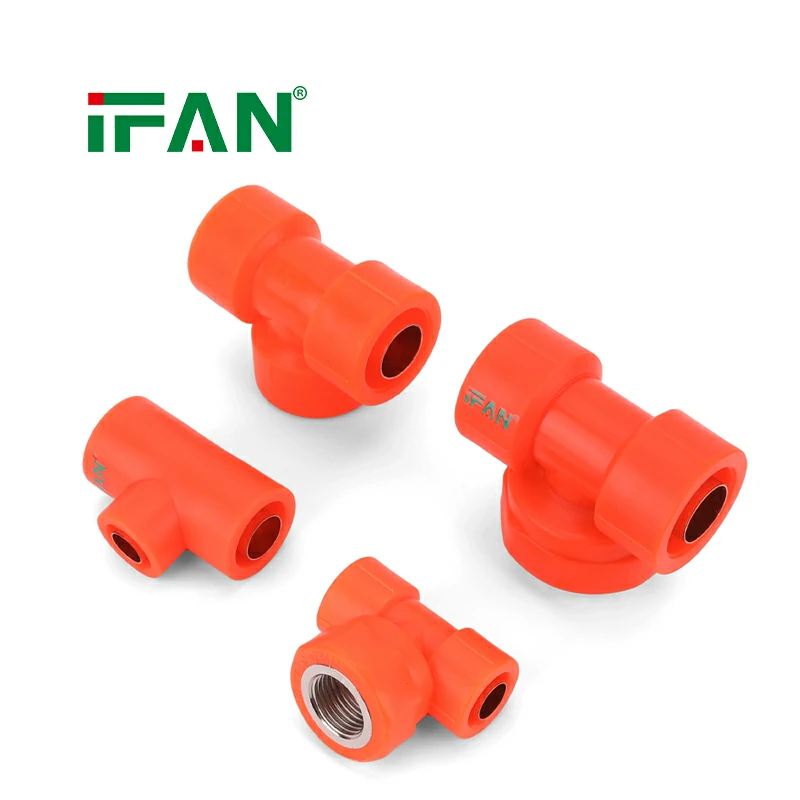
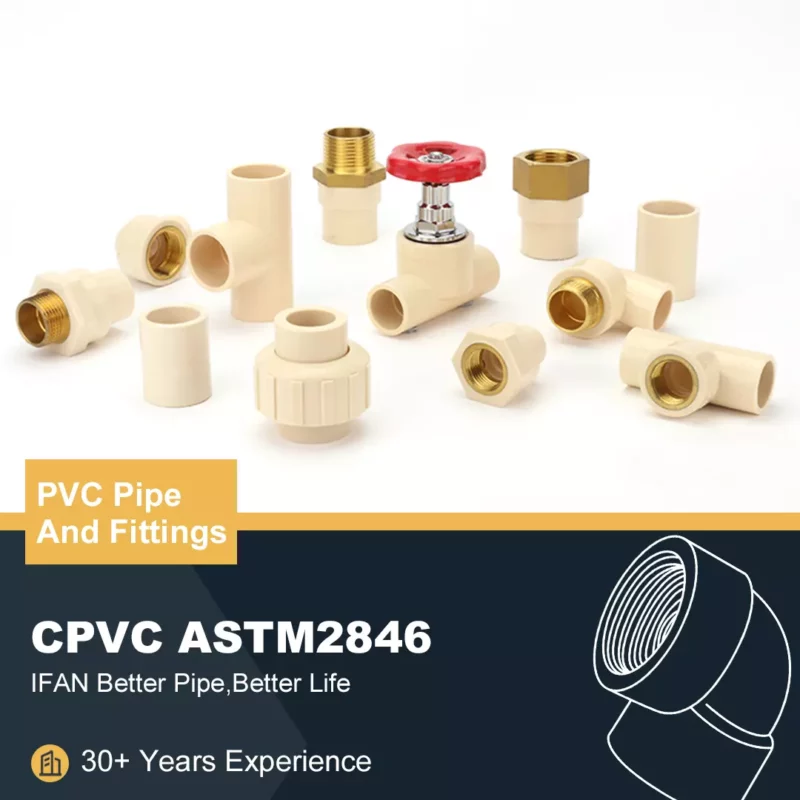
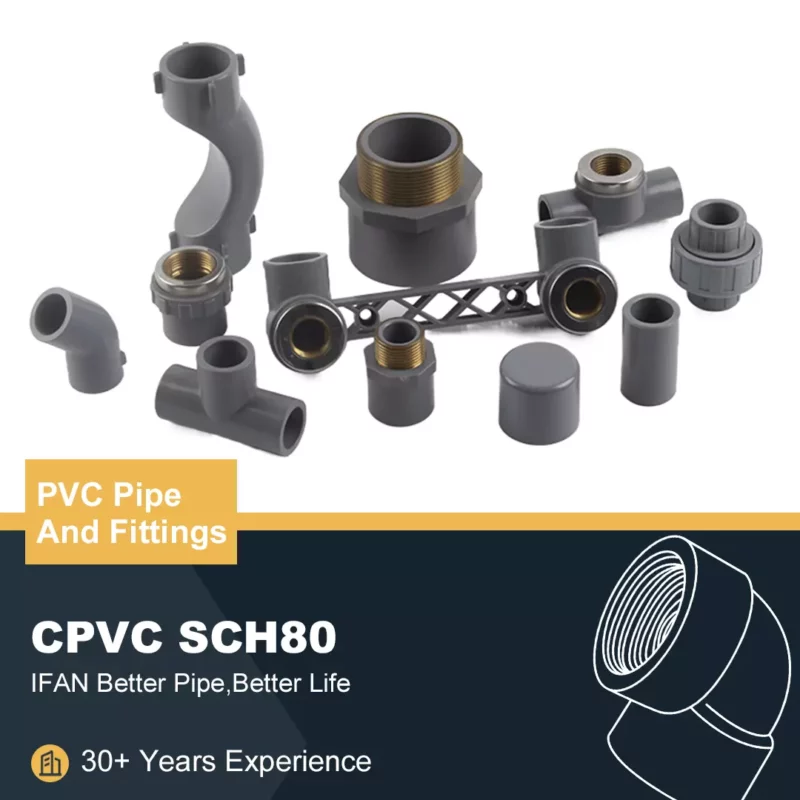
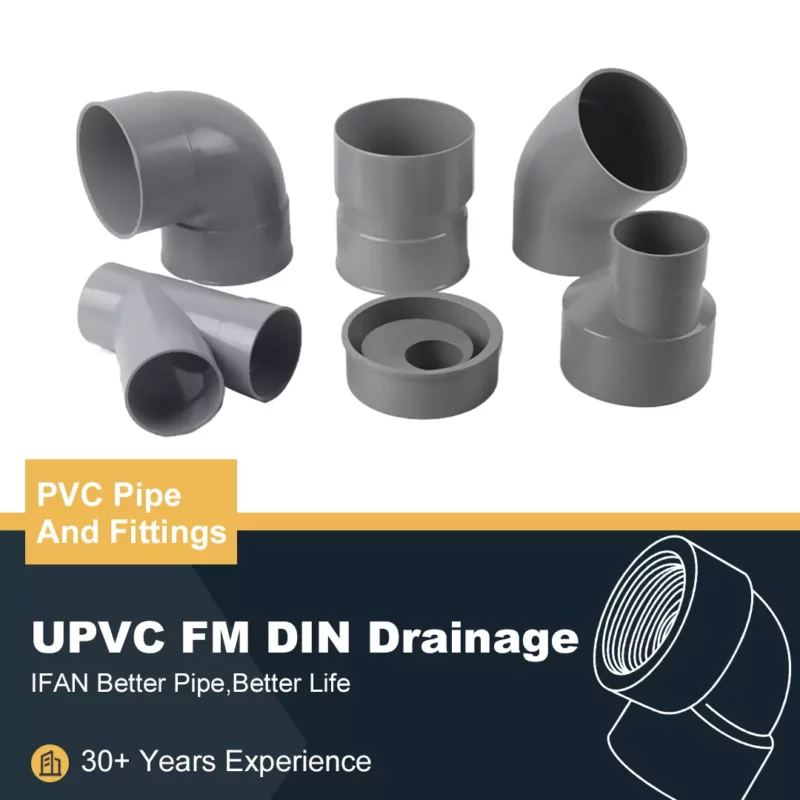
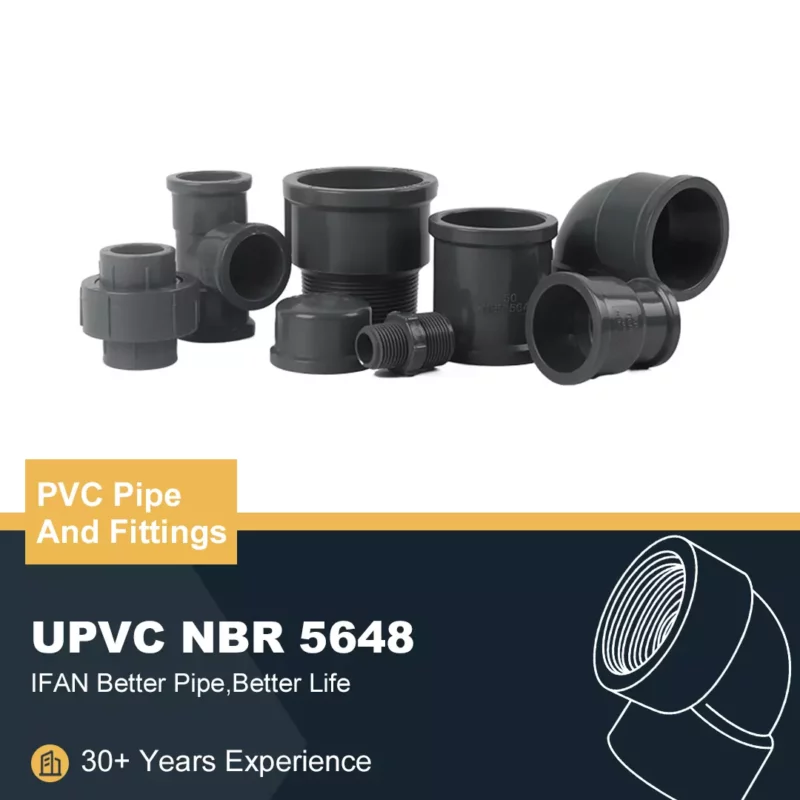
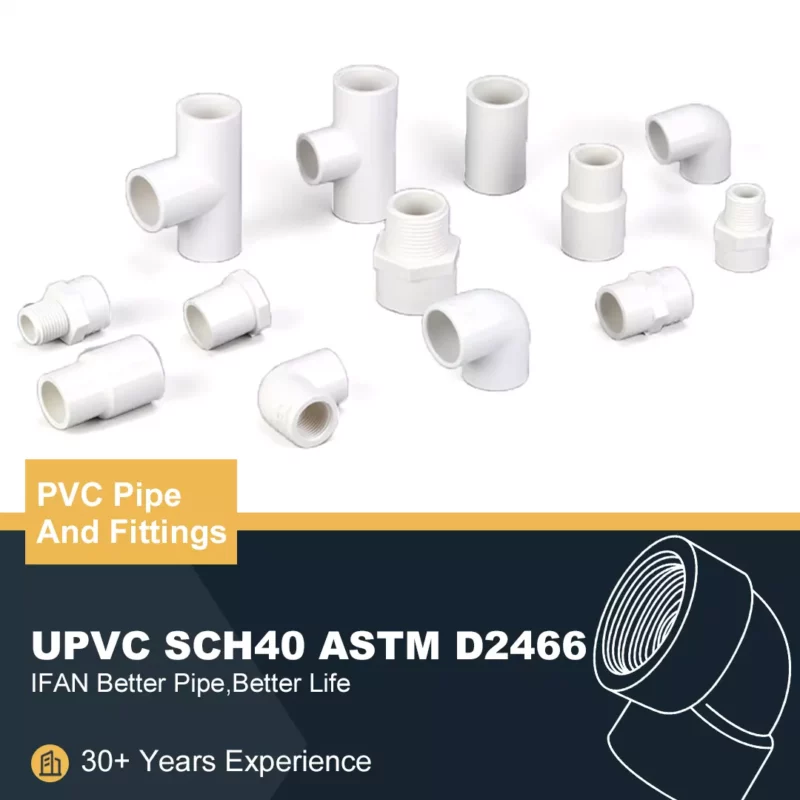
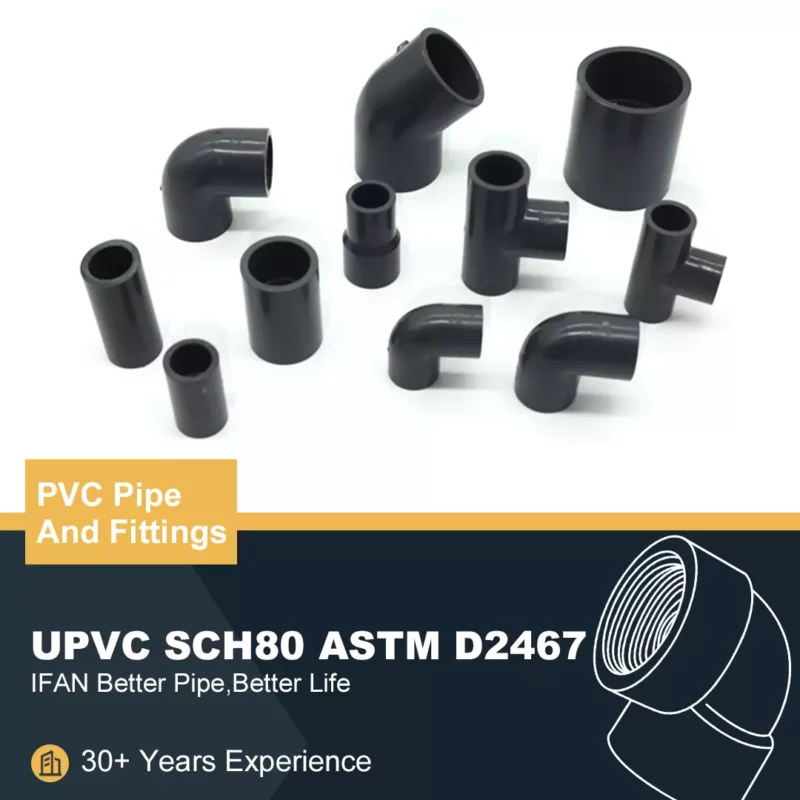
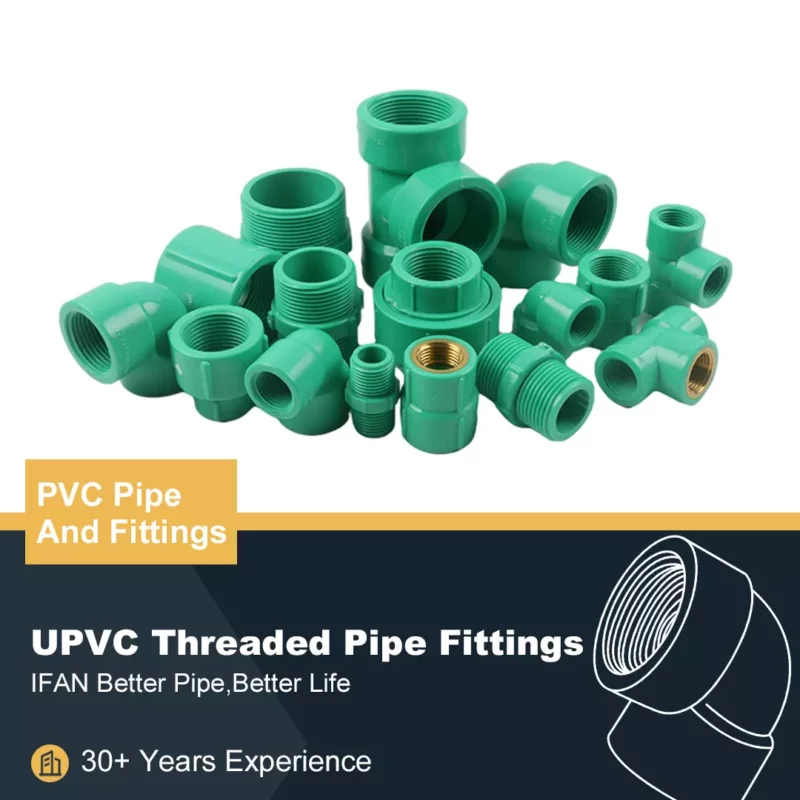
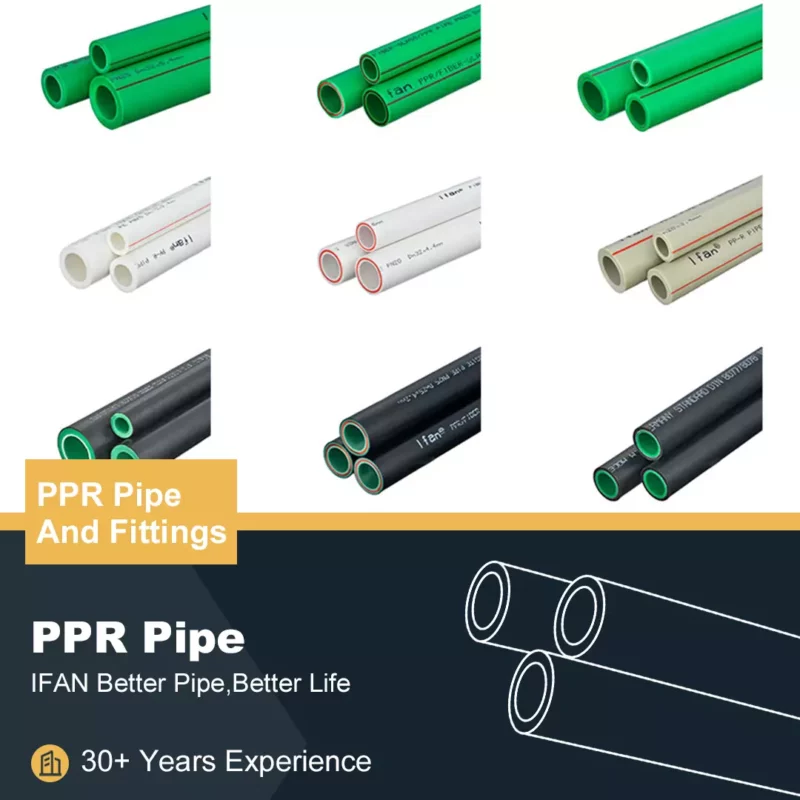
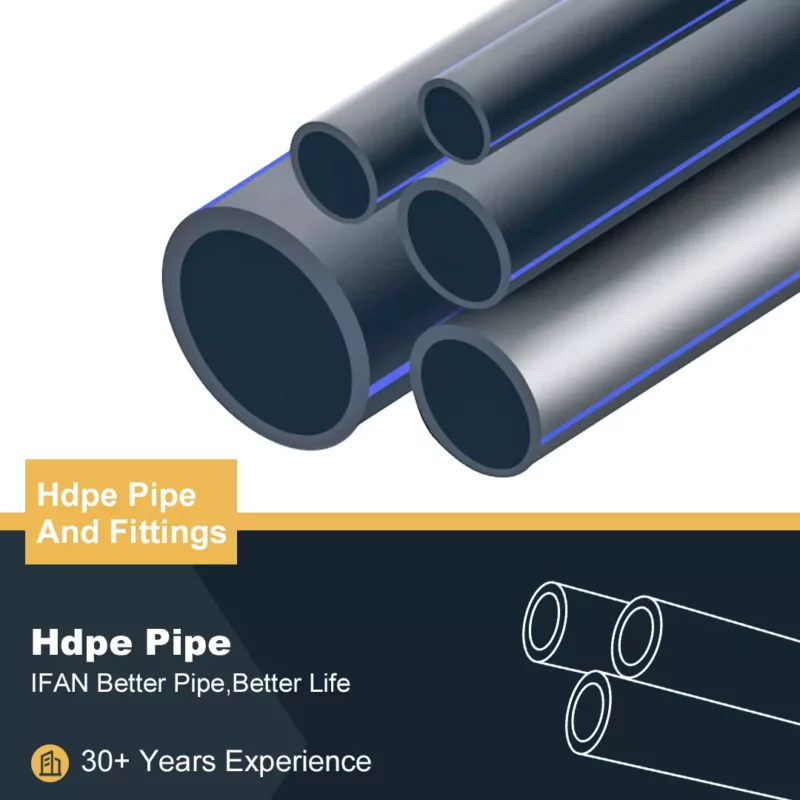
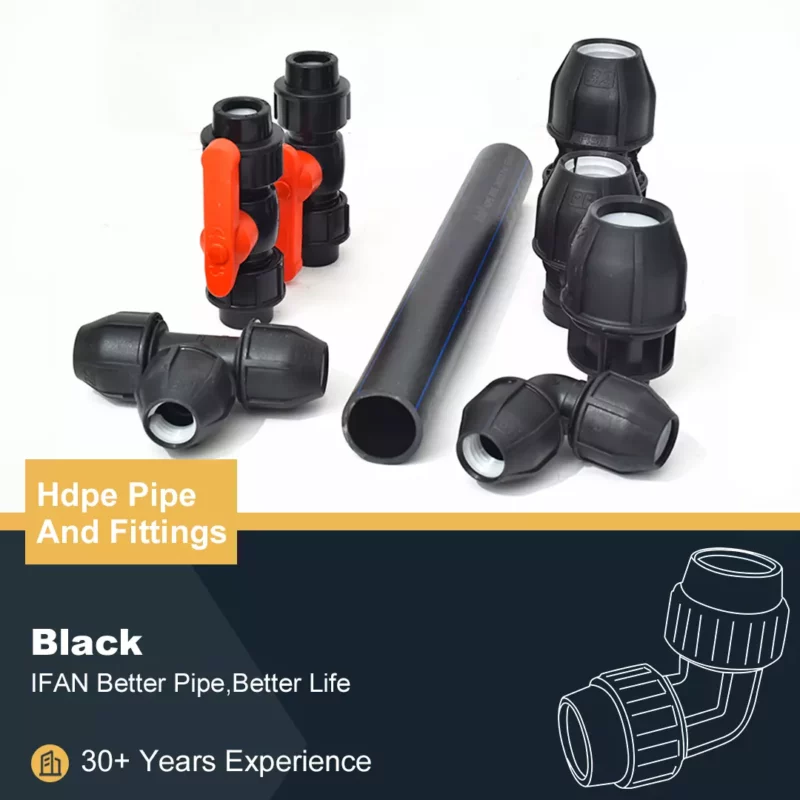
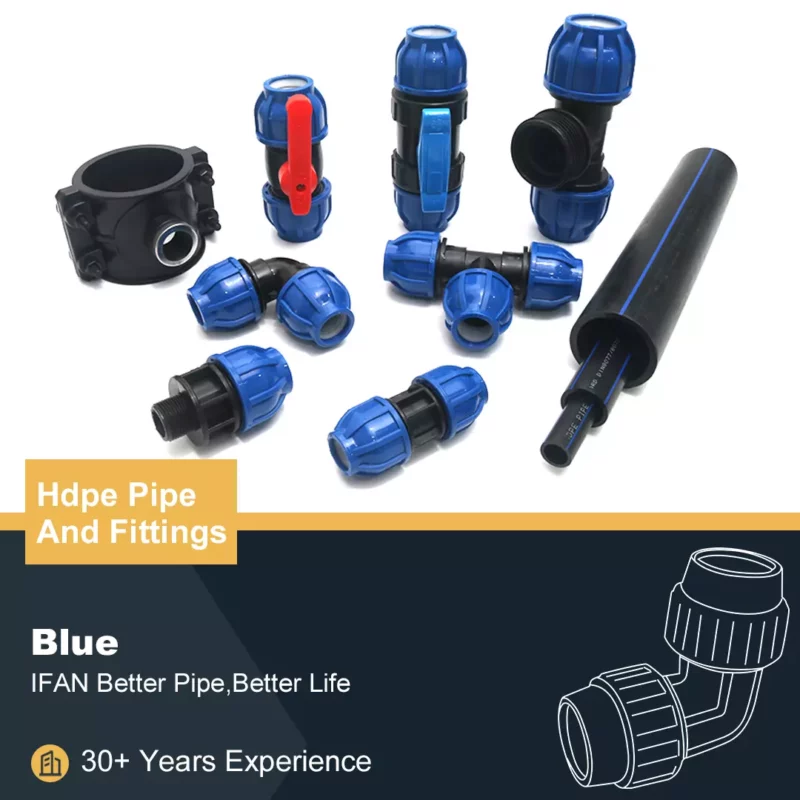
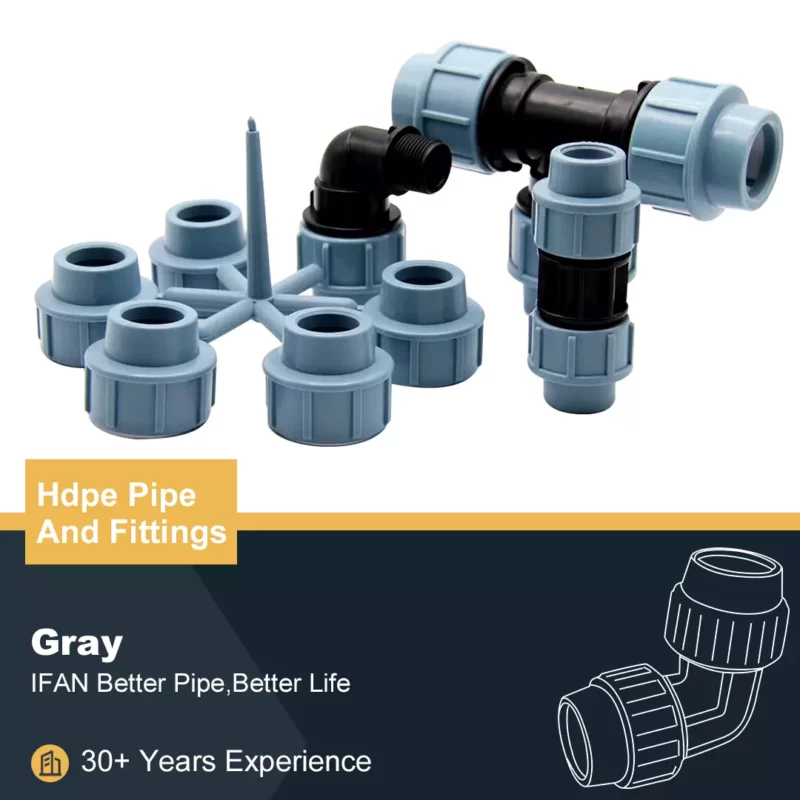



Polyvinyl chloride (PVC) pipes have become a go-to solution for residential plumbing projects. Known for their affordability, durability, and ease of installation, PVC pipes offer a wide range of advantages for homeowners and plumbers alike. This article explores why PVC pipes are an excellent choice for residential plumbing systems, highlighting their benefits, performance, and cost-effectiveness.
What Makes PVC Pipes Ideal for Residential Plumbing?
PVC pipes are made from a synthetic plastic polymer, offering a perfect blend of strength and flexibility. These pipes are lightweight, durable, and resistant to corrosion, making them an ideal choice for residential plumbing systems. Unlike metal pipes, which can rust over time, PVC pipes maintain their integrity for many years with minimal wear and tear.
Their smooth inner surface also helps water flow efficiently, reducing the chances of clogs or blockages. PVC pipes can be used for a variety of plumbing purposes, including water supply lines, drain systems, and vent systems. Their versatility and reliability make them the top choice for residential plumbing.
Affordability and Cost-Effectiveness
One of the primary reasons homeowners choose PVC pipe for plumbing is their affordability. PVC is relatively inexpensive compared to other materials like copper or steel. The manufacturing process for PVC pipe is simple and efficient, contributing to lower material costs. For homeowners working within a budget, PVC pipe offer an excellent way to reduce the overall cost of plumbing installations.
Beyond the initial installation, PVC pipe continue to be cost-effective throughout their lifetime. The pipes are durable, requiring little maintenance and fewer repairs than other materials, further reducing long-term costs. PVC’s cost-effectiveness makes it an ideal option for both small and large residential plumbing projects.
Durability and Longevity
Durability is a key feature of PVC pipe, making them an excellent long-term investment for homeowners. Unlike metal pipes, which are prone to corrosion, PVC pipe are resistant to rust and degradation caused by water or moisture. This corrosion resistance ensures that PVC pipes maintain their strength and integrity, even in humid or wet environments.
PVC pipe can also withstand high pressure without cracking, ensuring reliable water flow for many years. The long lifespan of PVC pipes means that homeowners do not have to worry about frequent replacements or repairs. This durability makes PVC pipes a practical choice for plumbing systems in both new homes and renovations.
Resistance to Corrosion and Chemicals
PVC pipe are highly resistant to corrosion, which is a common issue for metal pipe. Over time, metal pipes can rust when exposed to water and other environmental factors, leading to leaks, blockages, and system failure. PVC pipe, on the other hand, remain unaffected by water and do not corrode, ensuring that they last much longer than their metal counterparts.
In addition to water, PVC pipe are also resistant to many chemicals that can be present in household plumbing systems. Common cleaning agents, detergents, and other substances used in plumbing do not degrade PVC pipe, ensuring that they continue to function effectively without any loss of performance.
Easy Installation Process
PVC pipe are incredibly easy to install, making them an attractive choice for both professional plumbers and DIY homeowners. The pipes are lightweight, making them easy to handle and transport. This reduces the amount of labor needed during installation, which can help lower the overall cost of the plumbing project.
Additionally, the installation process for PVC pipe is straightforward. They can be joined using a special solvent cement, which creates a strong, leak-proof bond between the pipe sections. PVC pipe are also easily cut to size with simple tools, making the installation process even more convenient. Whether installing a new plumbing system or replacing old pipes, PVC offers a hassle-free solution.
Low Maintenance Requirements
PVC pipes require minimal maintenance after installation, which is a significant benefit for homeowners. Unlike metal pipes, which may need to be cleaned or treated to prevent corrosion, PVC pipe remain intact and free from buildup. The smooth interior surface of PVC pipes helps prevent the accumulation of debris, reducing the chances of blockages or clogs in the plumbing system.
Furthermore, because PVC pipe do not corrode or degrade, they do not require frequent inspections or repairs. This low-maintenance feature is particularly appealing to homeowners who want a reliable plumbing system without the hassle of constant upkeep.
Lightweight and Manageable
Another advantage of PVC pipe is their lightweight nature. PVC pipe are much lighter than metal or copper pipe, making them easier to handle and install. The reduced weight also makes it easier to transport the pipes to the construction site, reducing labor costs and making the installation process faster.
This lightweight characteristic is especially beneficial in residential plumbing projects where many pipes need to be installed in a relatively short period. The ease of handling and transport allows plumbers to complete jobs quickly and efficiently, ensuring that plumbing systems are up and running in no time.
Flexibility and Versatility
PVC pipes are highly versatile and can be used in a wide variety of plumbing applications within residential settings. They can be employed for both cold and hot water systems, making them suitable for a range of plumbing needs. PVC pipes are also commonly used in drain, waste, and vent (DWV) systems, where their ability to handle wastewater and resist chemical exposure is invaluable.
Additionally, PVC pipes come in various sizes and configurations, allowing plumbers to customize plumbing systems based on specific needs. Whether dealing with a small bathroom or an extensive residential property, PVC pipe can be adapted to suit a variety of plumbing requirements.
Improved Water Flow Efficiency
The smooth interior surface of PVC pipe allows water to flow more efficiently through the system. Unlike metal pipes, which may accumulate scale or other debris that can restrict water flow, PVC pipe are resistant to buildup. This smooth surface reduces friction, helping to maintain optimal water flow without blockages or leaks.
Efficient water flow is crucial in residential plumbing systems to ensure that homeowners receive a consistent water supply throughout their homes. PVC pipes’ ability to prevent blockages and maintain smooth water movement helps ensure that the plumbing system continues to function effectively over time.
Safety and Non-Toxic Properties
PVC pipes are a safe and non-toxic option for residential plumbing. Unlike some other materials, PVC does not leach harmful chemicals into the water supply, making it an excellent choice for potable water systems. The material is also resistant to bacteria and mold growth, ensuring that the water remains clean and free from contaminants.
Additionally, PVC pipes are flame-retardant, meaning they are less likely to catch fire compared to other materials. This adds an extra layer of safety for homeowners, particularly in areas where there are fire safety concerns.
Environmental Impact and Sustainability
PVC pipes are an environmentally friendly choice for residential plumbing. PVC is 100% recyclable, meaning that old or damaged pipes can be repurposed into new products rather than ending up in a landfill. This recyclability makes PVC a sustainable material choice for homeowners looking to reduce their environmental footprint.
Furthermore, PVC pipes’ long lifespan means that fewer replacements are needed over time, which reduces waste and the demand for new materials. By using PVC pipes, homeowners contribute to a more sustainable plumbing solution that benefits both their household and the environment.
Conclusion
In conclusion, PVC pipes are the ideal choice for residential plumbing projects due to their numerous benefits. They offer exceptional durability, cost-effectiveness, and ease of installation, making them a top choice for homeowners and plumbers alike. The resistance to corrosion, chemicals, and the smooth interior that enhances water flow make PVC pipe a reliable and long-lasting solution for plumbing systems.
Whether you’re installing new plumbing or replacing old pipes, PVC offers a practical and affordable solution that requires minimal maintenance. With their versatility, lightweight nature, and sustainability, PVC pipe are a smart investment for residential plumbing systems. The combination of these advantages ensures that PVC pipes will remain a staple in residential plumbing projects for years to come.
If you have read this article and have any questions, please feel free to contact IFAN. Below is our contact information:
Whatsapp:+86 13373827623
Email:[email protected]