


Introduction
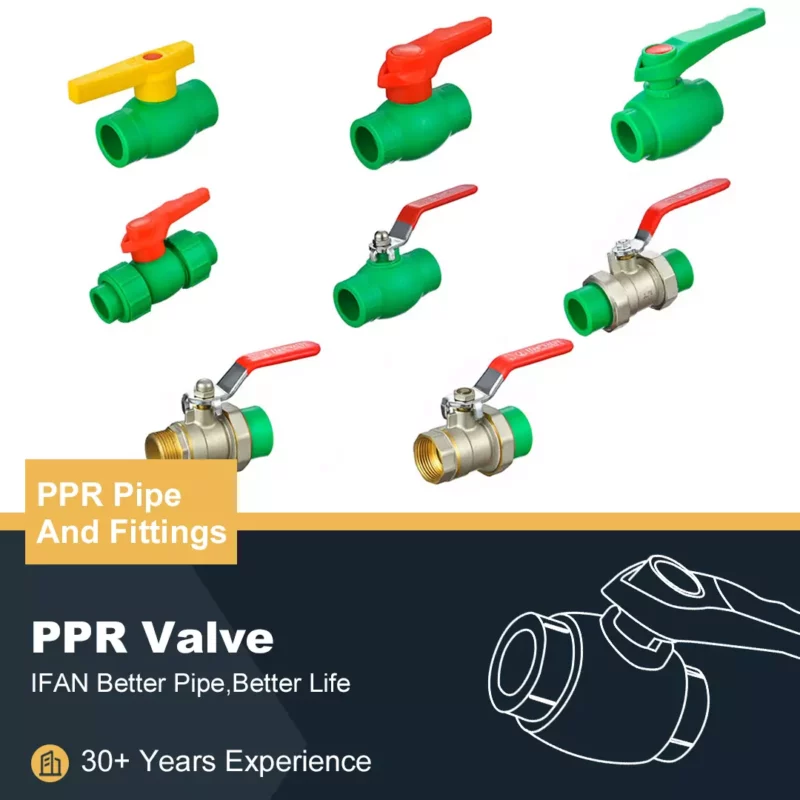
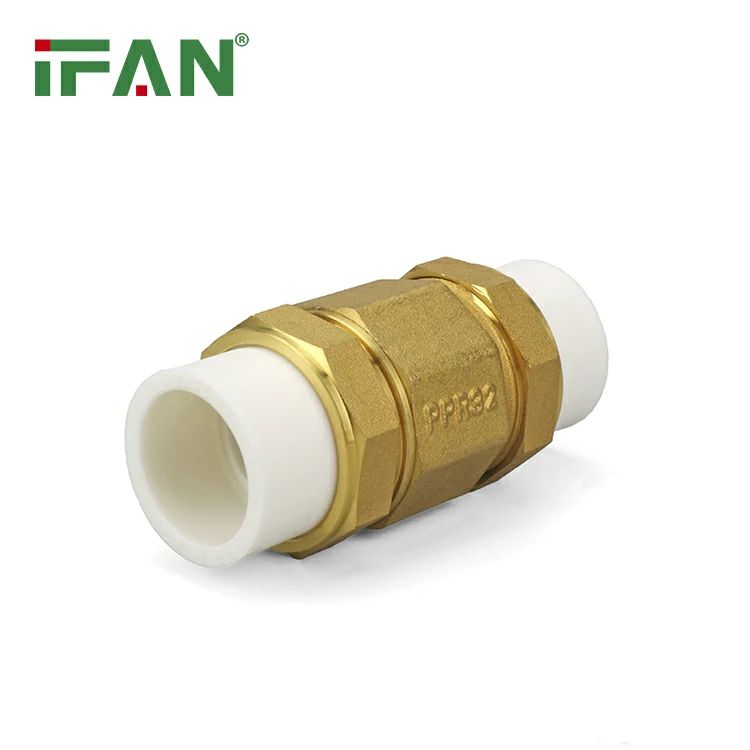
A PPR check valve is an essential component in plumbing and fluid control systems, preventing backflow and ensuring efficient water flow. Made from polypropylene random copolymer (PPR), it is lightweight, corrosion-resistant, and highly durable. Its versatility makes it suitable for various applications, including residential, commercial, industrial, and agricultural systems. This article explores the many uses of PPR check valves and how they improve performance across different industries.
What Is a PPR Check Valve?
A PPR check valve is a non-return valve that allows fluid to flow in only one direction, preventing backflow. It operates automatically, using internal pressure to open and close the valve. This helps maintain system efficiency and protects pipelines from contamination, pressure loss, and damage caused by reverse flow.
Residential Plumbing Systems
A PPR check valves is widely used in household plumbing to ensure a steady water supply. It prevents backflow in:
- Water supply lines: Ensures clean drinking water remains uncontaminated.
- Hot water systems: Protects water heaters by stopping reverse flow.
- Pumping systems: Prevents damage to pumps by maintaining directional flow.
Commercial Water Supply Systems
Commercial buildings require reliable plumbing solutions to support high water usage. A PPR check valves plays a critical role in:
- Hotels and apartments: Ensures proper water distribution across multiple floors.
- Office buildings: Prevents backflow in water supply and drainage systems.
- Shopping malls: Helps maintain consistent water pressure in large-scale plumbing networks.
Industrial Fluid Control
Industries rely on PPR check valves for managing various fluids, including chemicals, wastewater, and process water. Their high resistance to corrosion, pressure, and temperature changes makes them ideal for:
- Chemical processing plants: Prevents contamination by controlling the direction of chemical flow.
- Manufacturing facilities: Ensures efficiency in cooling and heating systems.
- Oil and gas pipelines: Protects equipment from damage due to pressure fluctuations.
Agricultural Irrigation Systems
Efficient water management is crucial in agriculture. A PPR check valves helps optimize irrigation by:
- Preventing water backflow: Ensures steady distribution in drip and sprinkler systems.
- Protecting pumps and filters: Reduces the risk of clogging and pressure loss.
- Improving water conservation: Maintains efficient use of resources.
HVAC and Heating Systems
Heating, ventilation, and air conditioning (HVAC) systems require PPR check valves to regulate water circulation. Their role includes:
- Hot water heating systems: Preventing reverse flow and maintaining efficiency.
- Cooling towers: Ensuring proper operation by controlling directional water movement.
- Geothermal systems: Supporting sustainable energy solutions with reliable backflow prevention.
Solar Water Heating Systems
A PPR check valves is an essential part of solar water heating systems, preventing heated water from flowing back into cold water lines. This improves system efficiency and reduces energy waste.
Wastewater and Drainage Systems
Proper drainage is crucial for sanitation and environmental safety. A PPR check valves prevents backflow in:
- Sewage systems: Stops wastewater from contaminating clean water supplies.
- Stormwater management: Ensures proper drainage in flood-prone areas.
- Industrial wastewater treatment: Maintains efficiency in fluid disposal processes.
Fire Protection Systems
In fire sprinkler systems, a PPR check valve ensures water flows only when needed. It helps maintain system pressure and prevents contamination of potable water supplies.
Swimming Pools and Spa Systems
A PPR check valve helps maintain clean water circulation in pools and spas by preventing chemical-treated water from flowing back into the main supply.
Aquaculture and Fisheries
Water quality is essential in fish farms and aquaculture systems. A PPR check valve ensures fresh water supply and prevents contamination of fish tanks.
Medical and Laboratory Applications
Hospitals and research laboratories require sterile water supply systems. A PPR check valve prevents cross-contamination in medical equipment and fluid processing units.
Automotive and Mechanical Applications
A PPR check valve is used in vehicle cooling and fuel systems to regulate fluid movement, ensuring optimal performance and preventing reverse flow damage.
Conclusion
A PPR check valve is a highly versatile solution for fluid control, suitable for residential, commercial, industrial, and specialized applications. Its durability, corrosion resistance, and ease of installation make it an essential component in plumbing and fluid management systems. Whether used in water supply, heating, irrigation, or wastewater treatment, a PPR check valve ensures efficiency, safety, and long-term reliability.
If you have read this article and have any questions, please feel free to contact IFAN. Below is our contact information:
Whatsapp:+86 13373827623
Email:[email protected]