

Introduction
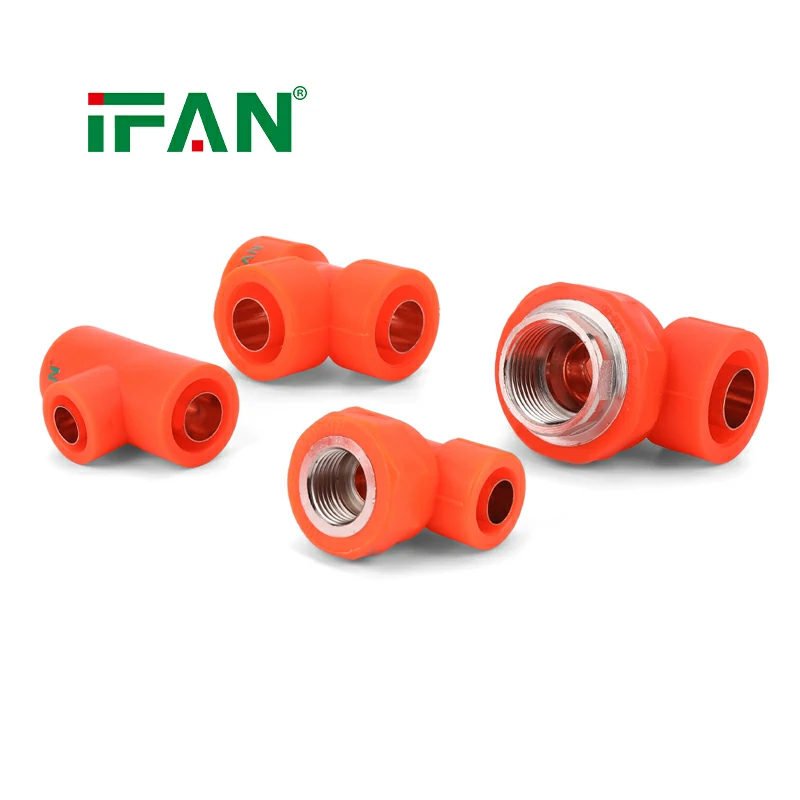
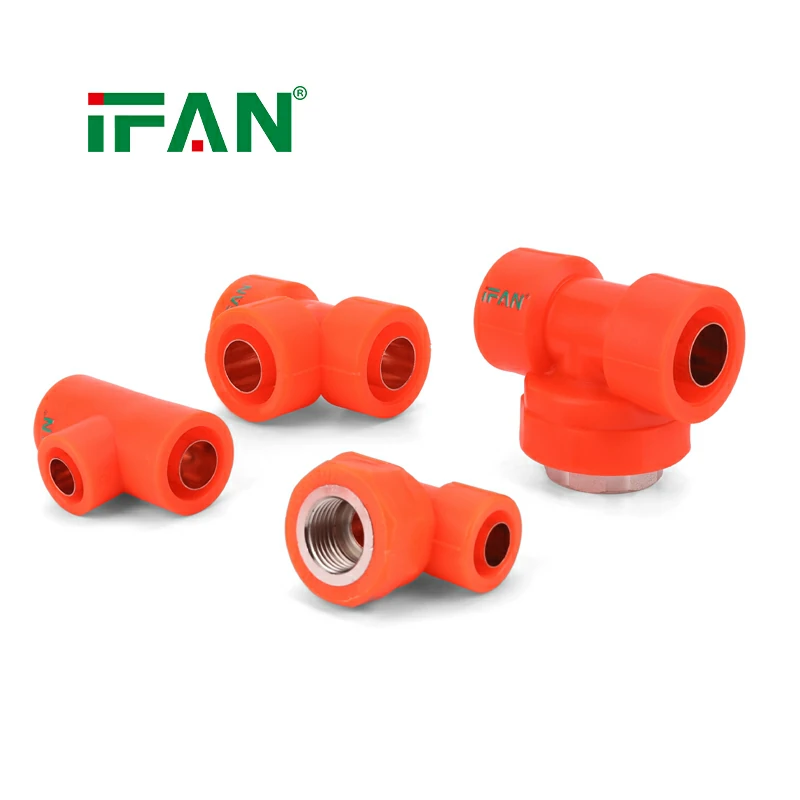
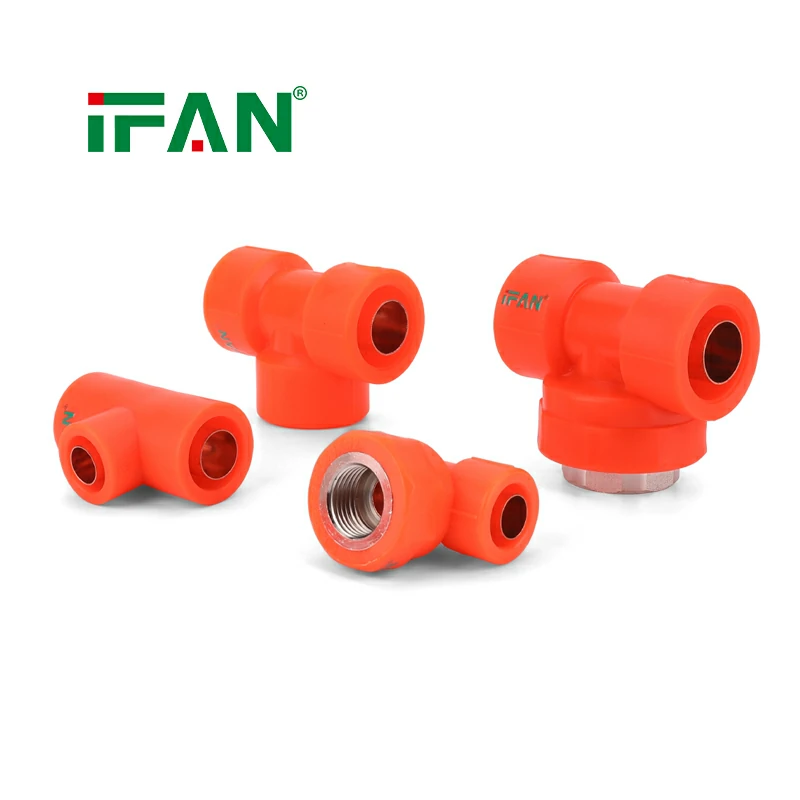
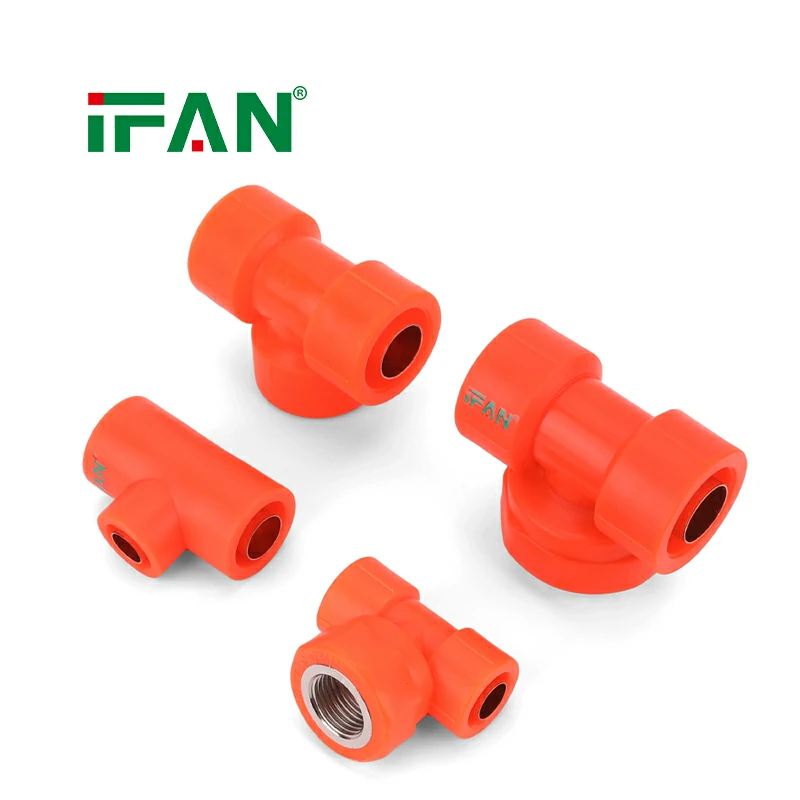
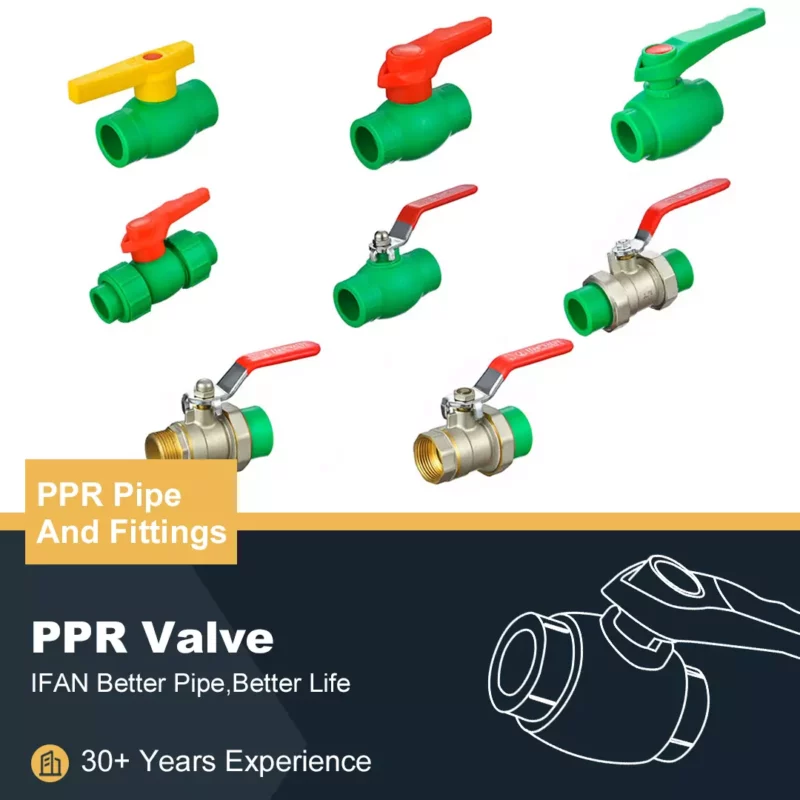
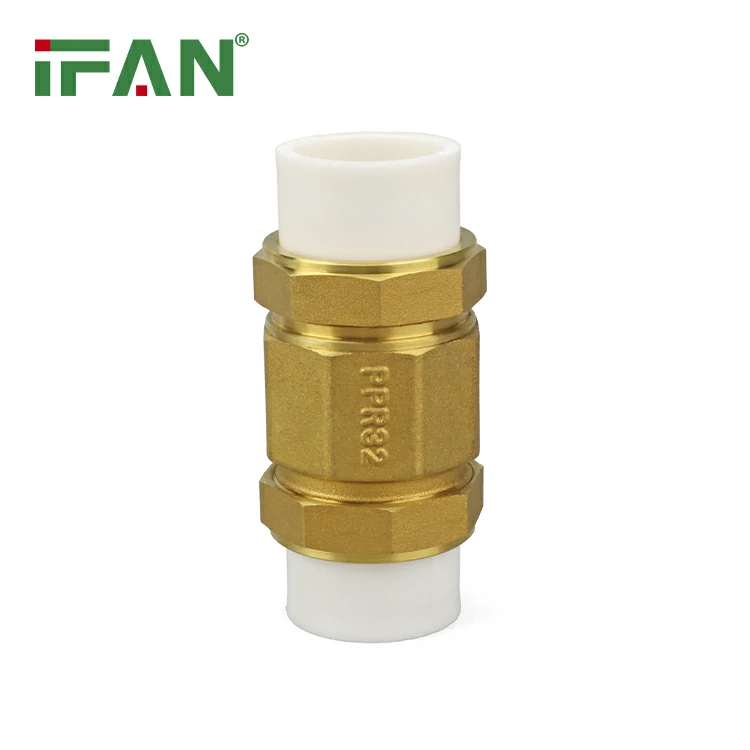
A PPR check valve is an essential plumbing component that prevents backflow and ensures efficient fluid flow in piping systems. Made from polypropylene random copolymer (PPR), it offers excellent durability, corrosion resistance, and thermal stability. One of its key advantages is its ability to withstand high temperatures without losing performance. A PPR check valve is ideal for hot water systems, industrial processes, and heating applications where temperature resistance is crucial. This article explores the high-temperature performance of PPR check valves and their benefits in various applications.
Understanding PPR Check Valve High-Temperature Resistance
A PPR check valves is specifically designed to handle elevated temperatures without degrading or losing functionality. PPR material has a high melting point, allowing the valve to operate in extreme heat conditions. Unlike metal valves that expand and contract with temperature changes, PPR check valves maintain their structural integrity.
How PPR Material Resists Heat
PPR is a thermoplastic known for its excellent thermal resistance. It can handle temperatures up to 95°C (203°F) continuously and short-term exposure to even higher temperatures. A PPR check valves remains stable under these conditions, preventing leaks, cracks, and material deformation.
Suitable for Hot Water Systems
A PPR check valves is commonly used in domestic and commercial hot water systems. It prevents backflow in water heaters, ensuring that heated water flows in the correct direction. Since PPR does not degrade under high temperatures, it maintains efficiency in long-term hot water use.
Industrial Applications Requiring High-Temperature Performance
Industries that require heat-resistant plumbing systems benefit from PPR check valves. These applications include:
- Heating Systems: Ensuring backflow prevention in central heating networks.
- Chemical Processing: Handling hot fluids and corrosive substances.
- Food and Beverage Industry: Maintaining safe fluid transport in hot processing lines.
- Solar Water Heating Systems: Supporting high-temperature water circulation.
Comparison with Other Check Valve Materials
A PPR check valves outperforms other materials in high-temperature applications:
- Metal Valves: Prone to thermal expansion, leading to possible leakage.
- PVC Valves: Weaken at high temperatures and may deform over time.
- Rubber-Sealed Valves: May deteriorate or lose elasticity under prolonged heat exposure.
No Thermal Expansion Issues
Unlike metal, which expands and contracts with temperature fluctuations, a PPR check valves remains dimensionally stable. This property prevents joint loosening and reduces the risk of leaks in high-temperature environments.
Maintaining Strength at Elevated Temperatures
PPR retains its mechanical strength even when exposed to hot fluids. A PPR check valves does not soften or weaken, ensuring reliable operation under demanding thermal conditions.
Reduced Heat Loss in Piping Systems
PPR has low thermal conductivity, which helps retain heat within the system. A PPR check valves minimizes energy loss in hot water applications, improving system efficiency and reducing energy costs.
Corrosion Resistance at High Temperatures
Heat and moisture accelerate corrosion in metal check valves. A PPR check valves, however, is naturally corrosion-resistant, even at high temperatures. This makes it a more durable and cost-effective option for hot fluid systems.
Preventing Scale Buildup in Hot Water Applications
Hard water deposits can accumulate inside metal check valves, reducing efficiency. A PPR check valves has a smooth interior surface that prevents scale formation, ensuring uninterrupted fluid flow and reducing maintenance needs.
Long-Term Durability in High-Heat Conditions
A PPR check valve has a lifespan of over Long-term durability according to standards, even in systems that operate at elevated temperatures. This durability reduces replacement frequency and lowers long-term costs.
Lightweight Design for Easy Installation
Despite its high-temperature resistance, a PPR check valve remains lightweight, making it easy to transport and install. Unlike heavy metal valves, PPR check valves do not require additional support, reducing labor and material costs.
Energy Efficiency and Cost Savings
By maintaining stable operation in high-temperature environments, a PPR check valve improves energy efficiency. It minimizes heat loss and reduces the strain on heating systems, leading to cost savings over time.
Ideal for Solar and Geothermal Systems
Solar and geothermal water heating systems require components that can withstand extreme heat. A PPR check valve is well-suited for these applications, ensuring long-term performance in renewable energy systems.
Environmental Benefits of PPR Check Valves
A PPR check valve is eco-friendly due to its recyclability and low energy consumption in manufacturing. Unlike metal valves, which require resource-intensive production, PPR check valves have a smaller environmental footprint.
Comparison of PPR Check Valve vs. Metal Check Valve in High-Temperature Applications
| Feature | PPR Check Valve | Metal Check Valve |
|---|---|---|
| Temperature Resistance | Up to 95°C (203°F) | Varies by metal type |
| Corrosion Resistance | Excellent | Susceptible to rust |
| Thermal Expansion | Minimal | High |
| Weight | Lightweight | Heavy |
| Maintenance | Low | High |
| Durability | 50+ years | Shorter lifespan due to corrosion |
Why Choose a PPR Check Valve for High-Temperature Systems?
A PPR check valve is the best choice for high-temperature applications because it:
- Resists heat up to 95°C (203°F) without degradation.
- Prevents thermal expansion issues common in metal valves.
- Maintains durability and strength under continuous heat exposure.
- Offers corrosion resistance, even in hot and humid environments.
- Provides cost-effective, long-term performance.
Conclusion
A PPR check valve is a high-performance solution for fluid control in high-temperature environments. Its ability to withstand extreme heat without losing strength or efficiency makes it ideal for hot water systems, industrial applications, and renewable energy systems. With its durability, corrosion resistance, and energy efficiency, a PPR check valve ensures reliable operation and long-term cost savings.
If you have read this article and have any questions, please feel free to contact IFAN. Below is our contact information:
Whatsapp:+86 13373827623
Email:[email protected]