

Introduction
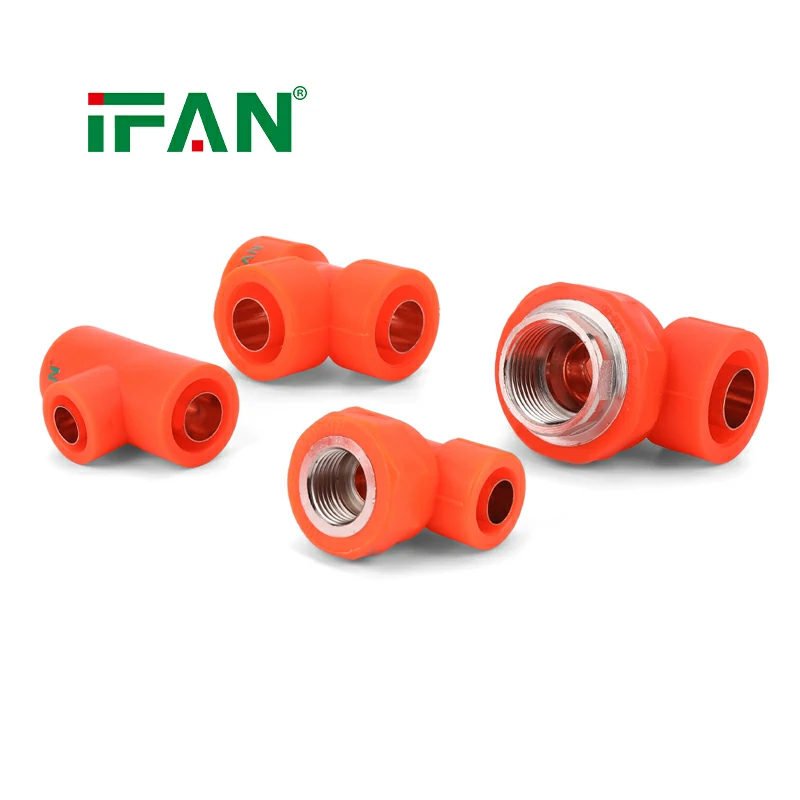
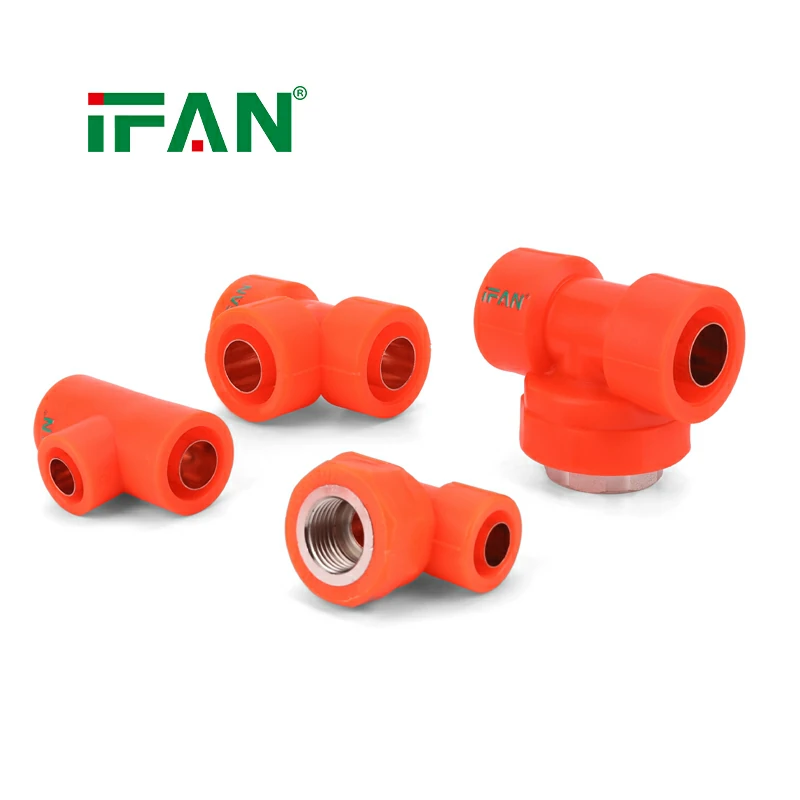
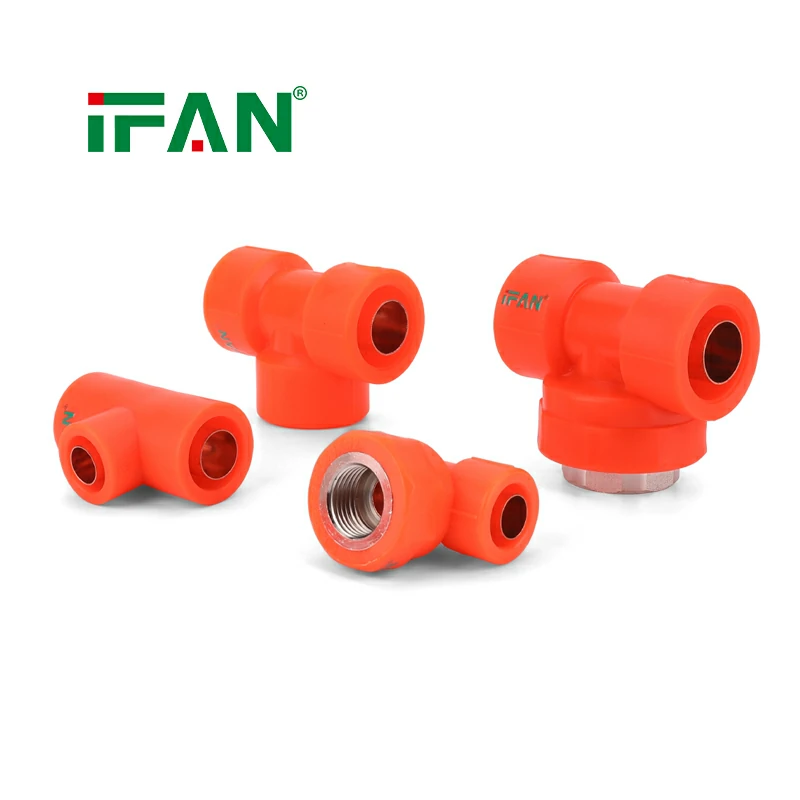
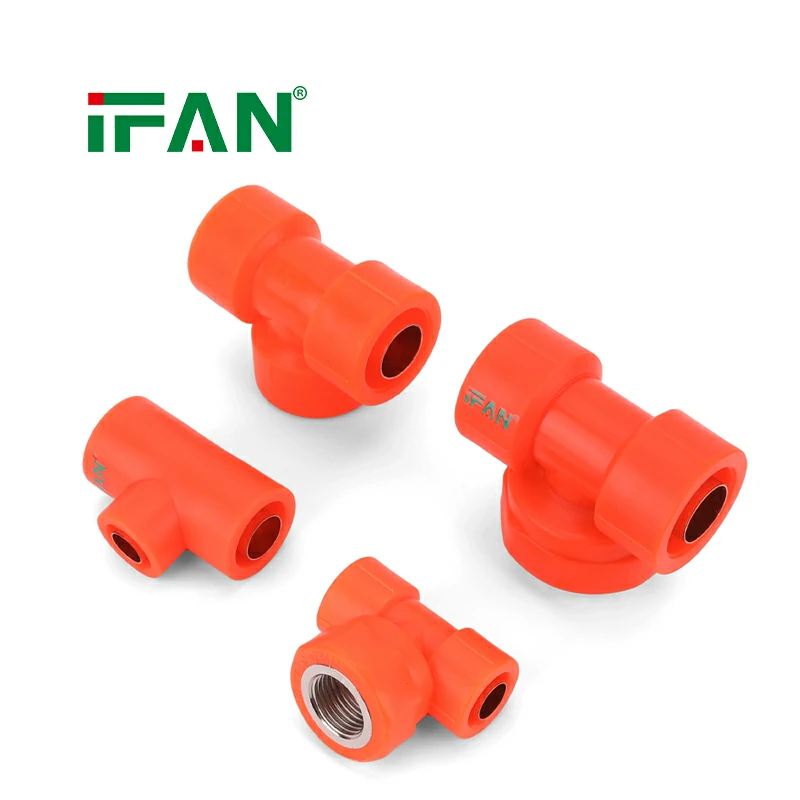
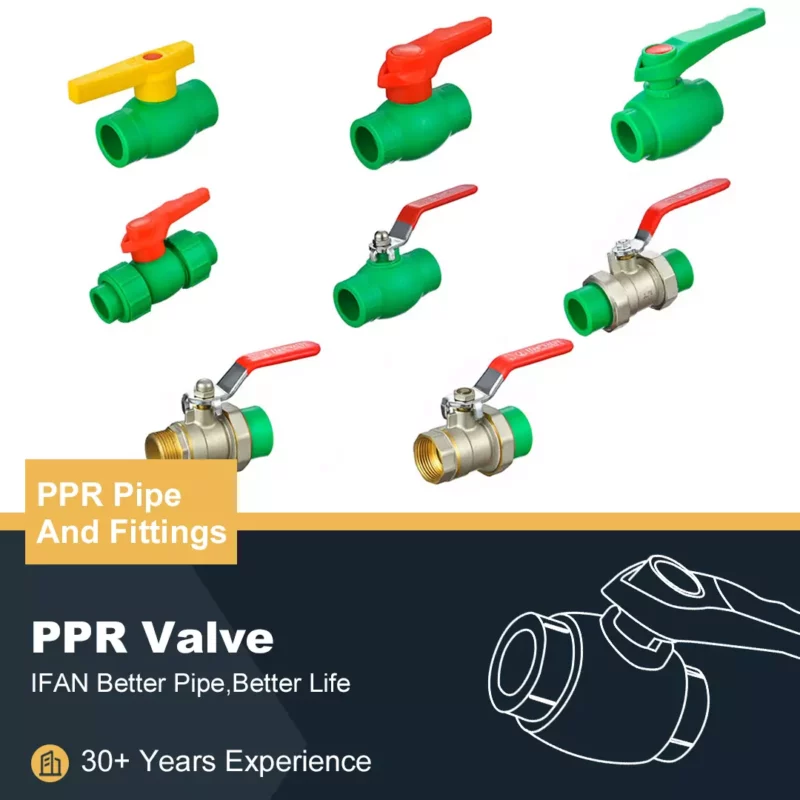
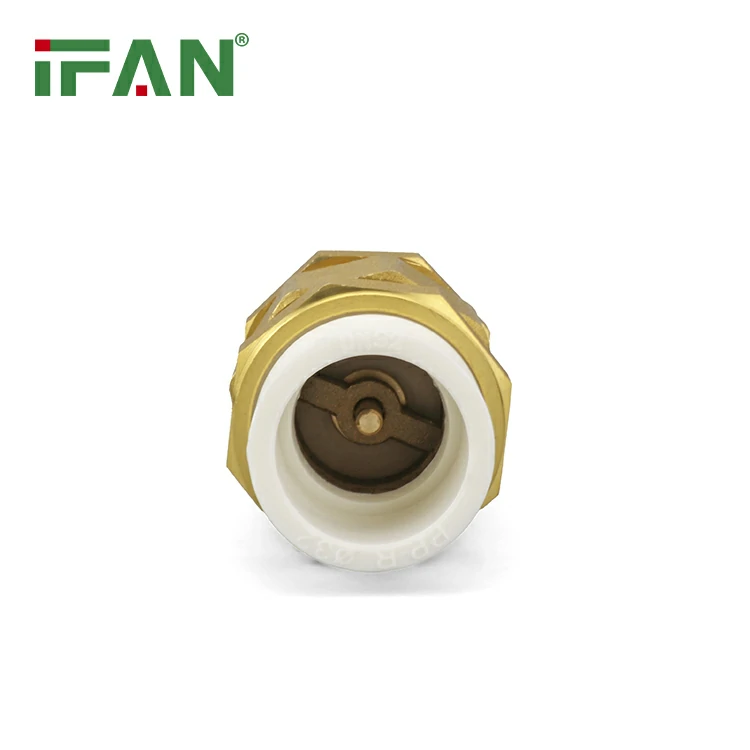
A PPR check valve is a crucial plumbing component that ensures one-way fluid flow while preventing backflow. Made from polypropylene random copolymer (PPR), it offers excellent durability, corrosion resistance, and reliability. One of its key advantages is its low maintenance requirements, making it a cost-effective solution for various applications. Whether used in residential plumbing, industrial fluid systems, or irrigation networks, a PPR check valves operates efficiently with minimal upkeep. This article explores the reasons behind its low maintenance needs and how it benefits different applications.
Why PPR Check Valves Require Minimal Maintenance
A PPR check valves is designed for long-term operation without frequent servicing. Its simple structure and high-quality material contribute to its low maintenance characteristics. Unlike metal valves, which require regular lubrication and corrosion control, a PPR check valve remains in optimal condition with minimal intervention.
Corrosion-Resistant Material
One of the primary reasons for the low maintenance requirements of a PPR check valves is its resistance to corrosion. Unlike metal check valves, which are prone to rust and scaling, PPR check valves do not react with water, chemicals, or environmental factors. This eliminates the need for frequent cleaning, coating, or replacement due to rust damage.
Smooth Interior Surface
A PPR check valves has a smooth interior surface that prevents sediment buildup and scaling. This ensures that fluid flows freely without blockages, reducing the need for periodic cleaning. In contrast, metal valves often develop mineral deposits that require descaling and chemical treatment.
No Need for Lubrication
Unlike traditional metal valves that require periodic lubrication to function smoothly, a PPR check valves operates efficiently without additional lubrication. This reduces maintenance costs and eliminates the need for special lubricants.
Long-Term Durability with Minimal Upkeep
A PPR check valves has an extended lifespan, often exceeding Long-term durability according to standards under normal operating conditions. Its robust construction ensures consistent performance without frequent servicing.
Resistant to Wear and Tear
PPR material is highly resistant to mechanical stress, meaning a PPR check valves does not wear out easily. Unlike rubber-sealed or metal valves, which require frequent replacement due to component wear, a PPR check valves maintains its functionality over time.
High-Temperature Resistance
A PPR check valves can withstand high temperatures, making it ideal for hot water and heating systems. Since it does not deform or weaken under heat exposure, it requires minimal inspection and maintenance.
Chemical Resistance
Industries using aggressive chemicals benefit from PPR check valves, as they do not degrade or require special coatings to resist chemical corrosion. This reduces maintenance efforts compared to metal valves that need frequent surface treatment.
Applications Benefiting from Low Maintenance PPR Check Valves
Many industries and systems prefer PPR check valves due to their low maintenance requirements. Some key applications include:
Residential Plumbing Systems
A PPR check valves is widely used in household plumbing due to its reliable operation and minimal upkeep. It helps maintain steady water flow in supply lines, preventing contamination and ensuring system efficiency.
Commercial and Industrial Water Systems
Businesses and industrial facilities require plumbing components that operate without frequent servicing. A PPR check valves reduces downtime and maintenance costs in large-scale water supply networks.
Agricultural Irrigation Systems
Farmers and irrigation managers benefit from PPR check valves, as they require minimal servicing even in harsh outdoor environments. Their corrosion-resistant nature ensures long-lasting performance in irrigation pipelines.
HVAC and Heating Systems
Heating and cooling systems rely on PPR check valves to regulate fluid flow without requiring frequent maintenance. They remain efficient even under fluctuating temperatures.
Wastewater Treatment Facilities
Wastewater systems demand reliable components that function without constant inspection. A PPR check valves helps streamline operations by preventing backflow with minimal maintenance.
Comparing PPR Check Valves to Other Valve Types
| Feature | PPR Check Valve | Metal Check Valve | Rubber-Sealed Check Valve |
|---|---|---|---|
| Corrosion Resistance | Excellent | Prone to rust | Moderate |
| Maintenance Requirements | Low | High | Medium |
| Lubrication Needs | None | Required | Occasionally needed |
| Cleaning Frequency | Minimal | Regular | Occasional |
| Durability | 50+ years | 20-30 years | Shorter lifespan |
Cost Savings from Low Maintenance Requirements
A PPR check valves reduces long-term expenses by minimizing maintenance needs. Businesses and homeowners benefit from lower servicing costs, fewer repairs, and reduced system downtime.
Lower Labor Costs
Since PPR check valves require minimal inspection and repairs, labor costs for maintenance teams decrease. This is particularly beneficial in large-scale applications such as commercial buildings and industrial plants.
Extended Service Life
With a lifespan of over Long-term durability according to standards, a PPR check valves outlasts many traditional valves, reducing replacement frequency and associated costs.
Reduced Downtime
In industrial and commercial settings, unexpected valve failures can lead to operational disruptions. The reliability of a PPR check valve ensures continuous fluid flow with minimal interruptions.
How to Maintain a PPR Check Valve for Optimal Performance
Although PPR check valves require little maintenance, occasional checks can further extend their lifespan. Here are a few maintenance tips:
Periodic Visual Inspections
Check for signs of physical damage, leaks, or debris accumulation. While PPR check valves are highly durable, external factors such as excessive pressure can impact performance.
Cleaning as Needed
Though PPR check valves resist scaling and buildup, occasional cleaning with mild water flushing can help maintain optimal flow. No special chemicals or tools are required.
Checking for Proper Installation
Ensuring a PPR check valve is correctly installed prevents unnecessary wear. Proper alignment and secure fittings help maintain efficiency.
Conclusion
A PPR check valve is a low-maintenance, high-performance solution for fluid control in various applications. Its corrosion resistance, smooth interior surface, and durable design minimize servicing requirements, making it a cost-effective choice. Whether used in residential plumbing, commercial water supply, or industrial fluid management, a PPR check valve offers reliable operation with minimal upkeep. Its long lifespan and maintenance-free nature make it the ideal solution for modern plumbing systems.
If you have read this article and have any questions, please feel free to contact IFAN. Below is our contact information:
Whatsapp:+86 13373827623
Email:[email protected]