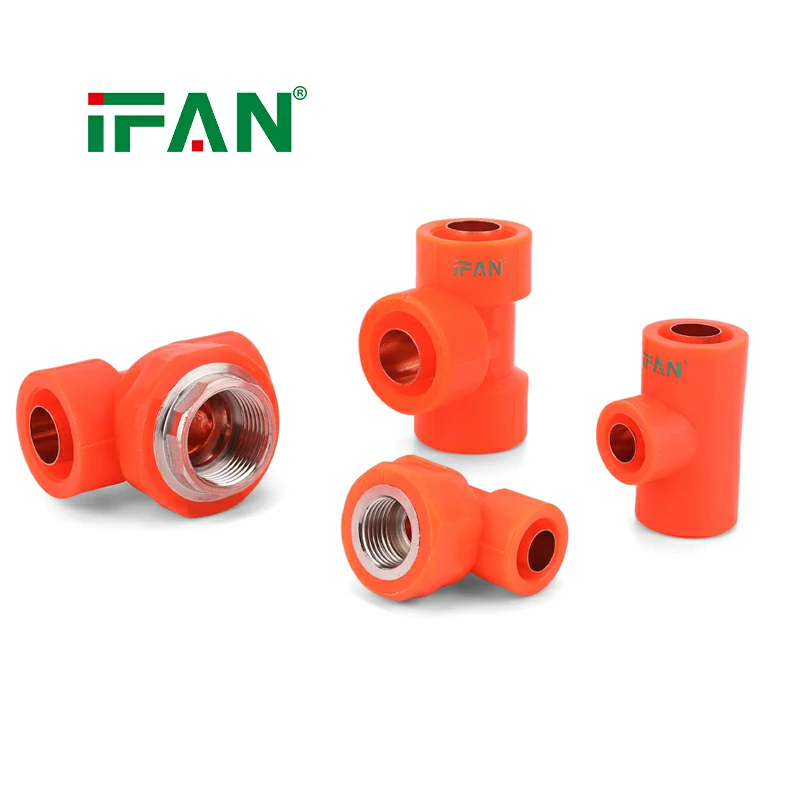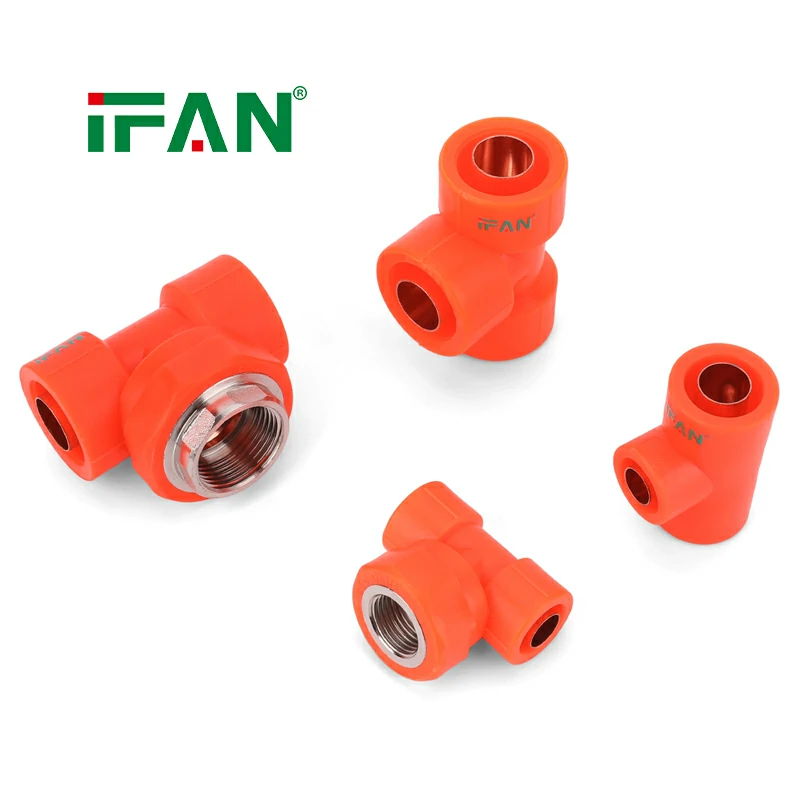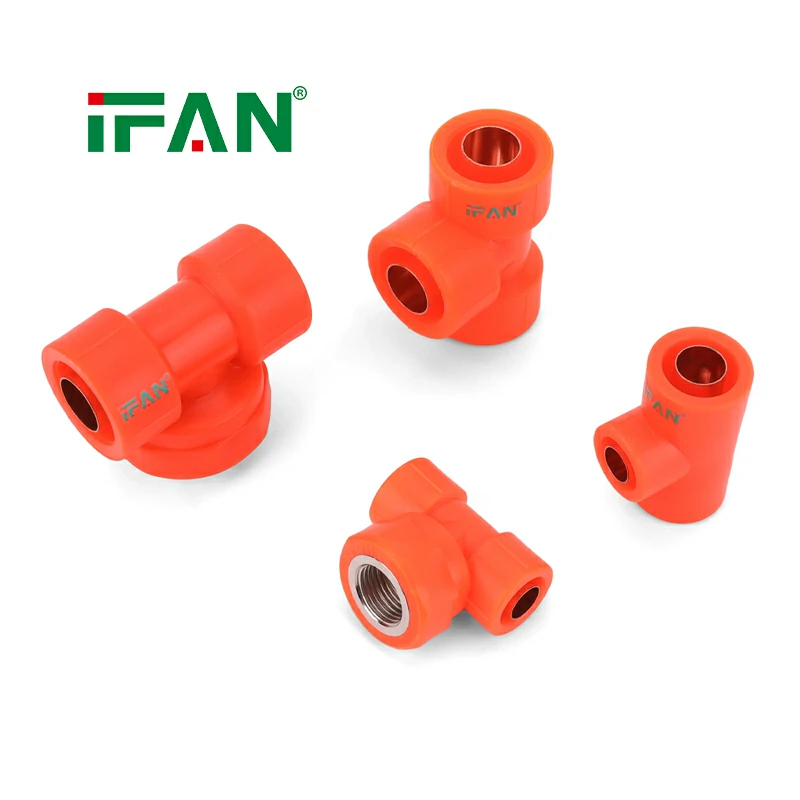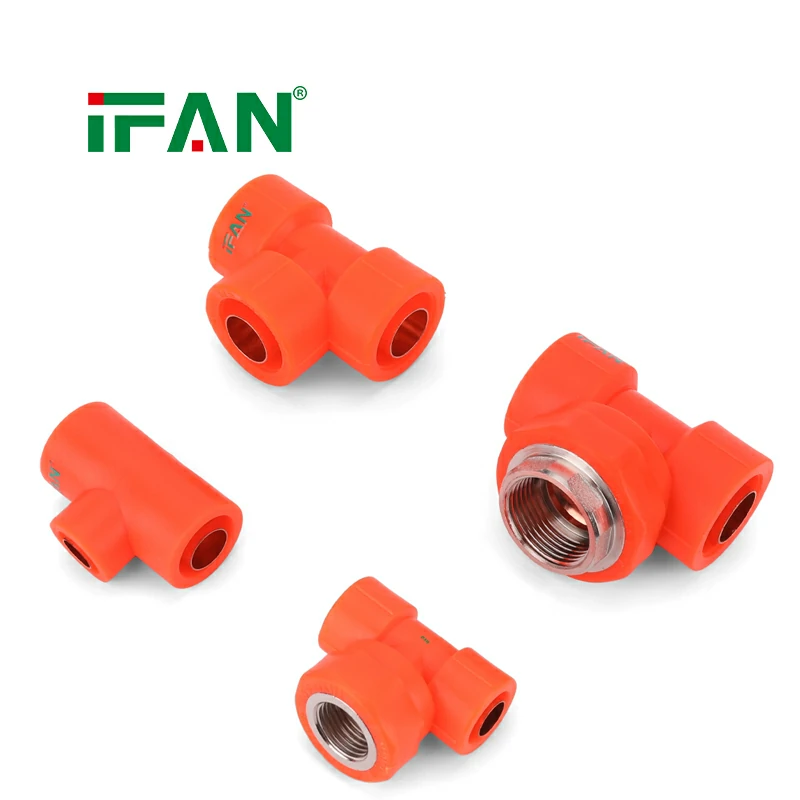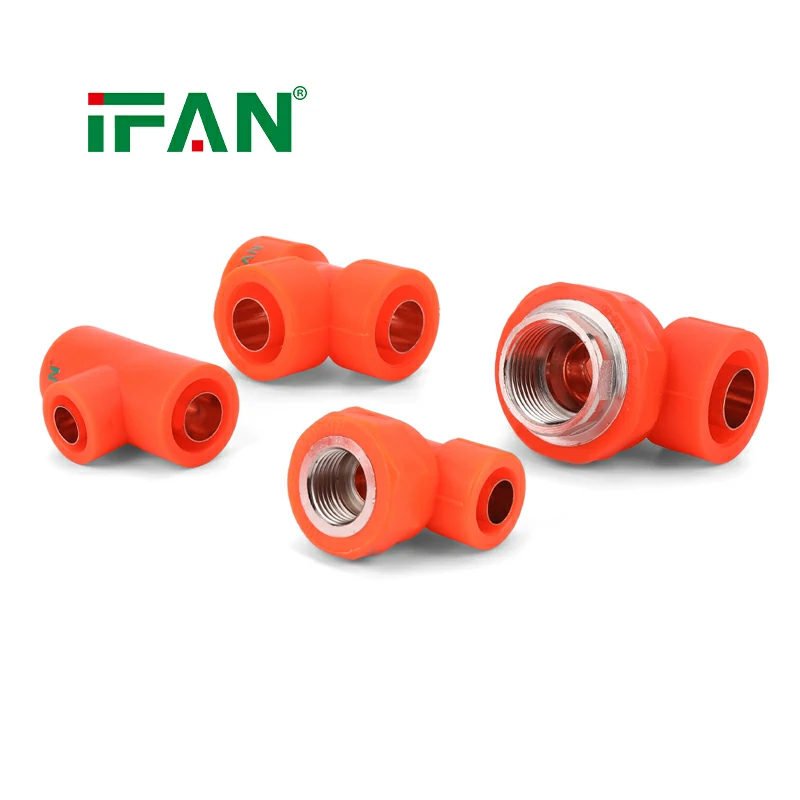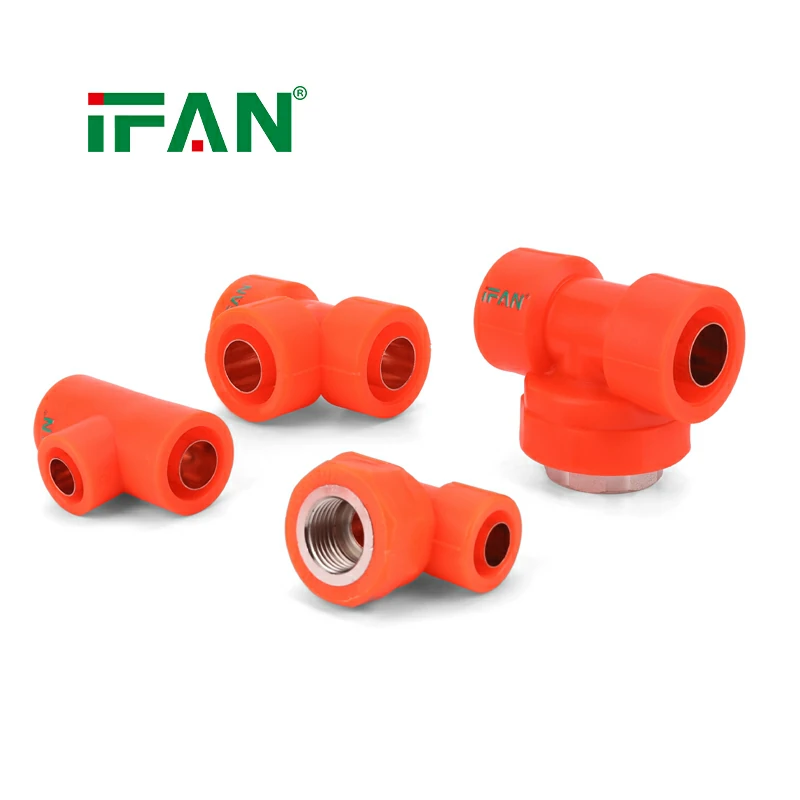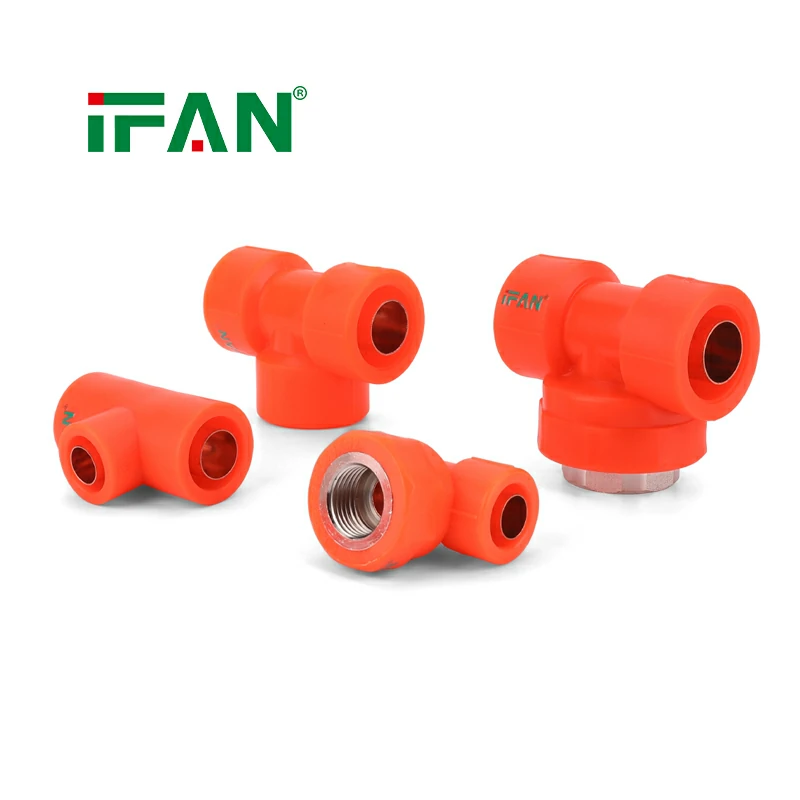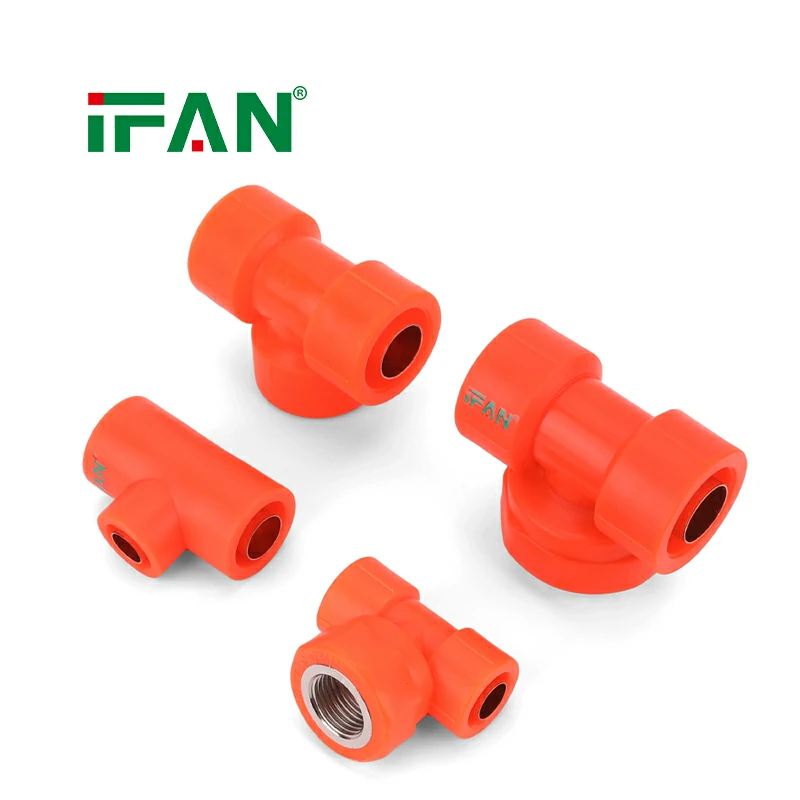
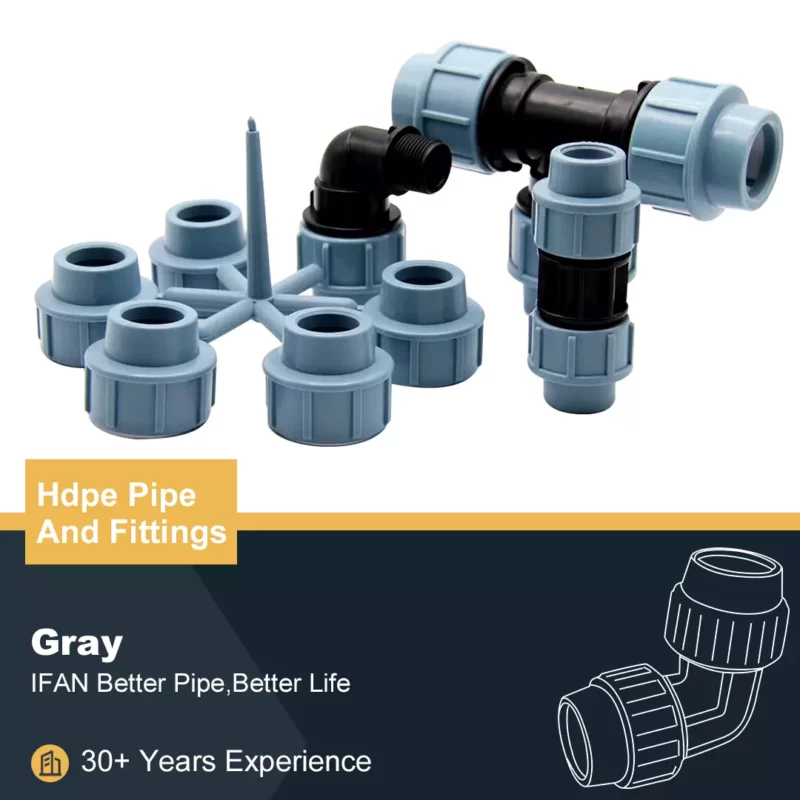


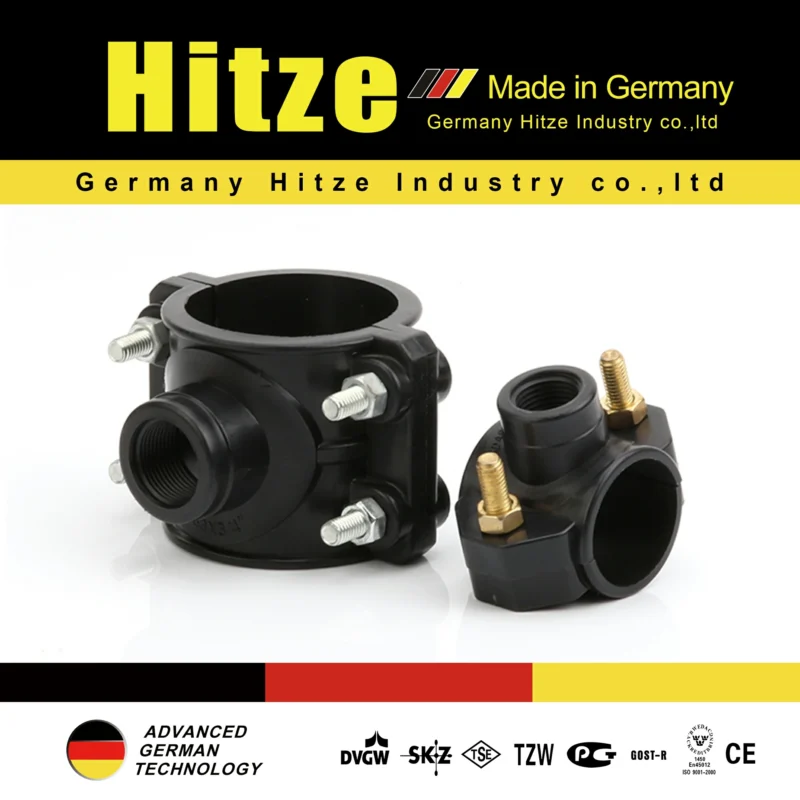
Polyethylene (PE) pipes are widely used in various industries due to their strength, flexibility, and resistance to corrosion. A crucial component in these systems is the PE pipe saddle. The PE pipe saddle is designed to provide a reliable, secure, and stable connection between a main PE pipe and smaller branch lines. This article will explore the features, benefits, and applications of PE pipe saddles, highlighting how they contribute to the overall efficiency of piping systems.
1. What is a PE Pipe Saddle?
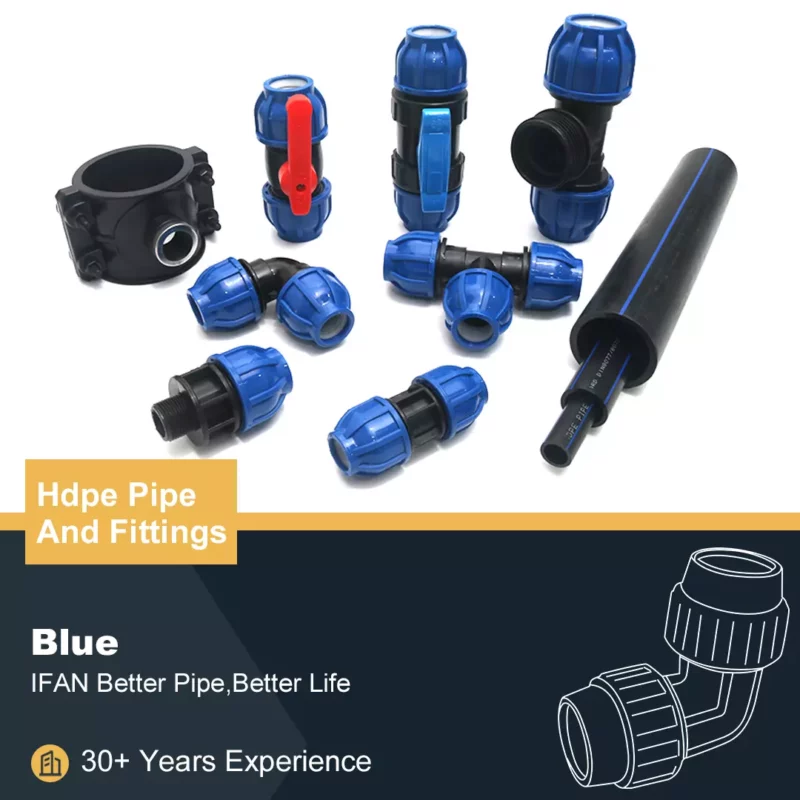
A PE pipe saddle is a fitting used to attach a smaller pipe to a larger PE pipe. It is commonly used to create branch connections or tap points in an existing pipeline system. Made of polyethylene or other durable materials, these saddles are specifically designed to withstand the pressure and environmental factors that affect PE pipes.
The saddle fits around the larger pipe, allowing a smaller pipe to be securely connected with minimal disruption. The design of the saddle ensures that it creates a leak-proof connection, reducing the risk of contamination or loss of pressure in the system.
2. Purpose and Function of PE Pipe Saddles
PE pipe saddles are primarily used to establish connections between pipes, such as connecting a smaller branch pipe to a main PE pipeline. They are an essential tool in the installation of water, gas, irrigation, and sewage systems.
The function of the saddle is straightforward: it creates a secure, stable connection point that supports smaller pipes or branch lines without disrupting the flow in the main pipeline. Saddles allow for the addition of new connections to an existing system with minimal modifications.
One of the key advantages of using a PE pipe saddle is that it eliminates the need for cutting or welding the main pipe, which can be time-consuming and costly. Instead, the saddle provides a non-invasive method of connecting pipes, making it more efficient and less labor-intensive.
3. Easy Installation and Quick Setup
One of the primary benefits of using PE pipe saddles is their ease of installation. The installation process is straightforward and requires minimal effort compared to traditional pipe fittings, such as welding or threading. The saddle can be quickly placed over the main pipe and tightened to secure the connection.
The simplicity of installation reduces the amount of time needed for setup and minimizes the labor costs associated with installation. Additionally, because the saddle does not require extensive preparation or special tools, the overall installation process is more efficient.
PE pipe saddles also allow for a flexible installation process. The saddle design allows for connections to be made in various orientations and positions, making them adaptable to different piping layouts.
4. Advantages of PE Pipe Saddles
PE pipe saddles offer several significant advantages, making them an essential tool in modern piping systems. Some of the key benefits include:
- Reliable Connection: PE pipe saddles are designed to provide a reliable, leak-proof connection that ensures the integrity of the pipeline. This is especially important in systems where leaks can lead to contamination or significant pressure loss.
- Stability: Once installed, the PE pipe saddle ensures that the smaller pipe is securely held in place, preventing movement or shifting. This stability is essential for maintaining the efficiency and longevity of the entire pipeline system.
- Corrosion Resistance: PE pipe saddles are resistant to corrosion, which is a common issue with traditional metal fittings. They are particularly useful in environments exposed to moisture, chemicals, and other corrosive substances.
- Flexibility: The flexibility of PE pipe saddles allows them to be installed in various configurations, ensuring that they can meet the specific needs of each project. Whether for water, gas, or irrigation systems, PE saddles can accommodate a wide range of applications.
- Cost-Effective: Due to their ease of installation and long-lasting durability, PE pipe saddles help reduce overall project costs. There are fewer materials required for installation, and maintenance costs are minimized due to their durability.
5. Types of PE Pipe Saddles
There are several different types of PE pipe saddles designed for specific applications. The choice of saddle depends on the requirements of the piping system and the type of installation. Some common types include:
- Standard Saddles: These are the most basic type of PE pipe saddle and are used for general applications. They are suitable for most PE pipe systems, including water and gas distribution.
- Tapping Saddles: Tapping saddles feature a built-in tapping point or valve, allowing for easy installation of branch lines without the need to cut into the main pipeline. This feature is especially useful for retrofitting or expanding an existing system.
- Sidewall Saddles: These are designed to attach to the side of a PE pipe, which makes them ideal for applications where space is limited or where the main pipe cannot be accessed from the top.
- Flanged Saddles: These saddles include a flange for a more secure connection, especially in high-pressure systems. They are used when a stronger connection is required, such as in industrial or commercial applications.
6. Applications of PE Pipe Saddles
PE pipe saddles are widely used across various industries due to their versatility and reliability. Some common applications include:
- Water Supply Systems: In municipal and residential water systems, PE pipe saddles are used to create connections to branch lines, meters, and valves. They allow for easy tapping into the main water supply without disrupting the overall flow.
- Gas Distribution: In natural gas and LPG pipelines, PE pipe saddles provide a secure and leak-free method of connecting smaller pipes to the main gas line. Their ability to maintain pressure and prevent leaks is critical in these applications.
- Irrigation Systems: PE pipe saddles are commonly used in agricultural irrigation systems to connect smaller pipes to larger mainlines. The flexibility and durability of PE saddles are ideal for installations in agricultural fields, where soil movement and changing conditions are common.
- Sewer and Drainage Systems: In sewage and stormwater systems, PE pipe saddles are used to connect smaller drain lines to the main sewer pipe. Their resistance to corrosion and chemical damage makes them suitable for these challenging applications.
- Industrial Applications: PE pipe saddles are used in various industrial piping systems, including chemical, food, and pharmaceutical industries. Their ability to handle a range of fluids, including corrosive substances, makes them a popular choice for these demanding applications.
7. Durability and Longevity
PE pipe saddles are known for their durability and long lifespan. Made from high-quality polyethylene, these saddles are resistant to environmental stresses such as UV exposure, extreme temperatures, and pressure fluctuations. They are also highly resistant to chemical degradation, making them ideal for use in a wide range of industries.
The long-lasting nature of PE pipe saddles ensures that they do not require frequent replacements, which helps reduce long-term maintenance costs. Once installed, these saddles can last for decades, providing a stable and reliable connection throughout their lifespan.
8. Cost-Effectiveness
PE pipe saddles are an economically viable solution for connecting pipes. Their simple installation process reduces labor costs, and because they do not require extensive preparation or tools, they help lower overall project expenses. Additionally, their durability and low maintenance requirements further contribute to long-term cost savings.
The use of PE pipe saddles also reduces the need for specialized fittings or welding, which are often expensive and time-consuming. By streamlining the installation process, PE pipe saddles make it easier and more affordable to set up piping systems.
9. Minimal Maintenance and Inspection
One of the most significant advantages of PE pipe saddles is their low maintenance requirements. After installation, the saddle requires minimal upkeep, making it an attractive option for long-term projects.
However, regular inspections should be conducted to ensure the saddle remains secure and free from damage. Simple tasks like checking for leaks, tightening bolts, and cleaning dirt or debris can help extend the lifespan of the saddle and ensure its continued performance.
10. Conclusion
PE pipe saddles are essential components in modern pipeline systems. Their ability to provide a reliable and secure connection, along with their ease of installation, makes them an attractive option for a variety of applications. From water and gas distribution to irrigation and industrial systems, PE pipe saddles offer stability, durability, and cost-effectiveness.
Their minimal maintenance requirements, long lifespan, and versatility make them an ideal choice for both residential and commercial piping projects. As the demand for more efficient and sustainable infrastructure grows, the role of PE pipe saddles will continue to be crucial in maintaining reliable and secure connections within modern piping systems.
If you have read this article and have any questions, please feel free to contact IFAN. Below is our contact information:
Whatsapp:+86 13373827623
Email:[email protected]