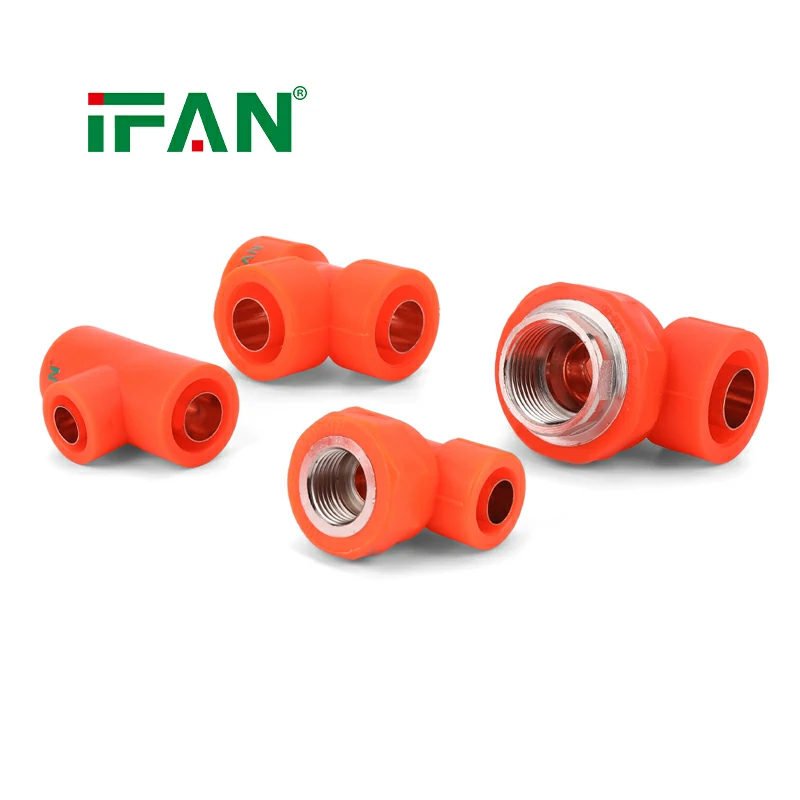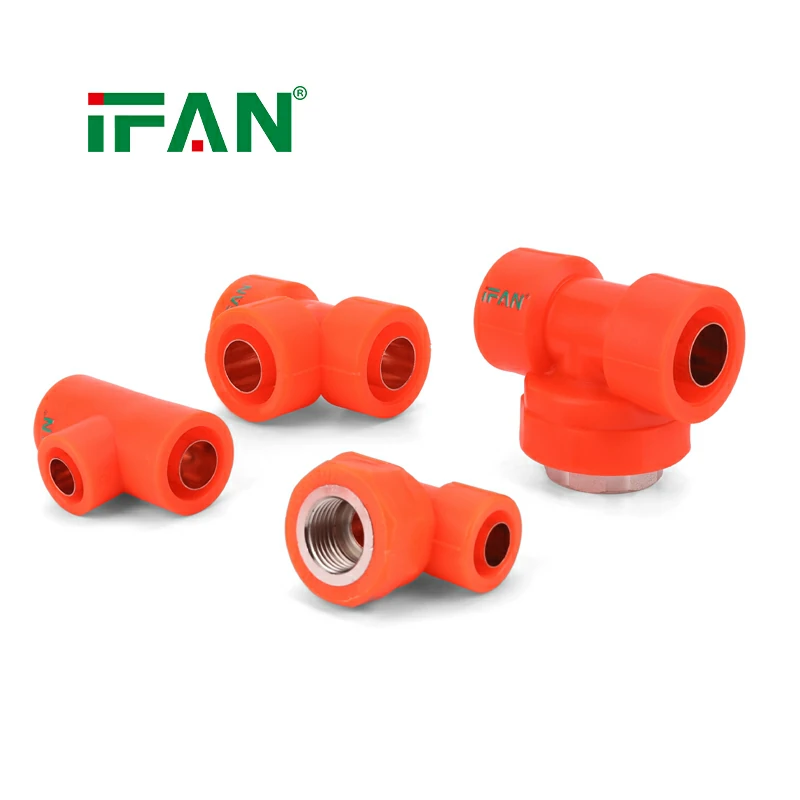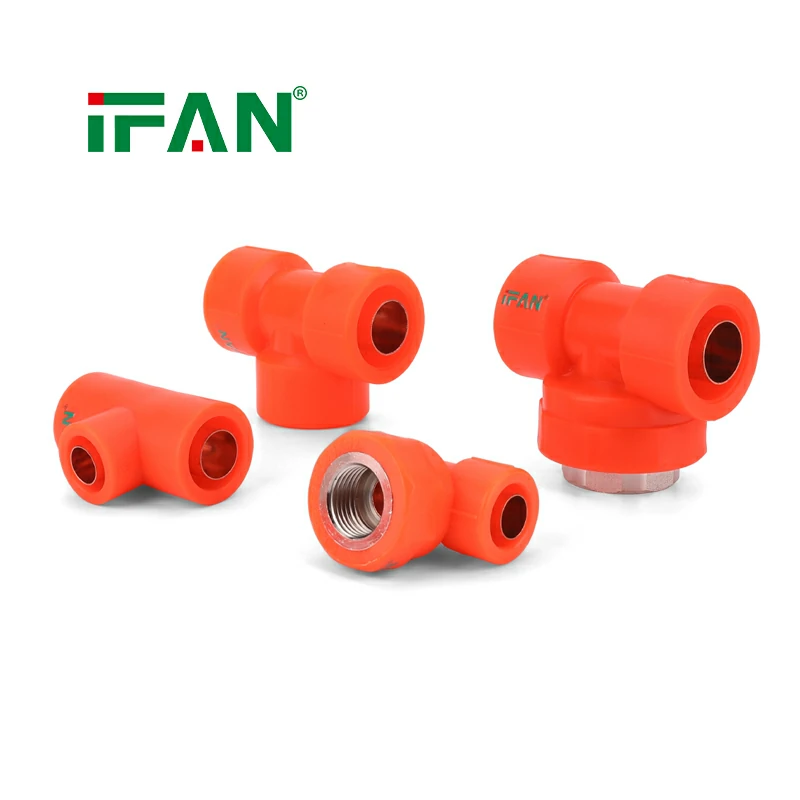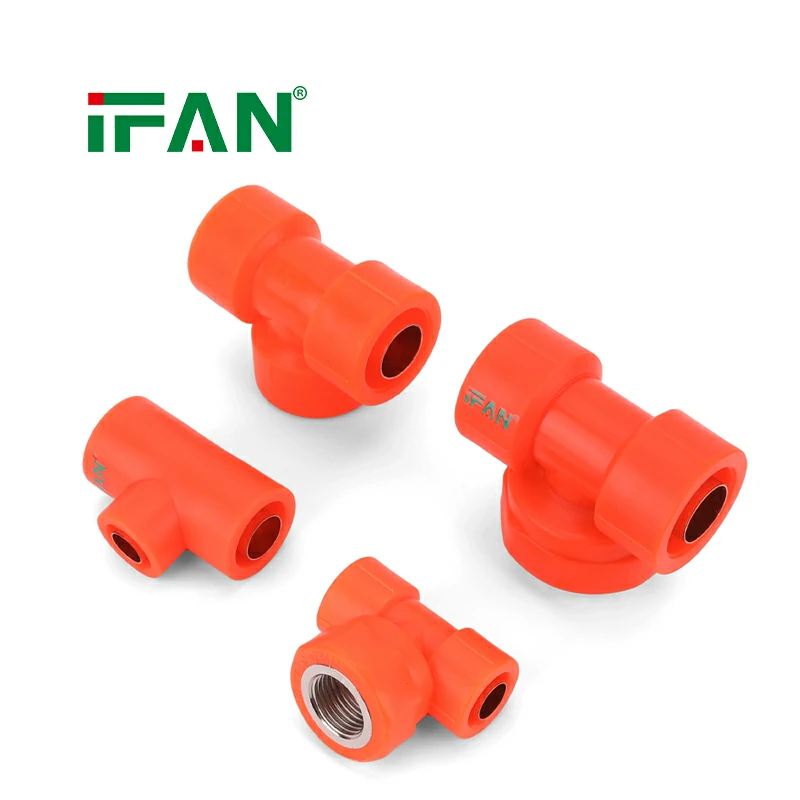
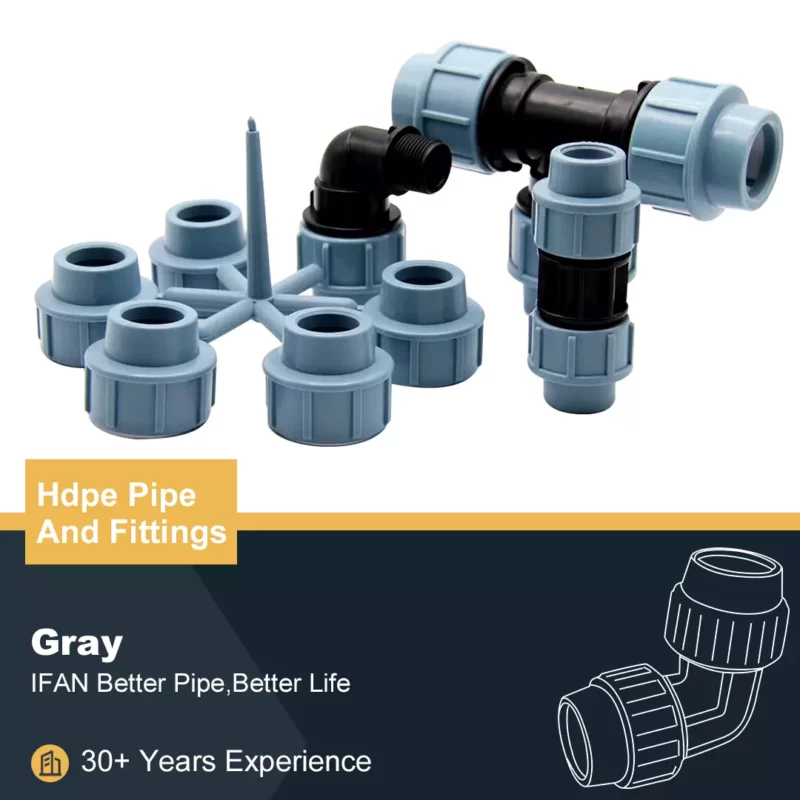


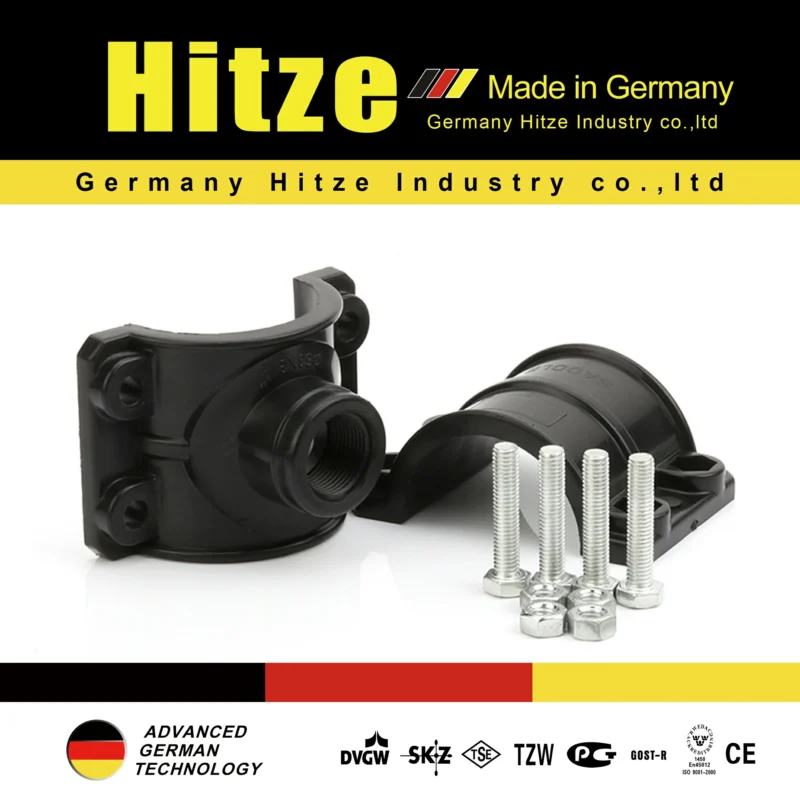
Polyethylene (PE) pipe systems are widely used for transporting fluids such as water, gas, and chemicals in both residential and industrial settings. To ensure the system remains secure and functional, various accessories are employed, including PE pipe saddles. These saddles play a crucial role in providing support and enabling easy installation. In this article, we will explore the purpose, benefits, and applications of PE pipe saddles, highlighting why they are an essential component in modern pipe systems.
1. What is a PE Pipe Saddle?
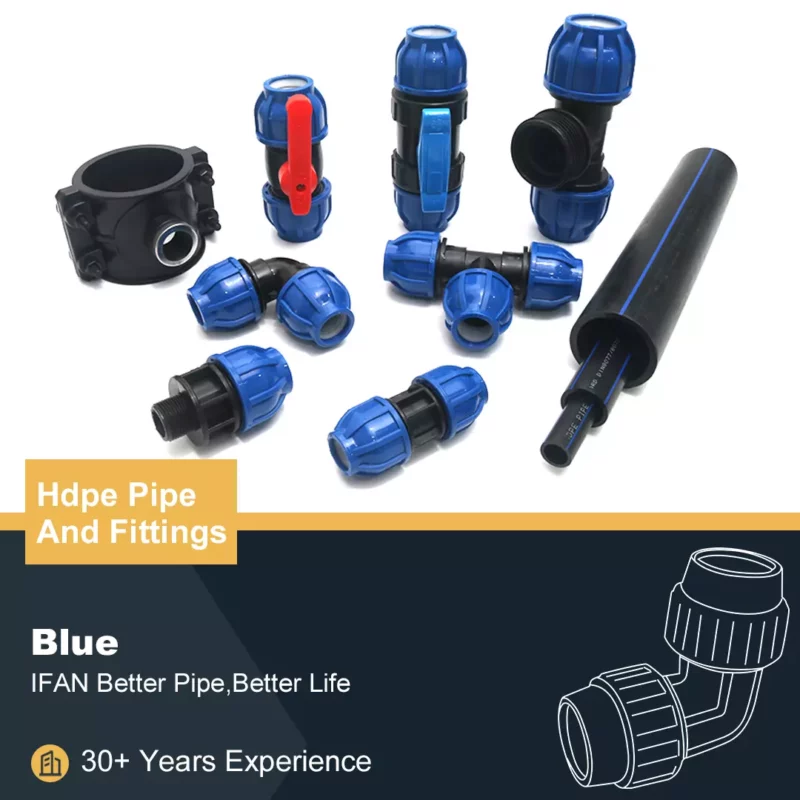
A PE pipe saddle is a device used to attach a smaller pipe to a larger PE pipe. It is typically made from durable polyethylene or other robust materials that ensure the saddle can withstand environmental pressures. Saddles are designed to securely clamp around the pipe, providing a reliable connection point for various applications, including branch lines, meter installations, and valve connections.
The saddle is often used for tapping into a larger pipe system without requiring significant modifications or disrupting the primary flow. It is an effective and efficient solution for extending or branching off an existing PE pipe system.
2. Purpose and Function of PE Pipe Saddles
The primary purpose of a PE pipe saddle is to create a secure, leak-free connection between two pipes. When connecting a smaller pipe to a larger one, a saddle allows for the installation of branch lines, valves, or meters. This eliminates the need for cutting or damaging the main pipe, reducing installation time and costs.
PE pipe saddles also provide structural support. They ensure that the smaller pipe is securely held in place, preventing movement or stress on the connection. This is particularly important in high-pressure systems where stability is critical.
3. Easy Installation Process
One of the standout features of PE pipe saddles is their easy installation. Unlike traditional pipe fittings, which often require welding or extensive preparation, PE pipe saddles can be installed quickly and easily with minimal tools.
Typically, the installation involves placing the saddle over the larger pipe and tightening it securely using bolts or straps. Some saddles also feature a built-in valve that allows for easy tapping into the pipe. This simple process helps to save time and labor costs, making PE pipe saddles an efficient solution for many applications.
Furthermore, because the installation process is less invasive than other methods, there is a reduced risk of damage to the surrounding pipe network. The saddle is designed to fit snugly without causing any disruption to the existing flow.
4. Benefits of Using PE Pipe Saddles
The use of PE pipe saddles offers several benefits that contribute to the overall efficiency and reliability of the piping system. These benefits include:
- Quick and Simple Installation: PE pipe saddles can be installed with minimal effort and time, reducing overall installation costs.
- Leak-Free Connection: Saddles are designed to create a secure, leak-free connection, ensuring the integrity of the system.
- Reduced Need for Disruption: Because they do not require cutting or welding the main pipe, saddles minimize disruption to the system and keep installation processes efficient.
- Durability: Made from high-quality materials, PE pipe saddles are built to withstand environmental conditions such as UV exposure, pressure changes, and temperature fluctuations.
- Versatility: PE pipe saddles can be used in a wide range of applications, from water and gas distribution to irrigation systems.
- Cost-Effective: The simplicity of installation and minimal tools required makes PE pipe saddles a cost-effective solution for connecting pipes and extending systems.
5. Types of PE Pipe Saddles
There are several different types of PE pipe saddles designed for specific applications. These saddles vary in size, shape, and material, allowing for flexibility depending on the needs of the system. Some common types include:
- Standard Saddles: These are the most common type and are typically used for connecting smaller pipes to larger PE pipes in water or gas systems. They are easy to install and provide secure connections.
- Tapping Saddles: Tapping saddles include a built-in valve or tapping point that allows for the installation of branch lines without cutting into the main pipe. This feature is particularly useful when retrofitting or expanding an existing system.
- Sidewall Saddles: These saddles are designed to be installed on the side of a pipe, often used in irrigation systems or other applications where space constraints limit traditional saddle placement.
- Flanged Saddles: Flanged saddles are designed with a flange for a more secure connection to larger pipes. These are typically used in high-pressure systems or for critical applications where maximum strength is required.
6. Applications of PE Pipe Saddles
PE pipe saddles are used across a wide range of industries and applications. Their versatility makes them suitable for residential, commercial, and industrial projects. Some of the most common uses include:
- Water Distribution Systems: PE pipe saddles are commonly used in municipal water systems to tap into main water lines for residential or commercial connections. They enable quick and efficient installations without disrupting the primary water flow.
- Gas Distribution Networks: In natural gas and LPG distribution systems, PE pipe saddles provide a secure and leak-free method of branching off from the main gas line. This helps reduce installation time and ensures the safety of the system.
- Irrigation Systems: In agricultural settings, PE pipe saddles are used to create branch connections from main irrigation pipes to smaller drip lines or sprinkler systems. The ease of installation and flexibility is ideal for large-scale irrigation projects.
- Sewer Systems: In sewer and wastewater systems, PE pipe saddles are used to connect smaller pipes to the larger main sewer lines. The durability of the saddle ensures that the system remains intact, even under high-pressure conditions.
- Industrial Applications: PE pipe saddles are used in various industrial piping systems, including chemical, food, and pharmaceutical industries, where secure connections are needed for branch lines or maintenance taps.
7. Advantages Over Traditional Fittings
PE pipe saddles offer several advantages over traditional pipe fittings, such as couplings, elbows, and tees. Some of the key differences include:
- Ease of Installation: Traditional pipe fittings often require specialized tools and expertise to install, especially when working with metal or rigid pipes. PE pipe saddles, on the other hand, can be installed quickly and easily by hand with minimal tools.
- Fewer Leaks: Traditional fittings, especially those with threaded connections, are prone to leaks over time due to pressure or wear. PE pipe saddles create a secure, leak-free connection that is less likely to fail.
- No Need for Welding: Many traditional pipe fittings require welding or soldering to create a secure connection. PE pipe saddles eliminate this step, making installation simpler and safer.
- Lower Installation Costs: Because of the reduced time and labor required for installation, PE pipe saddles help lower overall project costs, making them an economical option for large and small systems alike.
8. Durability and Longevity
PE pipe saddles are designed for long-term durability. Made from high-quality polyethylene or similar materials, they are resistant to environmental factors such as UV exposure, pressure changes, and chemical degradation. This resistance ensures that the saddle maintains its structural integrity even in harsh conditions.
Additionally, PE pipe saddles are less prone to corrosion compared to metal pipe fittings, making them ideal for systems that will be exposed to moisture or chemicals. Their durability contributes to the overall longevity of the piping system, reducing the need for frequent repairs or replacements.
9. Maintenance and Inspection
PE pipe saddles require minimal maintenance once installed. However, it is essential to inspect the saddle periodically to ensure it remains securely in place and does not show signs of wear or damage. Common maintenance tasks include:
- Checking for Leaks: Although PE pipe saddles are designed to be leak-proof, regular inspections should be performed to check for any signs of water or gas leakage around the saddle connection.
- Tightening Fasteners: The bolts or straps securing the saddle to the pipe should be periodically tightened to ensure a secure connection.
- Cleaning: If the saddle is exposed to dirt or debris, it should be cleaned to maintain proper function. This can typically be done with mild cleaning agents and a soft cloth.
10. Conclusion
PE pipe saddles are a simple, cost-effective solution for creating secure, leak-free connections in PE pipe systems. Their ease of installation, durability, and ability to support various applications make them a popular choice for water, gas, and industrial piping systems. By offering a quick, efficient, and reliable method of branching off from existing pipes, PE pipe saddles contribute to the overall efficiency and longevity of the system.
Their versatility in both residential and industrial applications makes them an essential component of modern piping systems. With their low maintenance needs and ability to withstand environmental pressures, PE pipe saddles continue to be a trusted solution for piping installations worldwide.
If you have read this article and have any questions, please feel free to contact IFAN. Below is our contact information:
Whatsapp:+86 13373827623
Email:[email protected]