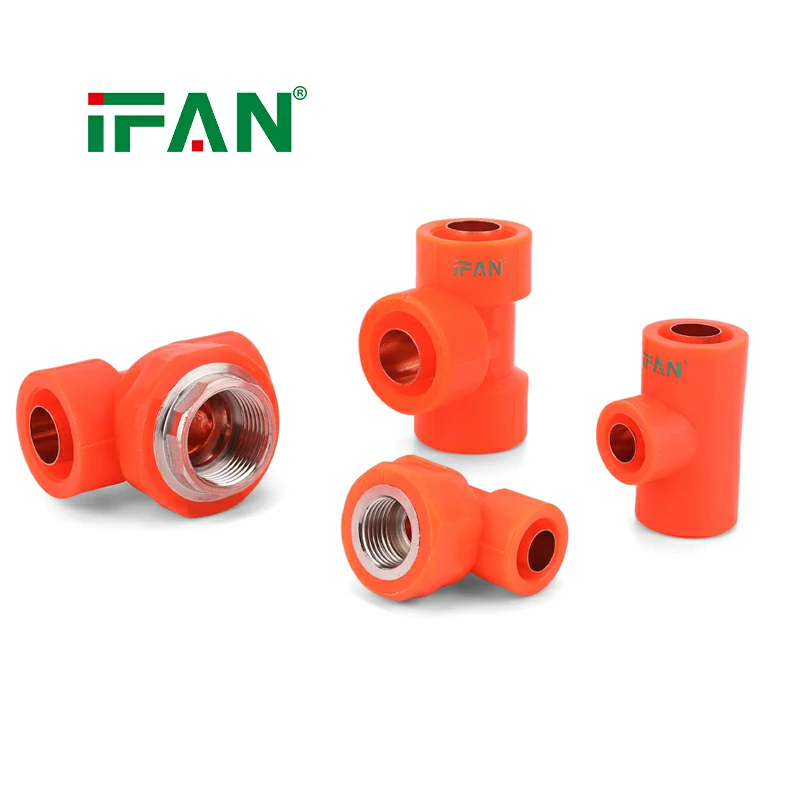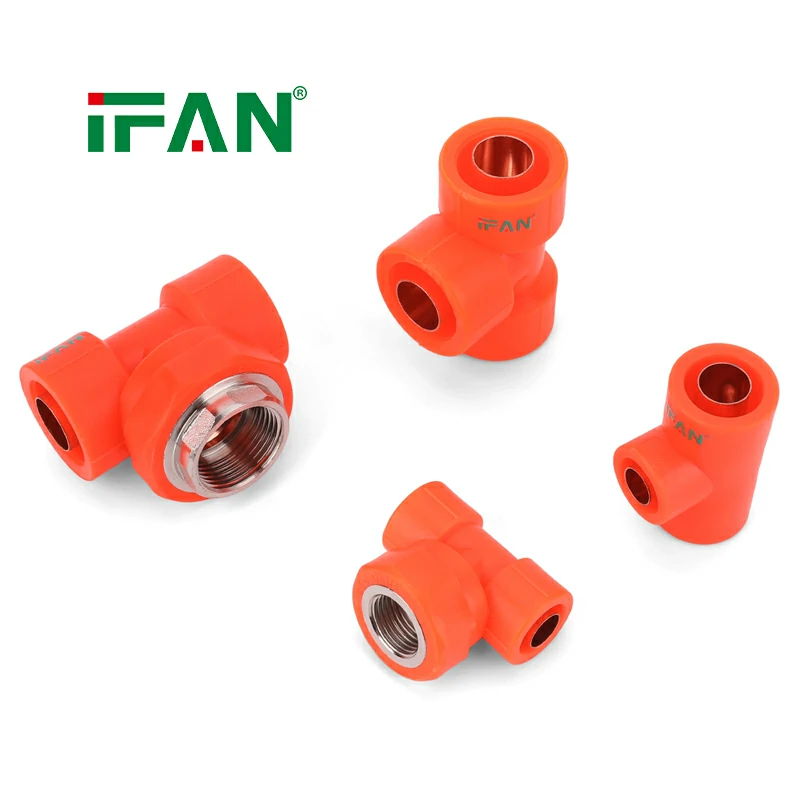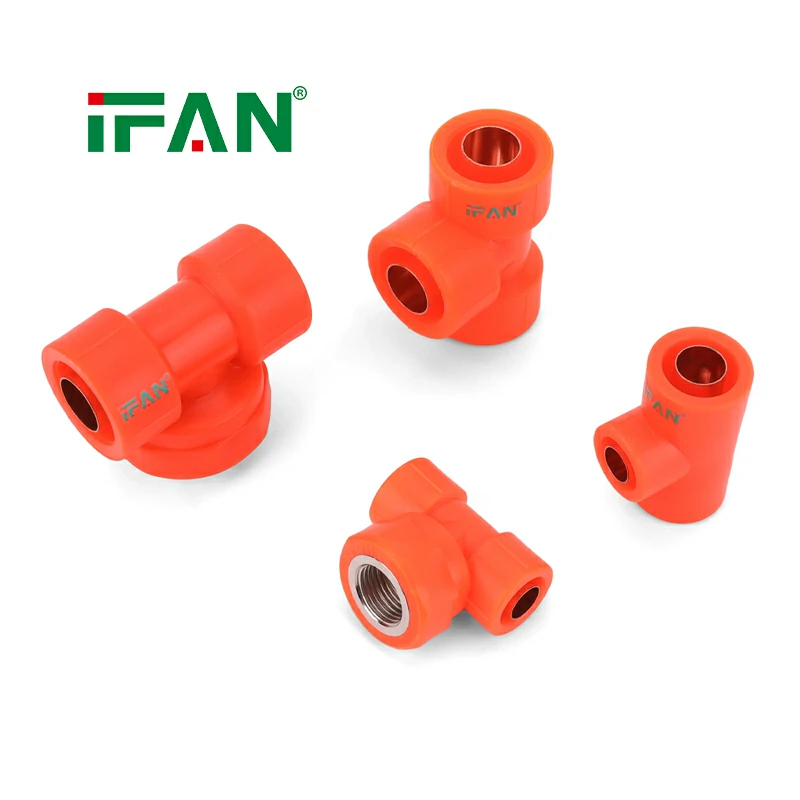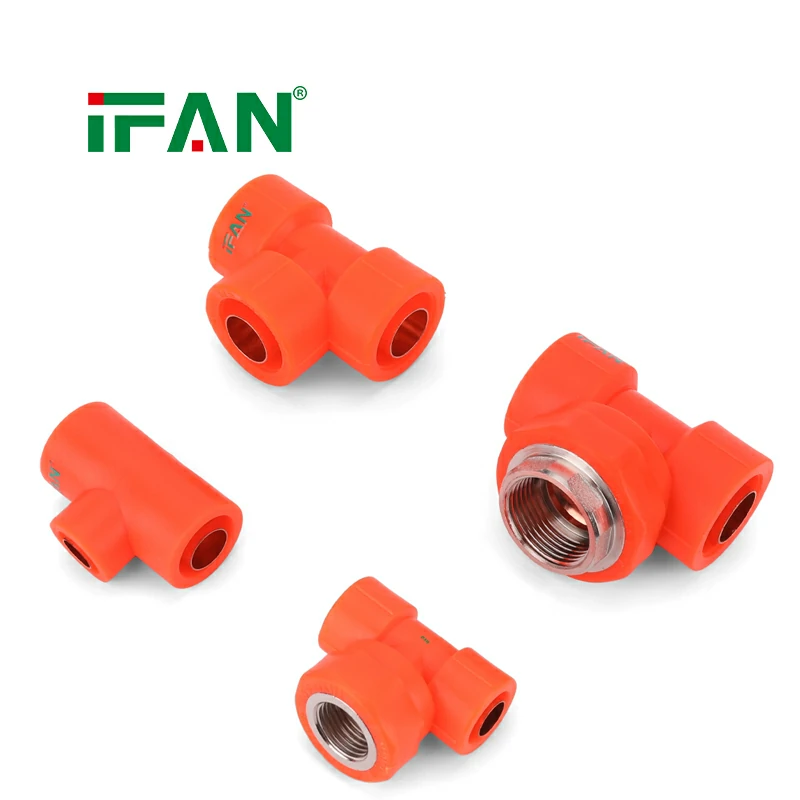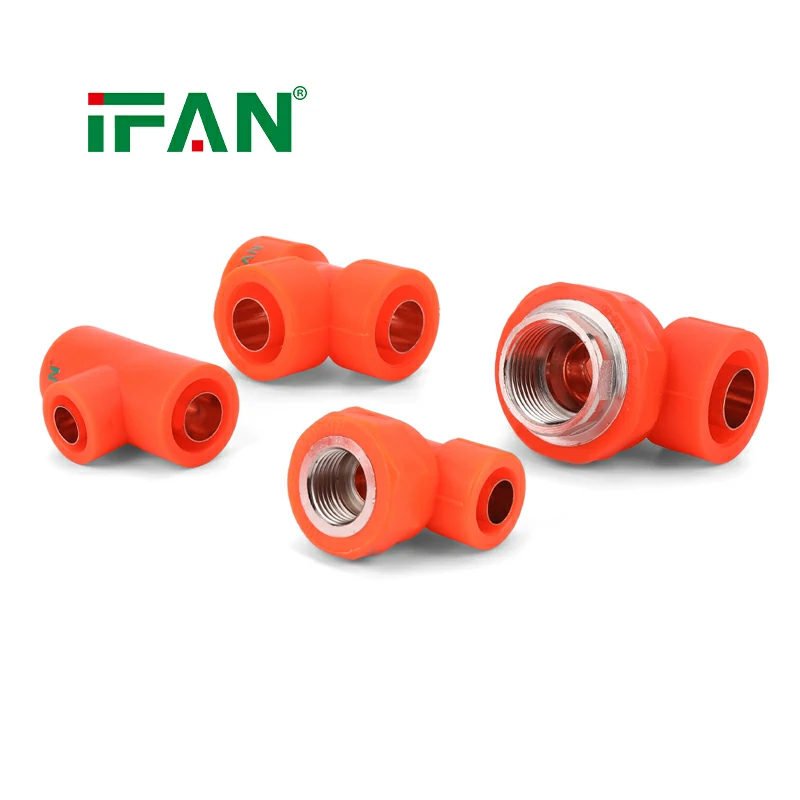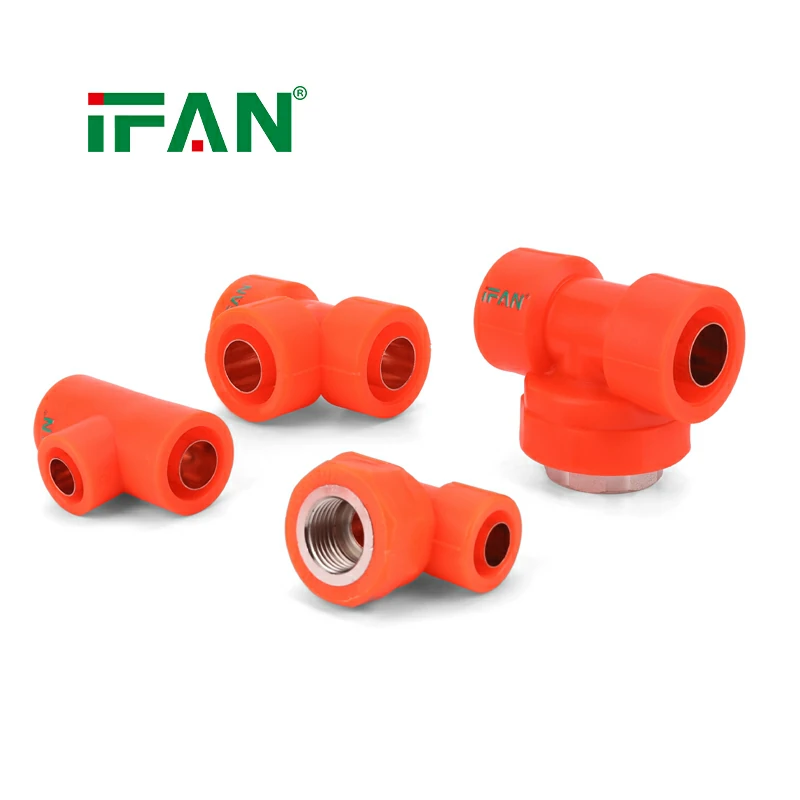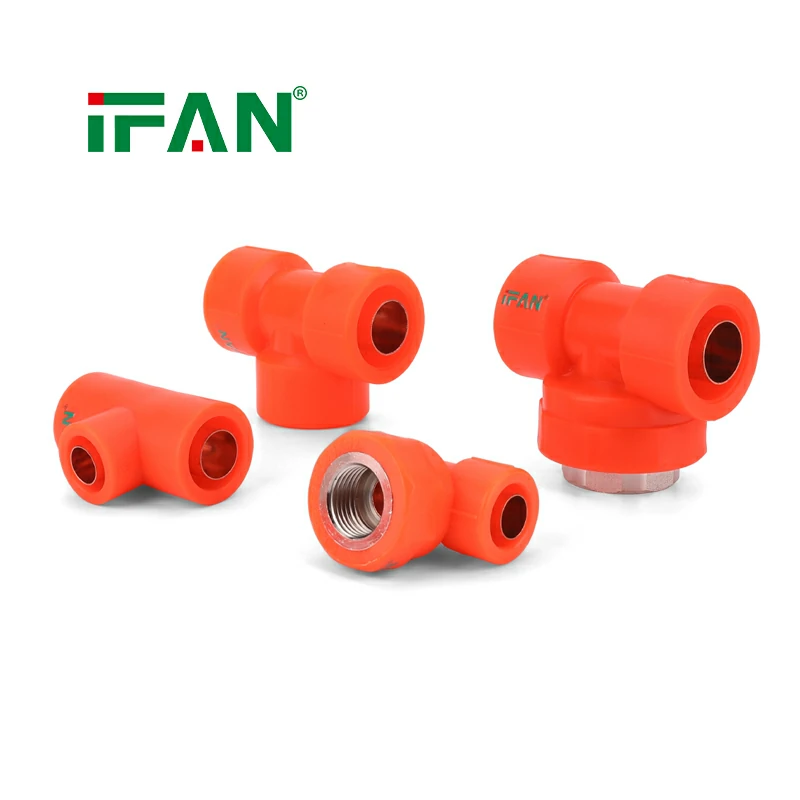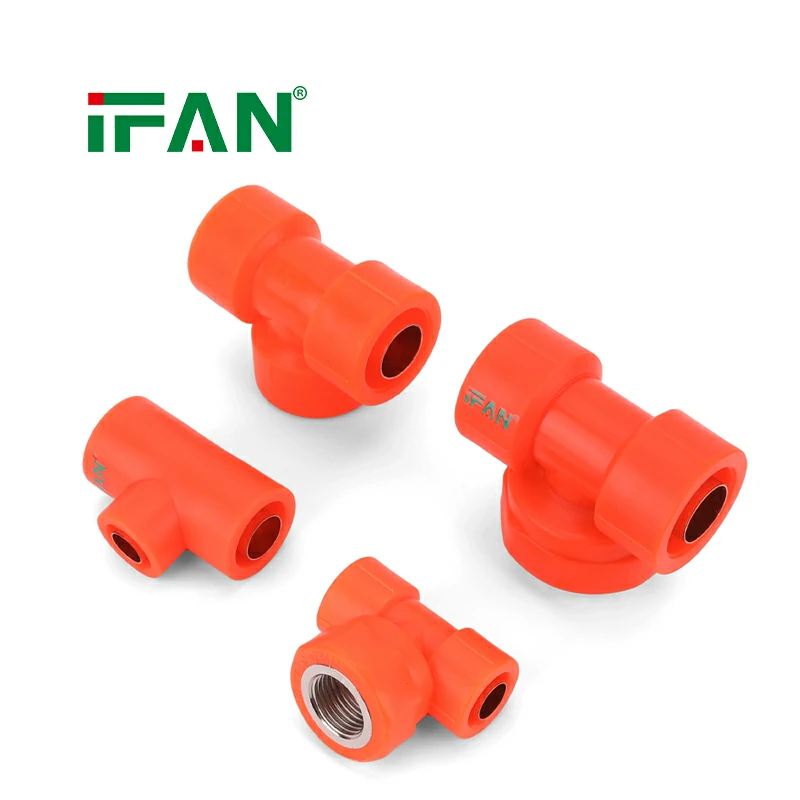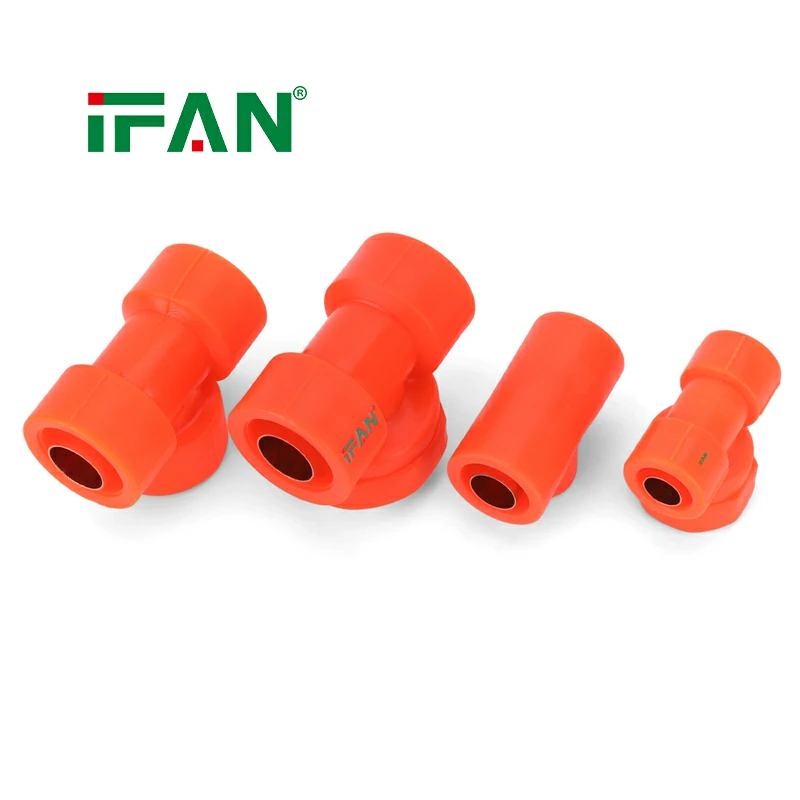
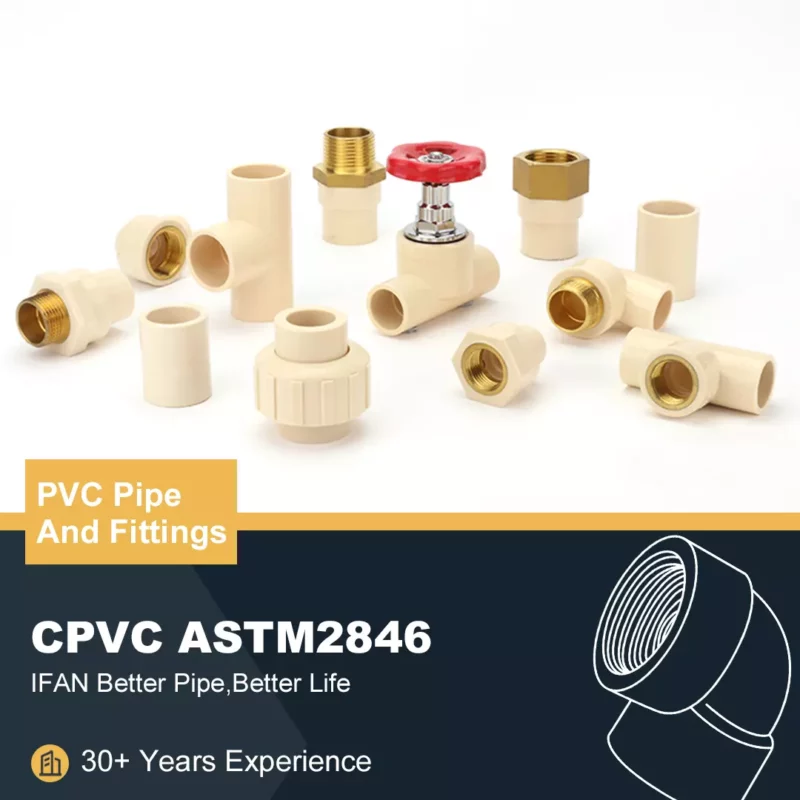
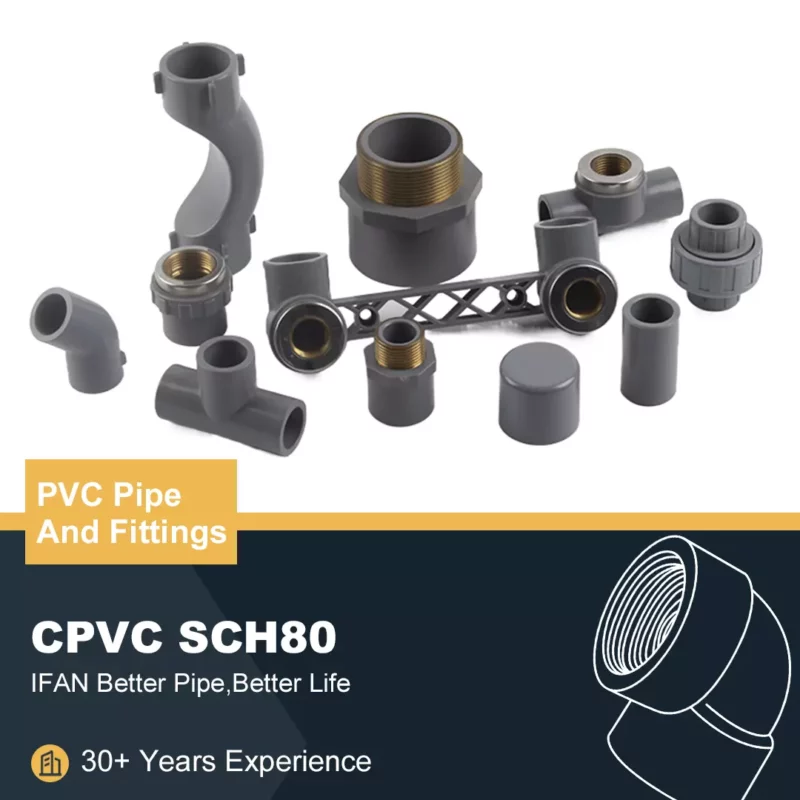
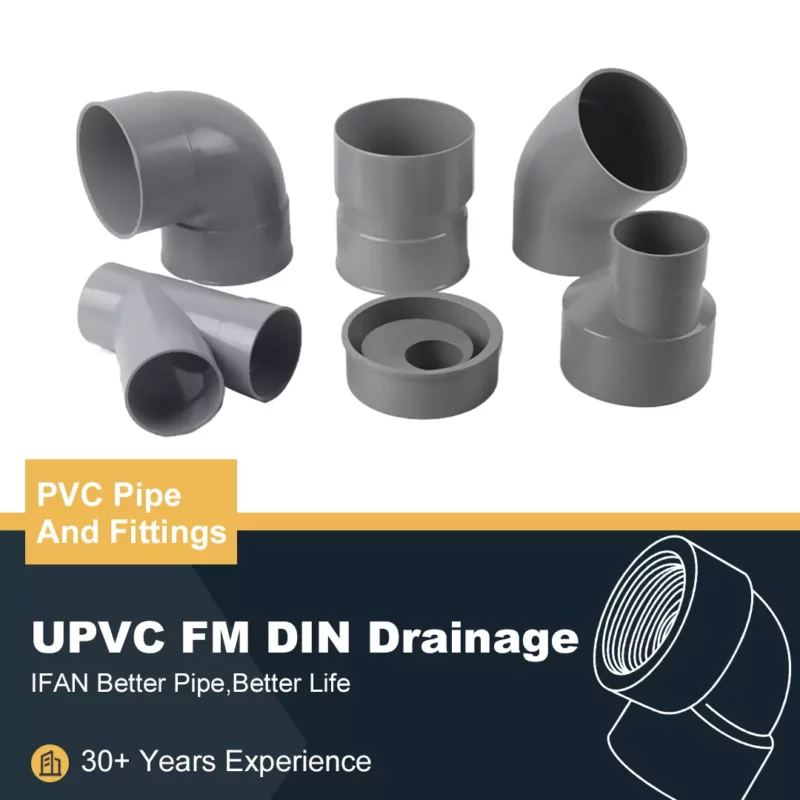
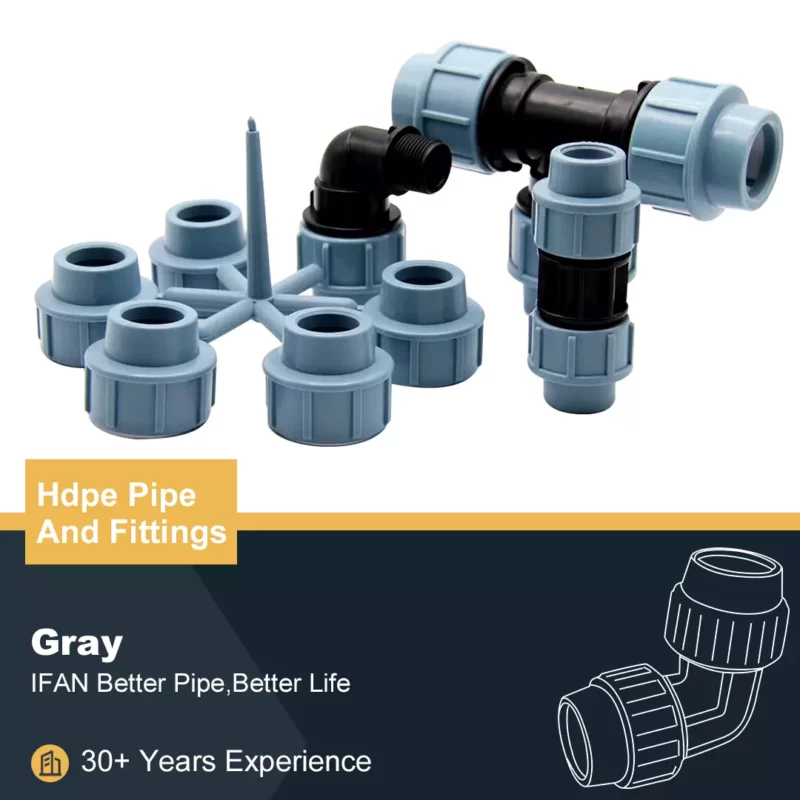


Polyethylene (PE) pipes are widely recognized for their durability, flexibility, and resistance to corrosion. These properties make them ideal for a range of piping applications, from water distribution to industrial systems. An essential component used in PE piping systems is the PE pipe saddle. The saddle is a versatile fitting that provides a reliable and stable connection between different pipe sections. This article explores the importance of PE pipe saddles, their advantages, and how they contribute to the overall efficiency of piping systems.
1. What is a PE Pipe Saddle?
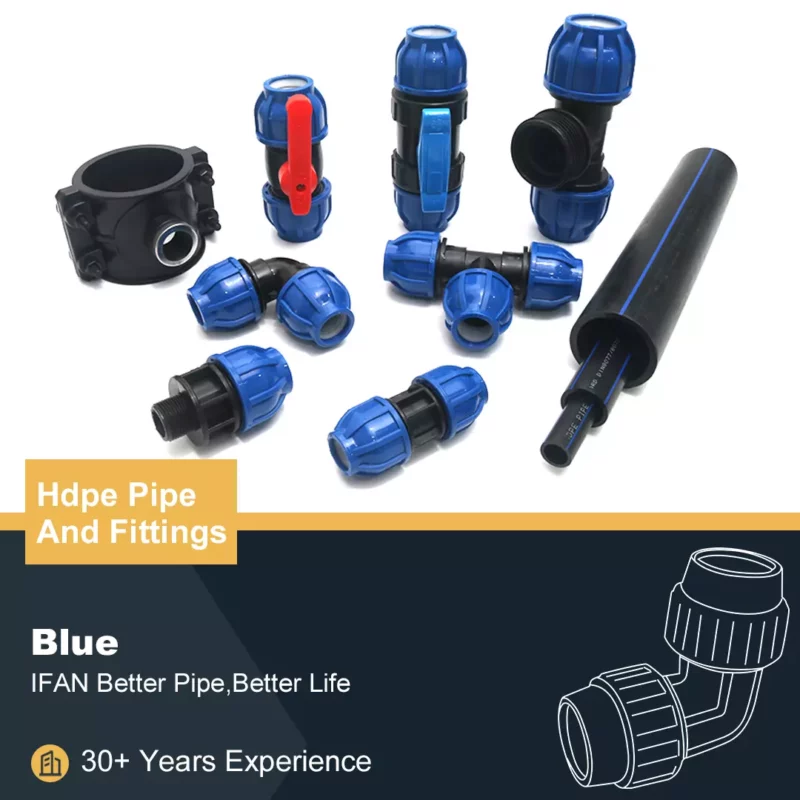
A PE pipe saddle is a fitting that attaches a smaller pipe to a larger PE pipe. Saddles are typically made from durable polyethylene or similar materials, ensuring they can withstand the pressures and conditions found in most piping systems. The saddle fits over the larger pipe, creating a secure connection point for branch lines, meters, valves, or other accessories. This fitting enables the efficient expansion of existing piping systems without requiring major modifications to the primary pipeline.
PE pipe saddles provide a simple yet effective way to tap into a main pipeline without the need for cutting, welding, or using complex tools. This makes the installation process faster and less invasive than traditional connection methods.
2. Key Benefits of PE Pipe Saddles
PE pipe saddles offer several important benefits, making them a preferred choice in many piping systems. These include:
- Durability: PE pipe saddles are built to last. They are resistant to corrosion, UV radiation, and other environmental factors that could degrade traditional metal fittings over time.
- Reliability: Once installed, PE pipe saddles create a strong, leak-free connection. This ensures that the piping system operates without disruptions, maintaining pressure and preventing leaks.
- Ease of Installation: One of the standout features of PE pipe saddles is their ease of installation. The process is quick and requires minimal tools, reducing labor time and associated costs.
- Flexibility: PE pipe saddles can be used in a variety of configurations, making them versatile for different types of systems, including water, gas, and irrigation applications.
- Cost-Effectiveness: Due to their simplicity and longevity, PE pipe saddles are a cost-effective solution. The initial installation cost is lower than that of more complex fittings, and their durability reduces the need for frequent replacements.
3. Function of PE Pipe Saddles in Piping Systems
The primary function of a PE pipe saddle is to allow the connection of a smaller pipe to a larger PE pipe. This connection could be for various purposes, including branching off to another part of the system or installing meters, valves, or other control devices. By using a saddle, it is possible to create these connections without disrupting the flow in the main pipeline.
PE pipe saddles are designed to fit snugly around the larger pipe, providing a secure anchor for the smaller branch pipe. This ensures the branch is stable and prevents stress on the connection, reducing the risk of leaks or failures over time.
Another advantage is the ability to install these saddles in tight spaces or locations that would otherwise be difficult to access using traditional fittings. This versatility makes them ideal for a wide range of applications.
4. Easy and Quick Installation Process
The installation of a PE pipe saddle is straightforward and does not require specialized tools or expertise. The saddle is typically installed by placing it over the main PE pipe and securing it with bolts or straps. Some saddles also feature integrated valves or tapping points, which allow for easy tapping into the main line.
The simplicity of installation means that projects can be completed faster, reducing downtime and lowering labor costs. Additionally, since there is no need for welding or other invasive procedures, the risk of damaging the existing pipeline is minimized.
The minimal installation requirements make PE pipe saddles a great solution for both new installations and retrofitting existing systems. They provide flexibility without compromising the integrity of the system.
5. Types of PE Pipe Saddles
There are several types of PE pipe saddles, each designed to suit different types of installations and applications. Common types include:
- Standard Saddles: These are the most basic type, typically used to create connections in water and gas distribution systems. They are suitable for most general applications.
- Tapping Saddles: Tapping saddles have built-in valves or tapping points that allow users to tap into the main pipeline without cutting it. This feature is particularly useful for retrofitting or extending an existing system.
- Sidewall Saddles: Sidewall saddles are designed to be installed on the side of a PE pipe, making them ideal for installations where top access is limited or unavailable.
- Flanged Saddles: Flanged saddles come with flanges for bolting and are often used in high-pressure systems where additional security is needed.
- Reinforced Saddles: These saddles are designed for applications where added strength and durability are required. They are reinforced to handle higher pressures or demanding conditions.
Each type of saddle is designed with specific needs in mind, ensuring that there is a suitable option for any piping application.
6. Common Applications of PE Pipe Saddles
PE pipe saddles are used in a wide range of applications across different industries. Some of the most common uses include:
- Water Distribution Systems: In municipal water systems, PE pipe saddles are used to create branch connections, allowing for water to be diverted to different parts of a city or residential area.
- Gas Distribution: In natural gas pipelines, PE pipe saddles provide secure, leak-free connections that allow for the installation of branch lines, meters, or control valves.
- Irrigation Systems: PE pipe saddles are commonly used in agriculture to connect smaller irrigation lines to larger water distribution pipes. Their ability to resist UV rays and harsh environmental conditions makes them ideal for outdoor use.
- Sewer and Wastewater Systems: In wastewater systems, PE pipe saddles are used to make connections between main sewer lines and smaller drainpipes, ensuring that the system remains secure and leak-free.
- Industrial Applications: In industrial settings, PE pipe saddles are used to connect different sections of pipes, particularly in chemical, food, or pharmaceutical industries. The saddle’s resistance to corrosion is a key benefit in these environments.
7. Durability and Longevity
PE pipe saddles are built for long-term durability. Made from high-quality polyethylene, they are resistant to corrosion, UV radiation, and chemical exposure. This makes them ideal for outdoor applications and environments where exposure to harsh chemicals is a concern.
The longevity of PE pipe saddles reduces the need for frequent maintenance or replacements, helping to minimize long-term costs. Since they do not degrade as easily as metal fittings, PE pipe saddles maintain their integrity over the years, ensuring reliable performance.
Additionally, PE pipe saddles are highly resistant to pressure changes and temperature fluctuations, making them suitable for a wide range of operational conditions. Whether the system is used for transporting water, gas, or chemicals, the saddle’s durability ensures that it remains stable under varying conditions.
8. Cost-Effectiveness of PE Pipe Saddles
PE pipe saddles are a cost-effective solution for a variety of piping needs. The initial cost of installing a PE pipe saddle is lower than that of traditional pipe fittings, such as welded connections or flanged fittings. This is largely due to the simplicity of the installation process, which requires fewer tools and less labor.
The cost-effectiveness of PE pipe saddles extends beyond the installation phase. Their durability means they do not need to be replaced as frequently as other types of fittings. Additionally, their resistance to corrosion and environmental wear reduces the need for expensive maintenance or repairs.
In the long run, using PE pipe saddles helps reduce the overall cost of maintaining and expanding a piping system, making them an attractive option for both small-scale and large-scale projects.
9. Maintenance and Inspection
PE pipe saddles require minimal maintenance. After installation, the main task is periodic inspection to ensure that the saddle is secure and free from damage. This is especially important in high-pressure systems where leaks can lead to significant issues.
Regular checks for leaks or signs of wear should be part of the overall maintenance plan. While PE pipe saddles are designed to be low-maintenance, any issues can usually be addressed quickly without needing to replace the entire fitting.
Cleaning the saddle is also important, especially in systems where debris or dirt can accumulate. Simple cleaning methods are sufficient to ensure the saddle continues to perform well throughout its life.
10. Conclusion
PE pipe saddles are an essential component of modern piping systems, offering durability, reliability, and flexibility. Their simple installation process, cost-effectiveness, and resistance to corrosion make them a preferred choice for many industries, including water, gas, and irrigation.
Whether for new installations or system expansions, PE pipe saddles provide a reliable and long-lasting solution for connecting pipes and branching off main pipelines. Their versatility and low maintenance requirements ensure that they remain a crucial element in efficient and sustainable piping systems.
By understanding the benefits and applications of PE pipe saddles, companies and contractors can make informed decisions about their use in a variety of systems. With their impressive durability and ease of installation, PE pipe saddles are set to continue being a valuable part of piping infrastructure worldwide.
If you have read this article and have any questions, please feel free to contact IFAN. Below is our contact information:
Whatsapp:+86 13373827623
Email:[email protected]