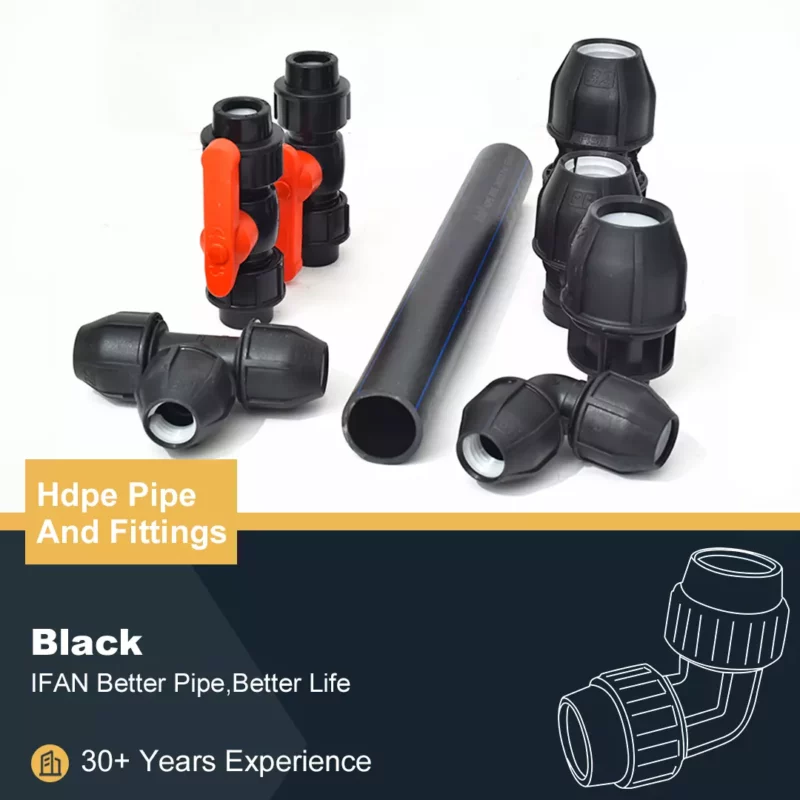
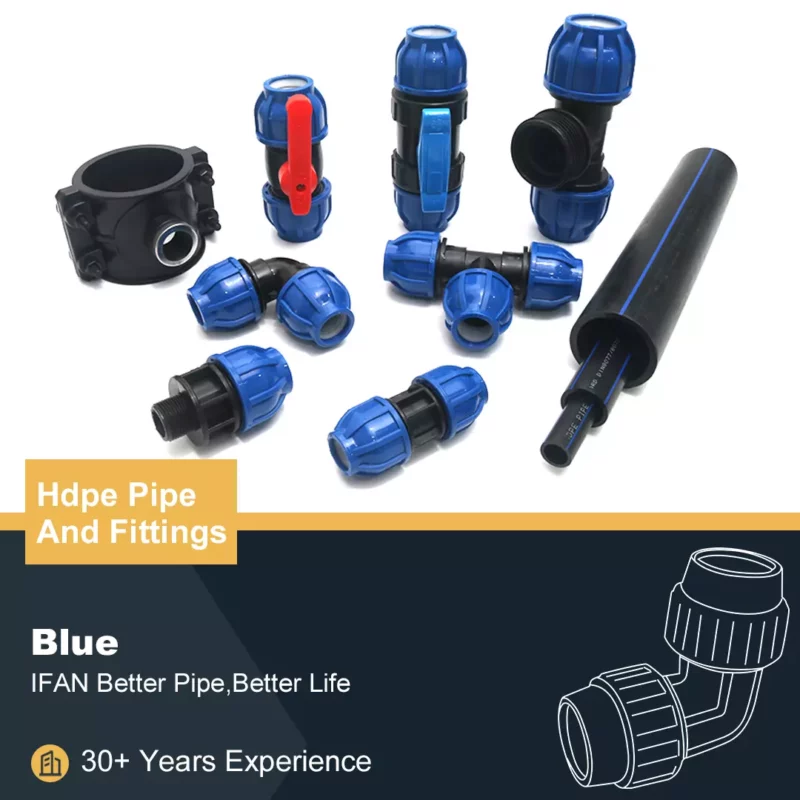
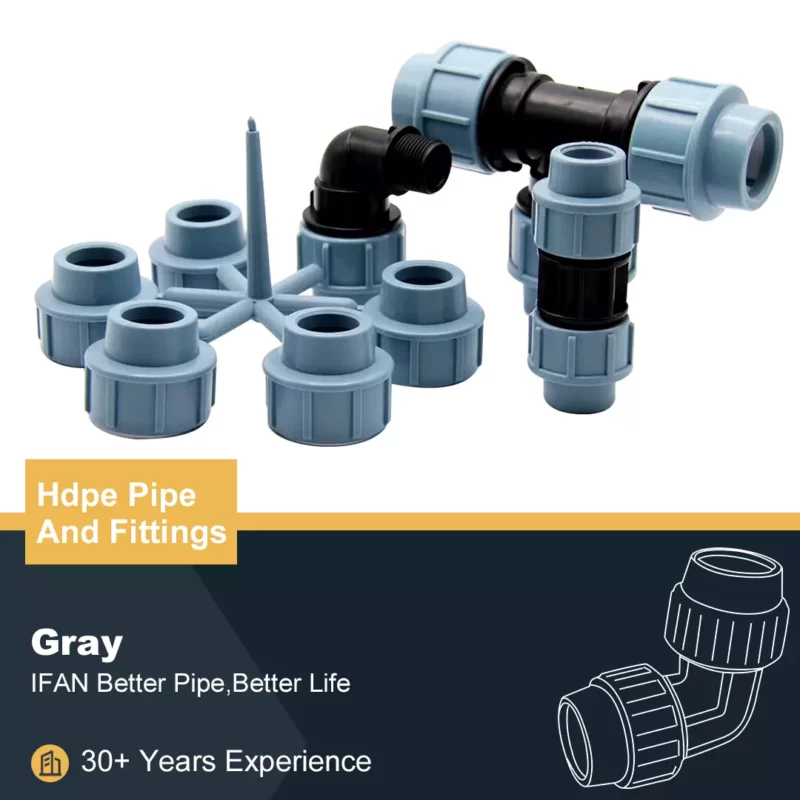

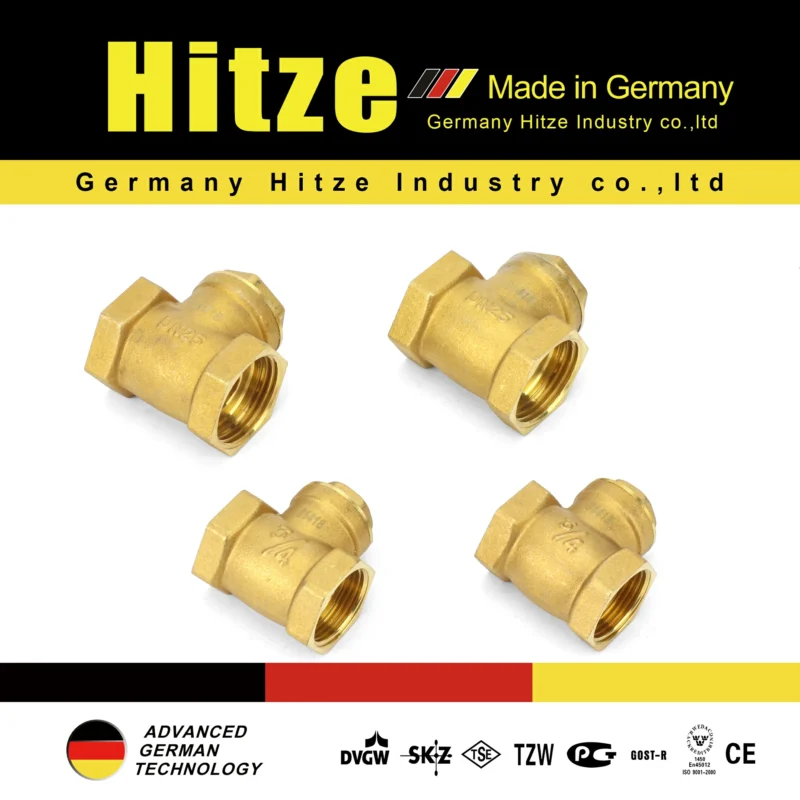
Check valves are essential components in various plumbing, industrial, and water management systems. Their primary function is to prevent backflow, ensuring that fluids flow in only one direction. Backflow occurs when the flow of liquid reverses direction, which can lead to contamination, equipment damage, or even system failure. In this article, we will explore the role of check valves, how they work, and why they are an effective solution for preventing backflow.
1. What is a Check Valve?
A check valve is a type of valve that allows fluid to flow in one direction only. It automatically closes to prevent reverse flow when the fluid’s direction changes. Check valves are commonly used in water, oil, gas, and chemical systems to protect against backflow.
The valve consists of a body, a seat, and a moving element, often called a disc, ball, or flap. When the fluid flows in the correct direction, the valve opens. When the direction changes, the moving element seals against the valve seat, stopping the backflow.
2. Why is Backflow a Concern?
Backflow is a critical issue in many systems, particularly in plumbing and water distribution networks. When water or other fluids flow backward, they can contaminate the entire system. In plumbing, for example, backflow can introduce hazardous substances, such as bacteria, chemicals, or waste, into the potable water supply. This can lead to severe health risks and even waterborne diseases.
In industrial and manufacturing settings, backflow can damage sensitive equipment, causing leaks or malfunctions. In some cases, reverse flow can even disrupt entire systems, leading to costly repairs and downtime. Check valves provide an effective solution by preventing these risks and maintaining system integrity.
3. How Does a Check Valve Work?
Check valves operate based on pressure differences within the system. When fluid flows in the correct direction, the pressure pushes the valve open. The moving element, whether it’s a ball, disc, or flap, moves away from the valve seat, allowing the fluid to pass through. Once the flow stops or reverses, the pressure from the backward fluid forces the valve element to close against the seat, blocking reverse flow.
There are different types of check valves, each using different mechanisms to achieve this one-way flow. Common designs include ball check valves, swing check valves, and spring-loaded check valves. The choice of valve depends on factors such as the flow rate, the type of fluid, and the application.
4. Types of Check Valves
Several types of check valves are available, each suited for specific applications. The most common types include:
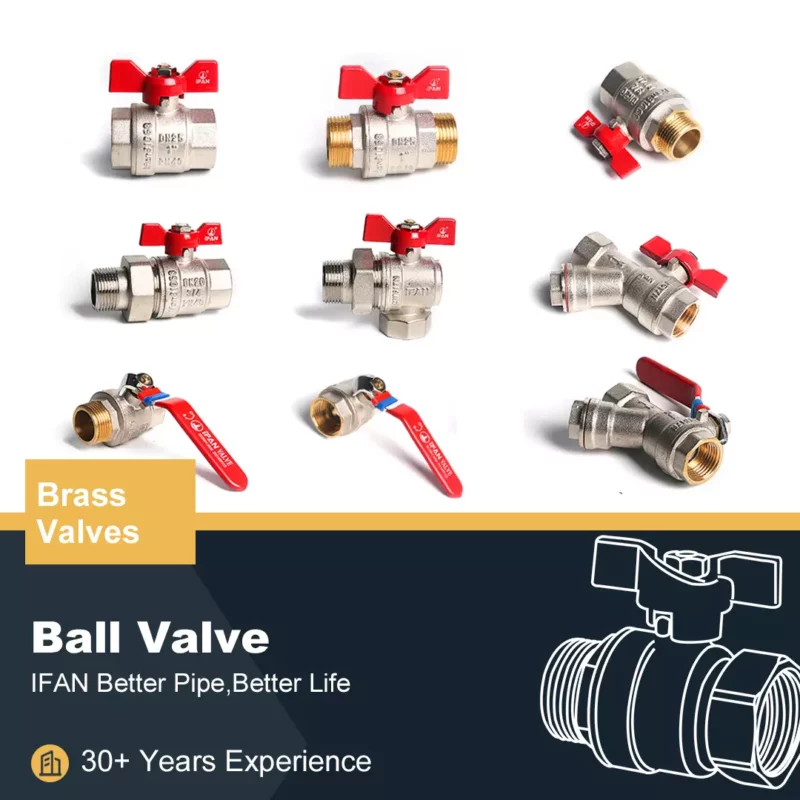
- Ball Check Valve: This type uses a ball that sits on a valve seat. When the fluid flows in the correct direction, the ball is pushed away from the seat. If the flow reverses, the ball is pushed back onto the seat, stopping the backflow.
- Swing Check Valve: This valve has a hinged flap that swings open when fluid flows in the correct direction. If the flow reverses, the flap swings back to its closed position, preventing backflow.
- Spring-loaded Check Valve: A spring-loaded check valve uses a spring to push the valve element (usually a disc or ball) onto the seat. The spring holds the valve closed until the pressure from the flow is sufficient to overcome it and open the valve.
- Lift Check Valve: This design uses a disc or piston that is lifted by the flow pressure. If the flow reverses, the disc or piston is pushed back to the seat, preventing reverse flow.
Each type of check valve has specific advantages, such as ease of installation, flow rate capacity, and resistance to pressure fluctuations. The choice of valve depends on the specific requirements of the system.
5. Applications of Check Valves
Check valves are used in a wide range of industries and systems to prevent backflow and ensure smooth, unidirectional flow. Some of the most common applications include:
- Water and Wastewater Treatment: Check valves are critical in water treatment plants, sewage systems, and stormwater management systems. They prevent contaminants from flowing back into clean water supplies, ensuring the safety and quality of drinking water.
- Industrial Systems: In manufacturing and chemical processing industries, check valves protect sensitive equipment from reverse flow, which could lead to equipment damage or operational failure.
- Pumping Systems: Check valves are often used in pumping systems to prevent backflow that could damage pumps or cause cavitation, which can reduce the efficiency of the system.
- HVAC Systems: In heating, ventilation, and air conditioning (HVAC) systems, check valves ensure that the fluid circulates in the proper direction, preventing reverse flow that could affect the system’s efficiency.
- Fire Protection Systems: In fire sprinkler systems, check valves prevent the backflow of water into the main water supply, ensuring that the system functions as intended during an emergency.
6. Benefits of Check Valves
Check valves offer numerous benefits, making them indispensable in many applications:
- Prevention of Contamination: By preventing backflow, check valves protect potable water supplies from contamination. This is especially critical in public water systems, where the risk of cross-contamination can pose significant health hazards.
- Equipment Protection: Check valves protect pumps, compressors, and other machinery from damage caused by reverse flow. This extends the lifespan of equipment and reduces maintenance costs.
- Improved System Efficiency: Check valves help maintain a consistent flow of fluid, ensuring that the system operates efficiently. Without check valves, systems may experience inconsistent pressure, reduced flow, and operational inefficiencies.
- Reduced Risk of System Failure: By preventing backflow, check valves help avoid pressure surges or water hammer, which can cause damage to pipes and fittings. This reduces the risk of system failure and costly repairs.
7. Choosing the Right Check Valve
Selecting the right check valve for your system is crucial to ensuring optimal performance. Several factors must be considered when choosing a check valve, including:
- Fluid Type: The type of fluid flowing through the system, such as water, oil, or chemicals, determines the materials used in the valve. For example, some check valves are designed for corrosive liquids, while others are suited for clean water or gas.
- Pressure and Temperature: The valve must be able to handle the pressure and temperature ranges of the system. Ensure that the valve material and design are compatible with the operating conditions.
- Flow Rate: The flow rate determines the size of the valve. High-flow systems require larger valves with higher capacity, while low-flow systems can use smaller check valves.
- Installation Space: Some check valves, like swing check valves, require more space for installation due to their larger size. Ball or spring-loaded check valves can be more compact and suitable for tight spaces.
8. Maintenance of Check Valves
Check valves are relatively low-maintenance components, but regular inspection is essential to ensure proper operation. The valve should be checked for signs of wear, such as corrosion or buildup of debris, which can hinder its functionality. Periodic cleaning and lubrication may also be necessary to keep the valve moving parts in good condition.
In addition, check valves should be tested regularly to ensure they close properly and do not allow reverse flow. If any issues are identified, the valve should be repaired or replaced promptly to avoid system damage.
9. Common Issues with Check Valves
While check valves are generally reliable, they can experience certain issues that affect their performance. Common problems include:
- Sticking or Jamming: Debris, corrosion, or mineral buildup can cause the valve’s moving parts to stick or jam, preventing it from closing properly.
- Wear and Tear: Over time, the valve seat or disc may become worn, reducing the valve’s ability to prevent backflow.
- Improper Sizing: If the check valve is too small or too large for the system, it may not function effectively, leading to system inefficiency or failure.
Regular inspection and maintenance can help identify and address these issues before they lead to serious problems.
10. Conclusion
Check valves play a vital role in preventing backflow, ensuring the smooth and safe operation of plumbing, industrial, and water management systems. By allowing fluid to flow in only one direction, check valves prevent contamination, protect equipment, and improve system efficiency. With various designs available to suit different applications, check valves provide a reliable solution to manage the flow of liquids and gases.
Their ease of maintenance, long-lasting durability, and cost-effectiveness make check valves an essential component in many industries. Whether in residential plumbing, industrial processes, or wastewater management, check valves help maintain system integrity and ensure the safety and reliability of fluid flow.
If you have read this article and have any questions, please feel free to contact IFAN. Below is our contact information:
Whatsapp:+86 13373827623
Email:[email protected]