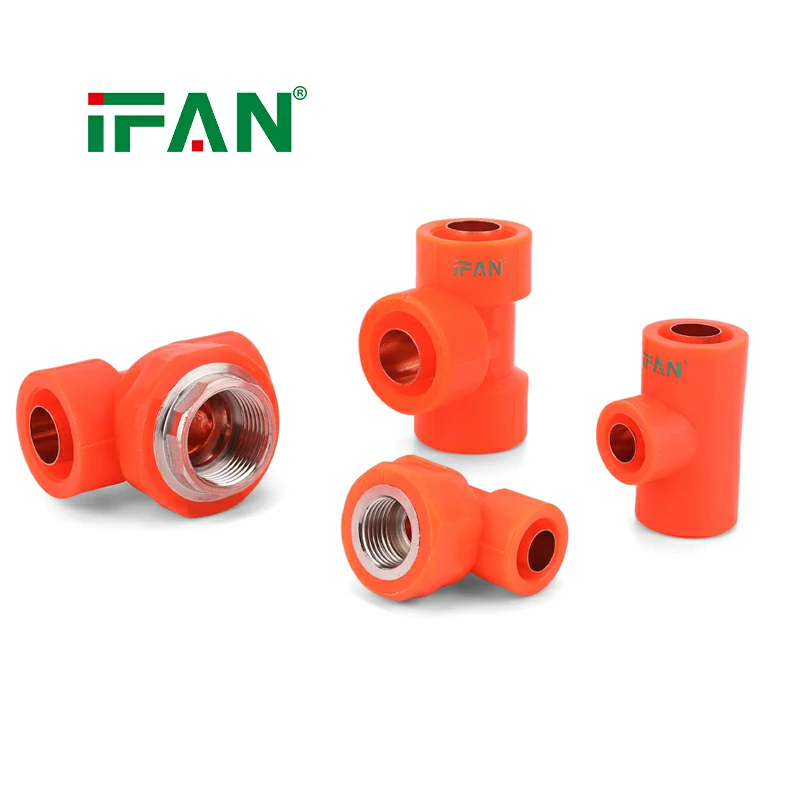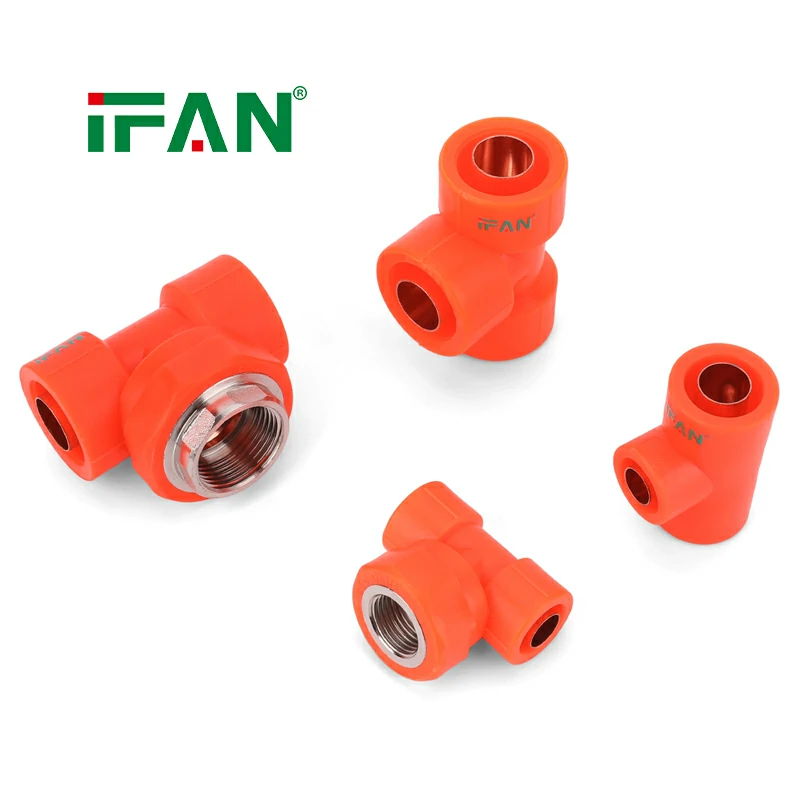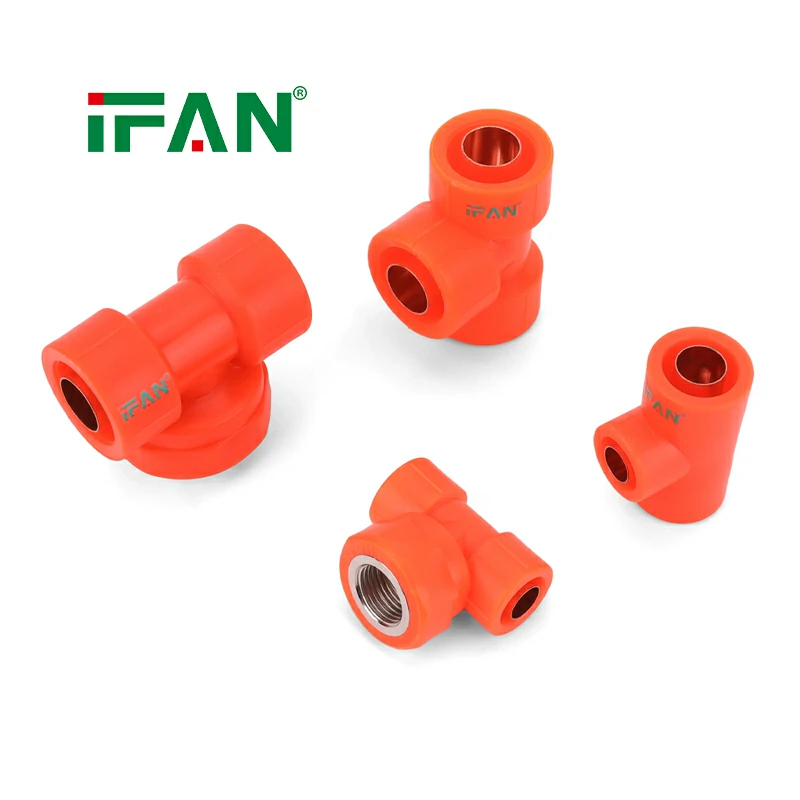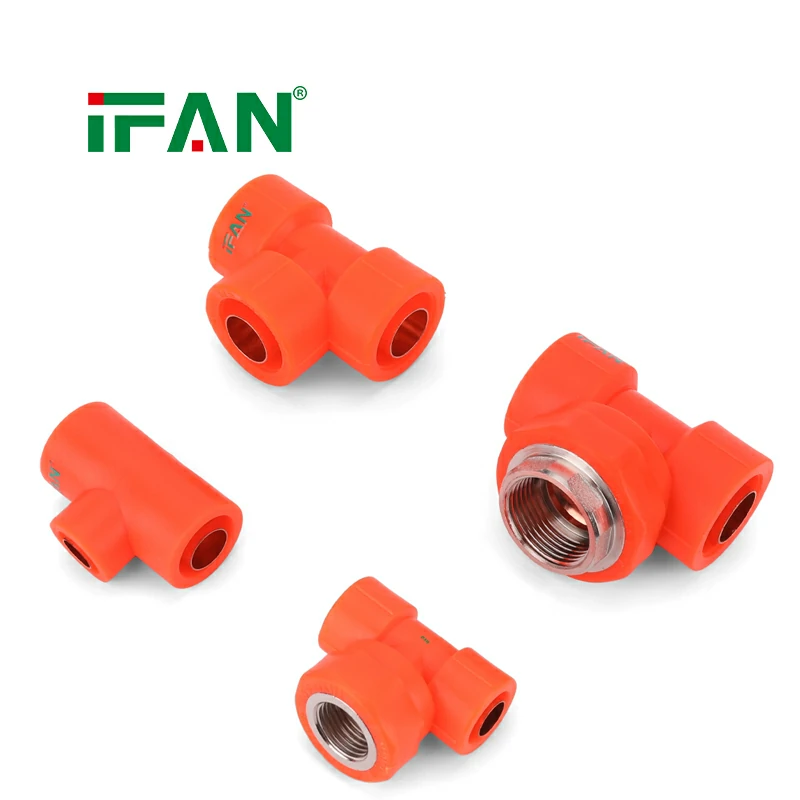
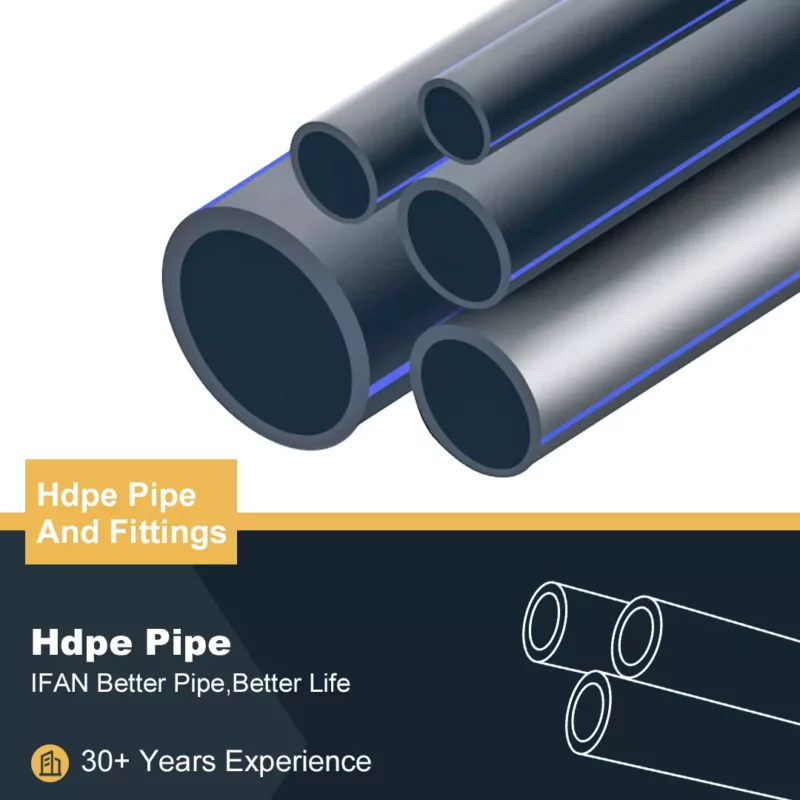
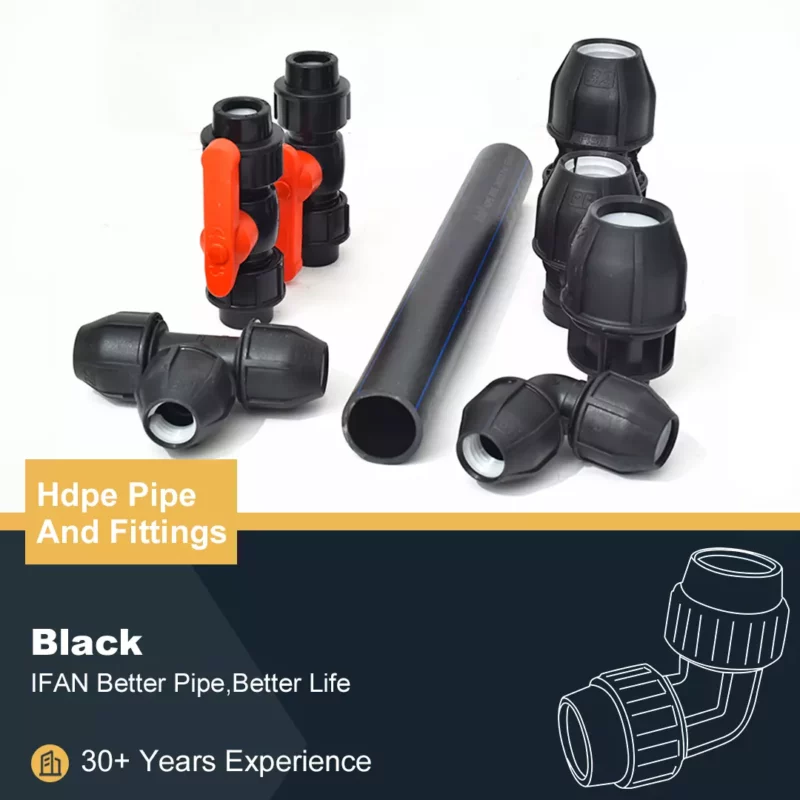
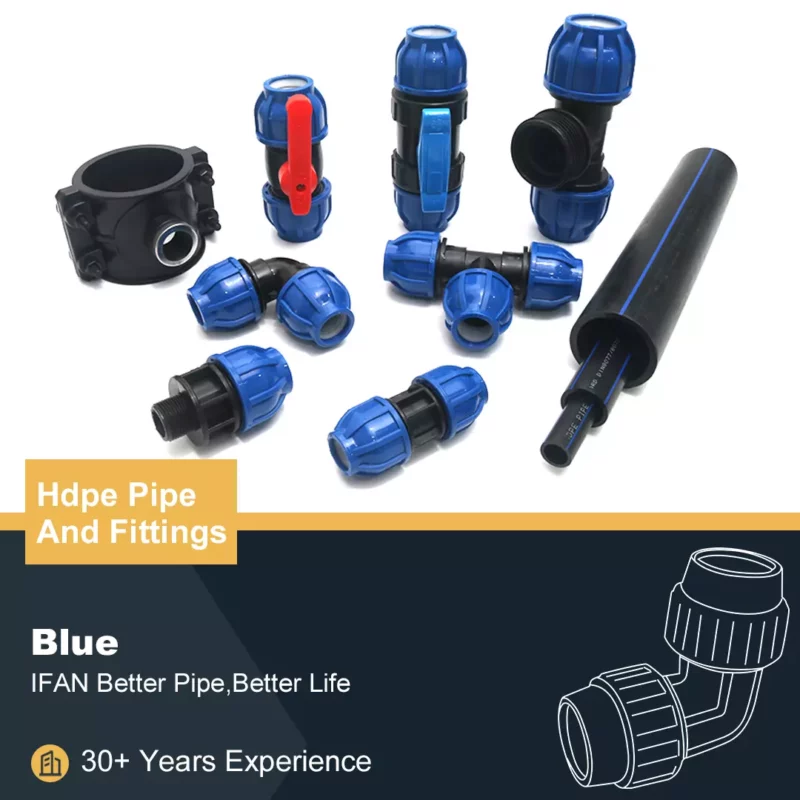
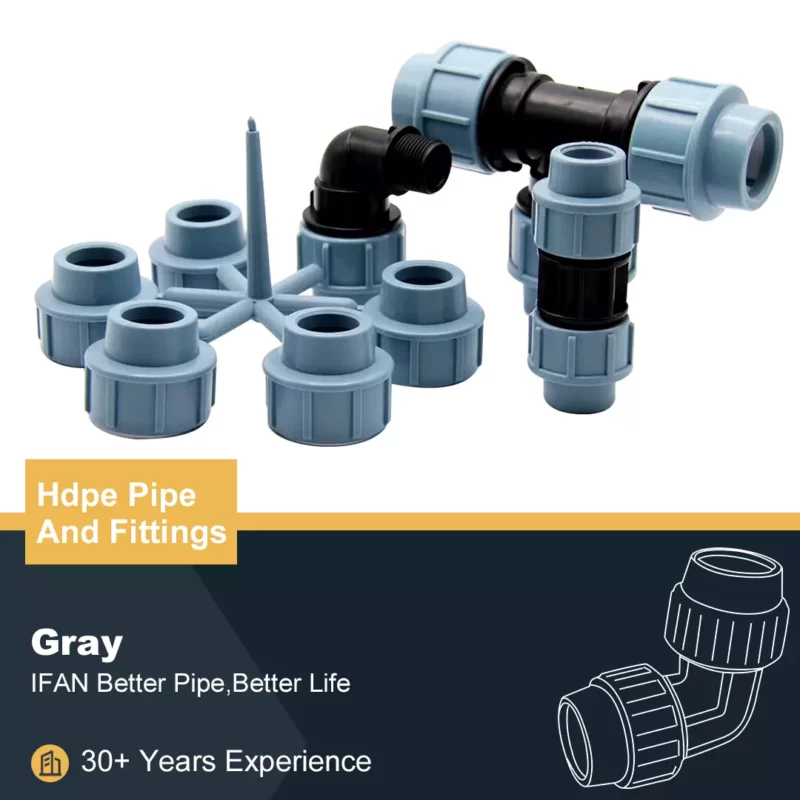


Polyethylene (PE) pipes have become an essential part of modern infrastructure. Widely used in various industries, including water supply, gas distribution, and irrigation, PE pipes are known for their lightweight and flexible characteristics. These pipes offer numerous advantages over traditional materials such as steel, copper, and PVC. In this article, we will explore the benefits of PE pipes, their applications, and why they are considered a superior solution for various piping needs.
1. What is PE Pipe?
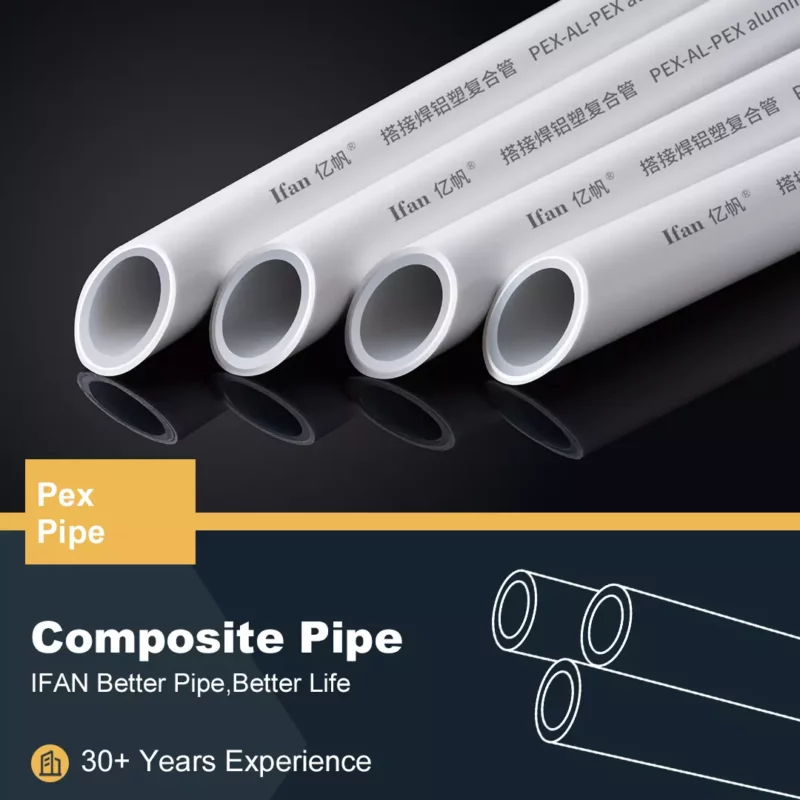
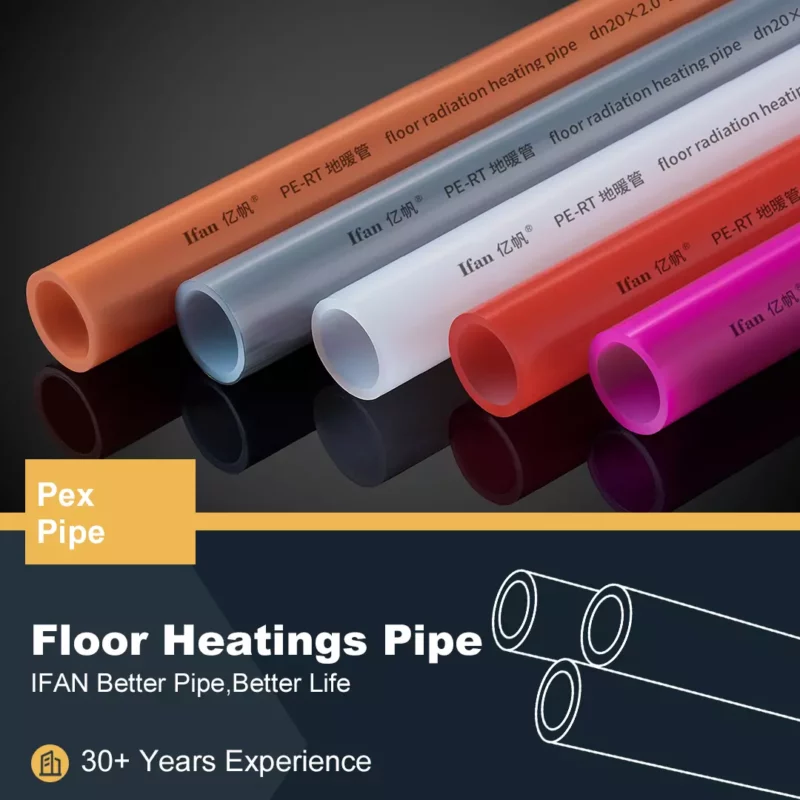
PE pipe refers to a pipe made from polyethylene, a versatile and durable plastic polymer. Polyethylene is widely used for various purposes due to its low cost, flexibility, and strength. PE pipes are made by extruding polyethylene material into pipe shapes, making them ideal for transporting water, gas, and other fluids.
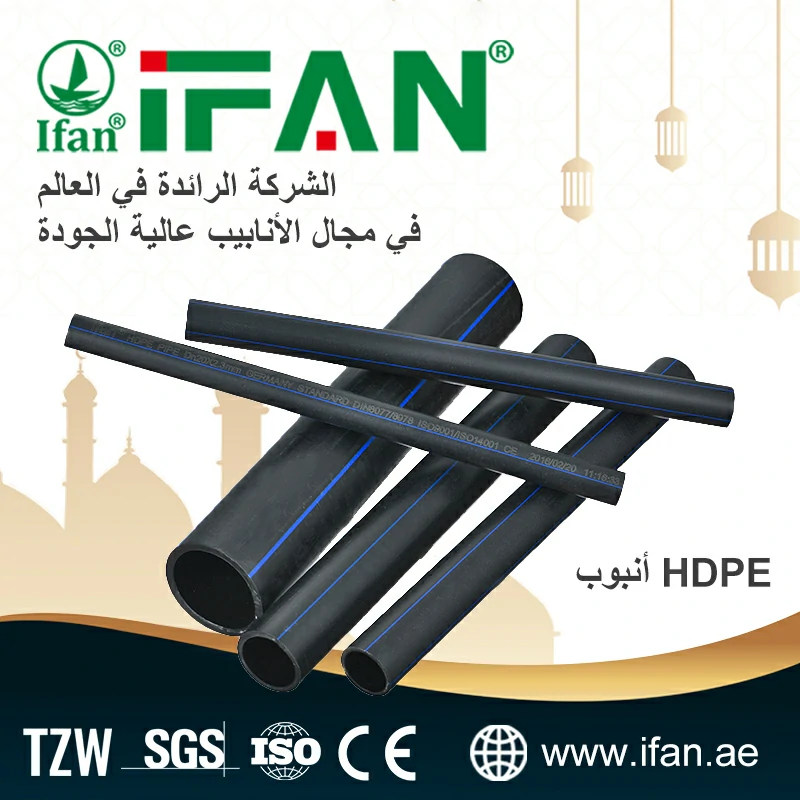
PE pipe come in various grades, including high-density polyethylene (HDPE) and medium-density polyethylene (MDPE). HDPE is often used for more demanding applications, such as water mains and gas pipelines, due to its superior strength and durability. MDPE, on the other hand, is often used in less demanding applications like irrigation systems.
2. Lightweight Nature of PE Pipes
One of the most significant advantages of PE pipe is their lightweight nature. Compared to materials like steel and cast iron, PE pipes are much lighter, which makes handling and installation easier. This lightweight quality reduces the need for heavy machinery during installation, lowering labor and equipment costs.
PE pipes are easy to transport, store, and install, which makes them ideal for a wide range of applications. Their reduced weight also helps minimize the risks of injury during installation, as workers are less likely to strain themselves when handling the pipes.
3. Flexibility of PE Pipes
PE pipes are also known for their remarkable flexibility. This flexibility allows the pipes to bend without breaking or cracking, making them ideal for installation in areas with uneven terrain or complex layouts. Unlike rigid materials such as PVC or steel, PE pipe can be bent to navigate around obstacles or curves in the landscape.
The flexibility of PE pipe is also an advantage when it comes to installation. They can be coiled into rolls, making them easier to handle and install over long distances. This reduces the need for joints and connections, which can often become weak points in traditional piping systems.
4. Durability and Longevity
PE pipes are highly durable and resistant to corrosion, which makes them suitable for a wide range of environmental conditions. Unlike metal pipes, which are prone to rust and degradation over time, PE pipe remain unaffected by water, chemicals, and most environmental factors. This durability ensures that PE pipe have a long service life, often lasting Long-term durability according to standards or more with minimal maintenance.
Additionally, PE pipes are resistant to UV radiation, making them ideal for outdoor applications. They are also resistant to chemical corrosion, which makes them suitable for carrying a wide range of fluids, including acidic or alkaline substances.
5. Resistance to External Damage
The ability of PE pipe to withstand external pressure and impact is another reason for their growing popularity. The flexible nature of PE pipes allows them to absorb external forces without cracking or breaking. This is particularly important in areas with shifting soil or high traffic, where other types of pipes may be at risk of damage.
Furthermore, PE pipes are highly resistant to freezing and thawing cycles. Unlike metal pipes, which are prone to expansion and contraction, PE pipe maintain their structural integrity even in extreme temperature conditions. This makes them ideal for use in regions with cold winters or areas where temperature fluctuations are common.
6. Cost-Effectiveness
PE pipes are cost-effective both in terms of initial installation and long-term maintenance. The lightweight and flexible properties of PE pipes reduce transportation and labor costs during installation. Furthermore, because they are resistant to corrosion and chemical damage, PE pipes require less maintenance and fewer replacements over time.
In addition, the flexibility of PE pipe allows for easier installation in difficult-to-reach areas. This can save money on excavation and trenching, as the pipes can be installed with minimal disruption to the surrounding environment.
7. Applications of PE Pipes
PE pipes are used in a wide range of applications across various industries. Some of the most common uses include:
- Water Distribution: PE pipes are widely used for drinking water supply systems due to their resistance to corrosion and their ability to maintain water quality. They are used in both residential and municipal water systems to transport potable water safely and efficiently.
- Gas Distribution: PE pipe are used for natural gas and LPG distribution networks. Their resistance to corrosion and low permeability to gases make them ideal for transporting gas safely without the risk of leakage or contamination.
- Irrigation Systems: Due to their flexibility, PE pipe are ideal for agricultural and landscape irrigation systems. These pipes can be easily coiled and installed over large areas, ensuring a consistent and efficient water supply to crops or plants.
- Sewer and Drainage Systems: PE pipe are also used for sewer and stormwater drainage systems. Their ability to resist environmental stress and chemical damage makes them well-suited for handling wastewater and stormwater in both residential and commercial applications.
8. Environmental Benefits
PE pipes are an environmentally friendly option for piping systems. Polyethylene is 100% recyclable, and many PE pipes are made from recycled materials, which helps reduce waste and support sustainable practices. Additionally, the long lifespan of PE pipe means fewer replacements are required, reducing the need for new raw materials.
The reduced energy consumption during the installation of PE pipe also contributes to their environmental benefits. The lighter weight of the pipes means that less energy is required for transportation and installation. Furthermore, the flexibility of PE pipe allows for trenchless installation methods, which minimize disruption to the surrounding environment.
9. Easy Installation Process
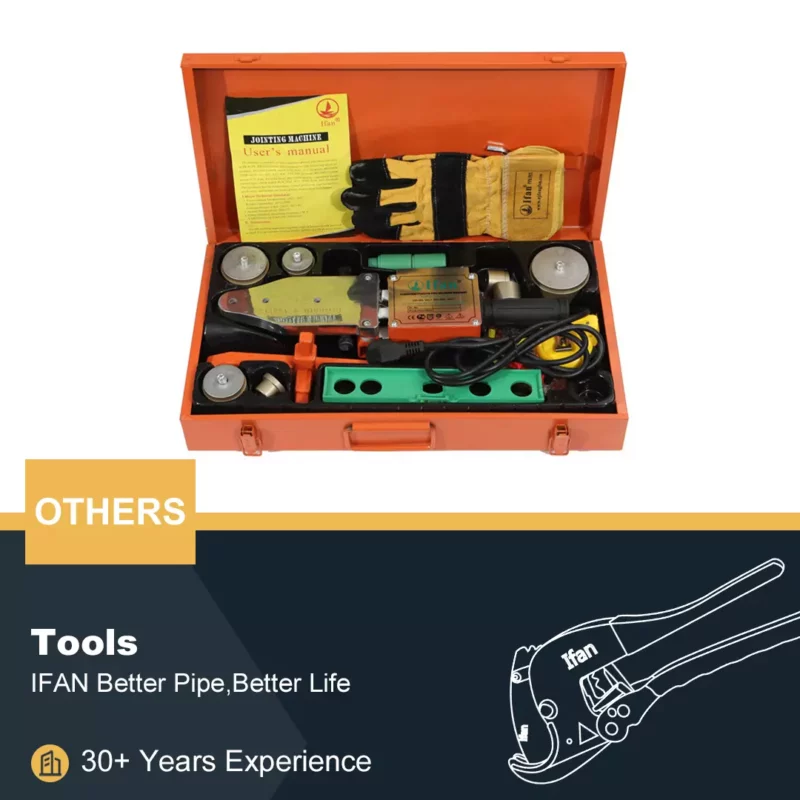
The installation process for PE pipe is straightforward and efficient. The flexibility of the pipes means they can be easily coiled and laid out without the need for complex fittings or connections. In fact, PE pipes are often installed using a technique called “fusion welding,” which involves melting the ends of the pipe together to form a strong, leak-proof bond.
Fusion welding is faster and more reliable than traditional methods like threading or gluing. It creates seamless joints that reduce the risk of leaks or failures over time. This method also eliminates the need for additional fittings, which can further reduce installation costs.
10. PE Pipes in the Future
As the demand for sustainable, efficient infrastructure grows, the use of PE pipe is expected to continue to rise. Their versatility, durability, and cost-effectiveness make them a smart choice for a wide range of industries. Innovations in materials and manufacturing techniques will likely improve the performance of PE pipe even further.
Additionally, the growing emphasis on sustainability and environmental impact will drive the adoption of PE pipe in more applications. Their recyclability and long lifespan make them a key player in creating a more sustainable future for infrastructure projects around the world.
11. Conclusion
PE pipe offer a lightweight, flexible, and cost-effective solution for modern piping systems. Their durability, resistance to corrosion, and ease of installation make them ideal for a wide range of applications, from water and gas distribution to irrigation and drainage. The environmental benefits of PE pipe, combined with their long lifespan and low maintenance requirements, make them a smart choice for both residential and commercial projects.
As industries continue to focus on sustainability and efficiency, the role of PE pipe in infrastructure development will only become more prominent. With their ability to reduce costs, improve system performance, and protect the environment, PE pipes are an excellent solution for today’s piping needs.
If you have read this article and have any questions, please feel free to contact IFAN. Below is our contact information:
Whatsapp:+86 13373827623
Email:[email protected]