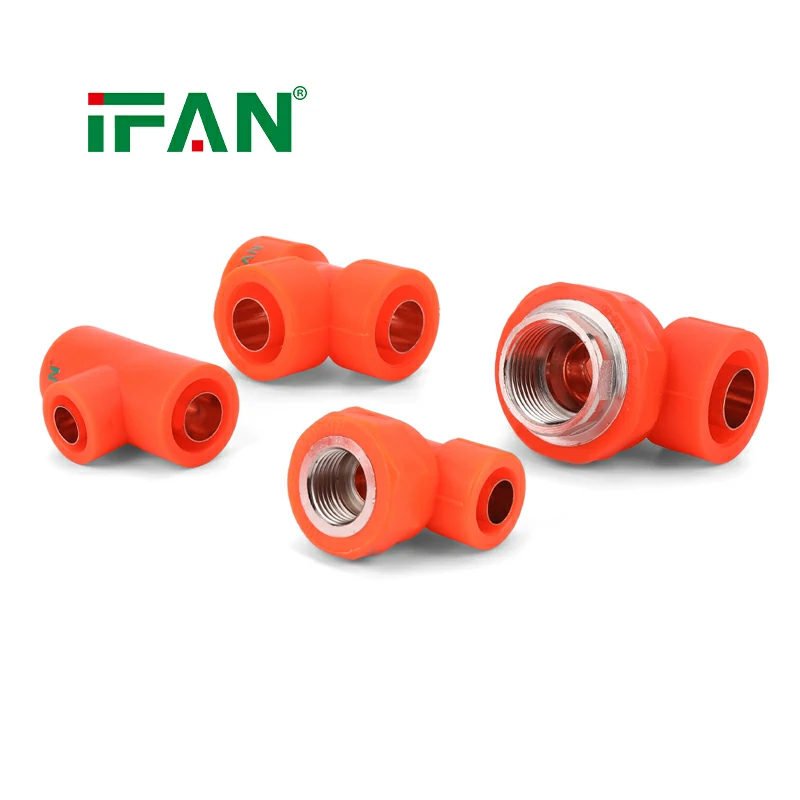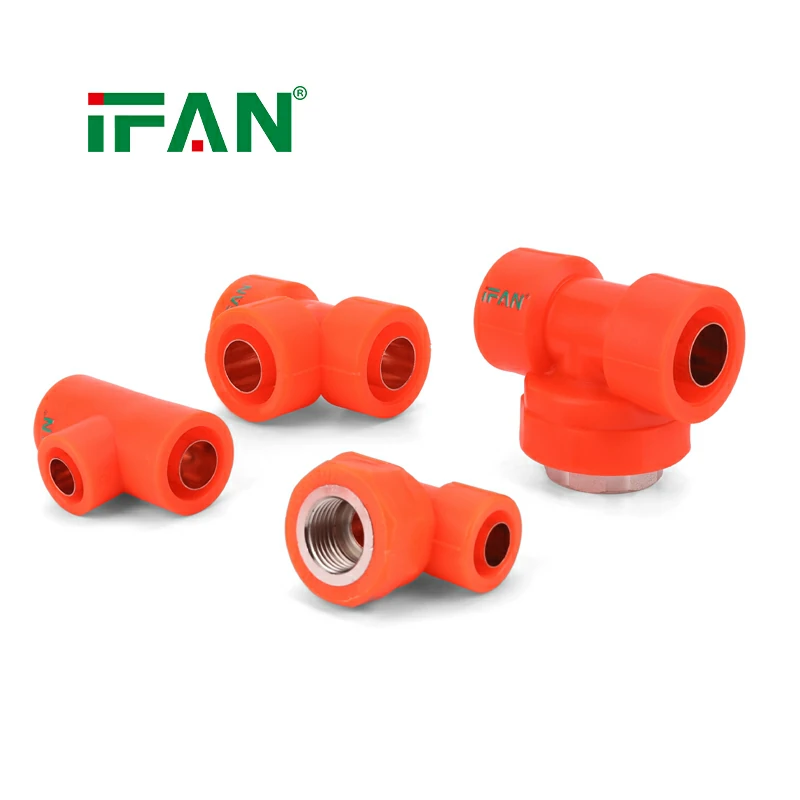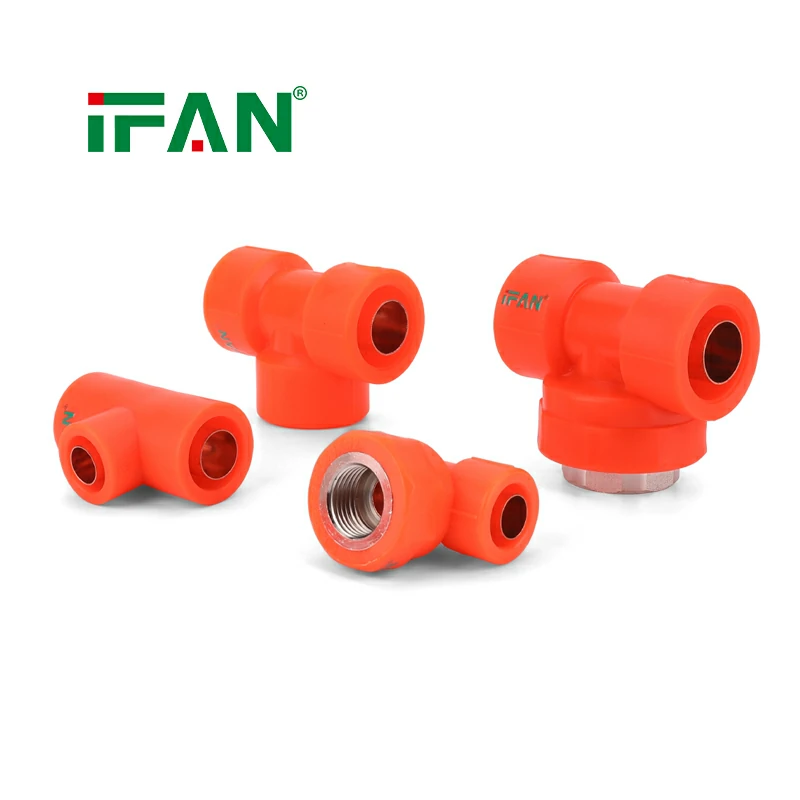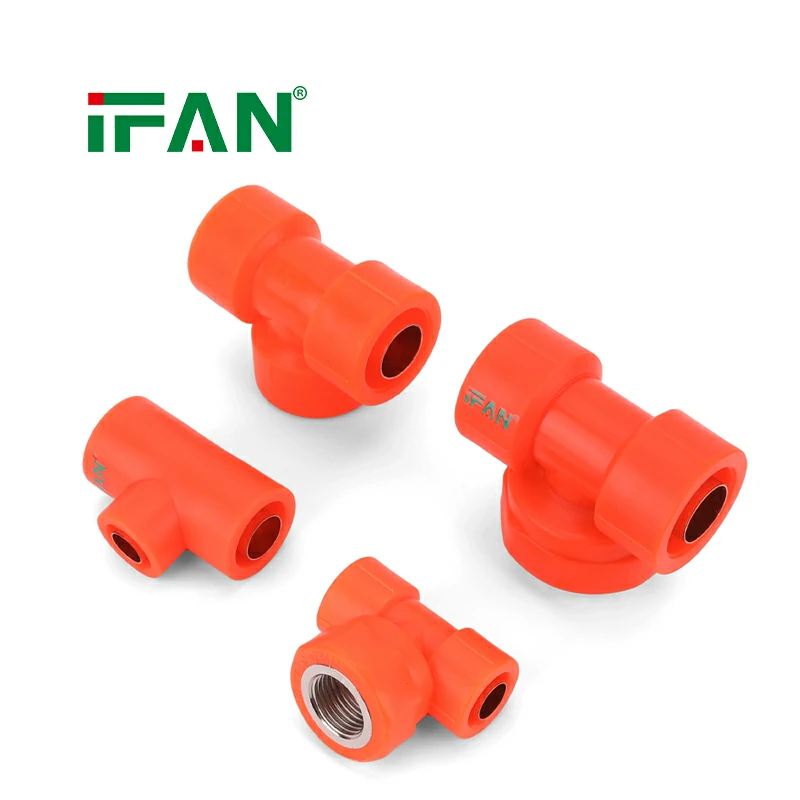









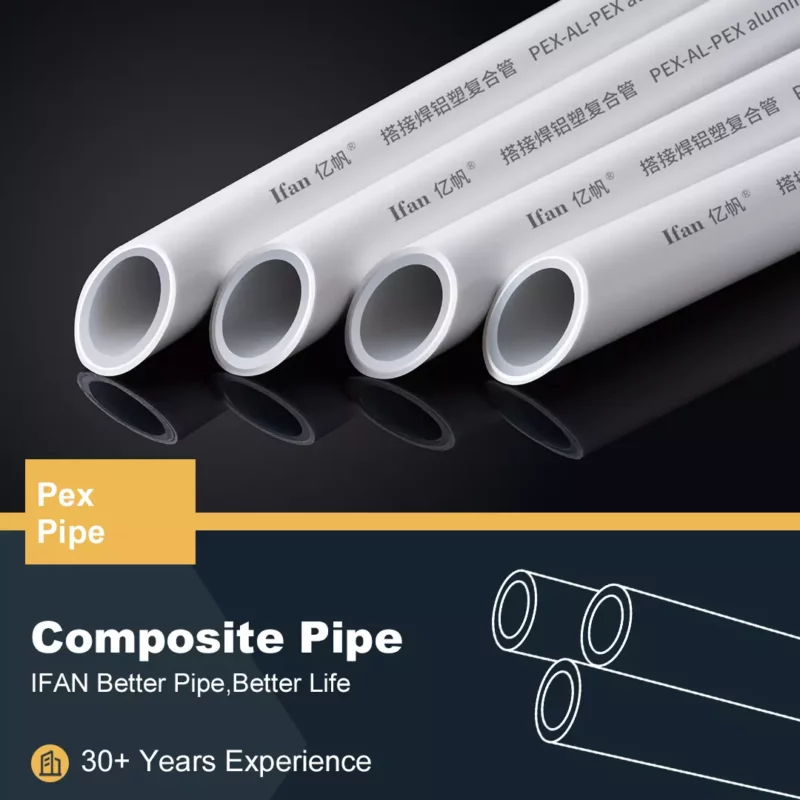
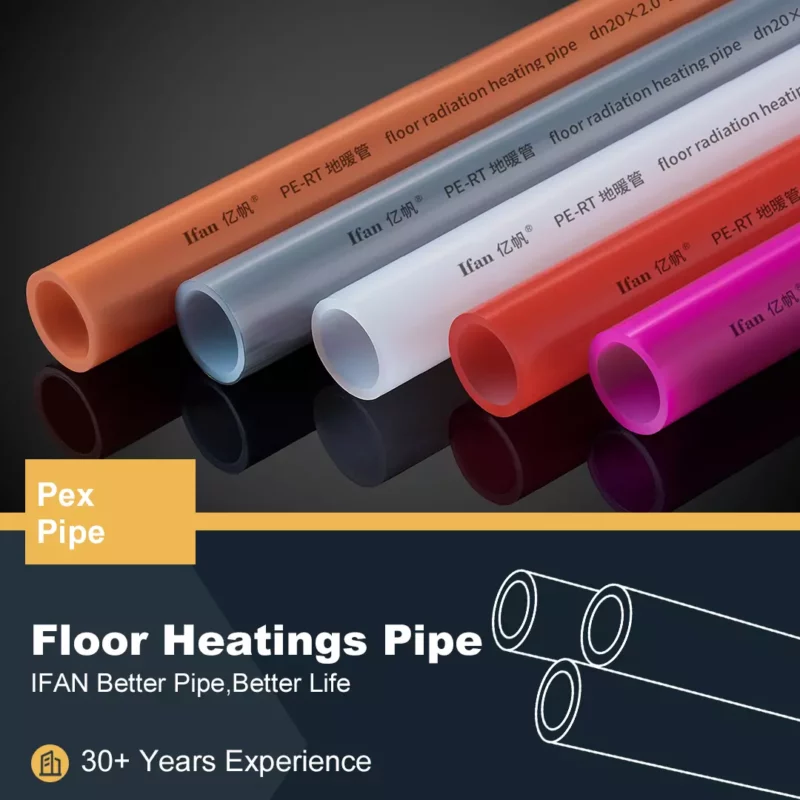






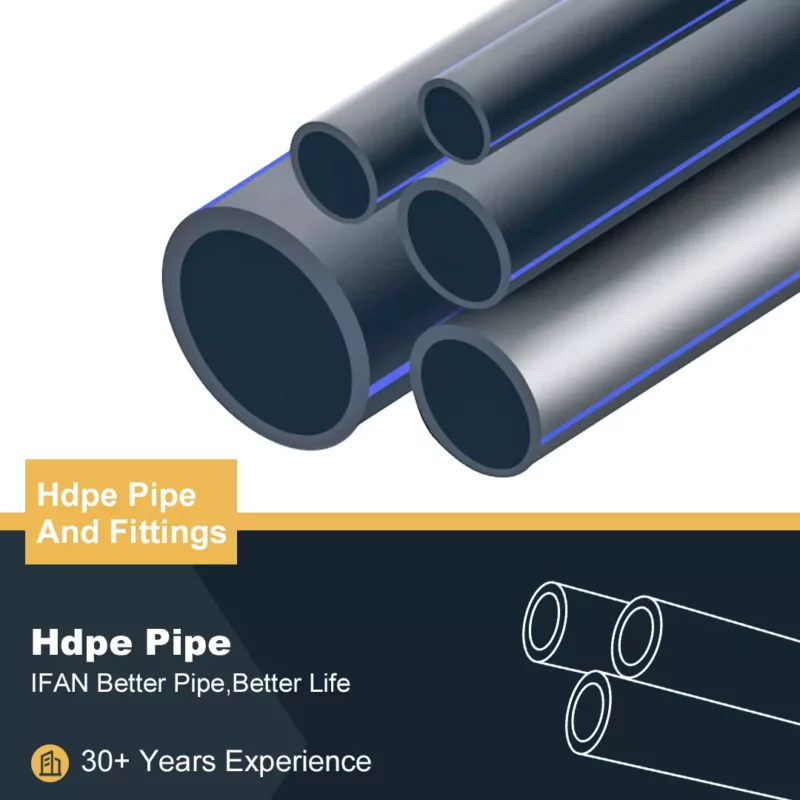
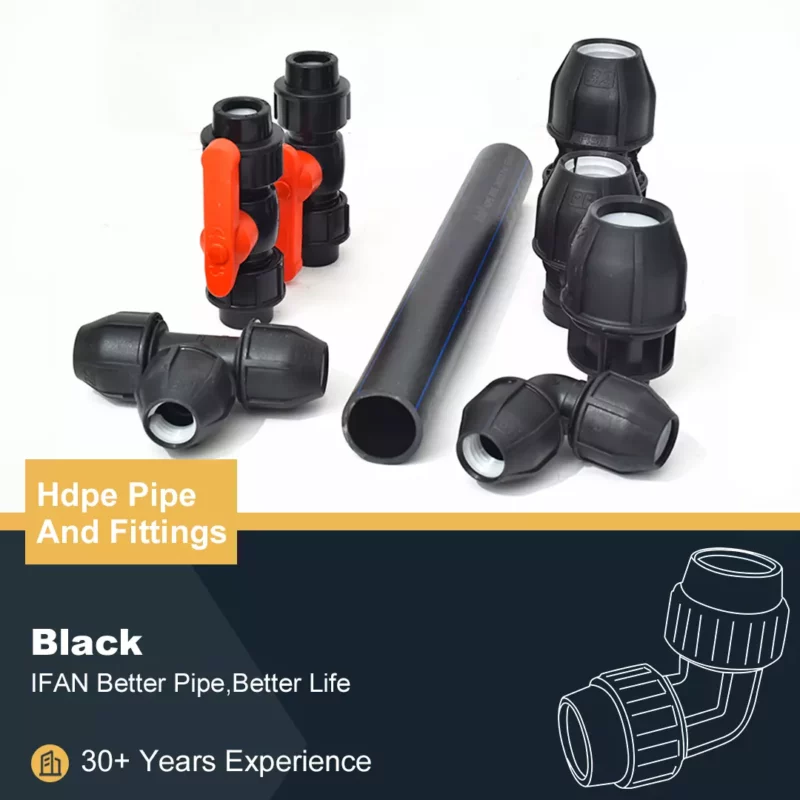

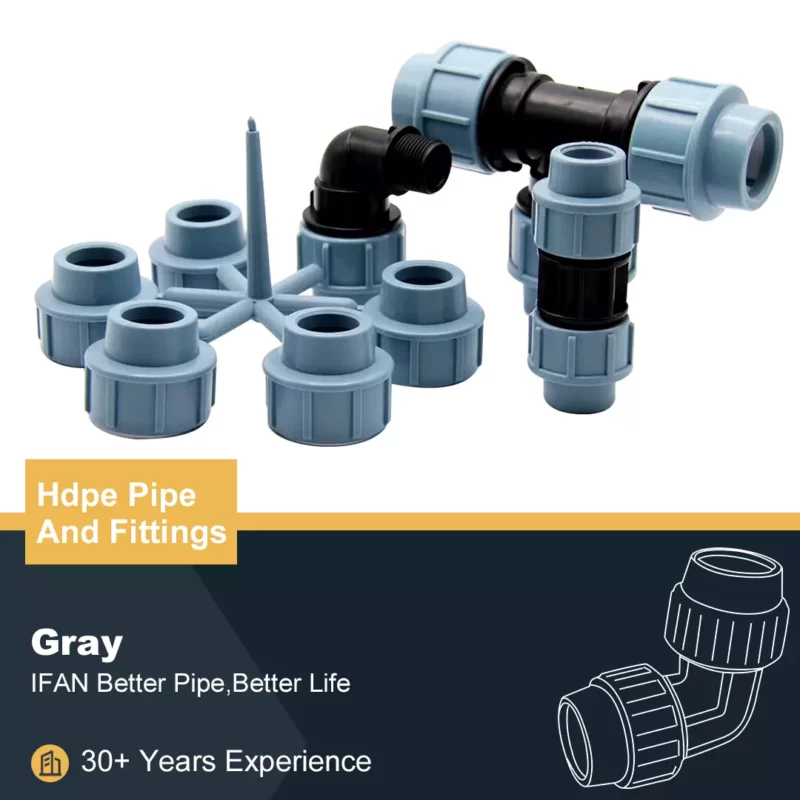





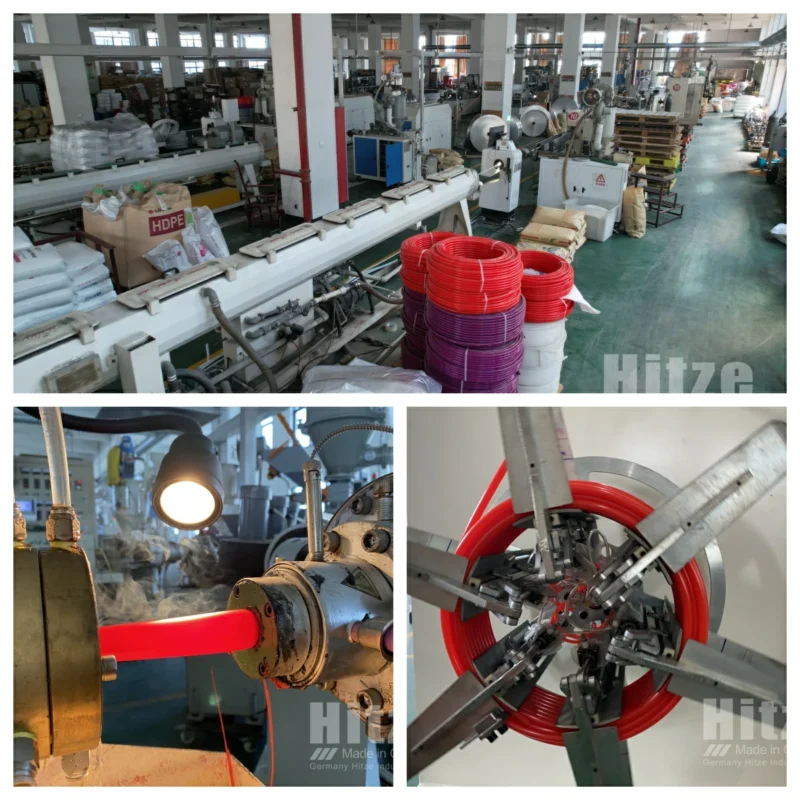
Underfloor heating systems are an increasingly popular method for heating residential and commercial spaces. One of the most important components of these systems is the underfloor heating pipe, which plays a critical role in distributing warmth efficiently. These pipes are designed to circulate warm water beneath the floor surface, providing a consistent and comfortable temperature. This article will explore the benefits of underfloor heating pipes, focusing on their energy efficiency and long-term advantages for homeowners and businesses.
1. What is Underfloor Heating?
Underfloor heating is a modern solution to heating spaces by warming the floor from beneath. There are two main types of underfloor heating systems: electric and water-based (also known as wet systems). In water-based systems, a network of pipes is installed beneath the floor. Warm water circulates through these pipes, radiating heat into the room. This process creates a more uniform temperature compared to traditional heating methods like radiators.
Underfloor heating provides consistent warmth across the floor, avoiding cold spots and ensuring comfort throughout the space. The pipes used in these systems are typically made from materials that offer durability and energy efficiency, such as PEX (cross-linked polyethylene) or multi-layer composite pipes.
2. Energy Efficiency of Underfloor Heating Pipes
One of the main reasons people choose underfloor heating systems is their energy efficiency. Unlike traditional radiators, which heat air that rises and cools quickly, underfloor heating pipes heat the floor directly. This results in better heat retention and more efficient use of energy. The floor retains warmth for longer periods, reducing the need for constant heating.
Underfloor heating operates at lower temperatures than conventional radiators. Radiators often need to reach high temperatures to warm up the room, while underfloor systems can achieve the same comfort levels at lower temperatures. This reduction in temperature requirements helps to lower energy consumption and reduce heating costs.
3. How Underfloor Heating Pipes Improve Energy Efficiency
Underfloor heating systems work by distributing heat evenly across the entire floor. The heat rises naturally, warming the room from the ground up. This method of heating is more efficient than traditional radiators, which only heat the air in specific areas. The consistent temperature created by underfloor heating allows for a more comfortable environment at lower temperatures.
Because underfloor heating pipes use water at lower temperatures than radiators, they allow the use of more energy-efficient heating sources, such as heat pumps and condensing boilers. These systems can operate at optimal efficiency when paired with underfloor heating, further reducing energy consumption. This makes underfloor heating pipes a great choice for those looking to reduce their carbon footprint and save on energy bills.
4. Reduced Energy Consumption and Costs
The primary benefit of using underfloor heating pipes is the reduction in energy consumption and lower heating costs. By using lower temperatures and more efficient heat distribution methods, these systems consume less energy than traditional radiators. In fact, studies have shown that underfloor heating can reduce energy usage by as much as 25% compared to conventional heating methods.
Another cost-saving factor is that underfloor heating systems work efficiently with renewable energy sources. Solar panels, ground-source heat pumps, and air-source heat pumps can all be integrated with underfloor heating systems, further improving energy efficiency. This makes underfloor heating an environmentally friendly option for those seeking to reduce their reliance on fossil fuels.
5. Comfort and Efficiency Combined
Underfloor heating pipes provide a high level of comfort due to their even heat distribution. Unlike radiators, which create hot and cold spots in a room, underfloor heating ensures that the entire floor surface is heated consistently. This eliminates the temperature fluctuations that are common with traditional heating methods.
The comfort provided by underfloor heating also contributes to its efficiency. When the floor is evenly heated, the air temperature can be kept lower without sacrificing comfort. This allows for energy savings because the heating system doesn’t need to work as hard to maintain a comfortable room temperature.
6. Compatibility with Various Floor Types
Underfloor heating pipes are compatible with a wide range of floor finishes, including tile, wood, laminate, and carpet. This versatility makes them suitable for various types of spaces, from bathrooms and kitchens to living rooms and offices. The ability to use different floor types ensures that underfloor heating can be integrated into almost any building design.
Certain floor types, such as ceramic tiles and stone, are especially well-suited for underfloor heating because they have high thermal conductivity. This means they efficiently absorb and radiate heat, allowing for faster heating and better energy efficiency. However, even with carpeted floors, modern underfloor heating systems are still effective in providing warmth.
7. Easy Installation and Maintenance
The installation of underfloor heating pipes is relatively straightforward, especially in new builds or during major renovations. For retrofitting into existing properties, there are systems available that can be laid over existing floors with minimal disruption. The pipes are typically laid in loops or serpentine patterns across the floor and connected to a manifold, which distributes the warm water.
Maintenance of underfloor heating systems is also simple. The pipes themselves have a long lifespan, often exceeding Long-term durability according to standards, and require minimal upkeep. As long as the system is properly installed, there are very few issues that will arise over the years. Most systems are designed to be self-regulating, ensuring that the pipes maintain the desired temperature without manual adjustments.
8. Environmental Benefits of Underfloor Heating Pipes
Underfloor heating pipes are not only energy-efficient but also environmentally friendly. By consuming less energy to achieve the same level of warmth as traditional heating systems, they help reduce carbon emissions. Additionally, when paired with renewable energy sources, such as solar panels or heat pumps, underfloor heating systems can further reduce a building’s environmental impact.
Underfloor heating also helps reduce the need for other energy-consuming devices like fans or air conditioning. Because the system heats the floor directly, there is no need to use additional equipment to circulate air. This contributes to a more sustainable, energy-efficient home or building.
9. Long-Term Investment and Increased Property Value
While the initial cost of installing an underfloor heating system with pipes can be higher than traditional radiators, the long-term benefits outweigh the costs. The reduced energy bills, improved comfort, and minimal maintenance required make it a worthwhile investment. Over time, the system pays for itself through energy savings and lower operating costs.
Moreover, homes and buildings with underfloor heating systems often see an increase in property value. Potential buyers are attracted to the comfort, efficiency, and modern appeal of underfloor heating. This makes underfloor heating a great option for those looking to add value to their property.
10. The Future of Underfloor Heating
As the demand for energy-efficient and environmentally friendly solutions continues to grow, underfloor heating systems are becoming more widespread. Advances in technology are making these systems even more efficient, with innovations like smart thermostats allowing for precise control over heating levels.
The future of underfloor heating is also tied to the increased use of renewable energy sources. As more homeowners and businesses adopt solar energy, heat pumps, and other green technologies, the demand for underfloor heating systems will continue to rise. This shift toward sustainability makes underfloor heating pipes an essential part of the energy-efficient home of the future.
11. Conclusion
Underfloor heating pipes offer an energy-efficient solution for homeowners and businesses looking to reduce energy consumption, lower heating costs, and improve comfort. The even heat distribution and ability to operate at lower temperatures make them an ideal choice for modern heating systems. The compatibility with renewable energy sources further enhances their efficiency, making them a key player in creating sustainable buildings.
In addition to their practical benefits, underfloor heating pipes are easy to install, require minimal maintenance, and can increase property value. As the world moves toward more energy-efficient solutions, underfloor heating will continue to play a significant role in reducing carbon footprints and promoting sustainability.
For anyone seeking an efficient, comfortable, and environmentally friendly way to heat their space, underfloor heating with pipes is a solution worth considering.
If you have read this article and have any questions, please feel free to contact IFAN. Below is our contact information:
Whatsapp:+86 13373827623
Email:[email protected]