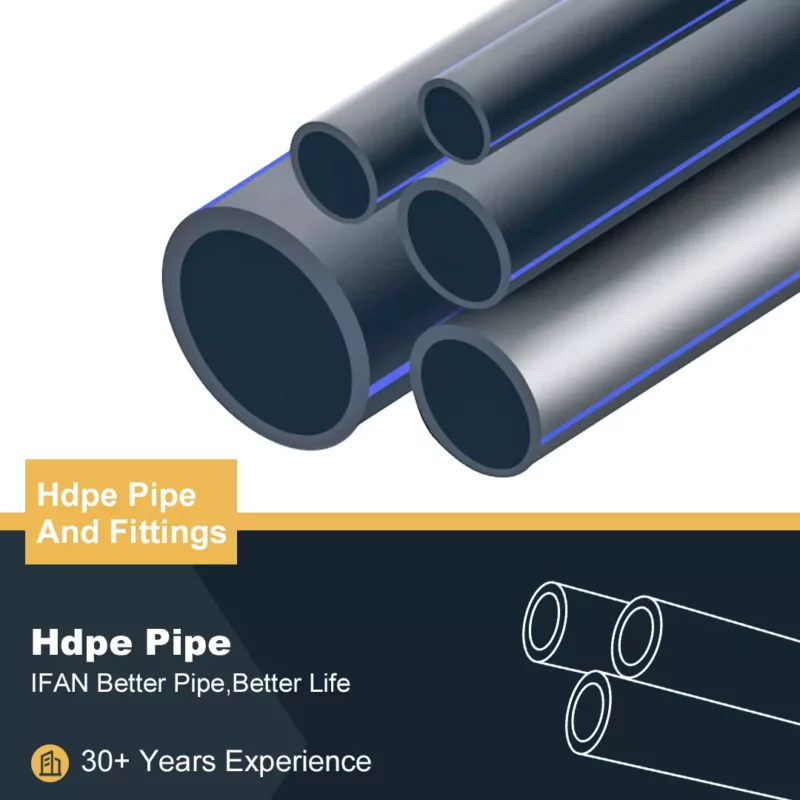
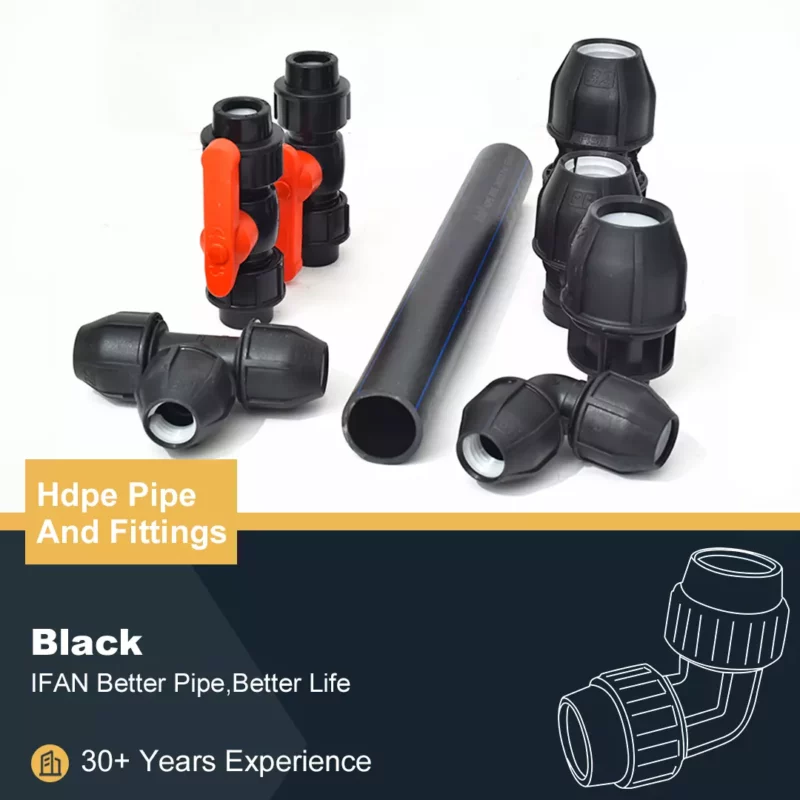
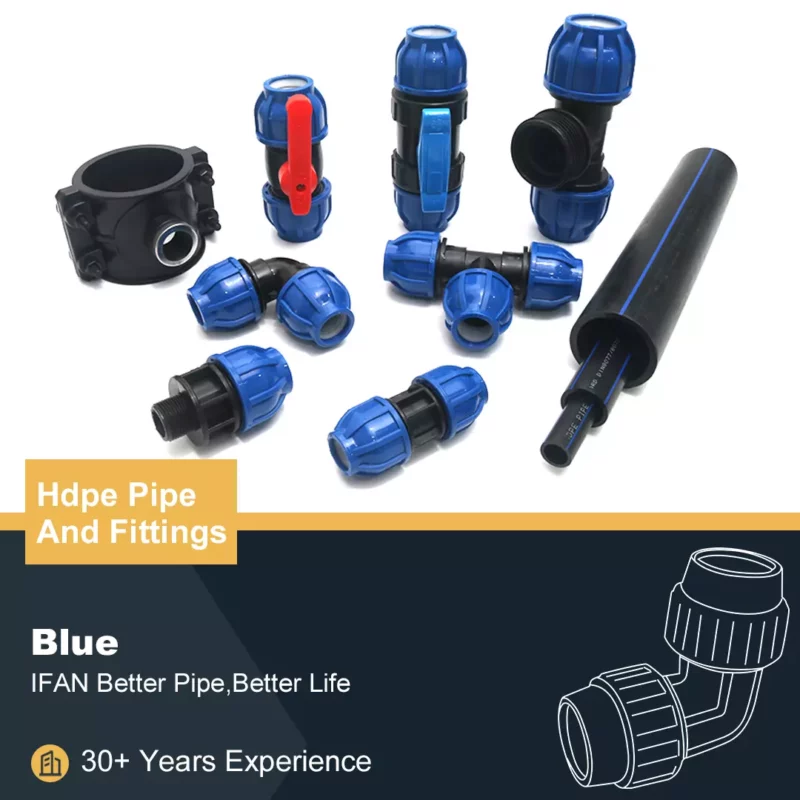
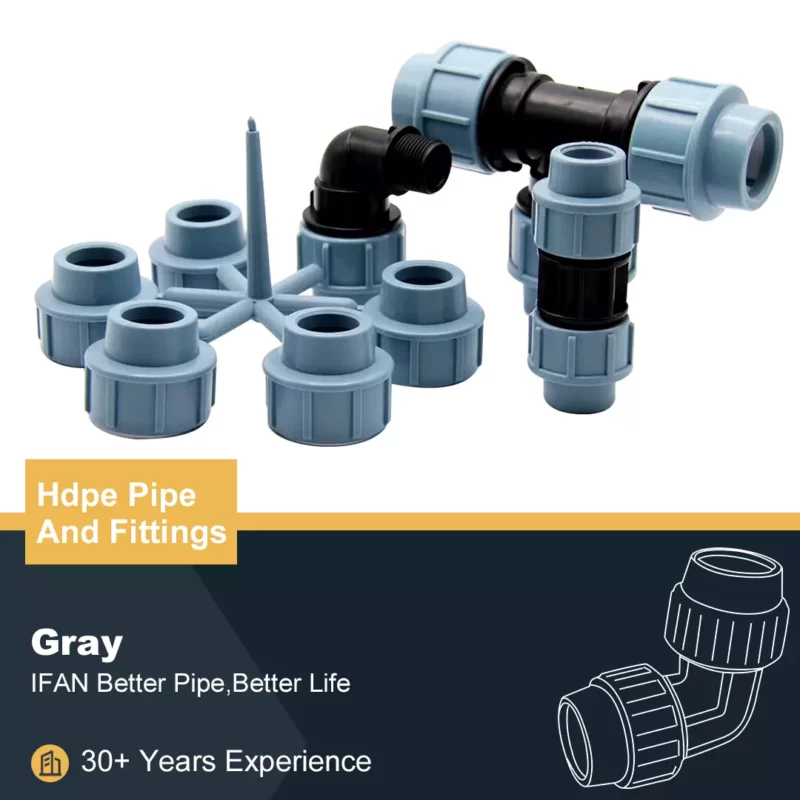


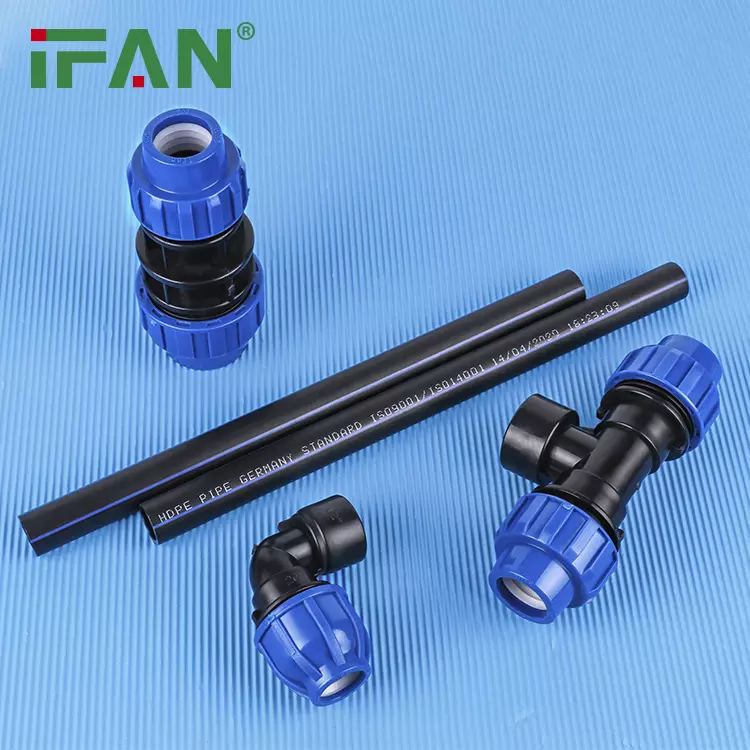
HDPE (High Density Polyethylene) pipes is a popular choice for a variety of applications due to its flexibility and scratch-resistant properties. Commonly used in municipal and industrial water supply systems, drainage systems, sewage systems, and agricultural irrigation systems.
One of the main advantages of HDPE water pipe is its flexibility.
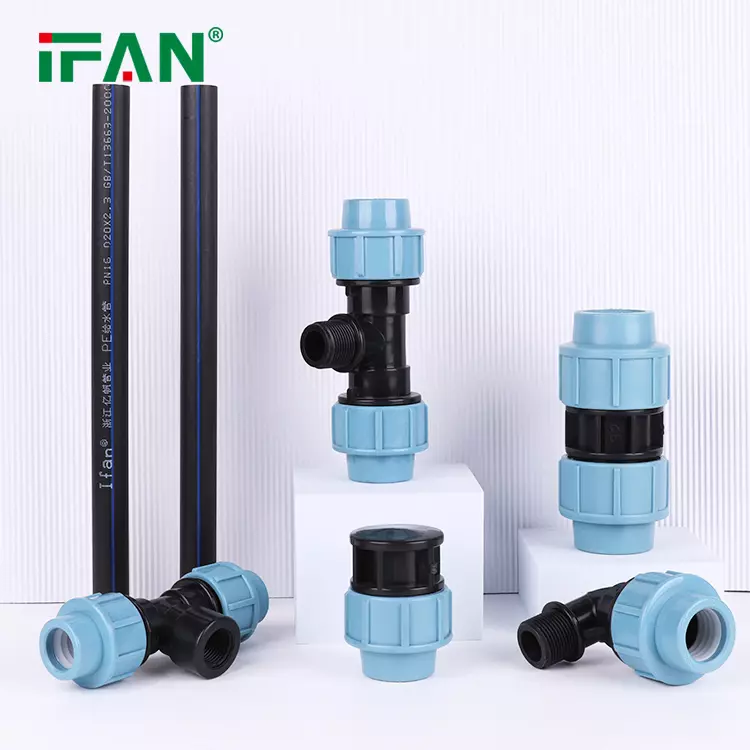
⑴ It has high tensile strength and can withstand extreme bending without breaking or cracking. This flexibility allows for easy installation even in challenging terrain. The ability to bend and adapt to the natural contours of the land reduces the need for additional fittings and joints. This minimizes the risk of leaks and water loss.
In addition, HDPE water supply pipes are highly scratch-resistant.
⑵ Resistant to wear, impact, and puncture, it is suitable for installation in places with heavy traffic or where pipes may come into contact with rocks, debris, or other sharp objects. Its scratch-resistant properties ensure long-term durability and minimize the need for frequent repairs or replacements. This results in cost savings over time.
Another advantage of HDPE water supply pipe is its resistance to corrosion and chemical deterioration.
(3)It is not affected by acidic or alkaline substances commonly found in water. Making it ideal for conveying drinking water. Its non-reactive nature also ensures that water quality is not affected. Maintain its purity and safety.
The smooth inner surface of HDPE water pipe contributes to its excellent hydraulic properties.
⑷ Smooth inner hole can reduce friction. Achieve efficient water flow and minimize pressure loss. This feature is particularly beneficial when larger pipe diameters are required or when water needs to be transported over long distances.
Additionally, HDPE water supply pipe is lightweight. Easier to handle, transport and install than traditional materials like metal or concrete pipes. Its light weight also reduces stress on supporting structures such as bridges or buildings. and simplifies the overall construction process.
Various trenchless construction techniques are well suited for HDPE water pipes. Such as horizontal directional drilling and pilot drilling to lay new pipes, pipe expansion to replace old pipes in situ, interlayering and relining to repair old pipes, and various methods to improve the lining. For example, folding deformation method, hot drawing method, cold rolling method, etc.
The unique flexibility of HDPE water supply pipes also enables them to effectively resist underground movements and end loads. On the surface, plastic buried pipes are not as strong and rigid as cement pipes and metal pipes. But from a practical application point of view, when PE water supply pipes are properly designed and laid. The plastic buried pipe shares the load with the surrounding soil. Therefore, plastic buried pipes do not need to reach the same strength and stiffness as “rigid pipes” to meet the mechanical performance requirements for buried use.
In conclusion, HDPE water supply pipe has many advantages. Including flexibility, scratch resistance, corrosion resistance and hydraulic efficiency. These properties make it an excellent choice for a variety of water supply applications. Provides long-term durability and cost effectiveness.
If you are looking for HDPE irrigation pipe suppliers. You can visit IFAN’s store, we have various types of plastic pipes. Customization is acceptable. Welcome to contact us:Whatsapp: +86 13373827623