


Product Role in Pipeline Systems
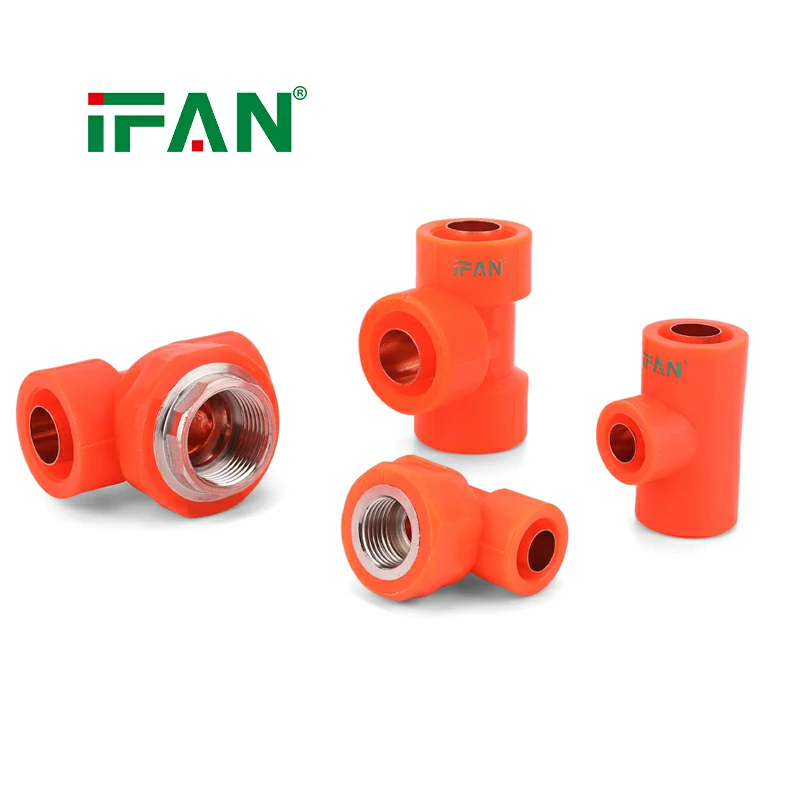
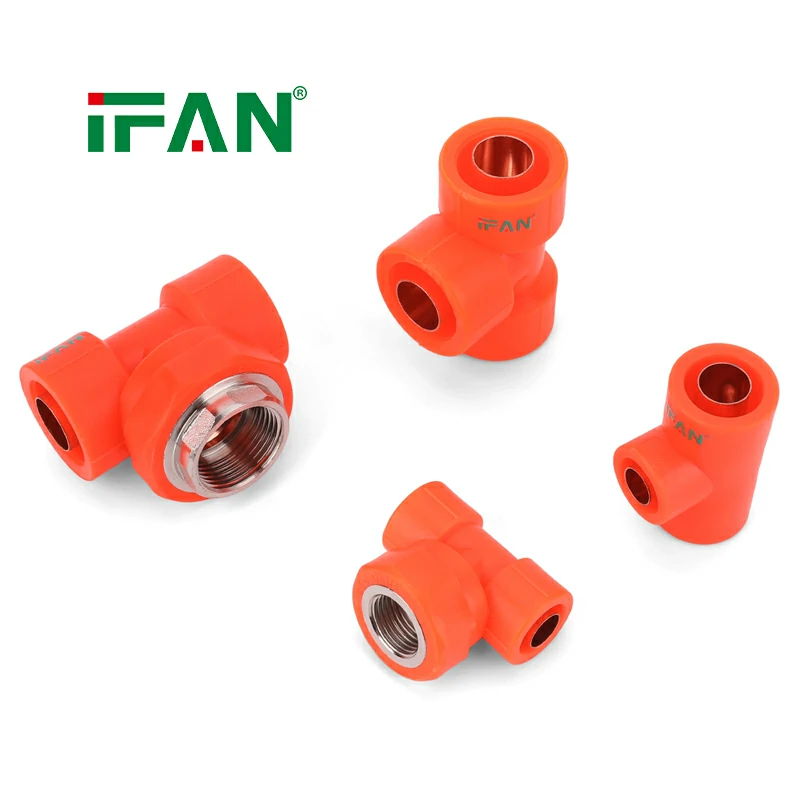
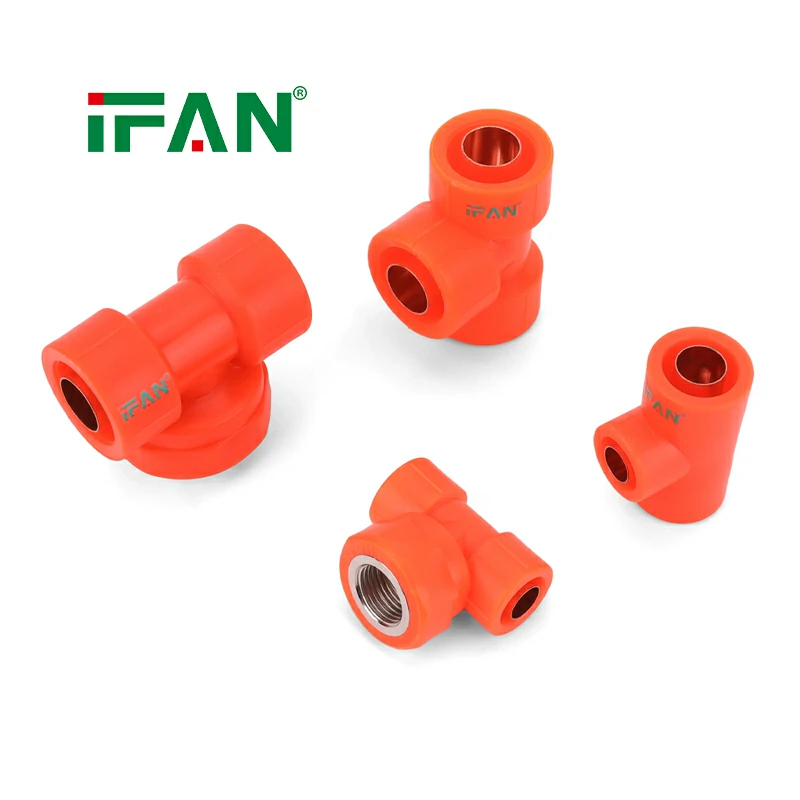
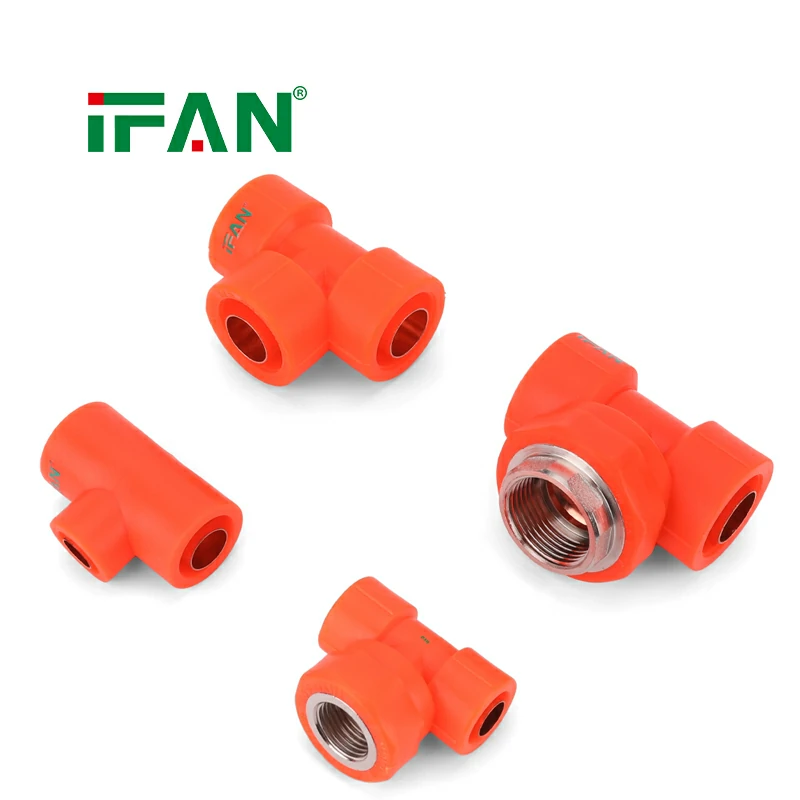
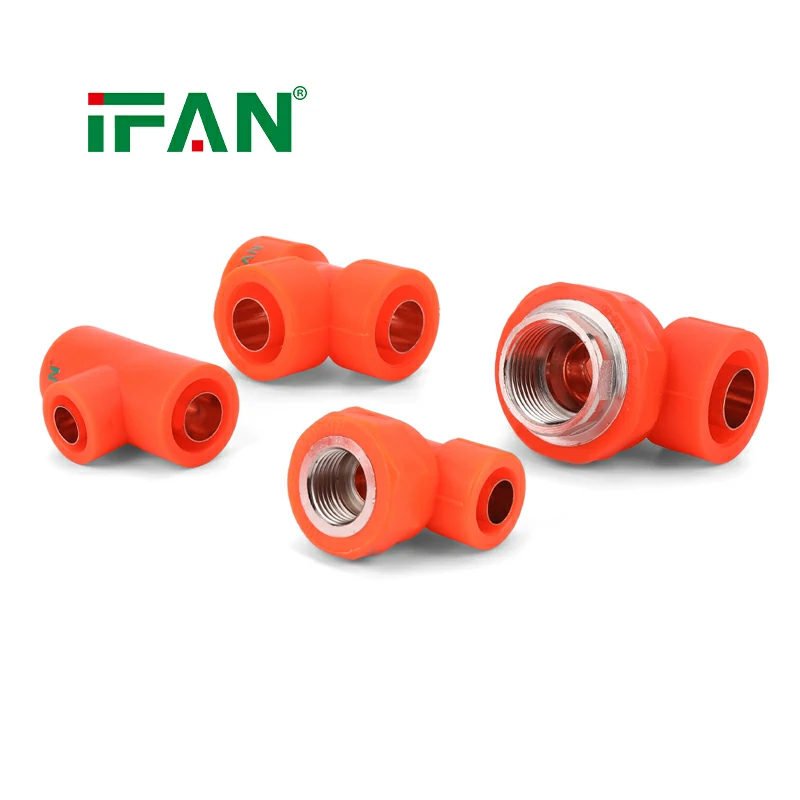
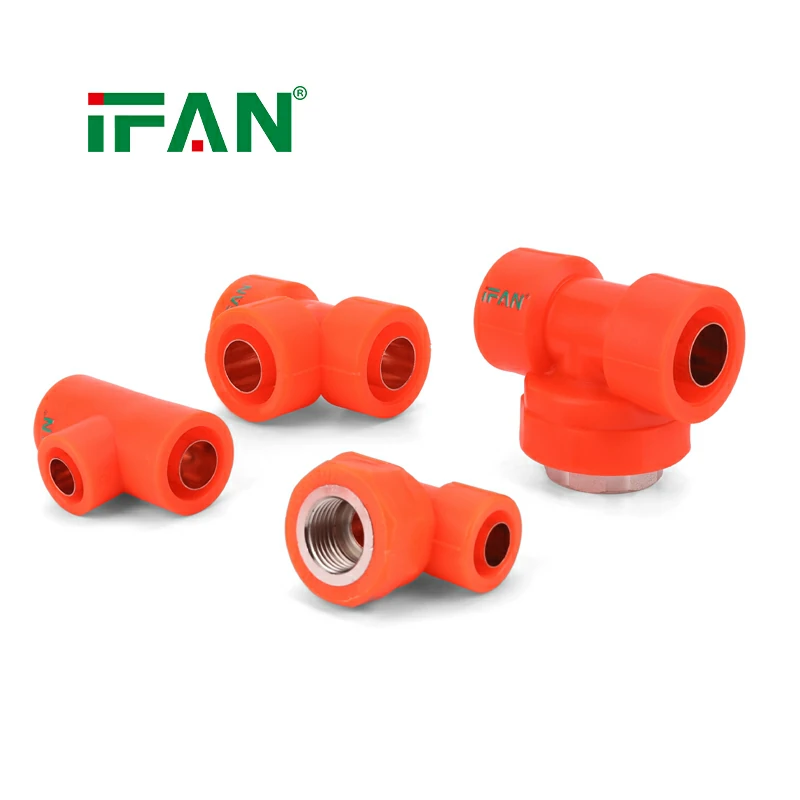
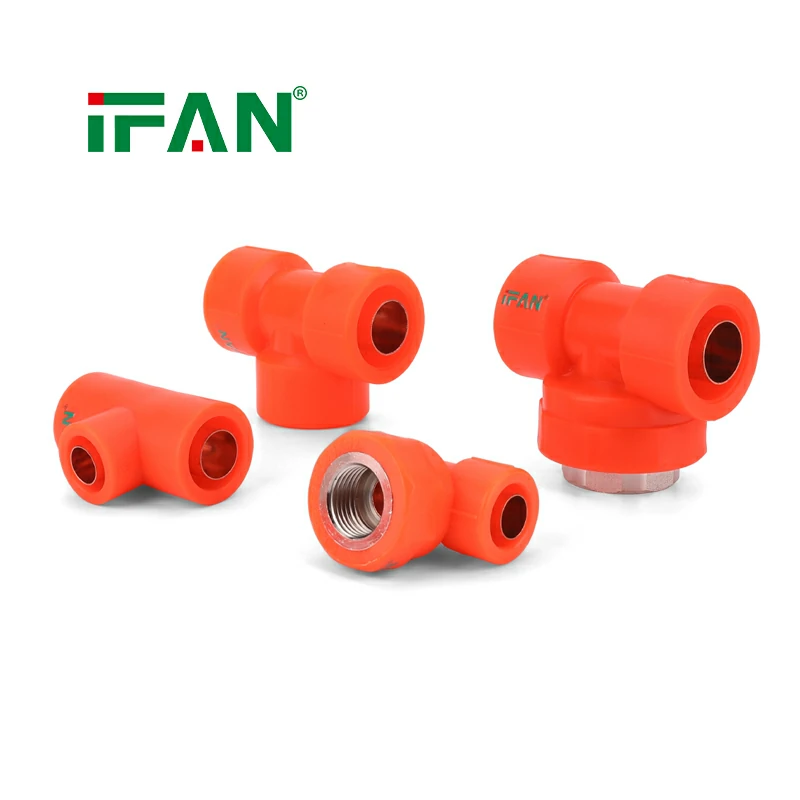
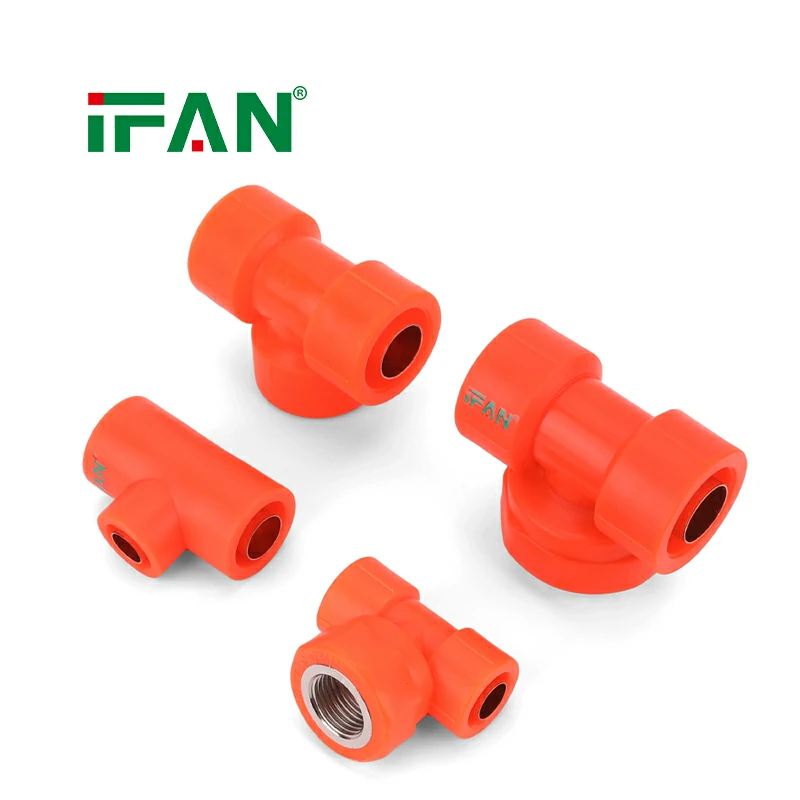
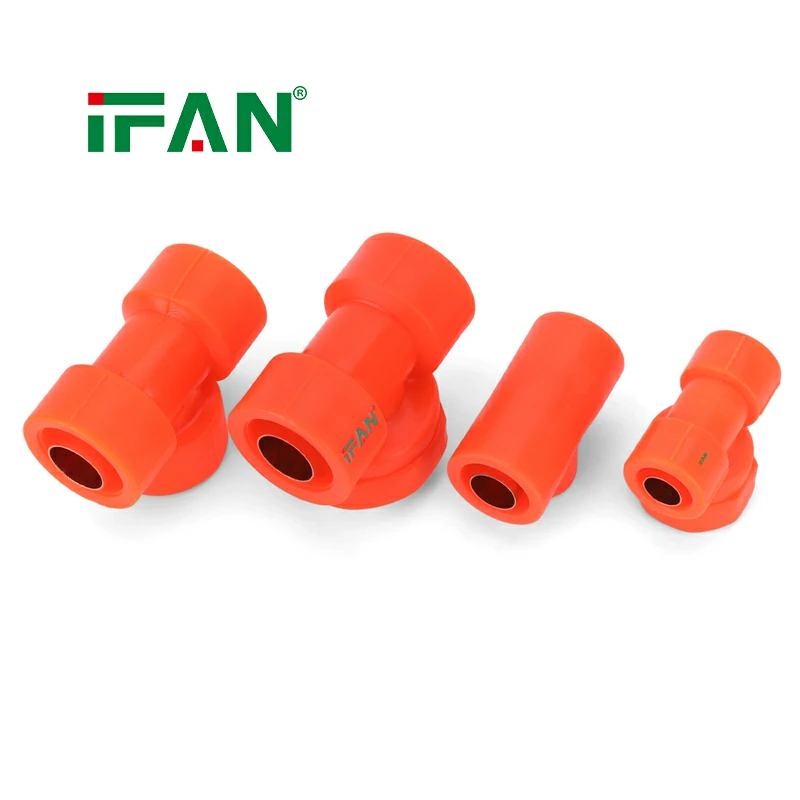
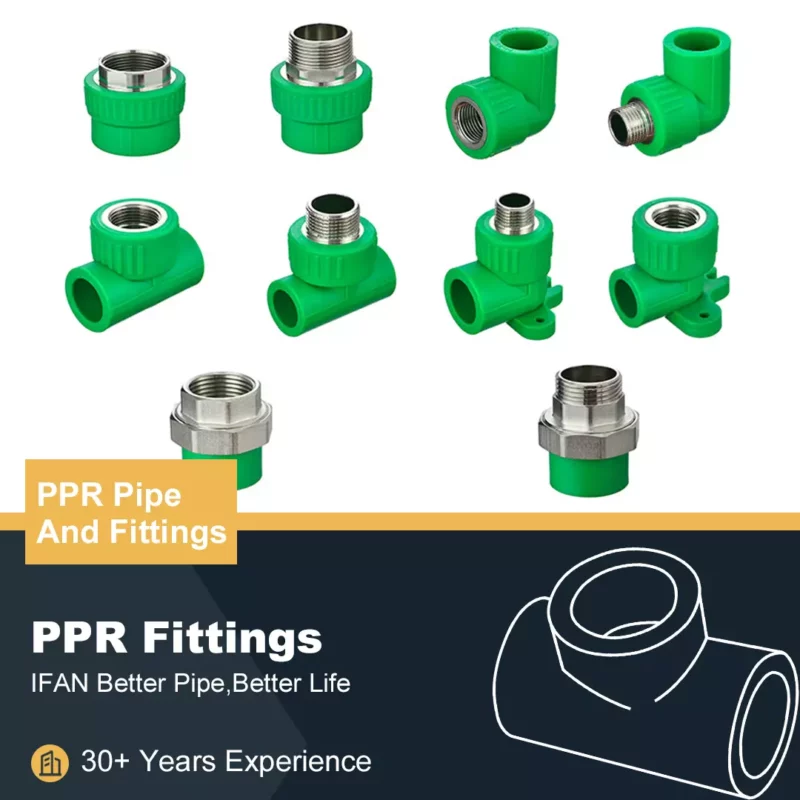
PPR elbow fittings are used to change pipeline direction.
They are critical components in structured plumbing layouts.
Large projects rely on elbows for efficient routing.
Material Specification
PPR elbows are manufactured from polypropylene random copolymer.
Material purity affects welding consistency.
Stable resin quality is essential for bulk supply.
Common Application Environments
PPR elbows are used in residential construction projects.
They are common in commercial and public buildings.
Industrial facilities also require directional fittings.
Function in System Design
Elbows guide pipelines around structural obstacles.
They allow optimized pipe routing.
Space utilization improves in complex layouts.
Standard Angle Options
The most common angles are 90 degrees and 45 degrees.
Each angle serves different routing requirements.
Angle selection impacts flow resistance.
Flow Performance Considerations
Smooth internal curves reduce turbulence.
Water flow remains stable through direction changes.
Pressure loss is minimized.
Hot Water System Compatibility
PPR elbows support continuous hot water circulation.
They maintain shape under elevated temperatures.
Joint stability remains reliable.
Pressure Resistance Capability
Elbows are designed for standard pressure ratings.
Reinforced curve areas enhance strength.
This suits vertical and horizontal installations.
Internal Surface Quality
The inner wall remains smooth after molding.
Roughness increases flow resistance.
Quality control ensures consistent surfaces.
Welding Socket Design
Sockets provide adequate fusion depth.
Even heating ensures uniform bonding.
Correct socket dimensions improve joint reliability.
Fusion Welding Process
Pipe and elbow are heated simultaneously.
Materials fuse without mechanical seals.
The joint becomes fully integrated.
Installation Accuracy Requirements
Pipe alignment must be precise before welding.
Misalignment affects flow direction.
Proper fixtures improve installation quality.
Space Management Advantages
Elbows reduce unnecessary pipe length.
They support compact installation designs.
Material usage becomes more efficient.
Noise Control Performance
Smooth directional changes reduce water noise.
Pressure shocks are minimized.
This improves user comfort in buildings.
Compatibility with Other PPR Fittings
Elbows connect seamlessly with tees and couplings.
Standardized dimensions ensure compatibility.
System expansion remains flexible.
Dimensional Consistency
Accurate molding ensures uniform wall thickness.
Inconsistent dimensions complicate installation.
Bulk buyers prioritize dimensional stability.
Size Range for Projects
Common sizes range from 20mm to 75mm.
Larger sizes serve main pipelines.
Smaller sizes support branch lines.
Installation in Concealed Systems
Elbows are suitable for concealed installation.
They are often embedded in walls or floors.
Proper welding is critical in hidden systems.
Installation in Exposed Systems
Exposed installations require neat alignment.
Consistent elbow geometry improves appearance.
Aesthetic control matters in commercial spaces.
Resistance to Chemical Exposure
PPR elbows resist common water chemicals.
They do not corrode over time.
This suits varying water qualities.
Storage and Handling for Bulk Supply
Elbows should be stored away from sunlight.
Excessive stacking pressure should be avoided.
Proper handling prevents deformation.
Packaging for Logistics
Elbows are typically packed by size.
Clear labeling supports warehouse management.
Bulk packaging reduces transport costs.
Quality Inspection Points
Check socket depth and roundness.
Inspect surface finish carefully.
Uniform color indicates stable material.
Certification and Compliance
Suppliers should provide material test reports.
Compliance with standards supports project approval.
Documentation is important for tenders.
Procurement Cost Considerations
Poor-quality elbows increase labor time.
Rework raises installation costs.
Stable quality reduces total project expenses.
Supplier Evaluation Criteria
Buyers should assess production consistency.
Long-term supply capacity is important.
Technical support adds procurement value.
If you have read this article and have any questions, please feel free to contact IFAN. Below is our contact information:
Whatsapp:+86 13373827623
Email:[email protected]