


Product Function Overview
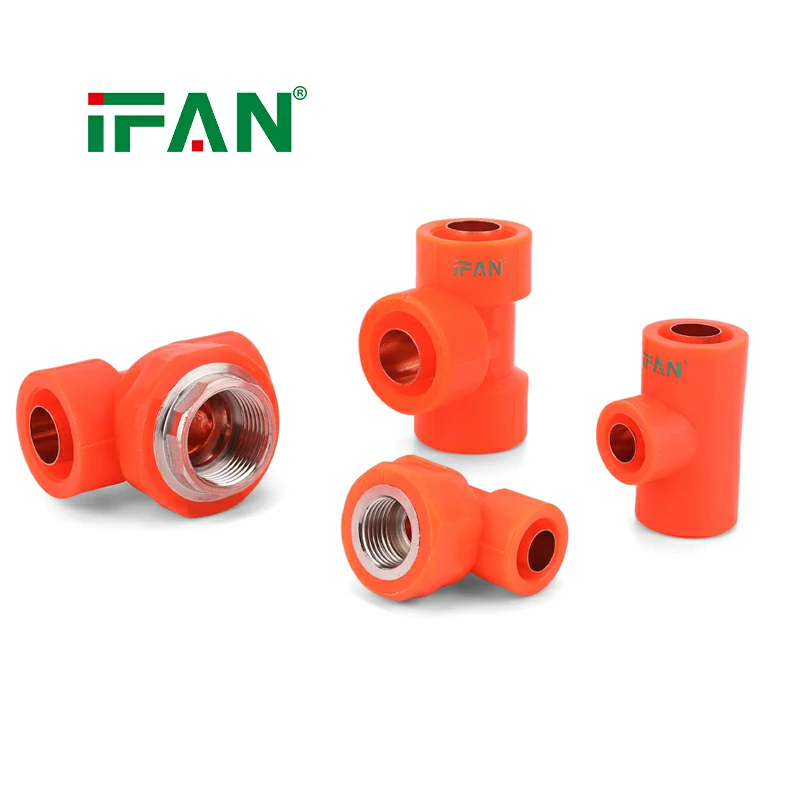
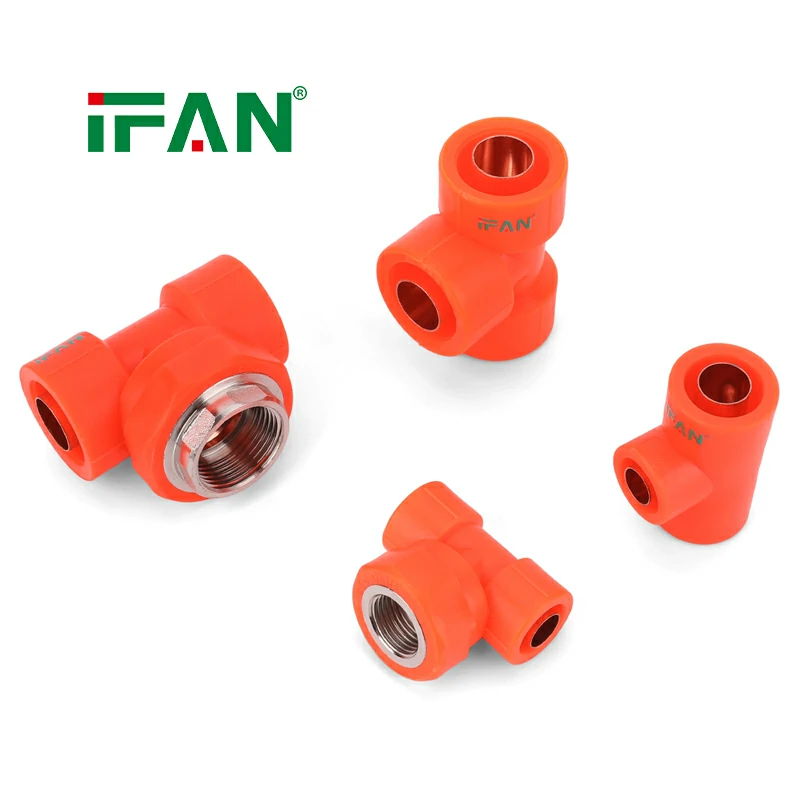
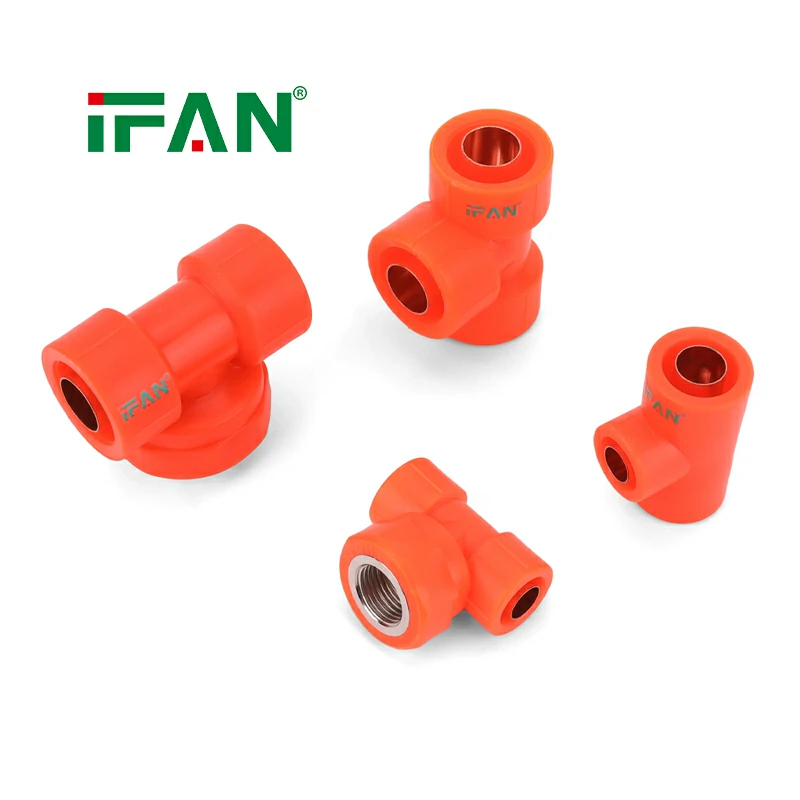
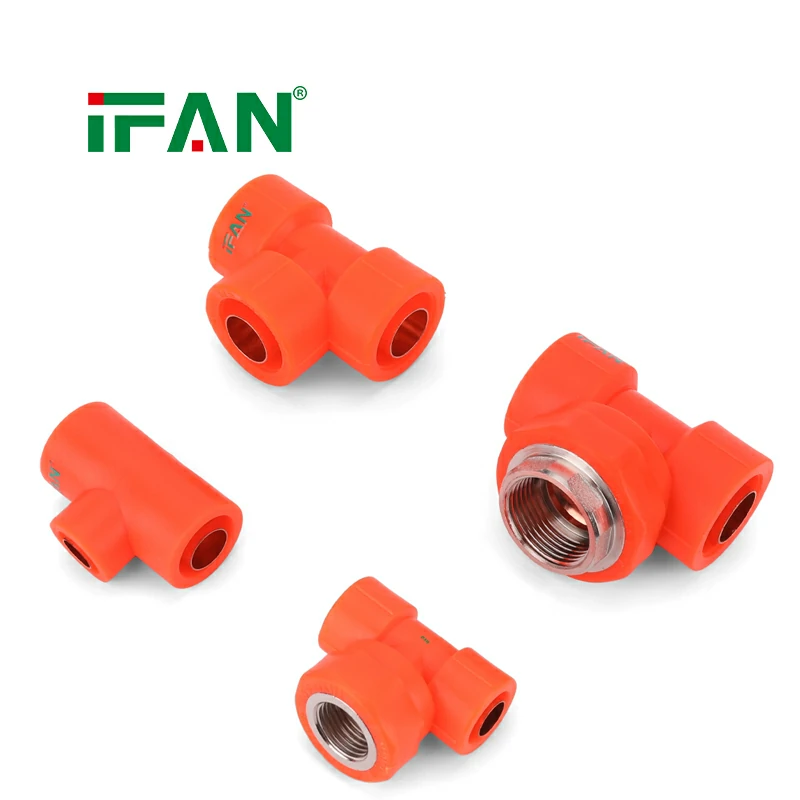
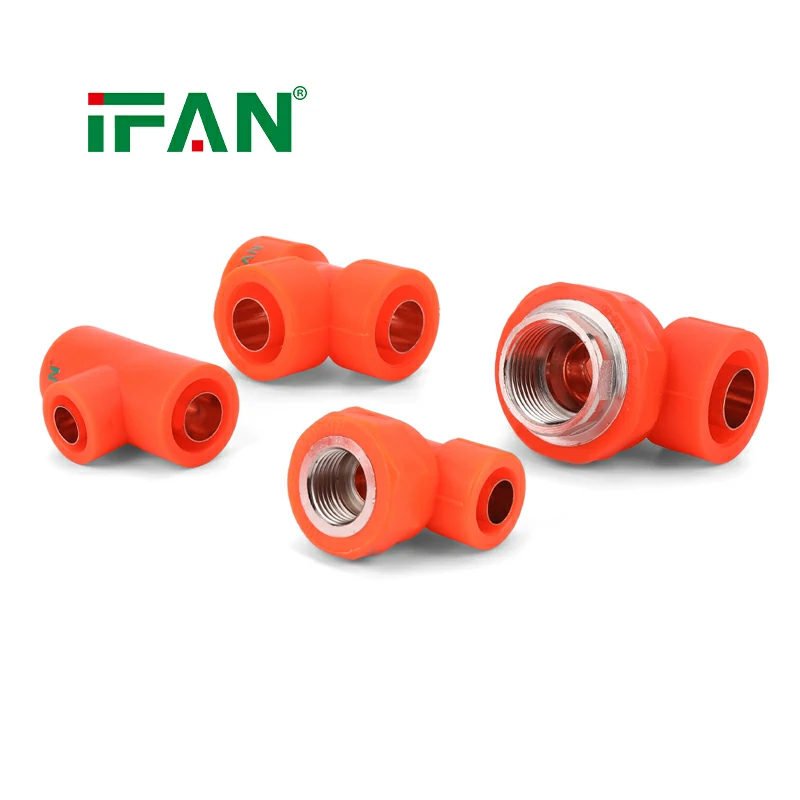
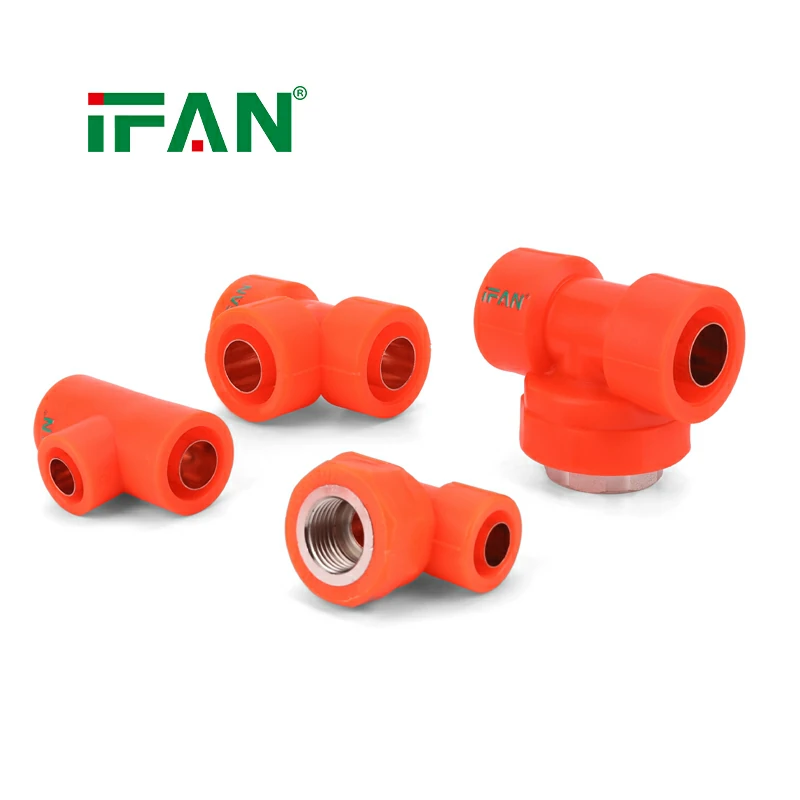
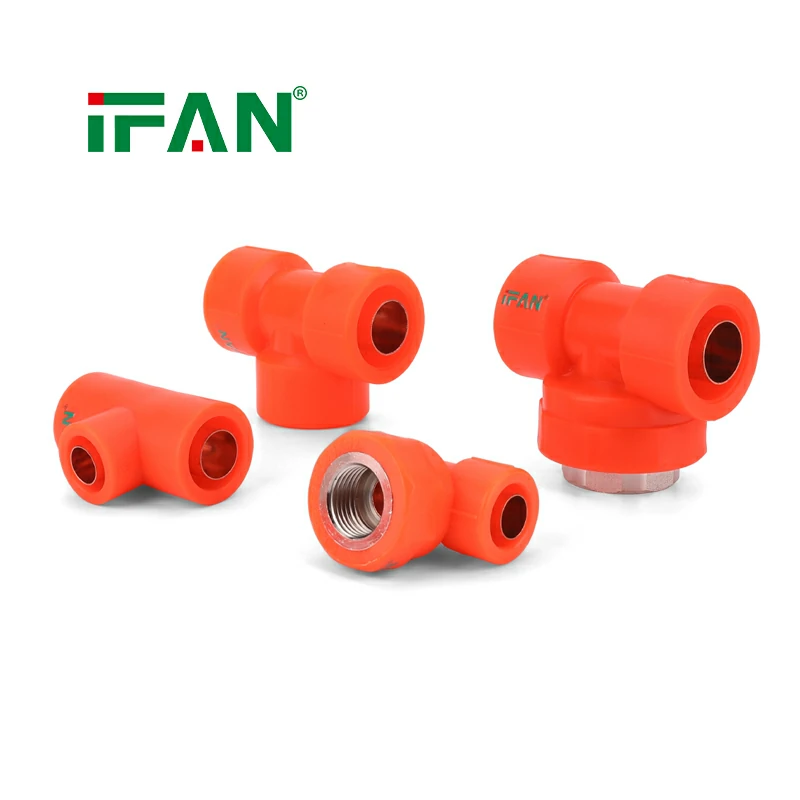
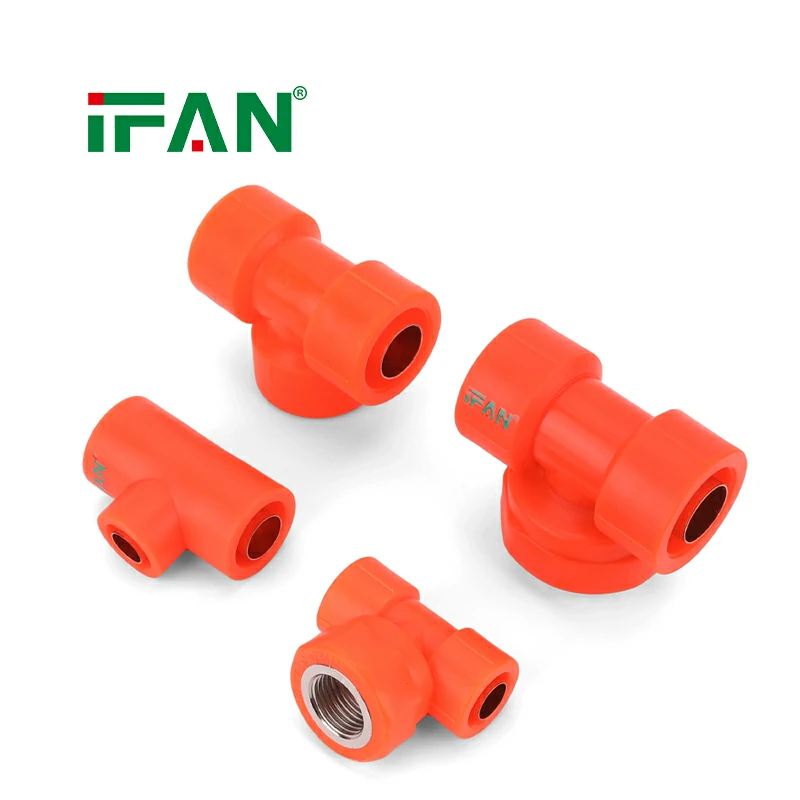
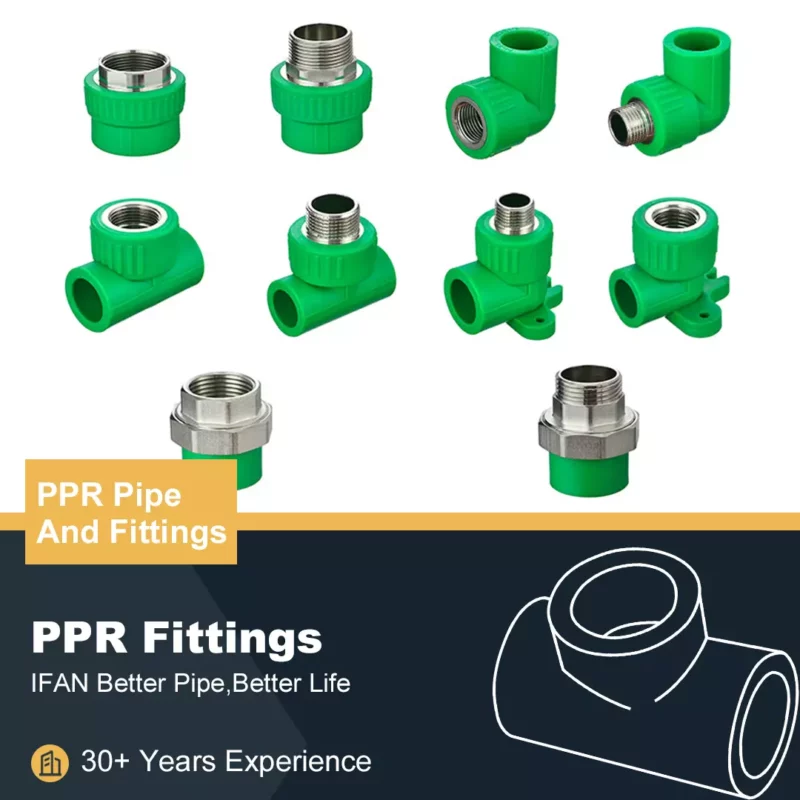
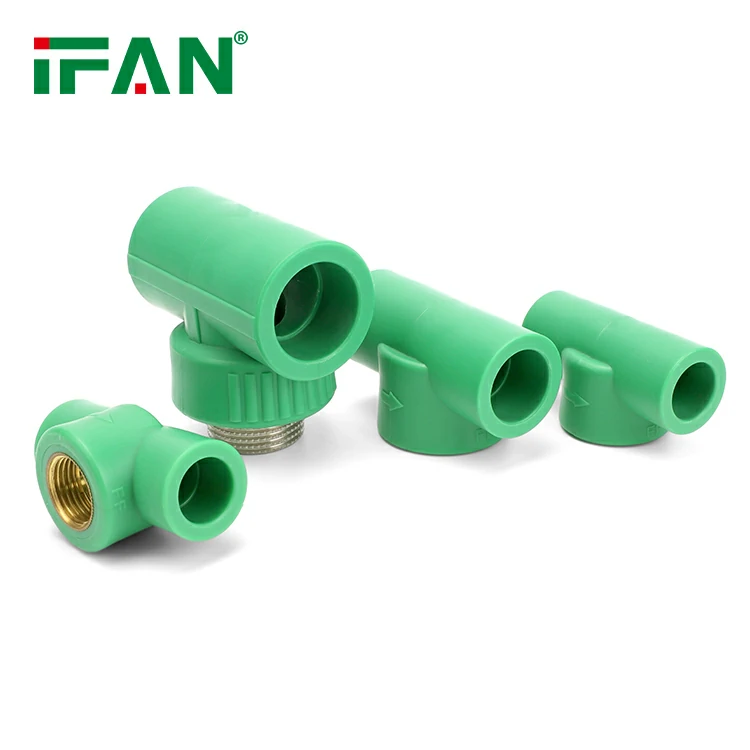
PPR tee fittings are used to create branch connections.
They connect three pipeline sections at one junction.
Tees are essential in multi-outlet water systems.
Role in Engineering Plumbing Systems
Tee fittings enable water distribution to multiple areas.
They support complex building layouts.
Large projects rely heavily on tee connections.
Material Composition
PPR tees are produced from polypropylene random copolymer.
Material stability affects joint strength.
Consistent resin quality is critical for bulk orders.
Structural Design Characteristics
Tees feature reinforced central intersections.
This design distributes internal pressure evenly.
Stress concentration risks are reduced.
Common Application Environments
Tees are used in residential developments.
Commercial buildings require extensive branching.
Hospitals and hotels depend on reliable tee layouts.
Equal Tee and Reducing Tee Options
Equal tees connect pipes of identical diameter.
Reducing tees connect different pipe sizes.
Proper selection ensures balanced water flow.
Importance of Flow Balance
Tees divide water into separate directions.
Unbalanced flow affects outlet performance.
Correct sizing maintains pressure stability.
Hot Water System Performance
PPR tees support continuous hot water circulation.
They resist thermal deformation.
Joint integrity remains stable over time.
Pressure Load Distribution
Tees handle pressure from multiple directions.
Reinforced structures improve durability.
This suits high-rise water supply systems.
Internal Surface Quality
Smooth internal walls reduce flow resistance.
Rough surfaces increase pressure loss.
Quality molding ensures hydraulic efficiency.
Fusion Welding Connection Method
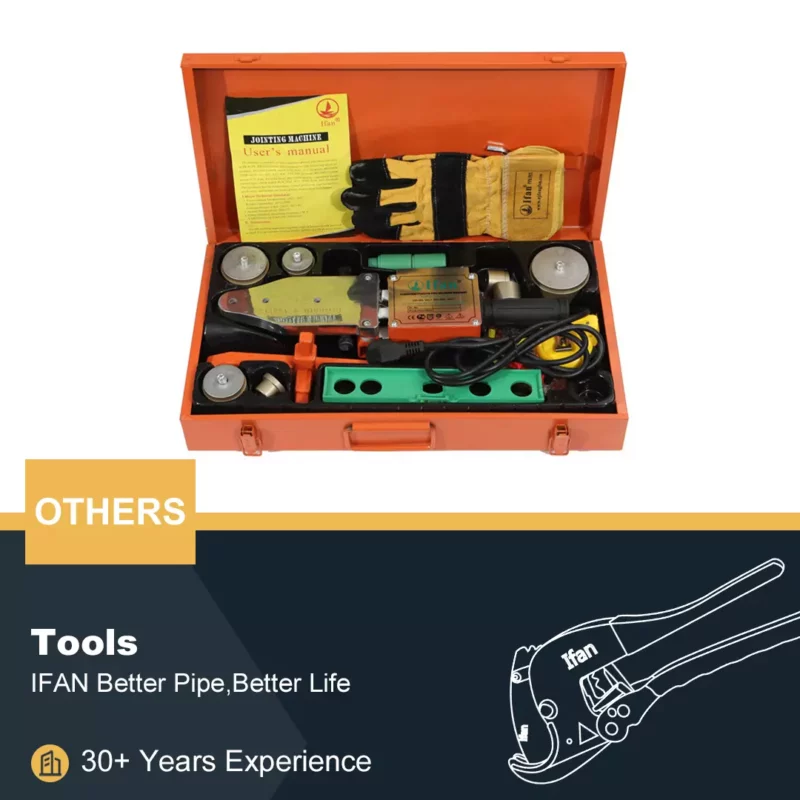
PPR tees connect through heat fusion welding.
All sockets must be heated evenly.
Uniform fusion ensures long-term reliability.
Welding Technique Considerations
Incorrect heating weakens joint strength.
Overheating damages material structure.
Standardized procedures improve installation quality.
Installation Orientation Planning
Branch orientation affects system maintenance.
Poor orientation complicates future repairs.
Clear design drawings reduce installation errors.
Application in Floor Heating Systems
Tees distribute hot water to heating loops.
Balanced distribution ensures temperature consistency.
System efficiency improves.
Noise Control Performance
Smooth internal transitions reduce water noise.
Pressure fluctuations are minimized.
Comfort levels improve in occupied buildings.
Compatibility with PPR Valves
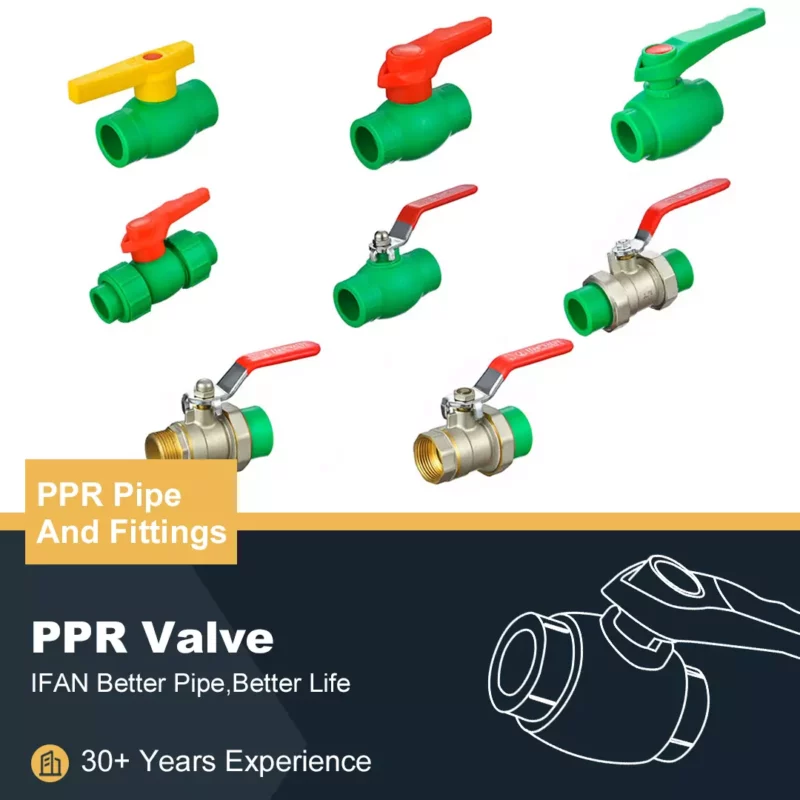
Tees connect directly with PPR valves.
This enables zone control.
Maintenance becomes more efficient.
Dimensional Accuracy Requirements
Accurate socket dimensions ensure proper fusion.
Inconsistent sizing increases installation time.
Bulk buyers prioritize dimensional stability.
Size Range for Engineering Projects
Common sizes range from 20mm to 63mm.
Larger tees serve main distribution lines.
Smaller tees supply terminal outlets.
Concealed Installation Considerations
Tees are often embedded in walls or floors.
Welding quality is critical in concealed systems.
Leak prevention is a top priority.
Exposed Installation Applications
Exposed systems require neat pipe alignment.
Consistent tee geometry improves visual appearance.
This matters in commercial environments.
Resistance to Chemical Exposure
PPR tees resist common water treatment chemicals.
They do not corrode over time.
This suits varying regional water qualities.
Long-Term Hydraulic Stability
PPR material limits scaling buildup.
Internal diameter remains stable.
Flow performance does not degrade quickly.
Storage and Handling Guidelines
Tees should be stored away from direct sunlight.
Avoid excessive stacking pressure.
Proper handling prevents deformation.
Packaging for Bulk Supply
Tees are typically packed by size and type.
Clear labeling supports inventory control.
Bulk packaging reduces logistics costs.
Quality Inspection Points
Inspect socket depth and roundness.
Check wall thickness uniformity.
Surface defects indicate poor manufacturing.
Certification and Documentation
Suppliers should provide material certifications.
Compliance with standards supports project approvals.
Documentation is essential for tender requirements.
Cost Impact in Large Projects
Low-quality tees increase rework risk.
Reinstallation raises labor costs.
Stable quality reduces total project expense.
Procurement Decision Factors
Buyers should assess production capacity.
Consistent supply is critical for phased projects.
Technical support adds procurement value.
If you have read this article and have any questions, please feel free to contact IFAN. Below is our contact information:
Whatsapp:+86 13373827623
Email:[email protected]